

Your Hunger Hormones Get Out of Sync

Sleep and appetite are coordinated by two key hormones: ghrelin, which signals hunger, and leptin, which signals fullness. Typically, our bodies know that sleeping and eating don’t go hand in hand. When we fall asleep, our bodies produce higher levels of leptin to suppress appetite, and when we wake up, ghrelin ramps up to tell the body it’s time to eat.
The trouble starts when this neatly timed system is disrupted. Leptin and ghrelin can be disrupted by poor sleep quality, stress, and hormonal changes, which can lead to feeling hunger at odd times. When ghrelin spikes at the wrong hour, your brain gets a very convincing signal that you need food, even if you ate a full dinner.
Research published in the European Journal of Endocrinology found that some people have abnormally high levels of ghrelin in the blood between midnight and morning. It is as if this hormone is out of sync with other hormones, primarily melatonin, that should be keeping them asleep. This misfiring of the body’s appetite clock is one of the more overlooked explanations for chronic nocturnal hunger.
Blood Sugar Crashes While You Sleep
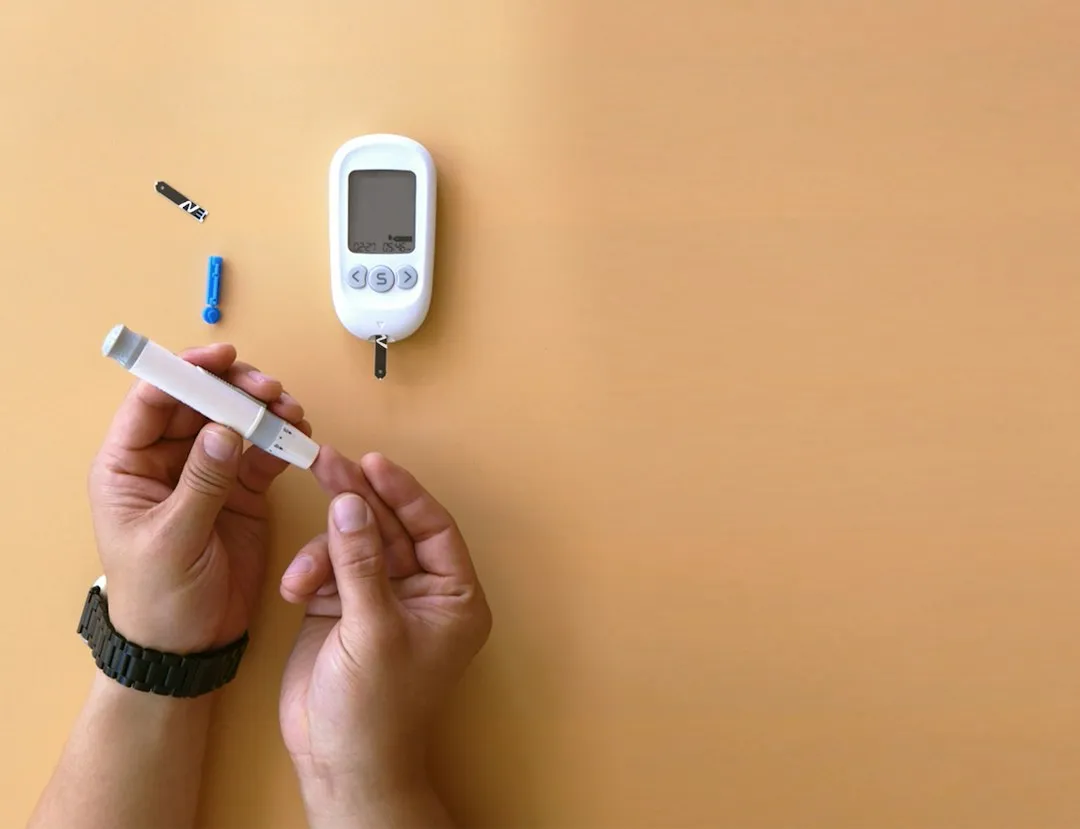
A big, sugary meal floods your bloodstream with glucose, prompting your pancreas to release an oversized burst of insulin. By the time you wake up, several hours after the insulin surge has driven your glucose down and your overnight fast has emptied your stomach, your brain is basically demanding food.
Reactive hypoglycemia typically bottoms out a few hours after a large, sugary meal, so if you ate late, the trough can land squarely in the middle of the night. When blood glucose dips low while you sleep, your body fights back by releasing counter-regulatory hormones, including adrenaline, glucagon, cortisol, and growth hormone. That adrenaline surge is exactly what can nudge you out of sleep, often paired with hunger and a faint clammy sweat.
This is a cycle many people accidentally set in motion every evening without realizing it. An unbalanced diet or inadequate evening meal may cause blood sugar levels to rise quickly and then drop, leading to hunger in the night. Unstable blood sugar can often be the result of primarily eating refined carbohydrates for dinner.
You Simply Didn’t Eat Enough During the Day

If you wake up in the middle of the night and feel extreme hunger pangs in your stomach, there’s a good chance you aren’t eating enough. This is especially common among people who skip breakfast, eat light lunches, or follow restrictive eating plans without adjusting timing or calorie distribution.
Eating too little protein or fiber during the day can also lead to hunger pangs at night. Protein, in particular, plays a meaningful role here. A meta-analysis of randomized controlled trials found that acute protein intake reduced hunger and increased feelings of fullness. When dinner lacks both, the body simply has less to work with through the night.
Poor Sleep Quality Creates a Hunger Loop

Research from randomized controlled trials shows that restricting sleep can increase hunger and food intake. A systematic review of 41 randomized trials found that sleep restriction increased reported hunger and was associated with an average increase of about 253 calories consumed per day.
A randomized crossover study found that restricting sleep to five hours per night for three nights increased food intake compared with an eight-hour sleep condition. Sleep restriction can affect the brain regions involved in food reward and decision-making, alter metabolic processes, and change how strongly food cues influence eating behavior.
This creates a self-reinforcing problem. Left unchecked, nighttime hunger can disrupt sleep, contribute to weight gain, worsen acid reflux, and interfere with glucose control. Bad sleep makes you hungrier, and hunger disrupts your sleep further.
Stress and Cortisol Play a Bigger Role Than Most People Think

Elevated cortisol from stress or poorly controlled insulin levels can make you hungry at night. Stress and anxiety can trigger what some call “stress hunger” and create a habitual comfort behavior like grabbing a midnight snack. Over time, this becomes less about physical need and more about a learned response to emotional discomfort.
The dysregulation of the hypothalamic-pituitary-adrenal axis leads to abnormal cortisol secretion patterns, which in turn influences stress-related eating behaviors. Individuals who experience heightened stress responses may develop increased cravings for high-calorie foods, particularly at night. This mechanism is well-documented in clinical literature on night eating and mood disorders.
You May Have Night Eating Syndrome

Night Eating Syndrome (NES) is categorized as an eating disorder characterized by a delayed circadian rhythm of food intake and involves evening hyperphagia and nighttime awakening and food consumption two or more times per week. It’s a recognized clinical condition, not just a label for people who like late snacks.
The prevalence of NES in the United States is approximately one and a half percent of the general population, with higher rates associated with greater degrees of obesity, reaching roughly ten percent of individuals seeking treatment for obesity and about twenty-seven percent among candidates for bariatric surgery.
Research shows significant differences between those with NES and those without, particularly in sleep disturbances, depression, and anxiety. The NES group was also significantly associated with higher levels of fat and carbohydrate consumption during the evening and night. If you find yourself waking to eat most nights, it may be worth bringing this up with a healthcare provider.
Intense Exercise During the Day Can Trigger Nighttime Hunger

Nighttime hunger can also have to do with your physical activity. Getting a lot of exercise during the day can cause nighttime hunger. Hard training burns through glycogen stores, and if those stores aren’t adequately replenished before bed, the body can signal for fuel hours later while you’re asleep.
If your middle-of-the-night snacking is a random one-off, it’s probably because you did something different that day, like having a huge workout and burning through a lot of caloric energy, or your regular sleep cycle was disrupted. Athletes and people who recently ramped up their training volume are particularly likely to notice this pattern.
Dehydration Can Mimic the Feeling of Hunger

Dehydration can mimic hunger. The brain doesn’t always distinguish cleanly between thirst and hunger signals, especially when you’re partially asleep and not thinking clearly. If you wake up feeling like you need to eat but the sensation passes after a glass of water, this is probably what’s happening.
This is one of the easier causes to address. Keeping water accessible at the bedside is a low-effort way to test whether your 3 a.m. hunger is really about food at all. Many people are mildly dehydrated by the end of the day due to not drinking enough fluids throughout their waking hours, which makes this an underappreciated but surprisingly common contributor.
Your Circadian Rhythm and Meal Timing May Be Misaligned
Research suggests that eating out of sync with your typical light and dark cycles could reduce the production of the satiety hormones leptin and ghrelin, which may lead to increased food consumption. When your meal schedule doesn’t match your internal body clock, the hormonal signals that normally keep nighttime hunger quiet can get scrambled.
The brain coordinates appetite with the body’s energy needs, eating patterns, sleep, and circadian rhythms. Shift workers, frequent travelers crossing time zones, and people with highly irregular meal schedules are especially prone to this kind of misalignment. The body works best when it can predict when food is coming.
Certain Medications and Health Conditions Can Be the Culprit
You may wake up hungry if you aren’t getting enough sleep or if you overeat before bed. Sometimes medications like steroids or health conditions like PMS may contribute to nighttime hunger. This is a category that catches people off guard, particularly when they’ve made all the obvious dietary changes and still find themselves awake and ravenous at odd hours.
Common underlying conditions linked to nighttime hunger include diabetes, hyperthyroidism, and acid reflux. Each of these can interfere with either blood sugar regulation or the normal suppression of appetite during sleep. You can usually address waking up hungry with minor changes to your diet or schedule, but sometimes waking up hungry may result from an underlying health condition that requires treatment.
The Takeaway

Waking up hungry in the middle of the night rarely happens for just one reason. It’s usually a combination of what you ate, when you ate it, how well you slept, how stressed you’ve been, and how active your day was. Most cases respond well to adjustments in meal composition, particularly adding more protein and fiber to dinner, stabilizing blood sugar, and protecting sleep quality.
That said, if nighttime hunger is persistent and interfering with your sleep on most nights, it’s worth taking seriously. The research on night eating syndrome and its connections to mood, sleep quality, and metabolic health has grown considerably in recent years, and it’s a condition that deserves more attention than it typically gets.
Sometimes the simplest explanation is the right one: your body ran out of fuel. Other times, the signal is worth listening to more carefully.
AI Disclaimer: This article was created with the assistance of AI tools and reviewed by a human editor.