

What the First-Night Effect Actually Is
The first-night effect is a prevalent occurrence in sleep monitoring, characterized by extended sleep onset latency, reduced total sleep time, diminished sleep efficiency, and prolonged wake-time after sleep onset. It isn’t just a vague feeling of restlessness. It shows up clearly in objective measurements.
A considerable body of literature describes how sleep during the first night in a new, unfamiliar surrounding differs from sleep in a familiar environment, a phenomenon first described by Agnew et al. in 1966. Researchers have been studying it for decades, yet recent work continues to reveal new dimensions of just how deeply it alters the sleeping brain.
Your Brain Literally Keeps Watch

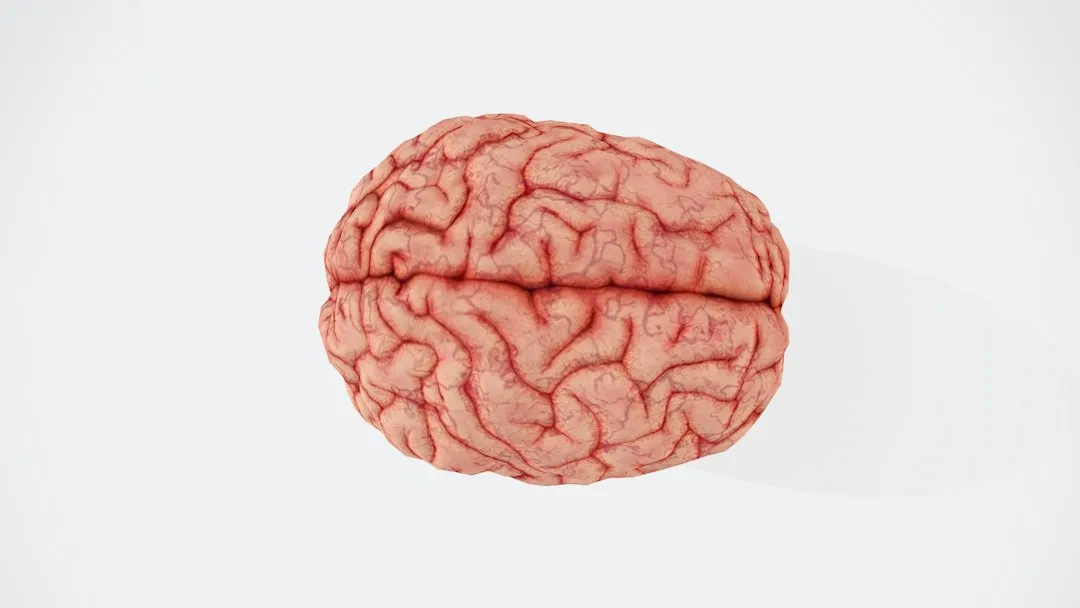
A Brown University study found that on the first night in a new place, one brain hemisphere remains more awake than the other during deep sleep, apparently in a state of readiness for trouble. Think of it as your brain running a background security check while the rest of you tries to rest.
Slow-wave activity, which is an index of sleep depth, decreases in the left hemisphere compared to the right hemisphere regionally in the default-mode network during NREM stage 3 sleep as part of the first-night effect, and this decrease causes interhemispheric asymmetry in slow-wave activity. The right hemisphere, by contrast, sleeps normally. Only one side of the brain takes the night shift.
Participants with greater slow-wave asymmetry in the default-mode network took longer to fall asleep, a behavioral indication of arousal and anxiety and a key component of the first-night effect. These results suggest that the left hemisphere was not sleeping as deeply on the first night and that this underlies the first-night effect.
The “Night Watch” Instinct From Our Ancient Past

It has been suggested that a function of partial sleep such as unilateral hemispheric sleep in some birds and marine mammals is a protective mechanism to compensate for risks during sleep. This led researchers to ask whether the first-night effect involves some type of interhemispheric sleep to be vigilant in one brain hemisphere in humans as a protective mechanism.
There are many examples among animals of hemispheric asymmetry during slow-wave sleep. Marine mammals exhibit it, presumably because they regularly need to resurface to breathe, even during sleep. Now it has been found in humans as a first-night phenomenon. In evolutionary terms, sleeping somewhere unfamiliar genuinely was a threat. Your brain hasn’t fully updated that operating system.
How Stress and Anxiety Drive the Effect

The physiological and psychological mechanisms underlying the first-night effect are primarily linked to acute stress induced by the environment and heightened levels of anxiety, involving the default mode network. The body treats novelty as a low-level threat, which is enough to keep the nervous system from fully relaxing.
Poor sleep recorded on the first night is multifactorial and may be related to the unfamiliar environment, somatic discomfort, and subtle psychological changes. Acute stress and anxiety are typical responses to facing unfamiliar situations and may directly contribute to sleep difficulties.
Cortisol follows a natural rhythm, rising in the early hours of the morning, peaking shortly after waking, and reaching its lowest point in the first half of the night to facilitate deep sleep. When acute environmental stress disrupts this rhythm, the dip that normally enables deep sleep is flattened, and the body stays in a lighter, more vigilant state.
What Happens to Your REM Sleep

REM sleep-related parameters may be one of the most sensitive indicators of adaptation to sleep monitoring. Prolonged REM sleep latency and shorter REM sleep duration on the first night compared to the second night suggest the presence of higher levels of anxiety and stress on the first night. REM sleep is where the brain consolidates emotional memory and restores cognitive function, so losing it has real consequences.
A large brain response was elicited during the phasic period of REM sleep in association with the first-night effect. This result suggests that resources for internal mental activities are deployed for external monitoring when sleeping in an unfamiliar environment. In other words, even during REM sleep, part of your brain shifts attention outward, toward the room rather than inward, toward restoration.
The Effect on Brain Plasticity Is Real
Using a within-subject design, researchers found that the first-night effect significantly reduces visual plasticity during sleep in young adults. This means the brain’s ability to learn, adapt, and reorganize is genuinely impaired after a disrupted first night, not just subjectively, but measurably so.
Sleep-onset latency, an indicator of the first-night effect, was significantly longer during the first sleep session than the second session. Researchers assessed performance gains in visual perceptual learning after sleep using magnetic resonance spectroscopy and polysomnography. The practical upshot is that a poor first night in a new environment can affect your performance the next day more than a bad night at home would.
How Broadly the Effect Is Documented
In 2022, a meta-analysis of 53 studies on the first-night effect found that sleep quality and quantity were generally reduced on the first night compared to the second night. Specifically, sleep onset latency, wake after sleep onset, time spent in light NREM sleep, and REM latency were all longer on the first night. Additionally, there was a decrease in total sleep time, sleep efficiency, and REM sleep.
In a study of over a thousand patients, roughly half of those without hypnotic agents reported worse perceived sleep quality when sleeping away from home compared to sleeping in their own bed. That figure gives a sense of just how common and consistent this experience is across very different people and settings.
Age, Personality, and Individual Differences Matter
Age, chronotype, personality traits, and prior sleep history are all factors that can significantly influence how individuals adapt to new sleep environments. Consistent with this, a meta-analysis showed that the first-night effect varied across different age groups, with young adults showing the least pronounced effects. Older adults tend to experience the disruption more acutely.
The first-night effect exhibits varying manifestations and impacts across individuals of different age groups and genetic predispositions. This explains why some people seem to drop off easily in hotels while their travel companions lie awake for hours. It’s not simply about willpower or how tired you are.
The Effect Can Persist Beyond a Single Night

The first night in an unfamiliar environment is marked by reduced sleep quality and changes in sleep architecture. The first-night effect is well established for two consecutive nights and lays the foundation for including an adaptation night in sleep research. However, adaptation nights rarely happen immediately before experimental nights, which raises the question of how sleep adapts over nonconsecutive nights.
In one experiment, 45 healthy participants spent two weekly separated nights in a sleep laboratory, and researchers were able to demonstrate that the first-night effect occurs even on nonconsecutive nights, affecting especially sleep duration and sleep continuity. So even if you stayed at that hotel two weeks ago, returning to it may still trigger a milder version of the disruption.
Studies suggested that the first-night effect was present only on night one throughout a study, whereas no significant differences were found on the remaining nights when compared with each other. This demonstrates that the effect is universally adaptive: after experiencing adaptation on night one, subsequent nights are unaffected. Most people fully adjust by the second night in the same place.
What You Can Actually Do About It
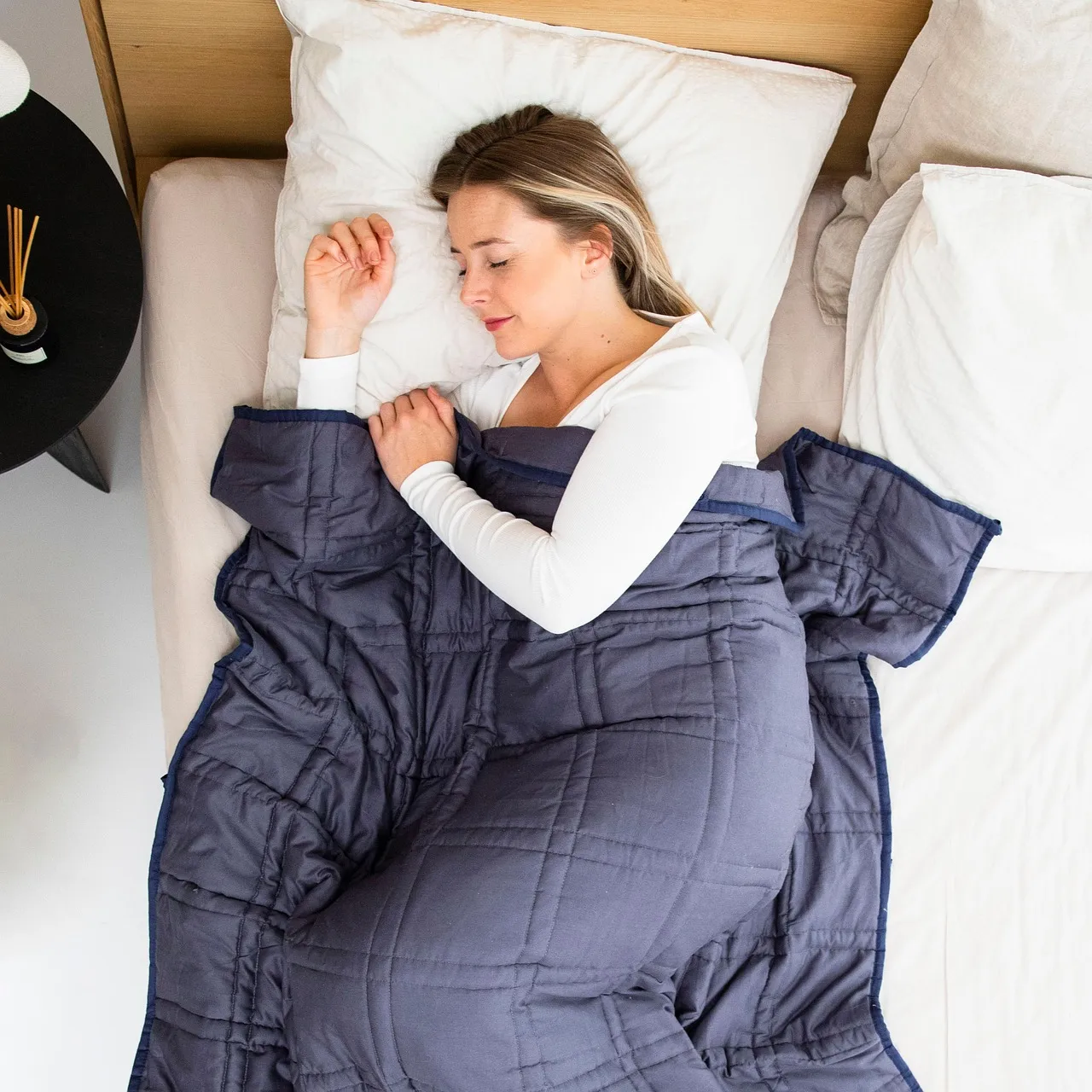
Some researchers have suggested that a pleasant environment and warm, friendly staff can alleviate some of the tension and anxiety, and that familiarizing oneself with the monitoring room environment ahead of time can attenuate the effect, though the first-night effect is still largely unavoidable. Total elimination isn’t really on the table, but meaningful reduction is.
Practical steps that align with what the research shows: arrive at your destination with enough time to explore the room before sleep, keep your regular bedtime routine as intact as possible, and consider bringing a familiar object like a pillow from home. These small anchors to familiarity can reduce the ambient novelty that keeps the brain’s alert hemisphere active. The evening trough in cortisol allows the parasympathetic nervous system to take over, body temperature to drop, and sleep to deepen, so anything that encourages genuine relaxation before bed works in your favor.
The Takeaway

The first-night effect is one of those things that’s both deeply human and surprisingly ancient. Your sleeping brain, when placed in unfamiliar surroundings, doesn’t just drift off. It quietly assigns one hemisphere to keep watch, trims your REM sleep, delays your rest, and reduces the restorative depth of your night. All in case something out there needs attention.
The science here is solid and growing. Research published in 2024 in journals including Scientific Reports and Sleep continues to refine our understanding of exactly how this mechanism works across different ages and environments. Knowing why it happens won’t make the first night disappear, but it can make it easier to accept. By night two, the brain has decided the new place is safe enough. That’s usually all it takes.
AI Disclaimer: This article was created with the assistance of AI tools and reviewed by a human editor.