
Most people think of soil as just dirt – passive, inert, something you walk on. In reality, healthy soil is one of the most complex biological systems on Earth, and how we treat its structure directly decides whether the plants growing in it thrive or quietly struggle. Soil compaction, the process of pressing soil particles so tightly together that pores collapse, is far more damaging than it looks from the surface.
The problem is that compacted soil rarely announces itself dramatically. Crops may still emerge, gardens may still bloom – just less vigorously, less deeply, less efficiently. Understanding what actually happens underground when roots lose their breathing room is the clearest reason to rethink how we manage the ground beneath our feet.
What Healthy Soil Actually Looks Like
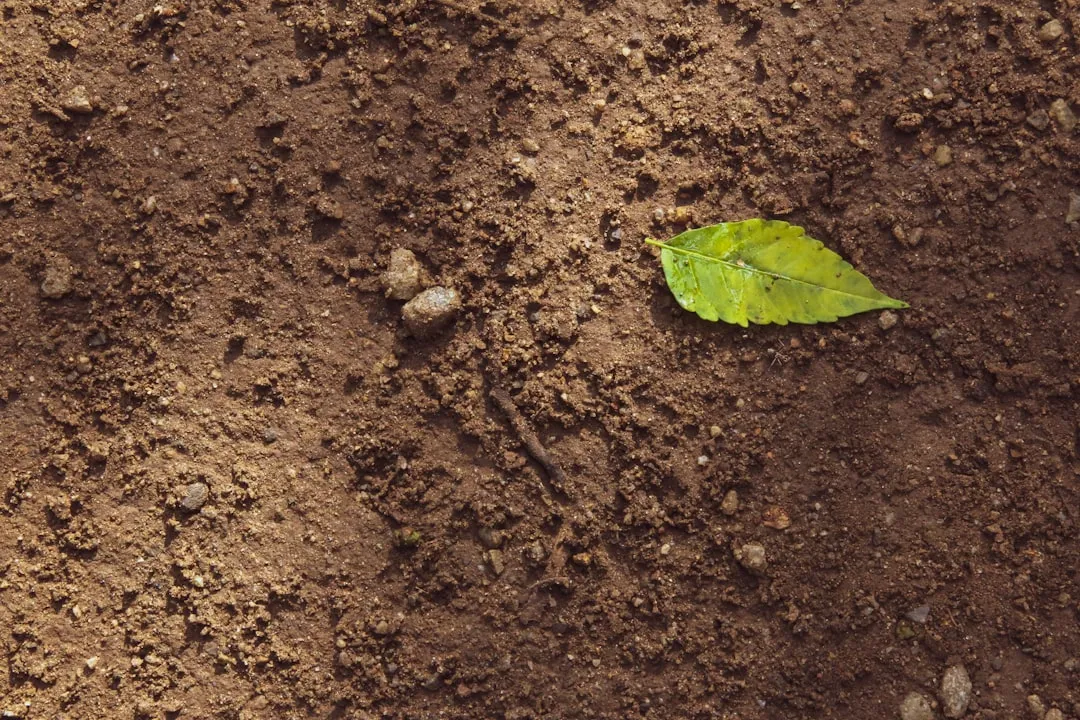
Soil with good structure has roughly fifty percent solid material, twenty-five percent water, and twenty-five percent air-filled pores. That air fraction is not a gap or an imperfection. It’s essential infrastructure, the space through which roots extend, gases exchange, and water moves.
Soil structure – the spatial arrangement of soil particles and aggregates – is a key determinant in the growth and development of plants. When that structure is intact, nutrients circulate, microbes thrive, and roots can push downward freely in search of water and minerals.
Agronomists generally recommend that growers aim for soil that is about fifty percent solid and fifty percent porosity. The moment that ratio tips out of balance, a cascade of problems begins – most of them hidden just below the surface.
How Compaction Happens in the First Place
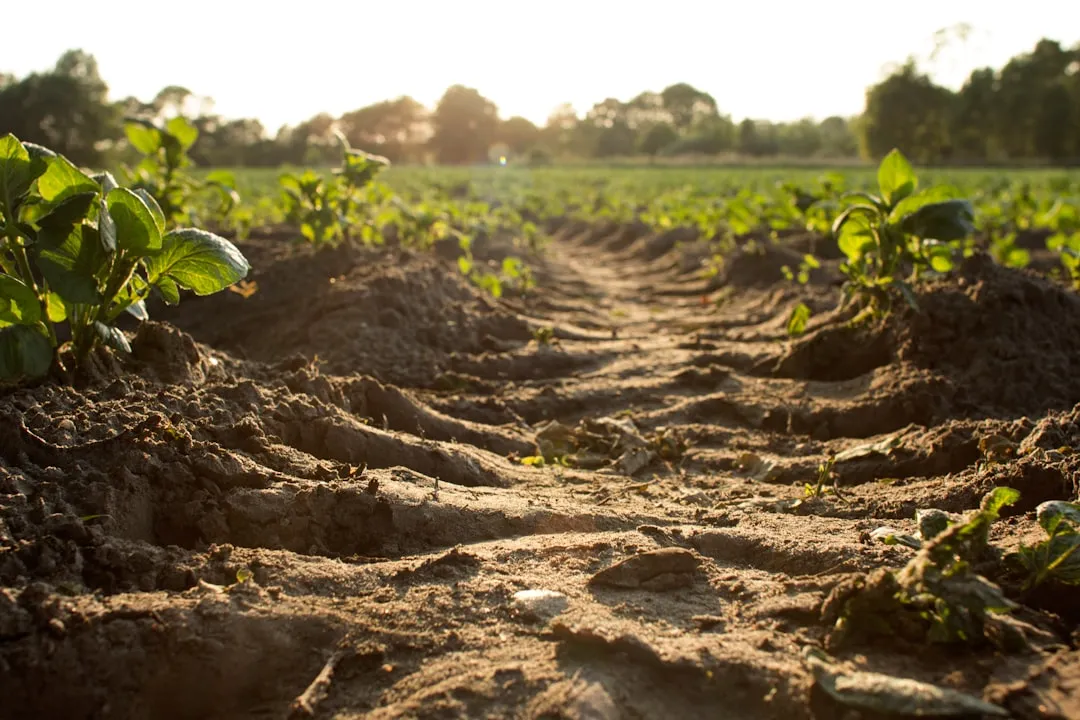
Soil compaction is a major form of soil structural degradation that is often brought about by actions that force soil components together at the expense of air, such as the frequent use of heavy machinery, excessive tillage, and animal trampling. Even foot traffic in home gardens, repeated over time, can create a surprisingly firm layer just a few inches down.
A number of factors can lead to soil compaction, including the use of heavy machinery, excessive soil moisture, foot traffic, and climate change. Wet soil is particularly vulnerable because the water film between particles acts as a lubricant, making it far easier for weight to force those particles together permanently.
As heavy farm machinery makes passes across a field during a tillage operation, soil compaction occurs, and over time this compaction can create a hard, impermeable pan that reduces the rate of water infiltration and drainage, restricts root growth, reduces oxygen in the root zone, and results in higher greenhouse gas emissions.
The Global Scale of the Problem
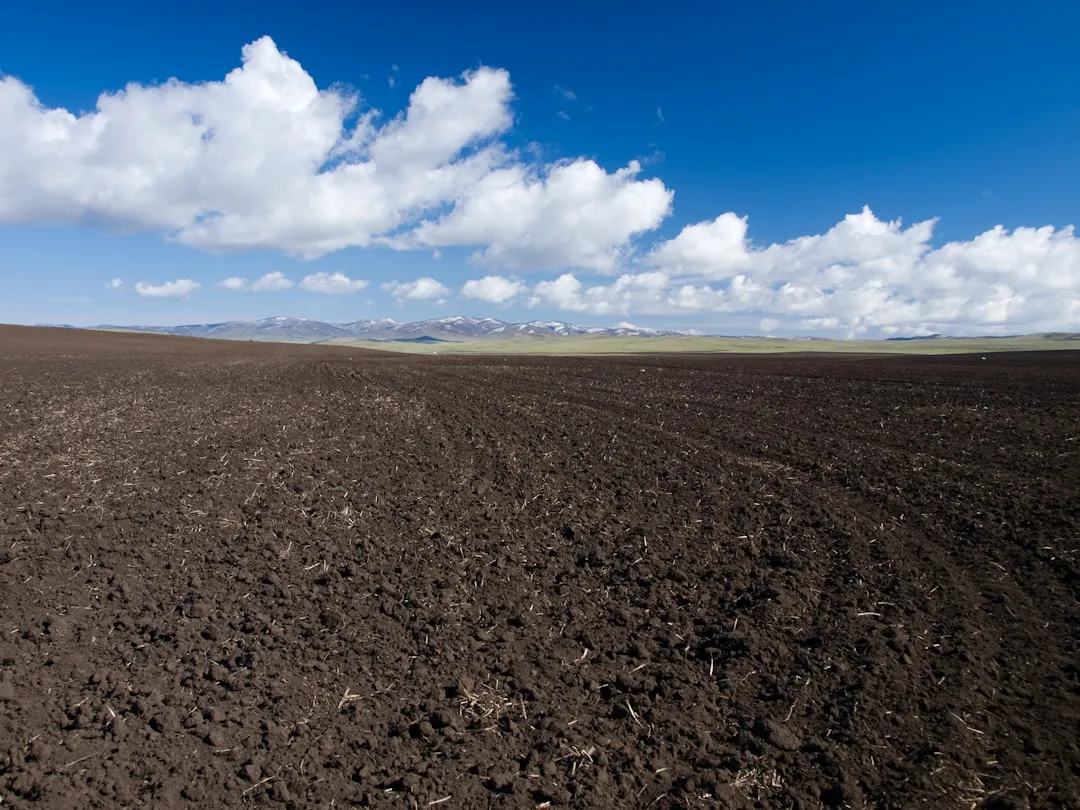
It is estimated that soil compaction has affected about sixty-eight million hectares of the world’s farmlands, and among them more than thirty-two percent of European subsoils are reported to be compacted. These are not marginal or poor-quality lands. Many of them are among the most productive agricultural zones in the world.
Soil compaction is generally viewed as one of the most serious soil degradation problems and a determining factor in crop productivity worldwide. When you consider that global food demand continues to rise, the fact that a significant share of farmland is already working at a structural disadvantage is worth taking seriously.
Research shows that overall potential long-term productivity losses of ten to twenty percent can be expected globally from soil compaction and water erosion combined, with high relative impacts on low-input production systems. For smallholder farmers working with thin margins, those losses can be devastating.
What Compacted Soil Does to Roots
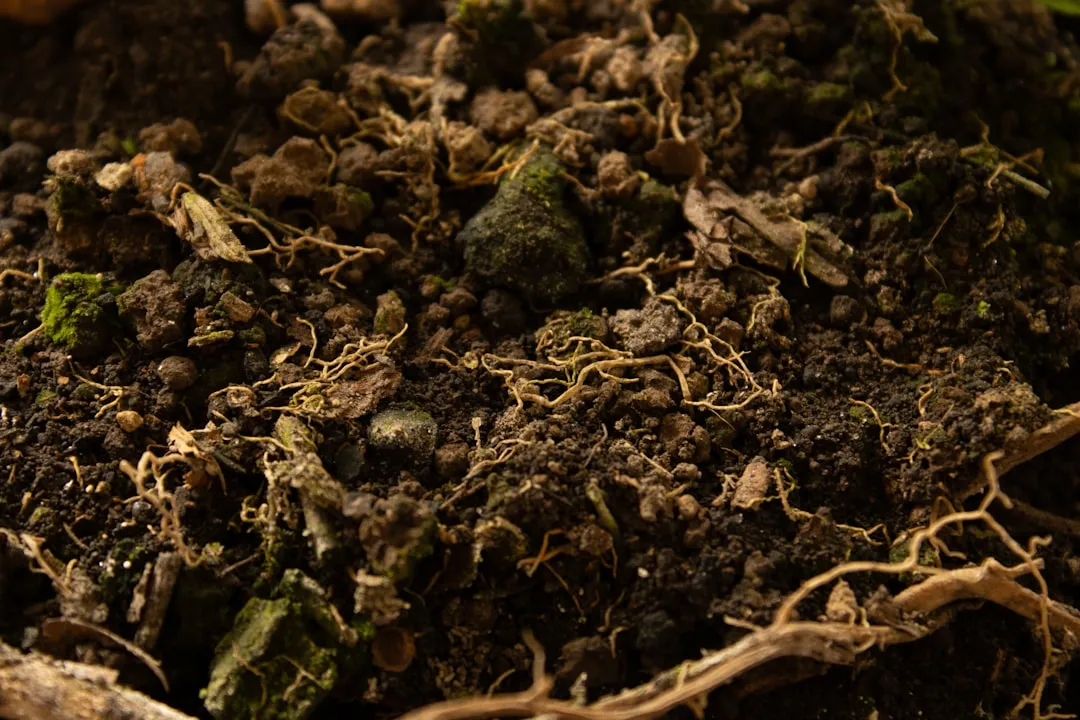
Soil compaction hinders root growth, limiting the nutrient and water foraging abilities of plants. When the pore space collapses, roots cannot push forward. They hit resistance and either stop growing, bend sideways, or find tiny cracks to exploit – none of which results in an efficient, deeply anchored root system.
Soil compaction decreases overall plant growth and causes changes in root hair morphology and the F-actin cytoskeleton, which is critical to the function of root hairs. Additionally, rates of cytoplasmic streaming, which facilitate nutrient and water uptake, are reduced in root hairs from compacted treatments. In other words, the damage reaches all the way down to the cellular level.
Increased soil penetration resistance, decreased root distribution pattern, and root elongation ultimately lead to restricted root access to water and plant nutrients in compacted soil. The plant above ground may look unremarkable, but below, it is fighting a losing battle for resources.
How Plants Actually Sense Compaction

One of the more fascinating discoveries from recent root research is that plants are not passive victims of compaction. They actively detect it. Recent research reveals that plant roots sense soil compaction due to higher ethylene accumulation in and around root tips.
In non-compacted soil conditions, ethylene diffuses freely through connected soil pores, resulting in favorable root growth responses. In contrast, soil compaction reduces soil pore volumes, which restricts the diffusion of ethylene and causes a reduction in root growth. The gas essentially becomes trapped, signaling distress.
Ethylene orchestrates auxin and abscisic acid as downstream signals to regulate root adaptive responses to soil compaction. The molecular and physiological responses connected to ethylene detection could potentially be manipulated to improve crop yields – a direction that plant scientists are now actively pursuing.
The Yield Losses Are Steeper Than Most Growers Realize
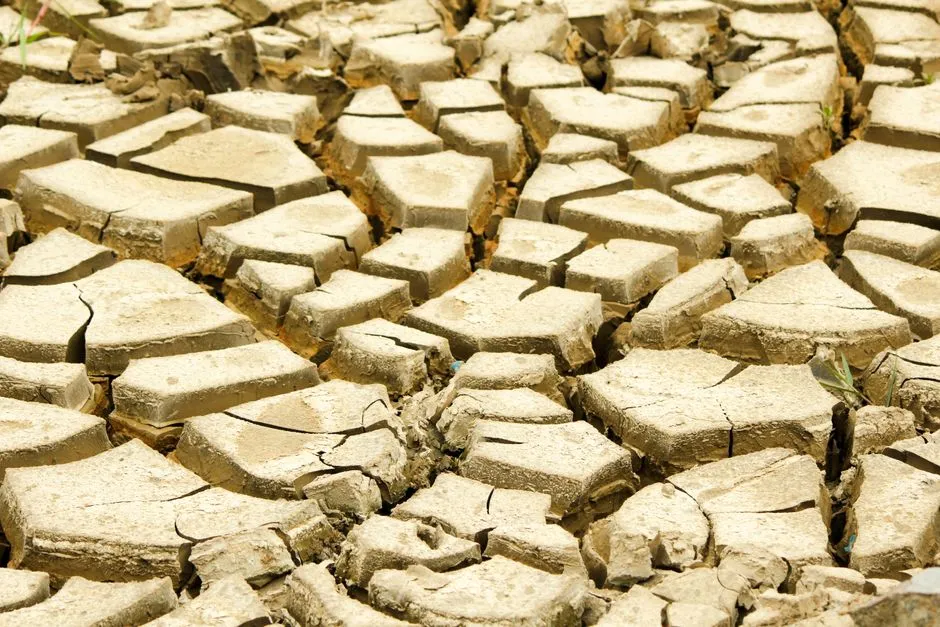
Numbers matter here, and they’re sobering. Across multiple studies, yield losses from compaction ranged from roughly nine to fifty-five percent. Compaction’s longer-term residual effects tend to show up during challenging weather years, and a review of twelve studies found a median twenty-one percent yield reduction for two years following wheel traffic compaction.
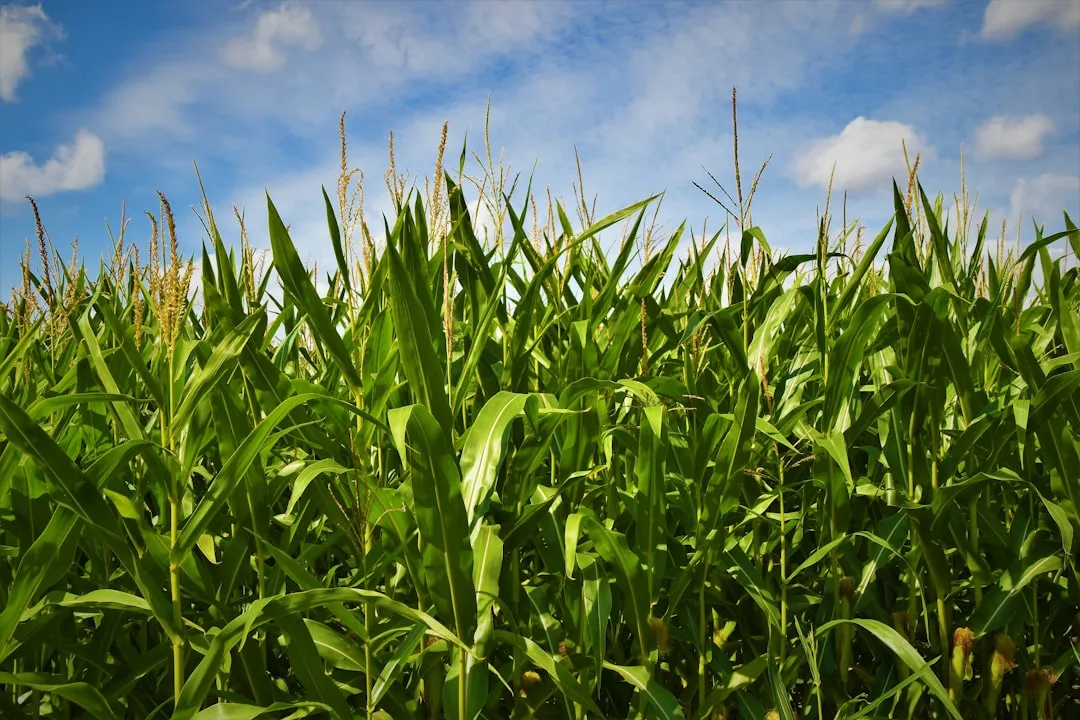
A systematic review that collected data points on one hundred and forty-two crop yields found that wheat, barley, corn, and soybean yields decreased by an average of roughly four, fifteen, thirty-eight, and twenty-three percent, respectively, across a range of bulk density increases after compaction. Corn appears to be among the most sensitive crops.
Research from the University of Wisconsin showed corn emergence at around ninety percent at twenty-one days in areas with less than five tons per axle, while areas compacted by nine-ton axle loads were at only forty percent emergence in that same window – and less than twenty percent emergence was recorded in areas compacted by fourteen-ton axles.
Compaction’s Hidden Impact on Soil Biology
The damage doesn’t stop at roots. Soil compaction jeopardizes the soil microbiome’s role in nutrient cycling and plant productivity, disrupting soil fertility, carbon storage, and greenhouse gas emissions. Compressing soil essentially evicts the microscopic workforce that keeps it functional.
Compaction also hinders soil carbon sequestration, impairing the potential carbon sink and contributing to increased atmospheric greenhouse gases. At a time when soil carbon storage is increasingly discussed as a tool for climate mitigation, this is a significant and often overlooked consequence.
After soil compaction, air content between soil particles diminishes, soil porosity decreases, and bulk density increases. This alteration triggers a cascade of adverse consequences: water permeability and soil aeration deteriorate, exacerbating surface runoff, while critical nutrients such as carbon and nitrogen become more prone to leaching as crop nutrient uptake efficiency declines.
Subsoil Compaction: The Problem That Won’t Fix Itself
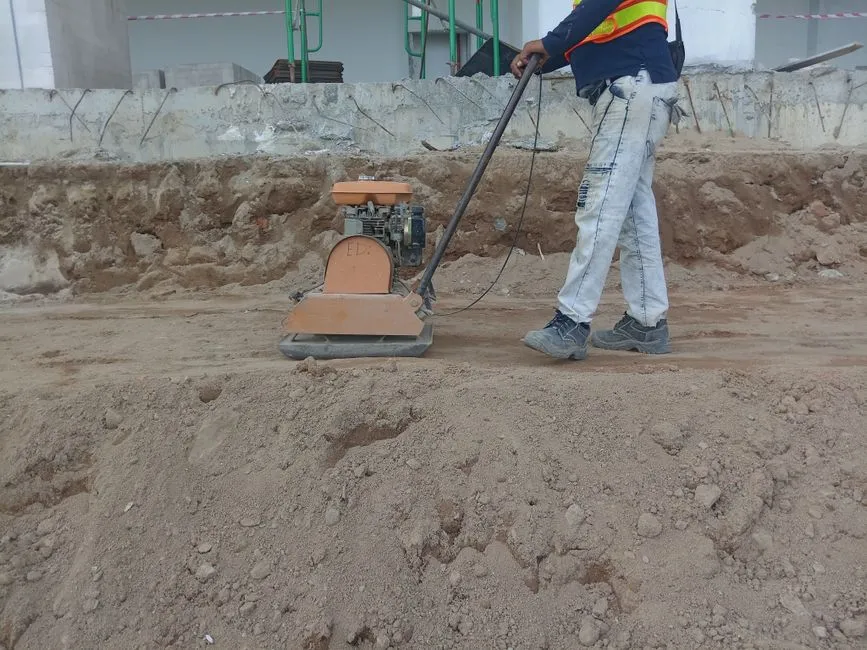
Topsoil compaction is frustrating. Subsoil compaction is a different order of problem entirely. Subsoil compaction occurs below the depth of normal tillage operations, and research shows it is not alleviated by freeze-thaw and wetting-drying cycles on any soil type. It can persist for decades.
In an international research effort that included tillage after compaction, average first-year yield losses were approximately fifteen percent. Without recompaction, yield losses decreased to approximately three percent ten years after the compaction event, but the final yield loss – most likely due to subsoil compaction – can be considered permanent.
A 2025 study published in PNAS added an important layer to this concern. Subsoil compaction risk is driven by compaction events from heavy farm vehicles occurring at intervals shorter than soil structure recovery times, and analyses show that nearly forty percent of global no-till lands face a high subsoil compaction risk. Even conservation farming approaches are not immune.
Practical Ways to Restore Root Breathing Room
The good news is that there are proven, affordable strategies to prevent and reverse compaction. Enhanced soil carbon sequestration – and by extension, improved soil structure – can be achieved through management practices like cover cropping, no-tillage, crop rotation, and organic matter incorporation, which stimulate plant growth and soil microbial activity.
Deep-rooted cover crops such as oil seed radish and cereal rye help break up compaction deeper into the soil profile, while cover crops with a more fibrous root system such as oats and buckwheat help break up crusting toward the top of the soil profile. Either way, getting living roots into the soil helps to create organic matter and pore space when they are terminated and decompose.
Deep-rooted cover crops can provide a less costly and longer-lasting solution to compaction issues. A four-year Ohio State University study showed that soils compacted with a twenty-ton grain cart yielded better when soybeans were grown after cover crops compared to using annual subsoiling. In the same study, corn after cover crops yielded just as well as corn after subsoiling, and in the 2012 drought year, the cover crop plots actually yielded better than subsoiling.
Changing How We Think About Ground Underfoot
Soil compacting in global farmlands has become a major problem because of its detrimental effects on the environment and agricultural sustainability. Yet the way most people – farmers and gardeners alike – relate to soil is still largely visual. If it looks dark and the crop is growing, the assumption is that things are fine.
The reality beneath the surface tells a more complicated story. Soil compaction management strategies include restricted traffic patterns, organic matter addition, and using plants like alfalfa to break compacted zones and promote macropore formation. These aren’t radical interventions. They’re adjustments to how, when, and where pressure is applied to the ground.
Soil compaction deteriorates soil structure and fertility, precluding optimal root system development and diminishing crop yields, and there is a clear need to design soil compaction-resilient crop varieties that can grow on marginal lands while simultaneously maintaining high yields and boosting carbon storage in the soil. Science is working on the long-term fix. In the meantime, the most immediate lever any grower has is simply the weight they put on wet soil and how often they do it.
Conclusion
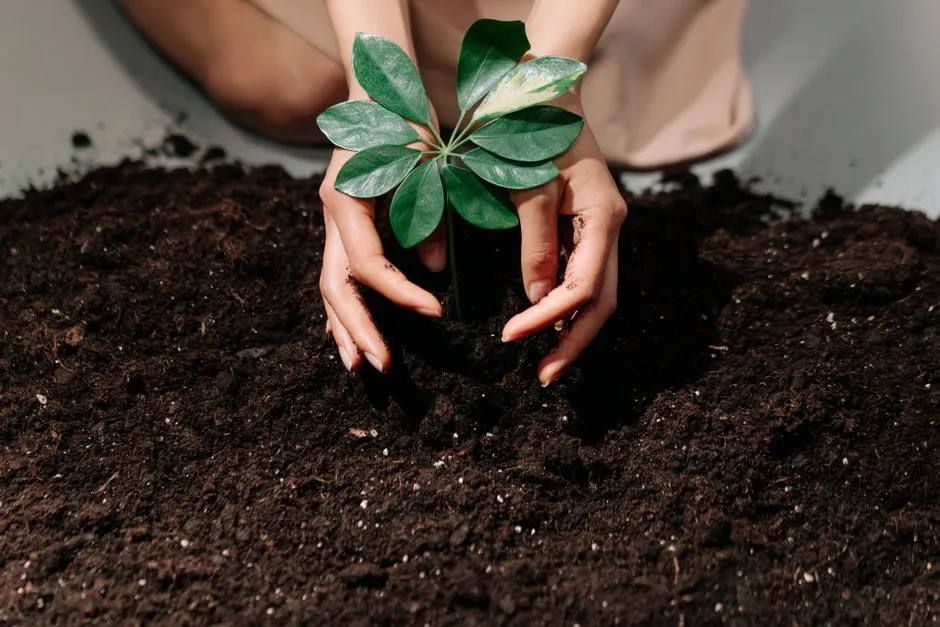
Healthy soil is not just a medium for holding plants upright. It’s a living, breathing system that demands space – literally. When we compress that space away, the consequences stack up slowly and stubbornly: stunted roots, reduced yields, disrupted soil life, and carbon that should stay in the ground escaping into the atmosphere instead.
The research from 2024 and 2025 makes it increasingly clear that this is not a niche agronomic concern. It’s a foundational issue for anyone trying to grow food reliably over the long term, at any scale. The simplest commitment a grower can make today is a careful one: stay off wet soil, rotate traffic patterns, plant cover crops, and give the ground the structural respect it needs to do its job.
Roots need room to breathe. When they get it, everything above ground tends to follow.
AI Disclaimer: This article was created with the assistance of AI tools and reviewed by a human editor.