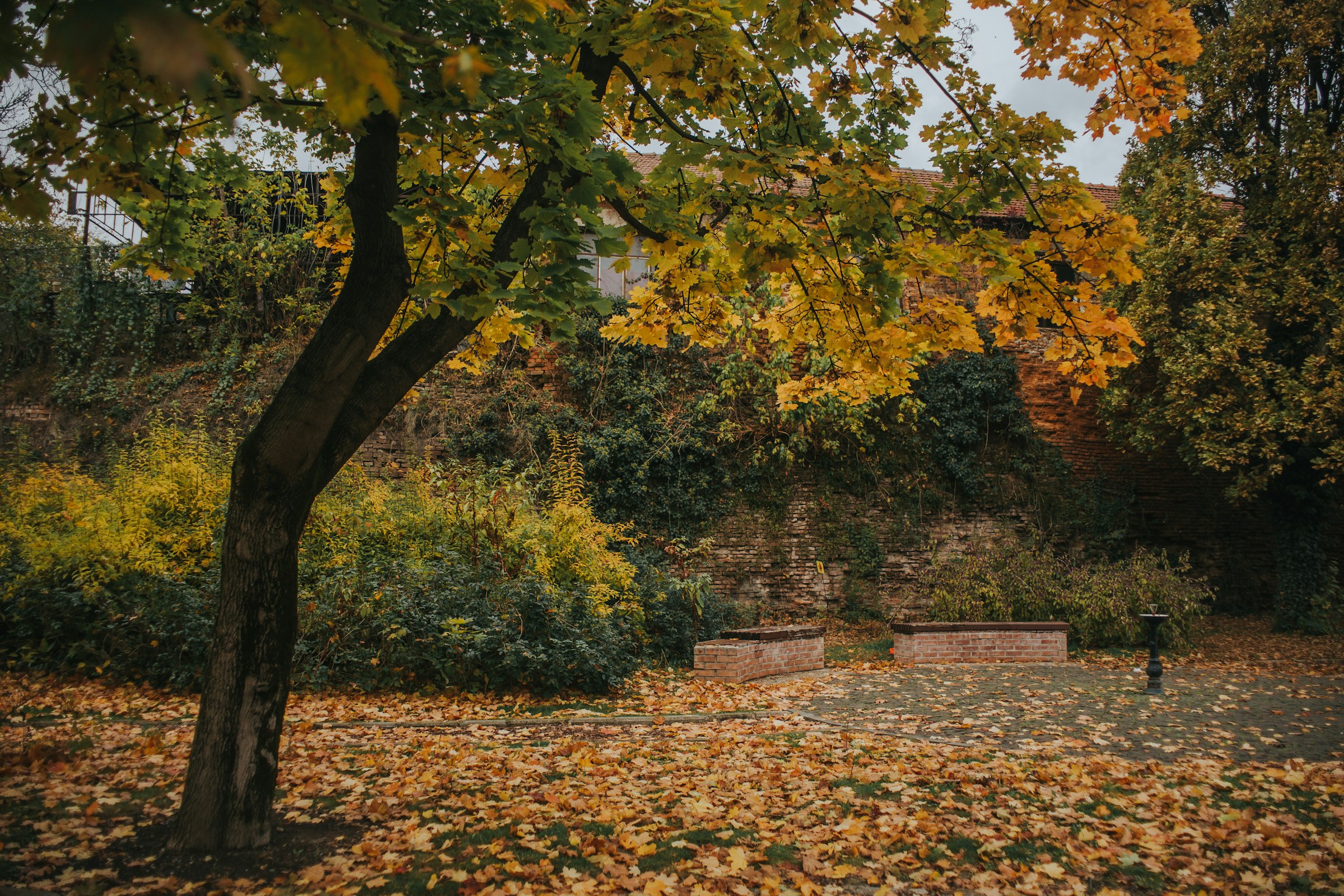

Every autumn, the same urge kicks in. The leaves pile up, the perennials turn brown, and the beds look ragged. The natural response is to reach for the rake. What if that instinct is actually working against everything you’re trying to grow?
The science on this has shifted meaningfully in recent years, and conservation organizations, university extension services, and independent researchers are all pointing in the same direction. Leaving garden beds largely untouched through late autumn is not laziness. It’s one of the most ecologically useful things a home gardener can do.
Overwintering Insects Depend on What You’re About to Rake Away
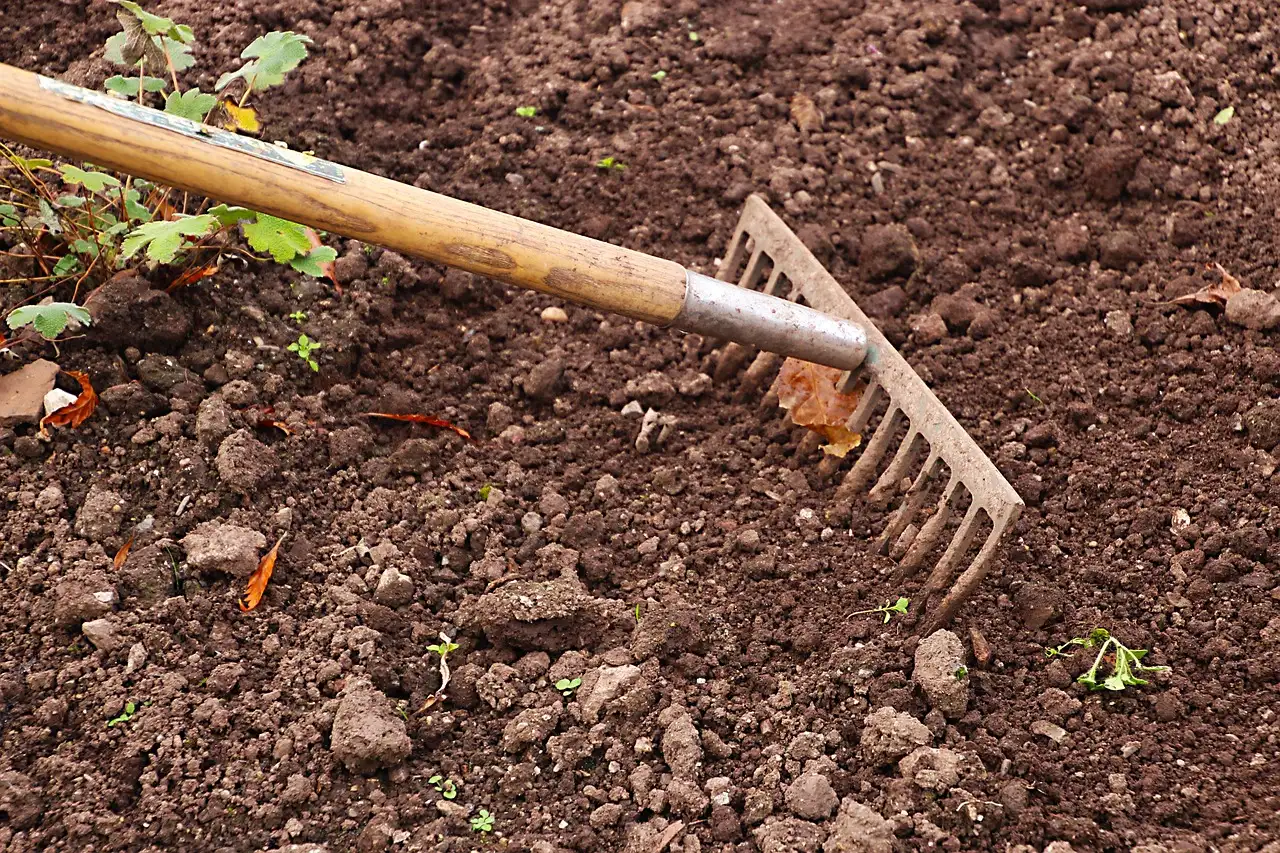
The vast majority of butterflies and moths don’t migrate. Instead, they overwinter in the landscape as an egg, caterpillar, chrysalis, or adult, using leaf litter for winter cover. That means the moment you clear a bed in October or November, you’re removing the shelter those creatures actually need to survive until spring.
There are two aspects of garden cleanup that pose a real risk to beneficial insects: cutting out dead stems and clearing away leaves or other debris from the ground. Some species of wild bees nest in dead stems, so cutting them down before the bees emerge in spring is genuinely harmful. Dead leaves and plant debris on the ground also provide shelter for natural enemies like lady beetles, fireflies, and ground beetles, and pristinely raked garden beds simply remove that shelter.
A Significant Share of Native Bees Nest Directly in Plant Stems
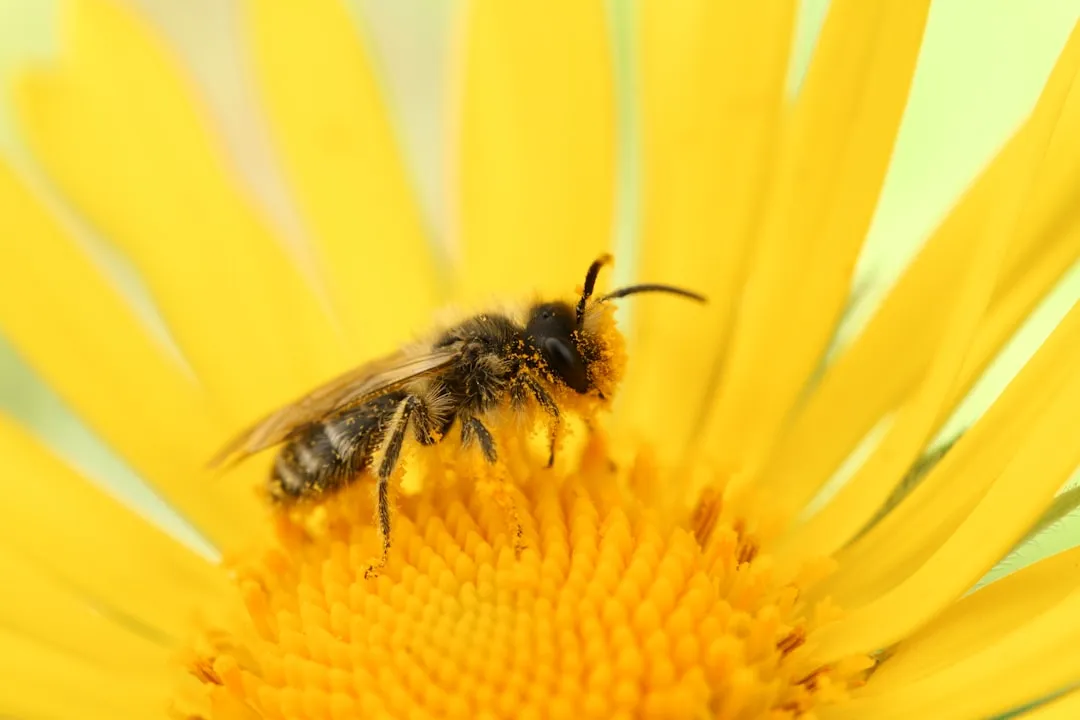
About thirty percent of North America’s four thousand bee species nest above ground in twigs, stems, old beetle burrows in wood, or other narrow crevices. These gentle, nonaggressive bees create tiny nursery rooms inside the stems. When those stems are cut and thrown away in autumn, those nurseries go with them.
Some species of wild bees nest in dead stems, so cutting down and disposing of these stems before the bees emerge for spring is genuinely problematic. The availability of nesting and overwintering habitat has a huge impact on the populations of pollinators and other insects, yet most people don’t think about the garden’s off-season at all.
Leaf Litter Is a Critical Insulator, Not Just Garden Clutter
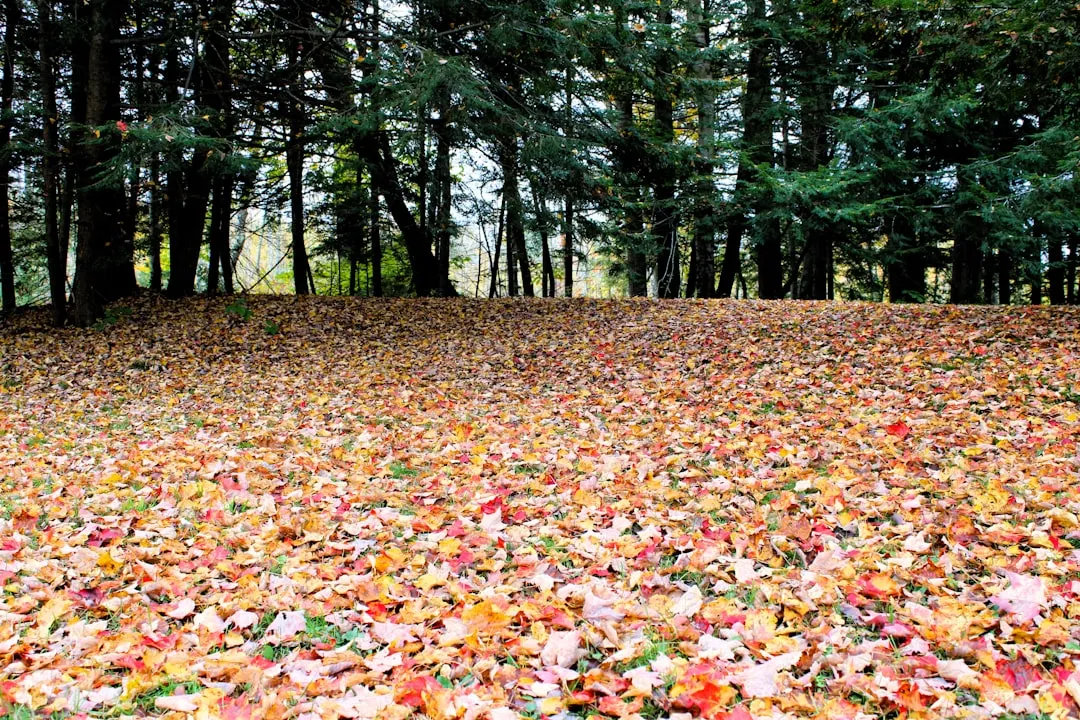
Invertebrates will create homes in piles of leaves that are a few inches thick because the leaves mimic their natural, warmer habitats. Plant stems hollow out when flowering plants die in winter, which allows insects to make homes or nests in the empty cavities.
Leaf litter supports hibernating queen bumble bees by providing them a sheltered area for the winter. Solitary bees are well-protected in their underground or cavity nests, but leaf litter may also provide some insulation for their ground nests. Beyond bees, leaf litter supports a wide diversity of arthropods by providing shelter during the colder months.
Clearing Leaves Damages Soil Health in Ways That Take Years to Reverse
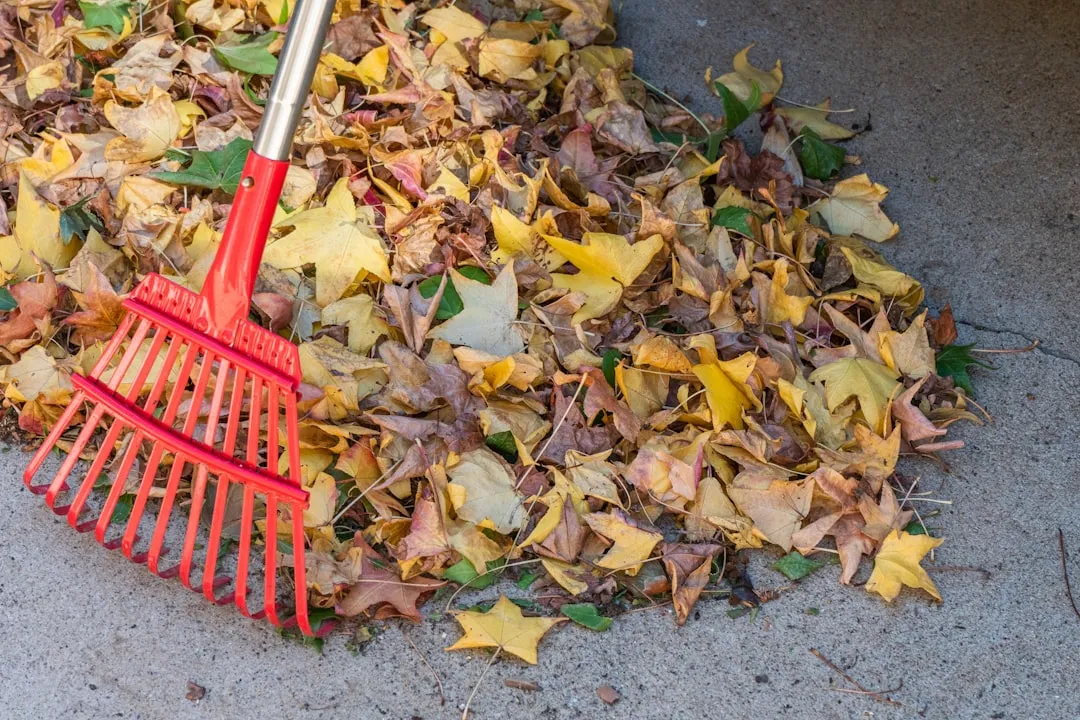
Research published in 2024 demonstrates that the widespread practice of long-term leaf litter removal in suburbs, even in relatively small patches of a yard, reduces the soil’s ability to cycle nutrients in plant litter and results in lower amounts of carbon stored in the soil. Even two years of retaining leaves where they were previously removed is insufficient to restore decomposition rates or carbon pools.
The process of decomposition transforms leaves into humus, a dark, spongy material teeming with nutrients and microorganisms. Humus improves soil structure, making it easier for plant roots to penetrate and access water and nutrients. It also increases the soil’s water-holding capacity, reducing the need for frequent irrigation. Raking that material away in autumn sets this whole cycle back.
Seed Heads Feed Birds Through the Leanest Months
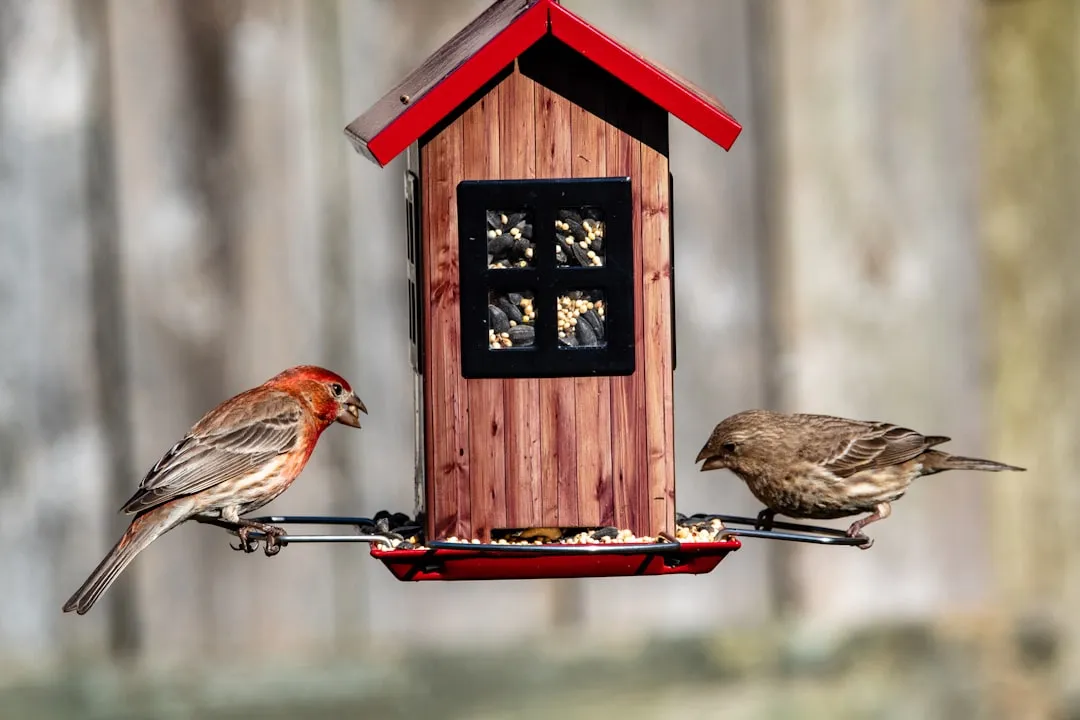
Many forms of wildlife use our yards and gardens during the winter months. Cover, structure, and seeds are crucial to several species during the fall and winter. Cutting perennials to the ground eliminates what could otherwise be a reliable food source sitting right in your garden.
As the Virginia Department of Wildlife Resources explains, autumn is a time when birds need cover and seeds, pollinators need the last fall nectar, and insects still need plants as hosts. All those seeds and insects provide valuable food for birds. Seed heads are a significant food source for migrating birds and year-round residents alike, and seeds left from flowering plants and grasses can maximize good sources well into the coldest months.
Leaving the Beds Protects Plant Root Systems Too
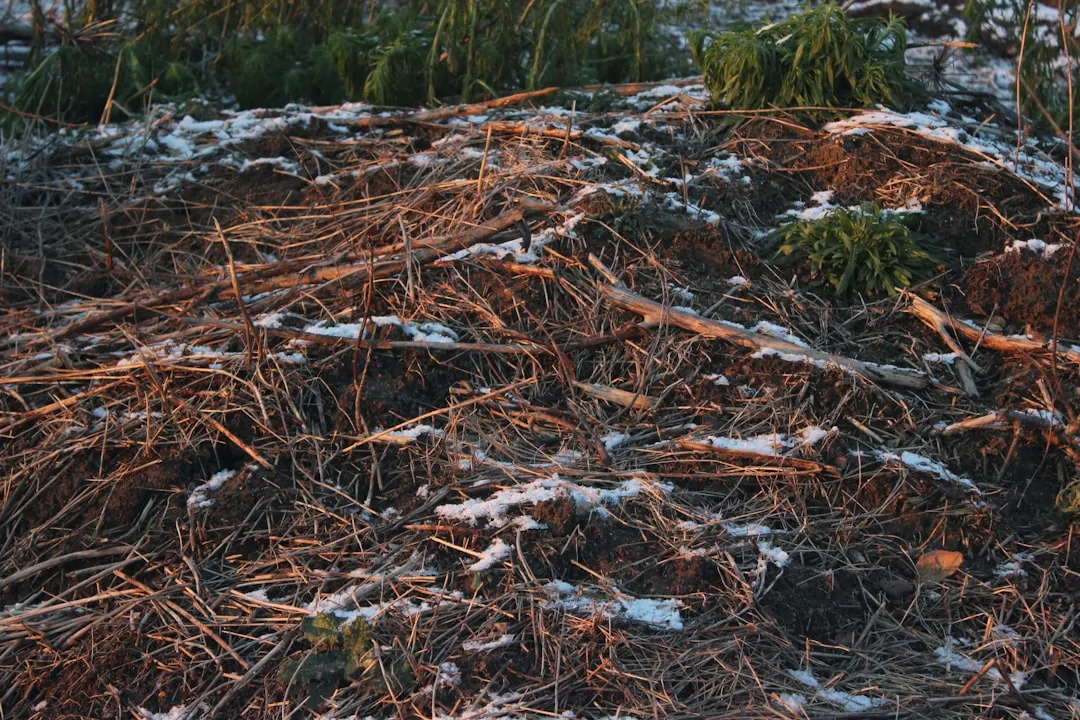
Leaving the plant materials in place also provides an extra layer of protection for the crown and root system of perennials, bulbs, or tender shrubs. The dead stems and leaves even collect fallen leaves, adding more protection on top.
Leaves are genuinely valuable for soil quality: they can suppress weeds, retain moisture, and boost nutrition. Perennial plants also appreciate the extra insulation through the winter. Essentially, the garden provides its own mulch if you let it.
Birds and Small Mammals Rely on What You Leave Behind
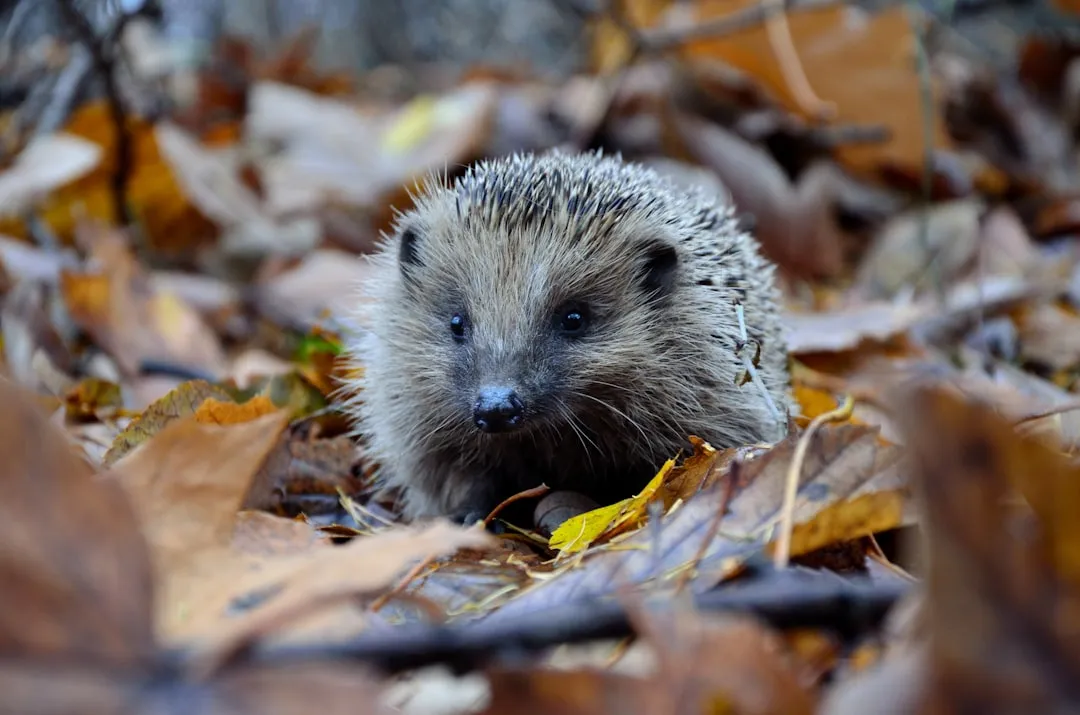
Birds, chipmunks, and amphibians also indirectly depend on fallen leaves since overwintering bugs are an essential winter food source. These species will dig through leaf litter for insects and larvae because other parts of their diet are scarce during this time.
Small brush piles along the edges of yards can provide shelter and insulation for many species of pollinators, birds, reptiles like turtles and snakes, amphibians like frogs and salamanders, and small mammals during the cold months. Especially in developed areas where natural shelter is hard to find, brush piles give wildlife a place to hide and rest.
Spring Is the Right Time to Clean Up, Not Autumn
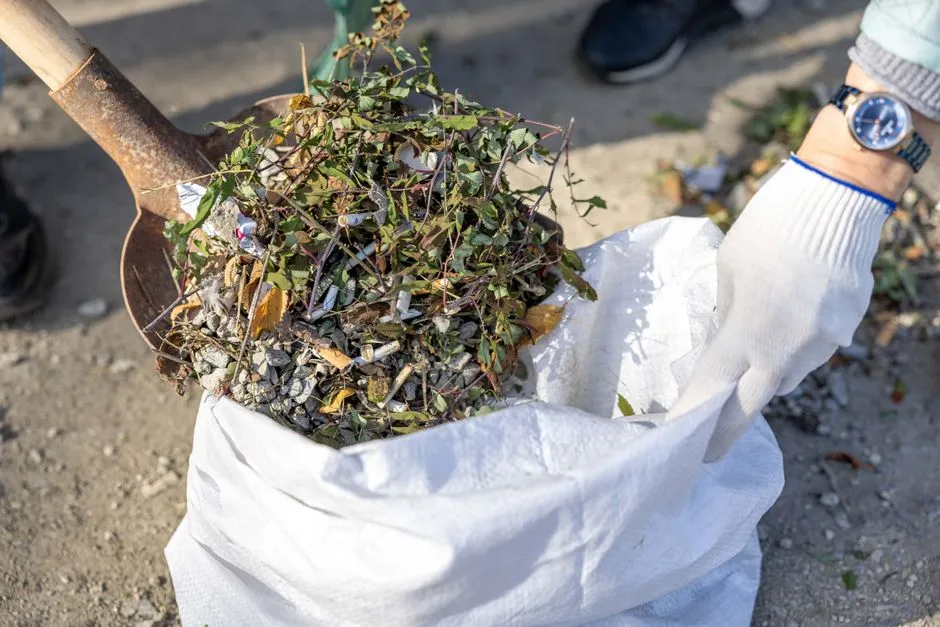
Many experts suggest waiting until spring, when there have been several days at temperatures above fifty degrees Fahrenheit, to thoroughly clean up plant material in the yard and garden. This offers enough time for any insects overwintering to emerge and move on before they are forcibly removed, and also gives migratory birds a chance to use what your garden still has to offer.
Cornell Extension advises postponing fall cleanup until spring, which has spawned the movement called #LeaveTheLeaves, as it creates safe havens for pollinators to lay their eggs and hibernate within. To allow time for them to emerge from dormancy, gardeners are encouraged to wait until after spring temperatures have remained above fifty degrees for an entire week before clearing away last season’s plant debris.
Flower Beds Benefit the Most From Being Left Alone
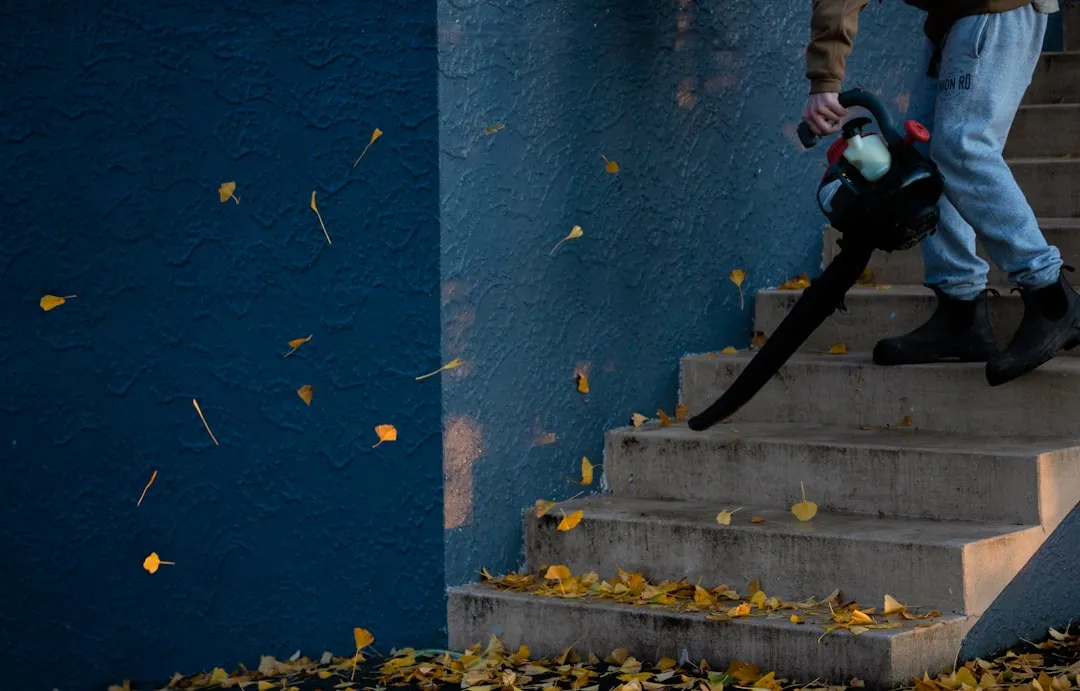
Leaving the leaves has the greatest added value in flower beds, where they provide habitat for beneficial insects, protect the soil from erosion, and shelter plants from extreme weather. That combination of benefits is difficult to replicate with any bought product.
It’s important not to shred the leaves placed in flower beds, since doing so can damage overwintering eggs and larvae. The best practice is to wait to clean up the area until it warms to fifty degrees Fahrenheit the following spring. Patience in autumn pays off in a healthier, more active garden the following season.
Leaving Some Mess Supports Local Biodiversity in a Broader Sense
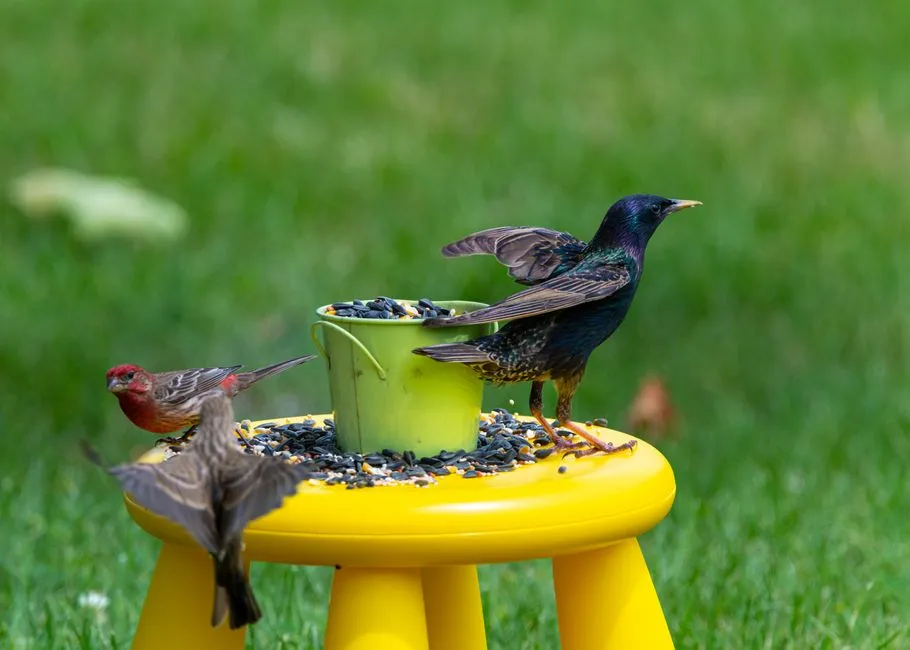
As perennial plants go dormant and die back in the fall, the resulting brown foliage, dried stems, and fallen leaves may appear untidy or unkempt in a cultivated landscape. However, these natural materials are essential components of a healthy wildlife habitat.
Leaving parts of the garden untended during the colder months can provide essential habitat for wildlife. By refraining from a full garden cleanup, gardeners can offer birds, insects, and small mammals a safe place to find food, shelter, and overwintering sites. Although social norms may suggest we should have clean and manicured gardens and yards, the wildlife in the area will benefit from a messier approach.
The Takeaway
The autumn cleanup ritual is deeply ingrained, and it’s not entirely without merit. There are real reasons to tidy certain parts of the garden, particularly vegetable beds and lawns. However, the flower and perennial beds are a different story entirely.
The evidence from conservation organizations, university extension programs, and peer-reviewed research is consistent: those brown stalks and fallen leaves aren’t a sign of neglect. They’re a habitat in waiting. Setting down the rake in late autumn may well be the most productive gardening decision of the year.
AI Disclaimer: This article was created with the assistance of AI tools and reviewed by a human editor.