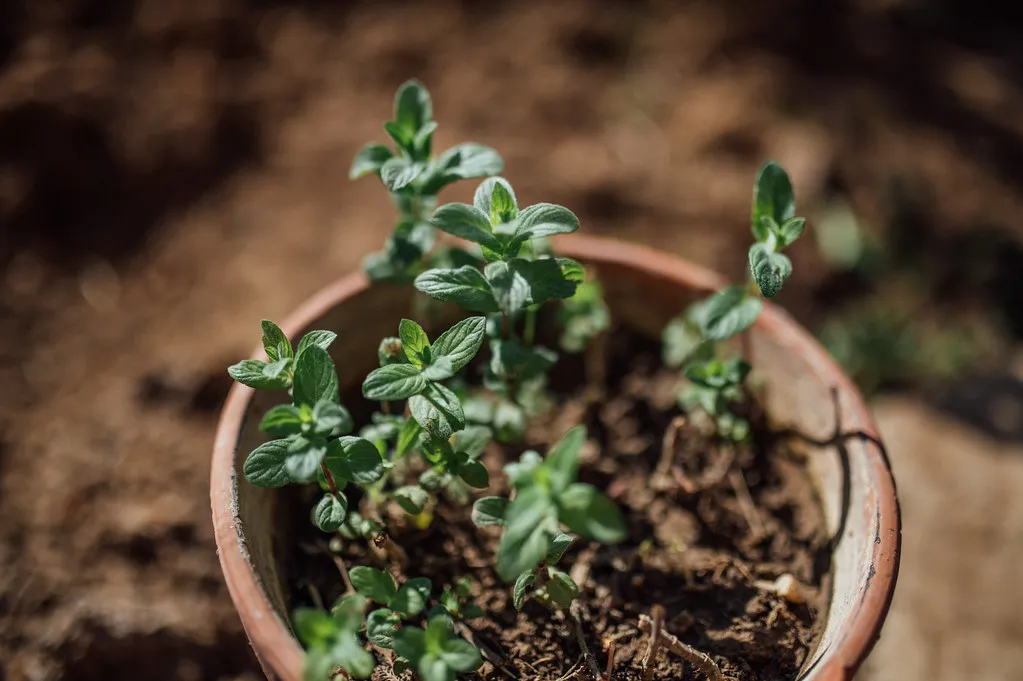

Mint is one of those herbs that almost everyone wants in their garden. It smells wonderful, it’s endlessly useful in the kitchen, and it practically grows itself. Those qualities, though, are exactly what make it such a problem when it gets into open soil. What looks like an innocent little plant at the garden center can turn your entire growing space into a mint monoculture within a single season.
Experienced gardeners have learned this lesson the hard way. The good news is that you don’t have to give up mint entirely. You just need to rethink where and how you plant it.
Mint Spreads Through Underground Rhizomes, Not Just Roots
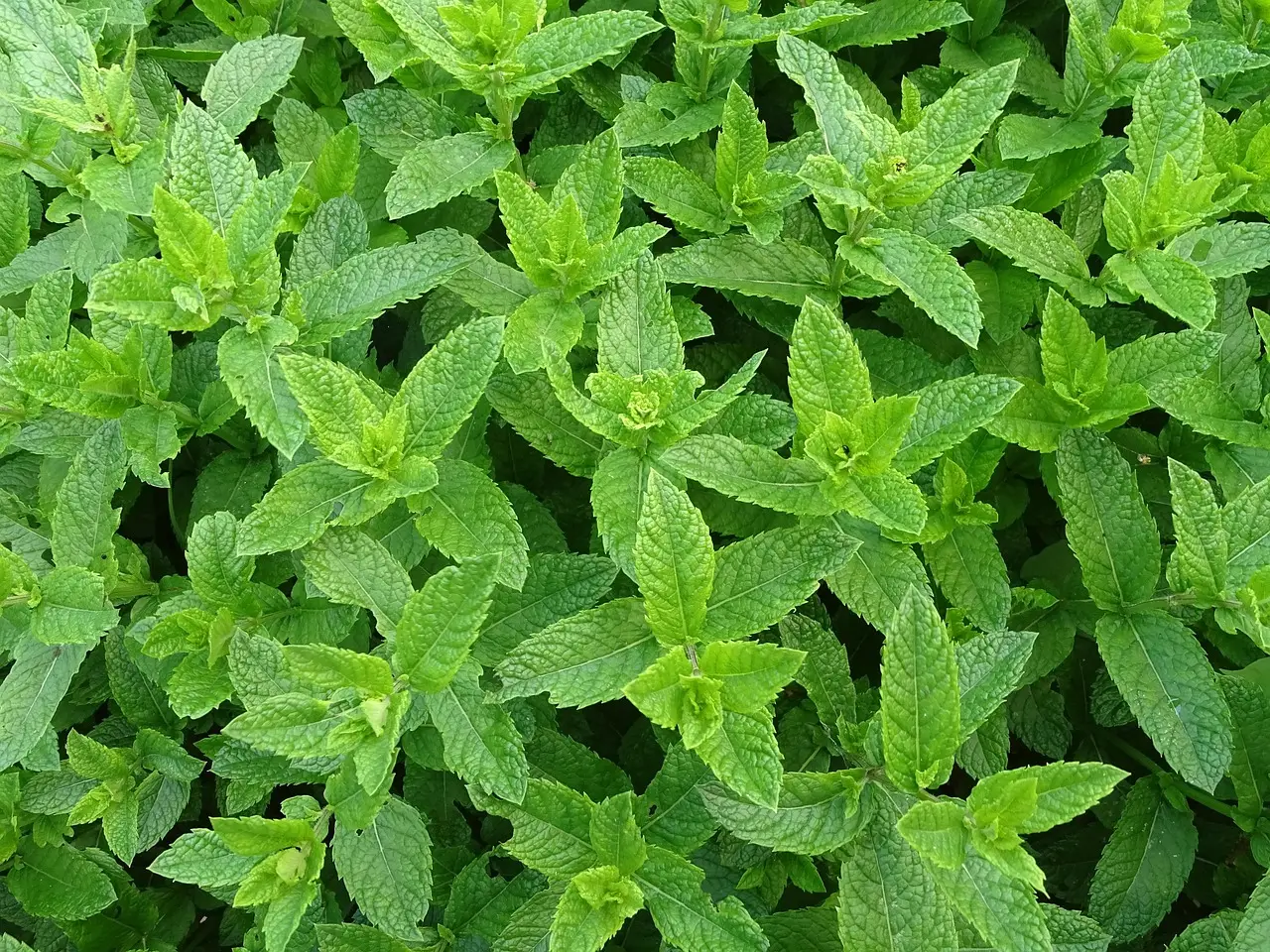
Mint’s remarkable ability to spread is rooted in its specialized underground structures. The plants propagate mainly through modified horizontal stems called rhizomes, which are distinct from regular roots. These rhizomes grow laterally beneath the soil surface, acting as an extensive underground network.
The rhizomes possess buds along their length that sprout new shoots and roots, allowing the plant to rapidly colonize the surrounding area. This isn’t gradual or polite growth. Mint rhizomes can spread several feet per year, and their growth is difficult to control because new shoots pop up unpredictably and any small root fragments left behind can resprout into new plants.
A Single Fragment of Root Is Enough to Restart the Problem
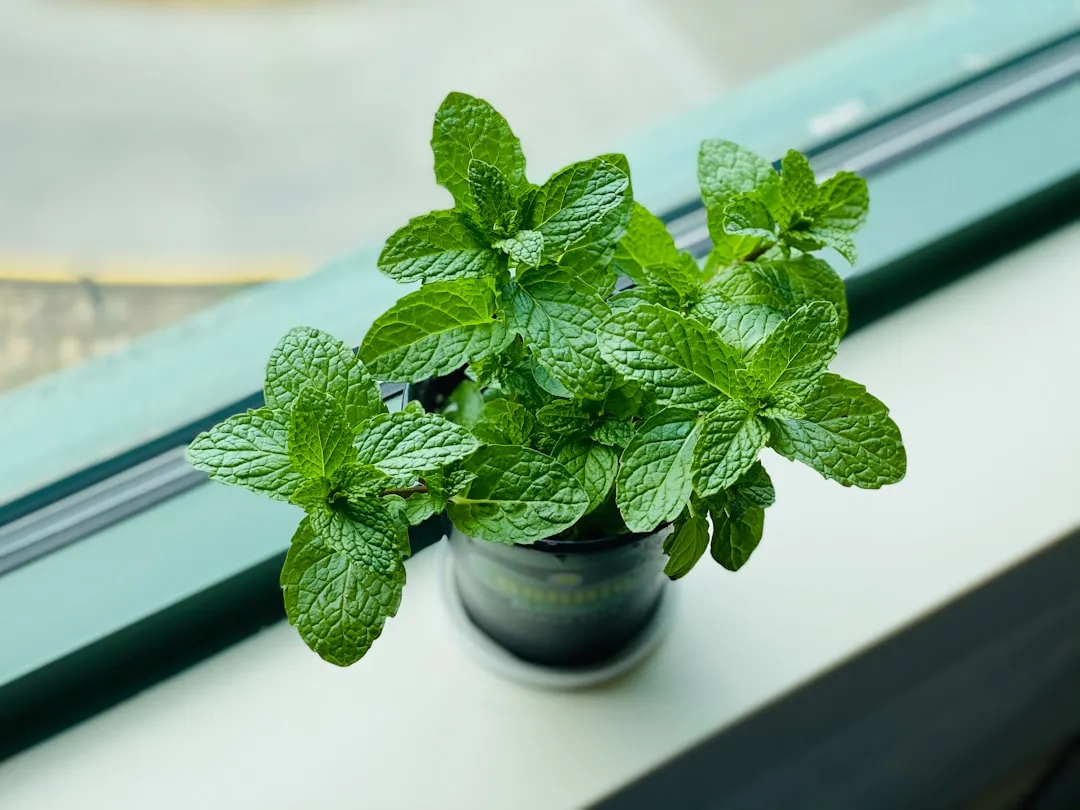
Even a small fragment of root left in the soil can regenerate into a new plant, making eradication genuinely difficult. This is one of mint’s most frustrating qualities for gardeners who have tried to remove it after the fact.
One gardener documented digging up mint from a corner of their garden, only to find it coming back three years later, then again seven years after a second removal, and yet again the following season. Mint spreads quickly in open garden areas and will outcompete most garden plants, and once established, it is very hard to eradicate – a fact confirmed directly by Utah State University Extension research.
It Will Quietly Take Over Your Other Plants
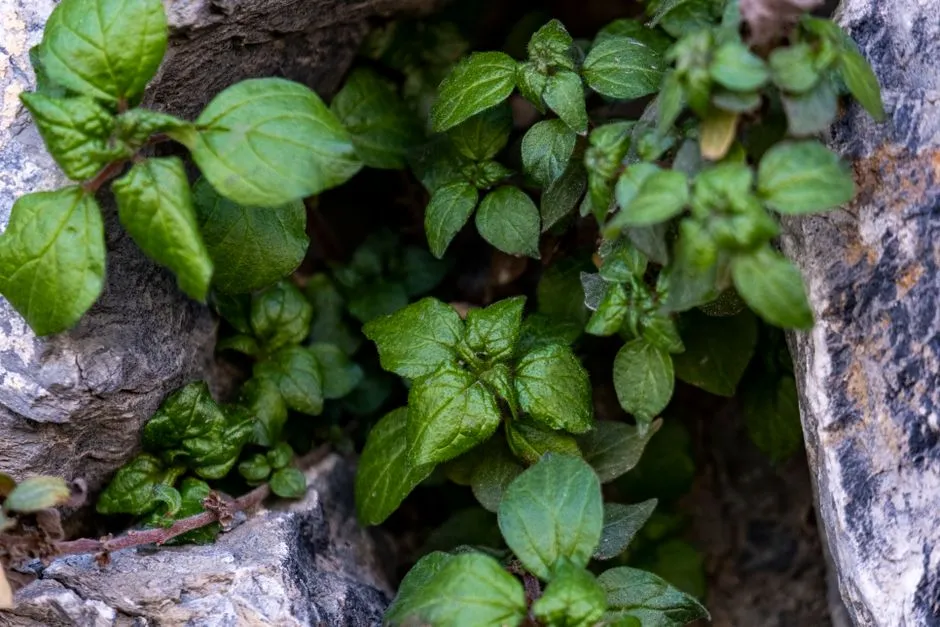
According to Utah State University, the rapid spread often outcompetes other herbs, leaving less space and fewer nutrients for other species. Once mature, the plants release dense foliage that shades surrounding areas, preventing light from reaching slower-growing species.
Mint has a reputation for being invasive, rapidly dominating garden beds and suffocating neighboring plants. Once it takes root in the ground, it becomes difficult to eradicate entirely. The aggressive nature of mint makes it an unsuitable candidate for open ground unless you are prepared to constantly battle its encroachment.
Cold Weather Won’t Stop It Either
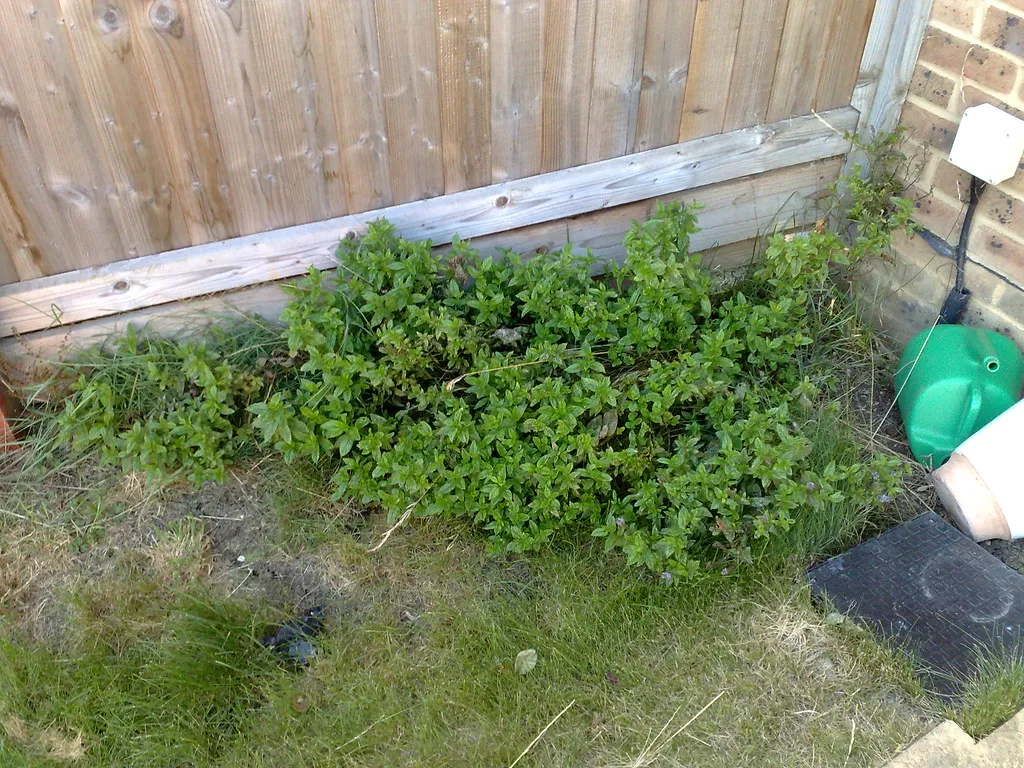
Mint is a rapid-growing perennial herb with many varieties that grow up to three feet tall and are quite invasive. Mint grows best in full sun to partial shade and is generally hardy to minus 20 degrees Fahrenheit. That’s a hardiness range that covers the vast majority of growing zones in North America and Europe.
Mint covers ground quickly, sending stems sprawling both above and below soil. It’s also perennial – it comes back year after year – giving it more opportunity to spread in your garden. Even a hard freeze simply sends it dormant for the winter. Come spring, it returns right where you left it and then some.
It Spreads by Seed As Well As Roots
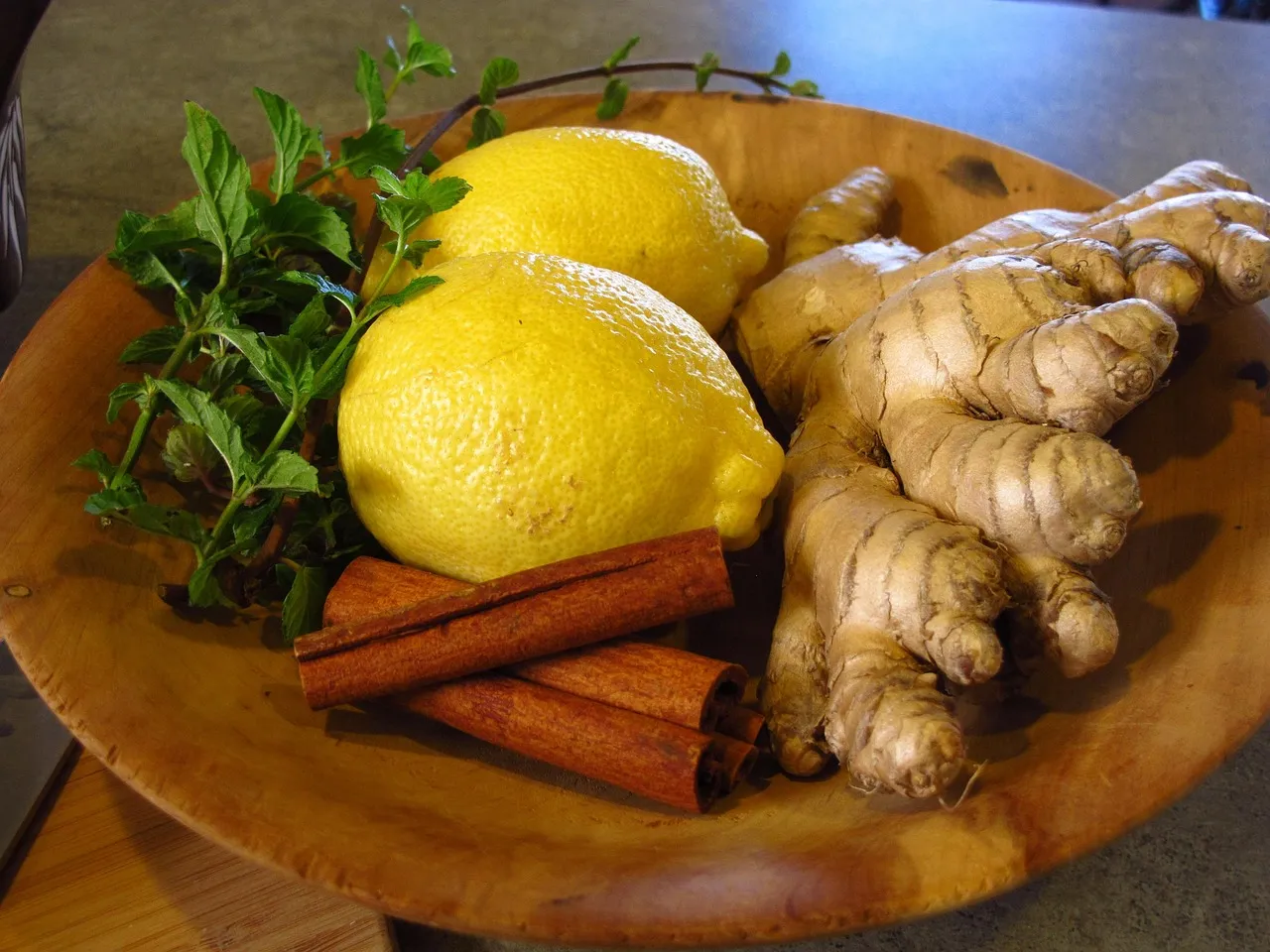
Many mints can spread through seed and creeping roots. This double reproduction is one of the features that allows mint to spread so effectively. Most gardeners worry about the underground rhizomes, but the seed pathway is just as important to manage.
Cutting mint before it goes to seed prevents it from self-sowing in other areas of your garden. If allowed to bloom, the oil content in the leaves decreases and the herb becomes less flavorful. Pinching the blossoms back as they show, or cutting plants back to within an inch of the soil two to three times a year, helps manage both flavor and spread.
The Compost Pile Is Not a Safe Disposal Method
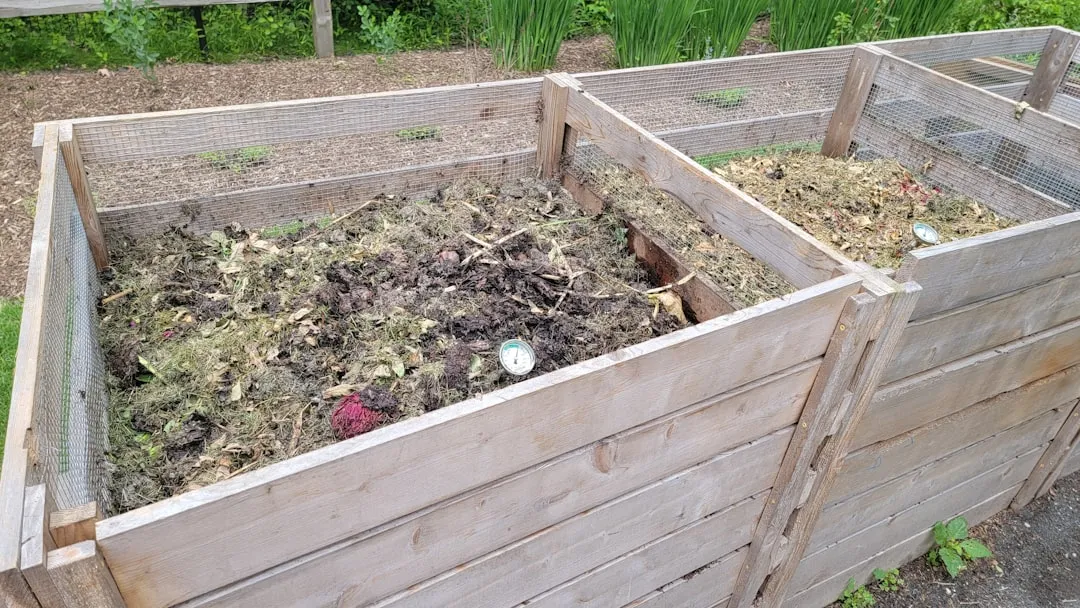
Never dispose of unwanted mint roots in compost piles, since they can survive decomposition and sprout wherever the compost is used next. This is a mistake that can inadvertently seed mint across your entire garden in a single spreading season.
The Seattle Times gardening advice echoes this point directly: whatever you do, don’t compost it. Rhizome fragments are remarkably resilient. Bagging and binning pulled mint, or leaving it to fully dry out in the sun before disposal, is the safer approach.
Certain Varieties Are Far More Aggressive Than Others
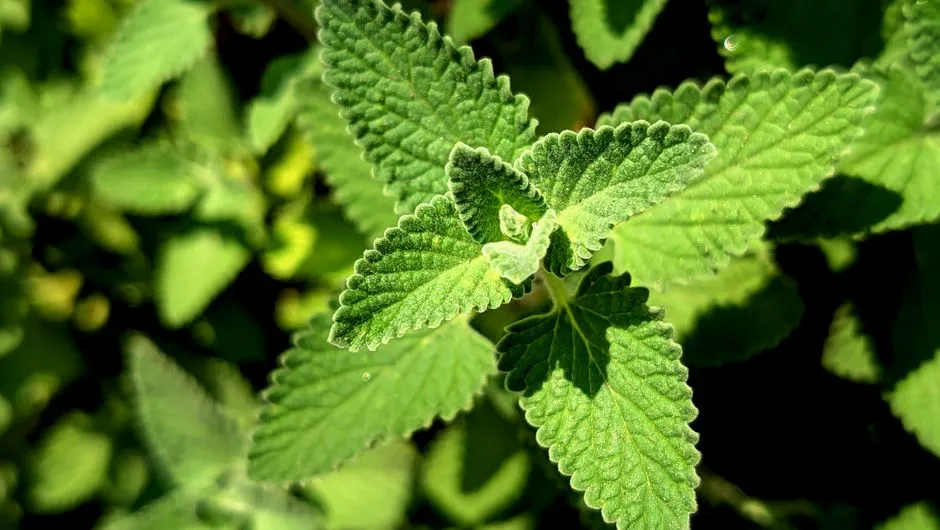
While all mints spread through rhizomes, some varieties are particularly aggressive colonizers. Spearmint, apple mint, and creeping water mint are especially notorious for their invasiveness.
Not all mint species are as aggressive as culinary mint. Doing research before planting a mint family species is worthwhile, because while most mints can be used for culinary and medicinal preparations, their fragrance, flavor, and benefits may vary widely. If you want something gentler, less invasive varieties like gingermint, pineapple mint, or orange mint don’t spread as aggressively.
Grow It in Containers Instead

Mint is best planted in containers or where roots are confined. This isn’t just a caution for beginners. It’s the single most consistent recommendation from horticultural institutions, university extension programs, and experienced growers alike.
The most frequently recommended method is to plant mint in containers, as this restricts the rhizomes from spreading into the surrounding soil. For the best results, use a container that is at least 12 to 18 inches deep and wide, ensuring it has adequate drainage holes. Mint makes a beautiful patio or porch plant and stays perfectly manageable when grown this way.
The Sunken Pot Method: The Best of Both Worlds
If you really prefer the look of mint growing in the ground, there’s a practical middle ground. Sink a bottomless pot or a plastic container with the base removed directly into the garden bed. This creates an underground wall that blocks the horizontal growth of the rhizomes while still allowing the plant to access the nutrients and moisture of the garden soil. Leave the rim of the container about one inch above the soil line to prevent the rhizomes from creeping over the top edge.
Consider growing mint in buried containers to contain the spreading rhizomes. Containers should extend three to four inches above and ten to fifteen inches below the soil surface to ensure containment, according to Utah State University Extension guidance. Give the pot a turn every week or two to keep roots from escaping through the drainage holes.
Regular Harvesting Helps Keep Things Under Control

If you’re growing mint for teas and culinary use, regular harvesting is one of the best ways to manage its spread. Pinch or cut back stems frequently during the growing season to keep plants from flowering and producing seeds.
Remove blooms as soon as they appear. Allowing the plant to bloom will reduce the potency and quality of the mint as well as open up the seed-spreading pathway. Growing mint in pots is the best way to manage this invasively spreading herb, and its robust growth habit means you’ll have to transplant mint every year or so to keep it healthy and contained.
Final Thought
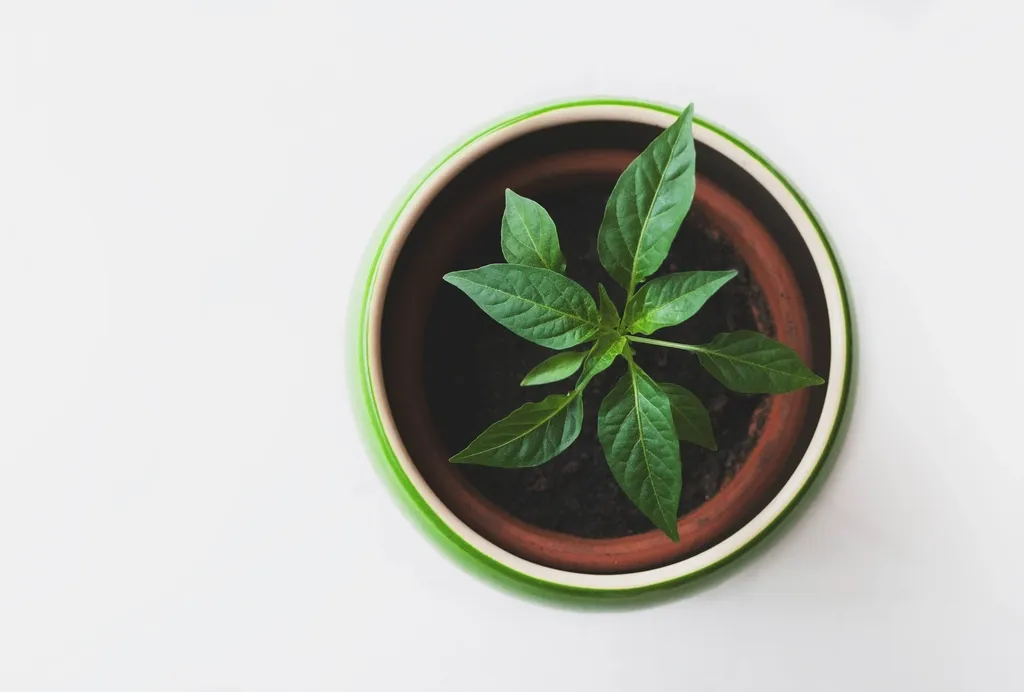
Mint is genuinely one of the most rewarding herbs to grow. It’s aromatic, versatile, and nearly indestructible. Those same qualities, though, are exactly why it needs boundaries. By opting to grow mint in containers rather than planting it directly in the ground, you can harness its aromatic goodness while effectively controlling its growth. This approach allows you to enjoy the benefits of mint without compromising the harmony of your garden.
A container on the back step, a pot sunk into the soil, or a raised bed with a solid base – all of these give you fresh mint on demand without the years of regret that come from letting it loose in open ground. Treat it like the vigorous, ambitious plant it is, and it rewards you generously. Give it free rein, and you’ll spend the next decade paying for it.
AI Disclaimer: This article was created with the assistance of AI tools and reviewed by a human editor.