

Root Vegetables Struggle in Dense, Compacted Soil
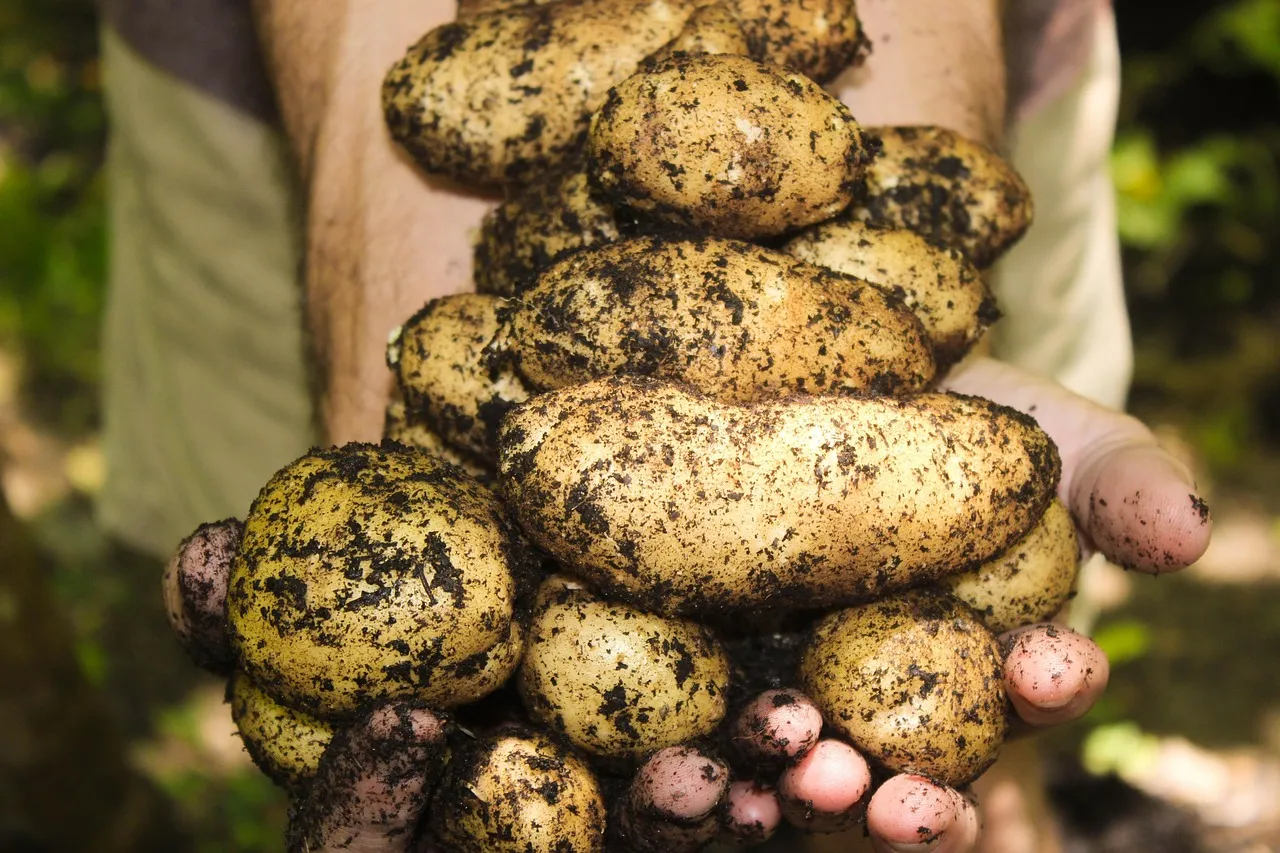
Carrots, radishes, beets, and parsnips all push their roots straight down as they grow, and they need very little resistance to do it well. When soil is heavy or compacted, tender young roots simply cannot force their way through it. As one gardening guide puts it, most vegetables have tender roots that can’t break through dense or compacted soil, and they need lots of little air pockets that their roots can push into as they grow. That single fact explains why so many home gardeners end up with stubby or misshapen harvests despite watering and feeding their plants properly.
Sand Speeds Up Drainage and Cuts Down Root Rot
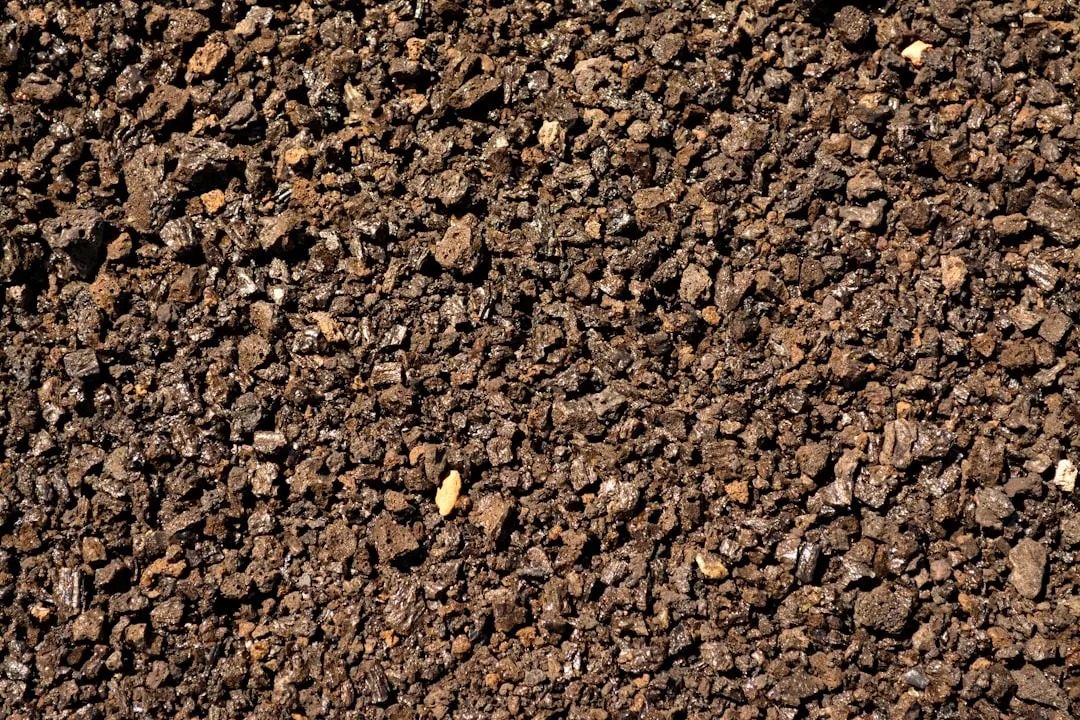
Waterlogged soil is one of the fastest ways to lose a root crop, since standing water suffocates roots and invites disease. Sand improves drainage, preventing waterlogging and root rot by creating space for excess moisture to move through rather than pool around delicate roots. Clay-heavy garden beds are especially prone to this problem, and soil with high clay content tends to compact easily, leading to waterlogged conditions that can suffocate plant roots. A modest addition of sand gives that water somewhere to go instead of sitting exactly where you don’t want it.
Better Aeration Means Healthier Roots and Soil Life
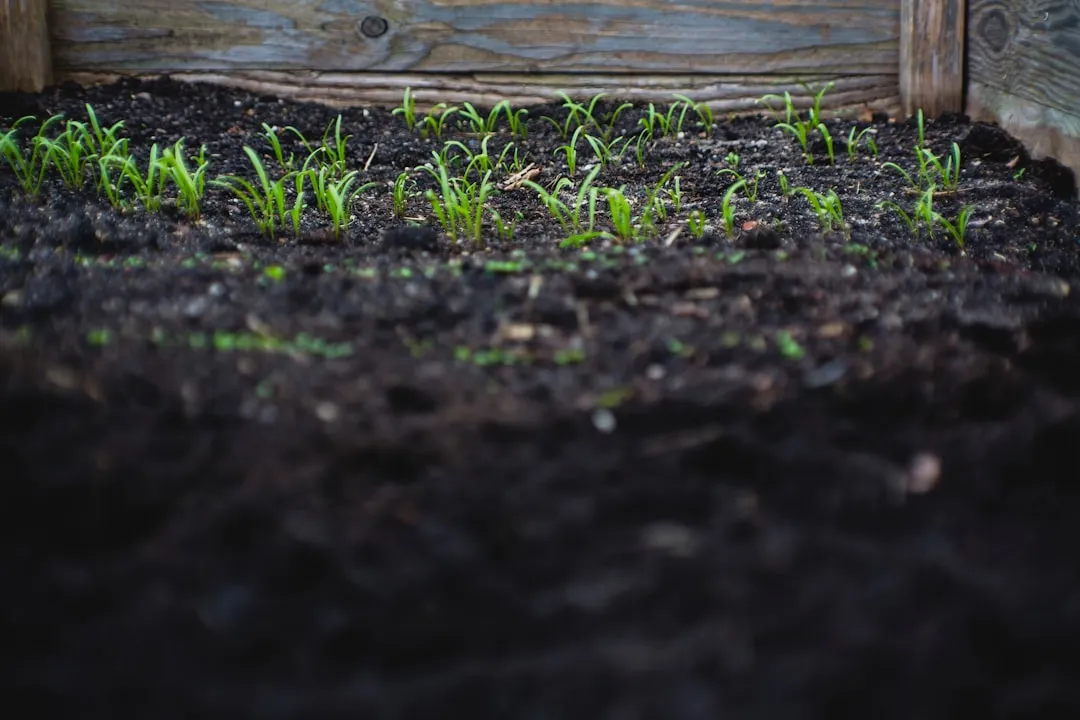
Roots need oxygen just as much as they need water, and compacted soil starves them of it. The same large particles that let water through also add little pockets so that air can circulate easily, and better airflow not only means healthier plant roots, but also allows beneficial soil microbes to thrive. Those microbes matter more than most gardeners realize, since they break down organic matter and make nutrients available to the very roots you’re trying to grow. Sand, in small quantities, essentially opens the soil up so both air and biology can do their work.
Straighter, Smoother Roots With Fewer Forks and Cracks
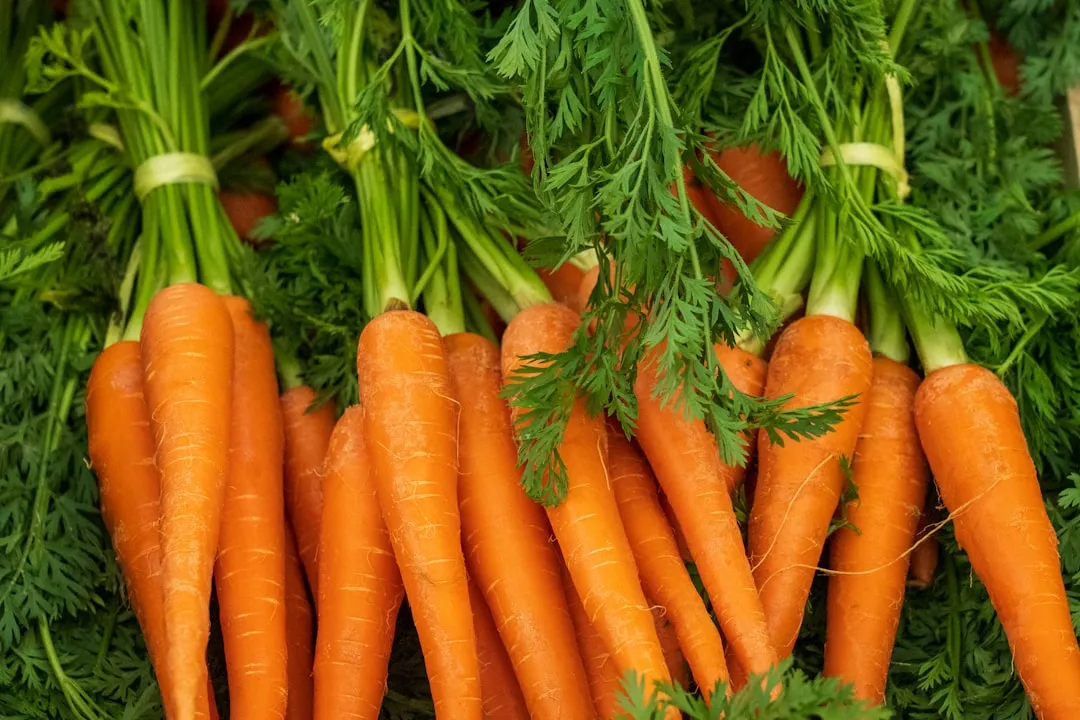
This is the benefit most gardeners actually notice at harvest time. Carrots are grown in sandy soil because they need a loose medium free from stones and clumps to form uniformly shaped carrots, and as carrots develop, the taproot grows down and enlarges as it matures. When the soil is too dense, according to the same source, the carrot won’t be able to elongate down and will end up looking quite stunted. A handful of coarse sand worked into the planting row gives that taproot the clear runway it needs.
Sandy Soil Warms Up Faster in Spring
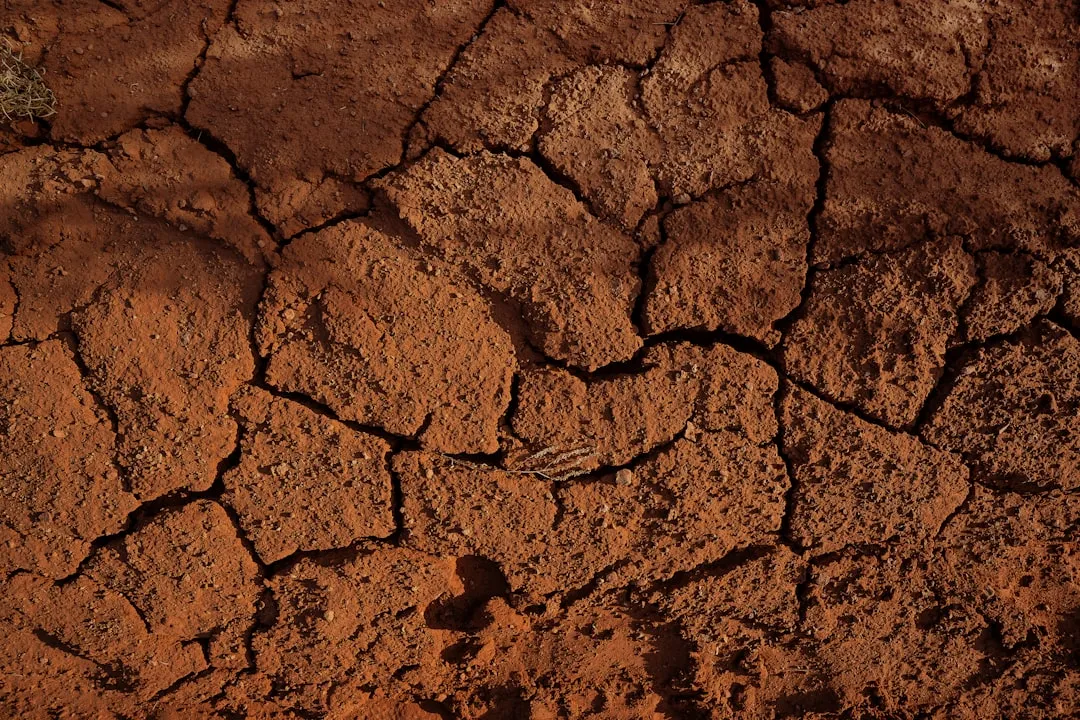
Temperature matters more than people think when it comes to germination. Coarse sand improves drainage, promotes better airflow in the soil, and helps soil warm up faster in the spring, all while being a sustainable and natural garden amendment. Warmer soil in early spring means quicker germination for cool-season root crops like radishes and carrots, which is a real advantage for gardeners trying to get an early start before the last frost has fully passed.
Looser Soil Is Simply Easier to Work
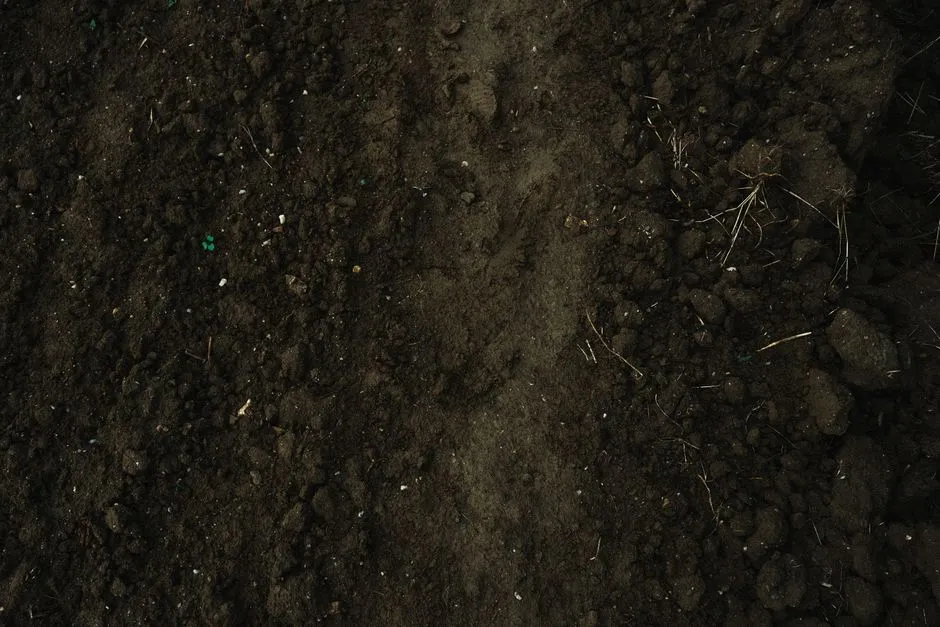
Anyone who has tried to dig a planting row in heavy clay knows how much effort it takes. Easier cultivation and tillage comes from looser soil, which is simpler to work with during planting and weeding. This isn’t just about comfort either, since loosened soil also means less physical disturbance to young seedlings and less risk of accidentally snapping a developing taproot while thinning or weeding nearby.
The Ratio Matters More Than the Sand Itself
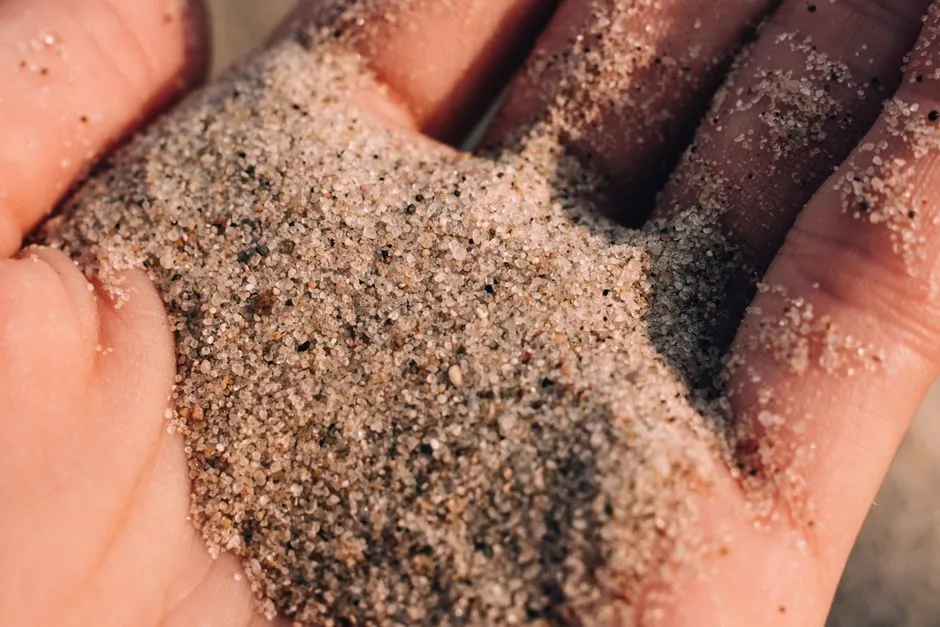
A handful of sand helps, but a shovelful of the wrong ratio can backfire. In raised beds, aim for about 25% coarse sand in your soil mix, along with topsoil and compost for a balanced growing medium. Go much higher than that and the soil can start behaving like a beach instead of a garden bed, since overly sandy soil often drains too quickly and struggles to hold moisture, much like a sieve letting water pass through too fast. The goal is balance, not conversion to pure sand.
Not All Sand Is Created Equal
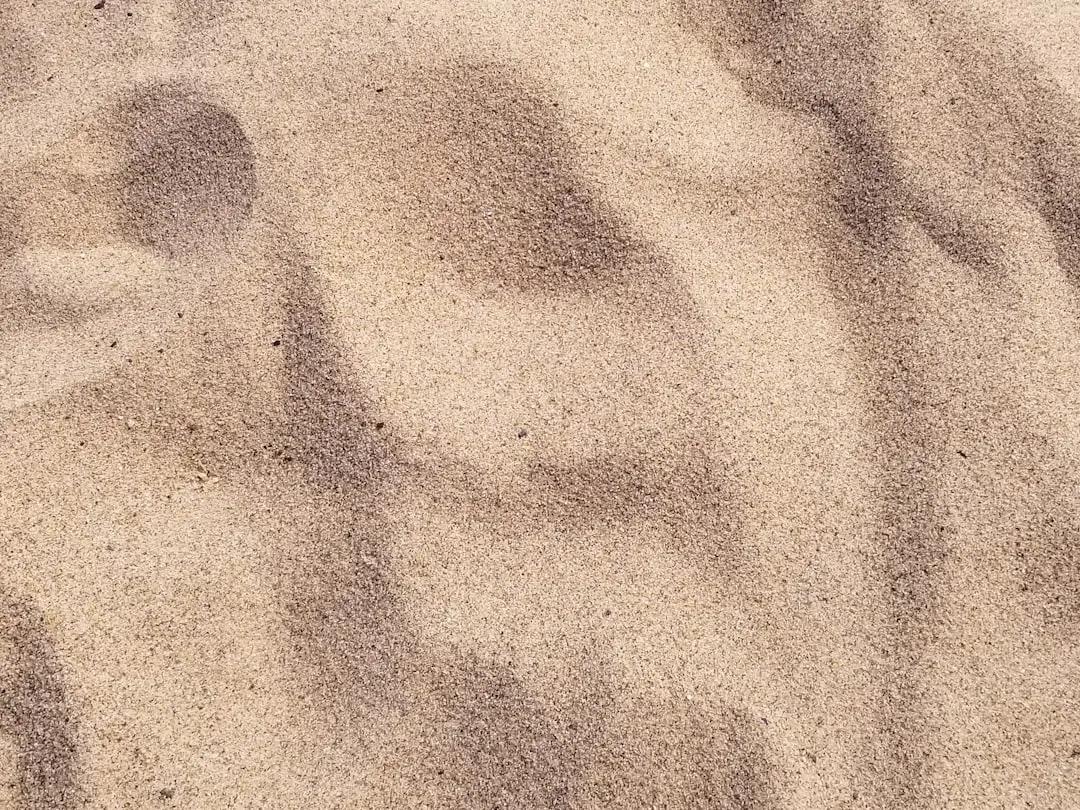
Walking into a hardware store and grabbing the first bag labeled “sand” is a common mistake. Avoid beach sand, which can contain salt, or play sand, which is too fine and can actually compact your soil, and instead purchase washed, horticultural-grade sand to ensure purity and proper particle size. Coarse, washed builder’s sand or horticultural sand is the safer choice, since fine sand particles can pack together almost like cement once they settle, undoing the very benefit you were hoping to add.
Pair Sand With Compost for the Best Results
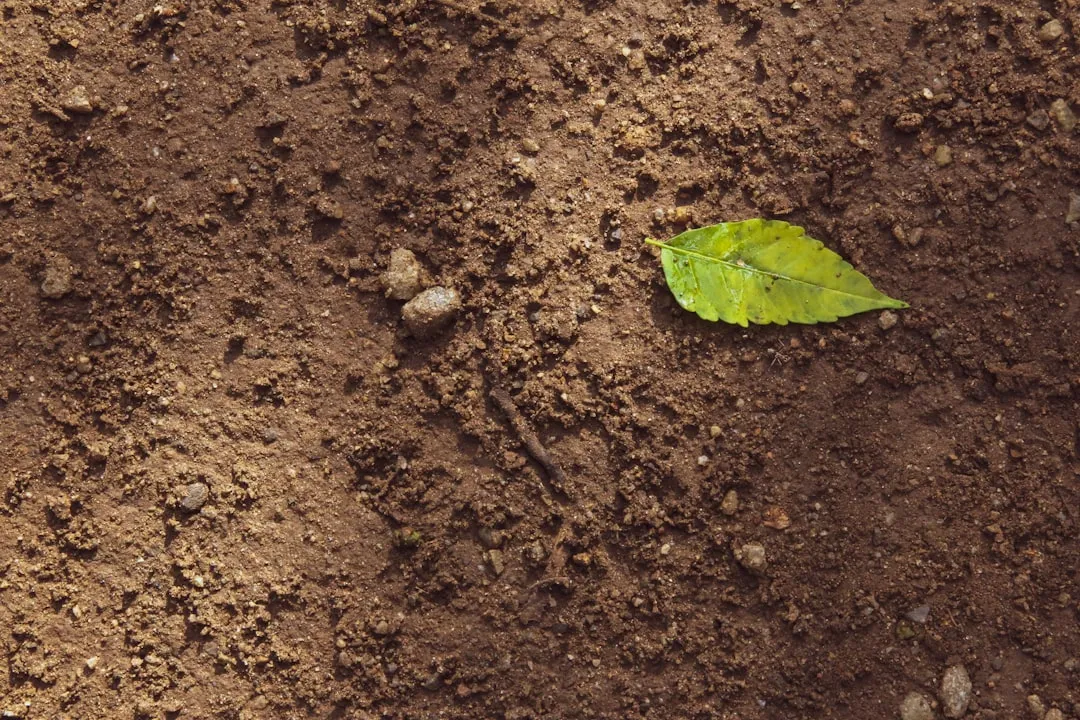
Sand alone doesn’t feed a garden, and treating it as a stand-alone fix misses half the picture. Sand itself is not a significant source of nutrients, and while it can improve soil aeration, it can also dilute your garden’s nutrient content, so adding sand without sufficient organic matter or compost can lead to nutrient deficiencies for your vegetables. The most reliable approach combines sand with compost or well-rotted manure, giving root vegetables both the loose structure they need to grow straight and the nutrients they need to grow well.
Know the Limits, and Don’t Treat Sand as a Cure-All

It’s worth noting that not every experienced grower reaches for sand first. Some longtime allotment gardeners argue that compost alone does more heavy lifting, since adding compost attracts worms which pull it down into the soil and aids drainage, while soil porosity is improved so that all crops do better. In genuinely heavy clay soil, adding sand isn’t recommended since it would take a huge amount to make a real difference in deep clay. The honest takeaway is that sand is one useful tool among several, not a magic fix for every soil problem.
A Small Addition With a Real Payoff
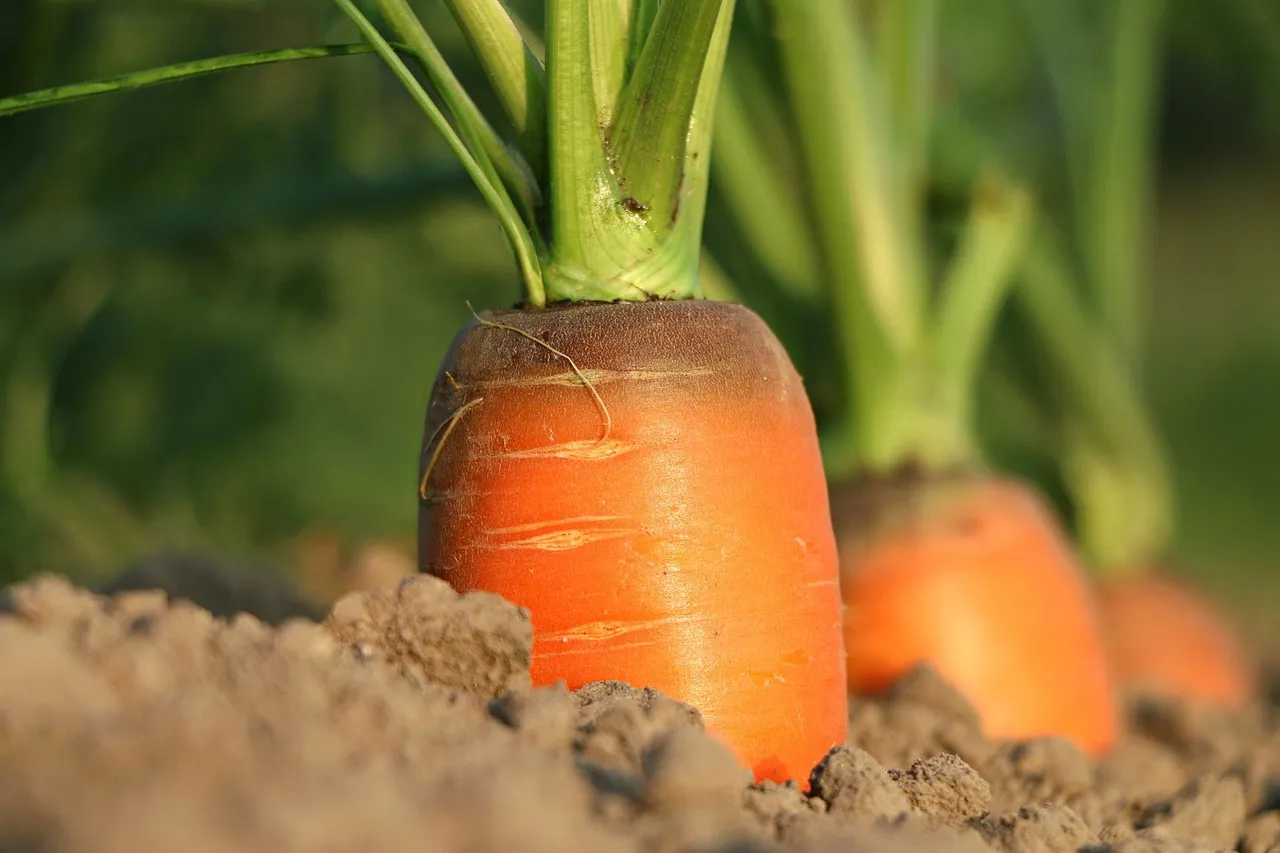
None of this requires turning a vegetable patch into a sandbox. A modest, well-placed handful of coarse sand, mixed thoughtfully with compost and worked into the top layer of a root vegetable bed, addresses several problems at once: drainage, aeration, warmth, and root shape.
The evidence from soil science and practical gardening guides points in the same direction, even while reminding growers that moderation and the right type of sand make all the difference. Get the ratio right, and the reward shows up quietly at harvest time, in the shape of a carrot that finally looks the way it’s supposed to.
AI Disclaimer: This article was created with the assistance of AI tools and reviewed by a human editor.