
It Happens While Your Brain Is Partially Awake

Sleep bruxism is not simply the result of tension lingering from a bad day. It follows a very specific neurological pattern: repetitive contractions of the jaw muscles at a rhythm of roughly once per second, in bursts of three or more. Over the vast majority of grinding episodes involve this rhythmic pattern, sometimes mixed with longer sustained clenches lasting two seconds or more.
These episodes are tightly linked to what researchers call a micro-arousal, a brief, partial awakening that the brain cycles through naturally during sleep. In the seconds surrounding a micro-arousal, the heart rate spikes, brain waves shift, and the jaw muscles fire. Researchers have confirmed this connection by triggering grinding episodes in lab settings using sounds or flashes of light, both of which provoke micro-arousals.
The brain essentially mimics a chewing motion, but instead of the normal alternating pattern of opening and closing, both sets of jaw muscles contract at the same time, forcing the teeth together with significant pressure. It’s an involuntary event, not a habit you can simply decide to stop.
More People Are Affected Than the Numbers Suggest
According to 2024 research, the global prevalence of bruxism is approximately 22%, meaning more than one in five adults experience this condition. That’s a substantial portion of the population, though the real figure may be even higher.
Sleep bruxism is more common in children, adolescents, and young adults than in middle-aged and older adults. Exact numbers are hard to come by because many people are not aware that they grind their teeth at night. Self-reported data almost certainly undercounts the problem.
Most people who grind their teeth are unaware of the problem, either because there are no symptoms, or because the symptoms are not understood to be associated with a clenching and grinding problem. A dentist spotting unusual wear patterns during a routine check is often how the condition first comes to light.
Stress Is the Most Recognized Trigger

Researchers believe that stress is a major contributor to nighttime teeth grinding. Studies have shown that those with bruxism show increased night grinding activity in times of high stress. The relationship between stress and bruxism is fairly well-established, even if it doesn’t explain every case.
Research on young, healthy adults found that people with sleep bruxism had significantly higher levels of general anxiety and stress compared to those without it. They also showed more work-related depressive and anxious tendencies. Salivary cortisol, a hormone the body releases under stress, was measurably higher in people who grind their teeth, and those cortisol levels correlated with their overall anxiety.
Stress raises the baseline level of nervous system arousal, which increases the likelihood of the sleep micro-arousals that trigger grinding episodes. It becomes a feedback loop: stress disrupts sleep architecture, which increases grinding, which can cause jaw pain and poor sleep quality, which adds more stress.
Sleep Apnea Plays a Bigger Role Than Most People Realize
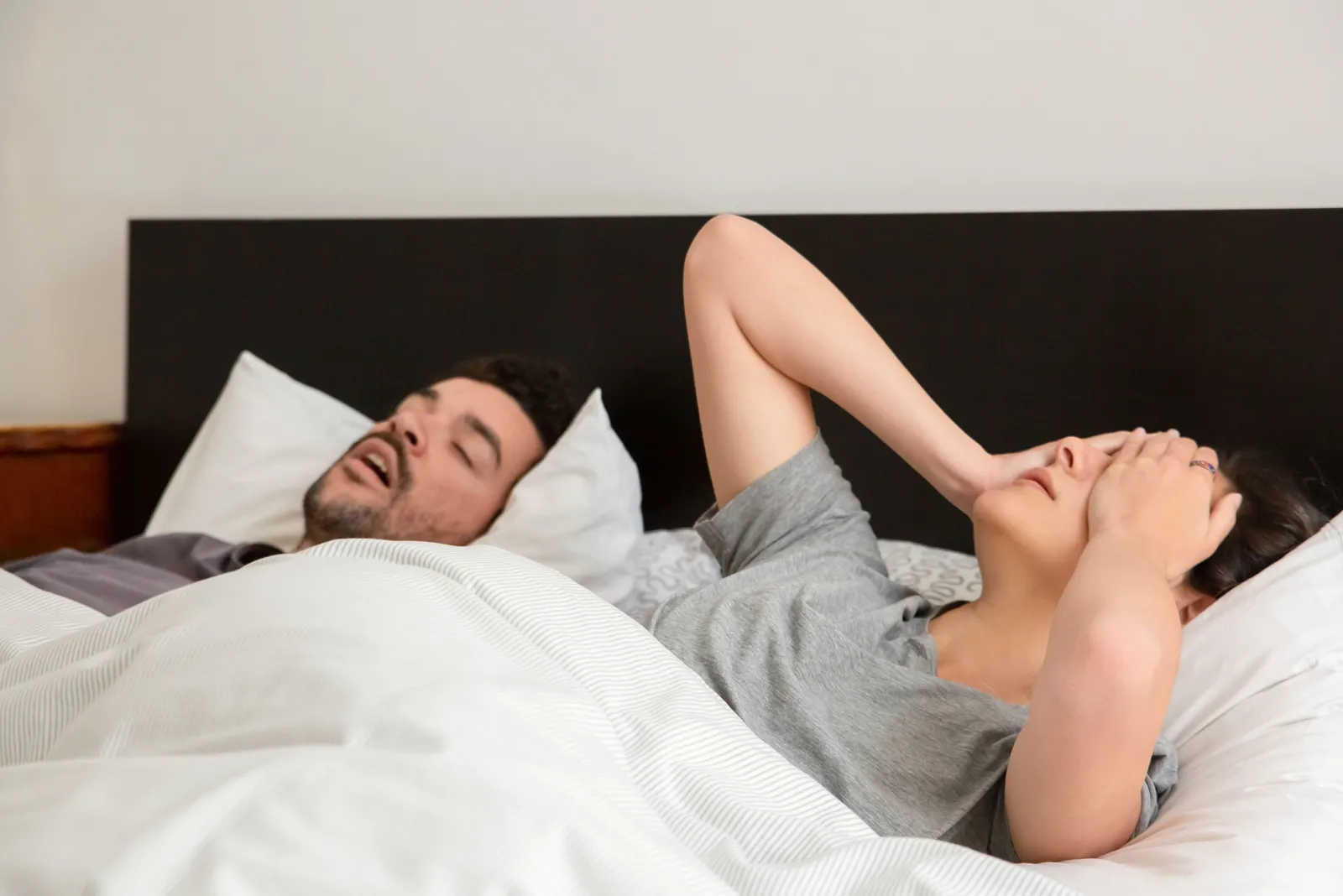
Recent 2024 and 2025 research has clarified the relationship between bruxism and sleep-disordered breathing. Studies show that roughly one third to half of people with obstructive sleep apnea also have sleep bruxism. The two conditions are frequently found together.
If you grind your teeth at night, it may be your brain signaling you to grind so you wake up just long enough to start breathing again. Sleep apnea can be caused by poor airway health, when the tongue partially obstructs the upper airway and results in halted breathing during sleep.
A 2026 umbrella review found that obstructive sleep apnea and sleep bruxism often occur together, but current evidence does not prove that one directly causes the other. The association is strong, but researchers are still working out the exact mechanisms involved.
Genetics Can Load the Dice Against You

Polysomnographic studies, which measure brain and muscle activity during sleep, show that roughly 37% of people with sleep bruxism have at least one first-degree relative, a parent or sibling, who also grinds their teeth. That’s a meaningful pattern, pointing clearly toward a hereditary component.
Sleep bruxism is driven by a combination of brain activity during sleep, stress hormones, genetics, and sometimes underlying conditions like sleep apnea or acid reflux. In other words, some people are simply wired in a way that makes the condition more likely, regardless of how calm their daily life appears.
Certain Medications and Substances Can Set It Off

Bruxism can be a side effect of mental health medicines such as some antidepressants and medicines to treat seizures and attention-deficit/hyperactivity disorder. This connection is not widely known, and people starting new medications are rarely warned about it.
Nighttime teeth grinding may also be linked to alcohol, caffeine, smoking, and sleep disorders such as sleep apnea. Alcohol in particular is known to disrupt the architecture of sleep, increasing the frequency of partial arousals that seem to trigger grinding episodes.
Bruxism can also be linked with some medical conditions, including Parkinson’s disease, dementia, gastroesophageal reflux disorder, epilepsy, night terrors, and sleep-related disorders such as sleep apnea and ADHD. When bruxism appears alongside one of these conditions, treating the underlying issue sometimes reduces grinding as well.
The Warning Signs You Might Be Ignoring

Most people with sleep bruxism are unaware of the habit because it occurs during unconscious sleep stages. Common signs that patients miss include morning jaw soreness, dull headaches originating at the temples, unexplained tooth sensitivity, and small chips or flat spots on tooth surfaces. A bed partner reporting grinding sounds at night is one of the most reliable early indicators.
If you grind your teeth regularly, symptoms may include headaches or facial pain especially in the morning, earaches, sore jaw muscles, and tinnitus, a ringing in the ears. These are easy symptoms to dismiss or attribute to other causes, which is part of why bruxism stays undiagnosed for so long in many people.
The Damage Builds Up Quietly Over Time
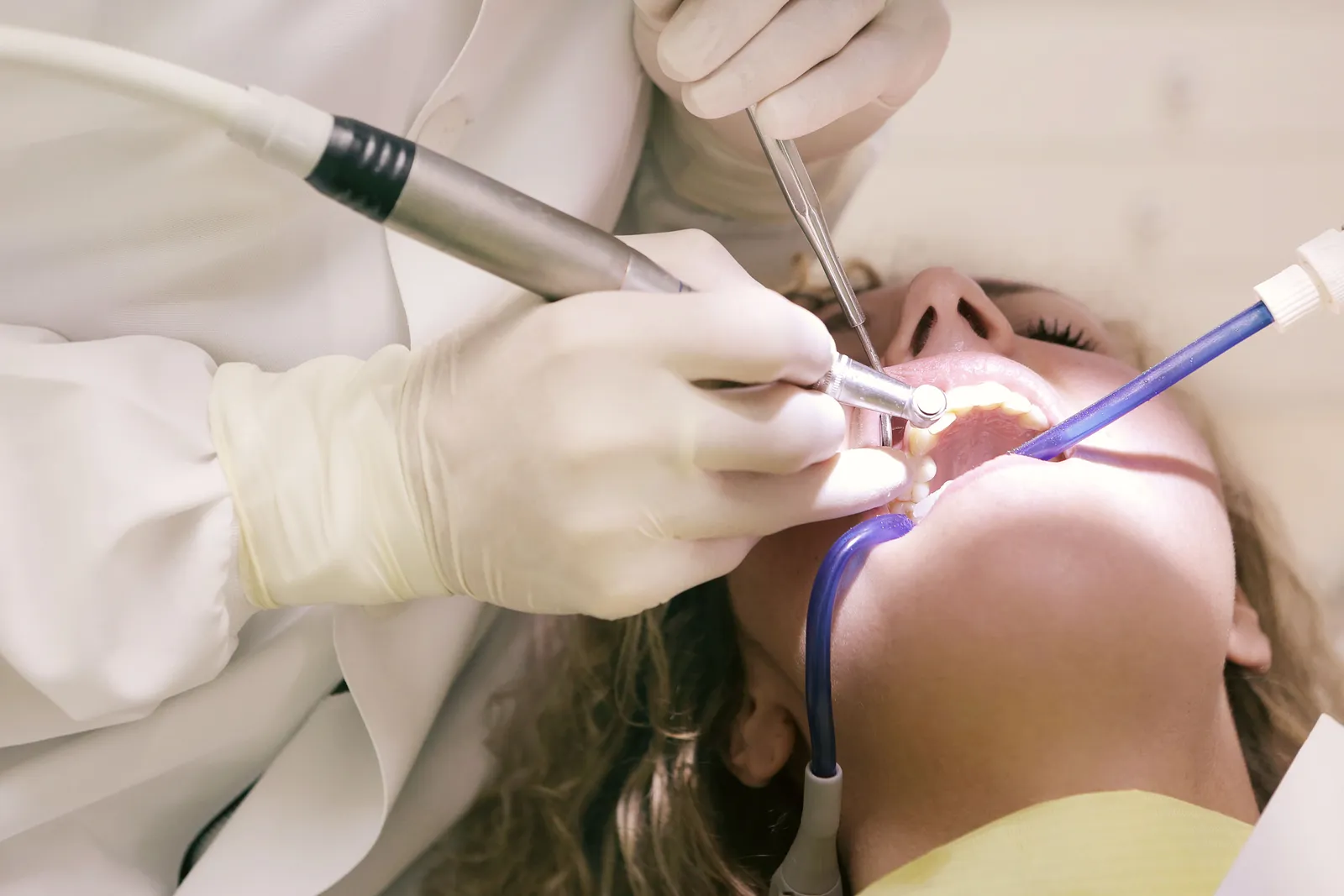
Untreated bruxism leads to progressive tooth wear, cracked or fractured teeth, failed dental restorations, temporomandibular joint disorders, and chronic tension headaches. The cumulative damage worsens over time, and the cost of repairing advanced bruxism-related destruction, including crowns, root canals, and implants, far exceeds the cost of early protective intervention.
Bruxism places excessive stress on the jaw joints, causing inflammation, discomfort, and potential misalignment. This can lead to chronic TMJ disorders characterized by pain, stiffness, clicking or popping sounds, and difficulty opening or closing the mouth fully.
The pressure from grinding can also cause gums to recede, revealing the tooth roots and making them prone to decay and infection. Untreated gum recession can progress to periodontal disease, leading to bone loss and eventual tooth loss. By the time some patients notice anything is wrong, years of structural damage have already accumulated.
Children Grind Too, and Parents Often Miss It
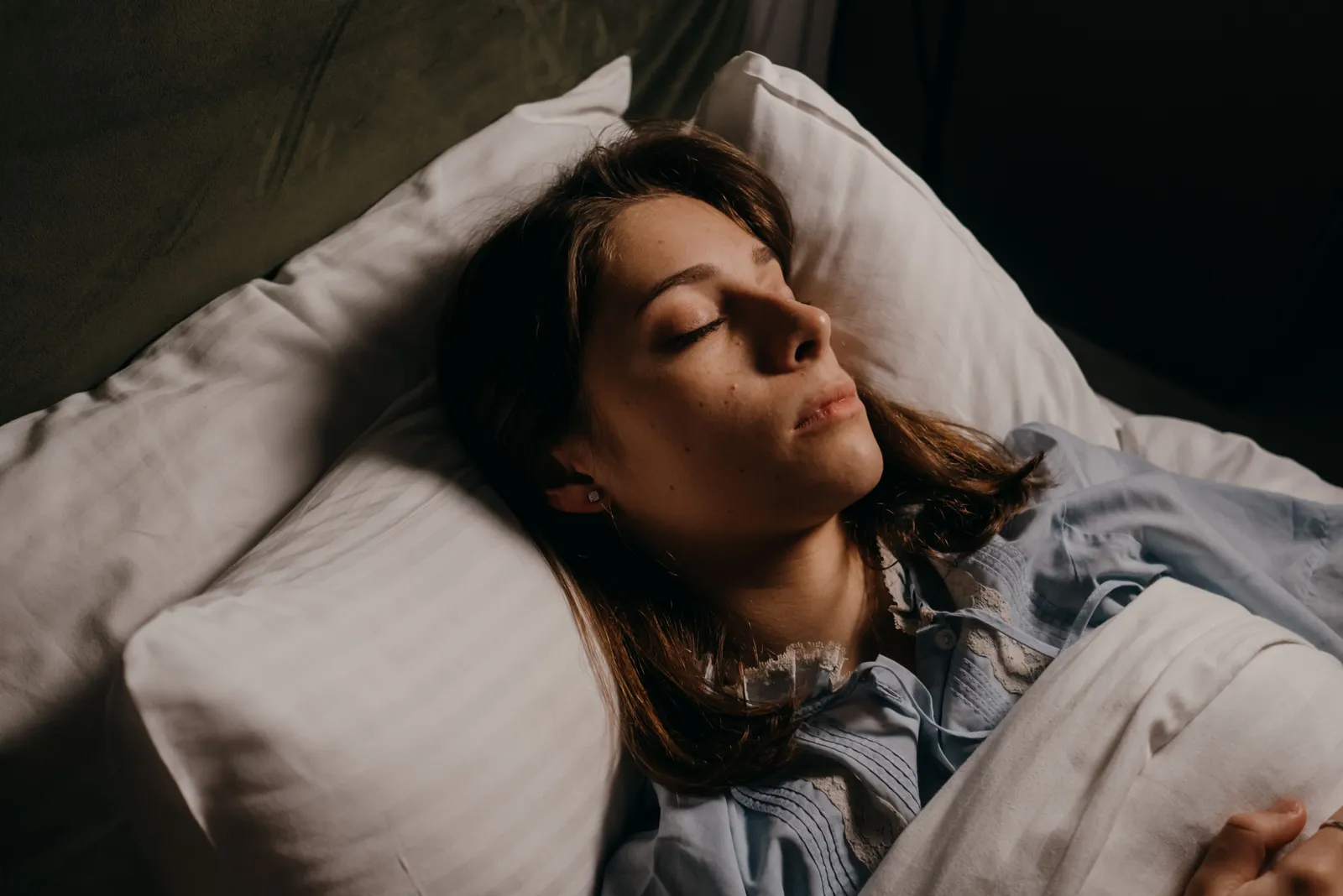
Estimates for bruxism prevalence range from roughly 3.5% to 40% among children and from about 8% to 31% among adults. The wide range reflects real differences in how the condition is measured and diagnosed across different populations and age groups.
Among adults, the prevalence ranges from 8% to just over 31%, while among children it can range considerably higher. In preschool-aged children specifically, the prevalence of bruxism has been reported to be as high as nearly half of the population in some study samples.
Sleep bruxism is more common in children, adolescents, and young adults than in middle-aged and older adults. Many children grow out of it naturally, particularly as their permanent teeth come in and their sleep patterns mature. Still, it’s worth flagging to a dentist early rather than assuming it will resolve on its own.
What Can Actually Be Done About It
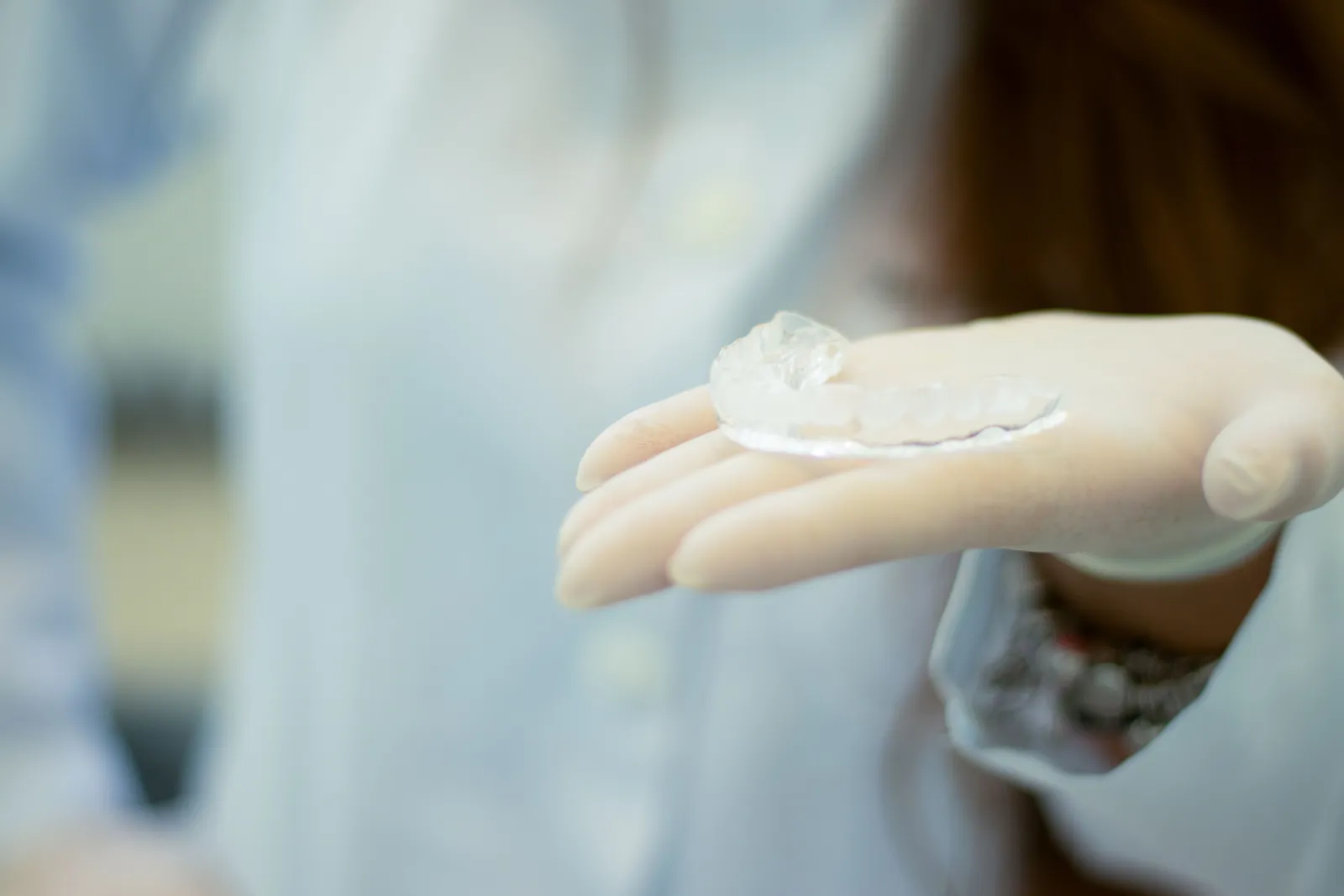
Bruxism can happen during the day or night, and a custom mouth guard is the most common treatment. A guard doesn’t stop the grinding itself, but it creates a protective barrier that prevents the teeth from bearing the full force of each clenching episode.
Adults often benefit from occlusal splints particularly when tooth wear is the main concern. Over-the-counter boil-and-bite guards can be a starting point but tend to be bulkier and less durable than custom splints fitted by a dentist.
Physical therapy for the jaw can also help, including stretching, posture correction, manual therapy, and home exercises. Heat, gentle massage of the temple and cheek muscles, and a soft diet during flare-ups may further reduce discomfort. For cases connected to anxiety or sleep apnea, addressing those underlying issues tends to produce the most meaningful long-term improvement.
The Takeaway
Teeth grinding at night sits in that frustrating category of health problems that do real damage precisely because they’re invisible to the person experiencing them. You sleep through it, you don’t feel it happening, and by the time you notice something is wrong, the wear has already begun.
The good news is that bruxism is manageable once it’s identified. A 2024 systematic review and meta-analysis estimated the global prevalence of sleep bruxism at around 21%, although rates differ depending on how the condition is diagnosed. That’s tens of millions of people, most of whom could benefit from a simple conversation with their dentist.
If you wake up with a stiff jaw, if your teeth feel more sensitive than they used to, or if someone has mentioned hearing sounds while you sleep, it’s worth paying attention. The jaw muscles are strong, the night is long, and enamel, once gone, doesn’t grow back.
AI Disclaimer: This article was created with the assistance of AI tools and reviewed by a human editor.