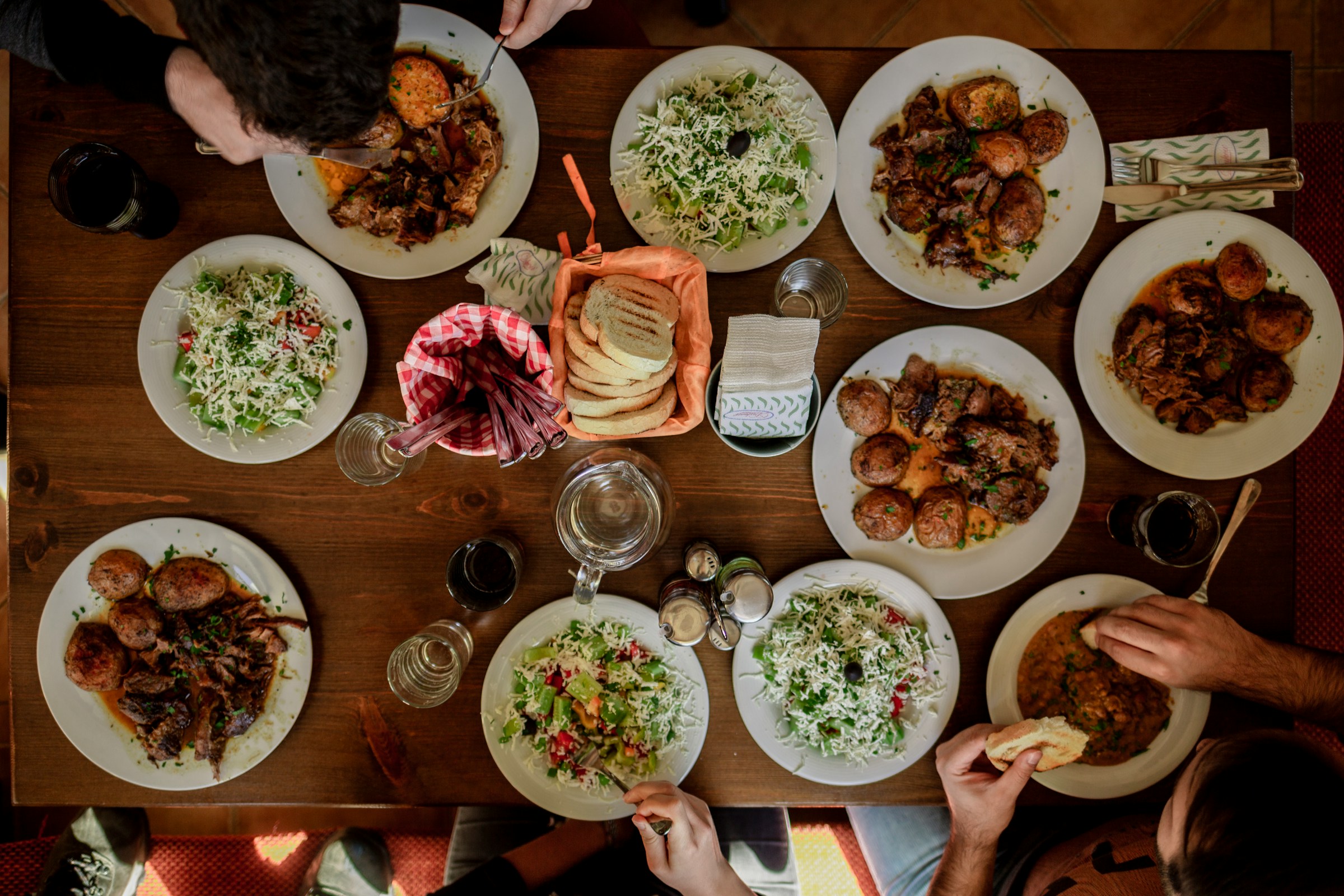

There’s a familiar sensation most people know well. You finish a satisfying lunch or a large holiday dinner, and within the hour you’re fighting to keep your eyes open. It feels almost embarrassing, like your body just hit an off switch. But what’s actually going on beneath the surface is surprisingly layered, involving your hormones, nervous system, brain chemistry, and even your internal clock.
The phenomenon has a formal medical name, and it’s better understood now than it was even a decade ago. Researchers have been refining their explanations well into 2025 and 2026, chipping away at older myths and replacing them with more nuanced biology. Here’s what the current science actually says.
It Has a Real Name: Postprandial Somnolence
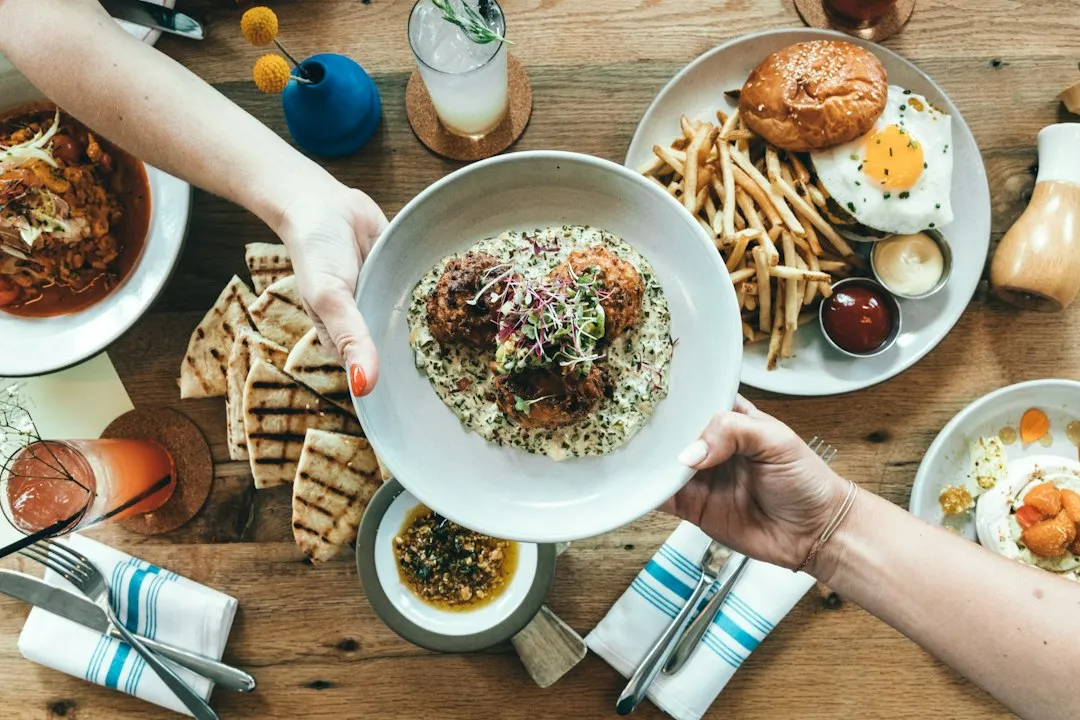
A decrease in energy levels after eating is called postprandial somnolence. It’s often referred to colloquially as a food coma, and medically it’s called postprandial somnolence, which simply means sleepiness after eating. The term might sound exotic, but the experience is almost universal.
Multiple biological systems work together to make you drowsy after a meal, and the effect is strongest after large, carbohydrate-heavy lunches. Feeling sleepy after a meal is a normal biological response driven by hormones, nerve signals, and your body’s internal clock. Almost everyone experiences it to some degree, and it rarely signals a health problem. The drowsiness typically peaks about two to three hours after eating, though several factors determine how strong it hits.
Your Nervous System Shifts Into a Different Gear

What does matter is the shift in nervous system activity. Food arriving in the gut increases parasympathetic nervous system activity, the “rest and digest” branch, while decreasing sympathetic activity, the “alert and active” branch. That state change directly promotes a calmer, more sedated physiological condition.
Postprandial somnolence is a benign state of drowsiness or lassitude following a meal, a general state of sleepiness and low energy related to activation of the parasympathetic nervous system in response to mass in the gastrointestinal tract. In other words, your body is essentially telling your brain to stand down while the digestive work gets done.
The Tryptophan and Serotonin Connection
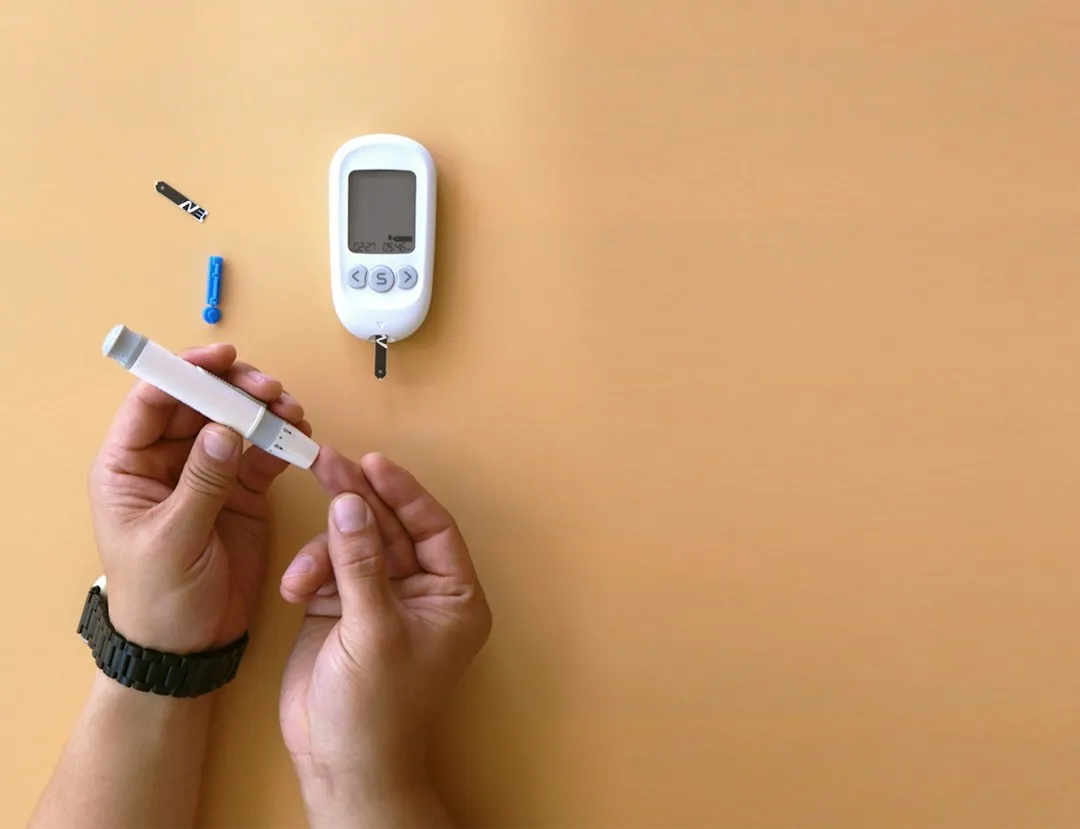
After a carbohydrate-heavy meal, blood glucose rises and your pancreas releases insulin to bring it back into range. Insulin drives most large neutral amino acids, like leucine and valine, into muscle tissue. Tryptophan, however, is largely left behind in the bloodstream.
That matters because tryptophan crosses the blood-brain barrier more easily when it faces less competition from other amino acids. Once in the brain, it converts to serotonin, which can then convert to melatonin. Both compounds promote relaxation and sleepiness. A 2023 review in Sleep Medicine Reviews documented this pathway clearly, noting that high-carbohydrate meals increase the ratio of tryptophan relative to competing amino acids in plasma, which facilitates tryptophan’s access to the brain and subsequent serotonin and melatonin synthesis.
Insulin Does More Than Manage Blood Sugar
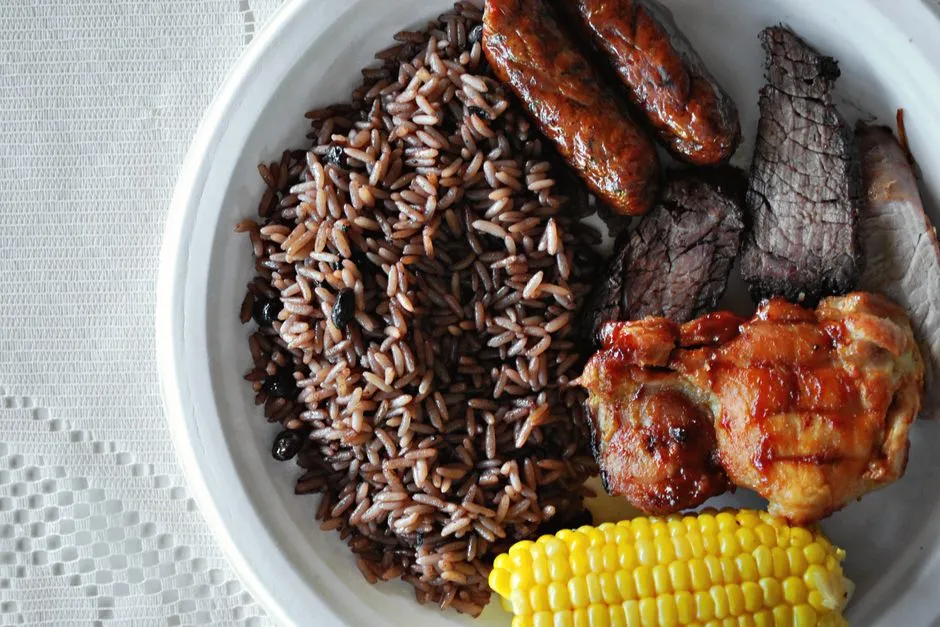
Carbohydrate-heavy meals trigger a surge of insulin to manage the spike in blood sugar. That insulin surge does something interesting: it clears competing amino acids from your bloodstream, which allows more tryptophan to cross into the brain. Once there, tryptophan gets converted into serotonin and eventually melatonin, both of which promote relaxation and sleep.
What you eat has a direct effect on your blood sugar levels. Foods high in refined carbohydrates, like white bread, pasta, or sugary snacks, cause blood sugar to rise quickly. Your body responds by releasing insulin to bring those levels back down. Sometimes, the drop can be sharp, leaving you feeling tired, sluggish, or even irritable. This cycle is a key piece of why some meals knock you out harder than others.
High-Fat Meals Trigger Their Own Fatigue Pathway
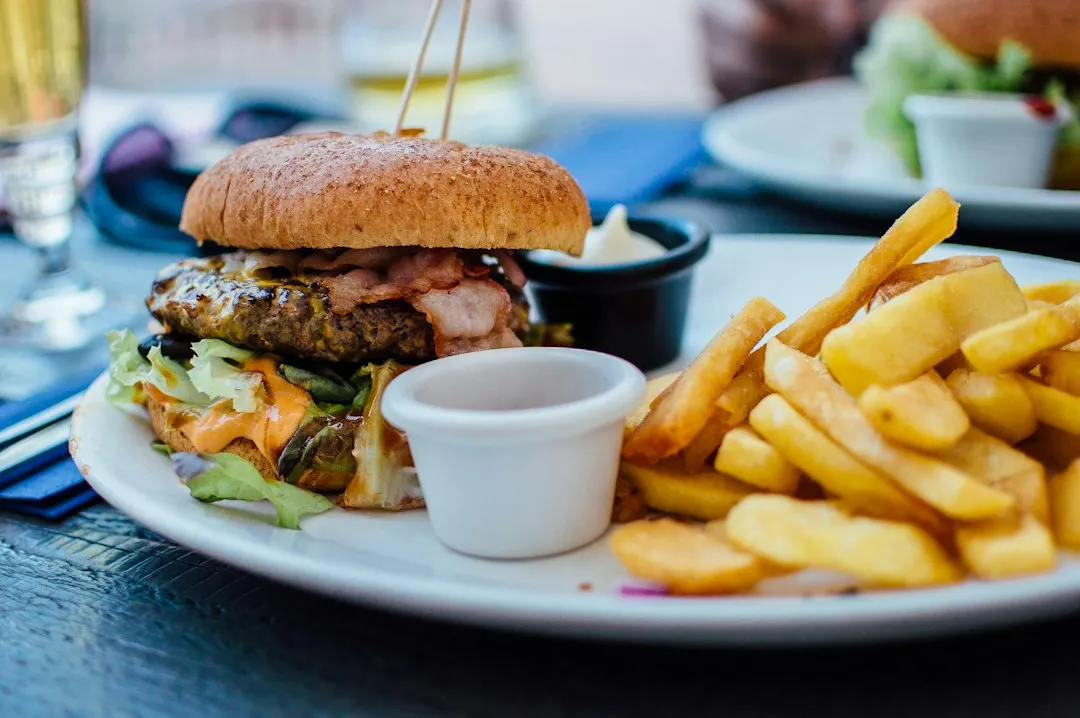
High-fat meals trigger the release of a gut hormone called CCK, which plays a role in digestion but also correlates strongly with feelings of fatigue and sluggishness. In one study comparing high-fat and high-carbohydrate meals, subjects reported feeling significantly more fatigued three hours after the high-fat meal. Their CCK levels were markedly higher, and statistical analysis confirmed a direct association between CCK concentration and that heavy, lethargic feeling.
This partly explains why a greasy burger or a cream-heavy pasta can leave you feeling almost immovable afterward, even when the total calories aren’t astronomical. Fat takes longer to digest, keeps the gut working hard for longer, and sustains that parasympathetic shift well past the point when a lighter meal would have cleared.
Your Body Clock Adds to the Problem

Studies show that most people feel a dip in energy in the early afternoon, often called the “afternoon slump.” Eating a meal during this time can amplify the feeling, which is why so many people associate lunch with drowsiness. When you combine this natural dip in wakefulness with a heavy lunch, the two effects stack on top of each other, leaving you feeling especially drowsy.
Larger meals exacerbate the post-lunch dip in sustained attention and increase subjective sleepiness, independent of the circadian baseline but compounding its effects. Timing genuinely matters here. A heavy meal at noon hits you differently than the same meal eaten at 7 p.m., simply because of where your internal clock sits in its daily rhythm.
Meal Size Is a “Strong Driver”
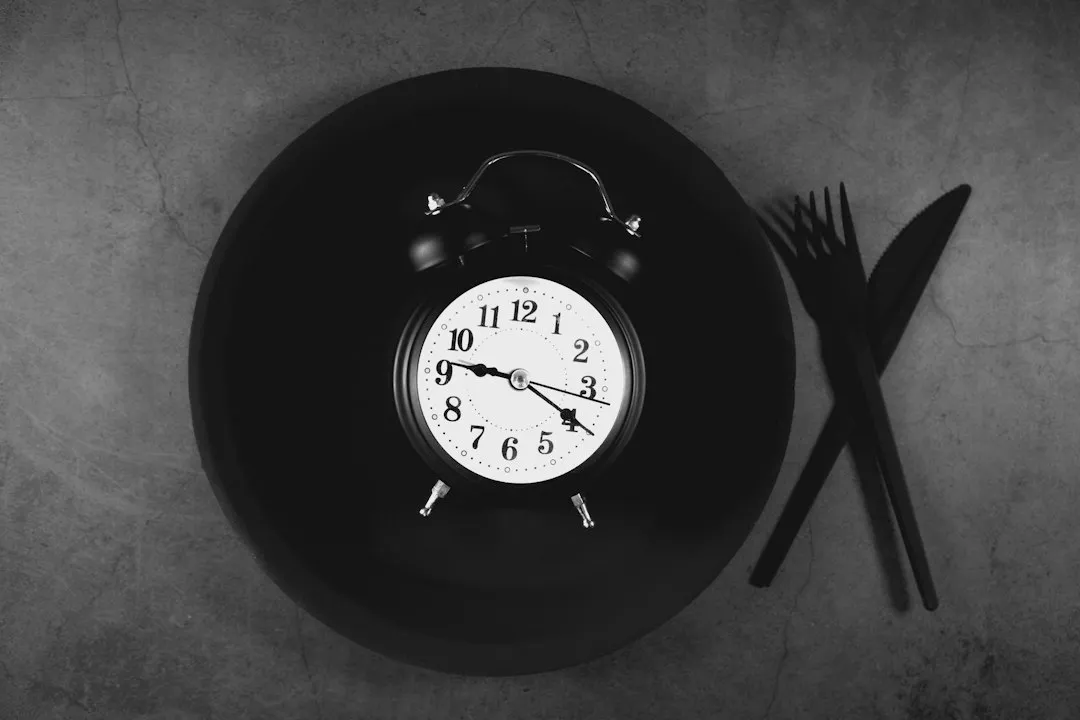
Feeling sleepy after eating may be due to the type and amount of food a person eats. Eating a big meal may be one trigger. Research on fruit flies suggests that meal size is a “strong driver” of post-meal sleepiness. So too are meals loaded with salt or protein.
Ingestion of a calorie-rich meal leads to postprandial fatigue, and is associated with increased systemic concentrations of cytokines, which is more pronounced in obese than lean subjects. So while everyone experiences some degree of food fatigue, its intensity isn’t equal across all bodies or all meals. A larger body of food simply gives the biology more to work with.
Your Brain’s Alertness Chemicals Get Suppressed

Some experts have hypothesized that animals, humans included, have built-in “vigilance signals” that keep them awake and alert when hungry. These signals help them locate and acquire food. It follows that once an animal or a human has eaten a lot, these vigilance signals dissipate and are replaced by feelings of fatigue.
One prominent mechanism is the adenosine hypothesis, where adenosine, a byproduct of ATP breakdown, accumulates in the brain during periods of wakefulness and heightened metabolic activity, such as digestion. This accumulation binds to adenosine receptors, inhibiting arousal-promoting neurons and promoting sleep pressure by enhancing slow-wave sleep markers. Caffeine, incidentally, works by blocking those same adenosine receptors, which is why a post-meal espresso can temporarily hold the drowsiness at bay.
Skipping Breakfast Can Make It Worse

Some past research into the blood flow hypothesis concluded that blood flow to the brain does not change after a person eats a meal. But some recent work found that, among people who skipped breakfast, one measure of cerebral blood flow plummeted after they ate lunch. The practical implication is that how you eat earlier in the day shapes how your body handles food later on.
A 2025 longitudinal study of older adults revealed that later breakfast timing correlated with increased self-reported fatigue, poorer sleep quality, and elevated risks of related health issues, suggesting that misalignment in morning meal rhythms disrupts overall circadian homeostasis and exacerbates afternoon somnolence. Meal timing, it seems, is not a trivial consideration.
When Is Post-Meal Sleepiness Worth Worrying About?

The intensity matters. Mild drowsiness that passes within an hour or so is typical, while crushing fatigue after every meal could point to something worth investigating. For most people, post-meal drowsiness is mild and passes within an hour or two. But if you consistently feel shaky, lightheaded, anxious, or extremely fatigued within four hours of eating, you may be experiencing reactive hypoglycemia, a condition that warrants medical attention.
A 2025 scoping review in the journal Nutrients investigated the factors affecting work productivity, with a particular focus on the impact of sleepiness caused by food intake and blood glucose level on productivity. The findings reinforced something many workplaces overlook: what people eat at lunch has measurable effects on their afternoon performance, not just their comfort.
The Takeaway

Post-meal sleepiness is real, it’s biological, and it involves a surprisingly sophisticated chain of events. Your nervous system, your hormones, your brain chemistry, and your body clock are all contributing at once. It’s not weakness, and it’s not just the pasta.
The science, as reviewed by researchers from the Cleveland Clinic, published in journals like Nutrients and Sleep Medicine Reviews, and captured in a 2025 comprehensive analysis published in the East African Scholars Journal of Medical Sciences, consistently points to the same conclusion: this is a deeply wired physiological response, not a modern inconvenience. What you can control is how much you eat, what you eat, and when. The body will always do the rest.
AI Disclaimer: This article was created with the assistance of AI tools and reviewed by a human editor.