
It Has a Very Long Scientific Name

Brain freeze is also known as ice cream headache, cold stimulus headache, and sphenopalatine ganglioneuralgia. That last term is the formal clinical label, and it refers specifically to the nerve cluster at the back of the palate that gets activated during the episode. According to the International Classification of Headache Disorders (ICHD-3), subtype 4.5.2, it is characterized by short-lasting pain triggered by cold foods or beverages.
Typically, the pain occurs in the forehead area and can manifest as sharp, stabbing sensations lasting from twenty seconds to a few minutes. The name may be a mouthful, but the condition itself is one of the most predictable pain responses the human body produces.
It Starts at the Roof of Your Mouth
Brain freeze refers to when something extremely cold touches the upper palate, the roof of the mouth. Eating an ice cream or drinking a cold drink too quickly can lead to this sudden, short-term headache. The roof of the mouth sits very close to a network of sensitive nerves and blood vessels, which makes it the trigger point for the whole reaction.
Brain freeze happens when the roof of the mouth cools rapidly, triggering a cold stimulus headache through vascular and nerve responses. The speed at which you consume a cold drink matters enormously here. Slow sipping rarely causes the same effect because the palate does not cool fast enough to set off the cascade.
Your Blood Vessels React First
One hypothesis is that sudden exposure to cold triggers rapid vasoconstriction, or narrowing of blood vessels, followed by vasodilation, or widening of blood vessels. This two-step vascular reaction happens in the capillaries and sinuses near the palate within just a few seconds of cold contact.
What happens when we experience that brief yet quite uncomfortable brain freeze is the quick cooling of capillaries in the sinus and oropharyngeal area resulting in vasoconstriction, or narrowing of the blood vessels. Then the body tries to correct itself by widening those same vessels, and that correction is where much of the pain originates.
The Trigeminal Nerve Carries the Pain Signal
Several theories suggest that the trigeminal nerve plays a key role in transmitting pain signals initiated by rapid changes in temperature. This nerve is one of the largest cranial nerves, responsible for sensation across the face and head. When the blood vessels around the palate rapidly change size, the trigeminal nerve picks up on that mechanical pressure and fires off a signal.
This activates pain receptors in the walls of the blood vessels and sends the pain signal through the sensory nerves of the head and face, translating to the uncomfortable episodes we recognize as brain freeze. The trigeminal nerve essentially acts as the messenger, relaying what it perceives as an emergency to the brain.
The Anterior Cerebral Artery Plays a Key Role
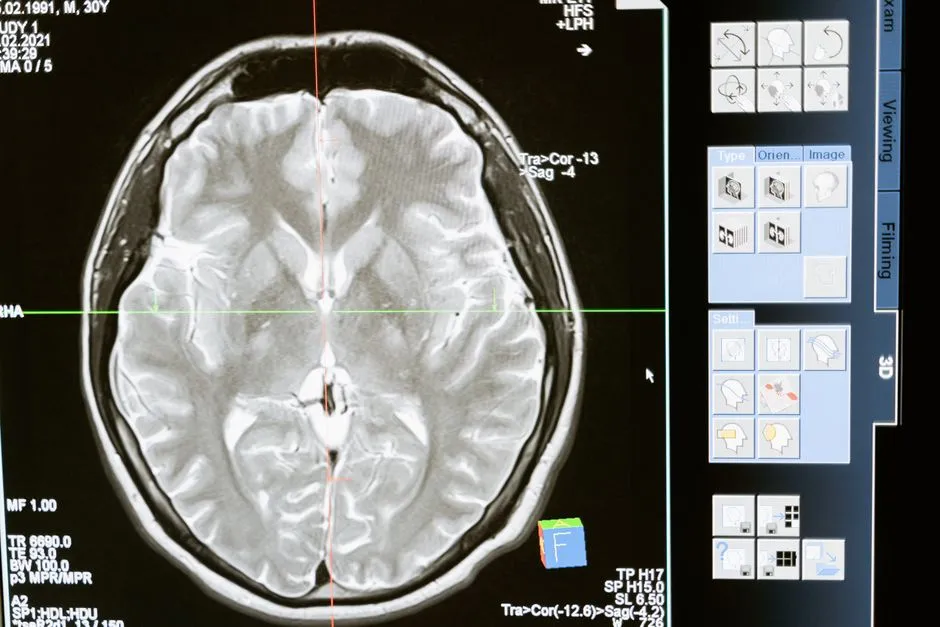
Scientists were able to trigger brain freeze in study participants by asking them to drink cold water through a straw so that the water hit the roof of the mouth. While the participants drank, the researchers monitored blood flow in the participants’ brains. Researchers found that the sensation of brain freeze seems to occur when an artery in the brain expands quickly.
The pain usually begins within seconds of cold contact and is physiologically linked to an initial vasoconstriction followed by vasodilation in the anterior cerebral artery, activating pain pathways similar to migraine mechanisms. When that artery constricts again after expanding, the pain typically stops. When it constricts, the pain goes away.
Your Brain Locates the Pain in the Wrong Place
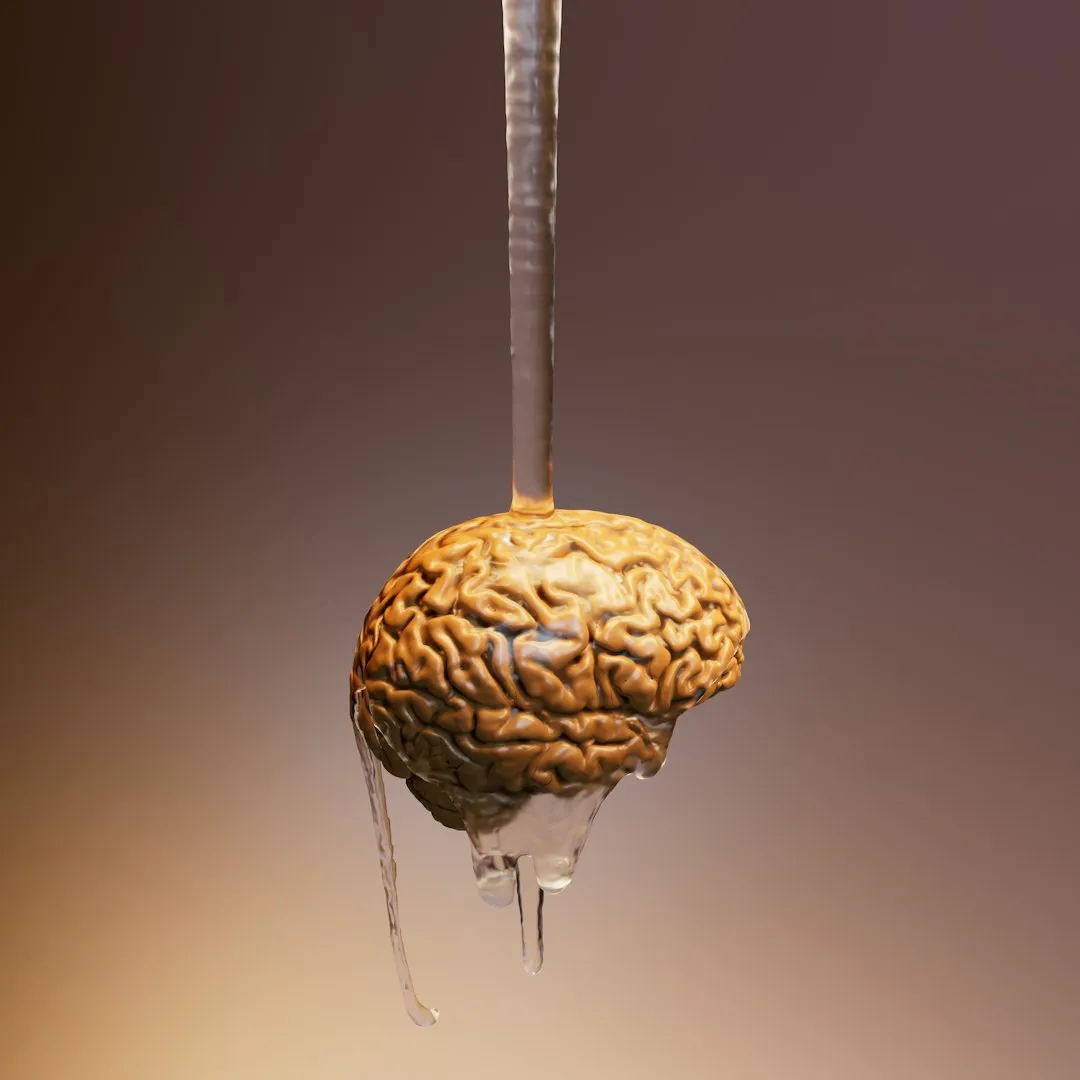
This nerve also senses facial pain, so as the neural signals are conducted, the brain interprets the pain as coming from the forehead, the same “referred pain” phenomenon seen in heart attacks. This is why you feel the ache behind your eyes or across your brow even though nothing cold ever touched your forehead.
Cold exposure through the mouth or nose activates the trigeminal nerve system and relays this information to the entire head. That is why the pain is felt in the head and not in the mouth or nose, where the cold sensation originated. Referred pain is a well-documented neurological phenomenon, and brain freeze is one of its most everyday examples.
How Long Does It Actually Last?
The sensation is often described as sudden, sharp, stabbing, or aching. It reaches its peak fast and then fades just as quickly. Unlike many other headaches, it does not typically last long enough to interfere with normal activity for more than a brief moment.
Unlike other headaches, a brain freeze comes and goes quickly. It usually lasts only a few seconds to two minutes. It goes away on its own, without medicine or rest. The amount of cold food or drink consumed can influence how long the episode runs, but it is rarely prolonged.
People With Migraines Are More Susceptible

Some research has shown that sphenopalatine ganglioneuralgia is more common in people who get migraine headaches. Scientists are paying close attention to this connection because brain freeze can be intentionally triggered in a lab setting, making it a rare opportunity to study headache mechanisms in real time.
Two volunteers developed migraine-like headaches after an ice stimulus applied to the oral cavity. The cold exposure triggered both immediate pain consistent with brain freeze and delayed migraine attacks occurring one to three hours later, suggesting that ice-induced headache can act as a migraine trigger. These findings highlight the interaction between cold-induced pain and migraine mechanisms.
Children Experience It More Often

Anyone can get a brain freeze. Children may be more likely to get brain freeze because they may not have learned to slow down when eating something fun like an ice pop. The pace of consumption is one of the clearest predictors of whether a brain freeze will occur.
Speed matters more than temperature alone. Eating or drinking cold items quickly increases the likelihood of triggering the response. The colder the food or drink, the higher the chance of inducing vasoconstriction. Children tend to combine both factors enthusiastically, which is why they seem to complain about it more than adults do.
How to Stop One When It Hits

One way to avoid brain freeze is to eat and drink cold items slowly. When you are feeling brain freeze, remove the cold trigger and press your tongue or thumb to the roof of your mouth to warm it up. This works because it transfers body heat directly to the palate, calming the vascular reaction.
Push your tongue to the roof of your mouth, which will help warm the area. You can also eat your ice cream a little slower or keep a warm drink on hand to sip if brain freeze strikes. None of these remedies require any medication. The condition resolves on its own, typically well within a minute, once the cold stimulus is gone and the mouth returns to its normal temperature.
The Bigger Picture: What Brain Freeze Tells Scientists
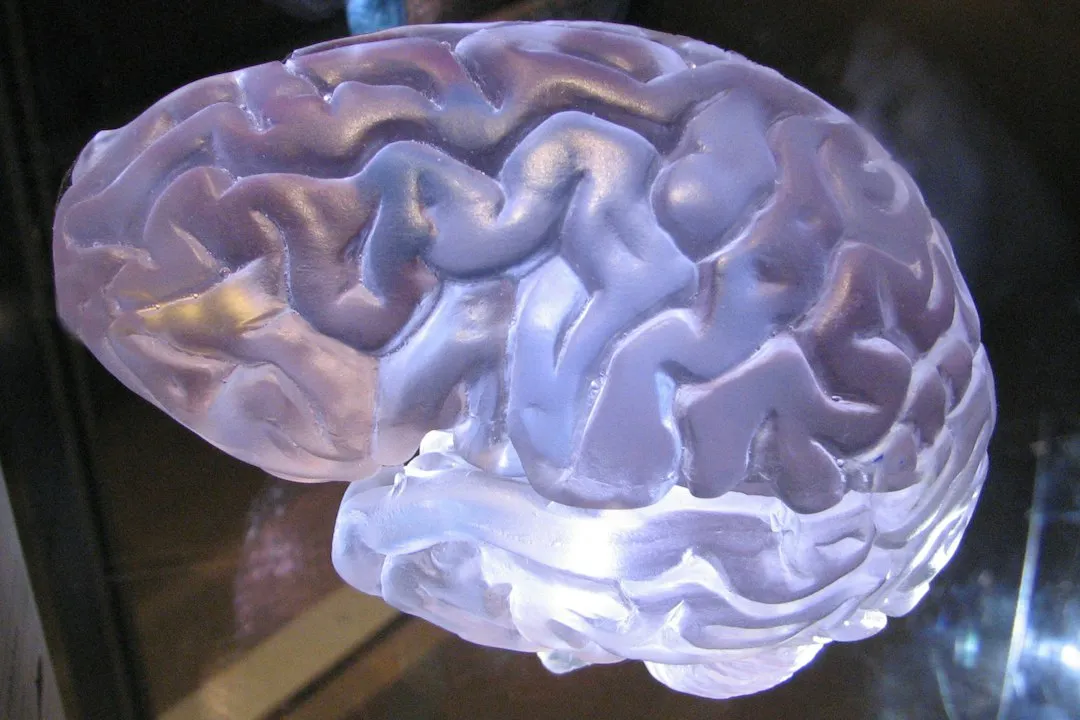
Scientists have become increasingly interested in brain freeze because it may reveal important clues about how migraine and other headache disorders develop. The ability to reliably induce a headache in a controlled setting is genuinely valuable for research, since most headache conditions are unpredictable and hard to study in real time.
Although benign and non-disabling, cold stimulus headache provides valuable insight into the activation of the trigeminovascular system and the role of cold in headache pathophysiology. In that sense, the humble brain freeze you get from chugging an iced drink too fast is quietly contributing to a much larger scientific conversation about pain, nerves, and the brain’s remarkable tendency to misread its own signals.
Final Thoughts
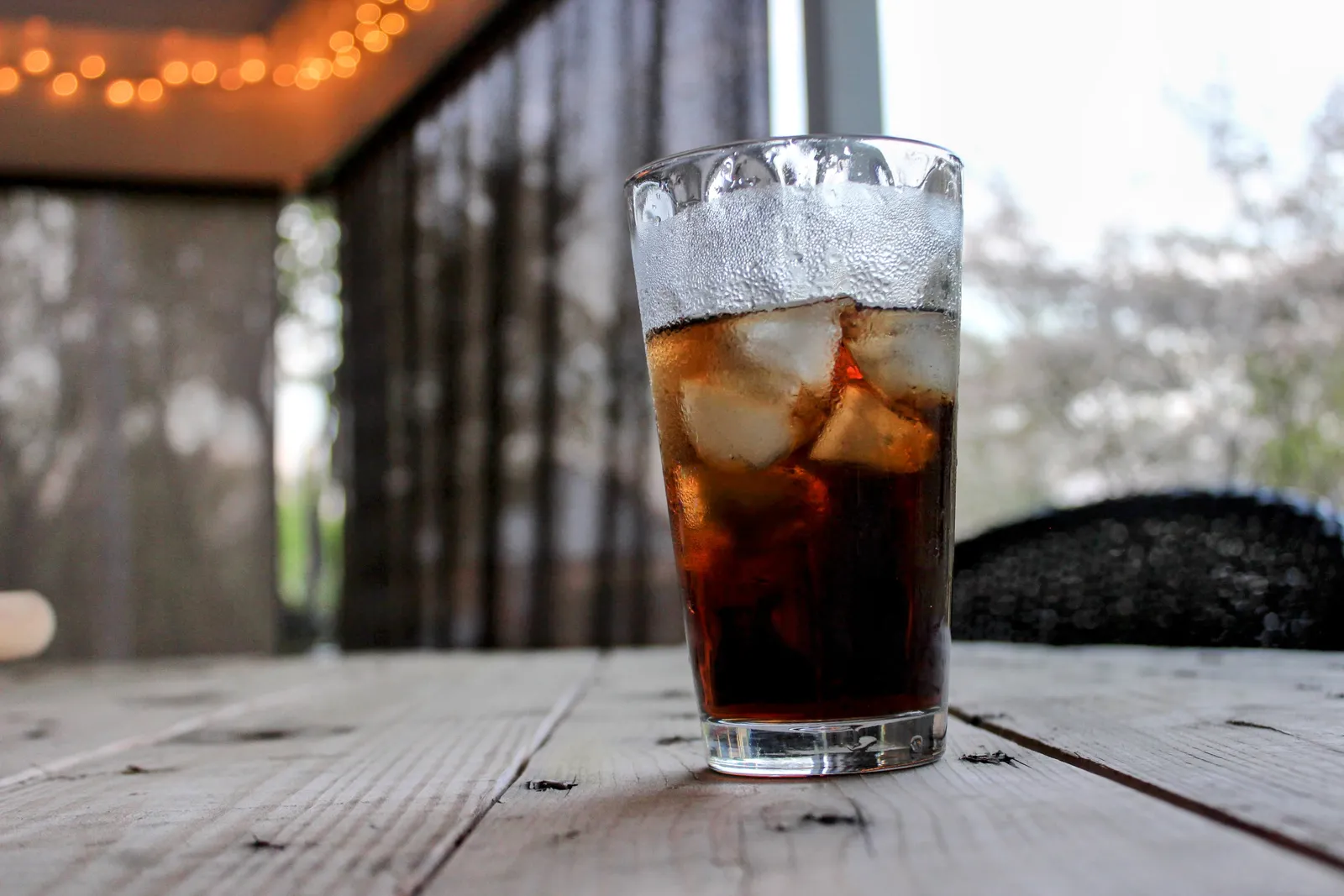
Brain freeze is genuinely one of the most democratic experiences in human biology. Nearly everyone gets it, it scares nobody, and it passes before you can do much about it. Yet within those few uncomfortable seconds, your palate, your blood vessels, your trigeminal nerve, and your anterior cerebral artery are all having a rapid, coordinated argument.
The good news is that brain freeze is harmless and resolves on its own without treatment or long-term effects. The more interesting takeaway is that something so ordinary is still not completely understood by science. Researchers continue to study it, partly because unlocking its exact mechanism could shed real light on conditions like migraine that affect millions of people worldwide. Sometimes the smallest mysteries turn out to carry the biggest answers.
AI Disclaimer: This article was created with the assistance of AI tools and reviewed by a human editor.