

Your Body Temperature Is Being Tricked Into Sleep Mode

In preparation for sleep, the body pushes heat toward the extremities. Blood vessels on the skin widen to release heat, which works to lower your core body temperature. With that drop in core temperature comes feelings of drowsiness and, eventually, sleep itself. When you sit in a warm car, the ambient heat creates conditions that mimic this natural pre-sleep state, even if it’s the middle of the afternoon.
Research published in the American Journal of Physiology found that warming the proximal skin accelerates the process of falling asleep, within the temperature range normally covered during everyday life. A warm car seat does exactly that, pressing warmth against your back, legs, and arms simultaneously.
There’s a Brain Circuit Wired to React to Heat

Northwestern University scientists discovered that the brain appears to be pre-programmed to rest during warmer periods, and they were the first to identify “absolute heat receptors” in the brain that respond to temperatures above 77 degrees Fahrenheit. While this research was conducted using fruit flies, the underlying neural mechanisms are thought to share biological parallels with humans.
Researchers found that brain neurons receiving heat information are part of the broader system that regulates sleep. When the hot circuit is active, the target cells that promote midday sleep stay on longer, resulting in an increase in midday sleepiness. A warm car cabin is essentially triggering that same ancient circuit.
Car Vibrations Rock You to Sleep in Minutes
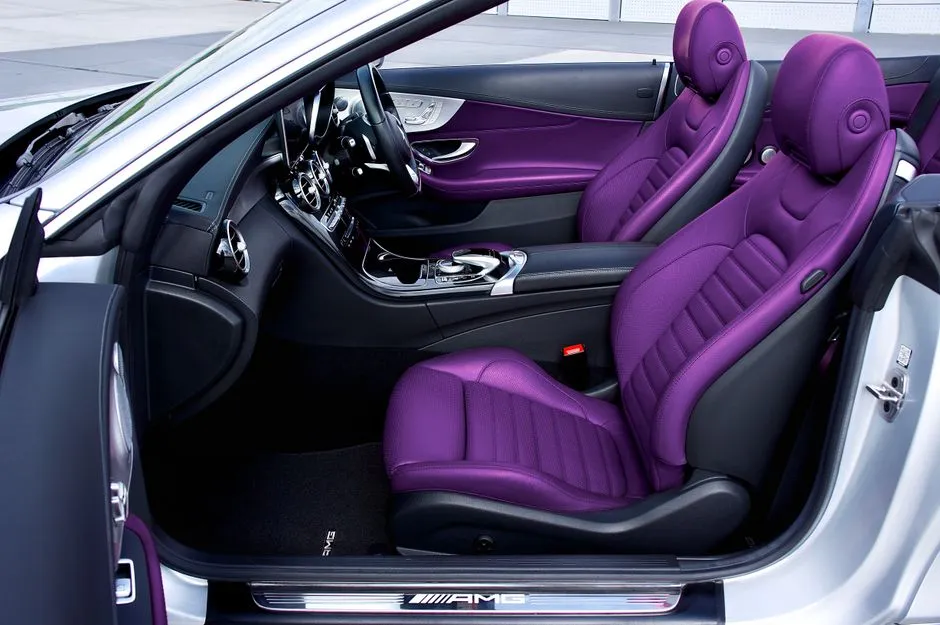
From a sleep-science perspective, your car is essentially a vibrating recliner in a warm room. A 2018 study from RMIT University found that whole-body vibration at 4 to 7 Hz, the frequency range typical of car seats, produced signs of drowsiness within just 15 minutes. By 30 minutes, the effect was substantial.
A 2019 study published in Current Biology showed that gentle rocking at around 0.25 Hz shortened sleep onset, deepened non-REM sleep, and boosted memory consolidation. Cars deliver that rocking sensation combined with low-frequency engine hum and warmth, which is why even anxious passengers can fall asleep. It’s a surprisingly effective combination.
CO2 Builds Up Inside the Cabin Faster Than You Think

One of the main indicators of enclosed environment air quality is the carbon dioxide content released through human breathing, and high levels of CO2 can cause occupants to feel fatigue, drowsiness, and slowed reactions. Experimental results show that accumulated CO2 concentration exceeded the recommended threshold value of 1200 ppm after just 10 minutes when two passengers occupied the vehicle’s cabin.
Drowsiness is considered a potential risk for traffic accidents, and exposure to high carbon dioxide levels in vehicles may result in unpleasant feelings, fatigue, drowsiness, or lethargy among both drivers and passengers. Research also found that higher CO2 levels can attenuate cardiovascular and autonomic activity, suggesting that CO2 effects on physiological responses can emerge before a person even becomes consciously aware of them.
Your Circadian Rhythm Has a Built-In Afternoon Dip

Your body’s internal clock creates a sleepiness window between roughly 1 and 4 p.m. regardless of whether you ate. A short night’s sleep makes this worse, and adding highway monotony and a warm car at that hour amplifies the effect significantly. This isn’t a quirk of modern life. It appears to be a deeply wired biological pattern.
The afternoon dip is often blamed on lunch, but research on sleep deprivation and circadian rhythms shows the post-lunch dip is a bi-circadian phenomenon, present on days without lunch and made worse by a short prior night’s sleep. A warm car at 2 p.m. is therefore hitting you at the worst possible biological moment.
Adenosine Pressure Builds Throughout the Day

The underlying mechanism driving daytime sleepiness is adenosine. During waking hours, adenosine accumulates in the basal forebrain and binds to receptors, steadily increasing sleep pressure. Caffeine works by blocking those same receptors, which is why timing matters. The only real way to clear adenosine, though, is sleep itself.
By the time you get into a warm car in the afternoon, your adenosine load has been building for hours. Combine that chemical pressure with heat, vibration, and CO2, and the car effectively pulls on every biological lever at once. It’s less a coincidence than a kind of perfect storm.
Warmth Directly Reduces Blood Pressure and Brain Alertness

Elevated temperatures can lead to a drop in blood pressure, which contributes to feelings of fatigue and sleepiness because the brain receives less blood flow. Understanding this response helps explain why warm conditions consistently undermine alertness. Lower blood pressure in a passive, seated position leaves you with very little to fight the drowsiness.
Heat makes you feel sleepy for several reasons including dehydration, your body expending energy to cool itself, and the comforting sensation of warmth leading to relaxation. Dehydration from sweating reduces your energy, and the effort your body puts into regulating temperature uses up additional energy, contributing to fatigue. Even slight dehydration, which happens quietly in a hot cabin, measurably affects cognitive sharpness.
The Monotony of the Road Removes Your Last Line of Defense
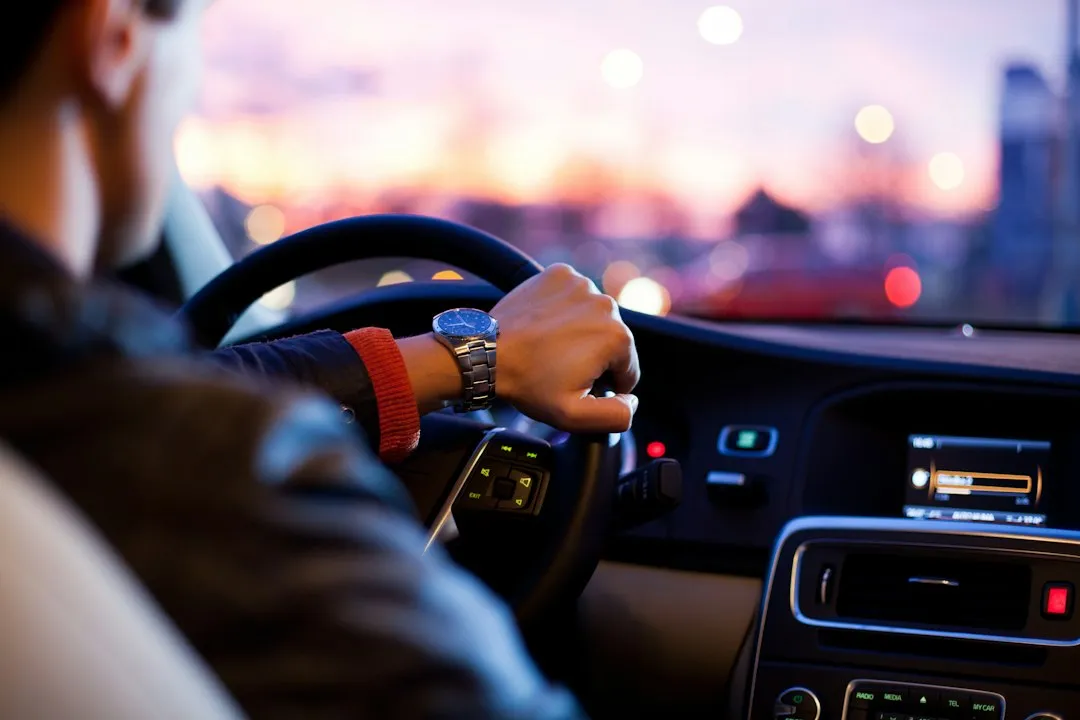
Driving makes you sleepy because the car itself is working against your alertness on multiple fronts at once. Low-frequency vibrations, a monotonous visual environment, rising carbon dioxide inside the cabin, and your own circadian biology all converge to pull you toward drowsiness. Take away visual novelty and there’s nothing left to anchor your attention.
Passengers have it even worse. Without the cognitive engagement of steering, watching mirrors, or reacting to traffic, the brain has no anchor at all. It receives warmth, vibration, and CO2, and interprets all three as a green light for sleep. The mind doesn’t resist so much as it simply lets go.
The Thermal Environment Alters Your Sleep Architecture Even When You Don’t Fall Fully Asleep

The thermal environment, including ambient temperature, humidity, and airflow, significantly influences sleep quality by affecting the body’s ability to achieve and maintain thermal comfort. Non-neutral thermal environments can impair alertness by prolonging sleep latency, reducing deep sleep duration, and increasing nighttime awakenings.
Research has argued that changes in skin temperature, rather than core temperature alone, play a direct role in shaping sleep propensity. Evidence shows that thermal conditions can alter wakefulness, REM sleep, and slow-wave sleep, particularly under heat exposure, while the broader physiological coupling between skin warmth and NREM sleep regulation is well established. Even a short car nap can therefore briefly enter deeper sleep stages, leaving you feeling genuinely groggy rather than simply rested.
The Risk Is Real and Underappreciated

Fatigue and sleepiness are among the primary causes of traffic accidents, with estimates suggesting that between 15 and 20 percent of commercial vehicle casualties are attributed to either fatigue or sleepiness. These numbers are consistent across multiple research bodies and hold across different vehicle types and road conditions.
Some of these factors, like mechanical vibration, can trigger measurable sleepiness in as little as fifteen minutes. The effect is surprisingly robust and far more complex than simply being tired before you get behind the wheel. Cracking a window, keeping the cabin cooler, or switching the air conditioning to fresh-air mode rather than recirculation are all practical steps supported by the research above.
The Takeaway
What feels like a simple comfort response is actually several biological systems converging at once. Heat suppresses alertness at the brain level. Vibration mimics the rocking that shortens sleep onset. CO2 accumulates faster than most people realize, and circadian timing adds another layer on top of all of it.
Knowing the mechanism doesn’t make a warm car any less comfortable, but it does give you a clearer reason to act on it. Keep the cabin cooler than feels necessary, run fresh air through the vents, and take a real break on long drives. Your biology is not going to negotiate with a warm seat.
AI Disclaimer: This article was created with the assistance of AI tools and reviewed by a human editor.