

Sleep Pressure: The Chemistry Working Against You

Falling asleep on the couch is closely linked to the body’s natural sleep drive, known as sleep pressure, which is influenced by the accumulation of adenosine, a neurotransmitter that promotes sleep. The brain uses adenosine as its currency for measuring time spent awake, and since adenosine is a byproduct of cellular metabolism, the more active and alert you are during the day, the more it builds up in the brain.
In essence, the longer you’re awake, the more adenosine you accumulate, the more sleep pressure you acquire, and the more likely you are to fall asleep. By the time you sink into the couch in the evening, that pressure has been building for hours. The couch catches you at precisely the right moment.
The Couch Doesn’t Ask Anything of You

The couch feels casual and relaxing. When you’re on it watching TV or scrolling through your phone, your brain isn’t thinking “it’s time to sleep.” You’re relaxed, not trying too hard to fall asleep, and that’s actually helpful. Sleep scientists call this “passive sleepiness,” when you fall asleep without effort.
On the couch, you’re not actively trying to sleep, allowing your body to relax naturally. In bed, the mental focus on falling asleep can create a barrier, turning what should be a restful activity into a challenge. The couch removes the expectation entirely, and that absence of expectation is powerful.
Conditioned Arousal: When Your Bedroom Works Against You
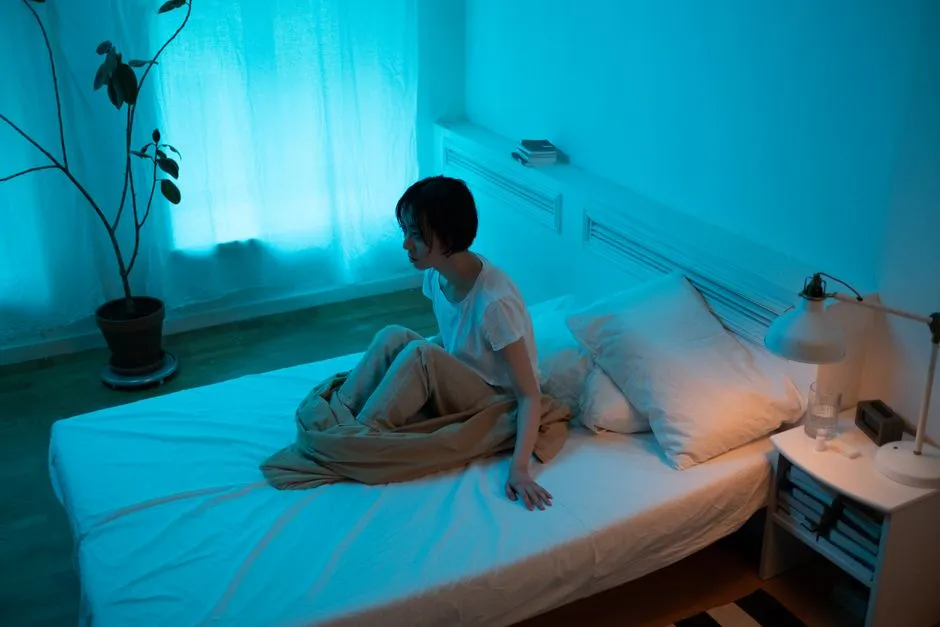
The most likely explanation for why your bed feels so different is a phenomenon called conditioned arousal. If you’ve spent weeks or months lying in bed struggling to fall asleep, scrolling your phone, worrying about tomorrow, or staring at the ceiling, your brain starts linking the bed with wakefulness and frustration rather than rest.
The bed and bedroom become unconscious cues for arousal rather than sleep. Many people with insomnia report that they doze off while watching TV or reading in the living room, but become fully awake when they go to bed. Past experience with tossing and turning while trying to sleep has made the bed a cue for wakefulness rather than sleep.
The couch, meanwhile, carries none of that baggage. You’ve never lain on the couch for two hours trying to force yourself to sleep. You’ve never checked the clock from the couch at 3 a.m. in a panic about tomorrow’s meeting. That history matters more than most people realize.
Sleep Performance Anxiety Is Very Real

Going to bed is often connected with trying to fall asleep on purpose. This can create what’s called “sleep performance anxiety,” where the pressure to sleep actually keeps you awake. You may start worrying about how many hours of sleep you’ll get, especially if you have an early morning ahead, and these thoughts can activate the brain and make sleep harder.
This is performance anxiety around sleep, and it’s incredibly common. A 2025 study found that roughly two in five people with chronic insomnia develop secondary anxiety specifically about their ability to fall asleep. On the couch, there’s no such expectation, so there’s nothing to be anxious about.
Your Environment Is Quietly Shaping Your Sleepiness

Your environment significantly affects how likely it is you’ll fall asleep. You might have just eaten a meal, your comfortable sofa is in a warm room, with dim lighting and maybe a TV program in the background, and for many people, this environment is perfect for falling asleep.
The relaxed posture of the couch also sends signals to the brain to let its guard down, reducing alertness and encouraging sleep. Subtle background noises, such as the low hum of the TV, act as white noise, enhancing the couch’s appeal for a quick nap. It’s an accidental sleep recipe that works surprisingly well.
White Noise, TV, and Why Background Sound Helps

Most people who fall asleep on the couch do so with the TV on. That low-level background sound acts similarly to white noise, giving your brain something steady and undemanding to latch onto instead of cycling through your own thoughts.
For many people, familiar background noise and dim lighting signal the body to relax. In the bedroom, turning off the lights and lying in silence might make your mind race, especially if you’re prone to overthinking. The TV essentially distracts the overactive mind just enough to let sleep arrive.
The Problem with Napping Too Late

That afternoon couch nap feels amazing, but it borrows sleep pressure from your nighttime sleep bank. Sleep drive builds throughout the day via adenosine accumulation, and napping late in the day reduces this crucial sleepiness signal.
A two-hour nap at 5 p.m. will likely clear a significant amount of adenosine, and due to the nap occurring later in the day, it is highly likely that nighttime sleep will be impacted. Your sleep drive decreases, and your body may not be able to recoup that drive for several hours. Avoiding long naps during the day is important precisely because napping will decrease adenosine levels in the brain, which would otherwise help promote sleep at nighttime.
Poor Sleep Hygiene Quietly Builds the Problem Over Time

It can be harder to fall asleep in bed because of poor sleep hygiene, which refers to your pre-sleep behaviors and your sleep environment. The concept of stimulus control, originally developed by researcher Richard Bootzin, is based on the idea that consistently pairing waking activities with the bed and bedroom prevents the conditioned association of the bed with sleep. If the bed and bedroom are only used for sleep, it increases the likelihood that sleep will occur when getting into bed.
Sleep-wake dysregulation is maintained by sleep-interfering behaviors, excessive worry at bedtime, difficulties in regulating emotions, and conditioned learning processes by which the sleep environment becomes a conditioned cue for arousal rather than sleep. Habits that feel harmless, like watching a show in bed or answering late-night messages, chip away at that conditioning slowly.
The Pre-Sleep Worry Loop

The quiet, unstimulating environment of going to bed removes the distractions that contain anxious thinking during the day. Without the demands and distractions of active life, the mind turns to worry. Research shows that people with anxiety and insomnia have significantly more pre-sleep cognitive activity, including planning, problem-solving, catastrophizing, and rehearsing concerns, compared to good sleepers.
This pre-sleep worry itself activates the stress response, further increasing physiological arousal. On the couch, that spiral rarely gets started. You’re watching something, half-distracted, and the body simply gives in. In bed, the silence becomes an invitation for everything you’ve been avoiding to show up at once.
How to Reclaim Your Bedroom as a Sleep Space
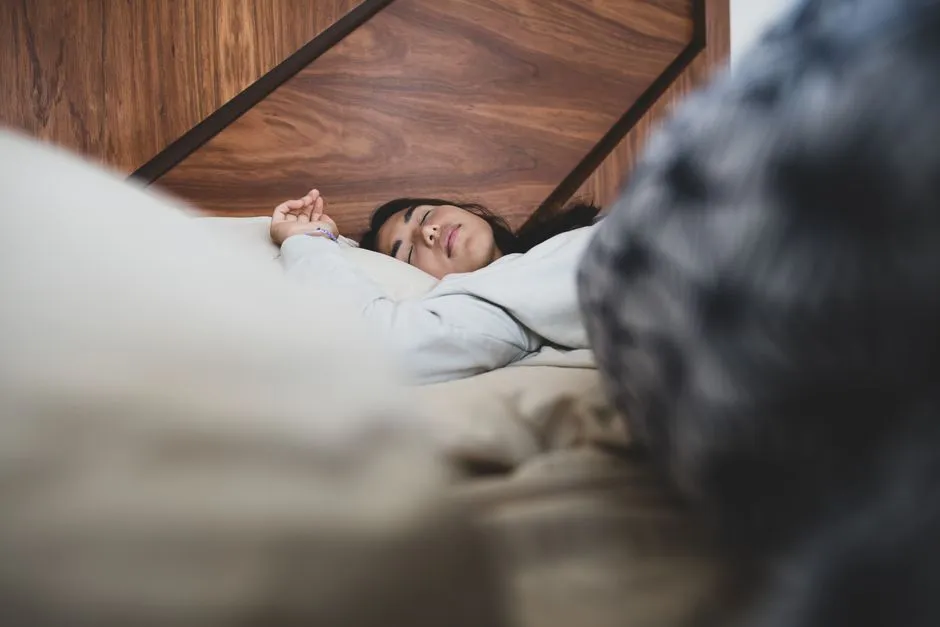
In good sleepers, environmental cues like the bedroom and the bed, along with routine behaviors like putting on sleeping clothes and brushing teeth, are associated with higher sleep propensity. Rebuilding that association takes time, but it’s genuinely possible through consistency.
Good sleep hygiene includes having a regular routine before bed, a dark, quiet room to sleep in, and not using your mobile phone in bed. Conditioned arousal is why insomnia often persists long after the precipitating stress has resolved. Even when situational stressors resolve, conditioned arousal and anticipatory sleep anxiety maintain the problem, which is why basic sleep hygiene, while helpful, doesn’t address the conditioned arousal and anxious cognitions that sustain it. Cognitive behavioral therapy for insomnia, known as CBT-I, remains the most evidence-supported approach for breaking that cycle.
The Takeaway

The couch isn’t magic. It’s neutral. It carries no expectations, no failed attempts, no memory of restless nights. Your bed, through no fault of its own, may have accumulated years of that baggage without you noticing. The gap between the two isn’t really about cushion firmness or room layout. It’s about what your brain has quietly learned to expect in each place.
Knowing that is actually useful. It means the problem isn’t permanent, and it isn’t about willpower. The brain learned one thing. With the right habits and patience, it can learn something else.
AI Disclaimer: This article was created with the assistance of AI tools and reviewed by a human editor.