

Every summer, home gardeners lose a significant portion of their tomato harvest not from drought or poor soil, but from insects that arrive quietly and multiply fast. The reflexive answer has long been to reach for a spray bottle. There’s a simpler option that costs a few dollars at a fabric store and requires no chemistry knowledge at all.
Wrapping tomato cages in tulle, the fine mesh fabric most people associate with wedding veils, has become one of the more practical and surprisingly well-supported pest control tricks in the home garden. It works on a straightforward physical principle, and once you understand why, it’s hard to go back to anything else.
What Tulle Actually Is and Why It Works in a Garden
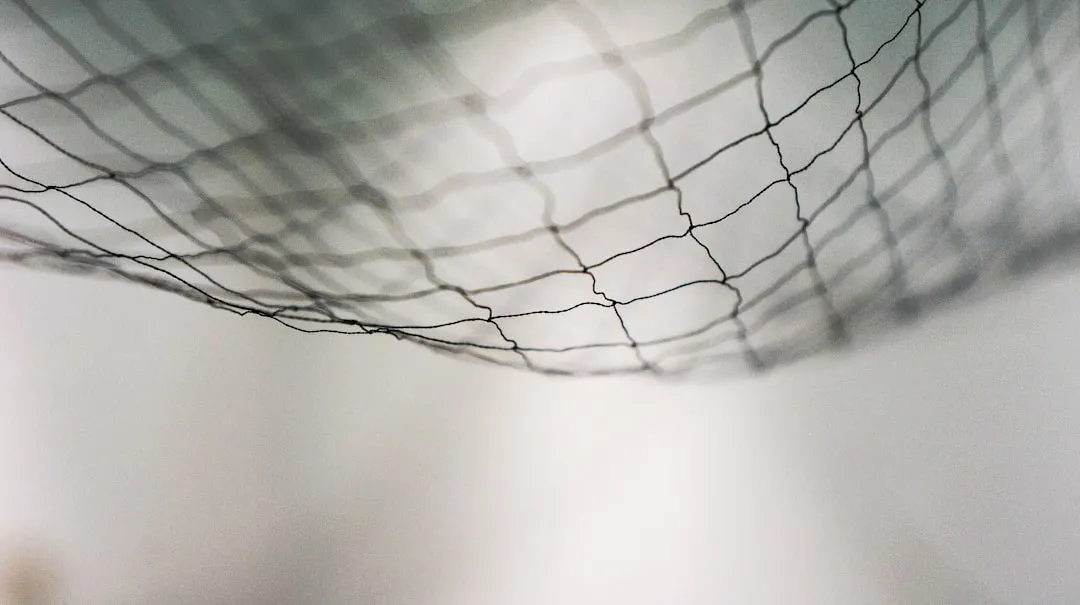
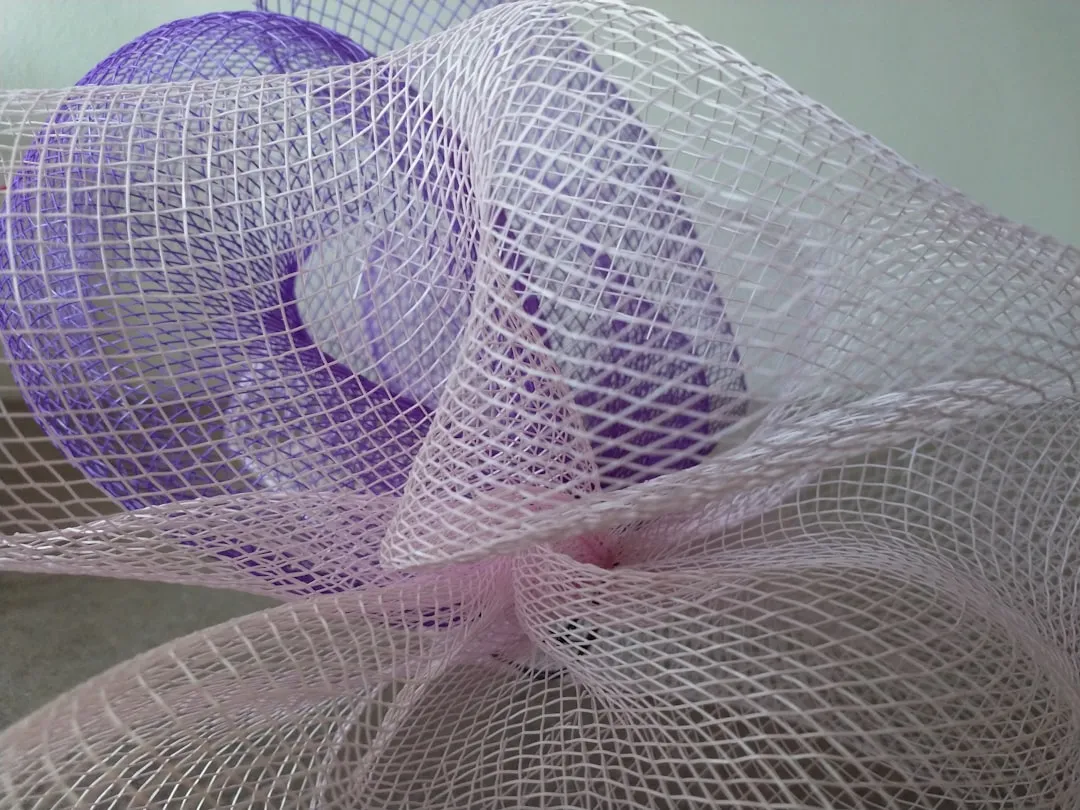
Tulle is a synthetic open netting that resists pests like birds, squirrels, and even rabbits, but also leaves enough gaps in the weave for water and fresh air to pass through. That balance between breathability and barrier is exactly what makes it useful around tomato cages.
Tulle is an ideal garden cover because it’s porous enough to allow water, moisture, fresh air, and sunlight to pass through, yet durable enough to deter rodents and other pests. The fabric doesn’t trap heat the way solid plastic sheeting would, which matters a lot when temperatures climb in midsummer.
Tulle is good for protecting vegetables like tomatoes, peppers, and lettuce, and it costs far less per yard than specialty agricultural netting from garden supply stores.
The Pest Problem Every Tomato Grower Faces
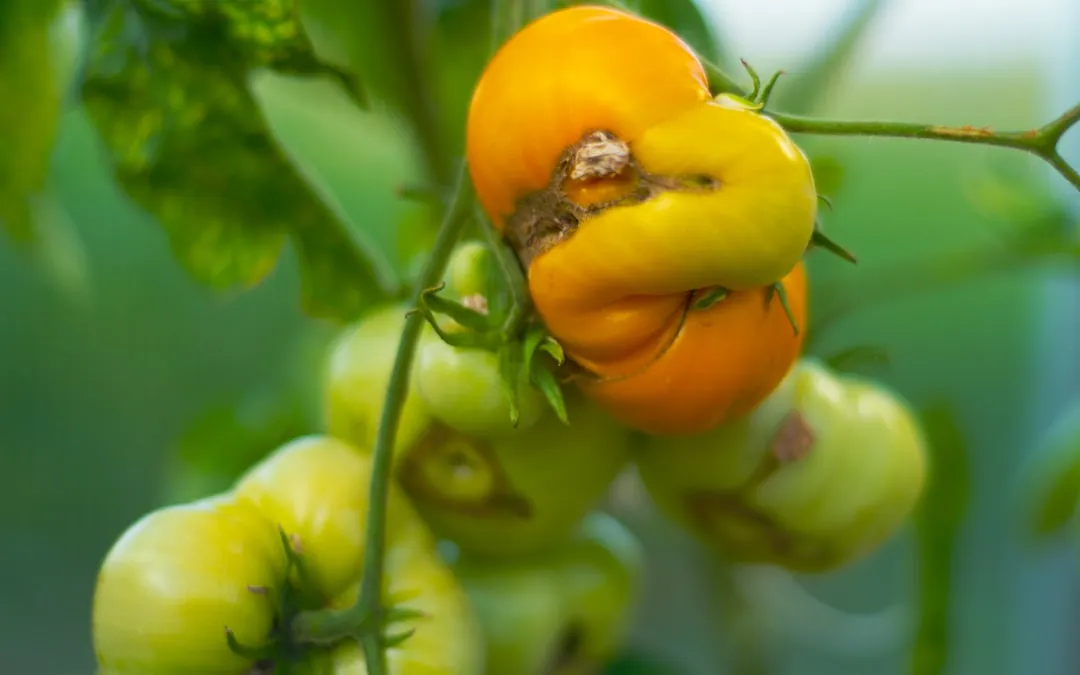
Hornworms strip leaves from tomato vines as they feed, and these caterpillars also feed on developing fruit. Rather than boring into the tomato, they feed on the surface, leaving large, open scars. A single hornworm can do surprisingly visible damage overnight.
Aphids pierce veins, stems, growing tips, and blossoms with needlelike mouthparts, causing flowers to shed, plants to be weakened, and yield to be reduced. Aphids can also spread rapidly, transmitting viral diseases.
Whiteflies are highly problematic in tomato crops, feeding on plants by piercing the phloem and extracting sap, which leads to yellowing, wilting, and reduced plant vigor. Whitefly infestations can cause significant damage, hinder fruit development, and ultimately impact tomato yields. These three pest categories alone are enough to ruin a season if left unchecked.
How Physical Barriers Reduce the Need for Chemicals
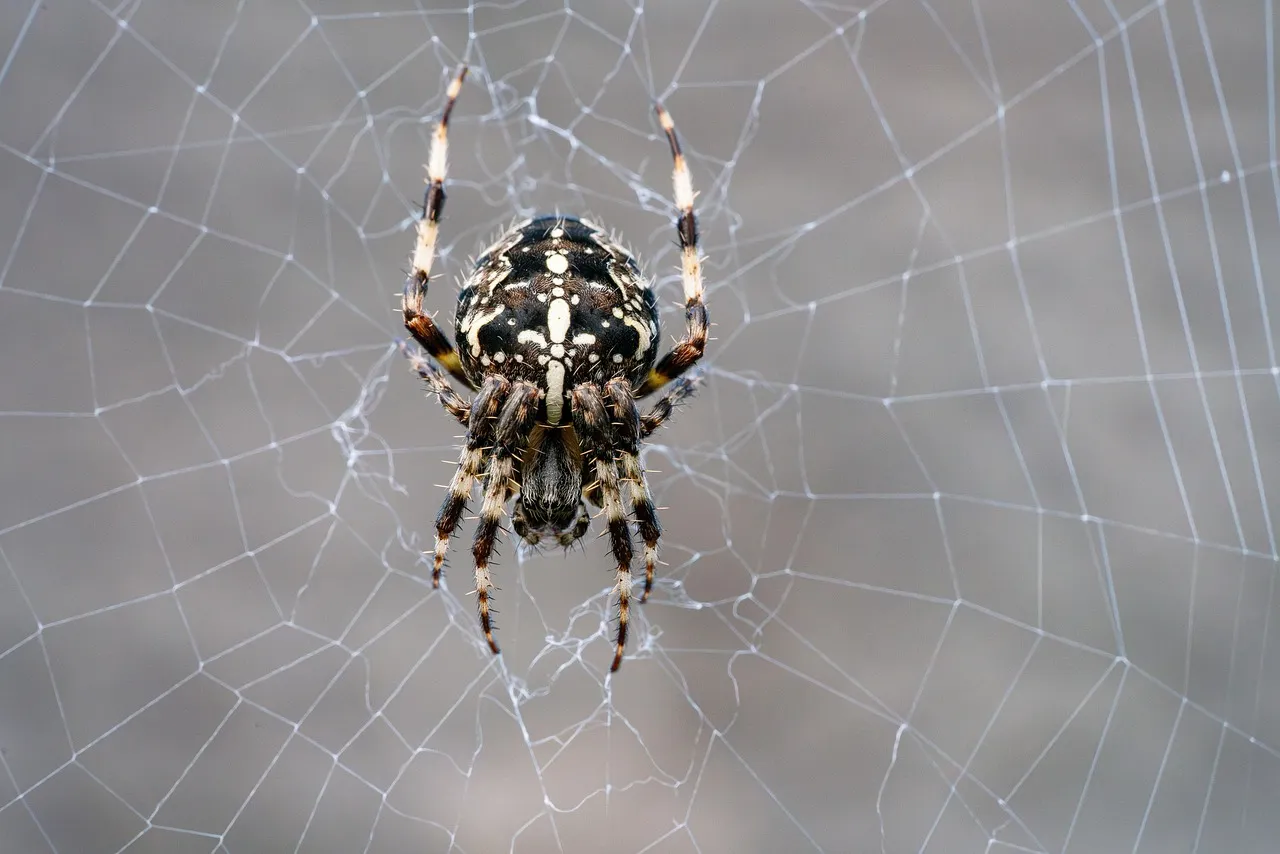
Research into physical methods, specifically textile barriers, has shown they can reduce insect access to plants while also reducing the need for pesticides and water. This isn’t a folk remedy. It’s a principle backed by plant science.
By using insect netting as the primary barrier, growers often reduce pesticide use by roughly half to four-fifths, lowering costs and environmental impact. That’s a meaningful reduction for anyone trying to grow food without chemical residue concerns.
Insect barriers like window screening on homes and crop covers use the simple principle of size exclusion: the holes in the barrier are smaller than the size of the insect body, and the insect cannot fly or crawl through the holes. Tulle operates on exactly this principle, just in a flexible and reusable form.
Why Tomato Cages Make the Perfect Frame for Tulle
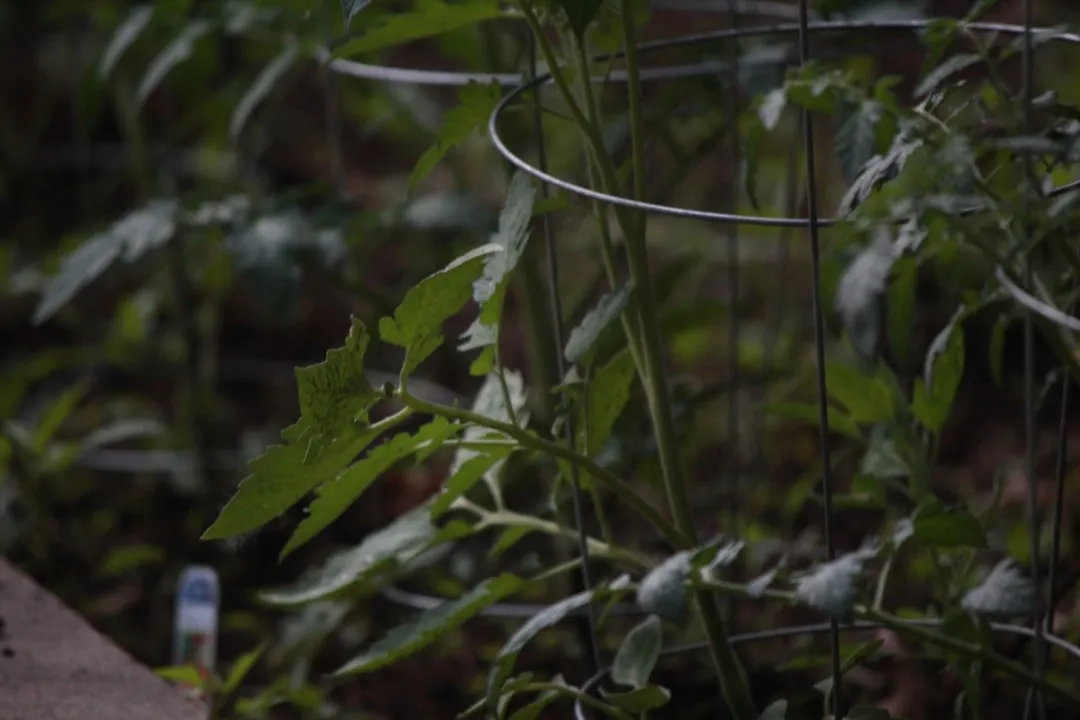
Unlike floating row covers, hoop-supported row covers or low tunnels are supported by wire hoops, eliminating abrasive damage to the crop associated with floating row covers. Tomato cages serve the same structural role, keeping the fabric off the plant itself.
Single-stemmed crops with delicate foliage, like tomatoes or peppers, may require hoop supports to prevent damage from direct fabric contact. Wrapping tulle around a cage rather than draping it loosely over the plant solves this problem cleanly.
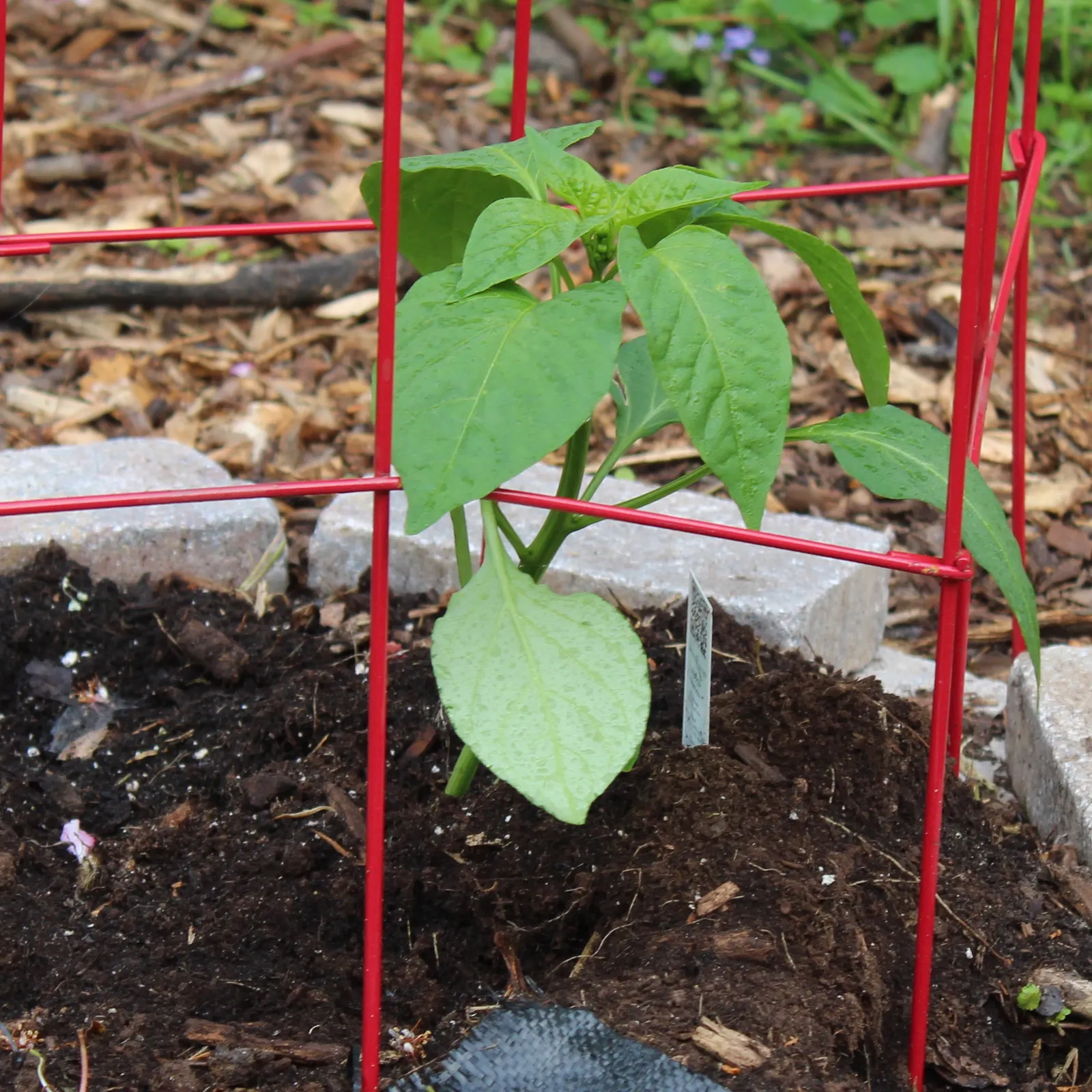
The cage already defines the plant’s growing space, so tulle wrapped around the exterior creates a fitted enclosure without smothering branches or flowers. It’s one of those cases where two simple tools combine into something genuinely useful.
What Tulle Keeps Out Specifically
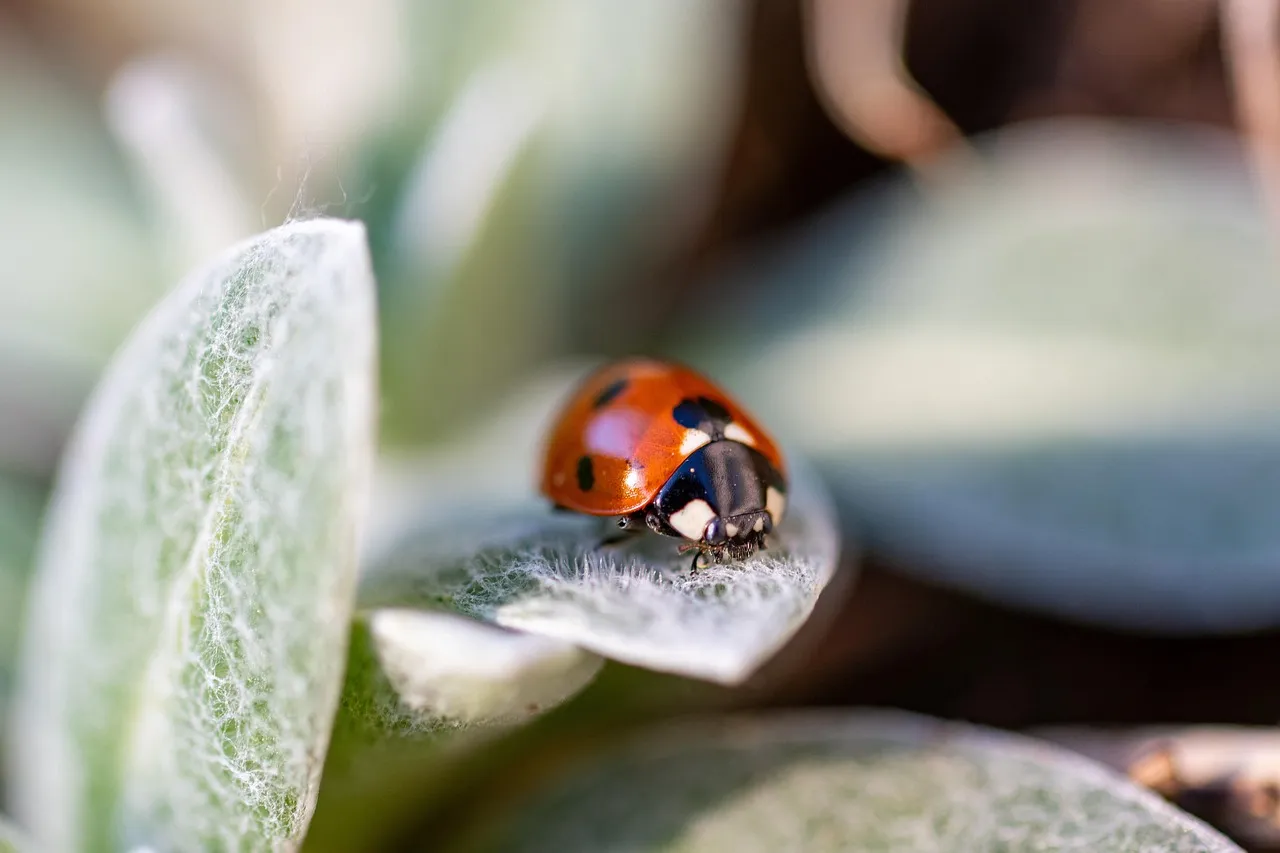
Covering crops can eliminate many pests on a variety of plants, including caterpillars such as imported cabbageworm, cabbage looper, and diamondback moth on brassicas, as well as flea beetles on a range of vegetables.
Lightweight, floating row covers provide an excellent barrier to early pests such as cabbage root maggot fly, flea beetles, spinach leaf miner, striped cucumber beetles, European corn borers, aphids, and Colorado potato beetles. Many of these same insects attack tomatoes during their most vulnerable growth stages.
Tulle netting fabric keeps out squirrels, rabbits, rats, mice, snails, and more in addition to flying insects, making it one of the more comprehensive barriers available to home growers without specialized equipment.
The Pollination Challenge You Need to Plan Around
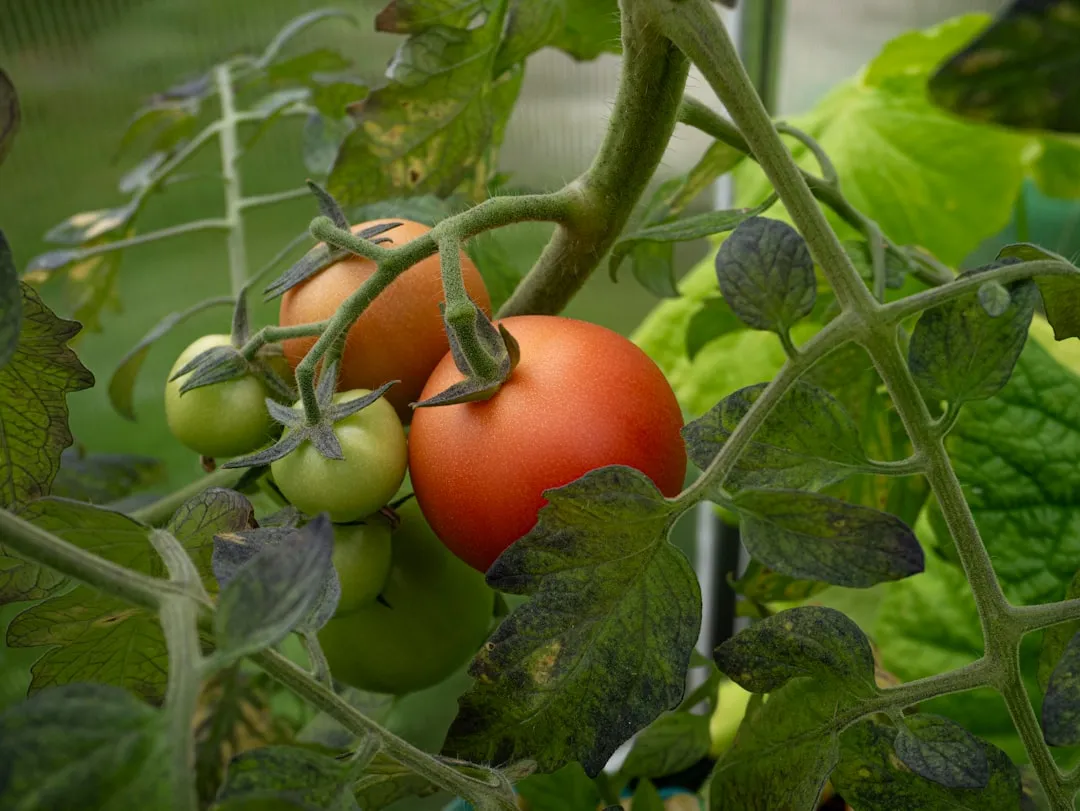
For insect-pollinated vegetables like the nightshades, including tomato, eggplant, and pepper, row cover should be removed when female flowers bloom so as to allow pollination to occur. This is the main practical limitation of using any fabric cover on tomatoes.
Gardeners may consider removing the row cover in the morning when pollinating bees are most active, and replacing the row cover in the afternoon and for overnight. It takes some attention but becomes routine quickly.
Tomatoes are actually partly self-pollinating, relying on wind vibration more than bees in many cases. Still, allowing airflow and insect access during bloom time is worth the brief exposure to pests, especially since the tulle goes right back on afterward.
How to Secure Tulle Properly Around a Cage
Preventing pests from crawling under the tulle is important. Burying the edges of the tulle in the soil is effective, and you can also use garden staples or rocks to hold the tulle down.
Insect control is more effective when the sides are completely sealed with soil. Around a tomato cage, this means tucking the bottom edge of the tulle into the soil or weighting it down at the base of the cage all the way around.
Checking regularly to ensure there are no gaps is essential, since pests can squeeze through even small openings. Securing the tulle properly is crucial for effective pest control. A five-minute check every few days is enough to catch any loosening before it becomes a problem.
Timing: When to Put the Tulle On and When to Take It Off
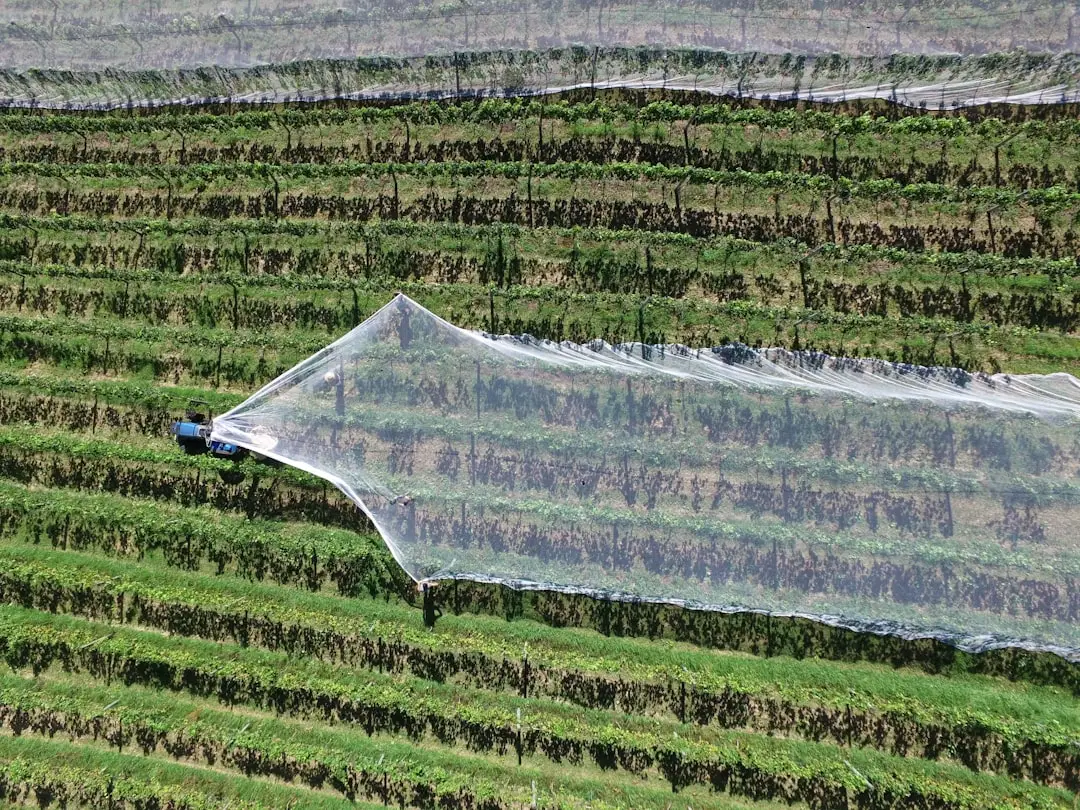
Row covers provide the greatest amount of protection if applied before insects appear. For tomatoes, this means wrapping the cage at transplant time, before the first wave of aphids or moths finds your garden.
The row cover prevents insects from getting to the plants, so it must be put on at planting. Adult flea beetles and onion and seedcorn maggots emerge from the soil, however, so you must be careful not to enclose plants over an infested area. Rotating where you plant tomatoes each year reduces this risk considerably.
For crops that require insect pollination, row covers can be removed once flowering begins. You can then re-wrap the cage after pollination is confirmed, giving the developing fruit protection through the rest of the season.
Tulle vs. Specialist Garden Fabrics: Honest Tradeoffs
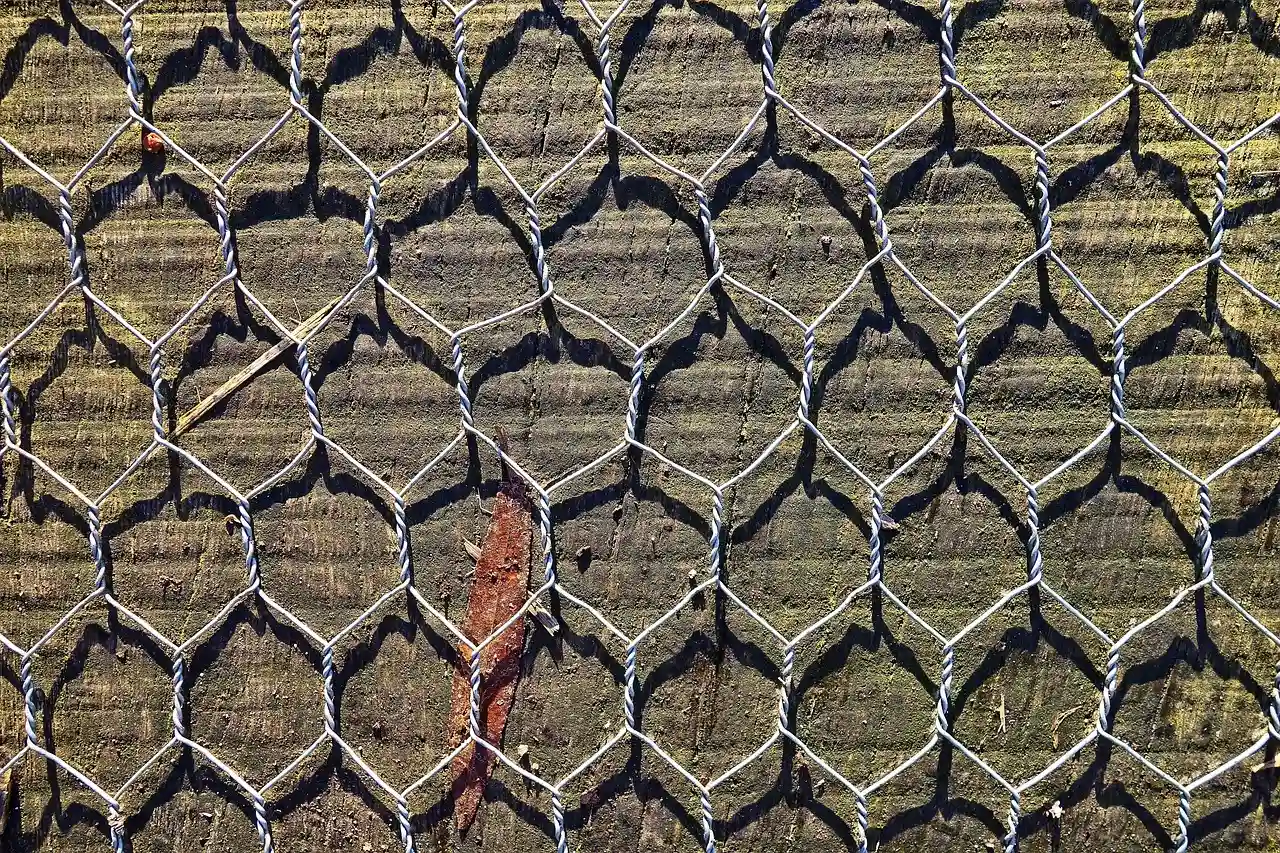
While tulle does keep pests out, it proved a little fragile for some outdoor needs. Stronger, ultra fine garden mesh fabric, or agfabric, was created specifically for pest protection. For longer-term durability, dedicated agricultural mesh does outperform bridal tulle.
Cheesecloth, another common fabric alternative, is not as durable as tulle and tears easily. It also needs to be replaced more often and is less effective at blocking small insects. Tulle sits in a middle ground between cheesecloth and full agricultural netting.
The honest tradeoff is cost versus longevity. Tulle from a fabric store is inexpensive and widely available, but you may need to replace it after a season or two of outdoor use. Agricultural-grade mesh lasts longer but costs more upfront. Either works. The principle is the same.
Caring for and Reusing Tulle Season After Season
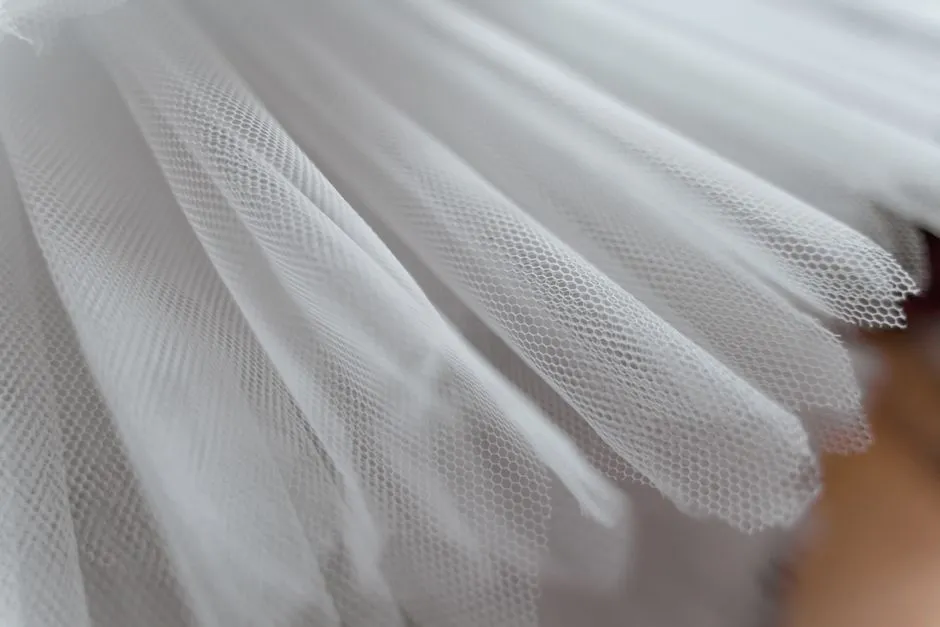
Check the tulle regularly for tears or holes, and repair them immediately with a needle and thread or fabric glue. Small repairs extend the useful life considerably, and the material is easy to patch.
Clean the tulle regularly by removing any dirt, leaves, or debris, and rinse it with water or wash it with mild soap. End-of-season cleaning before storage helps the fabric last through multiple growing years.
With careful handling, lightweight fabric barriers last two seasons, which makes even low-cost tulle an economical long-term choice when treated with a little care.
Conclusion
The appeal of this approach is its simplicity. No mixing, no spraying schedules, no concern about residues on fruit. A piece of mesh fabric, wrapped around a structure that was already holding your tomato plant upright, works because it takes the most direct possible approach to pest management: keep the pests away from the plant entirely.
Physical barriers like tulle reflect a broader shift in how many gardeners think about pest control. Today’s gardeners don’t automatically reach for a spray bottle at the first sign of insect pests. Instead, the focus has moved toward more natural approaches, choosing plant varieties with improved pest resistance, planning gardens carefully to make them less welcoming to invading pests, and feeding plants a healthy diet of organic matter to boost their tolerance to damage.
Tulle on a tomato cage fits neatly into that mindset. It’s not a perfect solution for every garden in every season, but as a first line of defense that costs almost nothing and leaves no trace on your food, it’s one of the more sensible things you can do before the season begins.
AI Disclaimer: This article was created with the assistance of AI tools and reviewed by a human editor.