

Your Spine Pays a Price You Won’t Notice Immediately

Couches are designed for relaxation, not sustained effort. When you sit on one with a laptop, your pelvis tilts backward, your lower back loses its natural curve, and the spine ends up in a position it wasn’t built to hold for hours on end. Prolonged sitting during an eight-hour workday can negatively affect physical health, particularly the spine, and without an ergonomically optimized workspace and regular breaks, extended sitting places undue stress on spinal discs and surrounding musculature. Over time, this stress can worsen existing musculoskeletal conditions or initiate new spinal problems.
Prolonged sitting places excessive pressure on lumbar discs, contributing to lower back pain, a condition experienced by roughly the vast majority of people at some point in their lives. The couch accelerates this because there’s typically no lumbar support at all. Research published in the Journal of Occupational and Environmental Medicine in December 2024 found that sitting with the trunk bent slightly forward, compared to sitting straight with the back against the backrest, was associated with nearly three times the odds of low back pain.
Neck and Shoulder Pain Follow a Predictable Pattern

A study revealed that after a university work-from-home program, up to seventy percent of individuals surveyed reported pains in the neck, lower back, and shoulders. These symptoms were reported alongside poor postures such as sitting at a table for extended periods and using a laptop in a prone or reclined position.
The design and setup of a home workspace significantly influences spinal health, particularly the height of the monitor. An improperly positioned screen, whether too high or too low, can cause sustained neck strain, affecting both cervical and lumbar regions of the spine and potentially damaging ligaments. On a couch, a laptop almost always ends up below eye level, which means the head tilts down for hours. Research has found that the vast majority of individuals experiencing neck pain due to poor posture report altered breathing patterns, which may have long-term effects on multiple body systems.
Musculoskeletal Complaints Are More Common Than Remote Workers Expect
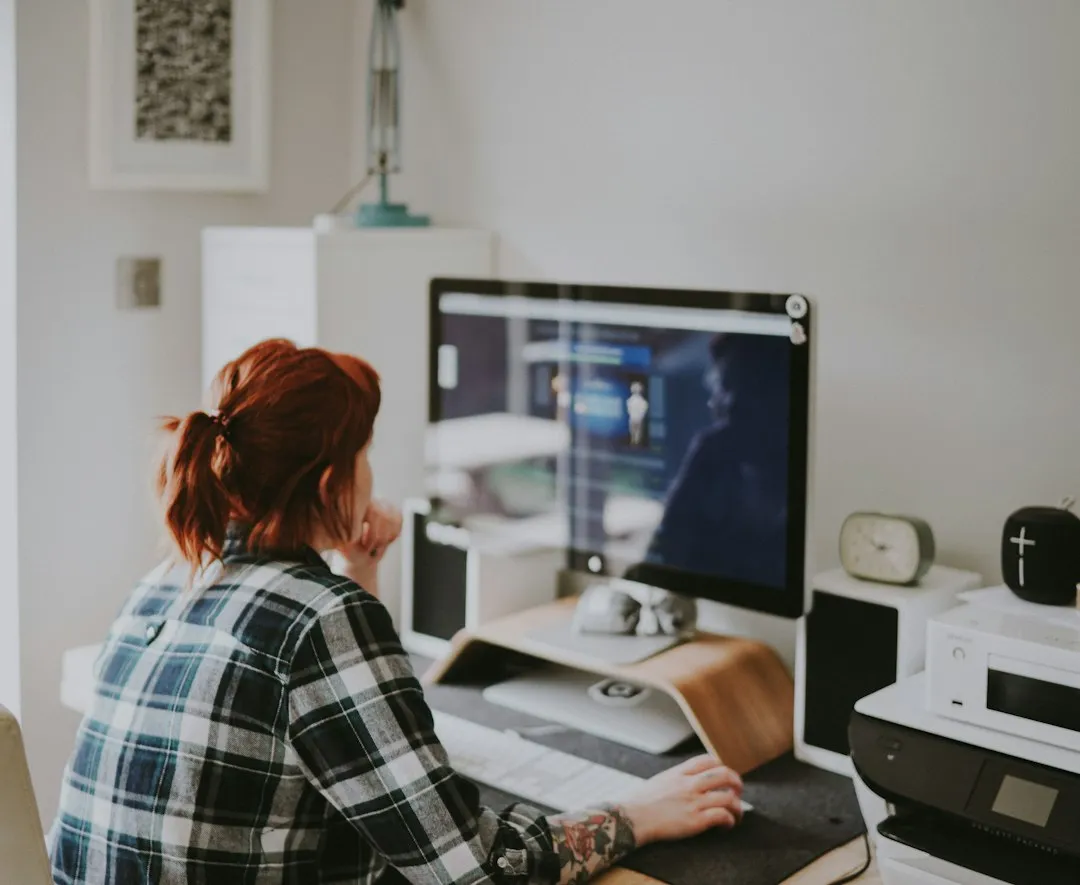
A study in the International Journal of Environmental Research and Public Health surveyed remote workers and found that more than two in five reported lower back pain and nearly one in four reported neck pain. These aren’t abstract risks sitting in a medical journal. They translate directly into reduced concentration, missed workdays, and growing medical costs.
The main cause for musculoskeletal pain in remote workers is prolonged work hours combined with bad posture. When working from home, most people use the couch, dining table, or bed. They do not pay attention to their posture or the setup of their laptops, and sitting in awkward positions for long periods often leads to lower back pain. The couch, specifically, tends to encourage exactly this kind of prolonged and unexamined slouch.
Poor Posture Has a Long-Term Compounding Effect

When posture is poor, especially over a long period of time, it can negatively impact the musculoskeletal system, increasing the likelihood of back pain, spinal dysfunction, and joint degeneration. The insidious part is that the damage accumulates slowly, so people rarely connect today’s habits to tomorrow’s chronic pain.
Poor posture tends to worsen over time, and many people who slump or hunch their shoulders find this habit getting progressively worse as they age. About two out of three senior women and one out of two senior men will develop hyperkyphosis, or an extremely hunched posture, a condition linked to back pain and breathing problems that may interfere with everyday activities. Couch working in your thirties, in other words, can quietly set the trajectory for your sixties.
Sedentary Time Increases Dramatically When You Work From a Couch

Sedentary behaviour and the lack of physical activity are associated with negative health outcomes, and among desk-based workers, sitting at work contributes substantially to the daily time spent sedentary. The couch compounds this further because it signals the body to rest, not to shift, stretch, or stand.
The World Health Organization reported in 2024 that roughly thirty-one percent of adults globally, about 1.8 billion people, did not meet recommended physical activity levels in 2022, with inactivity projected to reach thirty-five percent by 2030. Home working, for all its benefits, has quietly contributed to that trend for a significant portion of the workforce. Working from a couch removes even the minor physical cues, the walk to a coffee machine, the shift to a different chair, that a proper workspace naturally builds in.
Focus Takes a Measurable Hit
There is a reason offices and libraries have always been built around dedicated, upright workspaces. The environment sends a signal to the brain about what mode it should be in. Human movement directly supports physical, emotional, and mental health and how people think, feel, and function. The neurons that spark creative ideas, the circuits that support memory and focus, and the neurotransmitters that regulate mood all improve function when the body moves. Yet the modern work setting, including remote and hybrid options, has quietly engineered movement out of the day, while cognitive demands on knowledge workers continue to rise.
Research from the University of Arizona in 2024 showed that individuals with dedicated home offices reported twenty-five percent higher focus levels and fifteen percent less work-related stress than those who worked from common areas like kitchen tables or couches. The couch isn’t just physically soft. It’s cognitively soft too.
The Brain Struggles to Separate Rest From Work

Context matters enormously for how the brain performs. When a space is used for sleeping, watching television, and scrolling through social media, asking it to suddenly switch to deep focus work in that same space creates a real conflict. The widespread shift to remote and hybrid work has brought unprecedented flexibility, but it also blurs boundaries between work and personal life, and without a clear end to the workday, many employees feel obliged to remain “always on.”
An EU study found that teleworkers frequently work during free time and struggle to disconnect, a situation linked to higher stress, anxiety, and burnout risk. Workers may do unpaid overtime simply because digital devices keep them reachable at all hours, and experts warn that this always-on culture can erode work-life balance, leading to poor sleep and escalating stress. The couch, sitting at the center of home life, makes this boundary problem worse, not better.
Sleep Quality Can Deteriorate in Ways That Are Hard to Trace

Working from the couch and sleeping in the same general area of the home sends mixed signals to the body’s internal clock. Research tracking the sleep and activity patterns of remote workers showed a significant shift in sleep routines, with bedtime and wake-up time both delayed when people worked from home. These changes were coupled with a significant decrease in physical activity, a concern that warrants careful consideration when defining remote working policies.
Sleep deprivation directly impairs the cognitive functions most critical to remote work, including concentration, decision-making, and emotional regulation. The CDC notes that adults who consistently sleep fewer than seven hours per night face a greater risk of reduced performance at work. For remote workers, cumulative sleep debt can quietly erode productivity over time without the individual recognizing its full impact. Poor couch ergonomics causing discomfort at night is one underappreciated piece of that puzzle.
Work-From-Home Strain Is Real, Even When Productivity Numbers Look Fine

Despite increased working hours when working from home, the productivity impacts are not straightforward. If employees perceive the demands of working from home as excessive, they may experience heightened strain, leading to a sense of reduced effectiveness. The daily increase in working hours might also intensify any negative impacts experienced at home.
These impacts can be related to physical, social, or mental aspects. Someone powering through emails from a sunken couch cushion might appear productive on paper for weeks, even months. The physical and cognitive cost tends to show up later, through pain, fatigue, distraction, and eventually burnout. Autonomy boosts productivity, but it can also increase cognitive load and emotional strain, which is why leaders and workers alike should support social interaction, structure, and mental health alongside flexibility.
The Fix Is Simpler Than Most People Assume
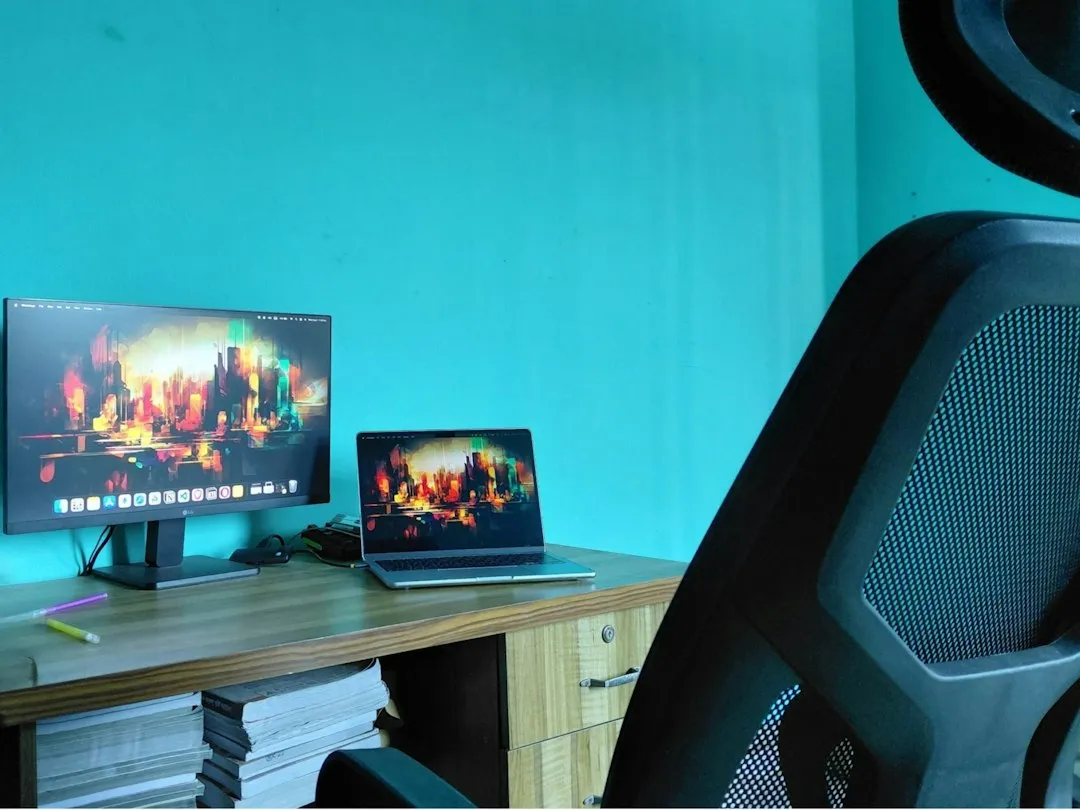
None of this requires a luxury home office setup. The research consistently points toward a few practical essentials. Avoiding sitting or lying on the couch or in bed during work hours and instead sitting at a desk or table, with a supportive chair that allows you to sit upright with your head above your shoulders and your forearms and thighs parallel to the floor, makes a meaningful difference.
The sudden move to working from home left many employees with new aches and pains from slouching, sitting too long, and relying on laptop screens for remote work. Addressing that means treating your home workspace with the same intentionality you’d bring to any other professional environment. A proper chair, a screen at eye level, and a space used only for work are not perks. They are functional requirements. Remote work isn’t the problem. Remote work without deliberate ergonomic attention is quietly accumulating physical cost across a very large number of people.
The Takeaway
The couch is a genuinely tempting place to work. It signals comfort in a way that a desk chair rarely can. The problem is that the body and brain both respond to environmental cues in ways that run deeper than conscious preference. What feels like a small daily choice compounds quietly into real physical costs and measurable cognitive drag.
Working from home can be genuinely productive and sustainable. The evidence is clear on that. What the evidence also shows, consistently and across multiple studies and populations, is that where and how you sit inside that home matters far more than most people give it credit for. The couch isn’t a workspace. It’s a place to recover from one.
AI Disclaimer: This article was created with the assistance of AI tools and reviewed by a human editor.