
Few things are more quietly frustrating than pulling a favorite wool sweater from the drawer only to find it covered in tiny fuzzballs. It still fits. It’s still warm. But somehow it looks tired, worn out before its time. The good news is that pilling is not a sign that your sweater is ruined, and fixing it is simpler than most people think.
What most wearers don’t realize is that pilling is deeply rooted in the physical structure of wool itself, not just careless laundering or cheap materials. Understanding why it happens is the first step to managing it properly.
What Pilling Actually Is
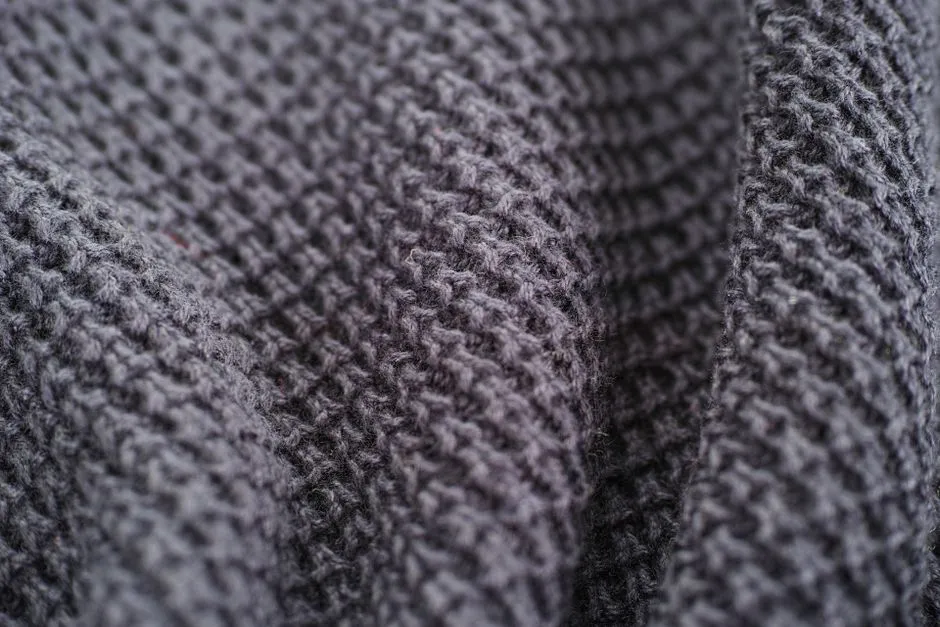
Pilling happens when washing and wearing causes loose fibers to push out from the surface of the cloth, and over time, abrasion causes those fibers to develop into small spherical bundles, anchored to the surface of the fabric by protruding fibers that have not yet broken. Think of them as tiny knots of fiber that have migrated out of the yarn structure and tangled together on the surface. They’re not damage in the traditional sense. They’re a natural byproduct of use.
Pilling is a natural phenomenon and even a good indicator of your sweater’s quality. If it pills, it’s likely because it’s made of natural rather than synthetic fibers. That reframe alone can change how you feel about the whole situation.
The Science Behind the Scales
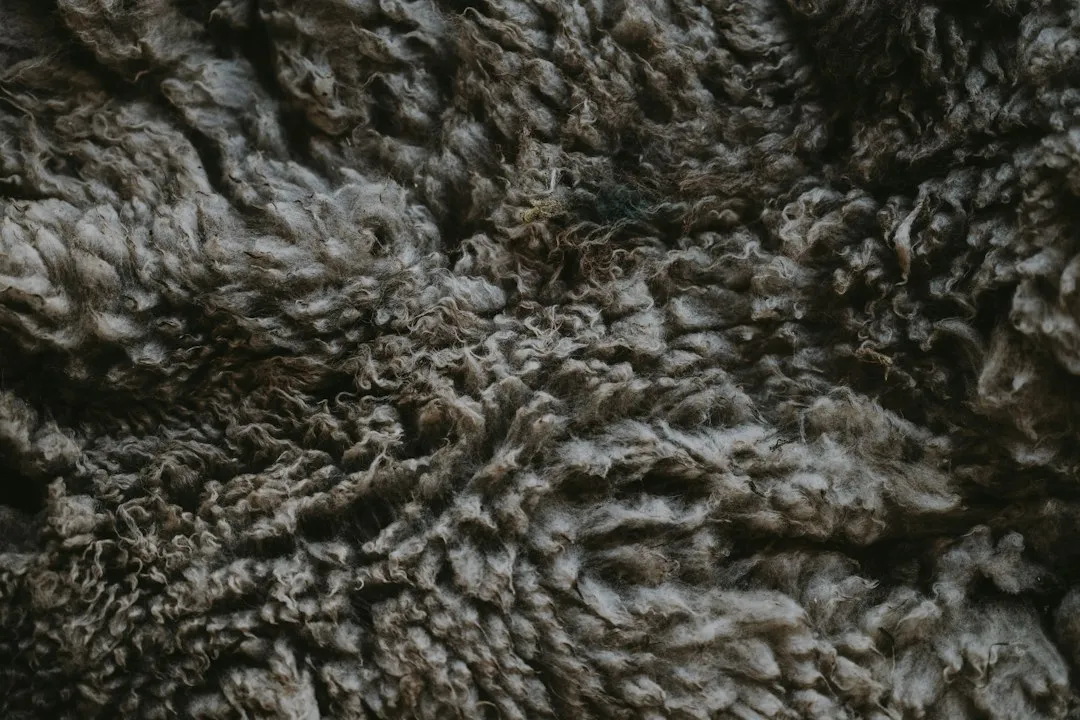
Like the fur of all mammals, wool is surrounded by overlapping, oriented scales. These scales make it easier for the wool to slide in one direction. When wool fibers rub against each other, the scales act like tiny ratchet wheels, allowing the fibers to move only in one direction. Over time, that directional movement causes shorter fibers to migrate outward and tangle.
Wool fiber is a natural protein fiber, and due to its special scale structure and crimp, wool knitted fabrics have excellent elasticity, warmth, and moisture absorption. However, the with-scale dynamic coefficient of wool fibers is smaller than the anti-scale dynamic coefficient, and this difference drives wool fibers’ migration toward the root during wearing or laundering. That microscopic imbalance is essentially what starts the whole pilling process.
Friction Is the Real Culprit
When you wear a garment, the fabric rubs against itself and other objects. This rubbing pulls short or loose fibers to the surface. They twist together to form those annoying little spheres. Daily life is full of friction sources we barely notice.
This phenomenon is amplified in areas subject to regular friction: under the armpits, at the elbows, or even on the shoulders if you often carry a bag. A seatbelt rubbing across your chest pulls fibers loose. Heavy bag straps grind into your shoulders. Those are almost always the first spots where pilling shows up.
Fiber Length Matters More Than You’d Think
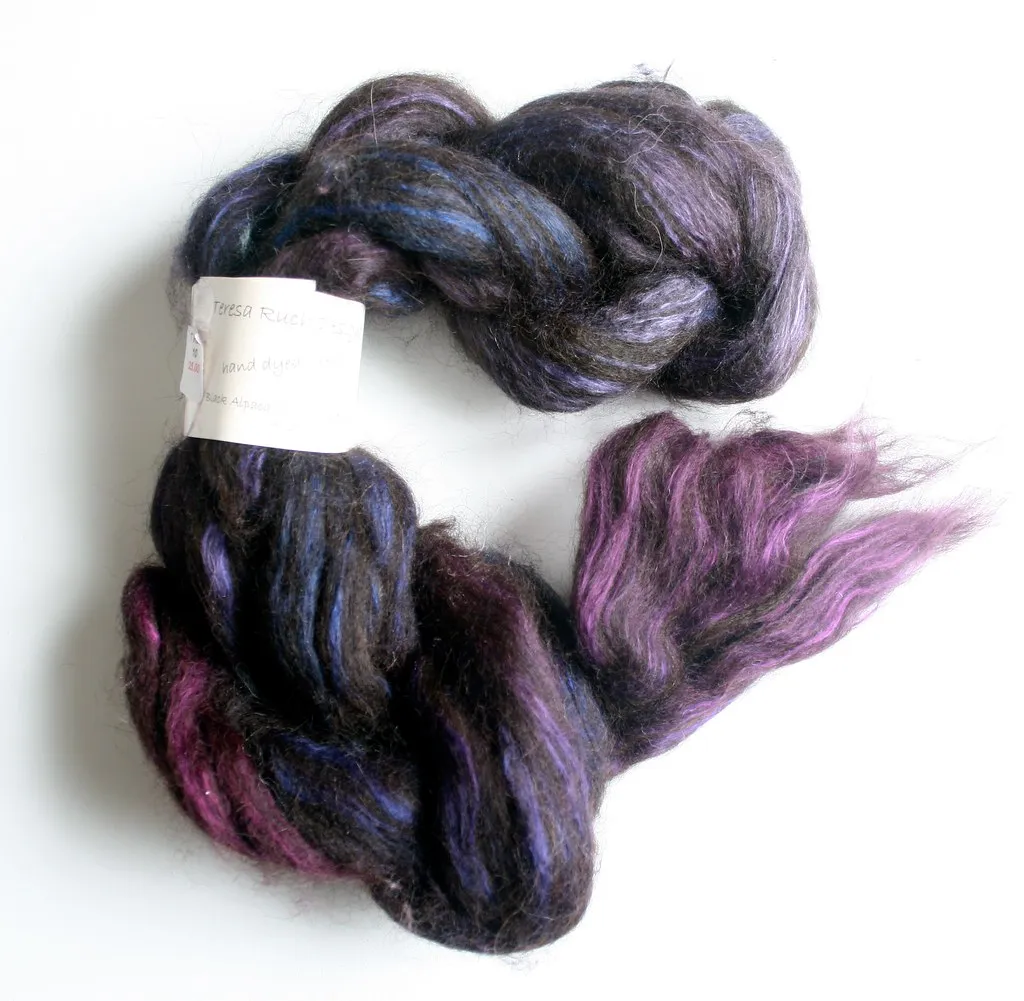
In general, longer fibers pill less than short ones because there are fewer ends of fibers, and fabrics with a large number of loose fibers have a higher tendency to pill. This is why the grade of wool in a sweater matters so much, not just the brand or the price tag.
Shorter, finer fibers, such as those with a lower micron count, are more prone to migrating to the surface and entangling. The pilling tendency of a wool fabric is a complex interplay between fiber length, diameter, yarn twist, and fabric construction. Two sweaters that look identical on a shelf can behave very differently once you start wearing them regularly.
Does Expensive Wool Still Pill?
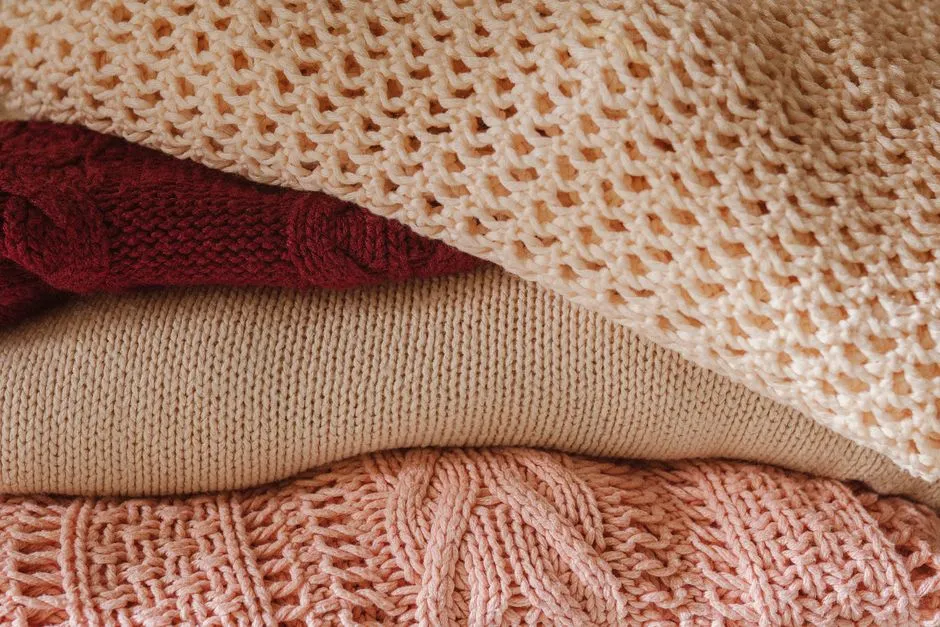
While lower-quality wool with shorter, coarser fibers may pill more readily, even high-quality, fine-micron wools can pill under the right conditions. Cashmere is a perfect example: soft, expensive, and highly prone to early pilling. When natural fibers pill, the fuzz balls often break off and shed naturally. Even expensive cashmere sweaters will pill initially.
A well-constructed garment made from long-staple, tightly twisted yarn will be more resistant to pilling, regardless of the wool’s micron count. Yarn construction, in other words, is as important as the fiber itself. Tight twist means fewer loose ends, and fewer loose ends means less opportunity for pills to form.
Why Washing Makes It Worse

Machine washing can accelerate the pilling process. Agitation and friction during washing can cause fiber breakage and the formation of pills. The use of harsh detergents can also contribute to this problem. Most people don’t realize their laundry routine is quietly damaging their favorite sweaters with every cycle.
Especially after wearing and washing, clothes seem to pill even more vigorously. This is because soaking in water causes the fibers to swell, making them more tightly packed together. Wet wool is also significantly more vulnerable to mechanical stress, so any agitation at that stage does disproportionate damage.
The Fabric Softener Myth
Fabric softener causes pilling rather than preventing it. It acts as a lubricant that lets fibers migrate to the surface in later washes. This surprises a lot of people, since fabric softener intuitively sounds like something that would protect delicate fibers. The reality is the opposite.
Fabric softener does not help; instead, it harms wool’s natural properties by coating the fibers. Fabric softeners often contain chemicals that cause the fabric to lose its elasticity, causing the sweater to become easily pilled after each wash. Skip it entirely when laundering wool.
How to Wash Wool to Minimize Pilling
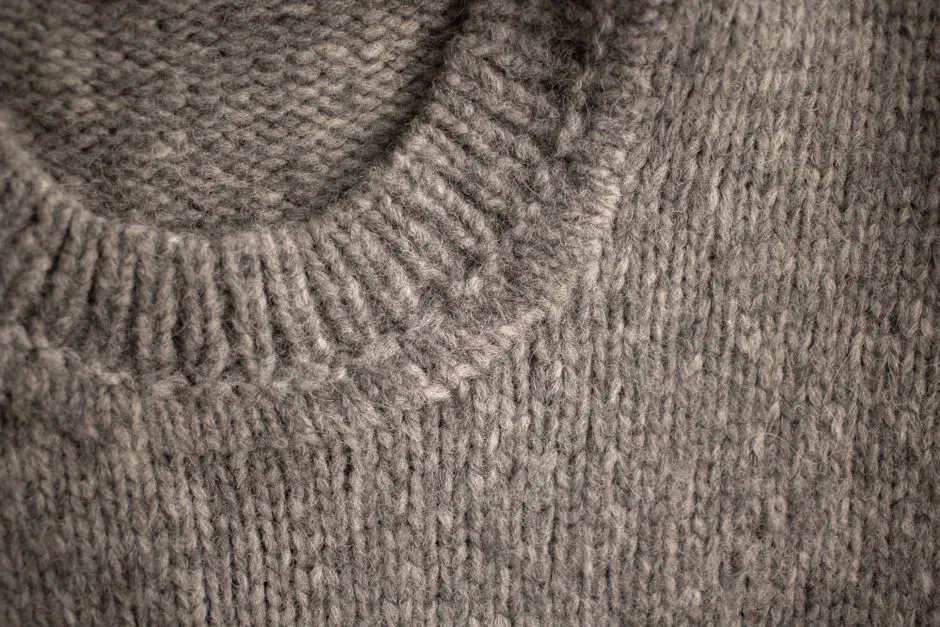
Pilling can occur just from rubbing against other clothes in the machine or even against the drum walls. The simplest and most effective way to prevent this damage is to turn the sweater completely inside out before washing. This one habit alone protects the visible surface from the worst of the mechanical friction.
Always wash wool and cashmere on the most gentle cycle available, ideally a dedicated wool or hand wash cycle with very slow spin. After washing your wool sweater, it is recommended the sweater is carefully dried flat. Air drying flat prevents stretching and keeps the fiber structure intact, which in turn reduces future pilling.
The Simple Fix: Removing Pills Properly

To remove pills from a wool sweater, lay it flat and take them off with a fabric shaver or a sweater comb, working in light strokes in one direction. Both tools work well, though they suit slightly different situations. The key with either method is patience and a gentle touch.
Sweater combs pull loose threads out instead of cutting them. When you cut the pill off a loose thread, the thread’s frayed ends can form another pill. When you remove it with a comb, it’s gone for good. Small battery-operated pill and lint removal devices known as either “de-pillers” or “fabric shavers” are low cost and very effective at removing pills, giving your clothing an as-new appearance again.
Keeping Pills Away Over the Long Term
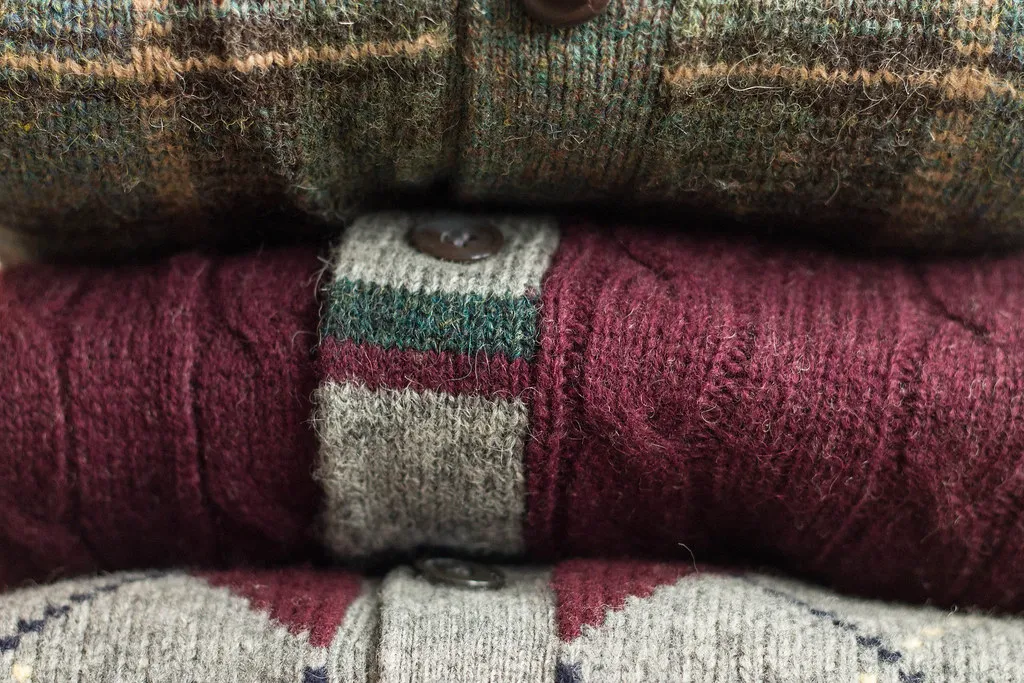
Wool doesn’t need frequent washing. In most cases, all it needs is fresh air. Hang your sweater outside or in a steamy bathroom to let it breathe. It helps preserve the fiber’s natural structure and saves energy too. Avoid wearing the same garment every day to let it rest between uses.
Pilling will gradually disappear over time, leaving behind a beautiful weave of wool that will always have enough long threads to keep you warm. Some yarn types and knit structures pill more than others; it doesn’t mean the sweater is worn out, just that it’s being loved and used. With a little routine care, most wool sweaters can look presentable for many years.
The Takeaway
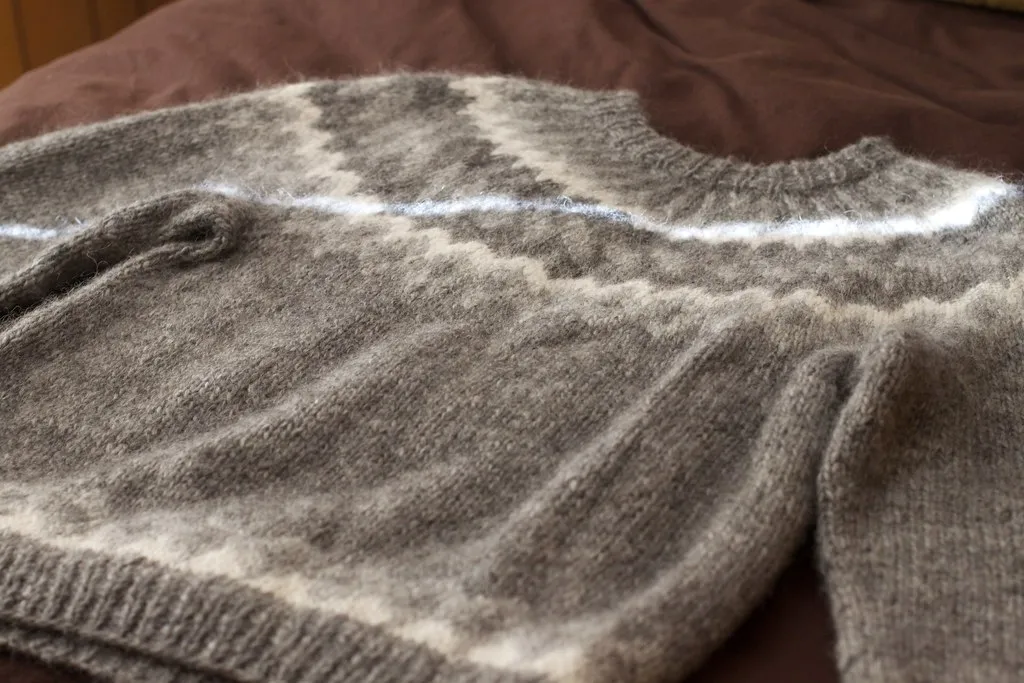
Pilling is one of those things that feels like a problem but is really just wool behaving the way wool does. The fibers are microscopic, the physics are unavoidable, and even the most expensive sweater in the world will eventually show a few fuzzballs in the right conditions. That’s not a flaw. It’s texture and life.
The real fix is two-fold: wash gently and less often, and keep a sweater comb or fabric shaver nearby for a quick pass before wearing. Neither takes more than a few minutes. With those two habits in place, your wool sweaters will stay looking sharp far longer than you might expect.
AI Disclaimer: This article was created with the assistance of AI tools and reviewed by a human editor.