

Wooden spoons are probably the oldest kitchen utensil still in daily use. Archaeological evidence shows wooden spoons and spatulas dating back roughly 8,000 years. Yet even after millennia of kitchen service, most of us don’t really know why they split, or what it takes to keep them around for more than a year or two.
The answer turns out to be less about bad luck and more about a few specific habits that quietly destroy even a well-made spoon. Once you understand what’s actually happening inside the wood, the fix becomes straightforward.
The Science Behind the Split
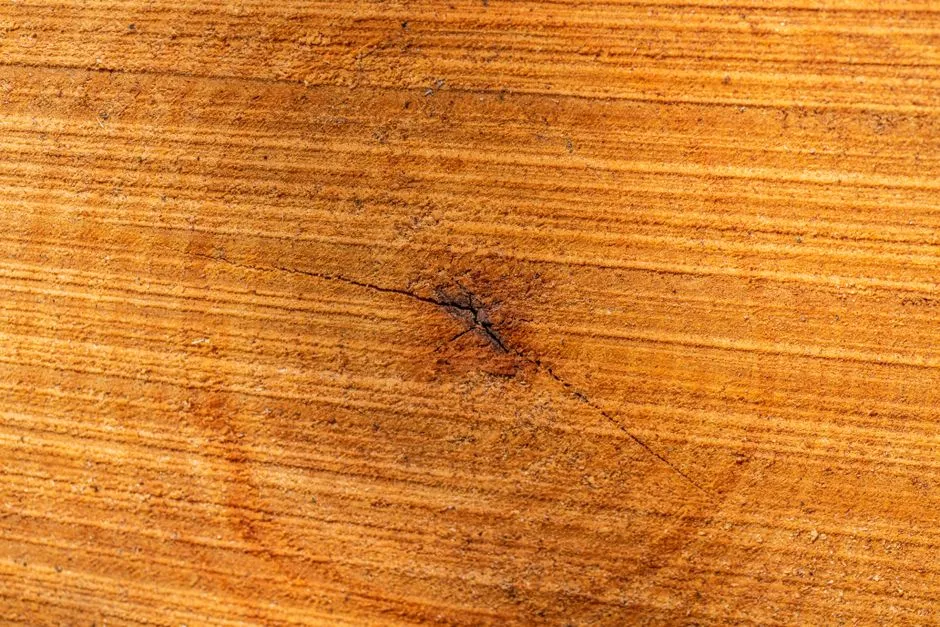
Wooden spoons crack not from age, but from repeated moisture cycling: rapid absorption during washing followed by uneven evaporation. The end grain at the spoon’s tip and handle base absorbs water up to ten times faster than the face grain. This creates internal tension that the wood simply cannot hold.
More precisely, the problem is rapid moisture loss at the surface while the interior remains hydrated, a condition known as “case hardening.” This creates internal tensile stress that exceeds the wood’s modulus of rupture. Think of it like a rubber band pulled from both ends at different speeds. Something eventually gives.
As wood ages, lignin, the natural polymer binding cellulose fibers, degrades slightly, making older spoons more susceptible without consistent conditioning. So neglect compounds over time rather than arriving all at once.
Why the Dishwasher Is the Biggest Offender
Wooden spoons crack in dishwashers due to rapid, uneven moisture cycling, not just heat. Wood is hygroscopic: it breathes, expands, and contracts with ambient humidity. A single cycle does more structural damage than months of careful hand-washing.
Commercial dishwashers exceed 140°F (60°C), and residential units often hit between 130 and 150°F during drying. At these temperatures, wood loses bound moisture too quickly, causing cell collapse and surface checking. The damage is not always visible after just one cycle, but it accumulates fast.
In lab testing across twelve hardwood species including maple, cherry, olive, and beech, spoons subjected to simulated dishwasher cycles showed nearly five times more surface checking after just eight cycles versus hand-washed controls dried with airflow. That’s a significant difference from a habit most people don’t think twice about.
The Soaking Problem People Overlook
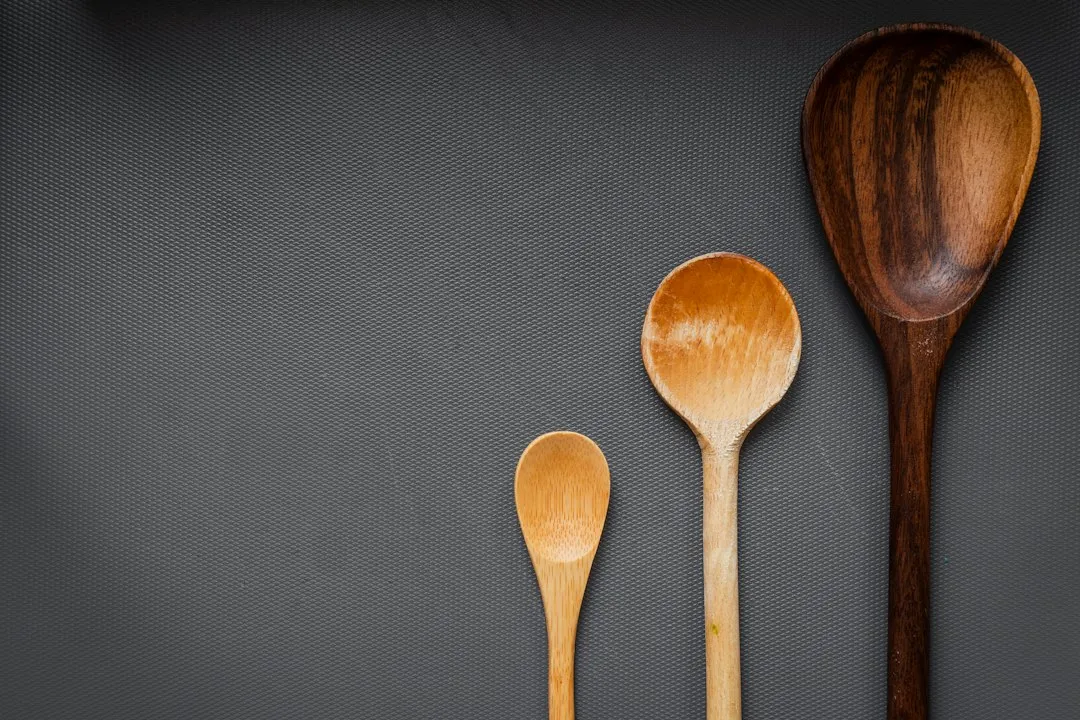
Wooden spoons should not be left to soak in water for extended periods, as this can cause the wood to expand and warp. Soaking also causes spoons to lose their natural oils, which help to protect and preserve the wood. Even a twenty-minute sit in a sinkful of water starts to do real damage.
Letting wooden spoons soak in water for hours can lead to warping and cracking. It’s best to wash and rinse them quickly, then dry them thoroughly. The goal is to minimize contact time with standing water at every stage.
Bacteria and Food Safety in Cracked Spoons
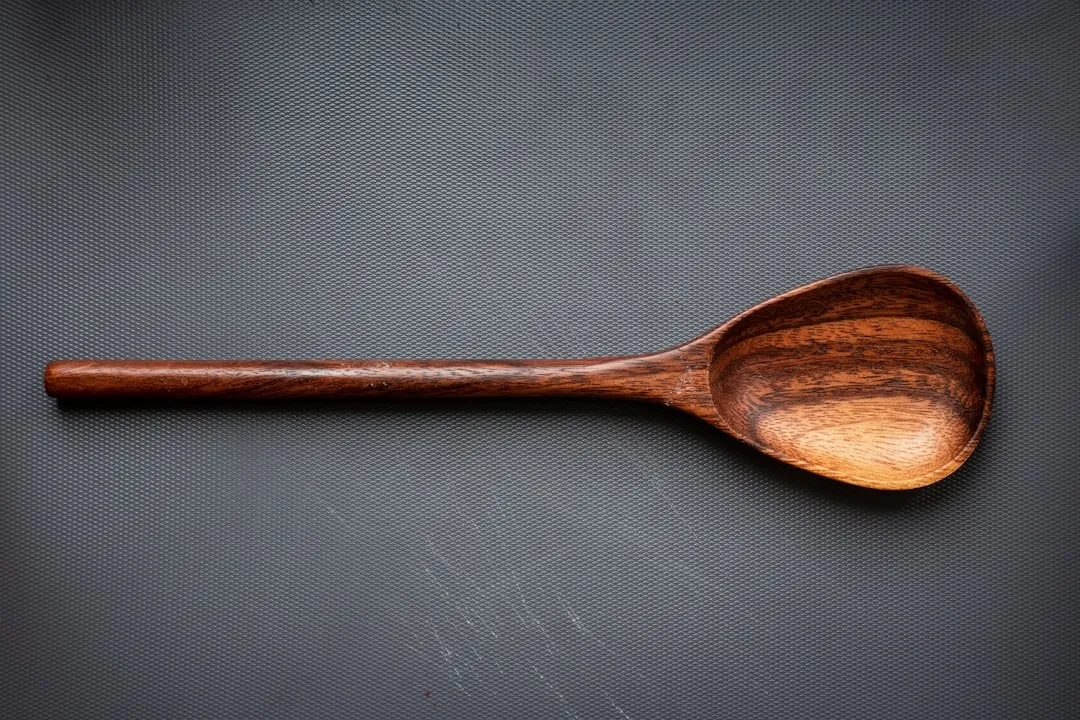
Even hairline-thin cracks can collect and harbor food particles and the kinds of bacteria that even the strongest woods can’t dispel. This is where a cosmetic problem becomes a genuine hygiene issue.
Wooden spoons can trap bacteria due to their porous nature, but proper cleaning and drying can keep them safe for use. Cracked or damaged wooden spoons are more likely to harbor bacteria and should be replaced to prevent contamination. A cracked spoon isn’t just aesthetically worn, it’s actively less safe.
Food safety is paramount with cracked spoons. Any crack that penetrates through the wood thickness can harbor bacteria and should retire the spoon from food use. When in doubt, replace it.
Choosing the Right Wood from the Start
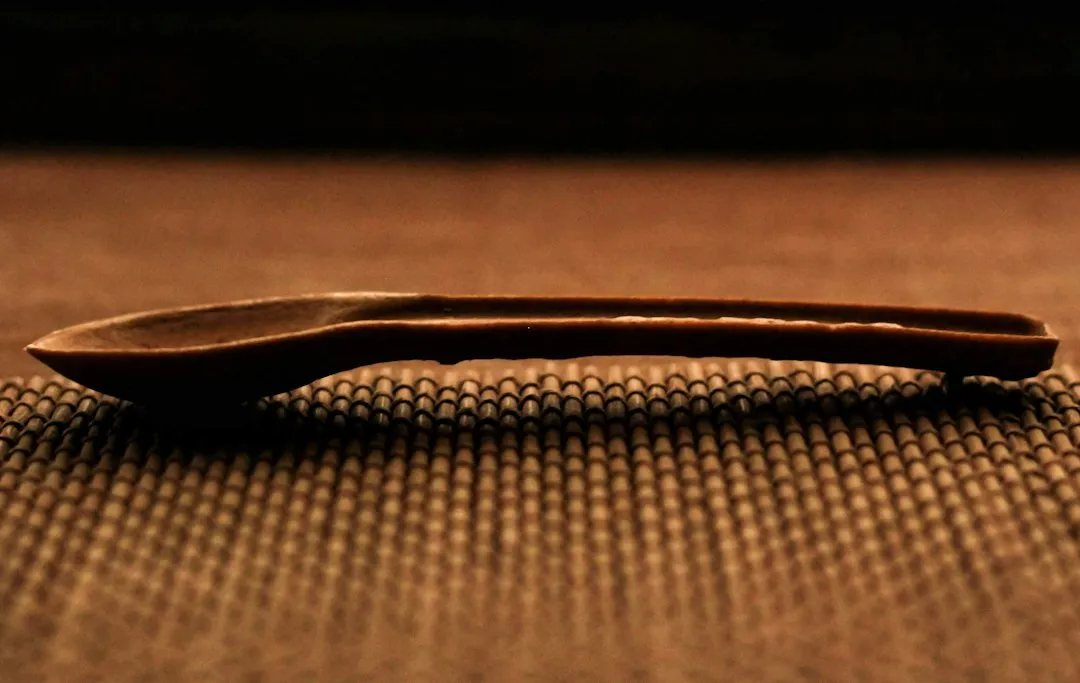
Generally, you need to choose hardwoods with a fine grain that are not very porous. These will be more durable and stand up better to moisture and staining. Starting with the right material gives any spoon a much longer potential life.
Hardwoods such as olive wood, soft maple, black walnut, cherry, and pecan are the best woods for cooking utensils. Each has different strengths. Hard maple is prized for its resistance to wear and moisture, and its tight grain structure ensures that spoons remain smooth and do not absorb flavors or odors from food.
Beech is considered one of the best woods for cooking spoons because it has high resistance to heat, does not react with acidic foods, and is durable. It’s advisable to stay away from very porous wood like red oak or softwoods, because they stain easily and absorb moisture easily. Softwoods also tear easily and dent easily, qualities you don’t want in utensils that will see daily use.
The Right Way to Oil a Wooden Spoon
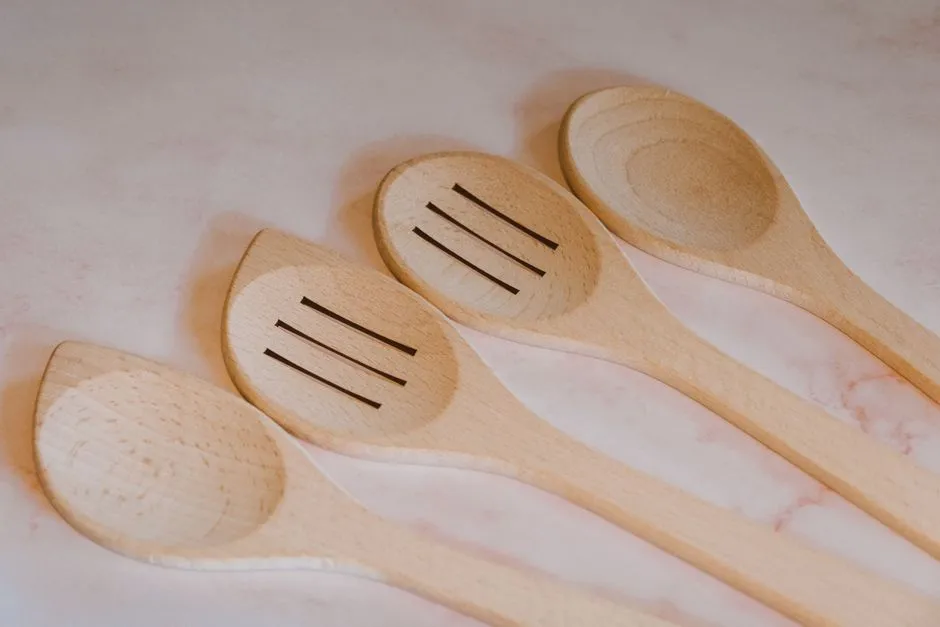
Conditioning wooden spoons with food-grade mineral oil keeps the wood from splintering or cracking. This should be done once or twice a year, or whenever your wooden spoons seem especially dry. It’s a small investment of time that pays off for years.
Don’t use olive oil or other vegetable oils to oil your wooden spoons, as they go rancid. To revive dried-out wooden spoons, rub them lightly with mineral, walnut, tung, or linseed oil. Make sure the oil is fully absorbed before you use the spoons.
In testing over 200 wooden utensils under accelerated aging conditions, spoons treated with monthly mineral oil applications showed zero cracking after 1,200 cycles, equivalent to roughly ten years of typical home use. That’s a compelling case for a routine that takes about five minutes.
Drying Matters More Than Most People Think
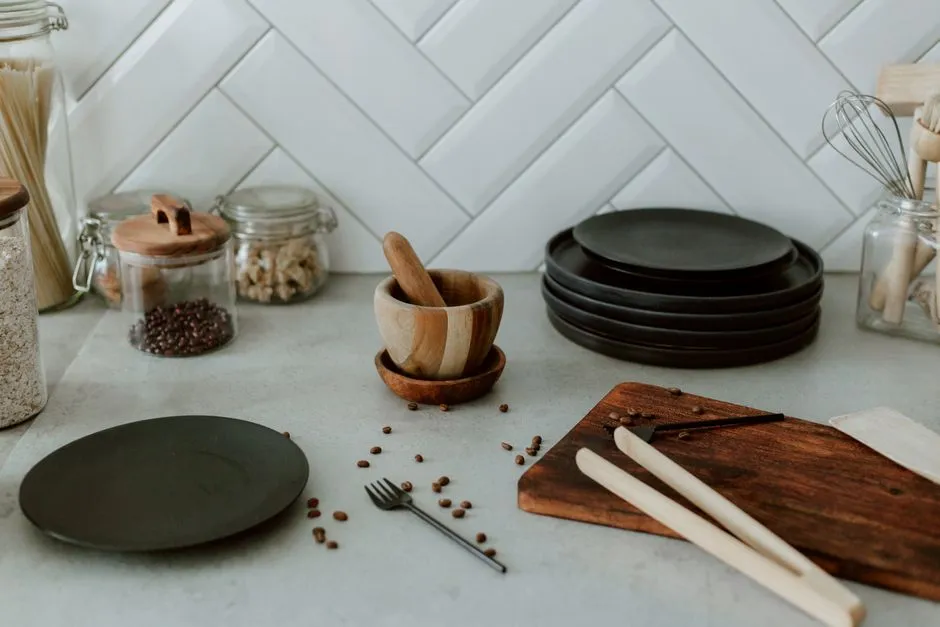
After you wash your wooden kitchen tools with soap and hot water, don’t let them drip dry. Use a cloth to dry them immediately and thoroughly. Leaving them wet on a drying rack, even briefly, invites uneven moisture loss right at the surface.
Clean your spoons with hot, soapy water as soon as you’re done using them. Avoid soaking wooden spoons and always let them air-dry upright for a full 24 hours after towel drying. Standing them upright allows airflow around the full surface and helps moisture evaporate evenly rather than pooling at the base.
Smart Storage That Extends Spoon Life
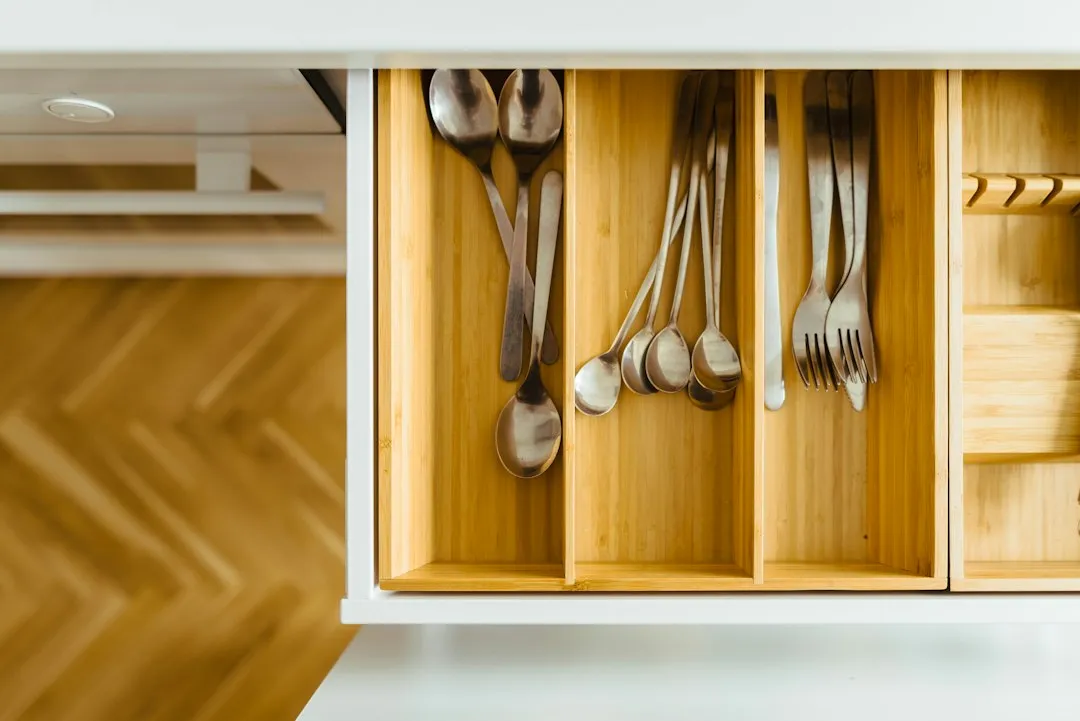
Store wooden spoons upright in a utensil crock or hang them on a rack so the wood can breathe. Don’t stack wooden spoons on top of each other. Stacking traps moisture between surfaces and creates pressure points that concentrate stress along the grain.
Because wood is porous, bacteria can grow on it, and this is more likely to occur when the material is damp. Providing ventilation when storing a wooden cooking utensil will inhibit bacterial growth. Ideally, they should be placed in a utensil storage container with an open or vented design.
Store wooden spoons in a dry, cool place away from moisture, and keep them away from heat sources such as stoves, ovens, and direct sunlight. A counter crock beside the stove looks convenient, but the heat and steam from cooking slowly dry out any spoon stored there long-term.
Grain Orientation and Why It Affects Cracking
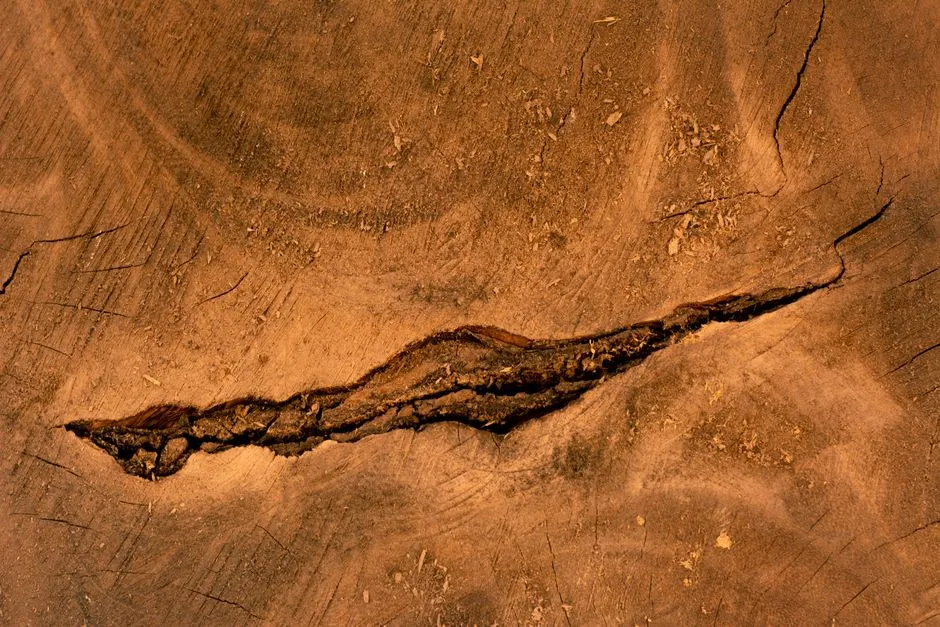
Grain orientation matters: spoons carved with the grain resist splitting better than those cut across it, but all spoons have growth rings and subtle irregularities that create weak planes. This is worth checking when buying a new spoon, since well-carved grain orientation is a quality signal worth paying attention to.
The transition from green to dry state represents the most critical period for crack development, when rapid or uneven moisture loss creates the internal stresses that destroy otherwise perfect spoons. Good manufacturers account for this in their drying process, but budget spoons often skip that step.
Also avoid spoons made from glued laminates, since glue lines become failure points under moisture stress. A single-piece spoon cut cleanly with the grain will always outperform a composite one over the long haul.
When to Repair and When to Replace
Replace spoons showing deep radial cracks wider than one millimeter, persistent dark stains that won’t lift with a vinegar soak, or soft spots when pressed with thumbnail pressure. Continuing to use compromised spoons risks bacterial harborage in micro-fractures and introduces splinters into food. Sentimental attachment is understandable, but it’s rarely worth the risk.
Once a wooden spoon shows visible cracks, warping, or splintering, it is no longer safe to use and should be replaced to prevent contamination. If you accidentally run your wooden spoons through the dishwasher, oiling should help restore them, but only if the damage caught early and no deep cracks have formed yet.
The Takeaway
A wooden spoon doesn’t ask for much. Hand-wash it promptly, dry it right away, oil it monthly with the right product, and store it somewhere it can breathe. A wooden spoon maintained at appropriate humidity, never exposed to thermal shock, and conditioned with stable oils will outlive its owner. That’s not an exaggeration.
Most cracking is preventable, and most of the advice that leads to cracking, soaking spoons, running them through dishwashers, or skipping oil entirely, is simply habit rather than necessity. When used, stored, and cleaned with care, wooden spoons can last a lifetime. The gap between a spoon that lasts two years and one that lasts twenty really does come down to those few small daily choices.
AI Disclaimer: This article was created with the assistance of AI tools and reviewed by a human editor.