
Walk through any high-end interior design showroom today, scroll through a renovation account on social media, or glance at the latest renovation reports from Houzz, and something keeps appearing on the walls. Not paint. Not exposed brick. Wood paneling is back, and it’s showing up in a way that feels genuinely fresh rather than borrowed from a 1970s basement.
The shift hasn’t happened overnight, but it has picked up real momentum. Designers are calling it out directly, noting that wood panels are becoming ubiquitous in 2026, appearing on everything from walls and ceilings to cabinetry and furniture. What’s driving this, and why now?
From 1970s Relic to 2026 Design Statement
Wall paneling is a classic wall covering that grew in popularity from the 1950s through the 1970s, and its vintage texture and charm have reappeared recently as a popular design feature in modern homes. For decades in between, it carried the baggage of dark, low-ceilinged rec rooms and dated ranch homes. That reputation has been actively dismantled.
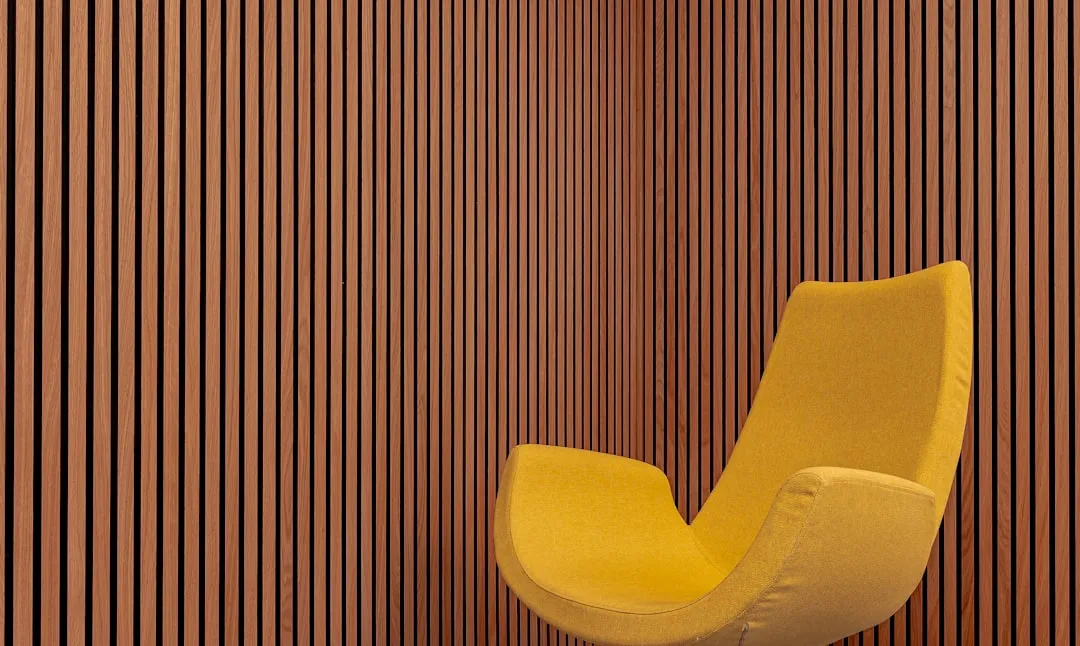
Modern wood paneling is a major trend for 2026, but it has completely evolved from its past reputation, with the focus today on high-quality materials, sophisticated designs like slats and flutes, and functional benefits like acoustic improvement. The design conversation has moved on entirely from the cheap plywood of past decades.
If you’re thinking wood paneling today is anything like the 1970s, think again. When old trends cycle back in, they almost always receive a contemporary update. That update, in this case, is substantial enough that the material barely resembles what it replaced.
The Market Numbers Tell the Real Story
The global wood-based panel market was estimated at USD 217.9 billion in 2024 and is expected to reach USD 349 billion by 2034, growing at a compound annual growth rate of 4.8%. That’s not a minor blip; it reflects sustained structural demand across residential and commercial sectors worldwide.
Search interest for terms like “wall panelling” has surged, peaking in early 2025, while the global wood-based panel market continues on that growth trajectory. Search spikes have aligned with holiday decor planning and post-New Year home renovation cycles, pointing to broad consumer awareness rather than just a niche enthusiast community.
Developed markets like the U.S. and Europe get the most value out of wood-based panels through renovation and remodeling activities in the construction of sustainable, energy-efficient buildings. That positioning matters: this is a material increasingly tied to intelligent renovation, not just decoration.
The New Formats Driving the Look
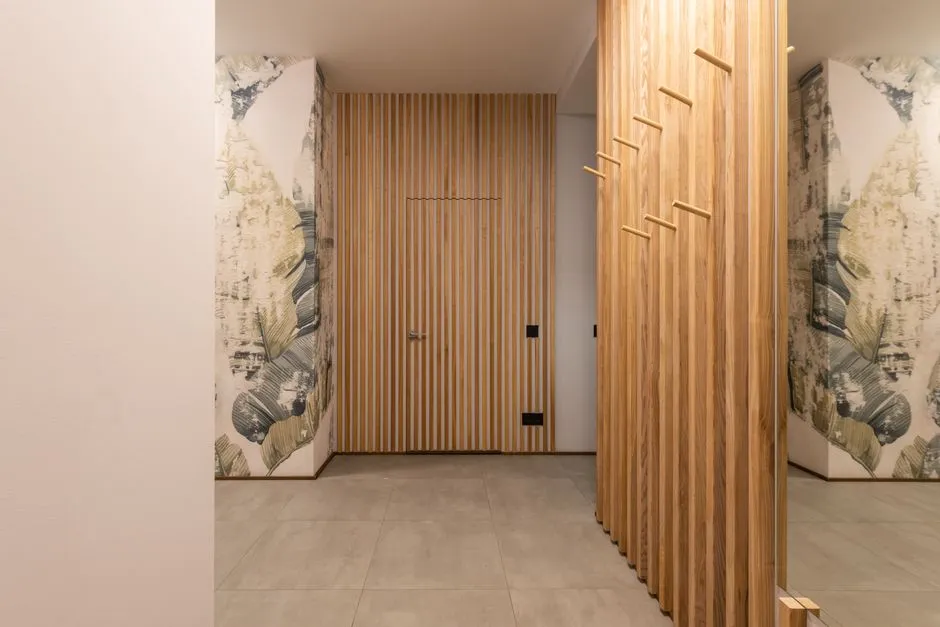
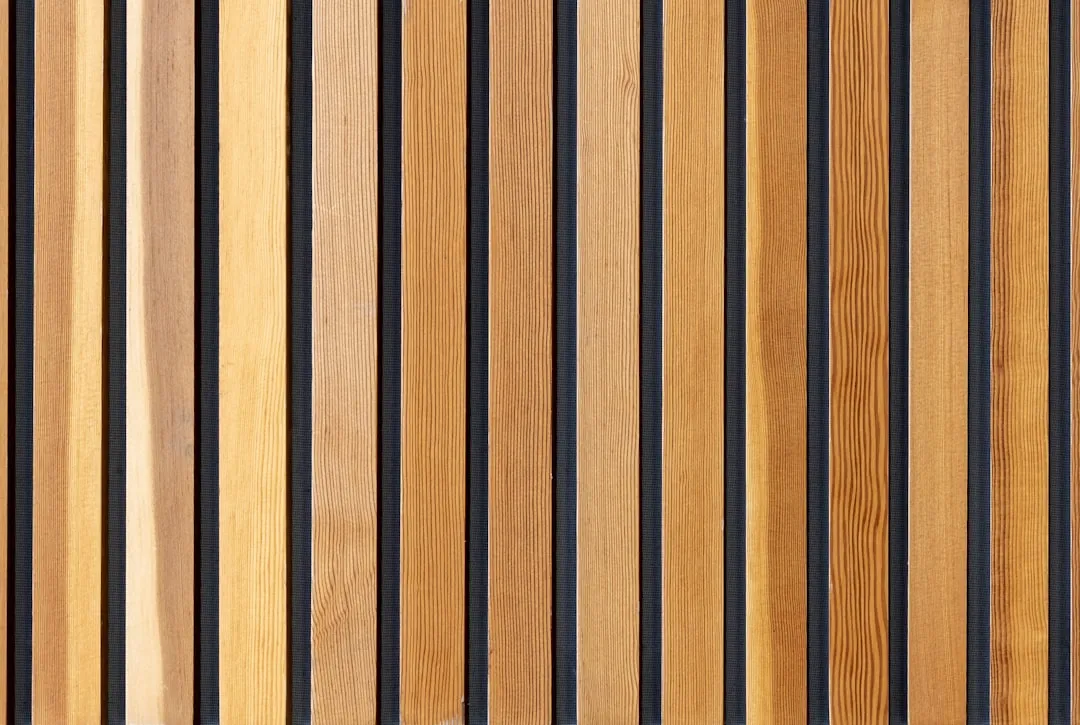
Modern wood paneling has moved well beyond the dark oak panels of the 1970s. Painted wood paneling, limewashed boards, and natural oak slat walls are all trending in contemporary interiors, with vertical slat paneling, board and batten, and shiplap in painted or limewashed finishes proving particularly popular.
Among the most popular types right now are vertical slat panels, valued for their modern aesthetic and acoustic properties; fluted and reeded panels chosen for their sculptural texture; 3D geometric panels used for bold statement walls; and seamless flat veneer panels that deliver a clean, minimalist look in high-end spaces.
Wood paneling is back in style for 2026, bringing warmth and character to interiors with rich textures and natural finishes. Fluted panels add depth and movement to walls, making spaces feel inviting and cozy without overwhelming the design. Mixing different wood tones creates a modern, organic feel.
Biophilic Design: The Bigger Force Behind the Trend

Biophilic design is about more than adding houseplants. It incorporates natural materials, colors, textures, lighting, and even air flow to create environments that mimic and celebrate nature, including large windows, indoor gardens, and wood and stone elements. Wood paneling slots naturally into this philosophy.
Wood paneling creates a biophilic connection to nature, and designers note that it quietly improves the way a space feels, pointing toward homes that feel calmer, support better sleep, and reduce sensory load without announcing themselves as wellness spaces.
Biophilia reduces cortisol levels, enhances focus, and aligns with sustainability trends through eco-friendly materials. It’s also a response to digital overload, with natural textures and analog elements countering screen fatigue. Wood on a wall, it turns out, is doing more work than it appears.
Wood Tones and Color: Why Brown Is Having a Moment

Between the popularity of Japandi interiors and the revival of mid-century modern aesthetics, wood slat wall panels and various hues of brown have been building momentum since early 2024. No single shade represents this trend: the entire color family, from light oak to mid-toned mocha to rich mahogany and dark walnut, has dominated design lately. These shades offer a grounding presence that’s both timeless and versatile.
White oak remains the designer’s favorite for its neutral, versatile grain, while walnut continues to be shorthand for luxury and depth. Smoked oak, with its charred and moody aesthetic, is also gaining traction, particularly for modern hospitality projects.
While lighter wood finishes have been popular in recent years, darker tones including ebony, walnut, and mahogany are making a strong comeback, adding depth and sophistication to any room. The choice of tone now carries real design intent.
Whole-Room Paneling Replaces the Accent Wall
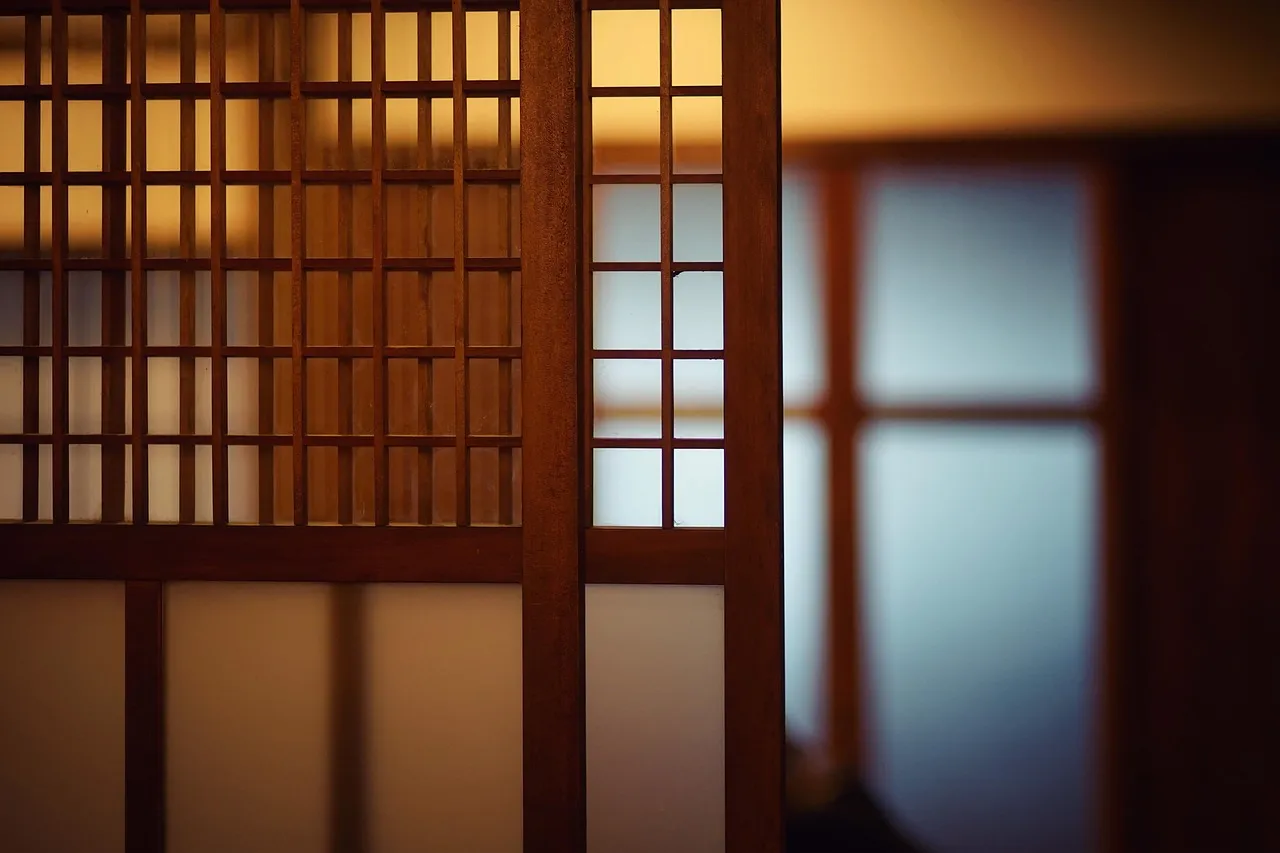
Designers acknowledge that accent wall paneling styles, while still popular partly because of their tactile nature and ability to invoke nostalgia, are giving way to a clearer shift in execution. Panels no longer function as mere accents. Instead, they’re being utilized all across a room.
The direction is toward whole-room paneling applications with a more classic or traditional style, which adds a cozy and complete feel to a space. This is a meaningful change in how designers are actually specifying and installing the material, not just styling it for photographs.
This style is the key to achieving the “wood-drenched” aesthetic, where an entire room is wrapped in wood for a warm, minimalist, and deeply cohesive atmosphere, often seen in high-end residential and commercial interiors. It’s an approach that requires confidence, and more homeowners are showing it.
Acoustic Benefits Are Adding Real Functional Value
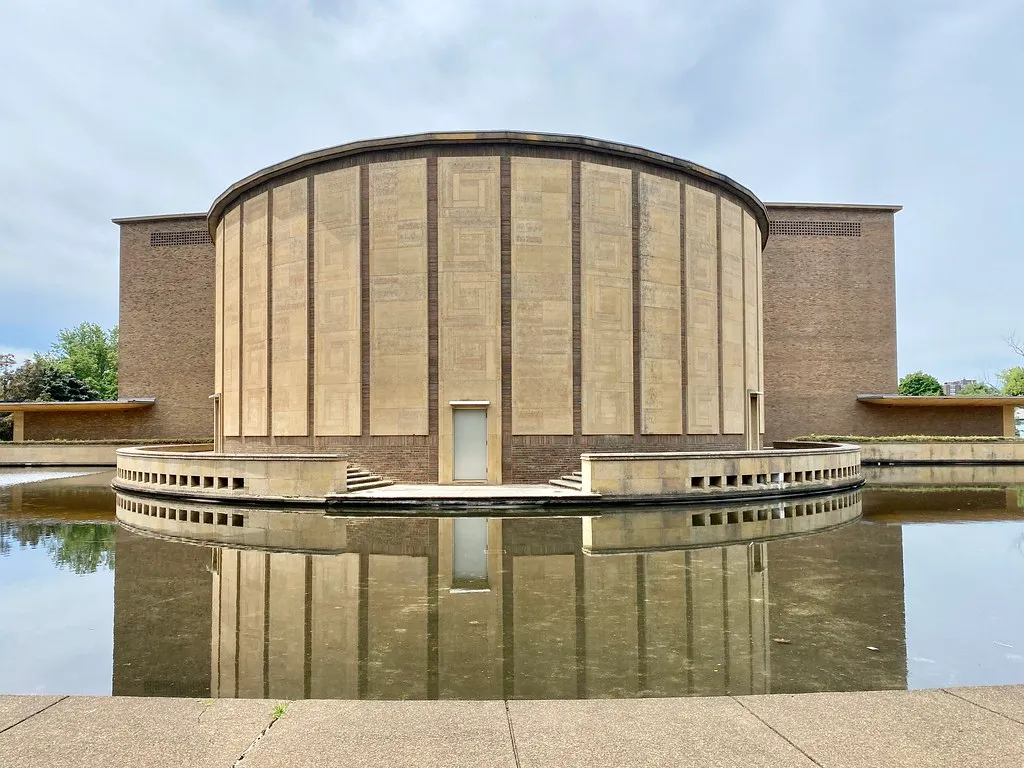
Acoustic wood wall slats are making waves, and it’s easy to see why. These panels provide an elegant solution for improving sound quality while adding style to a home, helping to reduce noise in home offices, media rooms, and open-plan living spaces while creating a clean, modern look.
This is not just a comeback but a structural evolution where texture, shadow, and material intelligence take center stage. For developers and designers, wood paneling has transitioned from a mere wall covering to a vital architectural tool used to define zones, soften acoustics, and inject a sense of permanence into a space.
Beyond their visual appeal, eco-friendly wood panels also offer energy efficiency, with many panels providing thermal insulation that helps keep homes warmer in winter and cooler in summer. Textured panels also absorb sound, creating quieter, more peaceful interiors. These are practical reasons that outlast any trend cycle.
Sustainability Is Now Central to the Conversation

As sustainability continues to be a top priority, many homeowners are turning to eco-friendly options for their wall paneling. Materials like reclaimed wood and bamboo are becoming increasingly popular, allowing people to add beauty to their homes while being mindful of the environment.
Solid wood paneling is much more environmentally friendly than many other wall coverings. It’s typically sourced from sustainable forests that plant twice as many trees as they harvest, and there are plenty of reclaimed wood options that repurpose materials from old structures. These options look beautiful and breathe new life into wood that was first cut decades ago. The material can also last for generations without needing replacement, unlike paint or wallpaper.
The Forest Stewardship Council notes that using sustainably sourced wood can meaningfully cut a building’s carbon footprint compared to traditional options, and some reports indicate that using wood in construction can absorb and store carbon dioxide, potentially offsetting a notable share of a building’s emissions during its lifetime.
Where It’s Appearing: Kitchens, Bedrooms, and Beyond
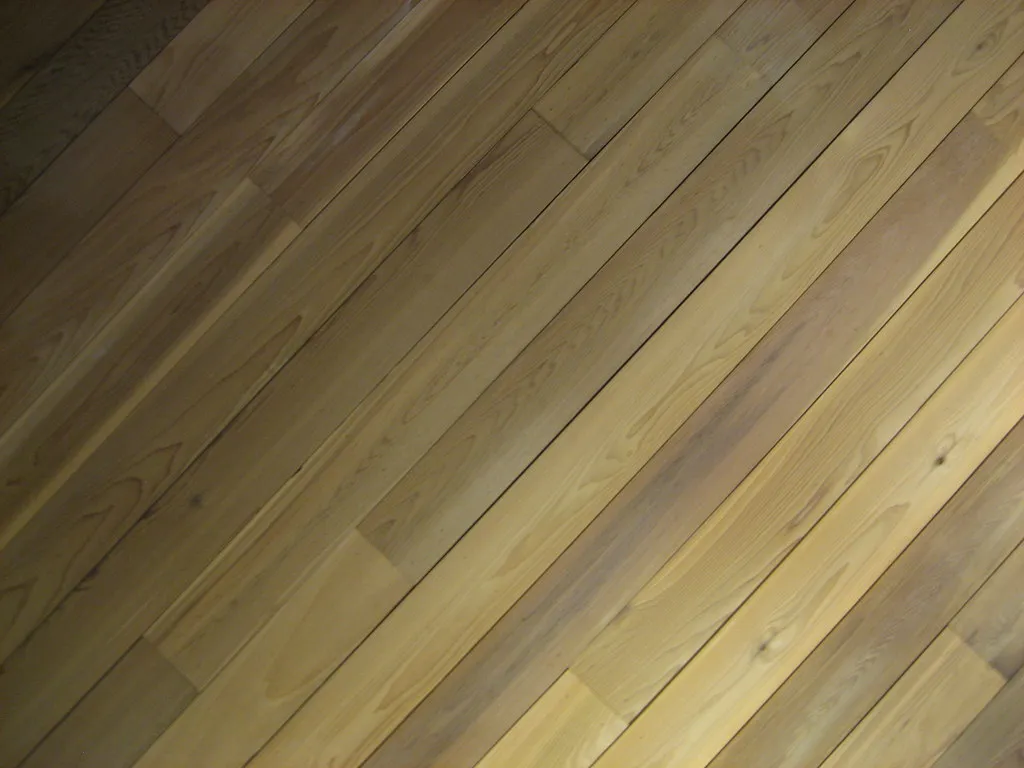
In a world where painted cabinets are becoming one of the most popular interior design trends, installing wood paneling on the kitchen island can add a natural contrast and tie in wood floors beautifully. The panels can cover the entire base or serve as a protective accent on the side where people sit, enhancing the centrality and feel of the island within the kitchen.
Extending paneling to ceilings with wood or textured materials adds architectural interest and improves acoustics, while panels behind the bed create a cozy and sophisticated focal point that elevates bedroom design. Neither application requires a full renovation commitment.
In commercial contexts, slatted paneling is defining specific areas in open-plan architecture, such as reception nooks or waiting lounges, without sacrificing the feeling of openness. A well-placed wood feature behind a headboard or a desk in hospitality and residential suites immediately grounds the space, adding an atmosphere of exclusivity and rest.
The “Quiet Luxury” Connection
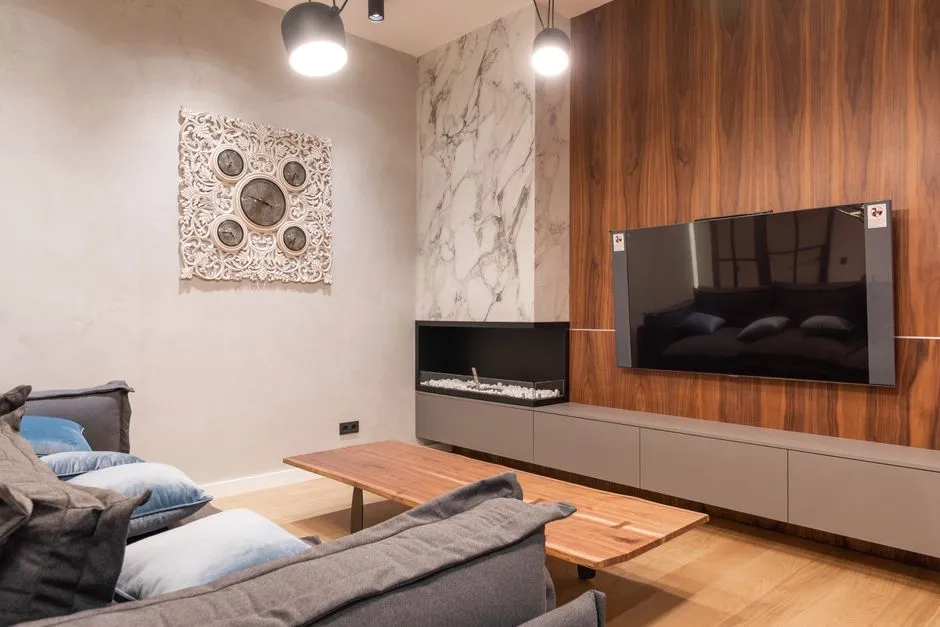
The “quiet luxury” aesthetic has been trending for years now, and it’s easy to understand the overlap. An oak-paneled living room with an ornate fireplace and floor-to-ceiling windows whispers understated wealth in a way that few other design choices can match.
Ribbed, reeded, and fluted wood wall paneling in particular has been highlighted by designers for creating interest and depth with their shapes while giving a soft and quiet luxury feel. The texture does the talking without requiring much else in the room to compete with it.
According to Houzz experts, the true stars of 2026 are rich earthy and warm tones, including terracotta, deep emerald, and rich dark browns, which add a touch of decadence and comfort. Earthy and warm tones create inviting spaces that feel grounded yet luxurious, perfect for anyone seeking an intimate and authentic atmosphere. Wood paneling delivers all of this in a single material choice.
The Takeaway
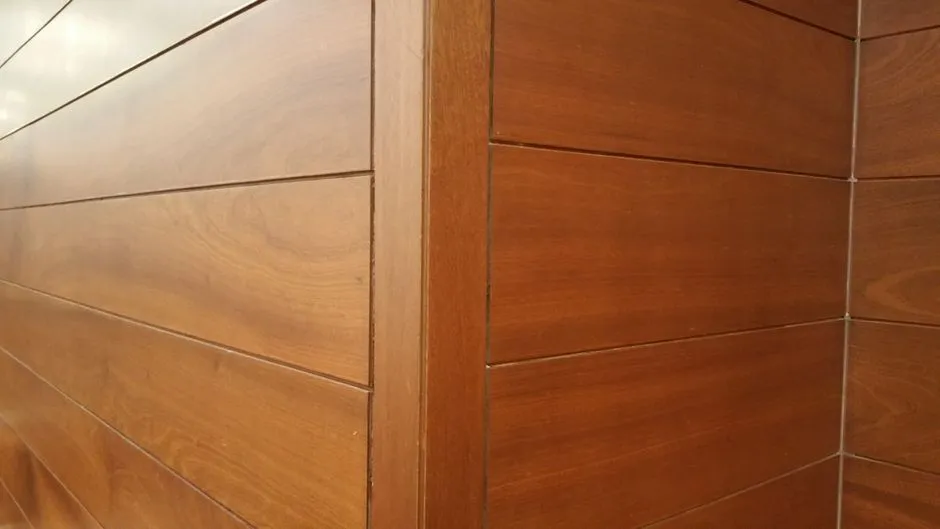
What’s genuinely interesting about wood paneling’s return is how little it relies on nostalgia to justify itself. Wall paneling is having a defining moment, and no longer just a simple wall covering, it has evolved into a design feature that adds texture, warmth, and personality to any space while reflecting a genuine commitment to sustainability.
Modern wood paneling has shed its dated reputation, becoming a premium element for adding texture, warmth, and architectural character. The most popular panels, especially acoustic slat styles, offer both stunning aesthetics and significant functional benefits like noise reduction. From living room media walls to bedroom headboards, wood panels can define spaces, create focal points, and add a touch of luxury to any room.
The material has earned its place back, not through sentiment but through genuine utility and visual intelligence. A trend that delivers warmth, sustainability, acoustic comfort, and longevity simultaneously tends not to fade quietly. This one looks set to stay well beyond the current design cycle.
AI Disclaimer: This article was created with the assistance of AI tools and reviewed by a human editor.