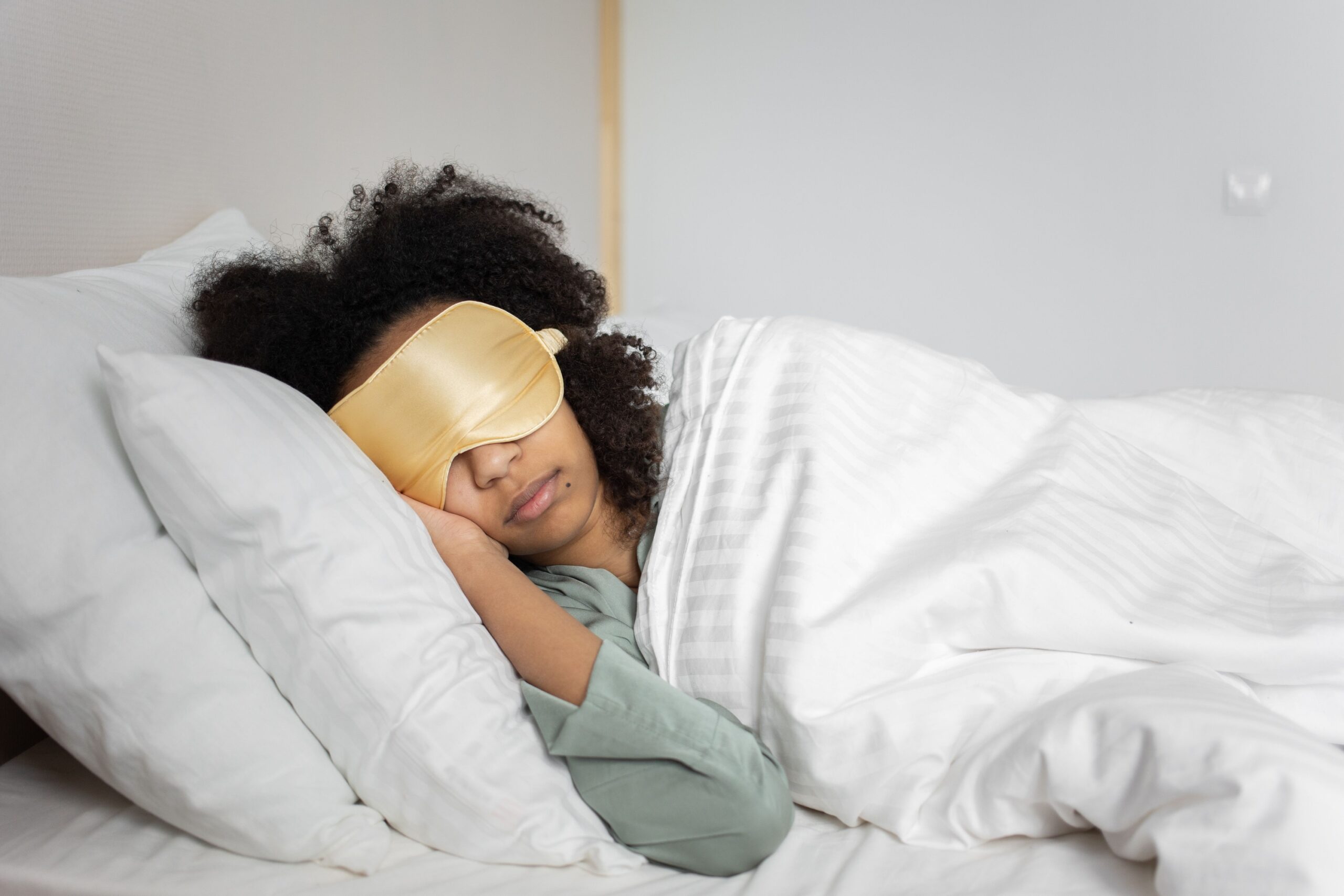

The Data Is Clear: People Really Do Sleep Longer in Winter
This isn’t just a feeling. A 2025 study published in the journal Sleep analyzed approximately 73 million nights of sleep data from 116,879 adults. Seasonal variation in sleep duration was evident, with sleep duration running roughly 15 to 20 minutes longer during winter in the Northern Hemisphere. That gap may sound modest, but across an entire population, it’s a meaningful and consistent shift.
A separate study in Japan confirmed an increase in sleep duration among participants by an average of 19 minutes in winter compared to summer, though researchers noted a large variation depending on age, gender, and residential area. The pattern holds across continents and cultures, which tells us the mechanism is tied to something more fundamental than habit.
Shorter Days Flood Your Brain with Melatonin
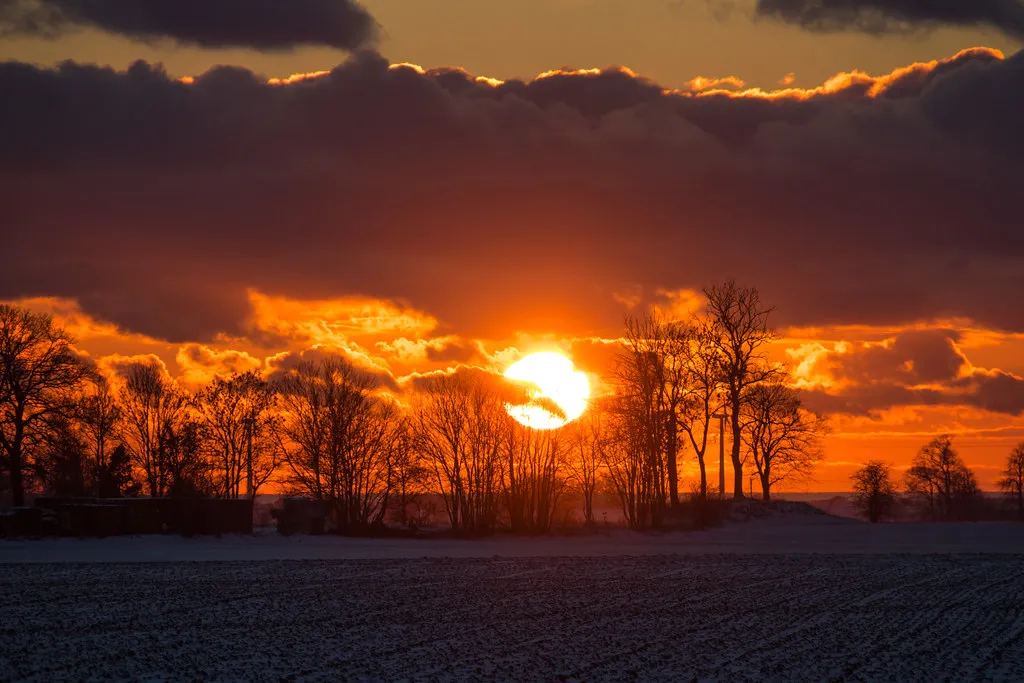
With fewer hours of daylight during winter, roughly nine hours compared to twelve in summer, your brain signals sleep earlier. Melatonin, the sleep hormone, is triggered by darkness. The result is a hormonal environment that essentially nudges you toward bed sooner and keeps you sleepier for longer stretches of the morning.
As natural light fades, darkness triggers the release of melatonin, which makes you feel sleepy. Shorter daylight hours therefore increase the level of melatonin your body produces, making you feel more tired for longer portions of the day. In winter, dark mornings keep melatonin levels high for longer, which is why dragging yourself out of bed before sunrise can feel so genuinely difficult.
Your Circadian Rhythm Shifts with the Seasons
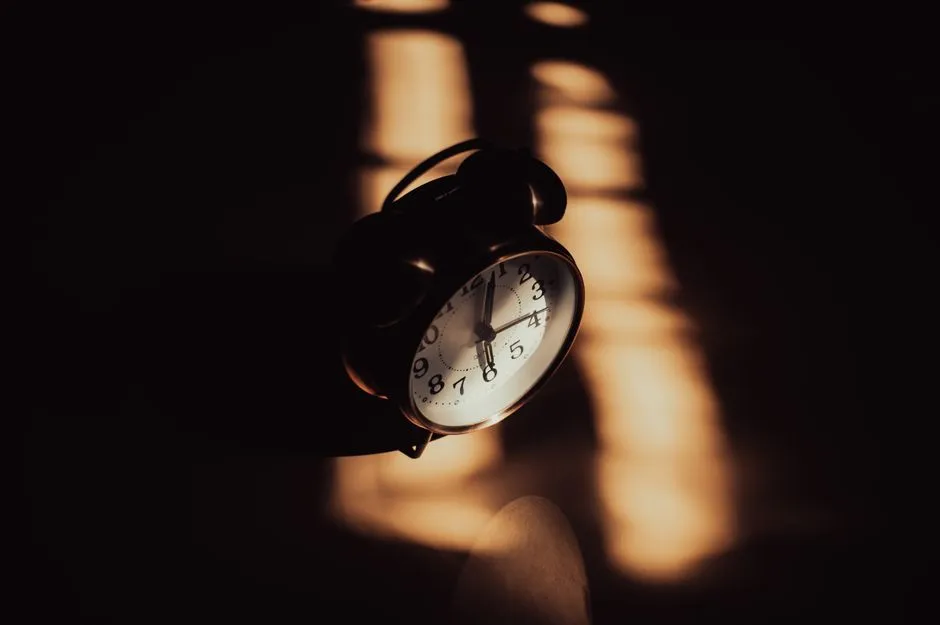
Research shows that shorter daylight exposure can delay circadian rhythms. In some people, this shift becomes pronounced and uncomfortable. The circadian rhythm is not a fixed clock. It’s a responsive system, constantly recalibrated by the light signals it receives through the eyes.
Research conducted on participants in Japan found that circadian rhythms in plasma melatonin and body temperature undergo a seasonal change, with roughly a two-hour phase delay in winter. The sleep rhythm was also phase-delayed by approximately one and a half hours in winter. This seasonal shift is generally due to seasonal variations in the times of sunrise and sunset and in the intensity of light received.
Winter Delivers More REM Sleep
Scientists publishing data in Frontiers in Neuroscience found that, even in an urban population experiencing disrupted sleep, humans experience longer REM sleep in winter than summer. REM sleep is the stage most closely tied to dreaming, emotional regulation, and memory consolidation. Getting more of it is not trivial.
REM sleep is highly affected by light and darkness, so when during the winter months there is less light, the body essentially overcompensates by producing more REM sleep. Although total sleep time appeared to be about an hour longer in winter than in summer, this result was not statistically significant. However, REM sleep was 30 minutes longer in winter than in summer. That’s a meaningful difference in sleep architecture, not just sleep quantity.
Cold Temperatures Actually Help You Fall Asleep Faster
A cool, dark room is key for better sleep, and winter creates exactly that environment. When the ambient temperature drops, it signals to the brain that it’s time for sleep, which may be why wearable data shows a decrease in sleep latency during the winter months. Sleep latency is simply the time it takes to fall asleep, and a shorter latency means you drift off more easily.
Cold environments promote deeper sleep because the body’s core temperature drops more efficiently in winter, leading to increased deep sleep and REM cycles. This is one of winter’s rare sleep advantages. The discomfort of the cold outside actually creates better conditions for rest inside.
Low Vitamin D Leaves You Feeling Drained

Studies have shown that people have lower levels of vitamin D in the winter months. Low vitamin D levels can cause you to feel more tired and can reduce sleep quality, possibly resulting in an urge to sleep more. Vitamin D is produced through skin exposure to sunlight, and with shorter, darker days, that production drops considerably.
Vitamin D deficiency may exacerbate these problems because vitamin D is believed to promote serotonin activity. With less daylight in winter, people may have lower vitamin D levels, further reducing serotonin activity. Lower serotonin is connected to both low mood and disrupted sleep, creating a cycle that compounds the fatigue many people feel.
Seasonal Affective Disorder Pushes Sleep to Extremes
Seasonal Affective Disorder (SAD), a severe type of winter blues, affects around 10 million Americans. It can lead to feelings of sadness and lethargy during winter, and common symptoms include fatigue and sleeping more than usual. In fact, one study found that people with SAD sleep for an additional 2.7 hours during winter. That’s a substantial change in daily rest for a significant portion of the population.
People with winter-pattern SAD produce too much melatonin, which can increase sleepiness and lead to oversleeping. Common symptoms of SAD include persistent feelings of sadness, fatigue, and changes in sleep or appetite. Winter-pattern SAD is specifically associated with oversleeping and carbohydrate cravings. For those with SAD, the seasonal sleep shift isn’t just inconvenient. It can be genuinely debilitating.
Serotonin Drops When Sunlight Disappears
Studies indicate that people with winter-pattern SAD have reduced levels of the brain chemical serotonin, which helps regulate mood. Shorter daylight hours may prevent these molecules from functioning properly, contributing to decreased serotonin levels in winter. Serotonin and melatonin are chemically linked: serotonin produced during daylight is converted into melatonin at night.
Both serotonin and melatonin help maintain the body’s daily rhythm tied to the seasonal night and day cycle. In people whose systems are particularly sensitive, changes in serotonin and melatonin can disrupt normal daily rhythms. Even in people who don’t have clinical SAD, this hormonal seesaw can leave them feeling flat, unmotivated, and unusually sleepy throughout the season.
Social Jet Lag Adds Another Layer
Needing more sleep during winter may also be due to what’s known as “social jet lag,” meaning that the fun, late nights of summer may be why people have trouble falling asleep in winter or feel their body overcompensate with more sleep. Social jet lag describes the mismatch between a person’s biological clock and their socially driven schedule, and winter tends to make that tension more visible.
Daily structure supports healthy sleep, but in winter people often delay waking. A seasonal perspective on sleep shows that winter sleep changes reflect the body’s sensitivity to light, temperature, and routine. When social schedules push people to stay up late despite earlier biological cues to sleep, the body can swing in the other direction, demanding extra rest to recover.
Latitude Matters More Than You Might Think
In the Northern Hemisphere, average sleep duration runs approximately 15 to 20 minutes longer during winter than summer. Seasonal differences are generally smaller closer to the equator, where annual changes in daylight duration are less pronounced. This geographic pattern confirms that the key driver is really the amount of light available, not temperature, culture, or routine alone.
Studies have shown that people in higher latitudes experience longer melatonin duration during winter months. This extended melatonin release explains why some people feel they need more sleep in winter. Scandinavia, Canada, and the northern United States tend to see the most pronounced seasonal sleep changes, precisely because their winters involve the steepest drop in daylight hours.
When More Sleep Becomes Too Much Sleep
While all of this points toward more sleep during the colder months, it may not be in your best interests to consistently oversleep. If longer sleep and lie-ins on cold winter mornings mean regularly sleeping for nine or more hours over 24 hours, it can negatively impact your overall sleep. The body thrives on consistency, and oversleeping can actually fragment future nights.
Sleep experts say that while people probably don’t need more sleep in winter in a strict biological sense, it appears some people do get a few extra minutes of sleep and more REM sleep during the winter months. Although most people’s waking time is largely out of their control due to school or work schedules, society might benefit from accommodations that allow humans to respond more effectively to the changing seasons. In the meantime, going to sleep earlier in winter might help accommodate human seasonality.
The Takeaway
Winter sleepiness is not weakness or laziness. It’s a real, documented biological response to changes in light, temperature, and hormone production, driven by systems your body has been running for thousands of years. The research from thousands of study participants across multiple continents consistently shows that sleep shifts with the seasons.
The smart approach isn’t to fight it entirely or surrender to it completely. Acknowledging the seasonal pull, getting outside during daylight hours, keeping a consistent bedtime, and watching for signs of SAD are all practical ways to work with your biology rather than against it. Winter asks the body for a little more rest. The question is whether you give it wisely.
AI Disclaimer: This article was created with the assistance of AI tools and reviewed by a human editor.