

The Loneliness Numbers Are Already Staggering – Winter Makes Them Worse

Approximately half of adults in the United States report feeling lonely, and people of all ages are spending significantly less time with others, according to the U.S. Surgeon General’s landmark report on the epidemic of loneliness. A 2024 survey by Cigna and Evernorth went even further, classifying more than half of Americans as lonely. These are baseline figures – measured across all seasons.
Isolation is a major factor in people’s health declining, and preexisting isolation becomes more prominent in the winter months, according to officials working with vulnerable populations. For those who already live alone, winter doesn’t create loneliness from scratch. It intensifies what’s already there.
Shorter Days, Less Light – and a Real Mental Health Consequence

Five percent of everyone in the United States experiences Seasonal Affective Disorder, close to 17 million people annually. Another ten to twenty percent of the population experience milder symptoms. That’s a substantial portion of the country affected by the seasonal shift in light.
SAD has been linked to changes in the brain prompted by shorter daylight hours and less sunlight in winter. The seasonal changes affect the secretion of melatonin, as well as the neurotransmitters dopamine and serotonin, and the hypothalamic-pituitary-adrenal axis. For people living alone, there’s no built-in buffer – no partner at the dinner table to notice the shift in mood, no housemate to prompt a walk outside.
The Holiday Season Magnifies Feelings of Isolation

When extrapolated nationally, research findings suggest that roughly 14 million Americans will be alone on Christmas Day. Nearly six in ten survey respondents agree that Christmas magnifies loneliness more than any other time of year, and more than a quarter say a recent Christmas may have been their loneliest yet.
Expectations about how Christmas “should” look turn private solitude into something that feels like failure, leaving many people dreading a day that is meant to feel joyful. That gap between cultural expectation and lived experience is one of the more painful features of solo living in winter – and it tends to be invisible to everyone outside the apartment.
Millions of Households Are Navigating This Alone

Nearly 39.7 million U.S. households consisted of one person in 2025, according to the U.S. Census Bureau. That’s a significant share of the population structurally excluded from the casual, daily social contact that comes automatically when you live with others. In winter, that structural gap becomes far more noticeable.
A shrinking social network is one of the strongest predictors of loneliness, and nearly half of lonely adults have limited social resources and wish for stronger connections. Community engagement is also declining: fewer people are attending religious services, volunteering, or joining local groups – the very activities that might otherwise fill the long, dark months.
The Physical Health Risks Are Not Just Psychological
Research has linked social isolation and loneliness to an increased risk of diseases such as high blood pressure, heart disease, obesity, weakened immune function, anxiety, depression, and cognitive decline. These aren’t distant risks. They accumulate over time, and winter tends to accelerate the conditions that lead to them.
Some research suggests that the health impact of chronic loneliness is comparable to smoking up to 15 cigarettes a day. A 2025 meta-analysis found that living alone was associated with a 21 percent increase in all-cause mortality risk. Winter, with its added layer of physical inactivity and social withdrawal, compounds these numbers in ways that are hard to reverse once entrenched.
Cold Weather Literally Keeps Solo Dwellers Indoors
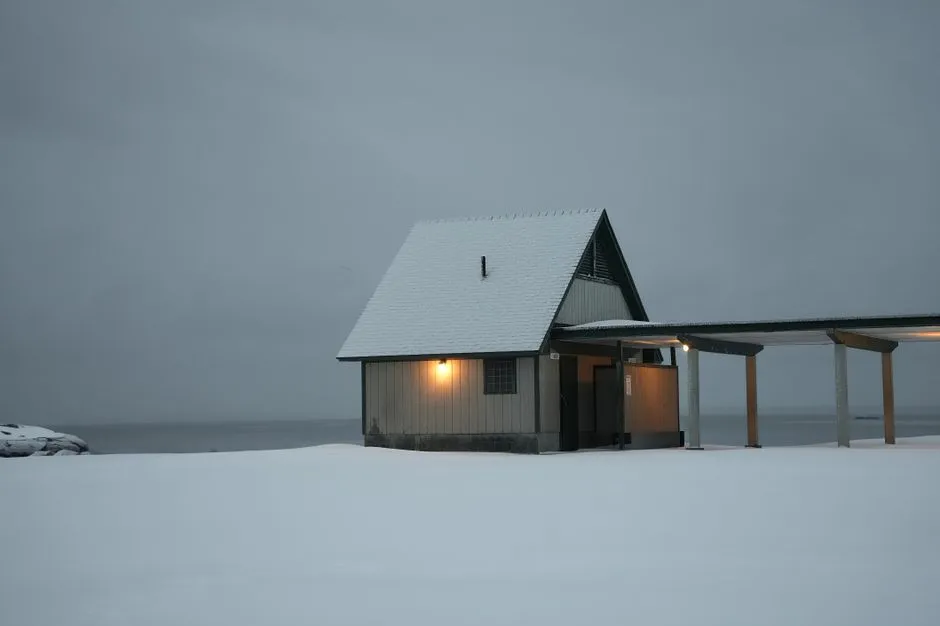
Cold weather, shorter days, and snow-covered sidewalks can make it harder to get out and see people, and for many adults, winter can intensify feelings of isolation, especially for those who have mobility, health issues, or transportation challenges that already limit social interaction. When you live with someone, one person can encourage the other out of the house. Alone, there’s no such nudge.
Cold weather can lead to constricted blood vessels, temporarily raising blood pressure, and prolonged inactivity during winter is detrimental to anyone’s health. The winter months can worsen existing health issues and lead a person to need help with daily living activities. For those living alone, seeking that help – or even recognizing when it’s needed – is an extra barrier.
Older Adults Face a Sharper Winter Edge

Adults aged 60 and older who live alone spend more than 10 hours each day alone, according to Pew Research Center analysis of the American Time Use Survey. Lonely adults average 7.3 hours alone each day compared to 5.6 hours for the overall 45-plus population. In winter, when outdoor options narrow and transport becomes harder, that solitary time stretches even further.
Research shows that approximately one in four people aged 65 years and over may be experiencing feelings of isolation. Severe weather, colder temperatures, and less sunlight can exacerbate feelings of loneliness for this group in particular, and isolation and consequential self-neglect often come to light only when families visit for the holidays.
Younger Adults Are Not Immune – Far From It

There’s a tendency to assume loneliness in winter is mainly an older person’s problem. The data says otherwise. Among Gen Z adults aged 18 to 25, roughly two thirds are classified as lonely, according to Cigna and Evernorth’s 2025 Loneliness in America survey. Young adults living alone in cities – often far from family and without deep local social roots – are acutely exposed to winter’s isolating effects.
About one in five U.S. adults experiences loneliness on a daily basis, according to Gallup’s 2024 data. That daily rhythm of aloneness is far harder to manage when daylight vanishes by late afternoon and the social calendar thins out after the holidays. The absence of structure that colder months bring can destabilize routines that kept people connected the rest of the year.
The Mental Health Spiral Is Real and Documented

A systematic review and meta-analysis examining data from over 3.6 million participants across nine prospective studies showed that living alone was associated with a significantly higher risk of both suicide attempts and suicide death, even after adjusting for confounding factors. Winter, with its combination of reduced light, reduced social contact, and increased time indoors, creates conditions where those risks can climb.
The evidence for chronic isolation and loneliness has been found to be associated with increased risks of heart disease, diabetes, dementia, and depression, as well as being an independent predictor of premature death. Mental health problems can snowball into physical ones. For people living alone, there’s often no one watching closely enough to notice when the snowball starts to roll.
The Scale of the Problem Is Now a Public Health Priority
In November 2023, recognizing loneliness as a “pressing threat to health,” the World Health Organization launched a new commission to foster social connection as a health priority and encourage the development of solutions across countries at all income levels. The WHO’s involvement signals that this is no longer treated as a private struggle but a structural one.
Social isolation is generally recognized as a major public health problem with detrimental consequences for people’s health, including reduced mental health, increased risk of disease such as hypertension and cardiovascular disease, and cognitive decline, according to research published in 2025. It is imperative that mainstream medicine and geriatrics regard social isolation and loneliness as important risks to health and include them as part of comprehensive medical risk assessments. In winter, that urgency becomes especially clear.
The Takeaway

Winter doesn’t just change the temperature. For people living alone, it changes the whole social calculus of daily life. The evidence is consistent and, by now, substantial: isolation deepens in cold months, mood disorders peak in January and February, and the physical health consequences of chronic loneliness are as serious as many recognized medical conditions.
None of this means solo living is inherently damaging – plenty of people thrive in it. But winter strips away many of the informal social buffers that make aloneness manageable the rest of the year. Recognizing that openly, rather than expecting people to quietly push through, is probably where any meaningful response has to start.
AI Disclaimer: This article was created with the assistance of AI tools and reviewed by a human editor.