
Something shifted quietly in homes over the past few decades. The chest of drawers that once outlasted three generations gave way to a flat-pack dresser that barely survives a second move. The chair built by a local cabinetmaker was replaced by one assembled from particle board and a booklet of diagrams. Most people didn’t notice the trade-off at first – but many are noticing it now.
The revival of interest in handcrafted furniture isn’t simply nostalgia dressed up as trend. It’s a measurable, documented response to something real: a growing sense that mass production, for all its convenience, has cost us more than we bargained for.
The Rise and Fall of the Craft Workshop
For most of human history, furniture was made by people who knew wood – its grain, its weight, its response to climate and time. Local craftsmen built pieces intended to last, and the assumption was that a well-made chair or table would outlive its first owner. That relationship between maker and material defined how homes were furnished for centuries.
Mass production changed all of that. When factories could produce in a single day what a craftsman built in a week, the economics became irresistible. The workshop didn’t disappear overnight, but it steadily lost ground to the factory floor, and the skills that once passed from master to apprentice began to thin out.
For most of the 20th century, furniture was assumed to be repairable. Upholsterers, cane weavers, frame menders, and refinishers anchored a network of independent tradespeople who kept pieces in use for decades. That repair culture is now largely gone from mainstream consumer life.
What “Fast Furniture” Actually Costs
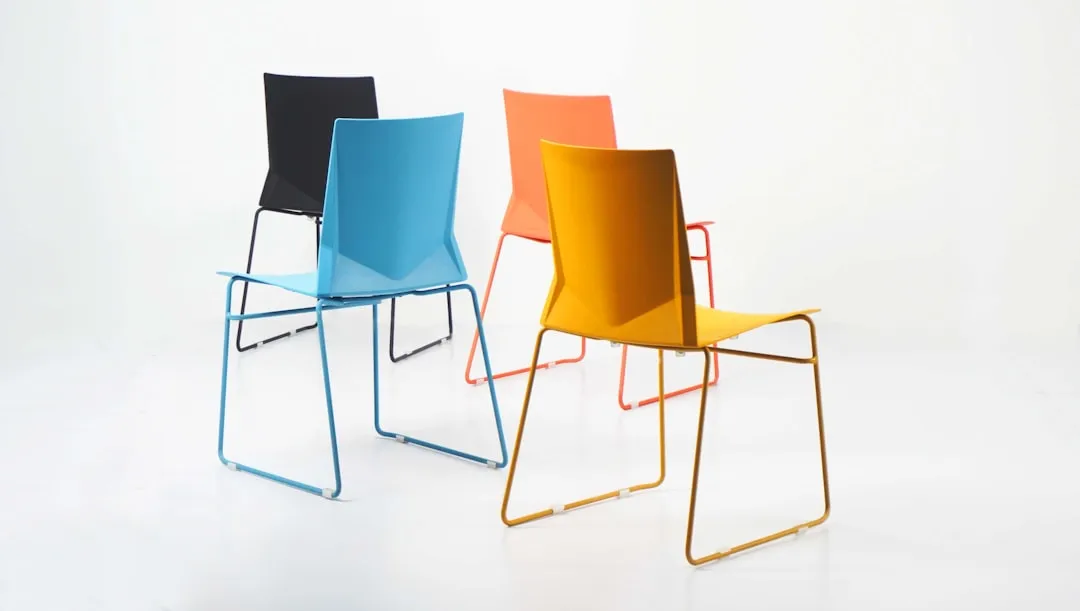
Fast furniture is essentially the home industry’s version of fast fashion. It refers to mass-produced, low-cost furniture designed to follow trends quickly and sell at accessible prices. The appeal is obvious: low entry cost, immediate availability, and designs that look current enough to satisfy the moment.
The RE Store, a Bellingham, Washington, reuse retailer that has tracked the category for years, reports that flat-pack pieces from major retailers are typically engineered to last about five years, and design trends now turn over every 10 months or so. That cycle has real financial and environmental consequences.
A 2024 Level Frames analysis of EPA waste data and consumer survey responses found Americans spend roughly $2,750 a year combined on furniture, decor, and trend-driven replacement, with more than a third of those purchases prompted by social media. The replacement cycle, in other words, is partly being driven by a screen.
The Landfill Problem Nobody Talks About Enough

Each year, Americans throw out more than 12 million tons of furniture and furnishings, according to the Environmental Protection Agency. Only a small percentage is recycled, thanks to the diversity of materials in most items – upholstered furniture and mattresses are particularly hard to clean and reprocess. As a result, more than 9 million tons of wood, metal, glass, fabric, leather, and foam waste ends up in a landfill.
In 1960, Americans threw away only about 2 million tons of furniture and furnishings. The growth in furniture waste has far exceeded the country’s population growth in the past six decades. The scale of that shift is difficult to fully absorb.
Particleboard and medium-density fiberboard bind wood chips with urea-formaldehyde resins. Oklahoma State University Extension reports these boards continue off-gassing formaldehyde for months to years after manufacture, adding to indoor air pollution. The same chemistry that makes the boards cheap to produce makes them impossible to recycle.
Handcrafted Wood Still Dominates the Artisan Trade
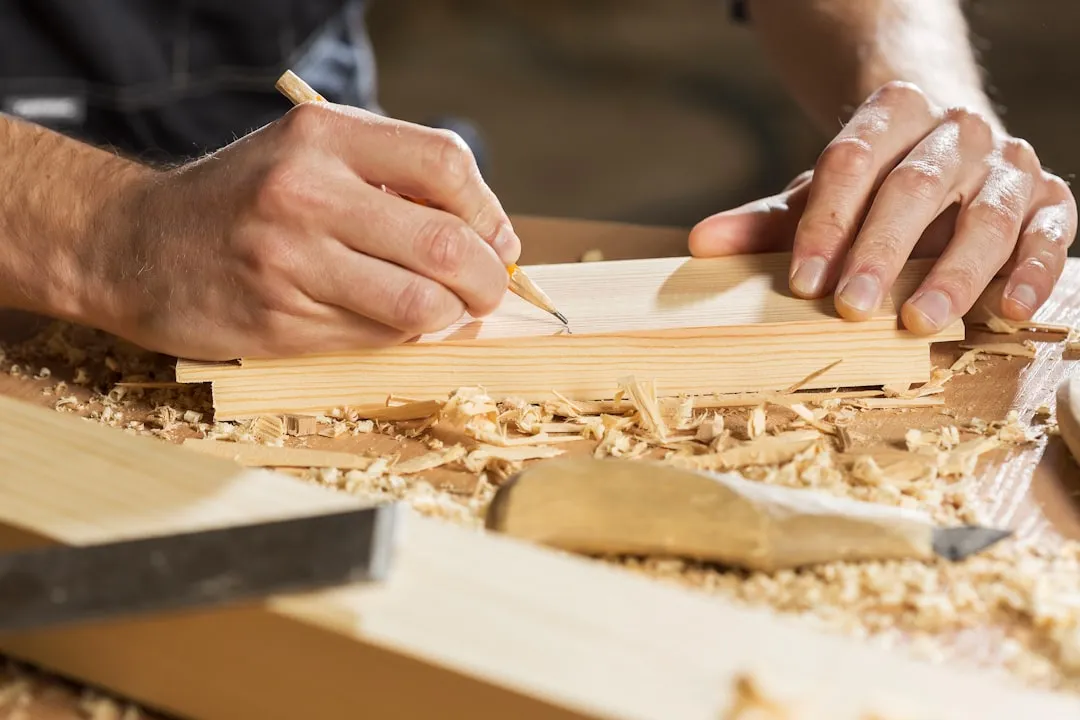
In 2024, woodwork held a dominant share of more than a quarter in the global handicraft product category, due to its craftsmanship, durability, and aesthetic appeal. Woodwork maintained a dominant market position, accounting for a notable share. This strong market presence can be attributed to the timeless appeal of wooden products, which are known for their craftsmanship, durability, and aesthetic versatility.
Urban consumers prefer wooden home decor and furniture for their natural aesthetic and longevity. That preference hasn’t faded – it’s actually grown more deliberate as buyers become more aware of what mass production involves.
The world of handmade and artisanal goods has been experiencing a renaissance, as consumers increasingly seek authenticity, sustainability, and meaningful purchases. Furniture sits at the center of that shift, precisely because it’s something people live with every day.
A Market That’s Quietly Booming
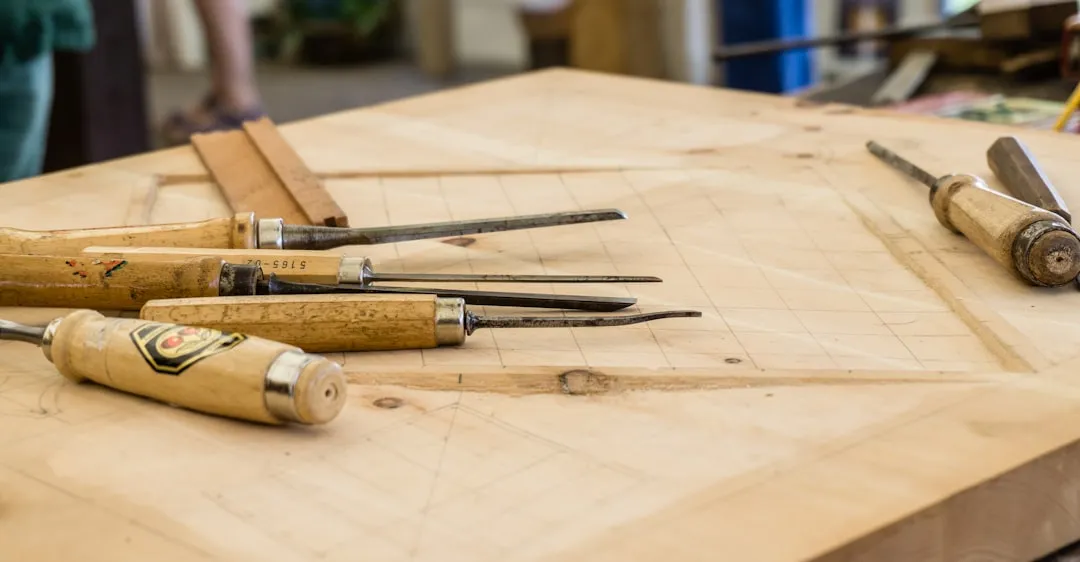
The handicrafts market was valued at nearly $740 billion in 2024 and is projected to reach over $983 billion by 2030, growing at a compound annual rate of nearly 5 percent. The numbers suggest that the appetite for handmade goods is not a niche interest – it’s a mainstream economic trend.
The global customized furniture market was valued at $35.30 billion in 2024 and is estimated to grow to nearly $98.27 billion by 2033, at a growth rate of over 12 percent annually. Customization, which handcraft naturally enables, is proving to be one of the most durable consumer motivations in the space.
The demand for handmade artisanal furniture has been increasing over the last several years, and going into 2025, it’s bigger than ever. Trend reports from interior design publications and market analysts broadly agree on this direction.
Sustainability Is Pushing People Back Toward Craft
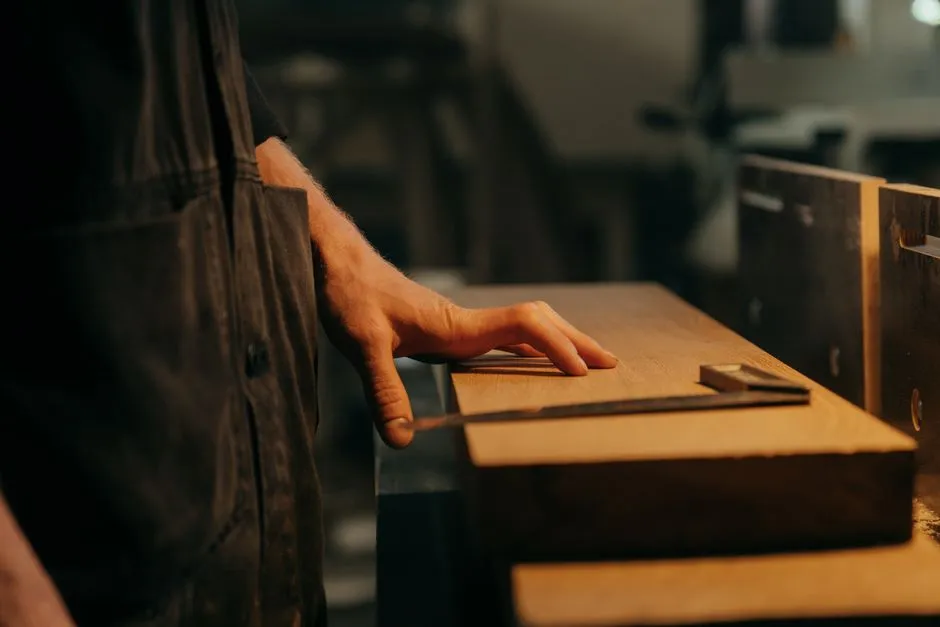
A recent survey by NielsenIQ found that 78 percent of consumers say a sustainable lifestyle is important to them, and as consumers grow more eco-conscious, they expect businesses to align with their values. For many, furniture is one of the most visible places to act on that commitment.
Surveys reveal that roughly three quarters of consumers are willing to pay a premium for eco-friendly furniture, while McKinsey finds that companies incorporating sustainability practices are twice as likely to generate strong revenue increases compared to competitors who lag in this area. The willingness to pay more for something built to last is not limited to high-income households.
Consumer demand for transparency in sourcing and production processes is increasingly shaping purchasing decisions. The sustainable furniture industry is projected to grow from $58.2 billion in 2025 to over $133 billion by 2035. Handcrafted furniture, by its nature, tends to offer exactly the traceability that conscious buyers are looking for.
The Emotional Weight of an Object Made by Hand
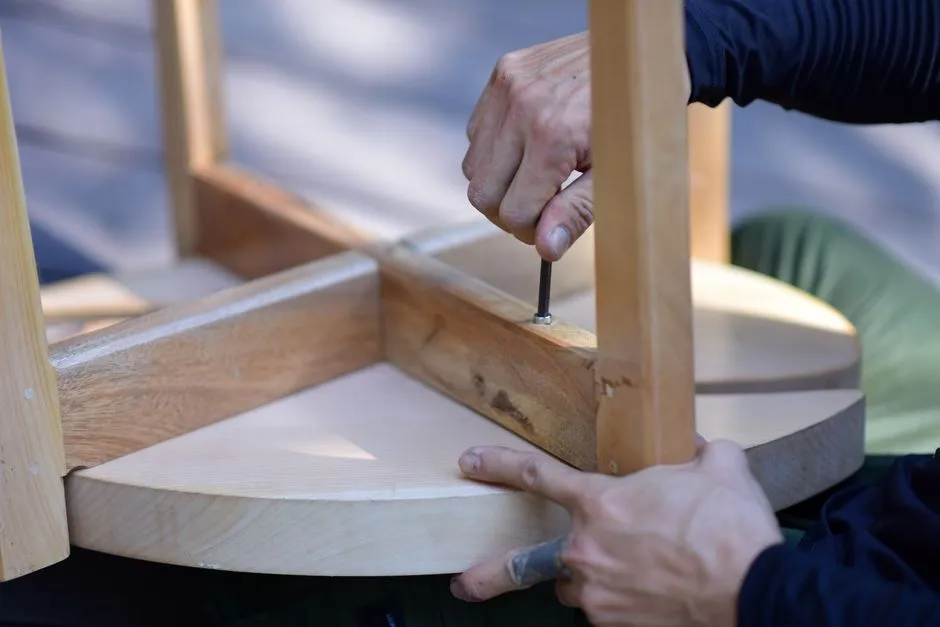
There’s something that market data can’t fully capture: the experience of living with something made by a person rather than a machine. Handcrafted furniture carries visible evidence of decisions – a joint fitted by hand, a finish applied with attention, a proportion worked out by eye rather than algorithm. These aren’t flaws. They’re the record of a human making something.
The residential segment drives the handicrafts market expansion as homeowners increasingly seek unique, artisanal products to personalize their living spaces. Handcrafted items add character and cultural richness to homes. That desire to surround oneself with meaning, rather than just utility, is a persistent human instinct.
It’s furniture that’s handcrafted by artisans who are sharing their vision and craftsmanship through their work, using traditional methods to design their products. The object becomes, in a quiet way, a kind of conversation between maker and owner across time.
Millennials and Gen Z Are Driving the Shift
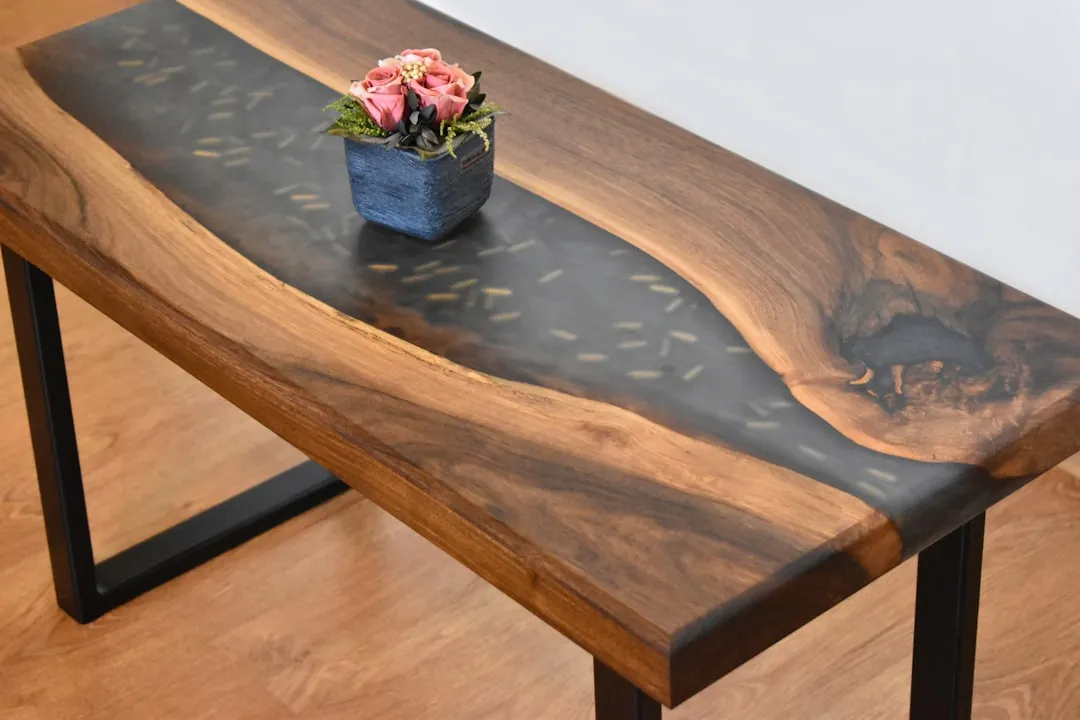
Millennials and Gen Z consumers are particularly drawn to artisanal goods that offer unique designs and craftsmanship, positioning handicrafts as a trendy, eco-friendly choice. These are also the generations most aware of fast fashion’s environmental toll, and they’re applying the same critical lens to furniture.
This shift is particularly strong among younger consumers who prioritize sustainability as part of their lifestyle and purchasing decisions. For these buyers, buying a handmade table is less about luxury and more about consistency between values and choices.
Real household income per capita within the OECD surged modestly in late 2024. Consumers are more willing to spend on home decor, fashion, and lifestyle products that are aesthetically unique and culturally significant. Handicrafts cater to this desire for distinctive, non-mass-produced items.
The Material Difference: Solid Wood vs. Engineered Board
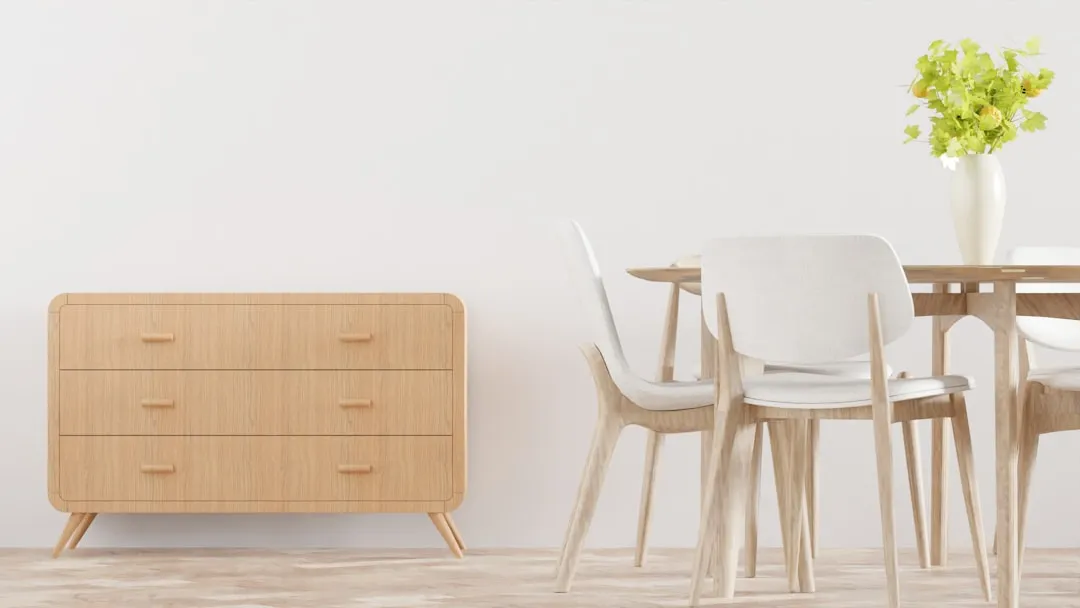
Walk into most furniture chains today and the majority of pieces are built from MDF, particleboard, or laminated composites. These materials are not inherently evil – they can serve short-term purposes – but they are fundamentally different from solid wood in one critical way: they don’t age gracefully, and they can’t be repaired in any meaningful sense.
Particle board furniture consists of pressed wood chips and fibers held together with a resin made of formaldehyde and other toxic chemicals. MDF and particle board can be so toxic that it is recommended that you do not cut or break them in your home. Solid hardwood, by contrast, can be sanded, refinished, and structurally repaired over decades.
Major trends in the forecast period for wooden furniture include customization and personalization, the influence of Scandinavian and minimalist designs, and a clear emphasis on handcrafted and artisanal pieces. The industry is reading the market signal and responding to it.
The Manufacturing Sector Is Beginning to Listen
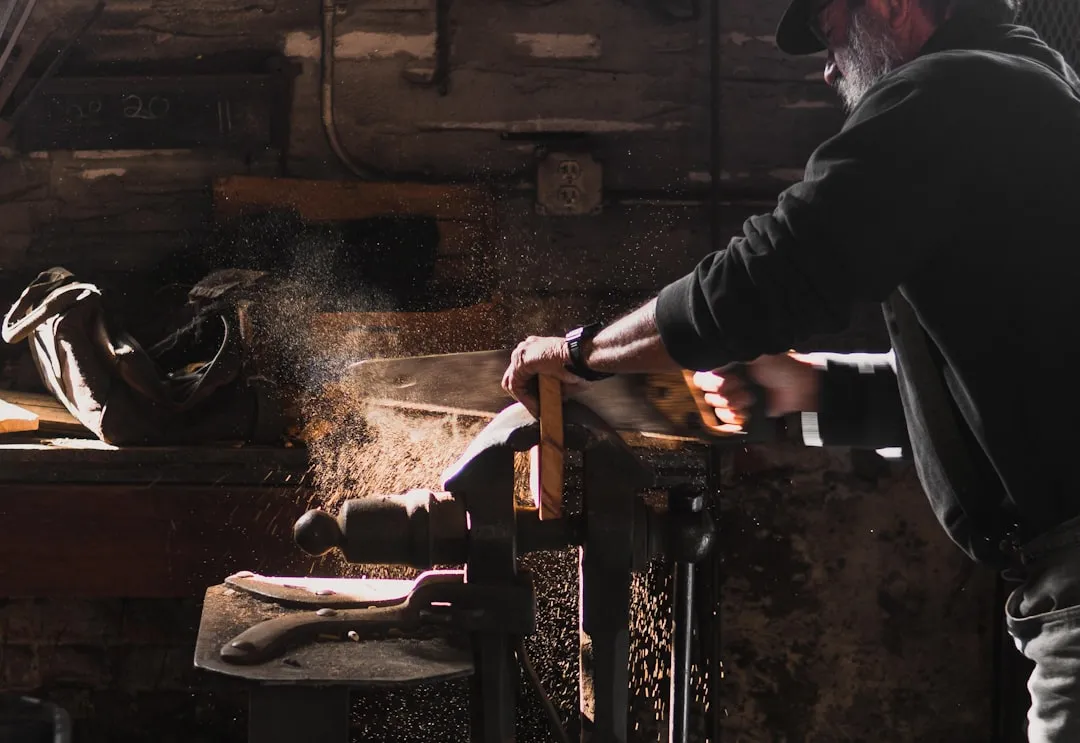
Furniture manufacturing is moving away from mass production toward more flexible, demand-driven models. Homebound consumers began nesting during the pandemic years, looking for higher-quality items to improve their working and living quarters. The furniture industry began to see resistance to imported goods of questionable quality.
Consumers are showing increased interest in custom-made furniture with a sustainable origin. Artisanal craftsmanship and small-batch production are becoming prominent, driven by the desire for unique, high-quality, and ethically produced pieces. Larger brands have noticed, and some are beginning to offer craft-adjacent lines that signal the direction the market is pulling them.
Globally, more than 305 million people are engaged in handicraft production, contributing to over a quarter of total artisan employment worldwide. That’s a vast, skilled workforce that represents real economic infrastructure – one worth preserving as consumer tastes continue to evolve.
What We Actually Lose When Craft Disappears
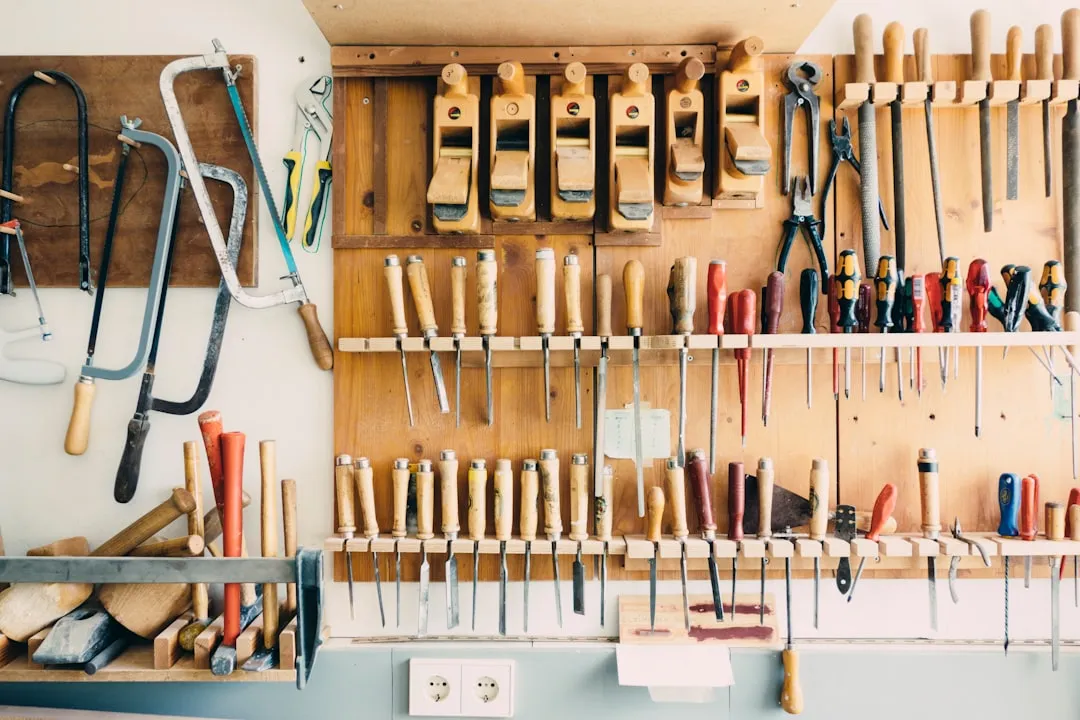
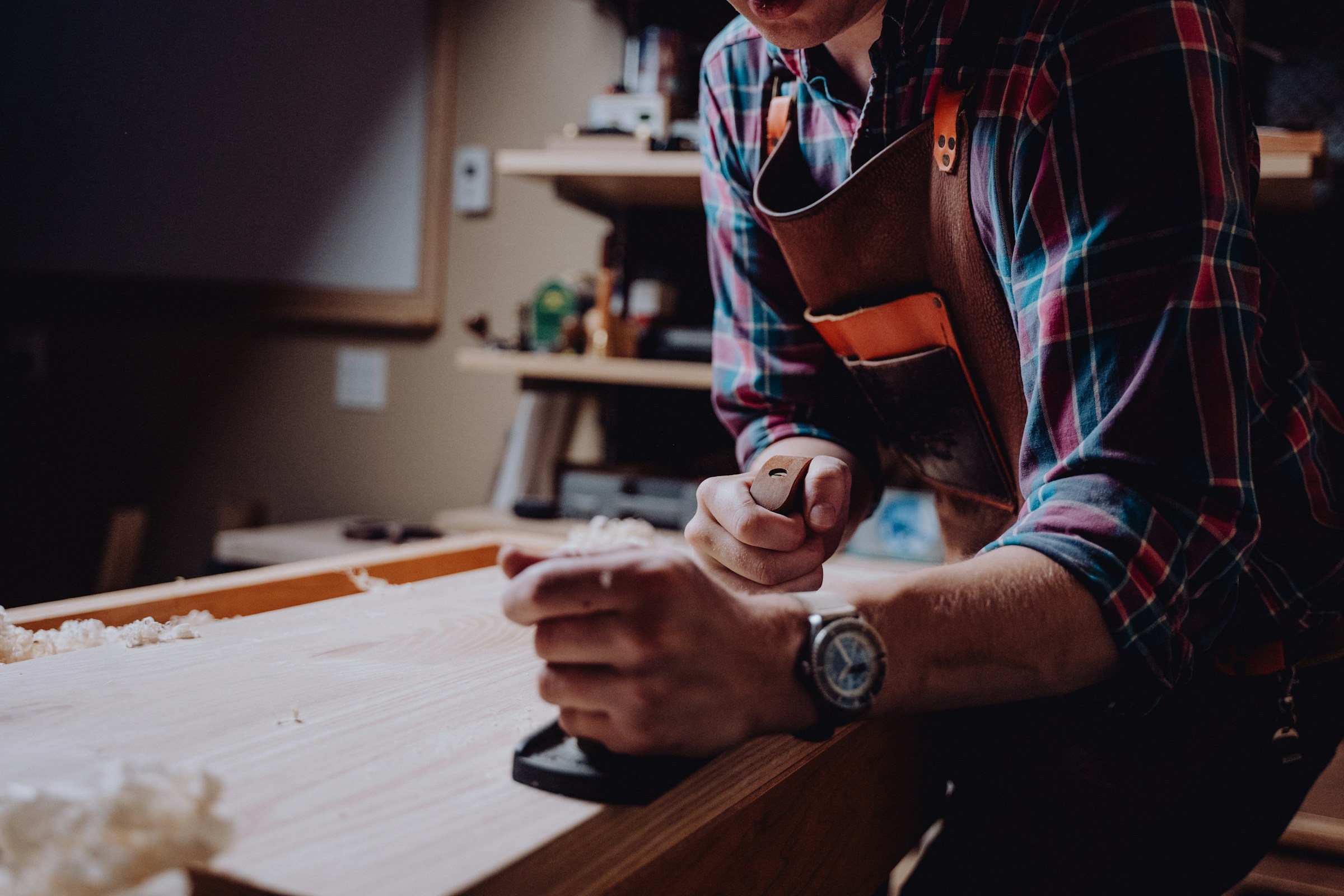
Beyond the individual object, there’s a broader loss when handcraft retreats. Skills that took generations to develop – dovetail joinery, mortise and tenon construction, hand-planing, wood selection by touch and grain – cannot be recovered quickly once they’re gone. They live in hands, not manuals.
Public-private partnerships have trained over 4.5 million artisans in sustainable production and digital marketing in recent years, signaling that there is real institutional recognition of what’s at stake if the skilled trades continue to erode.
Increased awareness of ethical sourcing and environmentally conscious buying patterns has further fueled the artisan sector. This growth is supported by increasing consumer interest in DIY culture, sustainability, and personalized products. The trajectory is encouraging, but the gap between current craft capacity and consumer demand remains wide.
The Quiet Case for Buying Less, But Better
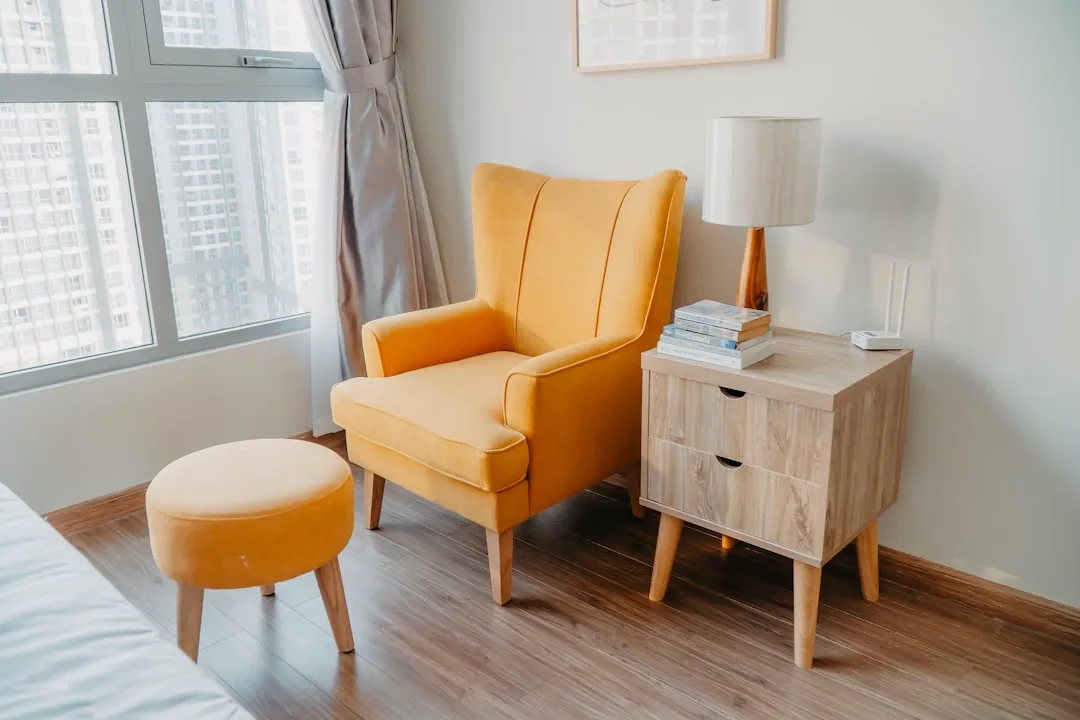
None of this is an argument that everyone should spend a small fortune on a hand-stitched armchair. The economics of handcrafted furniture remain genuinely out of reach for many households, and that’s a real constraint. The most obvious downside is the high price artisanal pieces command compared to mass-produced furniture. Just like fast fashion, fast furniture has its place because it offers a practical, budget-friendly solution.
Still, the framing matters. A piece that costs three times as much but lasts four decades is, by any honest accounting, the better purchase. A $150 particleboard dresser tossed when it is three years old costs the household $50 per year of use, before delivery, assembly time, or hauling fees on the back end. The cheap option often turns out not to be cheap at all.
The issue is not that people want affordable furniture. The issue is that much of today’s furniture system is built around disposability rather than durability. Over time, that changes both our environment and our relationship with the things we live with every day.
The Takeaway
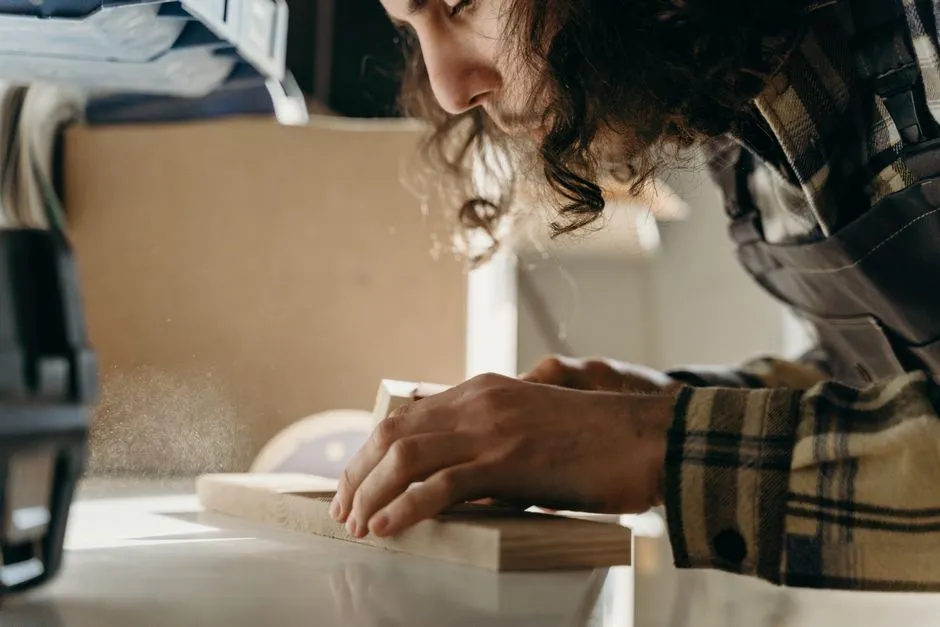
The renewed interest in handcrafted furniture isn’t simply a design trend cycling back around. It’s a response to something that accumulated slowly and is only now becoming visible: the real cost of cheap, disposable objects filling homes and landfills in equal measure. People miss handcrafted furniture because it was, at its core, furniture that respected the person who would live with it.
The market numbers, the sustainability data, and the generational shifts in consumer behavior all point in the same direction. Craft is returning – not as a luxury affectation, but as a reasonable response to a system that overcorrected toward volume and underdelivered on value. That’s a correction worth paying attention to.
AI Disclaimer: This article was created with the assistance of AI tools and reviewed by a human editor.