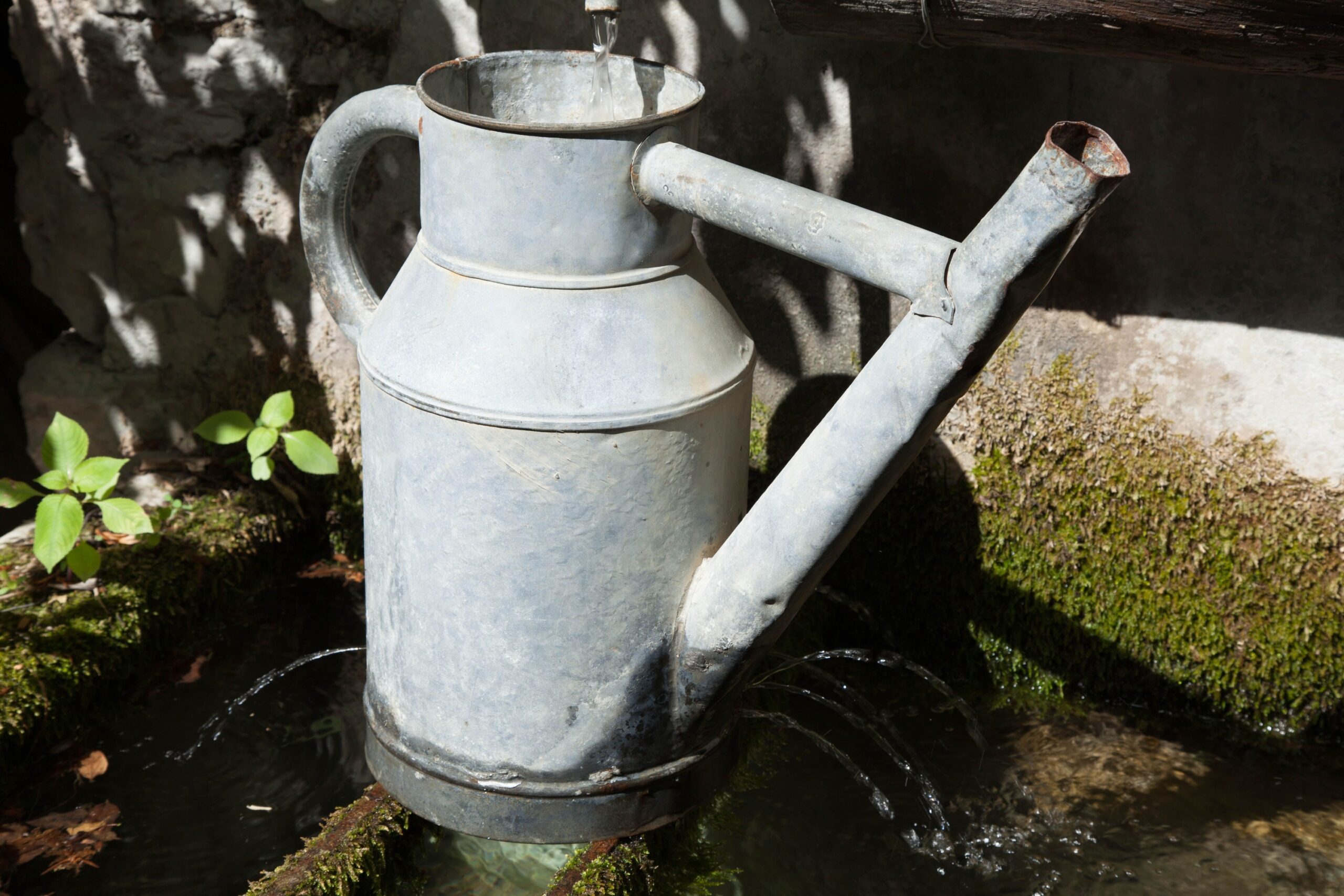

There was a time when a battered copper watering can gathering dust at a barn sale would fetch a few dollars at best. Today, that same piece might attract competitive bidding from collectors across three continents. Something has shifted, quietly but clearly, in how people value these old garden objects.
The change isn’t random. It sits at the crossroads of several cultural and economic forces, from the rise of cottagecore aesthetics and the houseplant boom to serious investor interest in physical collectibles. What once looked like simple garden utility is now recognized as craftsmanship, history, and design all wrapped into one rust-tinged object.
A Booming Broader Market Is Lifting All Antiques
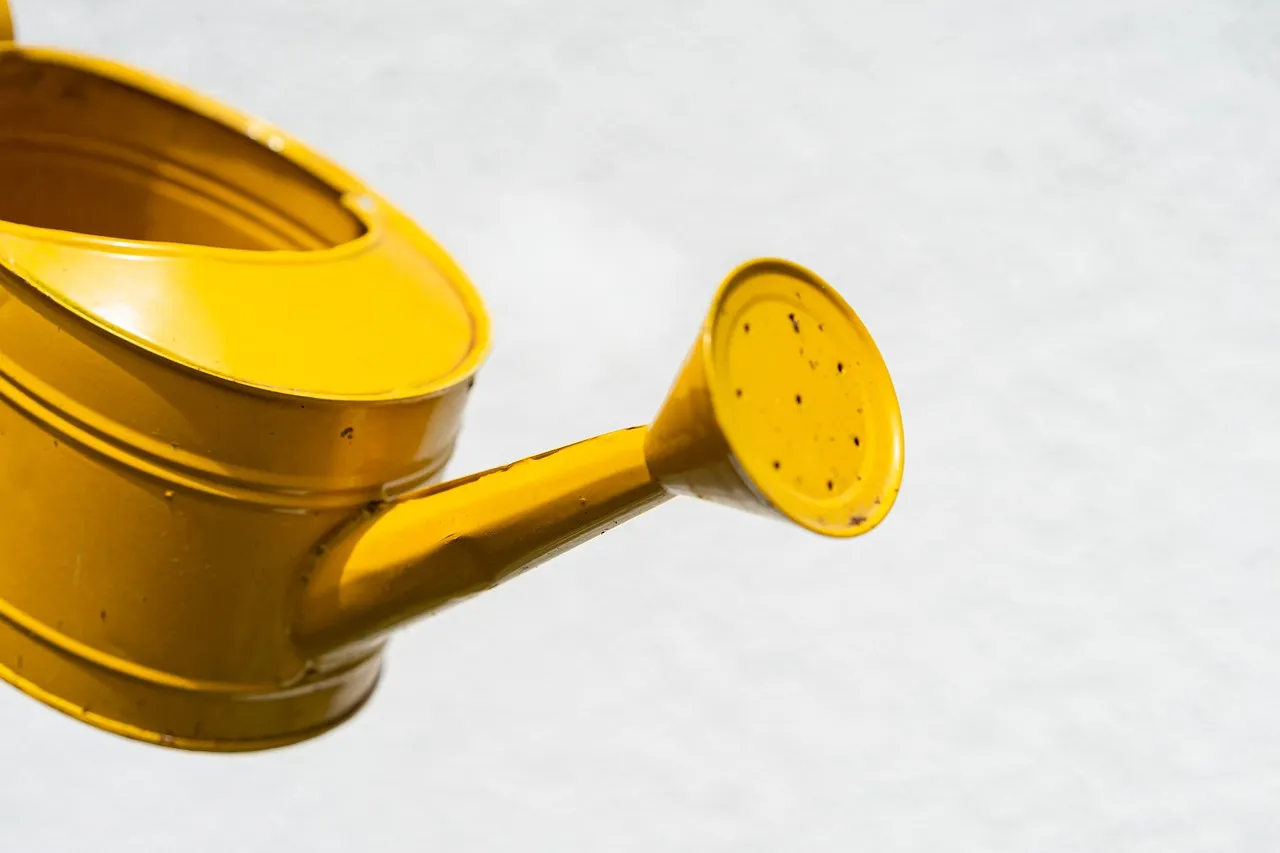
To understand why vintage watering cans are attracting attention, you first have to look at the bigger picture. The antiques and collectibles market was valued at USD 238.1 billion in 2024 and is estimated to grow at a compound annual rate of over 5.5% from 2025 to 2034, driven by growing interest in art and history. That’s a substantial foundation for niche categories like garden antiques to grow within.
The antiques segment alone generated revenue of USD 58.4 billion in 2024 and is expected to grow at a rate of around 6.7% during the forecast period. Rising tides lift specific boats, and vintage garden items are clearly floating higher along with the broader category. In the United States, art and antiques was the largest revenue-generating category in 2024, with the U.S. accounting for roughly more than a quarter of the global collectibles market that year.
Cottagecore Aesthetics Are Driving Garden Antique Demand
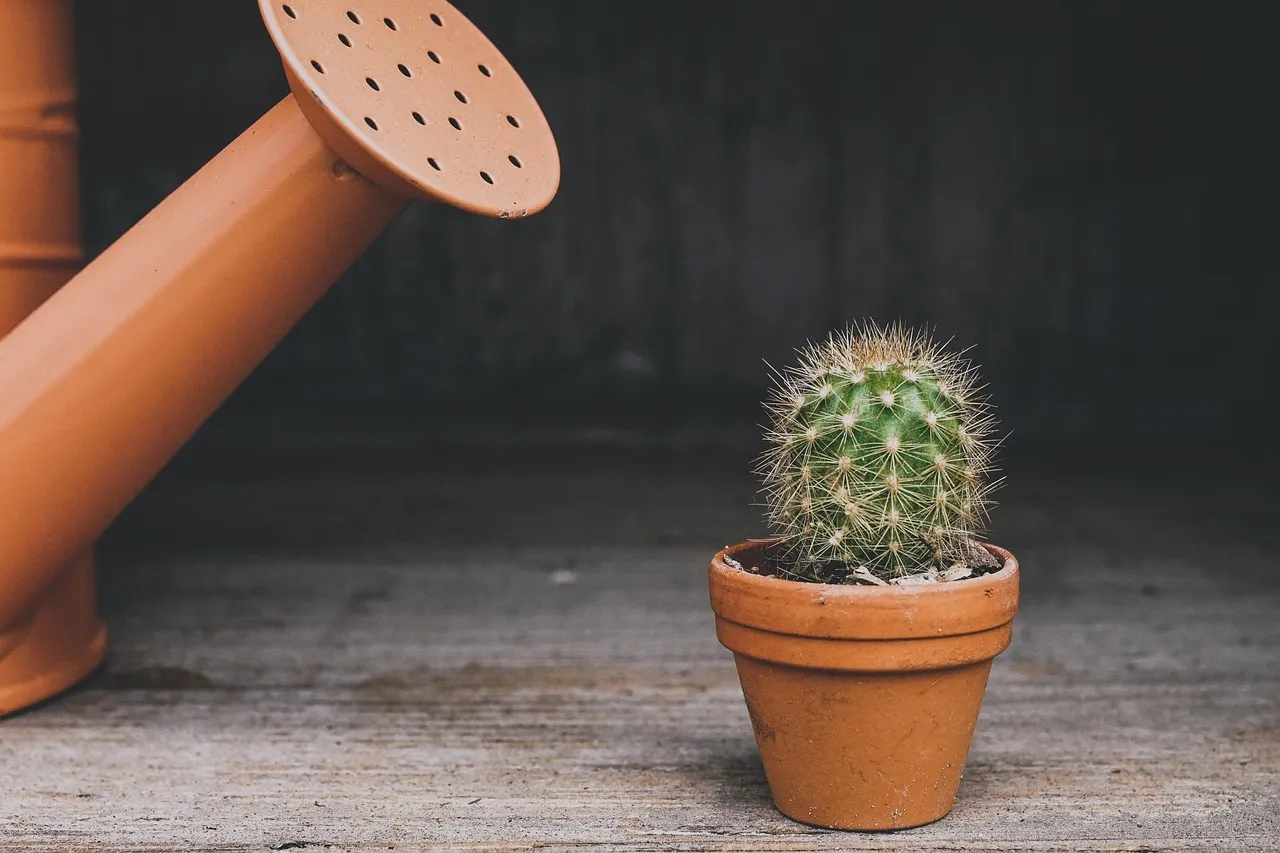
Cottagecore decor, with its rustic charm, natural beauty, and slower pace of life, remains a favorite style in 2025. Born from social media platforms like Tumblr and Instagram, it has become a mainstream movement offering a serene escape from modern chaos, rooted in nostalgia, sustainable living, vintage finds, and handmade craftsmanship. Vintage watering cans fit this world perfectly.
Major market drivers include the booming houseplant trend, the resurgence of cottagecore and vintage-inspired lifestyles, and the preference for durable, long-lasting metal products over plastic alternatives. A weathered galvanized can sitting beside a cluster of potted herbs is practically a cottagecore archetype. Cottagecore celebrates the simple pleasures of rural living, embracing a nostalgic aesthetic that harks back to a bygone era.
Functionality Meets Decoration: A Rare Combination
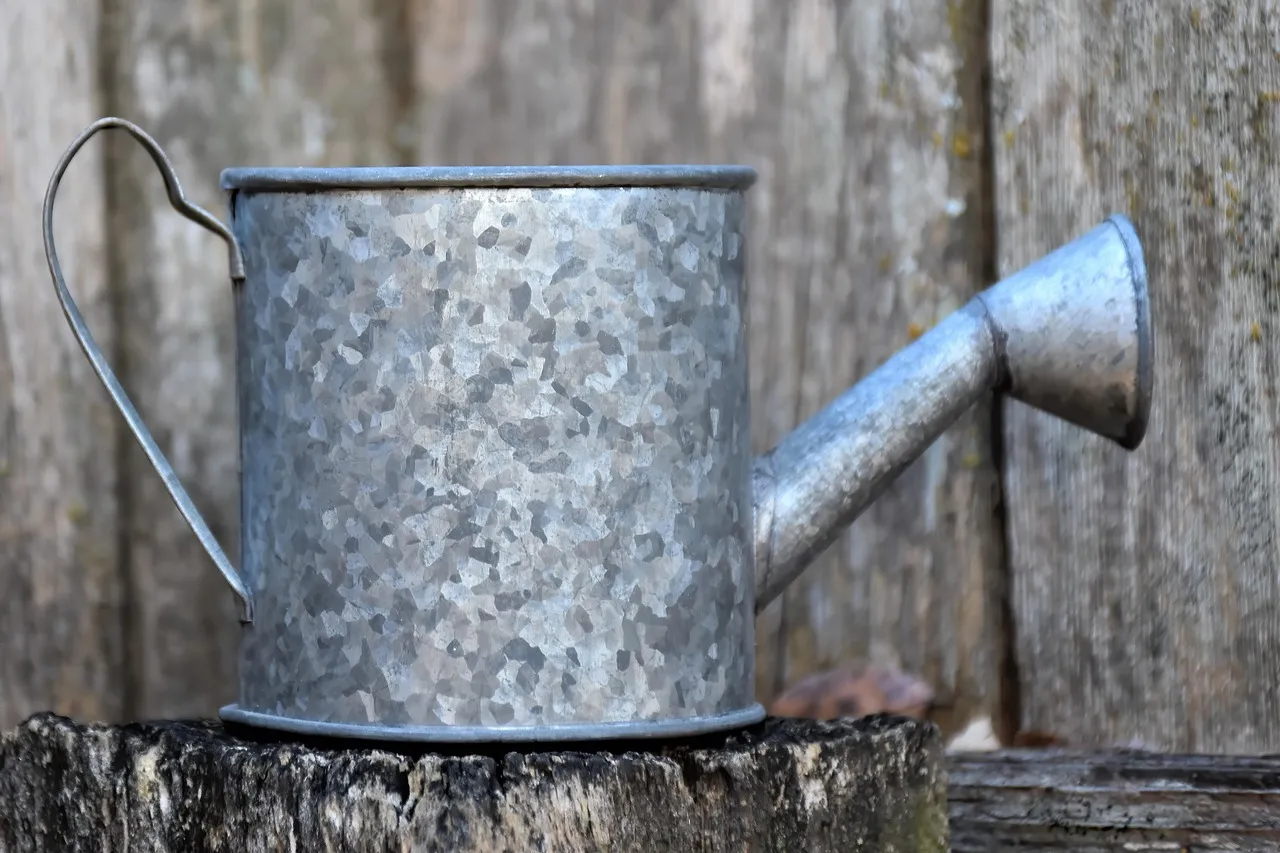
The best vintage watering cans prove that utility and aesthetics never had to be separate concerns. These pieces worked hard for decades while looking effortlessly elegant, and that combination explains why collectors continue hunting for them in barns, estate sales, and antique shops. They represent an approach to manufacturing that prioritized longevity over profit margins, objects built to last generations rather than seasons.
Key industry trends include the blending of functionality with decorative appeal, increased demand for authentic weathered finishes, and the popularity of smaller cans suited for indoor plant care. Collectors don’t have to choose between a display piece and a working garden tool. That duality adds real value, which is something modern plastic alternatives simply can’t replicate.
The Material Matters: Copper, Brass, and Galvanized Steel
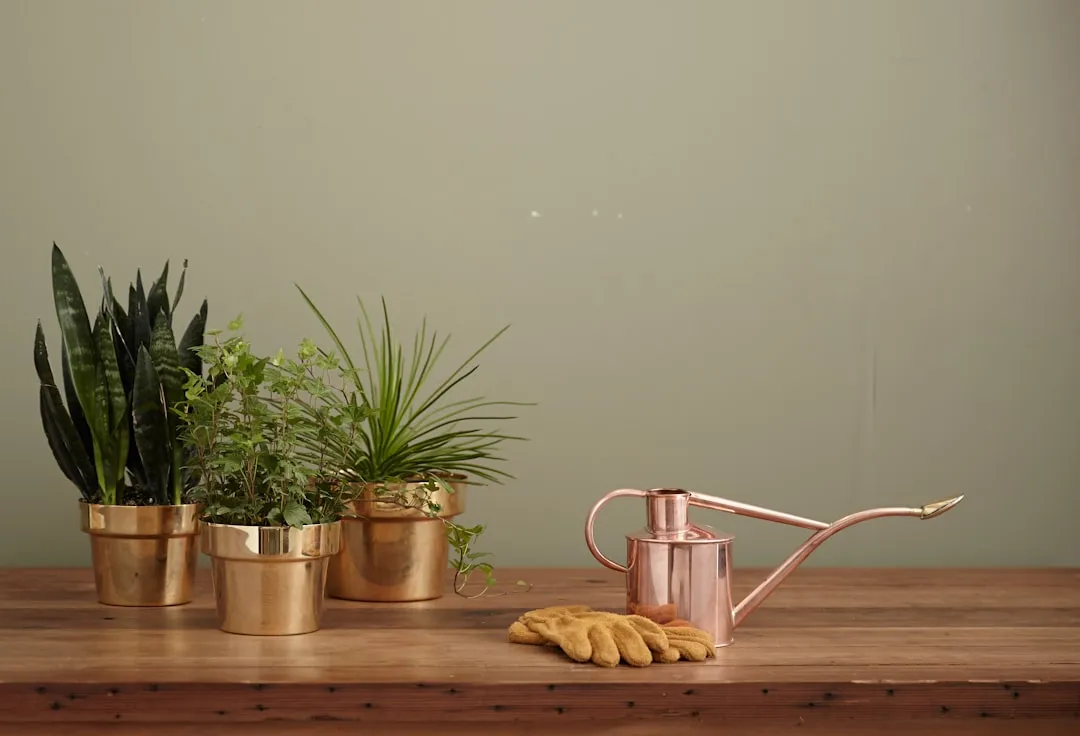
Not all vintage watering cans carry the same weight in the market. Material is a major factor in pricing and desirability. Antique vintage watering cans span a wide range, including unique copper, hand-painted, and galvanized styles, from early 20th-century finds to vintage enamelware. Copper and brass tend to command the highest prices.
A late 19th-century hand-hammered French copper watering can listed at 1stDibs is priced at $540, while a 19th-century hand-crafted French copper example is listed at $650, and a quality Victorian copper watering can from Suffolk, England, commands $901. Galvanized steel pieces from the mid-20th century tend to fetch less, though well-preserved examples still attract steady interest. A 1940s white galvanized garden watering can in good original condition was listed for $235 on Chairish, described as made from galvanized steel and tin.
Online Marketplaces Have Unlocked Global Collector Access

Before the digital era, finding a specific antique watering can meant physically visiting flea markets and estate sales in your region. That geography no longer limits collectors. International auction houses and e-commerce sites have made these collectibles available to a larger audience than ever before. Platforms like Etsy, eBay, 1stDibs, Chairish, and Pamono all carry active listings.
Trading collectibles through digital platforms is expected to witness significant growth, and the collectibles market has seen a significant and lasting change in the online channels for the trading of antiques and other collectibles. For vintage watering cans specifically, this means a piece sitting in a garage in Missouri can now attract a buyer in Amsterdam or Tokyo within hours of being listed.
Provenance and Condition Drive Pricing
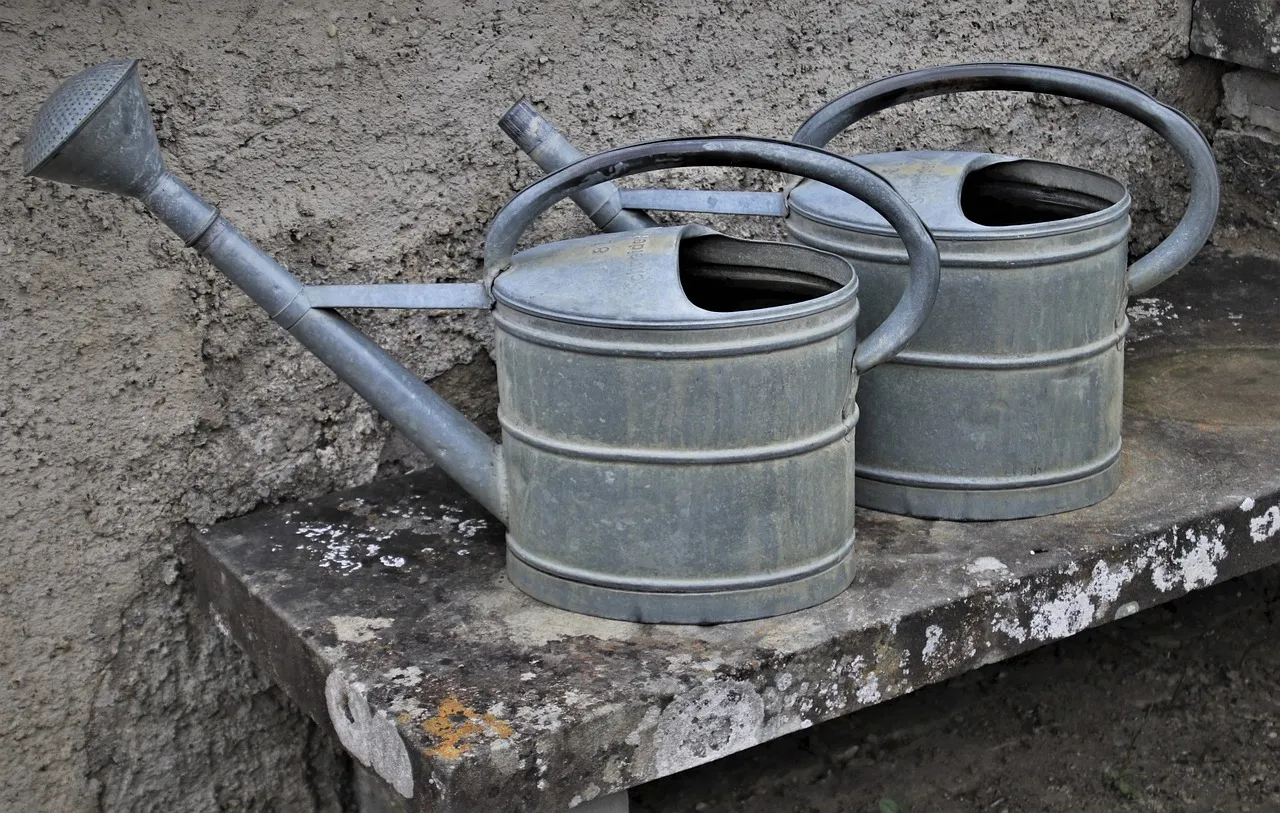
From a supply perspective, a product’s worth is mostly determined by its provenance, condition, and rarity. This is especially true for vintage watering cans, where a piece with a documented origin, intact original finish, and minimal restoration carries substantially more value than a similar example with unknown history. Well-documented history and ownership of an antique can significantly increase its value and desirability.
Antiques often carry historical value, attracting collectors interested in specific time periods or cultural artifacts. Unique craftsmanship and design from past eras appeal to those looking to incorporate vintage elements into modern decor. Pieces from known manufacturers, specific design periods such as Art Deco or Victorian, or from particular regions like England or France, consistently outperform generic finds at auction.
Millennials and Gen Z Are Reshaping Who Buys Antiques

One of the growth drivers is the increasing interest in art and history, particularly among generations like millennials and Gen Z. Unlike mass-produced items, these artifacts offer uniqueness and historical significance, appealing to a generation that wishes for meaningful and personalized experiences. Vintage watering cans slot neatly into this mindset: they’re tangible, storied, and impossible to replicate with a factory run.
This shift in demographics is changing the market and creating a demand for rare and unique collectibles that represent cultural and historical richness. Younger buyers are also drawn to the sustainability angle. Choosing an old copper can over a new plastic one is a choice with environmental logic behind it, and that reasoning resonates strongly with this demographic. The expansion of the second-hand product market is propelled by heightened consumer awareness regarding the circular economy and sustainability, and second-hand goods provide benefits such as lower prices, distinctive or antique items, and eco-friendliness, pulling in an expanding pool of consumers.
Vintage Watering Cans as Interior Decor Objects

An increase in the propensity to incorporate eccentric and unique pieces when designing home interiors has increased demand, and with many interior designers incorporating vintage pieces in modern design spaces as centerpieces, the craze for these vintage sophisticated items is now at an all-time high. A striking copper watering can placed on an open kitchen shelf or beside a bathroom sink functions as both sculpture and statement.
Raised garden beds, weathered trellises, and repurposed antique planters make gardens feel storybook-like. The same logic applies to interiors. Vintage furniture, artwork, and decor items are being embraced enthusiastically, with flea markets, antique shops, and online marketplaces offering a wealth of treasures. Watering cans, once purely functional, now anchor room vignettes and styled shelves across social media.
Collecting as an Investment Strategy

Some buyers aren’t just decorating. They’re investing. On the recommendation of financial advisors and experts, investors are placing roughly five to ten percent of their portfolio in collectibles. The increased investment in collectibles is driven by capital appreciation, safe financial haven, and portfolio diversification. Vintage garden antiques, while not in the same league as fine art or rare coins, represent an accessible entry point into this category.
Collecting as a form of investment and digital sale of collectibles are two new trends positively shaping the trajectory of the global collectibles market. A Victorian copper watering can bought at an estate sale for a modest sum and resold through a specialist platform several years later can represent a meaningful return, especially as supply contracts and demand from younger collectors grows. The increasing competition among collectors seeking out rare and exquisite pieces leads to shifts in market trends and prices.
Where Collectors Are Finding Them Today
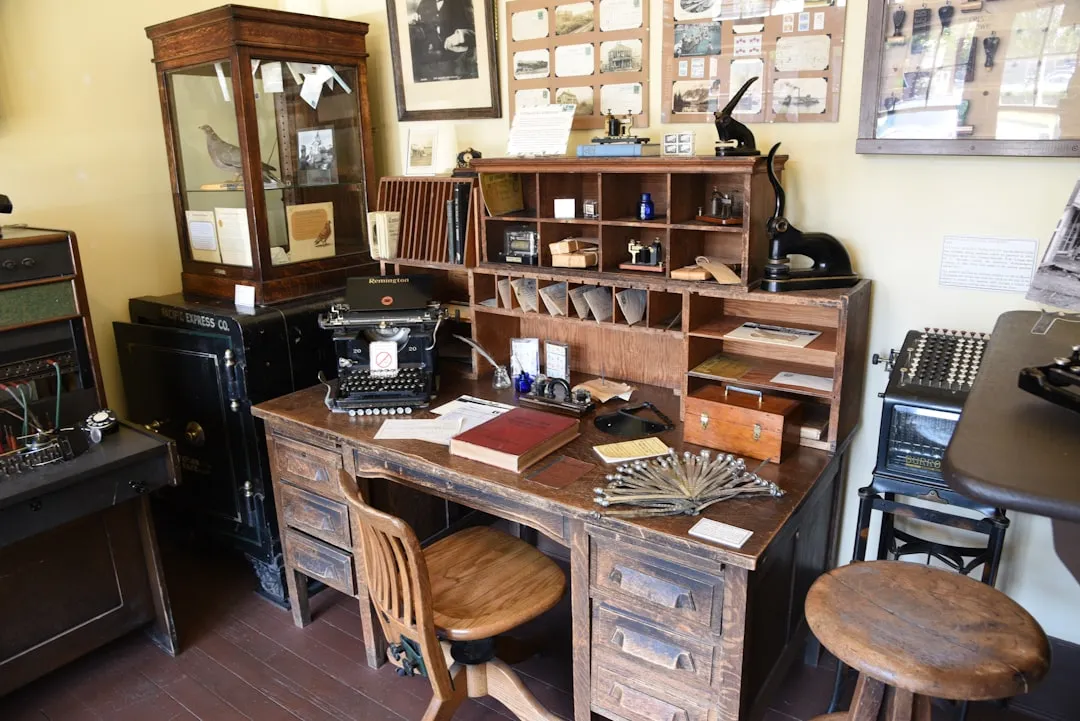
Well-known places to hunt for collectibles in demand include attics, basements, garages, storage areas, garage sales, estate sales, thrift stores, flea markets, and swap meets. These remain the traditional hunting grounds, but the game has expanded significantly online. Premium platforms like 1stDibs and Pamono cater to the higher end of the market, where an antique copper and brass watering can was listed for $407 as recently as March 2025.
Flea markets, antique shops, and online marketplaces are excellent places to unearth vintage furniture, artwork, and decorative items, with the imperfections and patina of these treasures adding character and authenticity to any space. The range is wide enough that a first-time collector can find entry-level galvanized pieces for under $50, while seasoned buyers pursue museum-quality Victorian copper examples well into the hundreds and beyond.
The Takeaway
Vintage watering cans have crossed an interesting threshold. They’re no longer just garden equipment. They sit at the meeting point of interior design, sustainability values, cultural nostalgia, and genuine collectibles investment, all at a moment when the broader antiques market is growing with real momentum.
The appeal is partly sentimental, partly practical, and partly financial. The global market for vintage watering cans is experiencing steady growth, driven by rising consumer interest in heritage aesthetics, sustainable gardening practices, and home decor. For collectors, that combination of factors creates a window worth paying attention to while these pieces are still findable at reasonable prices.
The quietest objects in an antique shop are sometimes the ones with the most to say about where the market is headed. A weathered copper can with a long graceful spout and a century of patina is, in its own way, telling a very current story.
AI Disclaimer: This article was created with the assistance of AI tools and reviewed by a human editor.