
The Basics: What Compression Actually Does to Fiber Structure
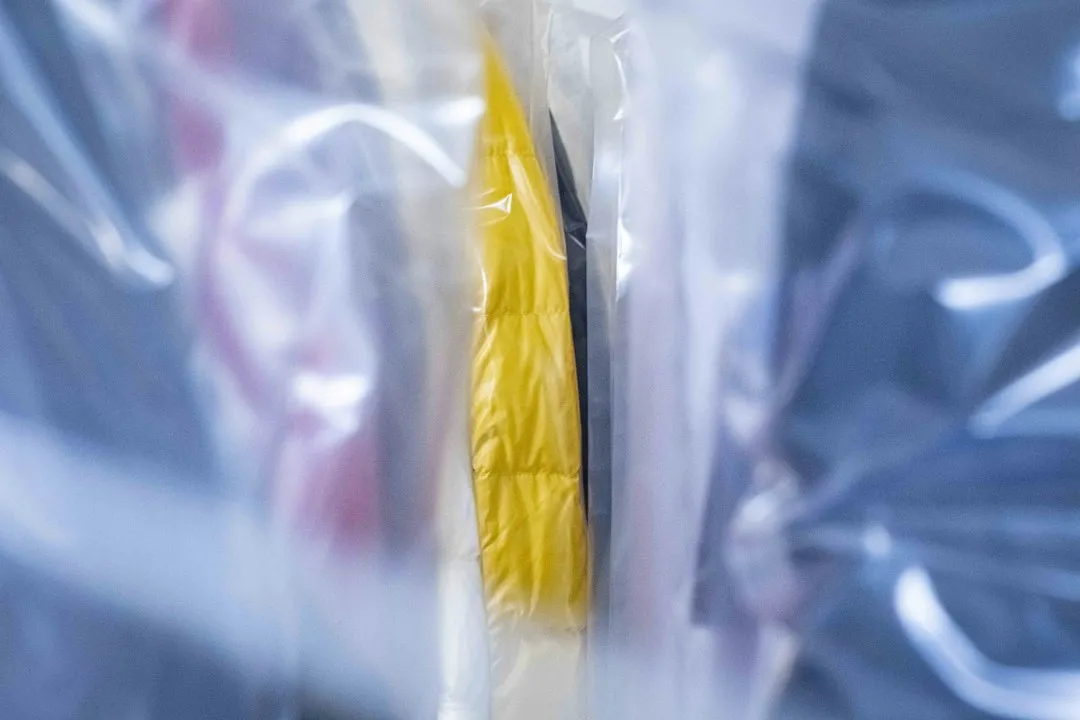
Vacuum sealing is a process that removes air from a bag or container before sealing it shut, a technique that helps prevent oxidation and moisture accumulation. That sounds helpful, and for certain materials it genuinely is. However, the lack of air can put pressure on fabrics, potentially affecting their structure and longevity.
The compression and lack of airflow created by vacuum sealing can be particularly harmful to delicate fabrics, which may become distorted, lose their shape, or experience fiber breakage when subjected to excessive pressure. This is not a design flaw in the bags themselves; it is a fundamental mismatch between what the bags do and what certain fibers need to survive long-term storage.
Silk and Cashmere: The Most Vulnerable Fabrics
If you’re storing a piece of clothing made of cashmere or silk, that level of compression can damage those natural fibers permanently, and the best-case scenario when you vacuum seal naturally made textiles is being left with a few stubborn creases. These are not minor inconveniences that wash out.
Vacuum packing clothes with natural fibres such as wool, cashmere, and silk can damage the fibres and create stubborn creases that cannot be ironed out without further damaging the clothes, since high temperatures are needed which these fabrics cannot withstand. So the damage tends to compound itself: the compression causes the crease, and the only way to remove the crease would cause additional harm.
Wool: When Fibers Need to Breathe
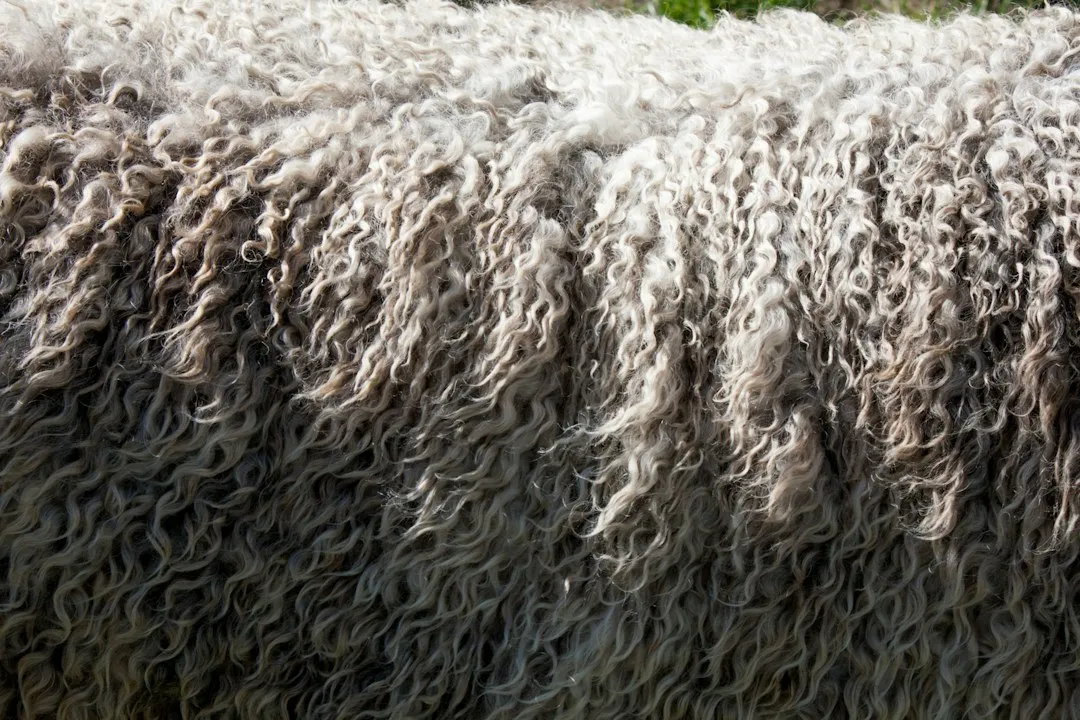
Natural fibres such as wool and fur need air to maintain their structure, and when all air is removed, the fibres compress and may lose their original shape. This is not just about appearance. The loft and springiness of wool are directly tied to the tiny air pockets trapped between its fibers.
Compression flattens wool fibres, reducing their loft and warmth, and long-term storage may also make the fibres brittle. Wool items are best stored loosely in breathable containers. If you vacuum seal a wool coat and leave it compressed for six months, the natural fibers might flatten and lose their structure, and it may not look or feel the same when you take it out.
Leather: A Special Case of Irreversible Harm
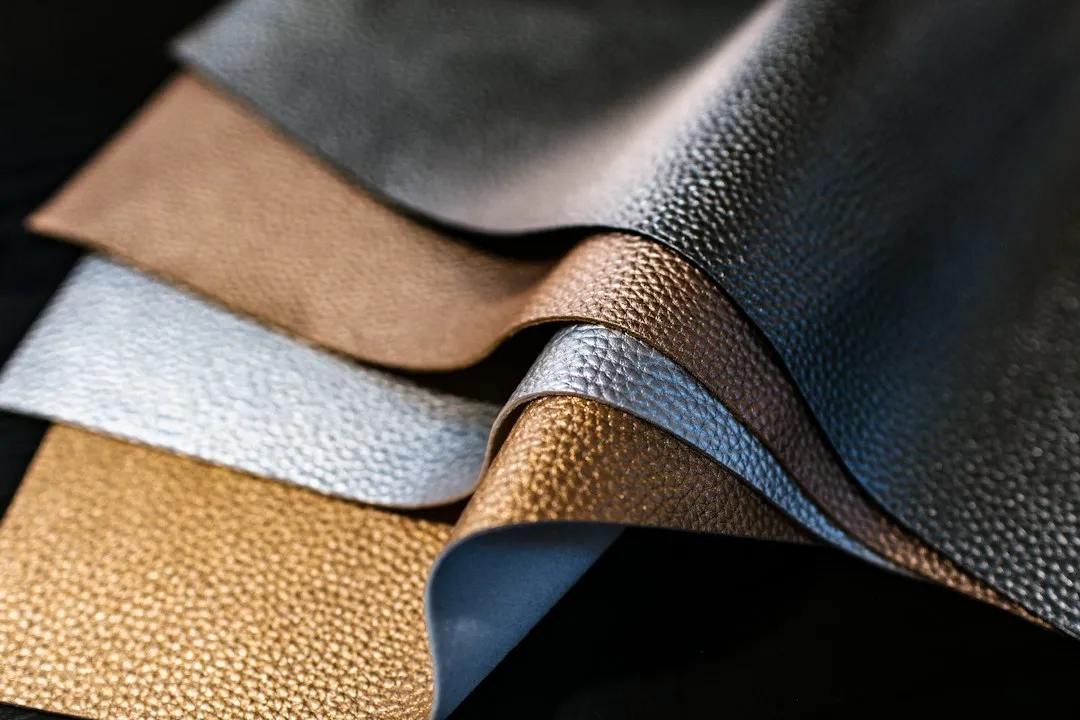
Leather should never be stored in vacuum garment bags, as compression can cause permanent creases and distort the leather’s surface, affecting both appearance and durability. This surprises a lot of people, given how tough leather feels in everyday use.
Leather clothing can crack and split from the high pressure caused when tightly vacuum sealing clothes, causing permanent damage. Once leather cracks under sustained compression, there is no easy repair. The structure of the material itself has been compromised.
Down Jackets and the Loss of Loft
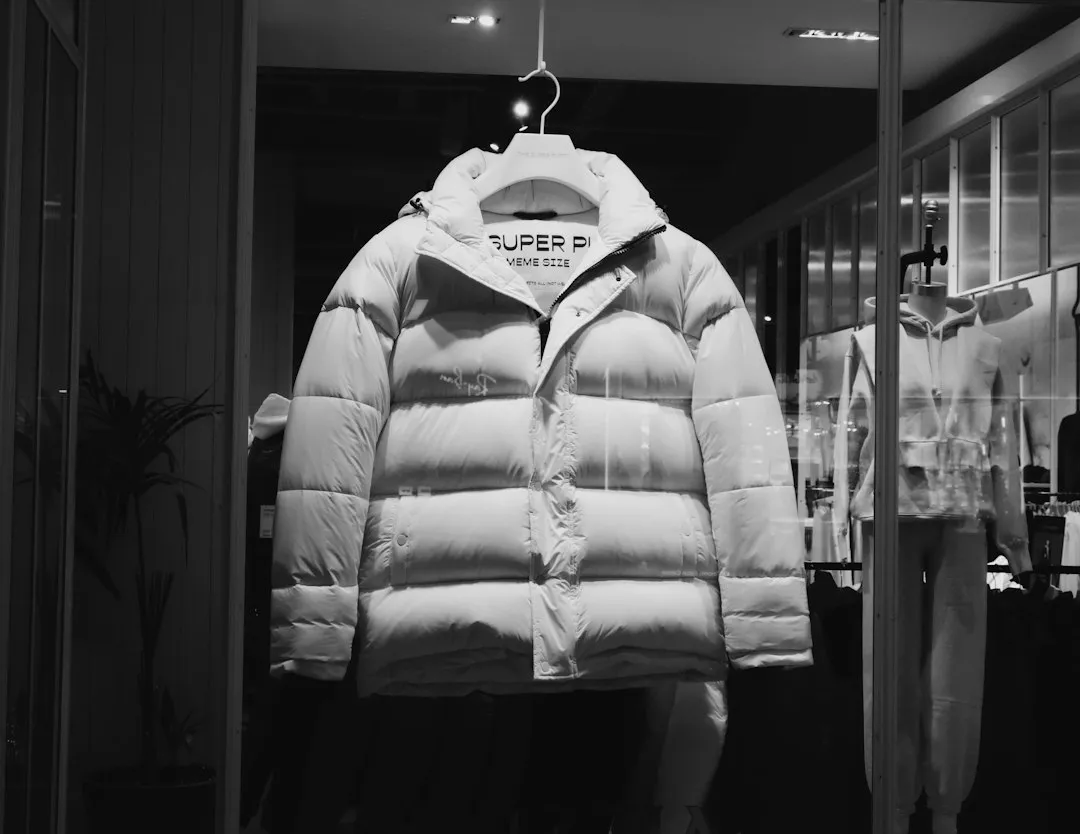
Vacuum seal bags aren’t a good fit for big puffy items like ski jackets or sleeping bags, because the air caught between the fibers during the manufacturing process is necessary for the item to stay fluffy, and it may surprise you how long it takes for the airy puffiness to return, if it returns to its original state at all.
A study published in the Journal of Textile Science and Engineering found that down subjected to continuous vacuum compression for over four weeks at room temperature lost an average of twelve to eighteen percent of measurable loft recovery after seventy-two hours of rest, with losses that accelerated with each subsequent compression cycle. While short-term packing is okay, extreme long-term vacuum pressure can permanently crush down clusters.
The Six-Month Rule Most People Ignore
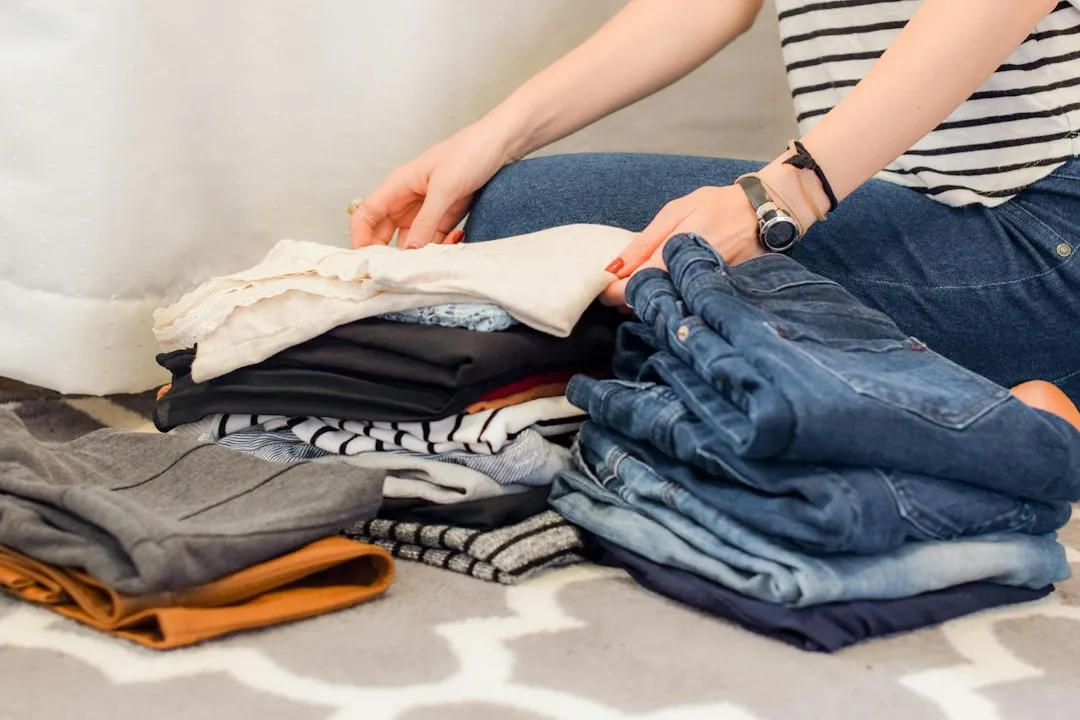
You should not leave your clothes vacuum packed for longer than six months, as doing so increases the chance of damaging your clothes by creating creases and wrinkles, and can also cause mould build up and discolouration. It is recommended that you take clothing out of vacuum sealed bags about every six months to keep your clothes in the best shape.
Leaving garments in vacuum sealed bags for six months or longer can also lead to deep creasing and weakened fabric structure. Textile experts often note that heavily compressed clothing may take as long to recover as it spent sealed. That is a significant and underappreciated cost of long-term compression storage.
Moisture, Mold, and the Hidden Risk Inside the Bag
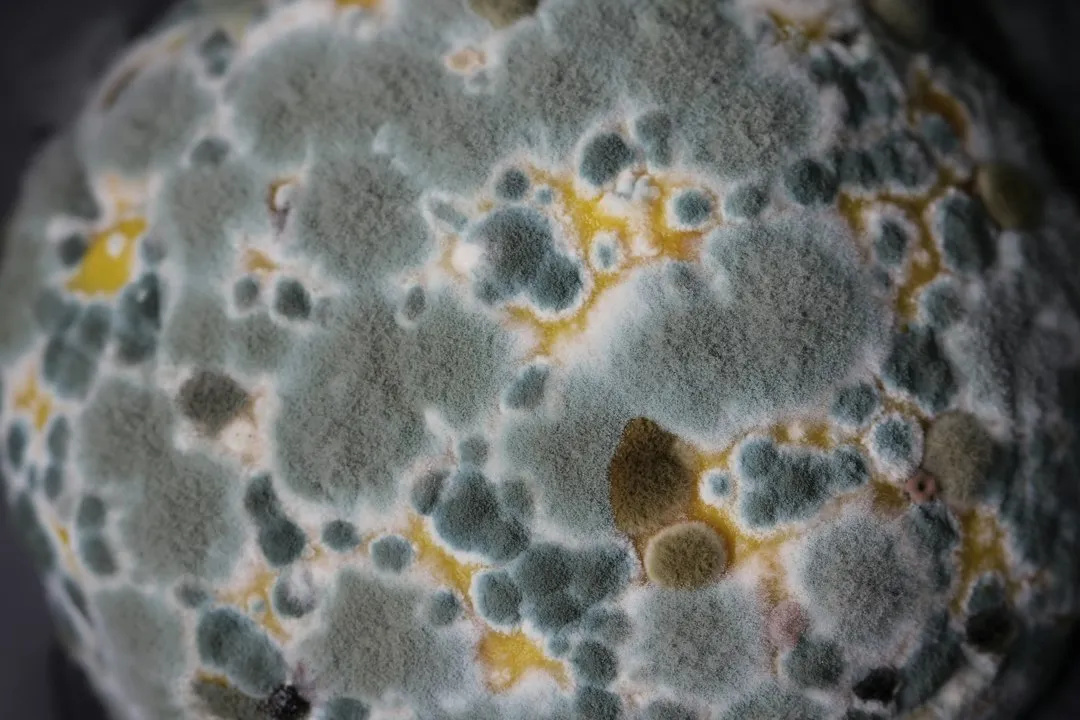
Vacuum seal storage bags can create a humid environment inside the bag, which can lead to mildew or mold growth, especially if the clothes are not completely dry before being sealed. Mold and mildew can be difficult to remove from clothes and can cause permanent damage if left unchecked.
Items made of wool can also hold moisture and so can damage other items packed with them, creating an environment for mould growth. Vacuum packed bags need to be stored away from any direct sunlight, humidity, or temperature fluctuations, as moisture can become trapped and build up within the bag, leading to mould growth.
Color Fading and Dye Transfer
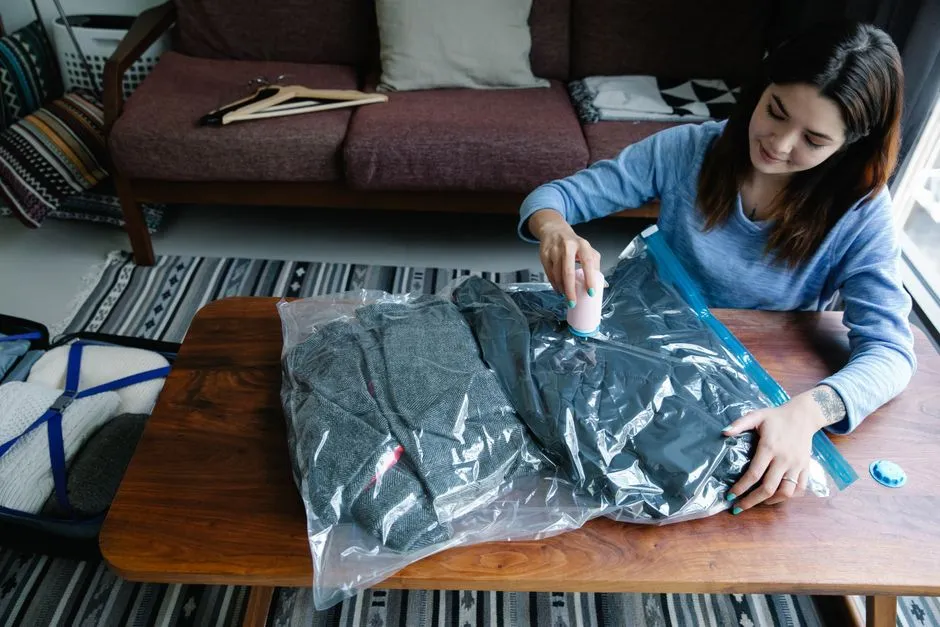
Prolonged storage in vacuum seal bags can cause colors to fade or transfer from one item to another. This is a less commonly discussed risk, but a real one. When multiple garments are compressed tightly together for months, the boundaries between them become very intimate in ways that can have visible consequences.
Vacuum packing your clothes and leaving them in an area exposed to light may lead to discolouration and fading of colours, causing permanent damage. Tightly packing different clothes together that all have different colours and fabrics can lead to colours transferring between items. Keeping garments sorted by color and stored away from any light source helps reduce, though not eliminate, this particular risk.
Fabrics That Generally Tolerate Vacuum Storage
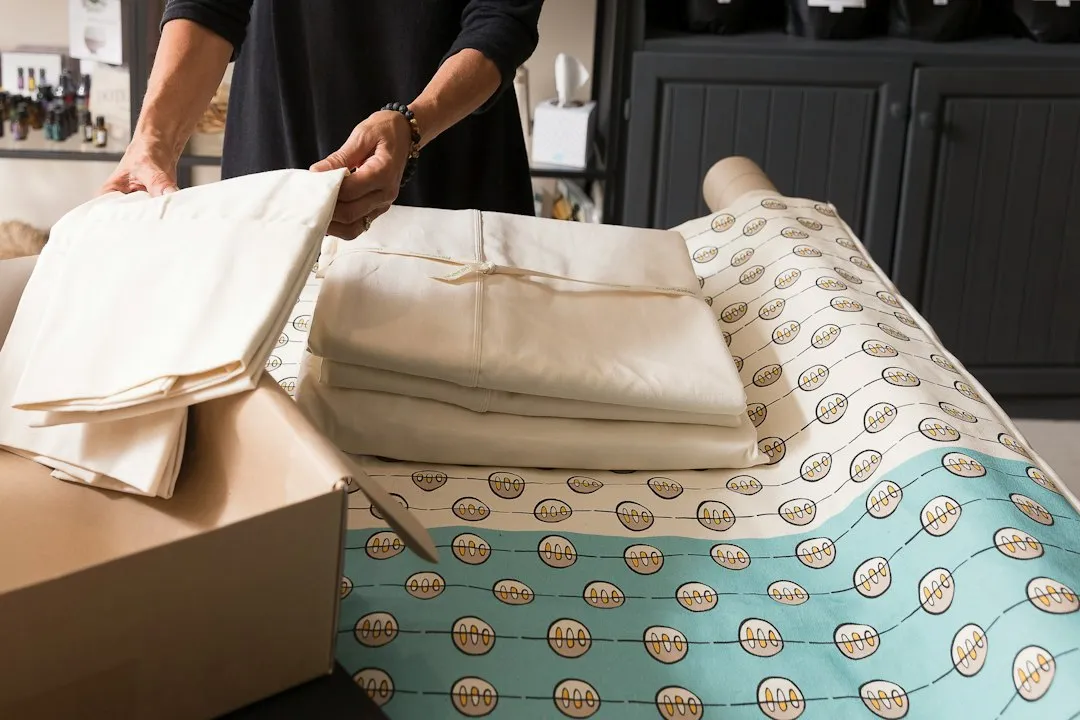
Cotton items like T-shirts, jeans, and casual wear store well in vacuum bags without significant damage, while synthetic fabrics like polyester are resistant to creasing, making them ideal for compression. Denim maintains its shape even under heavy compression, making it a great candidate for vacuum storage.
Garments made from cotton, polyester, spandex, or synthetic blends generally tolerate vacuum storage well, especially for short periods, and vacuum storage works well for seasonal wardrobe rotation, travel, temporary storage, and organising spare bedding. The common thread across these safer options is that their fibers do not rely on trapped air to maintain their function or feel.
Vintage, Heirloom, and Special-Finish Garments
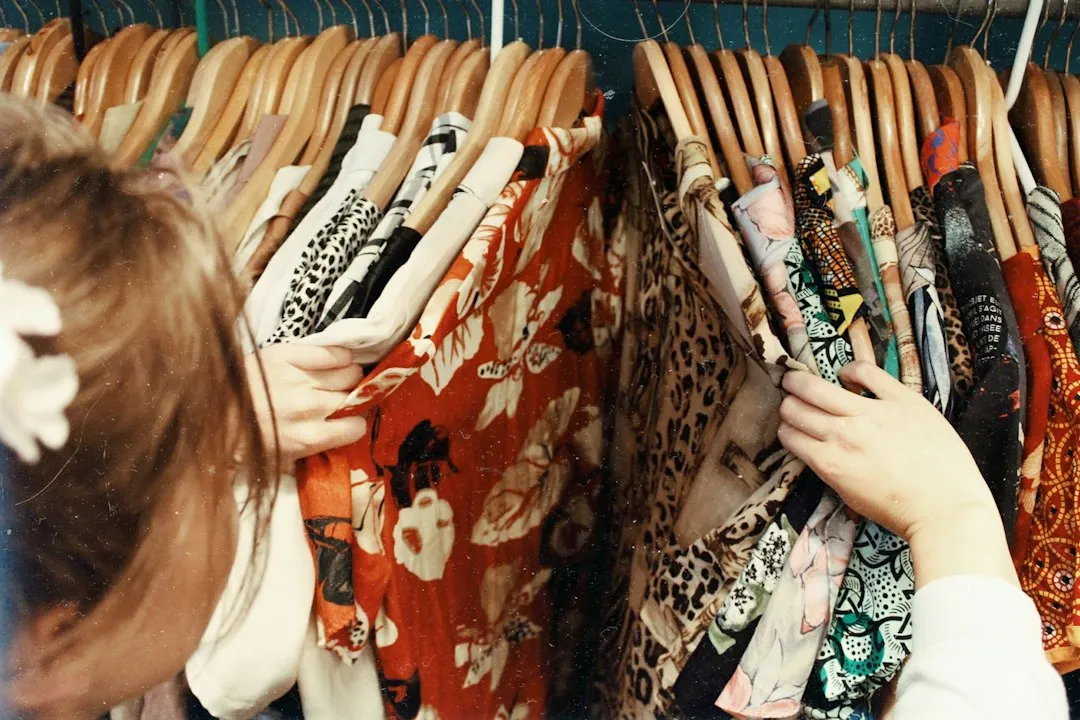
If you have valuable vintage or heirloom clothing, it may be best to avoid vacuum seal storage to minimize the risk of damage. Vacuum seal bags may not be suitable for all types of fabrics, and some fabrics, such as those with special finishes or treatments, may be sensitive to the compression and storage conditions.
Over time, the vacuum seal itself can weaken, allowing air to enter the bag, which can compromise the protection provided by the bag and increase the risk of fabric damage. For anything genuinely irreplaceable, a breathable garment bag stored in stable, dark, climate-controlled conditions is still the most reliable long-term approach.
Final Thoughts
Vacuum storage bags are a legitimate tool, just not an unconditional one. The space savings are real, and for the right fabrics and the right timeframes, the risks are minimal. The trouble starts when people assume that because the bags work on one type of garment, they work on everything.
Silk, cashmere, wool, leather, and anything filled with down deserve a different approach. Certain types of clothes and fibers are more likely to be damaged when vacuum sealed, and most clothes will be negatively affected if they’re vacuum sealed for several months or more. Knowing those limits before you reach for the vacuum hose is what separates smart storage from an expensive mistake.
AI Disclaimer: This article was created with the assistance of AI tools and reviewed by a human editor.