
Vernalization: The Official Name for “Needing a Winter”
Unlike many garden plants that prefer a steady, warm climate, tulips require a period called vernalization, a scientific term for a cold treatment that triggers the bulb to stop its dormant phase and start the process of flowering. The word sounds clinical, but the concept is elegantly simple: the plant needs proof that winter happened before it dares to open.
Tulips are native to regions with cold winters, and they have evolved to require a long rest at cold temperatures. This is not just a period of inactivity; it is a physiological necessity. Without it, the internal signals that drive spring growth never fire correctly.
What Temperature Range Actually Triggers the Process
Most tulip varieties need between 12 and 16 weeks of consistent cold temperatures to bloom properly. During this time, the temperatures should ideally stay between 35°F and 45°F. Warmer than that, and the cold signal registers weakly. Colder than freezing for extended periods, and the bulb can be damaged.
For the best results, tulip bulbs prefer soil temperatures between 35°F and 45°F during their dormant phase. It’s a narrow window, but one that most temperate climates deliver reliably from autumn through early spring. The precision of that range is part of what makes tulips such faithful seasonal performers in the right climate.
The Flower Is Already There, Waiting

One of the more surprising facts about tulip biology is that the flower doesn’t form during the cold. It forms before it. In the bulb, the flower has already initiated before the cold, but its growth is arrested; the low temperature is important for stalk elongation.
The tulip follows an obligatory warm-cool-warm cycle. The flower is initiated at relatively high temperatures, around 17 to 20 degrees Celsius or higher. Following flower initiation, a cold period of 2 to 9 degrees Celsius is required. At this low temperature, physiological changes occur that prepare the shoot for adequate floral stalk elongation and flower development at subsequently higher temperatures.
Starch Becomes Sugar: The Chemistry Inside the Bulb
While it may look like nothing is happening on the surface, the bulb is busy converting its stored starches into sugars. These sugars provide the high-energy fuel needed to push a heavy flower stem through the soil in the spring. Think of it as the bulb quietly loading its spring launch.
The starches stored in the fleshy scales begin to convert into sugars. These sugars act as an internal antifreeze, protecting the bulb from freezing solid, and they provide the high-octane fuel needed for the rapid growth that happens in spring. The cold period isn’t just a trigger. It’s also the production phase for the energy reserves that make a tall, strong bloom possible.
Gibberellins: The Hormones That Make the Stem Rise

Once temperatures rise in spring, a group of plant hormones called gibberellins takes center stage. Research published in the journal Physiologia Plantarum found that only precooled bulbs showed rapid sprout growth and developed a full-grown flower. Bulbs stored at warm temperatures simply couldn’t replicate the result, even with the same planting conditions afterward.
In the second week after planting, floral stalks of precooled bulbs contained two to three times more GA4 and its metabolite GA34 per floral stalk than those of non-cooled bulbs. That hormone surge is what drives rapid elongation of the stem. Longer cold treatment causes faster growth in height, increased length of mature stems due mainly to greater cell elongation, a shorter period to flowering, and more uniform flowering. It is suggested that stem elongation is related to the amount of gibberellin present, which is known to increase with the duration of cold treatment.
What Happens Without Enough Cold
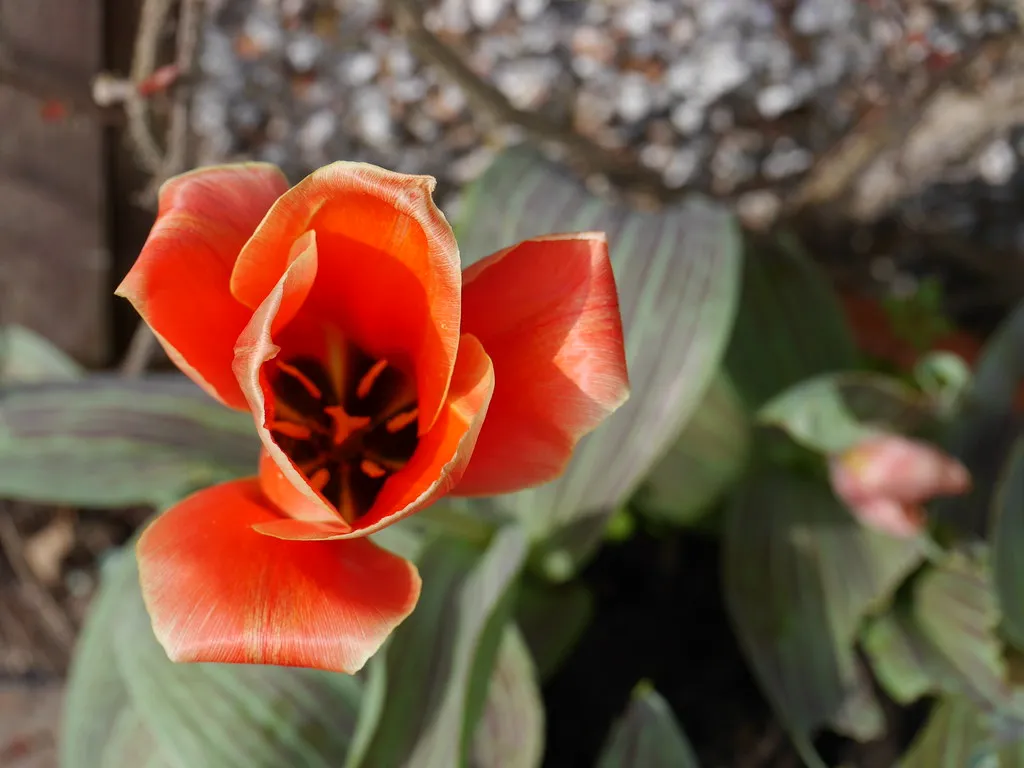
Without a significant period of cold, usually 12 to 16 weeks of temperatures below 55°F, a tulip bulb may produce leaves but will often fail to produce a flower. Gardeners call the result a “blind” bulb: a plant that leafs out normally but never opens a bloom. It’s frustrating to watch and easy to misdiagnose as a disease or poor-quality bulb.
Without this cold period, the bulb will not know that winter has passed, and it may fail to sprout or produce a stunted, blind bud that never opens. In some cases, tulips may bloom without chilling, but the flowers may be stunted. Either outcome is a signal that the vernalization threshold wasn’t met.
How Cultivar Differences Change the Cold Requirement
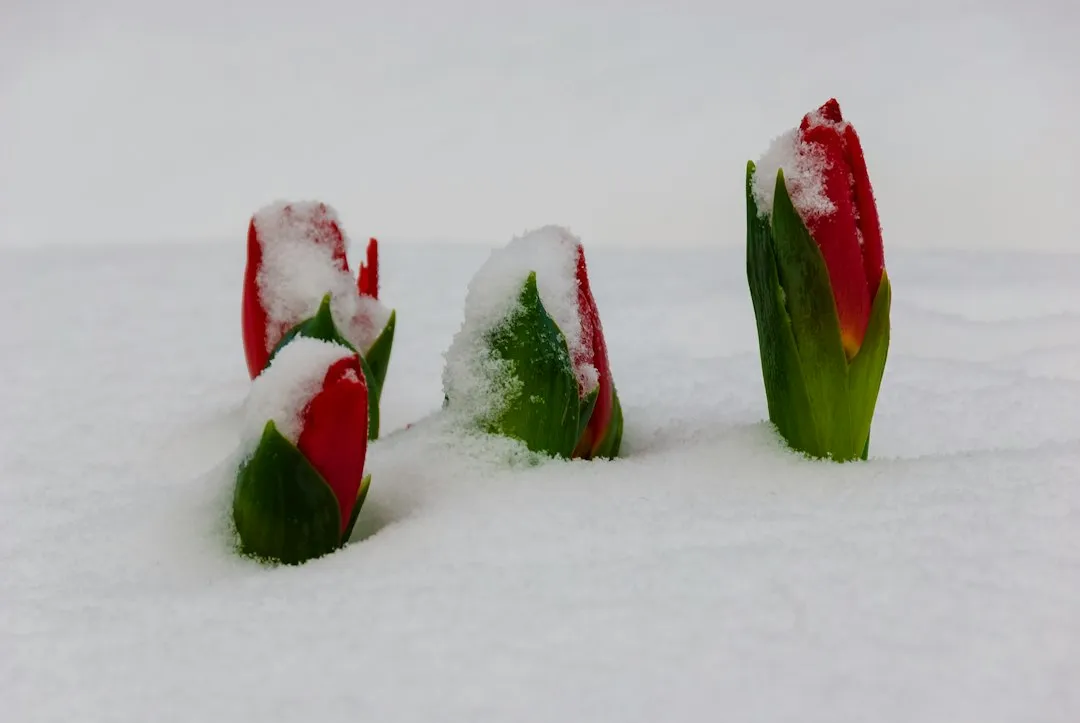
The tulip assortment includes thousands of varieties and hybrids, classified as early-, mid-early-, and late-flowering types, and several hundreds of these are used for forcing. Each group has slightly different cold tolerances and chilling requirements, which is why a commercial forcing schedule doesn’t look the same for every variety.
The duration of cold treatment is quite critical to achieve adequate floral stalk extension, synchronous and rapid flower development, and high flower quality after planting. The number of days from planting to flowering and the final floral stalk length is a function of the number of weeks of low temperature that the bulbs have received. Both temperature dependence and duration of the required storage period are cultivar specific. Early-season varieties often need slightly less chilling than their late-season counterparts.
Growing Tulips in Warm Climates: The Refrigerator Method

For gardeners in mild regions where the ground never stays cold long enough, there’s a straightforward workaround. You can provide a fake winter through a process called pre-chilling. In USDA zones 8 through 11, you should store your tulip bulbs in a refrigerator, away from ripening fruit, for 12 to 16 weeks before planting them.
The detail about fruit matters more than it sounds. Be sure to keep them away from ripening fruits like apples, which release gases that can damage the developing flower inside the bulb. Ethylene gas, produced as fruit ripens, can abort the flower bud before it ever gets into the ground. A spare refrigerator or a dedicated vegetable drawer away from produce is the safest option.
The Role of Planting Depth and Soil Temperature
Wait until the soil temperature at a depth of six inches is consistently 60°F or cooler. This cooling typically happens after the first few nights of light frost in your area. Planting in cool soil prevents the bulbs from rotting and discourages pests that are more active in warm weather.
Tulip bulbs in the ground are safe down to Zone 3 at negative 40°F as long as they are planted at the proper depth of 6 to 8 inches. Depth provides insulation. A bulb planted too shallowly is exposed to wider temperature swings and more freeze-thaw cycling at the surface, which can interrupt or damage the vernalization process.
After the Cold Ends: The Spring Awakening

A period of prolonged cold is required for fast stem elongation as well as for internal preparation of the flower to bloom in spring. After this cold winter period, the stem elongates, the leaves stretch and unfold, and blooming occurs around April or May, depending on the cultivar. The timing is remarkably consistent once the chilling threshold is crossed.
As the days grow longer and the sun begins to warm the upper layers of the soil, the tulip enters its most exciting phase. Once the bulb has met its chilling requirement and the soil temperature rises above 40°F to 45°F, it begins to send up a green shoot. From that first green tip, you can generally expect tulip bulbs to bloom about 20 to 24 weeks after they are planted, provided they have received enough cold weather to reset their internal clock.
A Quiet Lesson from Tulip Biology
AI Disclaimer: This article was created with the assistance of AI tools and reviewed by a human editor.