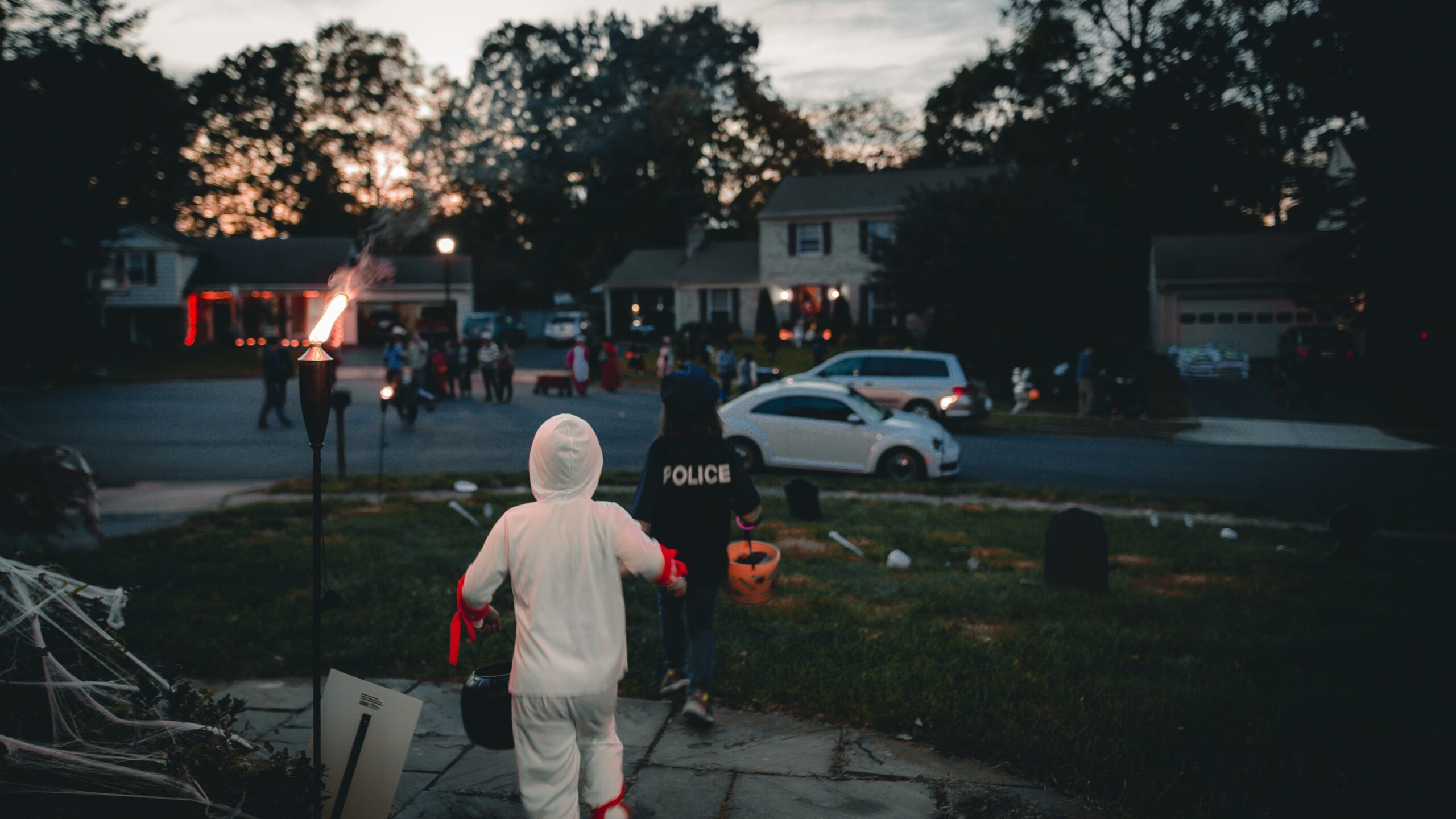

Trick-or-Treating Was Already a Young Tradition
Before World War II, the American Halloween tradition itself was still evolving. Trick-or-treating had only recently gained popularity starting in the 1920s and wasn’t widespread until the 1930s. The practice was not the deep-rooted institution many people assume it to be.
In the United States, the earliest recorded use of the phrase “trick-or-treat” dates to 1928. It took another decade for the custom to spread meaningfully across the country, meaning the war arrived just as the tradition was finding its footing.
Sugar Was the First Food the Government Rationed
Sugar was the first consumer commodity to be rationed, as one-third of American sugar imports came from the Japanese-occupied Philippines. That fact alone helps explain how quickly the crisis hit American households.
When Japan attacked Pearl Harbor in December 1941, the United States was quickly cut off from its Philippine and Hawaiian sugar supply in the Pacific. Likewise, sugar imports from Puerto Rico and the Dominican Republic were impacted by the threat of German U-boats in the Atlantic and Caribbean waters.
Other factors causing a shortage of sugar were a lack of agricultural workers who left to fight, poor weather in Puerto Rico, a fertilizer shortage, and a Lend-Lease Agreement signed by Franklin D. Roosevelt in 1941 that provided sugar, food, and other materials to Allies before the U.S. entered the war.
The “Sugar Book” and the Harsh Reality of Ration Limits
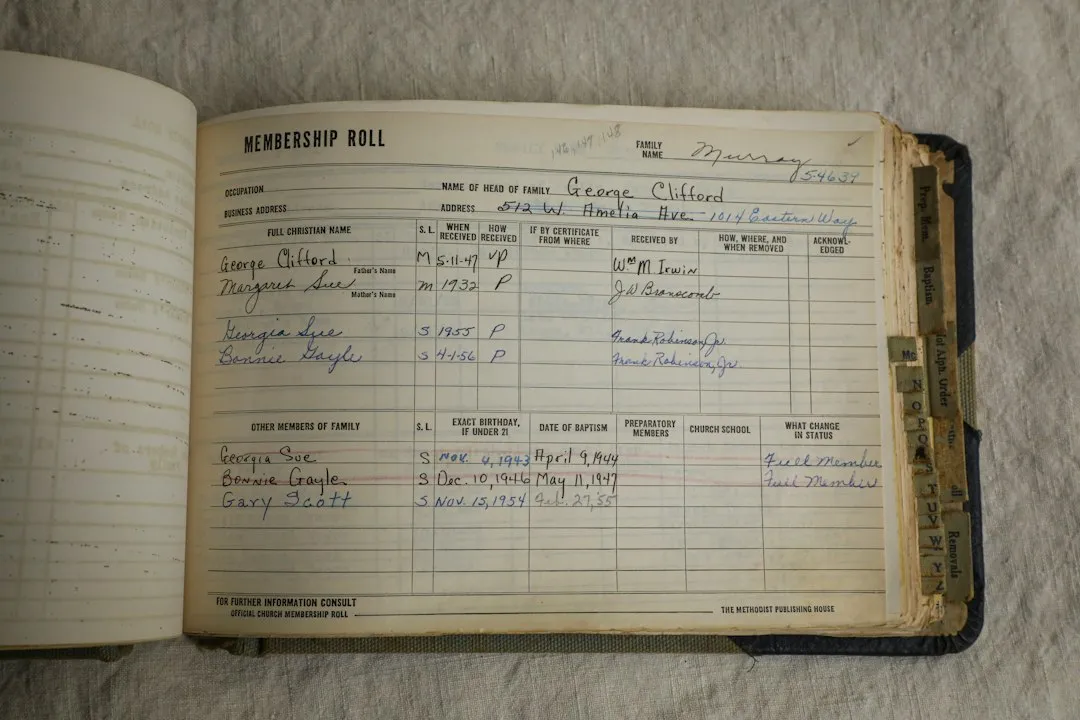
War Ration Book Number One, nicknamed the “Sugar Book,” was handed out on May 4, 1942. With deep cuts to sugar allowances, roughly half a pound a week or 50 percent less than pre-war consumption levels, it came as no surprise that children’s Halloween celebrations had to be adjusted.
Sugar was in such short supply that sales were halted until the federal government could set up a rationing system, making sugar the first food to be rationed. When the sugar rationing system was initiated in May 1942, households were limited to 26 pounds of sugar per person over a 56-week period, half of the sugar normally purchased.
By 1945, ration quantities fell to as low as 4.5 ounces weekly, far below today’s average sugar consumption of about 16 ounces per week. For a candy-dependent holiday, that collapse in supply was devastating.
Candy Was Sent to Soldiers, Not to Children
The consensus was that sugar was first allocated to the war effort and to soldiers, and then what was left could be made available to the general public. Halloween was not treated as a priority in that hierarchy.
Candies like M&Ms or mints were better suited to withstand harsh conditions such as temperature changes or travel, and were saved for soldiers. Tootsie Rolls were included in government rations because they were individually wrapped and resistant to melting.
It was marketed as a form of patriotism to send candy to the troops, while cooking with a sugar alternative or simply finding a way to do without was seen as a way to help your country in a time of war. Giving up your Halloween sweets, in other words, was framed as a civic duty.
Children Still Went Door to Door, Just With Different Expectations
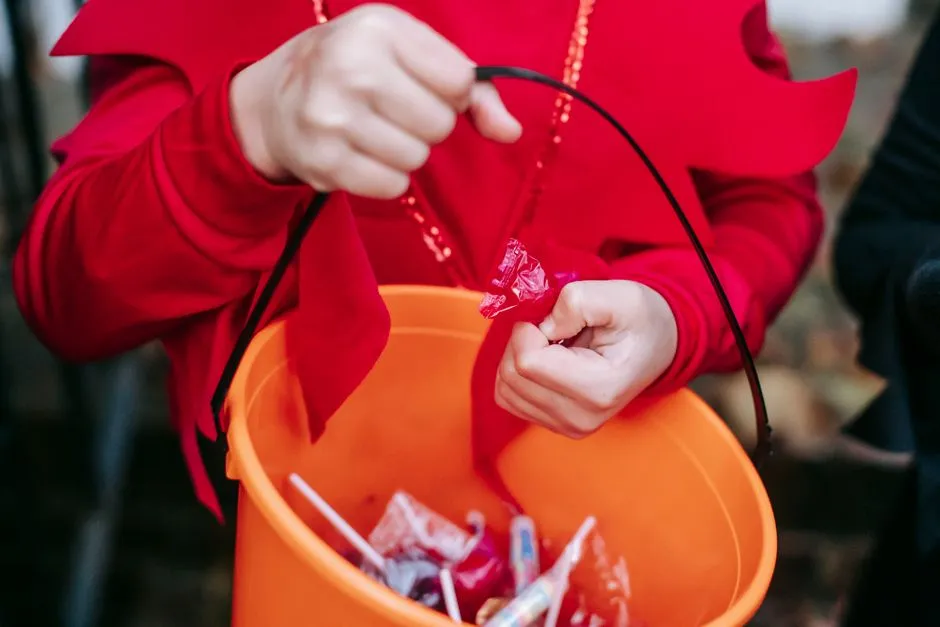
Kids still went door to door, but rather than receiving homemade sweets, they got more creative foods. Homeowners passed out peanuts, coins, or other treats made with sugar substitutes, such as popcorn balls cured with Karo syrup, as well as fruit and small toys to trick-or-treaters.
During sugar rationing, recipes for homemade Halloween treats had to be modified. Ingredients like maple syrup, corn syrup, molasses, and fruit replaced refined sugar. For example, a 1939 recipe for popcorn balls called for two cups of sugar, but by 1942, ration-conscious recipes used only one cup of molasses.
Newspapers printed “ration-friendly” recipes that included sugar substitutes like condensed milk or syrup. Home cooks adapted, though the spirit of Halloween sweetness was stretched very thin.
Wartime Anxiety Also Changed How Halloween Was Celebrated
There was also a broader, general paranoia about social breakdown brought on by the tensions of war. Halloween was perceived as a national security threat, and some called for it to be banned or at least tightly controlled.
The doom and gloom of Halloween 1942 ebbed in later years as Americans grew accustomed to the wartime home front atmosphere. The emphasis on prank-free celebrations and ration-friendly recipes continued.
Halloween did survive, but in a quieter, more subdued form. The wild mischief that had defined the holiday in earlier decades was discouraged. Communities wanted order during a time when uncertainty was already abundant.
Sugar Rationing Did Not End With the War Itself
Rationing did not end with the war. Sugar was rationed until 1947. That detail often surprises people. Victory in 1945 did not immediately restore the candy shelves.
Sugar rations were reduced to 20 pounds per person for 56 weeks in 1945, then to 15 pounds, resulting in limited sweet treats for Americans. The transition back to civilian normalcy was gradual, not instant.
When sugar rationing finally came to an end in June 1947, the commercialization of Halloween took off. As early as fall 1947, children’s magazines Jack and Jill and Children’s Activities both featured trick-or-treating in their October issues. The return was swift once the door opened.
The Suburbs Gave Trick-or-Treating Its Modern Shape
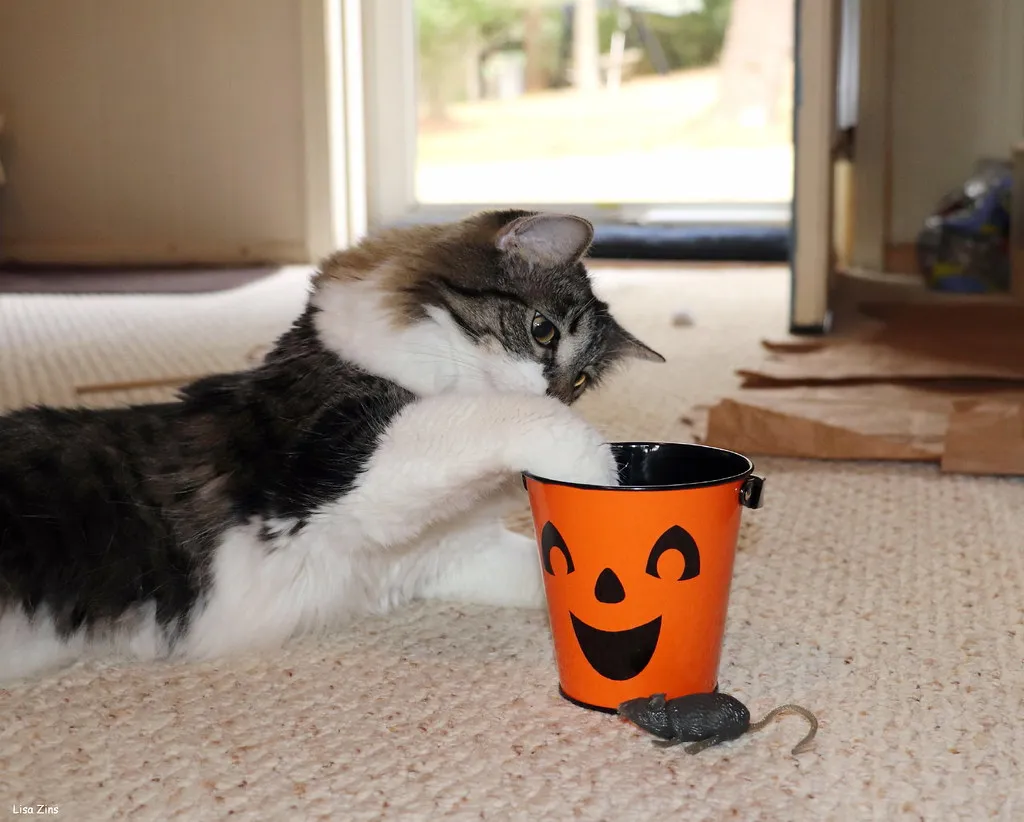
When rationing ended and the postwar economy boomed, Halloween came back with new momentum. The postwar suburban expansion created the perfect physical environment for trick-or-treating: safe, residential, full of nuclear families with children, with houses close enough together to make door-to-door candy collection efficient.
At the height of the postwar baby boom, dressing up in costumes, being mischievous, and having fun going trick-or-treating became standard practice for millions of children in America’s cities and newly built suburbs. By 1951, trick-or-treating was firmly established in American popular culture.
The Candy Industry Moved In Quickly
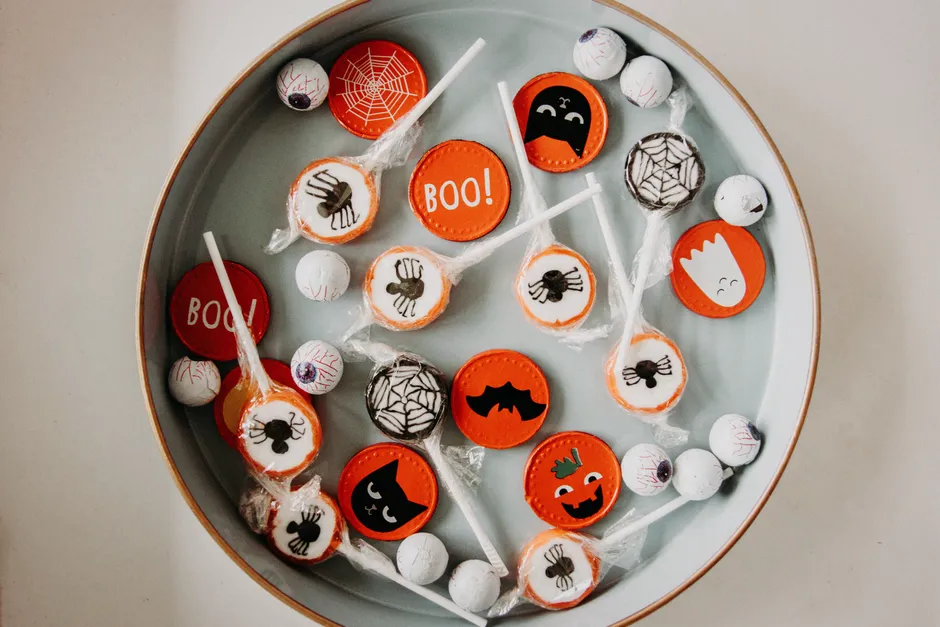
Through the 1950s, candy companies actively marketed their products as the appropriate Halloween treat, running advertisements that depicted trick-or-treaters receiving individually wrapped candy bars and establishing the expectation that this, specifically, was what Halloween required.
When sugar rationing finally came to an end in June 1947, the commercialization of Halloween took off. Candy companies like Curtiss and Brach wasted no time in launching their Halloween advertising campaigns.
Candy marketers had previously overlooked Halloween as an opportunity to sell candy. Instead, Easter and Christmas were the prime candy holidays. World War II, paradoxically, helped change that by forcing a reset that the industry used to rewrite the rules.
What the War Years Permanently Changed About Halloween
Before commercially produced candy became the standard Halloween treat in the 1950s, trick-or-treaters received a wide variety of items: homemade baked goods, fruit, nuts, coins, and small toys were all common. The wartime years normalized that variety, but industry ultimately replaced it with uniformity.
After the war, the suburbs grew, the sugar came back, and trick-or-treating exploded. Through the 1950s, people started buying treats instead of making them, and candy was the easiest thing to buy. By the 1960s, candy companies were advertising hard for Halloween and shrinking their bars into the bite sizes we know now, sold in big bags made for handing out.
Trick-or-treating as Americans practice it today is largely a mid-20th century invention, shaped by WWII sugar rationing, postwar suburban expansion, and a candy industry that actively lobbied its way into Halloween. The war did not kill the tradition. In a strange way, it cleared the ground for something far larger to grow in its place.
The Takeaway
The story of trick-or-treating during World War II is really a story about how fragile new traditions can be, and how resilient communities are when tested. American families improvised with popcorn balls and peanuts, sacrificed their sugar to keep soldiers fueled, and kept a version of Halloween alive even when the conditions were deeply unfavorable.
What emerged on the other side was not the same tradition that went in. Halloween candy solicitation paused during World War II because of sugar rationing, but it came back stronger. The mid-20th century’s growing and thriving suburbs presented ideal routes for trick-or-treating kids, and more individually wrapped candy made the whole process easier for homeowners.
The costumes and carved pumpkins stayed the same. The candy, the scale, and the commerce behind it all were almost entirely new. That wartime interruption, brief as it was, turned out to be one of the most defining chapters in the holiday’s history.
AI Disclaimer: This article was created with the assistance of AI tools and reviewed by a human editor.