
The Discovery That Changed What We Thought We Knew

For a long time, the scientific consensus held that when deciduous trees shed their leaves, the whole organism entered a kind of collective pause. Until recently, it was widely believed that roots, along with the rest of the tree, stopped their activity and went to sleep during winter. That belief was overturned by a landmark study published in Nature Ecology and Evolution.
Wood growth in deciduous tree stems halts during winter, and it had long been assumed that wood growth in coarse roots followed the same pattern. This study on four European tree species challenged the assumption of a winter halt in belowground wood growth of temperate deciduous trees.
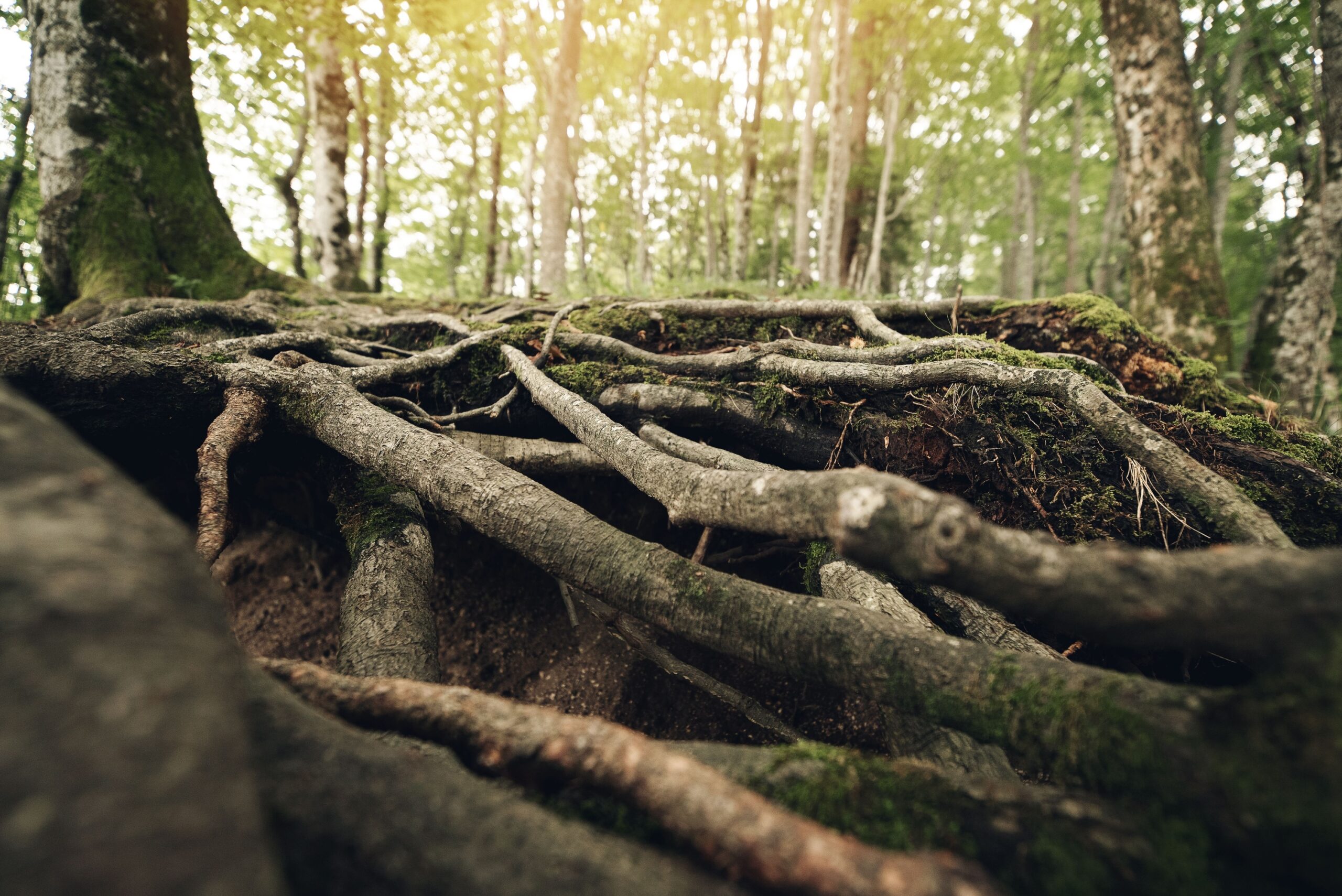
Coarse root wood growth continued throughout the winter whereas stem wood growth halted in autumn, regardless of the tree species, experimental setting, or location. The continuous differentiation of xylem root cells in autumn and winter suggests that the non-growing season does not exist, strictly speaking, for all woody organs of angiosperm deciduous trees in the temperate zone.
Roots and Branches Simply Follow Different Clocks
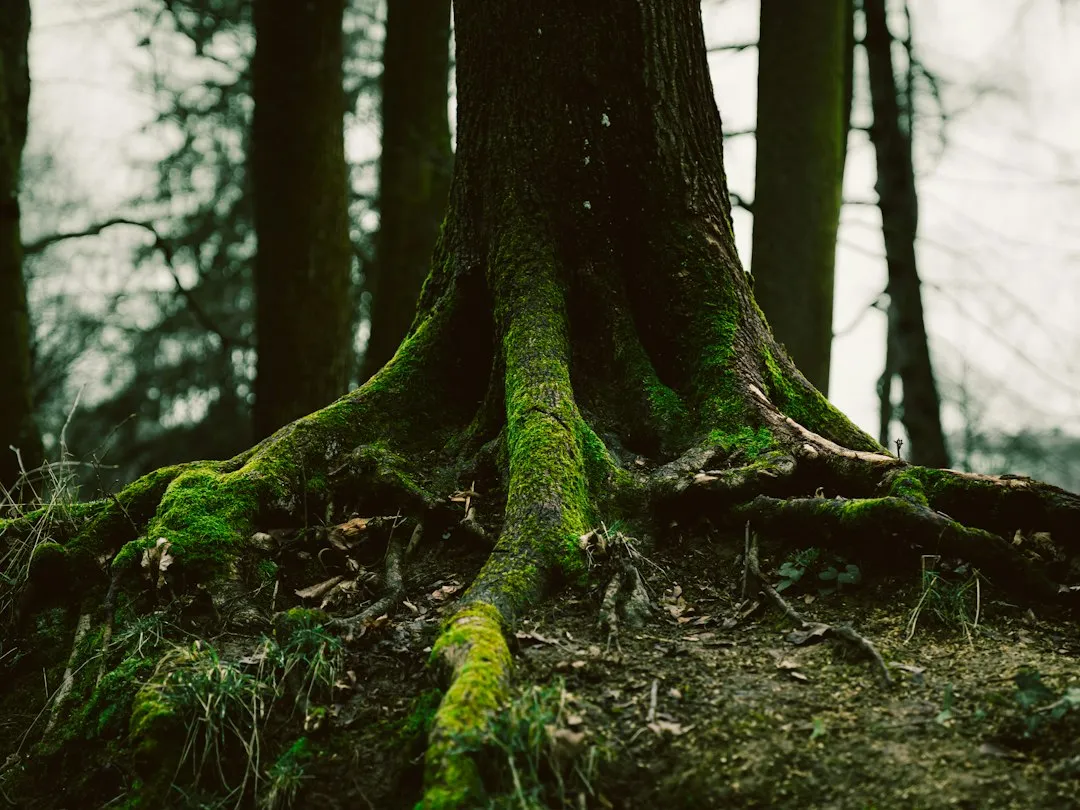
This biological decoupling means that while the trunk and woody branches of a tree cease growth in autumn, the roots below ground can continue to expand slowly throughout the winter months. It is a separation that most people would not expect from a single organism.
Unlike aboveground phenology, root growth of temperate forest trees can be initiated at any time with warming during winter due to a lack of dormancy. Branches need a complex sequence of chemical signals and accumulated warmth before they stir. Roots, by contrast, respond almost immediately to the right soil conditions.
In contrast to leaf buds, researchers observed no dormancy in roots. Roots started to grow right after soils warmed, and thus clearly demonstrate the ability to grow under favorable conditions during what is commonly called the off-season, which buds and shoots do not.
Soil Temperature Is the Key, Not Air Temperature
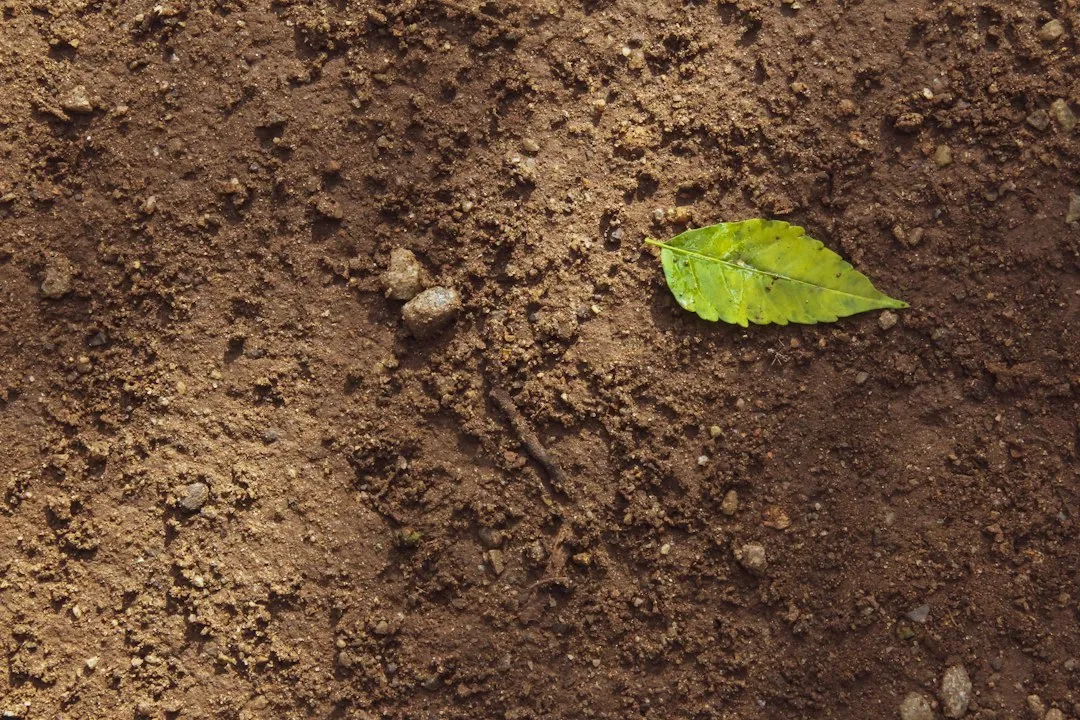
The primary factor governing whether roots remain active is the temperature of the soil surrounding them, not the freezing air temperature above. Soil acts as a natural insulator, which means the root zone often stays significantly warmer and more stable than the atmosphere. A tree can look completely dormant on a bitter January morning while its roots are still quietly at work.
Roots remain mostly inactive but can and do function and grow during winter months whenever soil temperatures are favorable, even if the air aboveground is brutally cold. While roots tend to freeze and die at soil temperatures below 20°F, minimum temperatures for root growth are thought to be between 32 and 41°F.
The critical temperature for significant root growth is approximately 6°C, which is close to the worldwide mean soil temperature at climatic treelines. Soil temperature below 6°C strongly depresses root growth, irrespective of species or elevation preferences. So even in a cold winter, mild stretches can still trigger quiet root activity beneath the surface.
What the Roots Are Actually Doing Underground
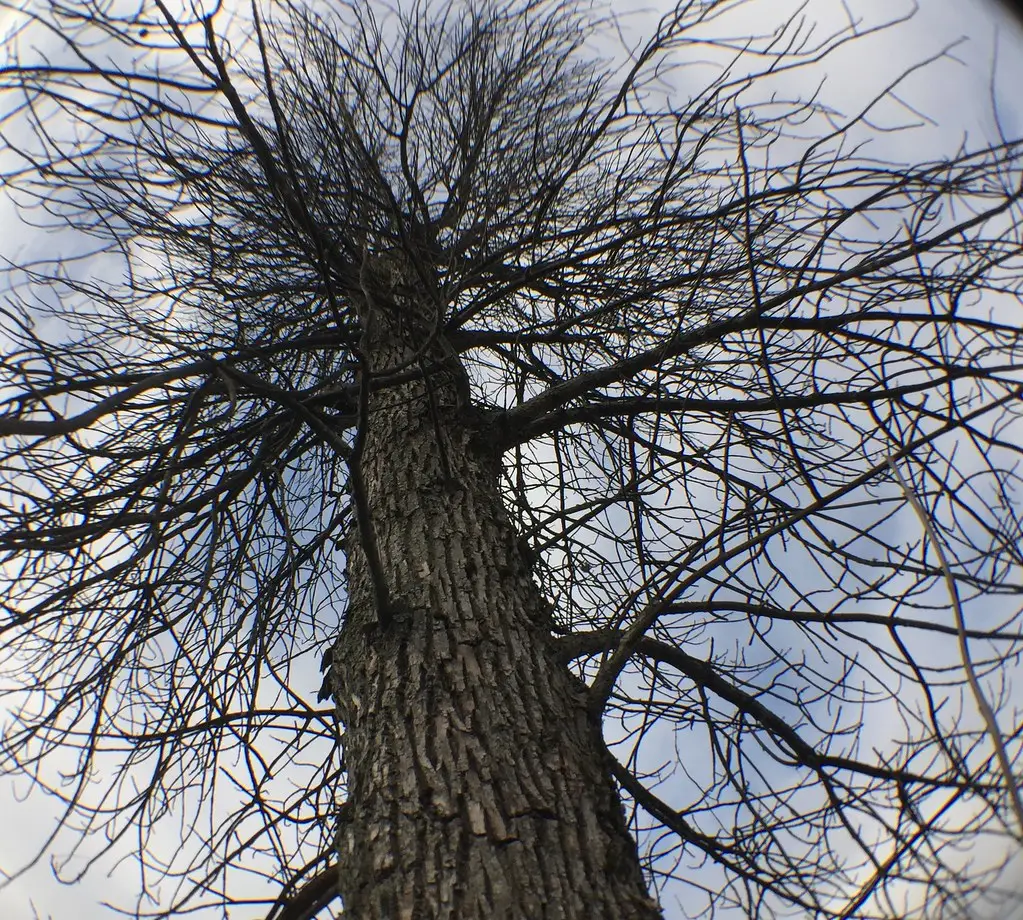
In winter, while the rest of the tree is dormant, roots store reserves of carbohydrates and nitrogen-rich substances, such as proteins and amino acids. This is not passive waiting. It is active preparation for the demands of spring.
Fine roots of trees have distinct functional roles in tree nutrition and, because their primary function is to acquire and store nutrients, they are prone to changes in soil nutrient cycling. The root system is essentially managing the tree’s pantry during the coldest months of the year.
The slow growth that occurs in winter is fundamentally different from the fast, cell-elongation-driven growth of summer. It is more measured, more conservative, and arguably more strategic. The tree is not simply treading water; it is building the foundation for what comes next.
Which Species Were Studied and Where
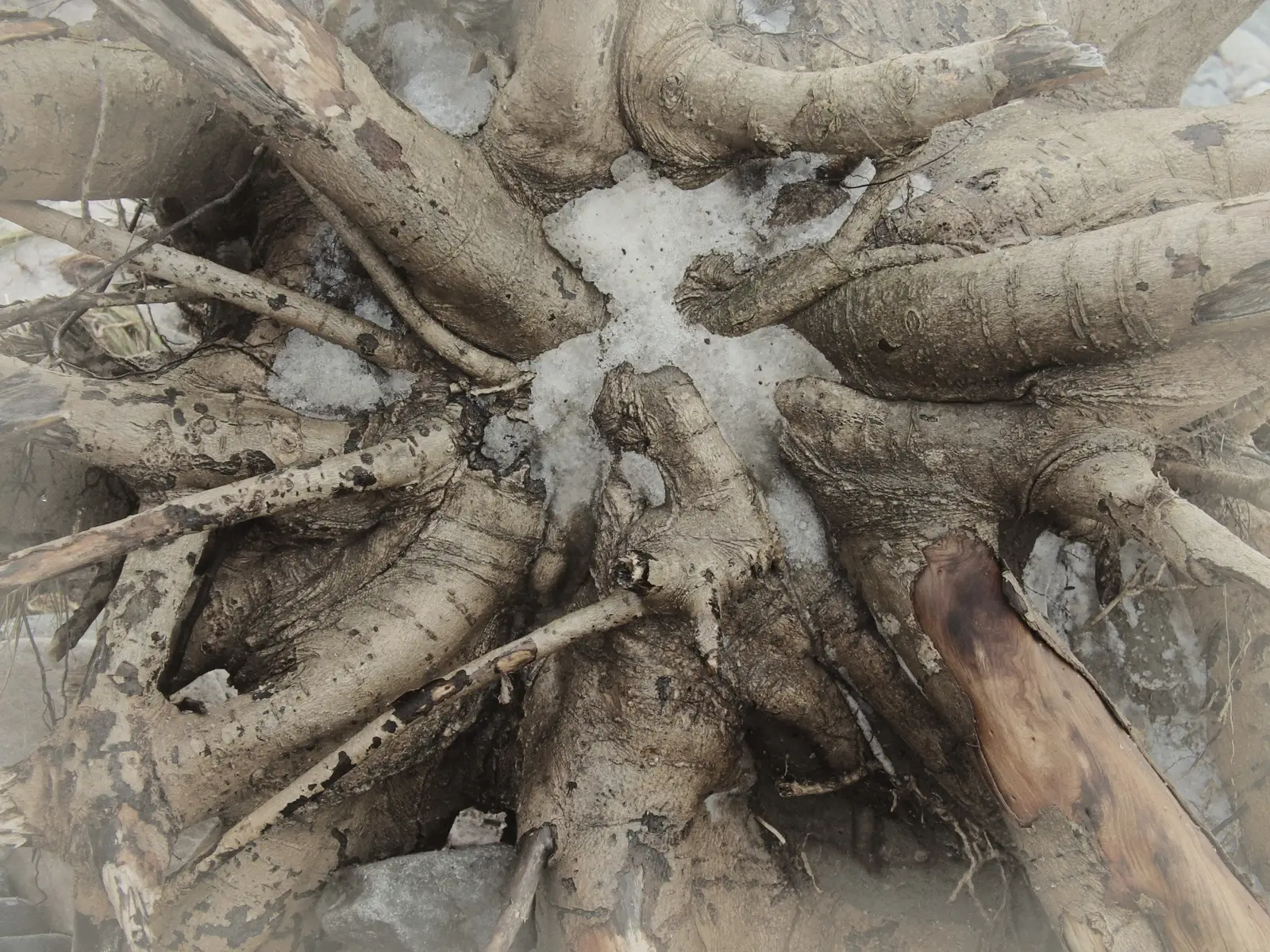
This surprising research was conducted with four tree species, European beech, silver birch, pedunculate oak, and common aspen, in various temperate forests in Spain, Belgium, and Norway. The geographic spread matters because it rules out the idea that continued winter root growth is a local or climate-specific quirk.
Finding the same pattern of high shoot dormancy late in autumn, which is lifted over winter, versus no root dormancy throughout the winter in two contrasting species, supports the generality of these findings across tree species. In other words, this behavior appears to be a shared trait rather than an exception.
A separate 2025 study from the US Forest Service added another species to the list. Results suggest that willow oak roots may continue a high rate of growth throughout winter, unlike most temperate species studied. The picture is becoming broader and more consistent with each new investigation.
Coarse Roots as Carbon Reservoirs
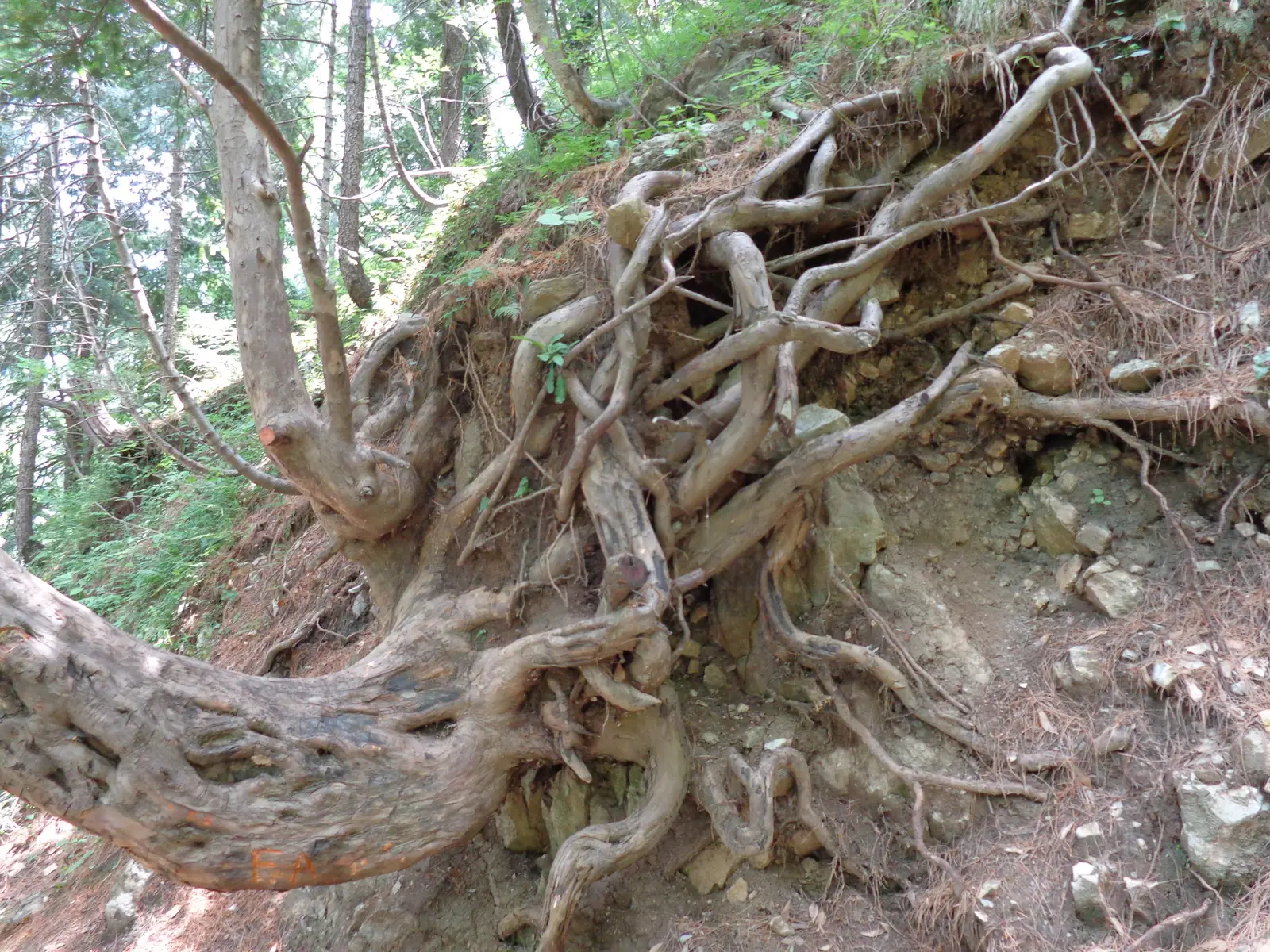
Researchers collected a thousand samples of coarse roots, meaning roots with a diameter of over 2 mm, which are woody organs and therefore undergo wood formation. Coarse roots actually contribute significantly to trees acting as carbon reservoirs, accounting for up to 20 to 30% of a tree’s total biomass due to their high density.
In measured temperate trees, contributions to total nonstructural carbohydrate storage differed between organs: branches held roughly two fifths, stemwood about a quarter, and roots around three tenths of the total. The root system, in short, is one of the tree’s most important energy vaults.
These findings hold implications for understanding tree functioning, in particular the seasonal wood formation, the environmental controls of tree growth, and the carbon reserve dynamics. Ecologists are now revisiting models of how forests store and cycle carbon, because the old assumptions were built on incomplete data about what roots do in winter.
How Winter Root Growth Sets Up Spring

Soil warming during winter and spring speeds up aboveground phenology over a range of different experimental settings and in two contrasting tree species. The connection between what happens below the soil in winter and what happens above it in spring is more direct than previously appreciated.
Root dormancy was virtually absent in comparison with the much deeper winter bud dormancy. Roots were able to start growing immediately as soils were warmed during the winter. This head start at the root level appears to accelerate the moment a tree can push out its first leaves.
Research published in New Phytologist showed that warming roots alone advanced leaf-out, with root warming making up a substantial portion of the total temporal shift of spring phenology. Roots, it seems, send signals upward that help break the stillness in the canopy. They are not just passive recipients of spring; they are part of what triggers it.
Moisture, Soil Type, and Other Factors at Play
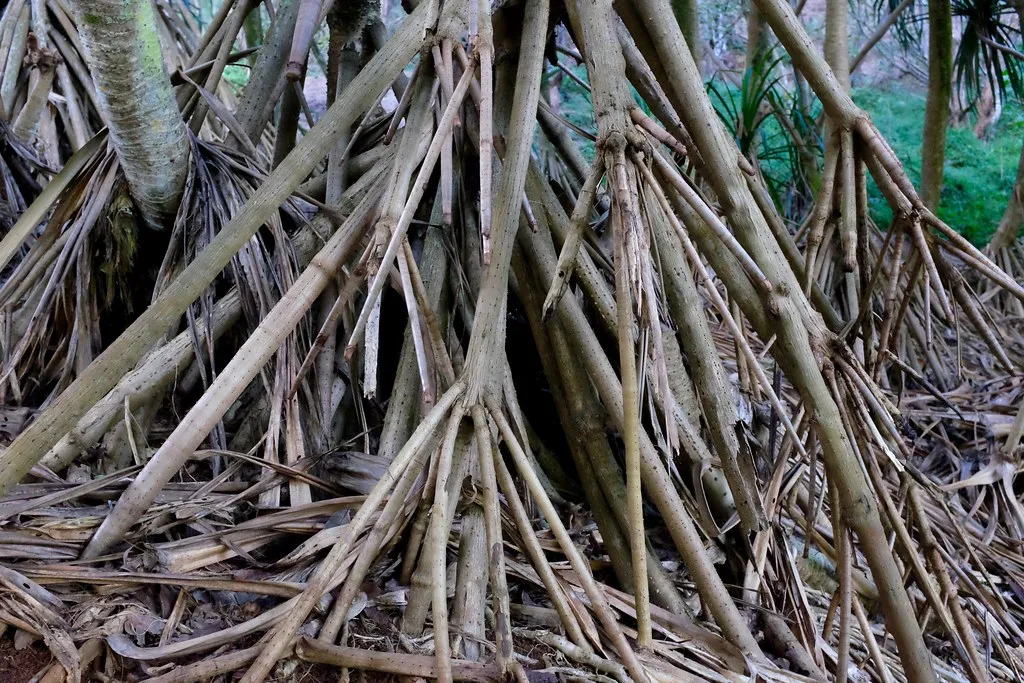
Soil temperature is a critical factor, as roots generally stop growing when soil temperatures drop below 40°F. Moisture levels also play a significant role, since dry soil can inhibit root growth. Some tree species, such as oaks and maples, are more likely to continue root growth in winter compared to others.
Trees have evolved various methods to insulate their roots against the cold, such as growing deeper roots where temperatures are more stable. Mulching is another effective technique to maintain soil temperature and protect roots from extreme cold, ensuring they remain active and healthy. Gardeners who mulch in autumn are, without necessarily knowing it, directly supporting winter root function.
Soil temperature has complex effects on tree and soil functioning, which further affects carbon dynamics in forest ecosystems. A low soil temperature during the growing season reduces root growth, as well as water and nutrient uptake, which affects the growth of aboveground parts. The belowground and aboveground worlds are more intertwined than they appear on the surface.
What This Means for Climate Change

As the study’s results indicate that root growth does not stop in winter, the authors suggest that the biological clock of roots may not be so strongly influenced by external signals such as photoperiod or temperature in the same way that aboveground organs are. This raises genuinely important questions about how trees will respond as winters grow shorter and milder.
Cold soil-induced hydraulic constraints arise primarily from the resistance to radial water transport in fine roots, which increases exponentially with decreasing temperature and substantially limits root water uptake in temperate trees at around 5°C, a temperature previously recognized as the global limit for tree growth. As soils warm, that constraint weakens, potentially altering root behavior across entire forests.
Buds of deciduous tree crops enter winter dormancy in response to shorter photoperiods and lower temperatures in the fall. If warmer winters disrupt this chill requirement for buds while roots become even more active below, the seasonal coordination that trees have relied on for millennia could be thrown out of balance. That is a concern ecologists are now actively working to understand.
Practical Implications for Tree Care and Forestry

Winter root activity can repair previously damaged roots. Active root growth during winter supports healthy summer growth. Active root growth during winter supports healthy summer growth overall. For anyone managing trees, this shifts the thinking around winter from a period to simply ignore to one worth actively supporting.
If the soil doesn’t freeze, many trees may continue to grow their roots in winter. They may spend some of their energy on root growth if soil temperatures rise above 32 to 41°F. This is why late-autumn planting can actually work well in mild climates. The tree may look dormant above ground but can still establish new root contacts in its new soil environment before spring arrives.
Empirical evidence from greenhouse and field studies demonstrates marked declines in tree water potential and growth at root temperatures between 10 and 0°C. Incorporating the effects of cold soils on tree hydraulic functions can complement existing hypotheses for the cold range limits of temperate trees. Forest managers and urban arborists alike are beginning to pay more attention to the soil conditions around tree roots in winter, not just the condition of the canopy.
The Quiet Brilliance of an Underground Strategy

There is something worth pausing on here. A tree in winter looks like it has given up, handed things over to the cold and the dark. The branches are still, the leaves are gone, and nothing appears to be happening. Yet the whole time, the roots are working. Slowly, yes, but persistently.
The Nature Ecology and Evolution research confirmed something that the biology was hinting at all along: coarse root wood growth continued throughout the winter whereas stem wood growth halted in autumn, regardless of tree species, experimental setting, or location. The tree’s above-ground and below-ground systems have genuinely different relationships with the seasons, shaped by evolution over millions of years.
It reframes what dormancy actually means. The canopy rests. The roots do not. In winter, while the rest of the tree is dormant, its roots store reserves of carbohydrates and nitrogen-rich substances, such as proteins and amino acids, quietly loading up resources that will power the first burst of leaves when light and warmth finally return. The tree, it turns out, is never entirely asleep.
AI Disclaimer: This article was created with the assistance of AI tools and reviewed by a human editor.