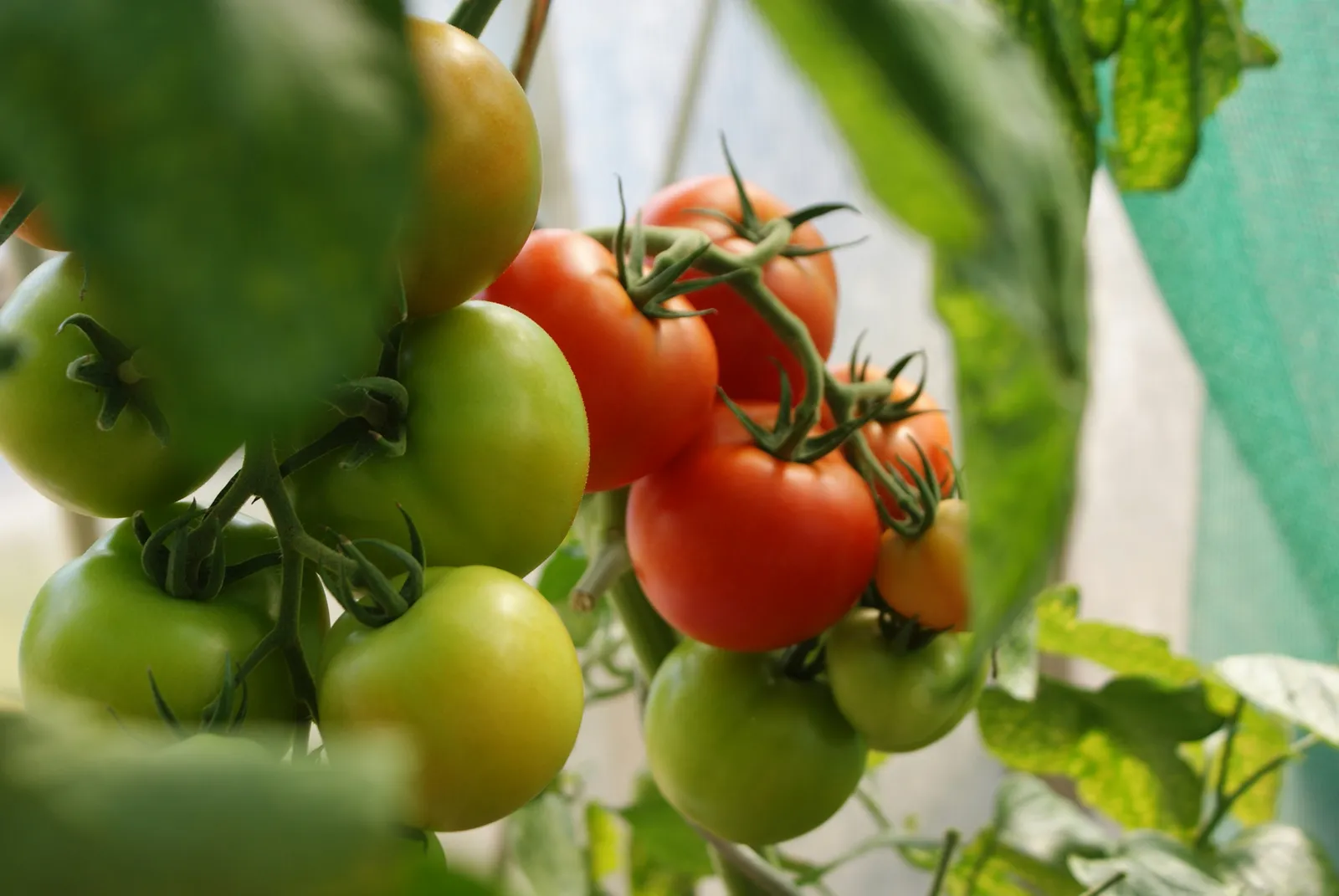

Tomato plants often develop heavy clusters of fruit that pull stems downward as the season progresses. Without intervention, this weight can bend or snap branches, reducing yields and exposing fruit to soil-borne issues. Gardeners across many regions face this challenge each summer when plants reach peak production.
The Weight Problem Emerges Mid-Season
Indeterminate varieties continue growing and setting fruit over weeks or months. The cumulative load from ripening tomatoes increases steadily, often catching growers off guard once clusters enlarge. Determinate types concentrate their harvest in a shorter window, yet still risk collapse under a sudden bounty.
Soil moisture and wind add further stress. Wet conditions soften stems while gusts create leverage on unsupported branches. Early attention to structure prevents later losses that are difficult to reverse once damage occurs.
Timing Matters for Effective Intervention
Install supports shortly after transplanting or once plants show the first flower clusters. Waiting until fruits swell leaves stems more brittle and harder to reposition without breakage. Consistent checks every few days during rapid growth phases help catch issues before they compound.
Regular monitoring also reveals variety-specific needs. Some cultivars produce larger individual fruits that demand sturdier frameworks from the start. Adjusting methods as plants mature keeps the system effective through harvest.
Practical Consequences for Gardeners
Collapsed vines reduce airflow around fruit, raising the chance of rot and disease spread. Harvest becomes more time-consuming when produce lies on the ground or hides in tangled foliage. Lost branches mean fewer tomatoes overall, directly affecting household supply or market sales for small-scale growers.
Stakeholders include home gardeners seeking reliable summer harvests and community gardens serving multiple families. Both groups benefit from stable plants that maintain productivity without constant emergency repairs.
Forward Planning Reduces Future Issues
Selecting support systems suited to local conditions and chosen varieties pays dividends over multiple seasons. Reusable materials withstand weather better than temporary fixes and lower long-term costs. Documenting what worked in one year informs refinements for the next planting cycle.
Ultimately, addressing vine support early preserves plant health and maximizes returns on the effort already invested in watering and care. Strong structures allow tomatoes to develop fully while remaining accessible and protected.
AI Disclaimer: This article was created with the assistance of AI tools and reviewed by a human editor.