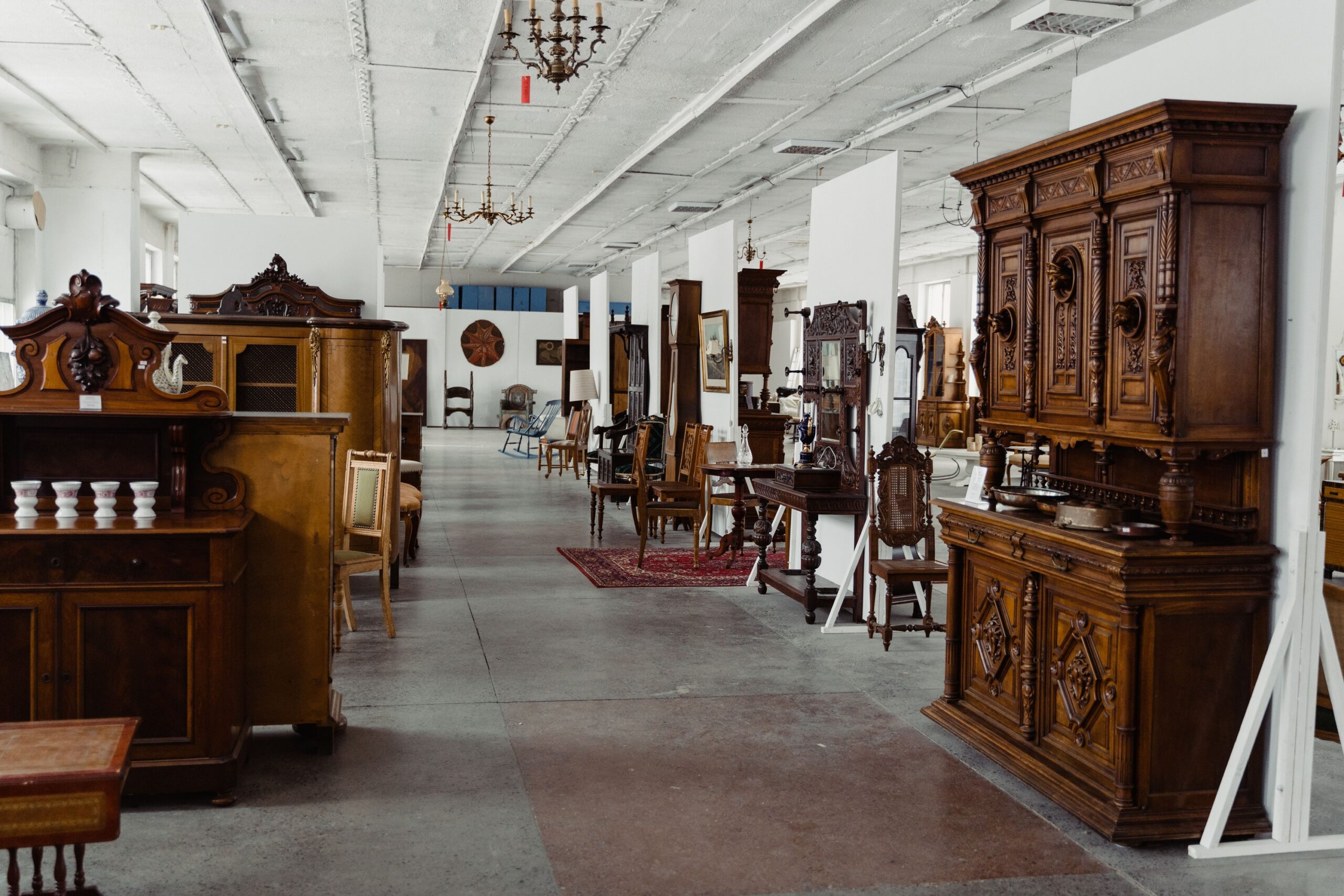

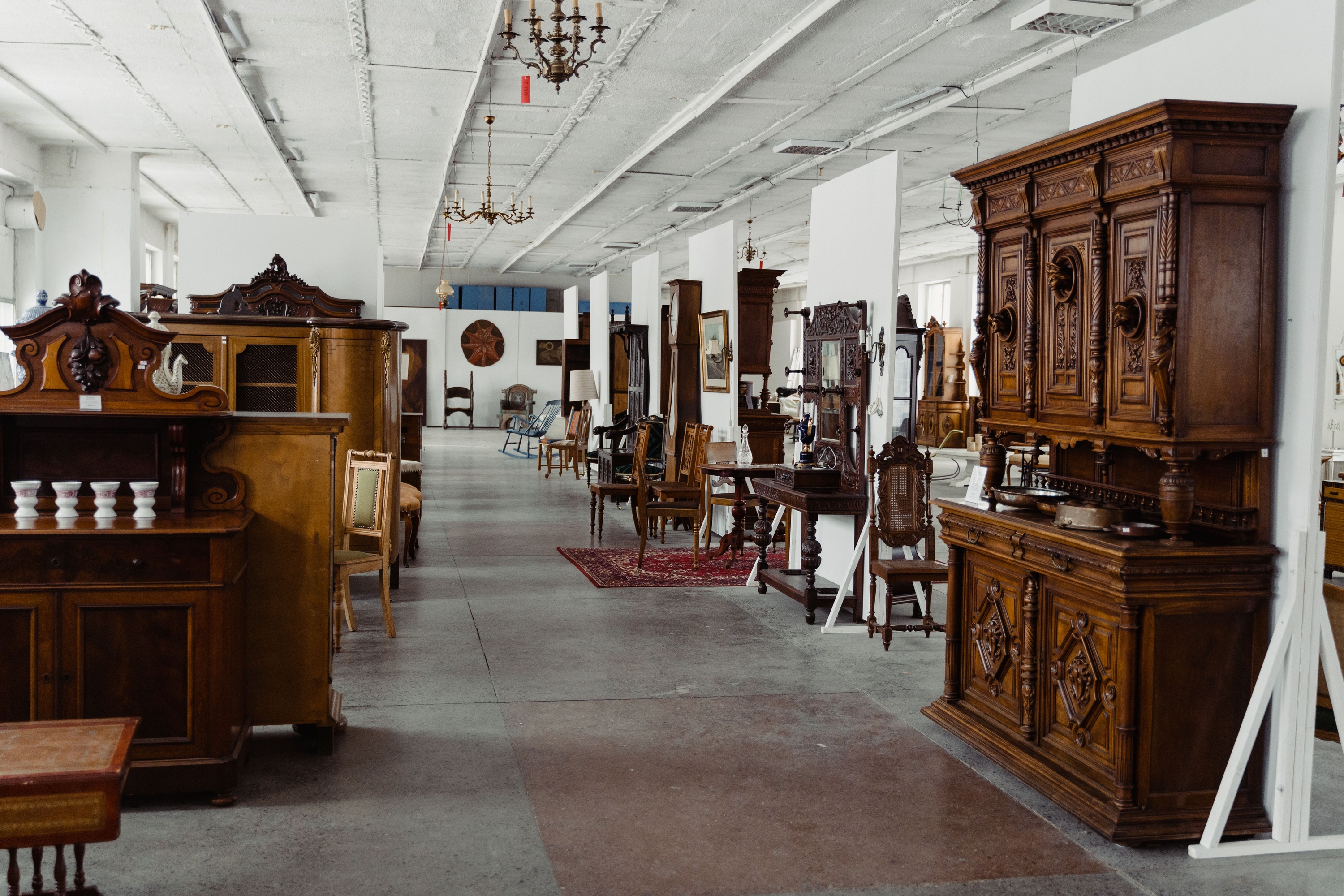
There’s something happening in homes across the country that would have seemed unlikely just a decade ago. People are pulling china cabinets out of basements, replacing sleek plastic bins with wicker baskets, and hunting estate sales for hutches and armoires. It’s not nostalgia for its own sake. Something more practical is driving it.
The minimalist ideal, all-white surfaces and hidden-away everything, is quietly losing its grip on how people want to live. In its place, a warmer, more characterful approach to home storage is taking hold. The old-fashioned methods that got written off as dated are coming back, and for reasons worth understanding.
The Numbers Confirm It’s Not Just a Feeling
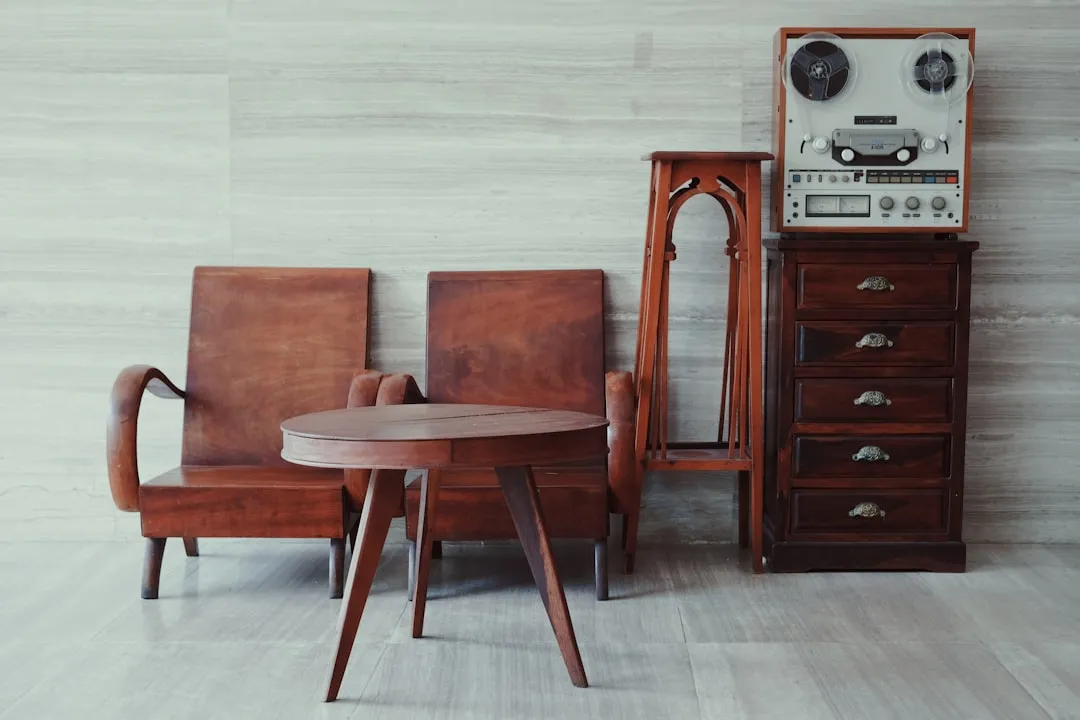
According to the 1stDibs 2026 trend report, vintage and antique pieces are seeing their strongest use in years. On average, roughly a third of all items sourced for designer projects in 2025 were vintage or antique, the highest proportion since 2021.
While 85% of designers incorporated at least one vintage piece made between the 1920s and 2000, the use of antiques made before the 1920s surged from 56% in 2024 to 63% in 2026. These aren’t fringe numbers. They reflect a real and measurable shift in how professional designers are approaching home interiors.
This shift reflects a growing desire to source pieces with story and unrivaled craftsmanship rather than relying solely on contemporary production without longevity. Vintage storage items, in particular, tick all these boxes: they’re functional, visually striking, and steeped in history.
China Cabinets and Hutches Are Leading the Revival
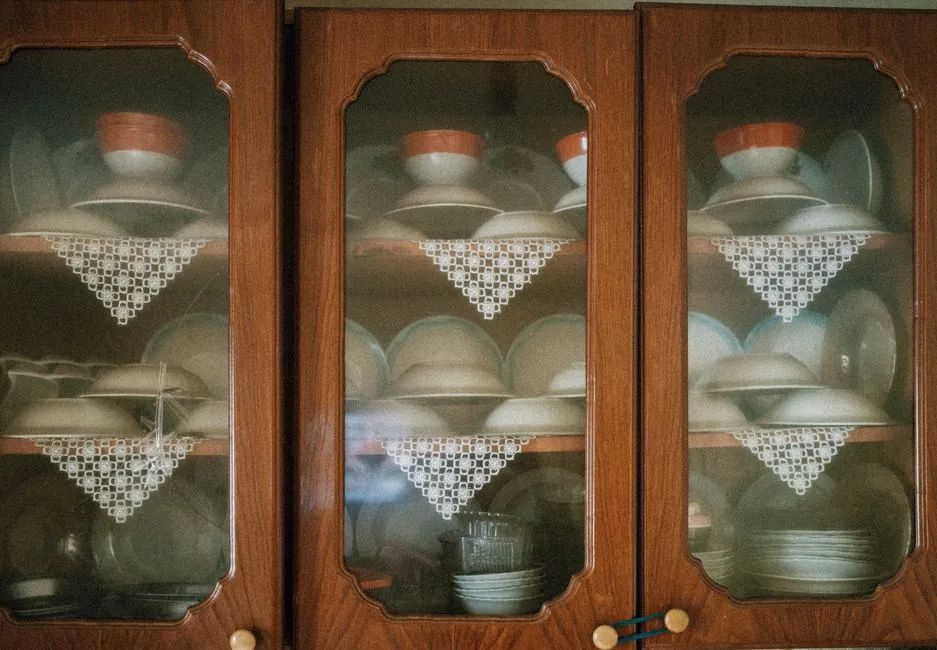
Once banished to dusty basements and estate sales, the china cabinet is back, bringing its full personality with it. Once considered old-fashioned or overly formal, heritage storage pieces like china cabinets and hutches are making a confident comeback for 2026, with homeowners embracing them with fresh eyes.
In 2026, basic kitchen cabinets are officially out; it’s time to bring back the hutch cabinet storage trend. A hutch cabinet is a piece of furniture that usually includes a display cabinet or shelving on the top with a buffet and drawers at the bottom, and sometimes the bottom will also have additional hidden shelving.
According to NKBA’s KBIS 2026 Kitchen Trends Report, maximizing storage solutions and wellness are top considerations for designers when it comes to kitchens. A well-placed hutch does both in a single piece of furniture.
What’s Actually Driving People Away from Modern Cabinetry
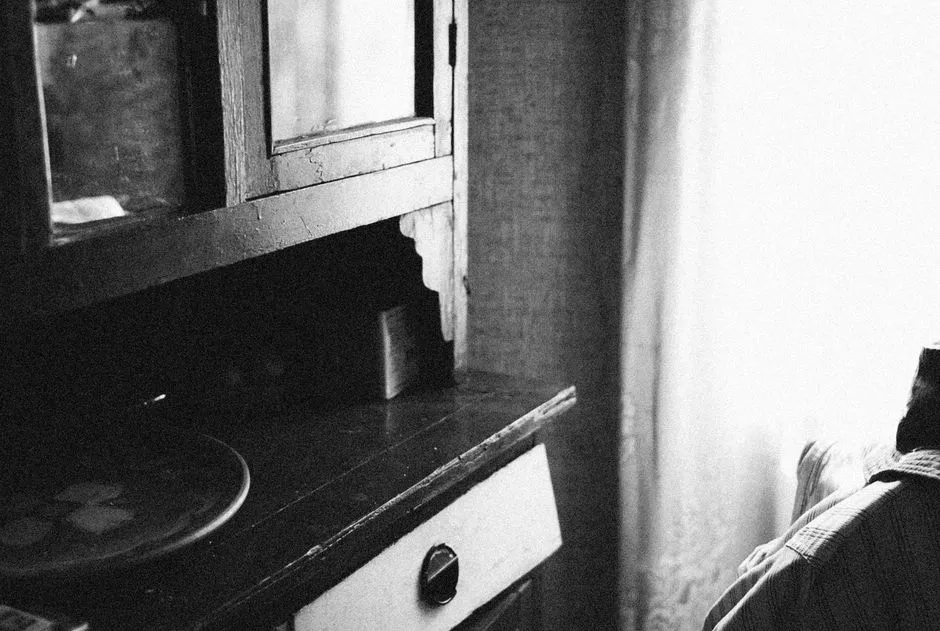
Long beloved for their character and presence, china cabinets and hutches have always had a starring role in the home, whether displaying heirloom dishware, holiday china, or everyday essentials. They’re the kind of furniture that instantly sets a mood, evoking warmth, history, and a sense of lived-in comfort, something today’s sleek, hide-everything cabinetry often lacks. In an era of smart homes and minimalist kitchens, these pieces feel refreshingly human.
In an era of smart homes and minimalist kitchens, these pieces feel refreshingly human. What’s driving their return is a growing desire for homes that feel personal rather than perfect. Freestanding dressers and hutches offer visible storage, patina, and personality, acting almost like functional decor.
Wicker and Natural Baskets: The Quiet Comeback Story
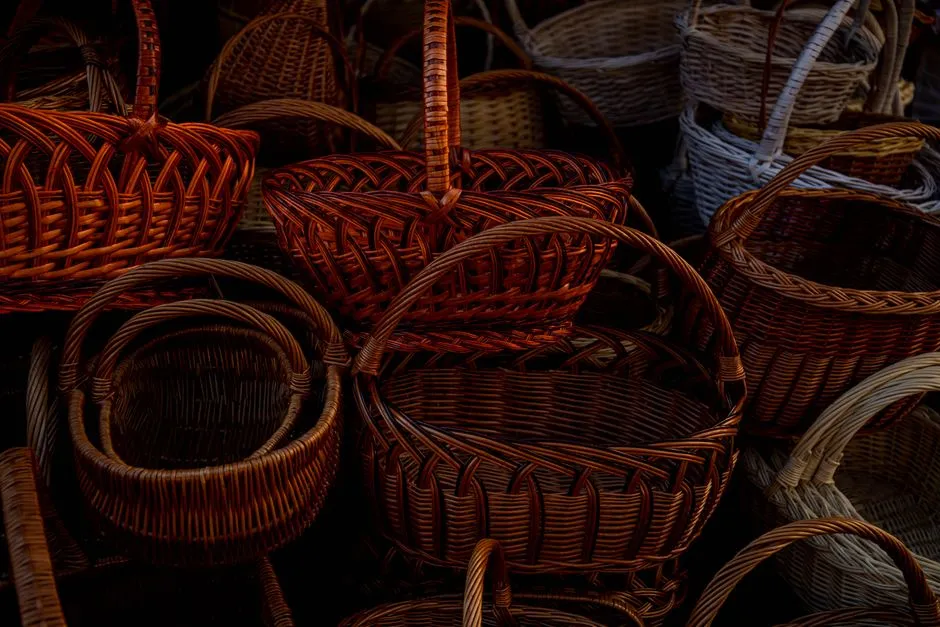
Woven storage has emerged as 2025’s most stylish organization trend, striking the perfect balance between form and function. The market for storage baskets in 2025 is characterized by a strong emphasis on aesthetics, functionality, and sustainability.
Woven storage baskets, in particular, have emerged as a dominant trend, driven by their ability to add texture and warmth to modern interiors. In modern homes, storage baskets often replace plastic bins because they offer a more organic and elegant look.
A wicker storage basket for the kitchen can easily hold grains, snacks, or canned goods. The breathable material helps preserve food and keeps it fresh, while also being easy to access. Instead of using plastic or metal bins, you can store fruits and vegetables in wicker baskets. They help with airflow, which can extend the shelf life of your produce.
The Sustainability Argument Is Genuinely Strong
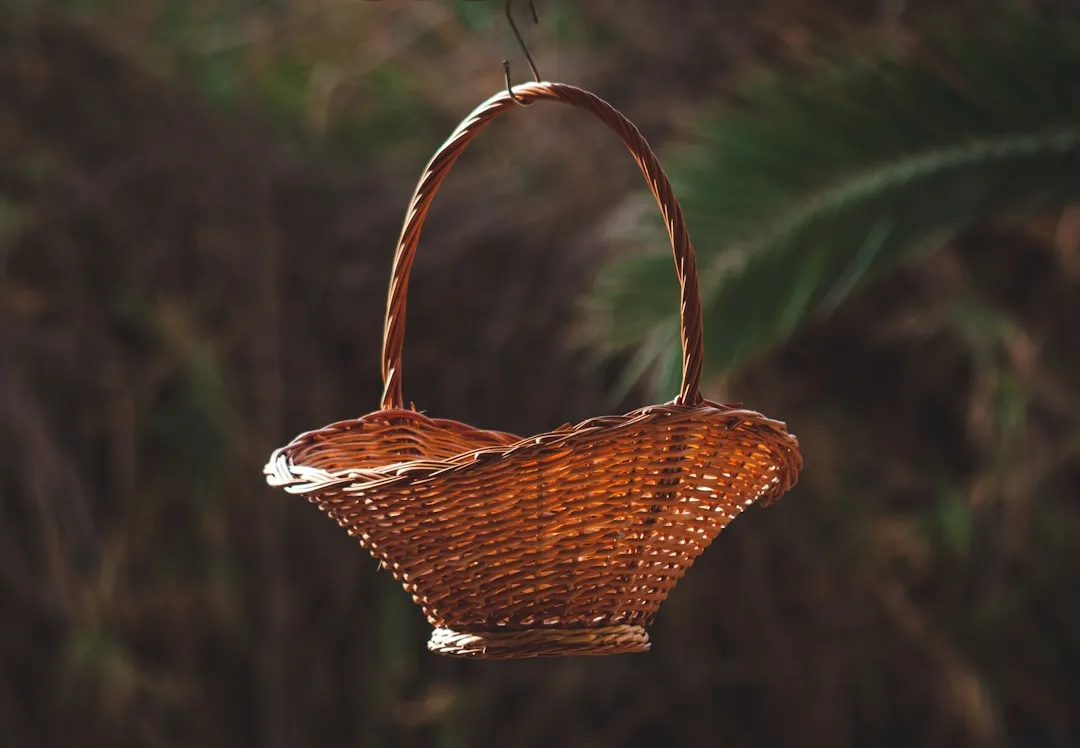
When it comes to sustainability, the best materials for storage baskets are natural, renewable, and biodegradable. Top choices include organic cotton, jute, seagrass, rattan, and bamboo, each offering durability without the environmental toll of synthetic fibers. These materials are typically grown with fewer chemicals and minimal water use, and they break down naturally at the end of their life.
One key benefit of buying a natural basket is that each one is typically renewable and biodegradable. Unlike plastic, which can take hundreds of years to break down, eco-friendly baskets are almost always compostable, so you can recycle them at the end of their life, which makes them a great choice for those looking to reduce their carbon footprint.
Well-made wicker baskets can actually last for decades, especially if they’re properly maintained, and they add warmth and texture that make just about any room look better. That’s a hard argument to make against a plastic bin.
Built-In Storage Is Finding Its Way Back Too
Homeowners are moving away from disconnected pieces that sit awkwardly against the wall. In their place, fitted solutions are being used to make every inch work harder, whether that means full-height wardrobes in a compact bedroom, cabinetry built into alcoves, or understairs storage that turns dead space into something genuinely useful.
This design direction has both visual and practical appeal. Built-in storage gives a room cleaner lines and a more architectural finish, which is particularly valuable in homes where floor space is limited.
At its best, storage design does more than hide things away. It gives a room clarity, makes everyday routines easier, and turns overlooked spaces into some of the hardest-working parts of the home. Trends will keep changing, but that combination of beauty and usefulness rarely goes out of style.
The Move Away from All-White Matching Storage Sets
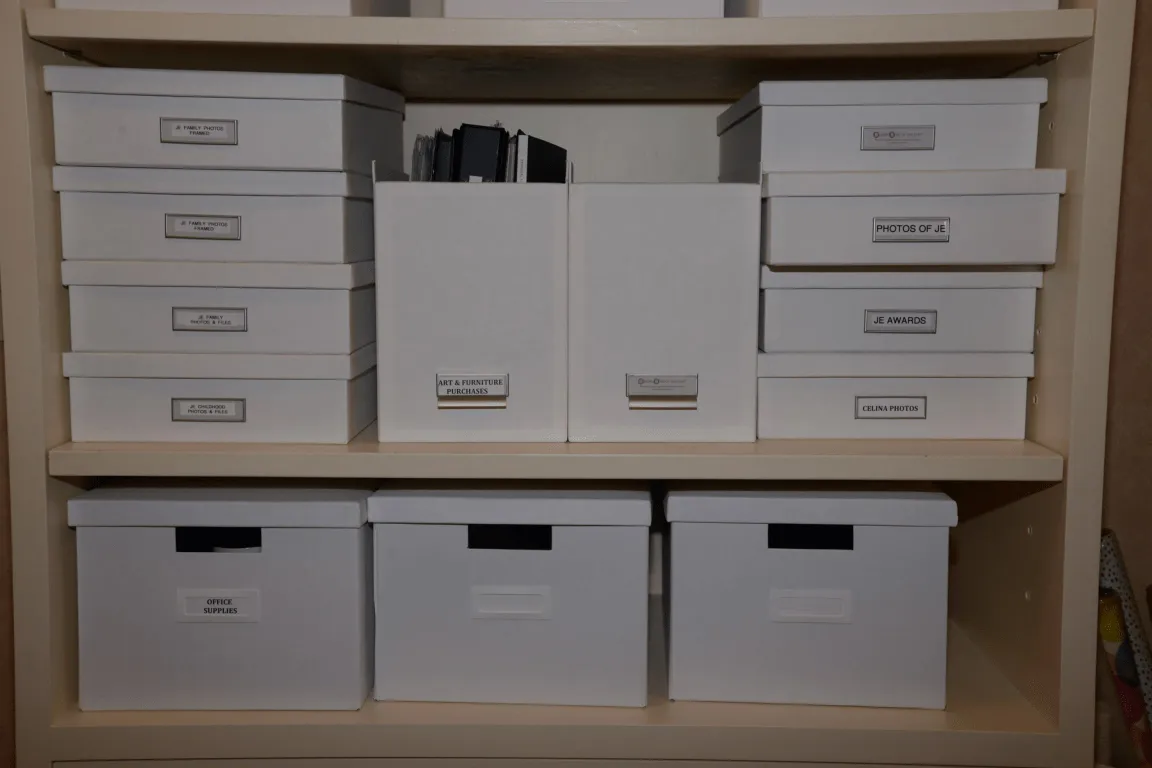
People are realizing their home doesn’t have to look empty to feel calm. Designers are seeing shelves styled with personality, with kids’ artwork next to vintage finds, and bins that look as good as what’s inside.
While minimalism isn’t an entirely dead trend, it will take on a different look heading into 2026. Instead of sterile, it will appear warmer, blending simplicity with comfort through the use of textures, natural wood, and personal touches.
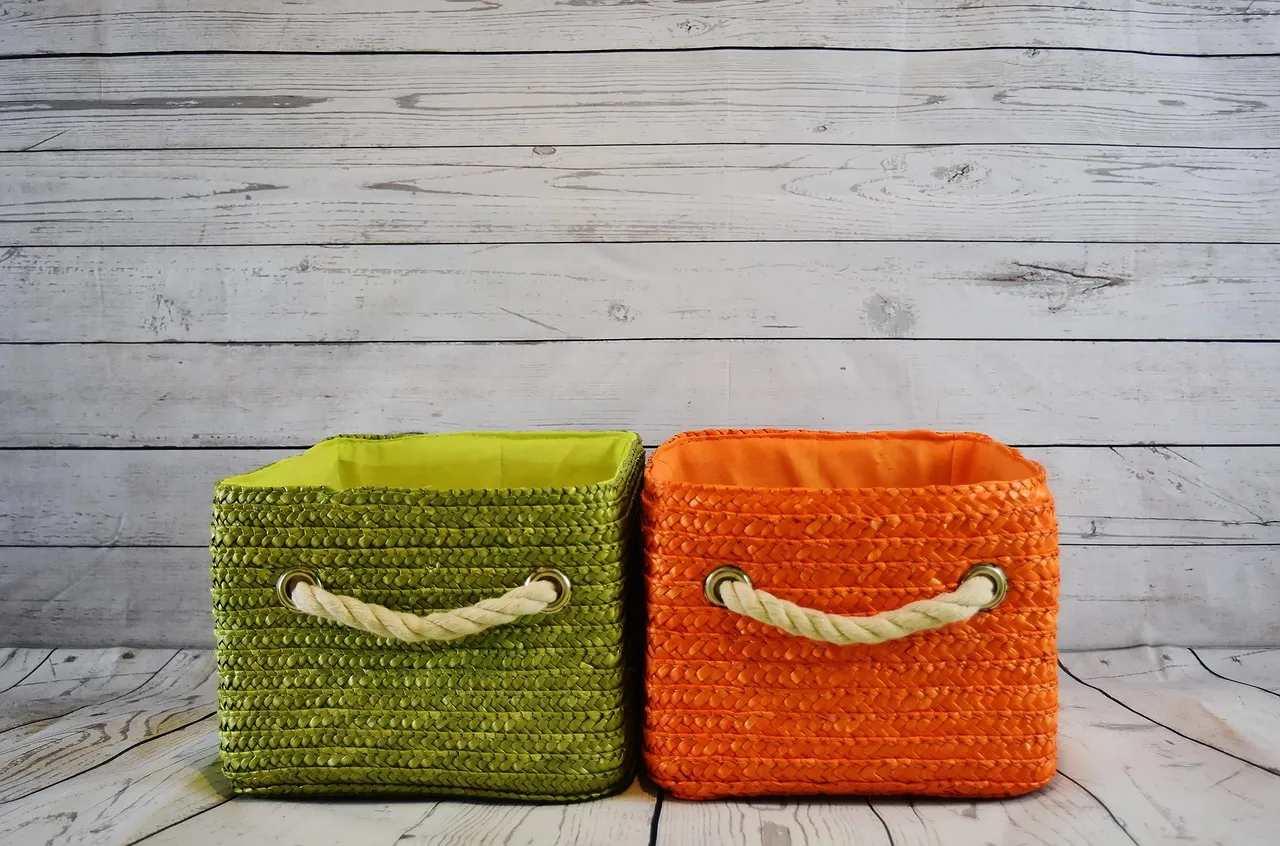
If you’re over the all-white, matchy-matchy storage solutions lining shelves and countertops, try swapping them out for more unique pieces that bring warmth and color. It doesn’t have to be bold and bright, but something with visual interest or made of organic materials.
Vintage Storage as Design Decor, Not Just Function
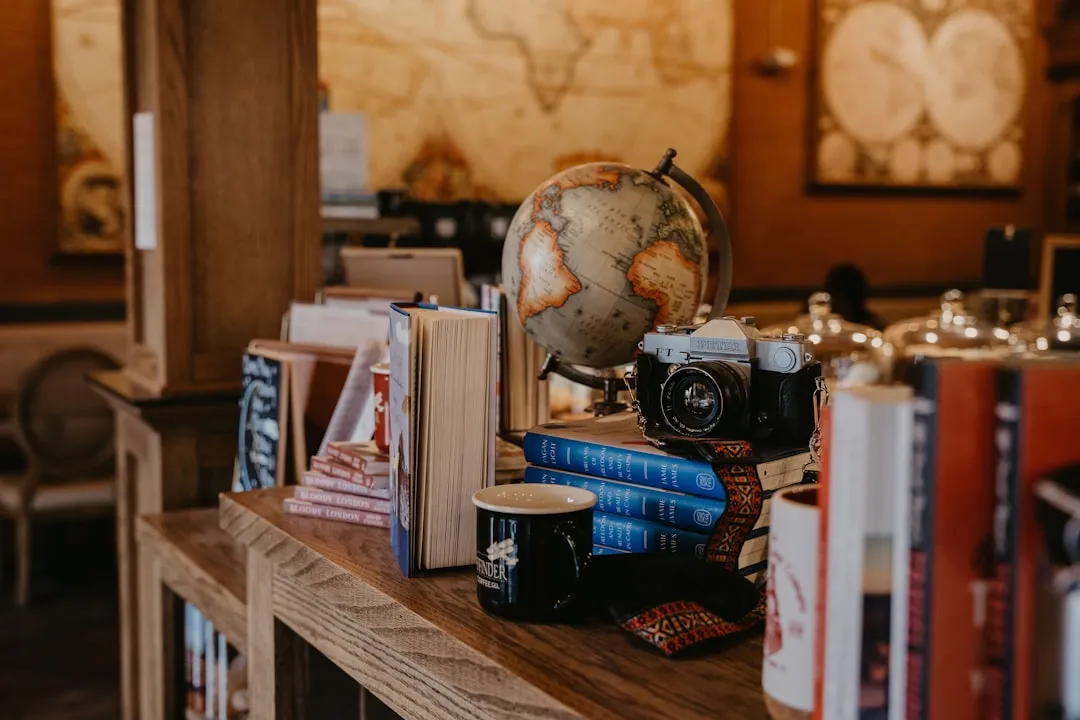
Vintage is no longer a finishing touch. It’s become the foundation many designers are drawing upon for depth and detail that’s unique to found objects. As homes move away from fast furniture and fleeting design trends, there’s a renewed appetite for sought-after pieces with soul, substance, and story.
Thrifting has evolved beyond fashion to full-home decor strategies. For many buyers, vintage shopping delivers sustainability, quality, and uniqueness that big-box goods can’t match.
Houses are becoming homes again, with a big emphasis on a look that feels collected over time rather than staged and brand new. In 2026, incorporating decorating influences from past decades into modern interiors has become one of the most compelling ways to create spaces with character, personality, and a meaningful sense of history. Rather than feeling dated, these references bring depth, grounding contemporary homes in something familiar and enduring.
How People Are Repurposing These Old Storage Pieces
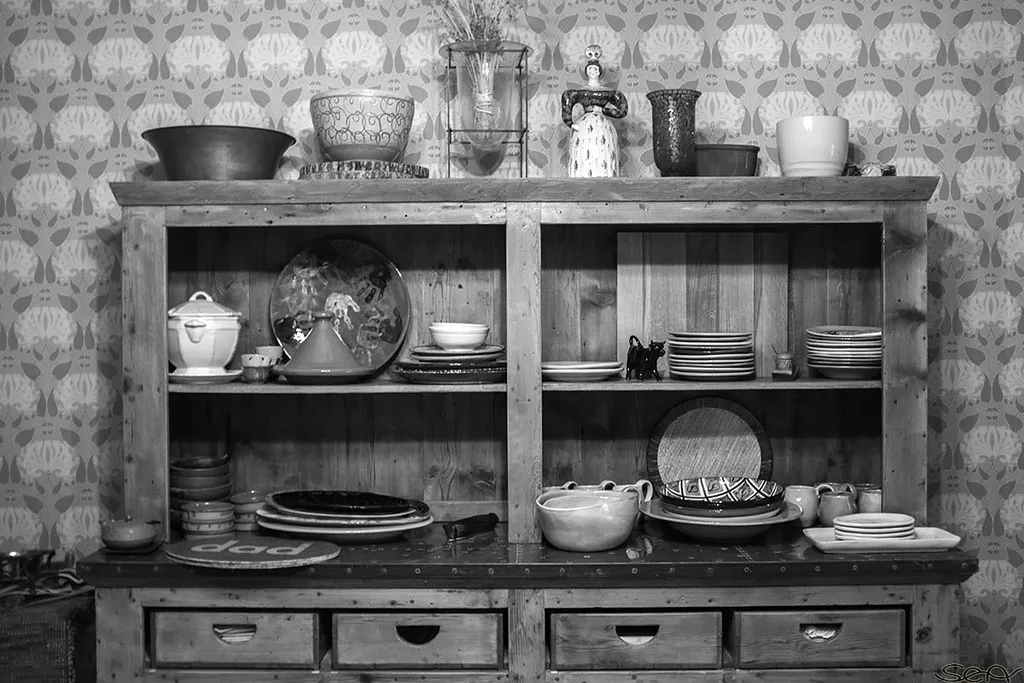
China hutches are not just for china anymore. The glass doors often found on these display cabinets can be perfect for storing sentimental items and keeping them dust-free. They can be your best friend for corralling everything from magazines to baking supplies.
This works well for the combined living and dining spaces often seen in smaller apartments. One of the most creative uses is putting china hutches in the bathroom to display and store towels in place of linen closets.
Hutches work better than cabinets in many instances because they offer an elegant way to incorporate food prep, delivery, and decor all in one item. Designers are emphasizing the value of carrying quality furniture and functional design through the ages.
The Pantry Is Getting Its Old Soul Back
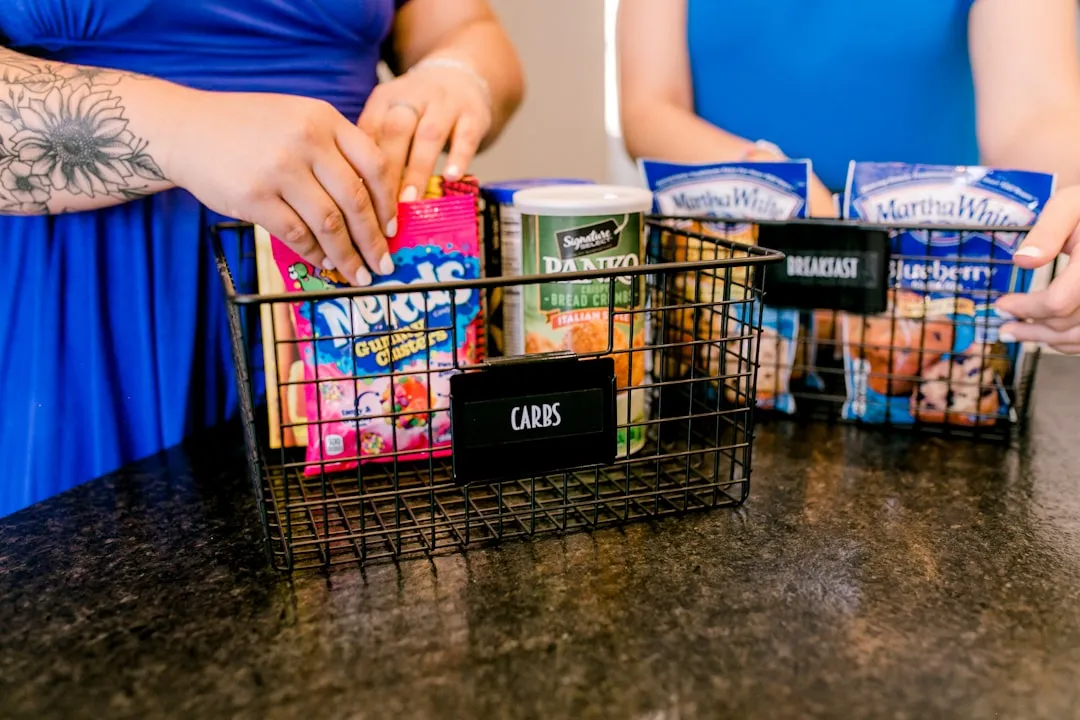
Baskets can be especially useful in primarily functional spaces like kitchens, pantries, and laundry rooms. In pantries, you can use them to group similar items together, so it’s easier to navigate shelves without unnecessary plastic containers and disposable packaging. They’re especially useful for storing produce, snacks, baking supplies, and pantry staples.
Storage that feels considered, eye-catching yet still subtle, is what will make a home look expensive in 2026. From soft, curtained closets to more striking walls covered in books, this year is all about embracing thoughtful designs that fuse style and function simultaneously.
The coming year is about curating what you keep, rather than tossing everything, according to professional organizers. The pantry, once a strictly utilitarian space, is now one of the most creatively designed rooms in the modern home.
The Takeaway
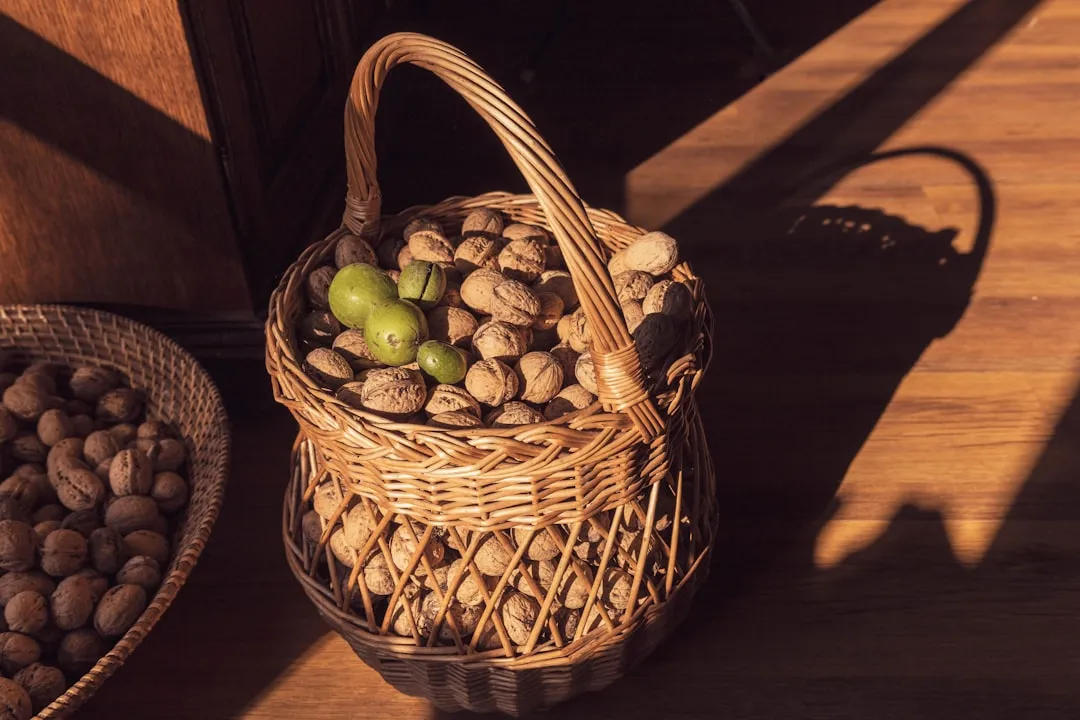
Old-fashioned storage was never really about aesthetics. It was about things lasting, functioning well, and earning their place in the home over years of use. That’s precisely what makes these methods feel so relevant right now.
The evidence from designers, trend surveys, and the market itself points in the same direction: people want storage that works hard without looking corporate, that ages gracefully, and that carries some meaning. A wicker basket or a well-worn hutch can do all of that without a single smart feature or app.
Sometimes the most practical upgrade is the one your grandparents already figured out.
AI Disclaimer: This article was created with the assistance of AI tools and reviewed by a human editor.