

Most people know cinnamon as the thing that makes oatmeal worth eating or gives autumn baking its particular warmth. It sits in a spice rack, gets sprinkled into coffee, and rarely gets a second thought. What fewer people realize is that the same jar gathering dust in your cabinet is quietly one of the most useful tools in natural gardening.
The science behind it is real. Cinnamon’s effectiveness in plant care is primarily attributed to cinnamaldehyde, a natural organic compound and major component of its essential oil. This compound possesses strong biological activity, acting as a natural defense mechanism. The presence of cinnamaldehyde provides significant fungicidal and antibacterial qualities that protect garden plants. That single compound explains why gardeners across the world have been quietly sprinkling it around their beds for years.
The Active Compound That Makes It Work

Before you can appreciate what cinnamon does in the soil, it helps to understand why it works at all. The distinctive smell and flavor of cinnamon come from the oils in the plant. The plant’s derivatives, cinnamaldehyde, cinnamic acid, and cinnamate, give it powerful health properties.
Cinnamon powder boasts potent antifungal properties, making it a formidable opponent against soil-borne pathogens. Its active compounds, such as cinnamaldehyde, work synergistically to inhibit fungal growth and protect plant roots from infections. This isn’t folk wisdom. It’s basic plant chemistry that researchers have been studying and confirming across multiple settings.
Cinnamaldehyde has been used effectively as a bio-fungicide for controlling other plant fungal diseases. For example, it showed good inhibitory activity against Colletotrichum lagenarium, a significant plant-pathogenic fungus leading to anthracnose of cucumber. The range of pathogens it affects is genuinely broad.
Fighting Damping-Off Disease in Seedlings
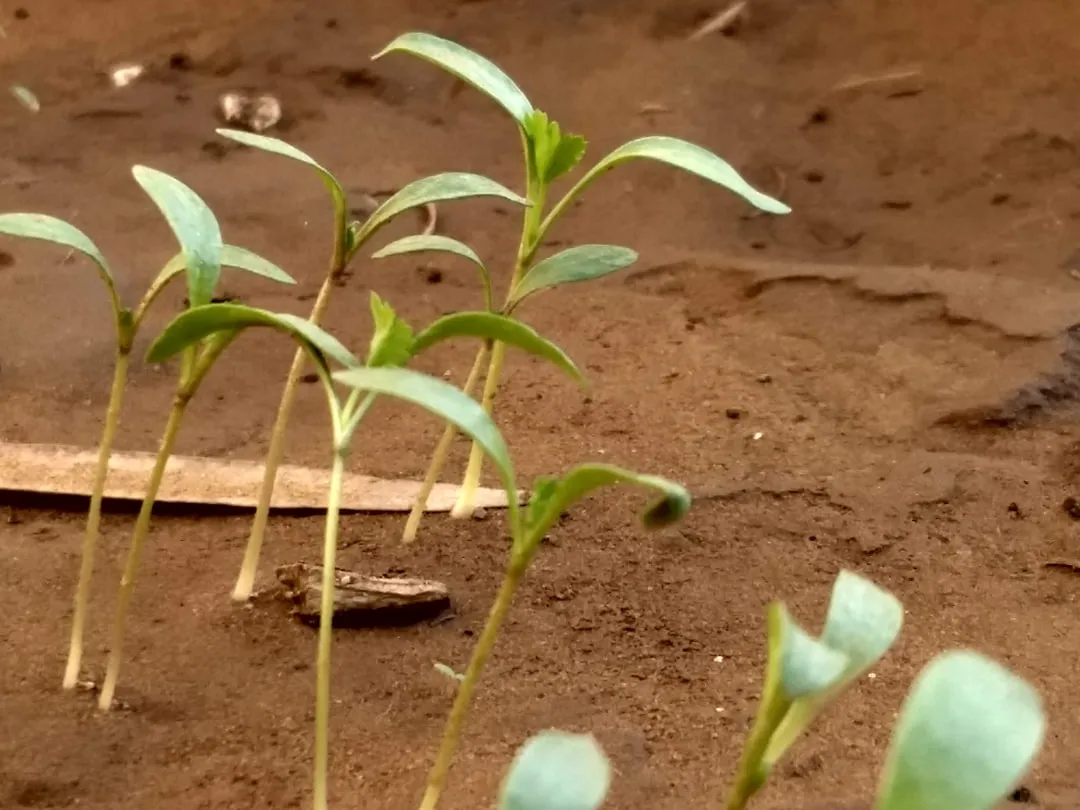
One of the most frustrating experiences for any grower is watching a tray of seedlings collapse overnight. A primary benefit of cinnamon is its ability to combat fungal infections, such as damping-off disease in seedlings. This condition is caused by soil-borne fungi that attack the stem of young plants, causing them to collapse.
Cinnamon works as an alternative to normal seedling soil prep. Sprinkling cinnamon into seed starting mix prevents dampening off, as well as controlling fruit fly population and potential fungus. It’s a cheap, accessible first line of defense that costs almost nothing to try.
To use cinnamon as a damping-off agent, mix one tablespoon of cinnamon powder with half a quart of water – essentially creating an organic, anti-fungal solution. Pour it over the soil bed where you plant your seedlings. Then sprinkle a light coating of ground cinnamon on the surface of the soil. The combination of the two will allow your seedlings to grow without worry of the deadly fungus developing.
Proven Results Against Gray Mold and Fusarium
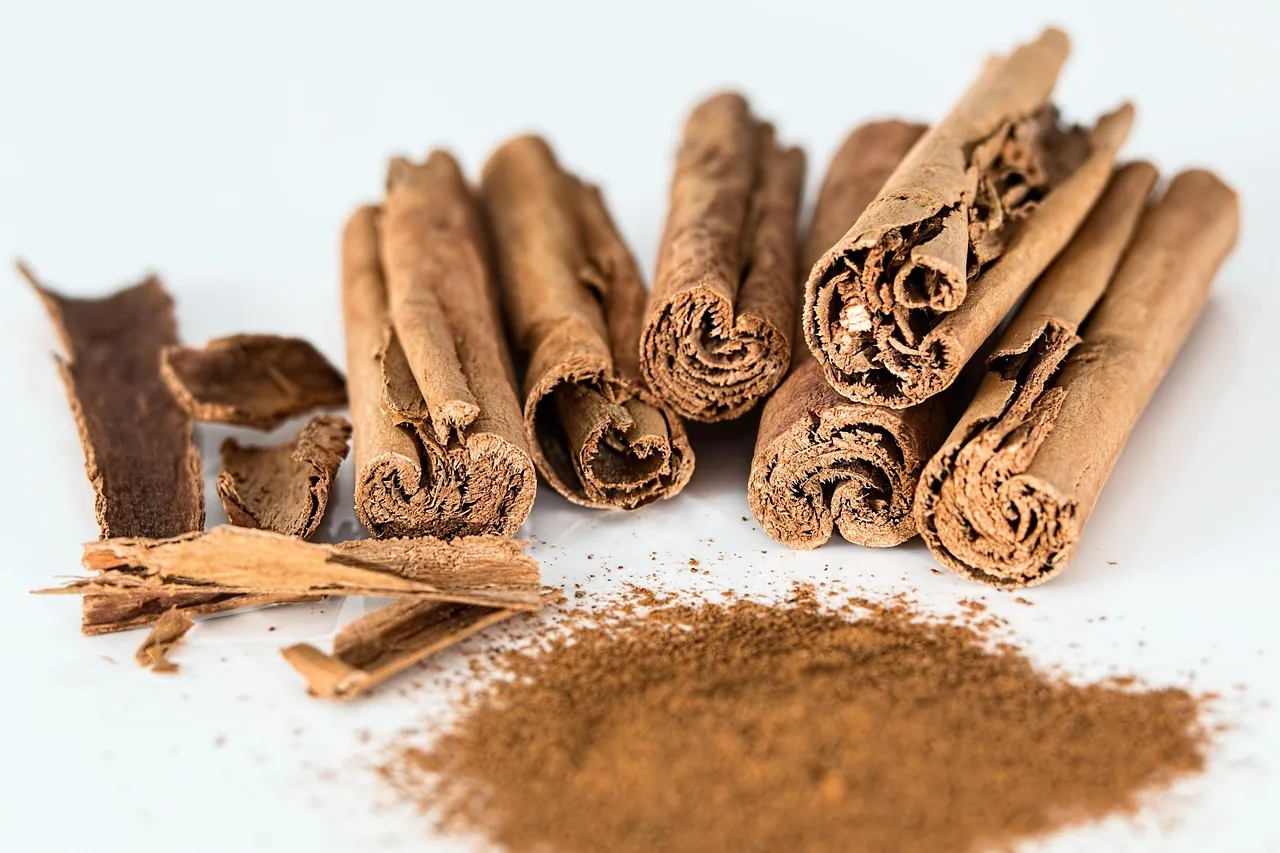
Damping-off isn’t the only fungal threat cinnamon can face down. Cinnamon’s antifungal properties are effective against gray mold as well. Research under laboratory conditions has demonstrated that cinnamon can inhibit the growth of gray mold (Botrytis cinerea) and various Phytophthora species. Applying a solution of ground cinnamon and water to affected plants can significantly reduce fungal symptoms.
A peer-reviewed study published in a European plant pathology journal backed this up in a real-world setting. Antifungal activity of cinnamon was proved in greenhouse tests, where the disease symptoms of grey mould on infected tomato plants decreased. The fresh weight of non-inoculated tomato plants treated with cinnamon filtrates was significantly higher.
Fusarium, which threatens many agricultural crops globally, has also come under scrutiny. Based on research results, aqueous extract of cinnamon bark shows a fungistatic effect on the growth and development of Fusarium sporotrichioides, which opens the possibility of continuing research of cinnamon compounds as potential control agents for the suppression of fungi of the genus Fusarium. These are economically significant pathogens, and natural solutions matter.
Protecting Plant Cuttings During Propagation
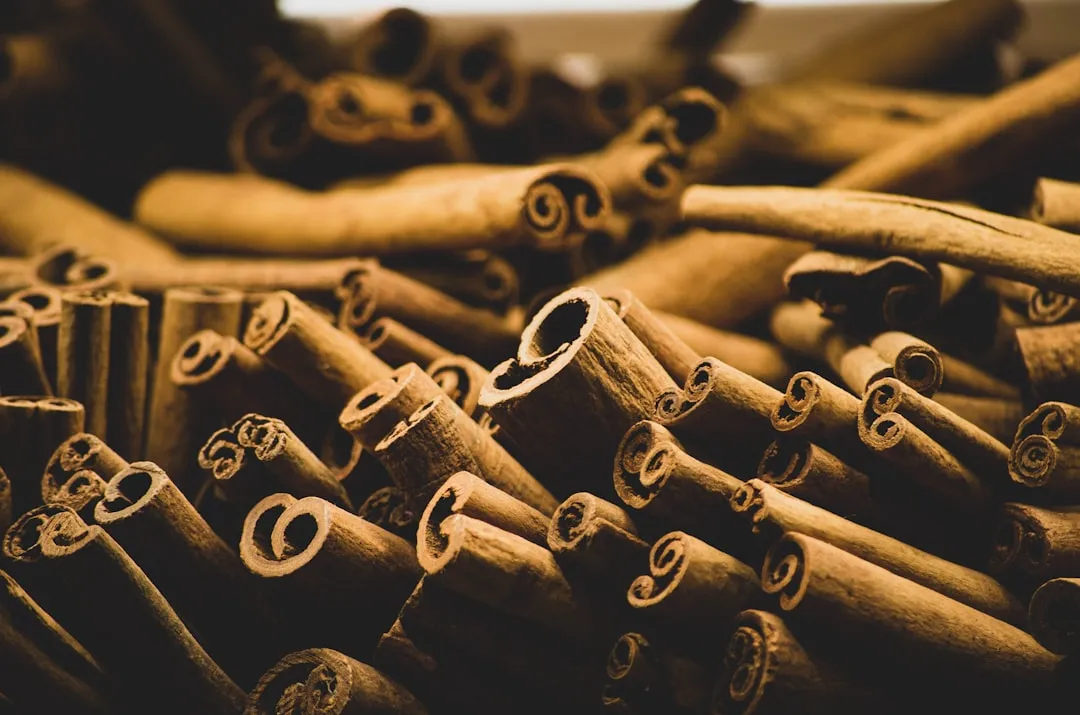
Home propagation has grown enormously in popularity, and cinnamon has earned a real place in that world. The antifungal nature of cinnamon supports successful plant propagation when used as a rooting aid for cuttings. It’s worth being precise about what that means, though.
Cinnamon falls short as a true replacement for synthetic rooting agents. It contains no auxins, the hormones that trigger root growth. It protects cuttings rather than stimulating rooting, and results are inconsistent, especially with woody or hard-to-root plants. The benefit is in protection, not promotion.
Cinnamon works for rooting cuttings simply because it helps prevent fungal infections that would kill or slow down the rooting process. For soft-stemmed plants like basil, mint, or easy-rooting houseplants, that protection can make a meaningful difference during the most vulnerable early days after cutting.
Discouraging Ants Without Harming Your Garden

Ants in the garden aren’t always a serious threat, but when they establish colonies near root zones or shepherd aphids onto your plants, they become a genuine problem. Cinnamon does not kill ants, but it can deter or redirect them when properly applied. Cinnamon contains a compound known as cinnamaldehyde, which disrupts ants’ ability to follow each other’s pheromone trails and sniff out food sources.
Ants will create their colonies under the soil, digging tunnels that can often damage a plant’s root structure. The ants will also eat plant roots, preventing them from absorbing the nutrients and moisture needed to grow and produce. That underground damage is easy to miss until it’s too late.
Ants detest the scent as well as the texture of cinnamon. Simply circling the base of plants with cinnamon powder, mixing it into the soil, or creating a barrier around the inside of your entire flowerbed with the spice is enough to redirect them. It won’t eliminate a nest, but it does protect individual plants effectively.
Healing Pruning Wounds and Stem Cuts

Every time you prune a branch or take a cutting, you’re leaving an open wound on the plant. Cinnamon’s antibacterial and antifungal properties make it excellent for use as a wound sealant for plants. When pruning off large branches or stems in the garden, dipping the open cut into cinnamon helps seal and protect the open wound.
Cinnamon will not harm plants if it gets into contact with leaves. In fact, due to its antibacterial and antifungal properties, cinnamon actually helps heal cuts and wounds on plants. It essentially acts as a natural antiseptic dressing for plant tissue.
This application is simple to execute and costs nothing extra. Keep a small container of ground cinnamon near your pruning tools and dust any fresh cut before moving to the next plant. It takes seconds and gives each wound a reasonable degree of protection during the hours when it is most vulnerable.
Tackling Mushrooms in Garden Mulch
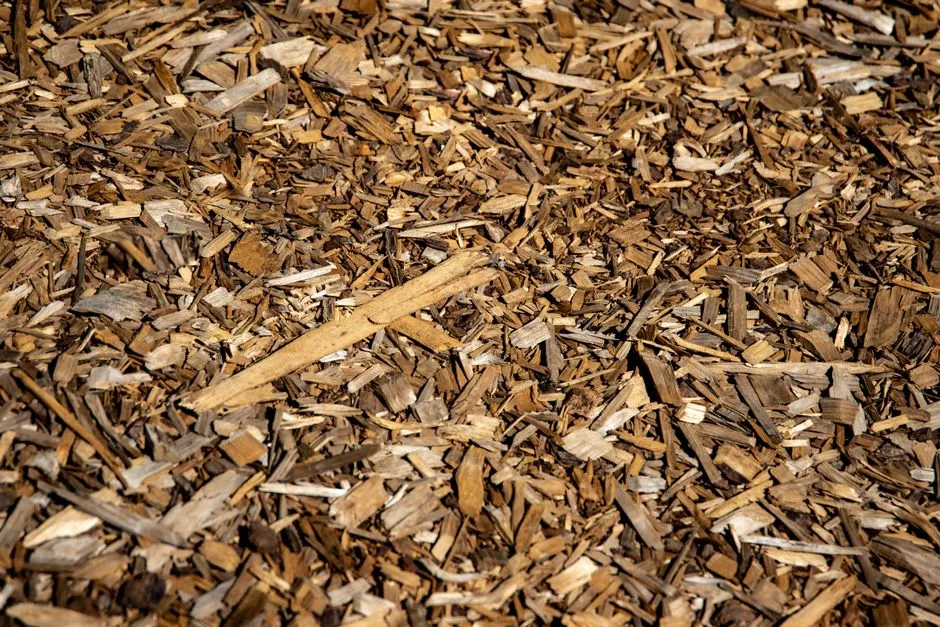
Mushrooms popping up through mulch are mostly harmless, but many gardeners find them unsightly or worry about children and pets encountering them. Getting rid of mushrooms by sprinkling cinnamon directly on mulch or emerging mushrooms causes them to disappear within about 24 hours. It’s important to note that mushrooms are not harmful. They work to break down organic matter and can help plants with nutrient uptake.
If you use this method of treating the fungi above ground, the beneficial fungi still remain in the soil beneath the surface. That distinction matters. You’re knocking back the visible fruiting body without destroying the beneficial mycorrhizal networks below that plants rely on.
Spreading cinnamon throughout your garden mulch also helps control mushroom proliferation without harming your plants. It’s a proportionate response to a low-stakes problem and one of the more practical everyday uses for the spice in an outdoor setting.
Choosing the Right Type of Cinnamon
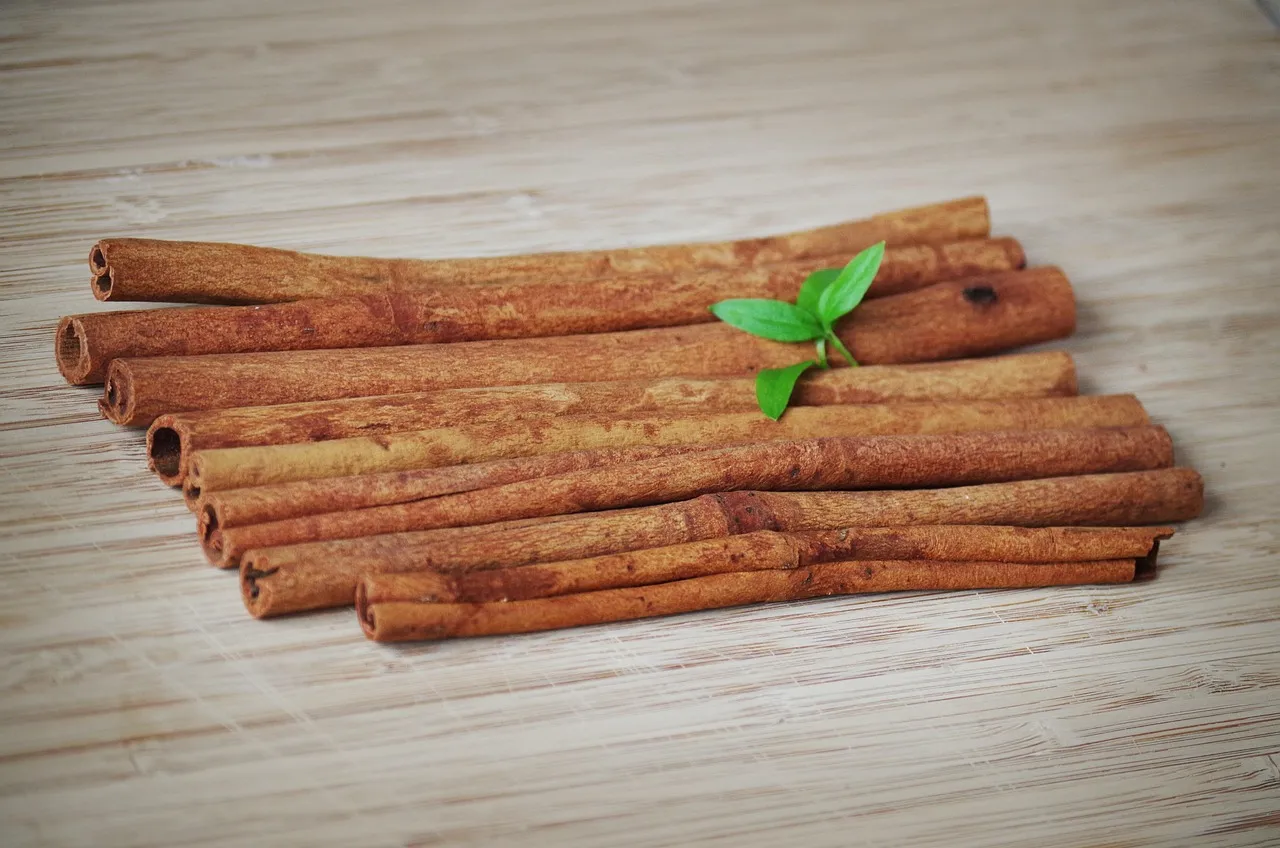
Not all cinnamon is the same, and the type you use can actually matter. Cassia cinnamon contains significantly higher levels of coumarin, which suggests caution in high-dose applications. Ceylon cinnamon, by contrast, contains only trace amounts, making it a safer option for regular or heavy use around the home and garden. Using the purer product can reduce overall risk, although plants do not process coumarin in the same way as humans.
Ceylon cinnamon sticks are the most strongly scented, making them a great choice as a natural insect repellent. For pest deterrence specifically, the stronger aromatic profile of Ceylon gives it an edge over the cheaper cassia variety commonly found in grocery stores.
Studies have used four forms of cinnamon: dry powder, aqueous extraction, alcohol extraction, and commercial essential oil. The latter two forms have been studied the most, probably because they contain the highest levels of organic compounds. Aqueous, essential oil, and alcohol extracts all showed antifungal properties, with essential oils being more effective than alcohol extracts, probably because the active ingredients are more concentrated.
How Much Is Too Much
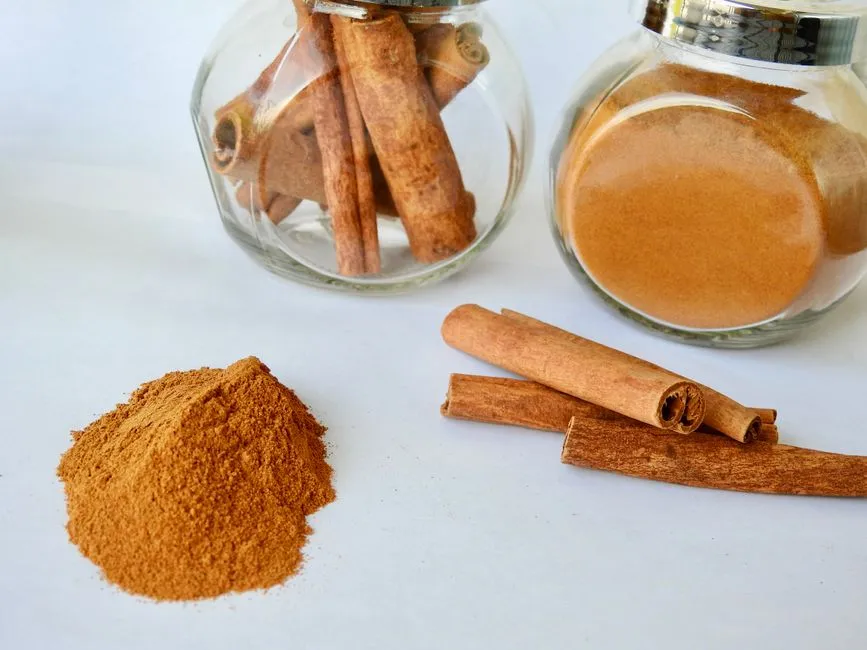
Like most things in gardening, more is not always better. Despite its benefits, cinnamon should be used in moderation to avoid potential adverse effects on plant growth. Applying excessive amounts of the powder directly to the soil can sometimes lead to localized growth inhibition or act as a physical barrier that prevents proper water penetration.
A light, even dusting is consistently more effective than a thick crust. Think of it the way you’d think about salting food: enough to make a difference, not so much that it becomes the problem. The goal is a thin, visible layer over the target area rather than a dense deposit.
Cinnamon powder should be used with care around pets and children. Although nontoxic to people and dogs, cats can experience allergic reactions and vomiting if they consume cinnamon powder. The powder can also cause temporary breathing difficulties if inhaled by children. Common sense handling applies.
The Broader Shift Toward Natural Soil Treatments
Cinnamon’s growing role in gardens is part of a wider movement that has been gaining pace for years. An increasing number of consumers are now more conscious about the presence of chemical residues on crops, and this has prompted a search for eco-friendly alternatives to synthetic fungicides. The potential of plant extracts as antifungal agents has been gaining popularity, with a survey of literature showing an increasing number of studies focused on this type of research.
Plant extracts consist of a mixture of different compounds and as such, they can exert antifungal activity through different mechanisms, thereby reducing the likelihood of having fungal resistance. That last point is significant. Synthetic fungicides face growing resistance problems. Natural compounds working through multiple pathways simultaneously are harder for pathogens to adapt against.
Phytopathogenic fungi pose a threat to global food production, which leads to excessive use of fungicides and consequently to the development of pathogen resistance. Due to modern problems in phytomedicine, the focus of interest is on the discovery of innovative methods for biological control of economically important phytopathogenic fungi using plant extracts that show antifungal properties and are ecologically acceptable. Cinnamon fits squarely into that framework.
Conclusion
Cinnamon won’t replace a well-planned soil management approach, and it’s not a miracle cure for struggling plants. What it is is a genuinely useful, research-backed, inexpensive tool that most households already own.
The evidence is clearest for its antifungal applications, particularly against damping-off, gray mold, and Fusarium species. Its value as a pest deterrent and wound treatment is solid if modest. Its role as a rooting hormone is largely a myth, though its protective antifungal work during propagation is real and worthwhile.
Perhaps the most honest case for keeping cinnamon in your gardening kit is this: it costs almost nothing, it doesn’t harm your plants when used sensibly, and it addresses several problems that gardeners encounter regularly. That’s a quiet kind of usefulness that rarely makes headlines but adds up over a season.
AI Disclaimer: This article was created with the assistance of AI tools and reviewed by a human editor.