
Houseplants bring life and beauty to our spaces, but not every “trending” plant is a perfect match for every home. You might have fallen in love with the glossy leaves of a fiddle leaf fig or the cascading vines of a spider plant, only to find them sulking in poor light or wilting from inconsistent care. I know how exciting it is to snag the latest Instagram-worthy greenery—yet frequently, those showstopping specimens demand conditions most apartments simply can’t offer. From lighting issues to humidity mismatches, the wrong plant in the wrong spot can quickly become a source of frustration rather than pride.
In this article, we’ll explore fifteen widely popular plants that often end up on “must-have” lists but can be poor fits for many households. Each section delves into why these green wonders struggle in typical indoor environments—whether it’s an overactive root system threatening invasiveness, finicky humidity requirements, or toxic sap that makes them a hazard around pets. You’ll read about a jade plant from South Africa that hates overwatering, a Boston fern from tropical woodlands that demands more moisture than most radiators provide, and even aloe vera, whose reputation as a beginner succulent masks its intolerance for low light. By understanding these pitfalls, you’ll be better equipped to choose houseplants that genuinely thrive in your specific conditions—saving you both disappointment and extra trips to the nursery!
Jade Plant
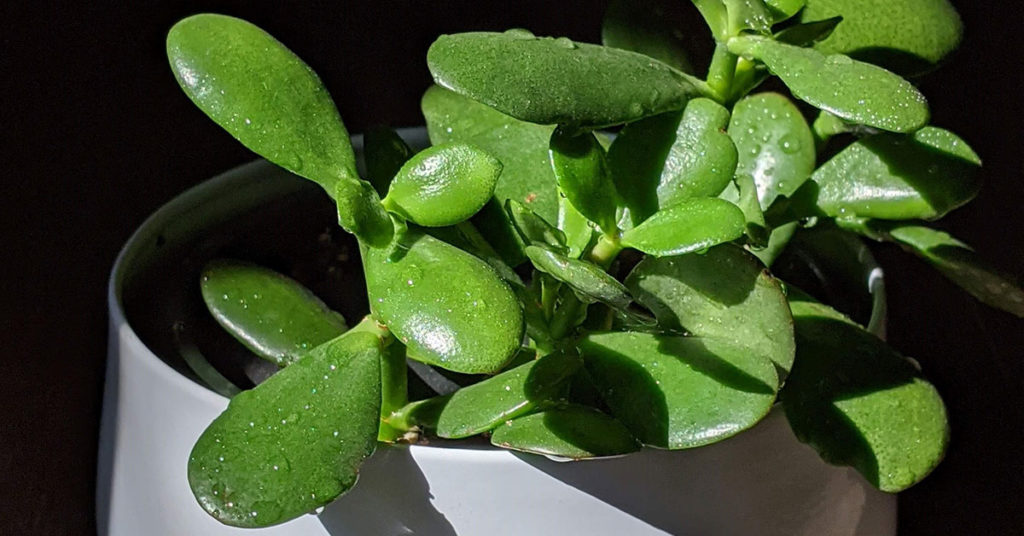
Crassula ovata, commonly sold as the jade plant, is a popular succulent native to South Africa and Mozambique. Its round, fleshy leaves can store water for extended periods—an adaptation to its arid homeland. While many indoor gardeners adore its compact size and slow growth, jade plants are notoriously sensitive to low-light environments. Left in dim corners, their leaves stretch toward any light source, turning leggy and prone to dropping. This is a bummer if you were hoping for that perfect rosette of emerald leaves to anchor your windowsill vignette.
Additionally, jade plants detest overwatering. In their native sandy soils, water drains quickly; but in heavy indoor potting mixes, excess moisture leads to root rot. If you’re the kind of person who sees a succulent droop and immediately waters again, jade might suffer. Overwatered roots start hosting fungus gnat larvae—those pesky little insects that delight in damp, decaying matter. Once the larvae nest in the moist soil, they feed on tender root hairs, further weakening a jade already struggling with moisture mismanagement. Bottom line: unless you have bright, consistent light and impeccable watering habits, a jade plant could be more trouble than it’s worth.
Calathea
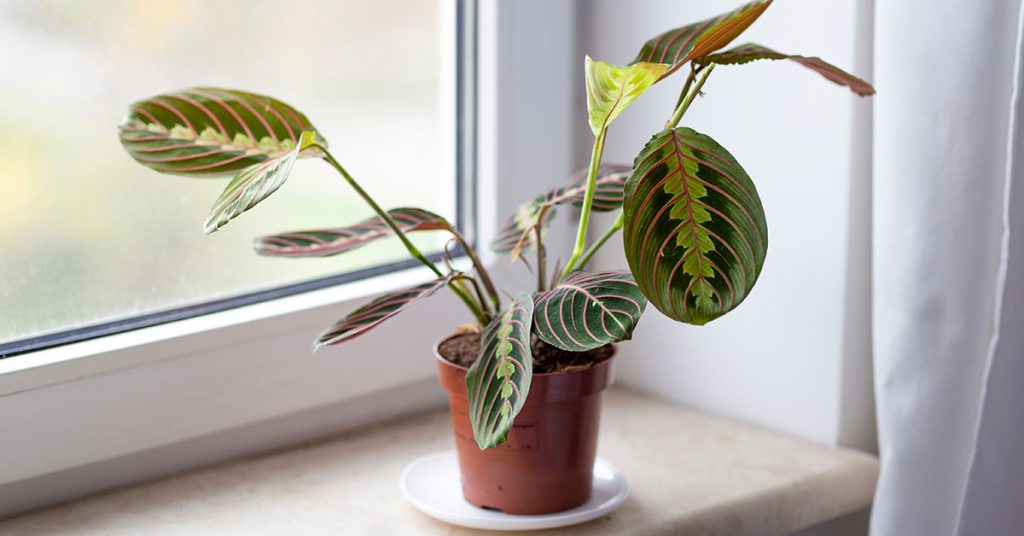
Calatheas (Calathea spp.) hail from the humid understories of tropical rainforests in Central and South America. Their ornate leaves, which curl closed at night, are mesmerizing—but replicating their native humidity in an average home can be a Herculean task. Many novices are disappointed when these plants develop brown leaf edges or droop, not realizing that Calatheas require humidity levels often above 60%. In a dry living room—especially when central heating or air conditioning is blasting—you might be fighting a losing battle trying to create a small rainforest just for one leafy friend.
Calatheas are also highly sensitive to tap water quality. Minerals and chemicals like fluoride can cause leaf spotting and curling, which is incredibly frustrating when you’re diligently watering every few days. Their preference for filtered or rainwater means extra effort that many busy plant parents don’t anticipate. Moreover, because they need consistently moist (not soggy) soil, that environment often attracts fungal pathogens that produce powdery mildew or soil-borne fungus that can attract springtails nesting just below the surface. If you love the exquisite patterns on Calathea leaves but can’t maintain steaming kettles of humidity, consider other, less finicky tropical foliage instead.
Monstera Deliciosa

Monstera deliciosa, often called the Swiss cheese plant, is native to the tropical rainforests of southern Mexico and Central America. Its massive, perforated leaves look incredible in a spacious, well-lit room. However, in many homes—particularly those with limited square footage—Monsteras can quickly outgrow their allocated space, sending aerial roots and vines in all directions. Their sheer size can overwhelm smaller rooms, and once the leaves reach two or three feet across, moving them around for adequate light becomes a two-person job!
In addition, Monsteras need bright, indirect light to produce those signature splits; in low-light conditions, their leaves remain solid and leggy as they stretch toward the nearest window. And while Monsteras are not technically invasive indoors, their robust root systems can displace potted neighbors, leading to overcrowding and reduced airflow—ideal conditions for fungus gnats to nest in the continually moist soil. If you’re seeking a low-maintenance, compact plant, this jungle empress might not be your best choice—unless you have a cathedral-like corner just begging for a tropical curtain of foliage!
Rubber Plant
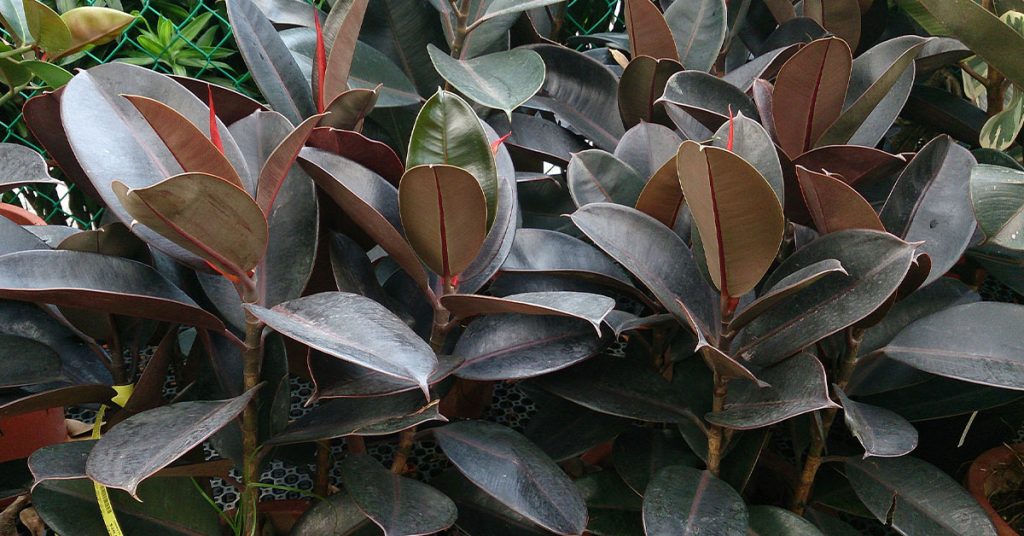
Ficus elastica, commonly known as the rubber plant, originates from Southeast Asia’s tropical regions. Its glossy, broad leaves are striking, but rubber plants can become unmanageable if placed in small spaces. Growing quickly up to eight feet indoors, they require regular pruning to maintain a balanced shape—something many busy plant owners don’t anticipate. If left unchecked in a tiny apartment corner, they can crowd out neighboring pots, shading those plants and creating overly dim pockets where pests like spider mites love to nest.
Moreover, rubber plants are picky about consistent moisture levels. While they tolerate moderate humidity, they detest soggy soil; yet if you under-water them out of fear, they’ll drop leaves in protest. Their sap contains latex, which can be toxic if ingested by cats or dogs, so pet owners must exercise caution or avoid this dramatic ficus altogether. Rubber plants also prefer bright, filtered light—put one in a dim hallway and watch those lower leaves yellow and drop, leaving behind a sparse, bare trunk that’s far from the lush, tropical specimen you coveted at the nursery.
English Ivy

Hedera helix, or English ivy, is native to Europe and Western Asia. Its trailing vines and variegated leaves make it a popular hanging basket choice, but indoors, it often faces conditions too dry for comfort. English ivy thrives in cool, consistent moisture—much like the shady woodlands of its native range—yet homes with forced-air heating or dry winters are the opposite. Many beginners find that crisp leaf edges and brown patches emerge quickly when humidity dips below 50%. This is disappointing if you were hoping for an easy-to-care-for cascade of green.
Worse yet, English ivy can be invasive if discarded outdoors or if a cutting escapes onto a balcony. In many regions of North America, it’s listed as an invasive species that smothers native plants, reducing biodiversity. Inside your home, any leaf debris or decaying vines on the soil surface can host mildew or attract small millipedes, which use that moist, shaded debris layer as nesting grounds. If you love the look of trailing ivy but lack a cool, humid environment—and want to be ecologically responsible—it’s best to choose a less aggressive vining plant, like Pothos or Philodendron!
Orchid

Phalaenopsis orchids, often sold in grocery stores, are native to southeast Asia and parts of Australia. Their elegant blooms draw new plant parents in droves, but few realize how finicky they can be. Orchids require highly specific light conditions—bright but indirect—and even slight shifts in temperature or watering schedules can drop those extravagant flowers in a single week. For a home without a south- or east-facing window, orchids often languish, refusing to rebloom and eventually succumbing to rot or pests.
Beyond light and temperature demands, orchids grow in airy media—materials like bark chips or sphagnum moss—to simulate their epiphytic nature in wild canopies. Many apartment gardeners repot them into traditional potting mixes out of convenience, which suffocates their roots. When that happens, root rot sets in, and gnats lay eggs in the decaying organic matter, creating a pest nesting zone. If your routine is hectic—vacations, unpredictable schedules, or inconsistent humidity—you’ll likely see those delicate orchid roots perish faster than you can say “repot me.” A more forgiving bloom, like a Peace Lily, might be a better match unless you’re ready to commit to orchid-specific care.
Fiddle Leaf Fig

Ficus lyrata, the beloved fiddle leaf fig from western Africa’s rainforests, has taken modern interiors by storm. Its enormous, violin-shaped leaves lend dramatic flair, but it also has a reputation for being the divas of the ficus world. These plants need precise light conditions—bright, indirect light—and even then, they can refuse new growth if humidity hovers too low. I know how frustrating it is when a single brown spot rips through those lush leaves, signaling that the humidity or soil moisture is off-kilter.
Additionally, fiddle leaf figs are extremely sensitive to drafts and sudden environmental changes. If you place yours near a frequently used doorway or an air vent, those temperature swings stress the plant, leading to leaf drop and making it vulnerable to spider mites that nest on the underside of leaves. And if you’ve ever tried to move a massive fiddle leaf fig, you’ll appreciate its dense, heavy trunk: getting one through a narrow hallway can be a two-person ordeal! For many homes without consistent conditions—think unsteady thermostat settings or limited natural light—the drama of a fiddle leaf fig can outweigh its decorative appeal.
Peace Lily
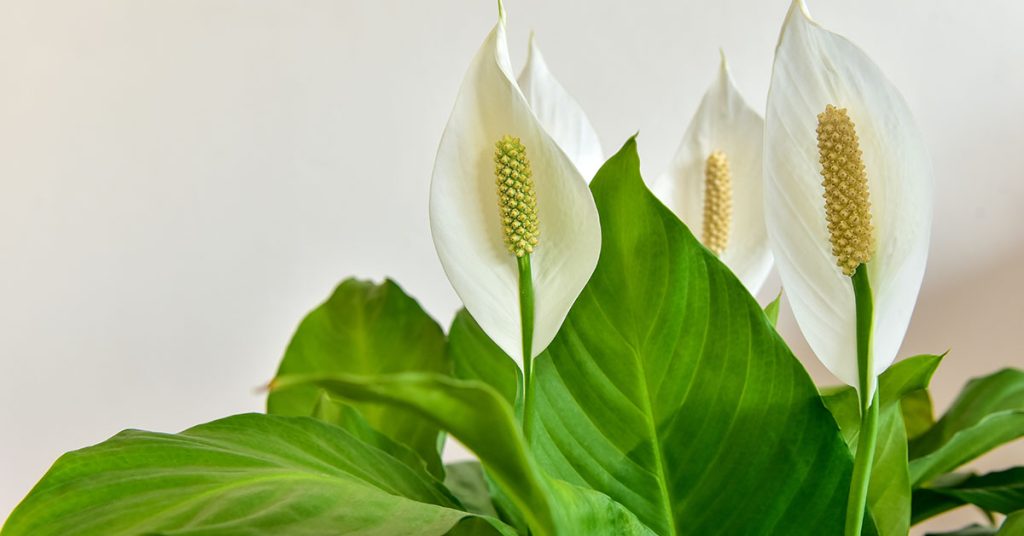
Spathiphyllum wallisii, or peace lily, hails from Central America’s tropical climates. Its chartreuse-plumed blooms and glossy leaves have won the hearts of many beginner plant lovers, but they come with caveats. Peace lilies demand steady moisture—both in the soil and in the surrounding air. In most heated homes during winter, humidity levels plummet, causing brown leaf tips and edges, which is deeply discouraging if you love that crisp white spathe and lush green foliage.
Even more, peace lilies are toxic to cats and dogs: their sap contains calcium oxalate crystals that can cause oral irritation, drooling, and vomiting if ingested. If you have curious pets or small children who tend to grab at dangling leaves, peace lilies can pose a real hazard, leaving you walking a tightrope between attractive decor and safety. Finally, peace lilies prefer low to moderate light; in bright spots, their leaves can scorch, and in darker corners, they may flower infrequently or not at all. If your indoor environment fluctuates significantly, you may find yourself mourning droopy leaves more often than admiring elegant blooms.
Spider Plant
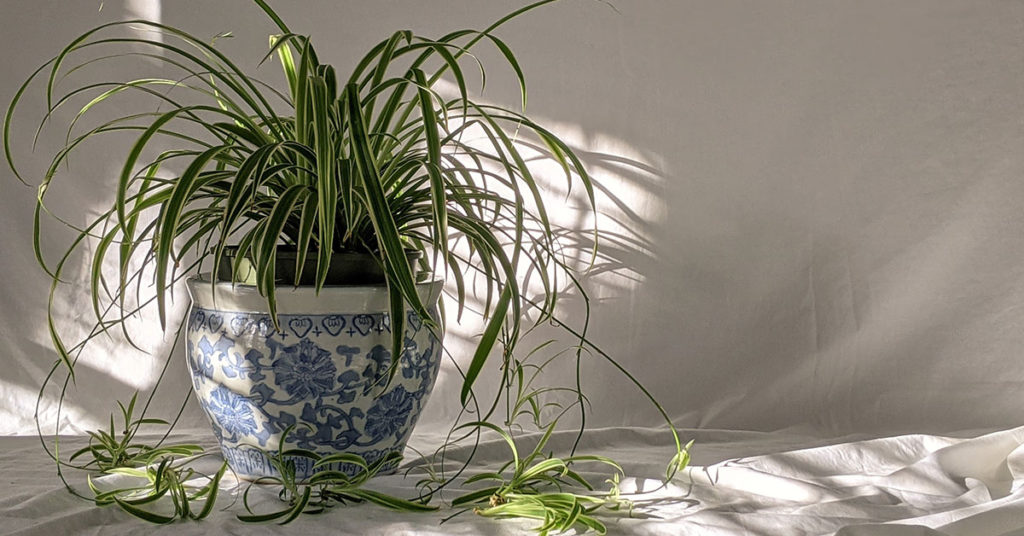
Chlorophytum comosum, known as the spider plant, originated in tropical and southern Africa. Its arching leaves and abundant baby spiderettes make it a go-to gift plant—but be cautious before filling your windowsills with dozen of them. Spider plants can become a favorite nesting spot for fungus gnats if the soil remains moderately moist. Those pesky gnats thrive in the organic-rich substrate that spider plants love, turning your cute spiderettes into an unwanted pest buffet.
Another drawback is that spider plants can be quite temperamental about water quality. They often develop brown tips when exposed to high levels of fluoride or salts that accumulate in tap water—a surefire way to kill plant enthusiasm. Using filtered or distilled water consistently becomes a chore, and without it, your once-vibrant spider plant can brown out so quickly that you question your green thumb! If you can’t commit to specialized water or find gnats making a nesting ground in your tray, a hardier philodendron might be a better, lower-maintenance alternative.
ZZ Plant
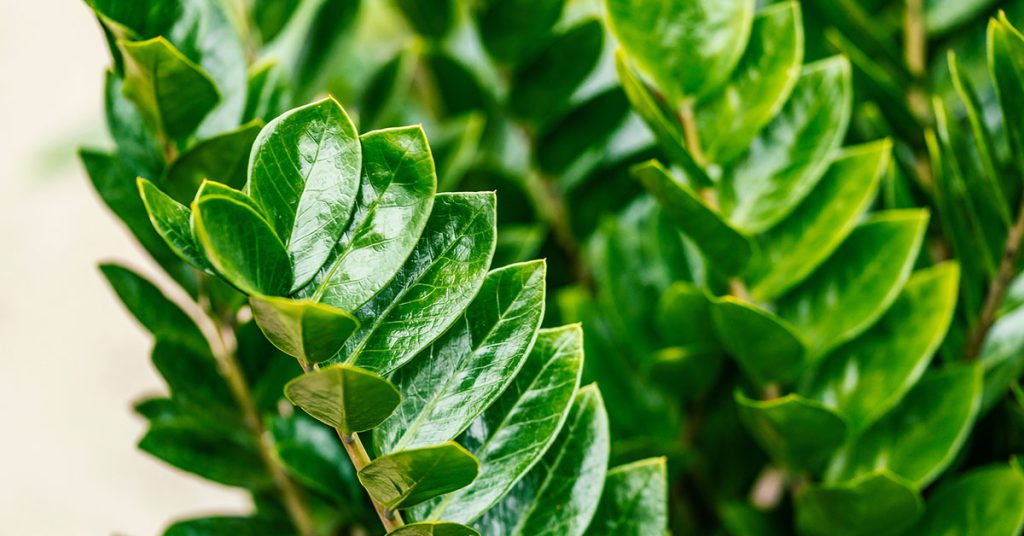
Zamioculcas zamiifolia, or the ZZ plant, comes from the rocky grasslands of East Africa. Its glossy, upright stems seem indestructible, tolerating low light and sporadic watering. Yet that resilience can work against you. Beginners often “babysit” a ZZ by overwatering out of sheer enthusiasm, never realizing that this succulent-like plant prefers extended dry spells. Those dense rhizomes store water for months, so feeding it each week can lead to root rot and a gray, moldy rind around the tubers—a nesting ground for soil-borne springtails.
Moreover, ZZ plants produce fleshy seeds and tubers that aren’t well-suited to standard potting media; they thrive in coarse, well-draining mixes. If you plant a ZZ in a typical peat-based mix, water drains too slowly, and the rhizomes become waterlogged in winter’s lower light. This often results in yellowing leaves and mushy bases, making you feel like you’ve failed at even the “easiest” houseplant. If you don’t have a gritty, fast-draining mix or are prone to weekly watering binges, consider a less succulent species—like a hearty dracaena—that’s more forgiving of regular soil moisture.
Snake Plant
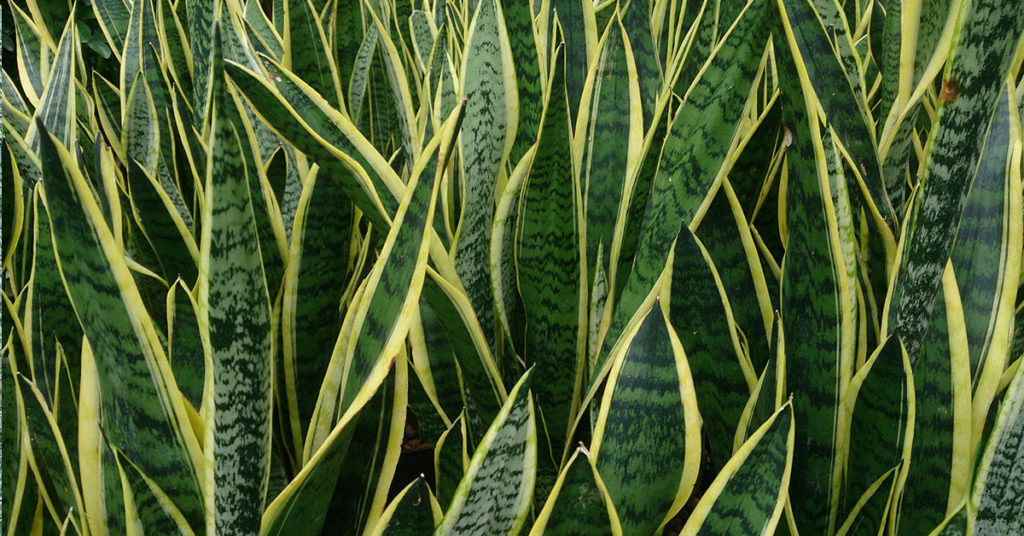
Sansevieria trifasciata, often called the snake plant or mother-in-law’s tongue, is marketed as an effortless air-purifier native to West Africa. While it can tolerate low light, many people place their snake plants in pitch-black corners where they receive zero illumination—causing the leaves to go pale or collapse entirely. It’s such a bummer to return from a long trip to find your snake plant’s foliage reduced to mush because it had no light to photosynthesize for weeks.
Worse still, snake plants are prone to collecting dust on their broad leaves, which can attract spider mites that nest in those dusty crevices. Without periodic cleaning, the mites can multiply, sapping your plant of vigor. Additionally, although snake plants resist drought, they detest consistent moisture—yet many folks, mistakenly thinking drought-tolerance equals “water only when dead,” end up overwatering. Soggy pots become a breeding ground for fungus gnats and rot rapidly, turning the soil into a slimy nursery for unwanted pests. If you can’t commit to occasional leaf dusting and strict drying intervals, this stalwart of beginner plant lists might frustrate rather than flourish.
Chinese Money Plant

Pilea peperomioides, commonly called the Chinese money plant, originates in the Yunnan and Sichuan provinces of China. Its round, pancake-like leaves look whimsical, but they droop dramatically when deprived of bright, indirect light. In a home with a single north-facing window, your Pilea will stretch out lanky stems, lean toward any available light source, and shed leaves in despair—a heartbreaking sight when you expected upright, coin-shaped foliage to crow about your knack for trendsetting.
In addition, money plants produce numerous pups—baby offshoots—only to have them languish in overcrowded pots if you don’t pot them on swiftly. This crowding reduces airflow and encourages powdery mildew or root gnats to nest in the increasingly compacted soil. You might think more babies mean more plants for free, but if you’re unable to repot or share them quickly, your once-bountiful Pilea can suffocate under its own success. If you’re not up for proactive repotting and frequent monitoring, consider a less prolific species that won’t rapidly outgrow its pot and demand constant division.
Boston Fern
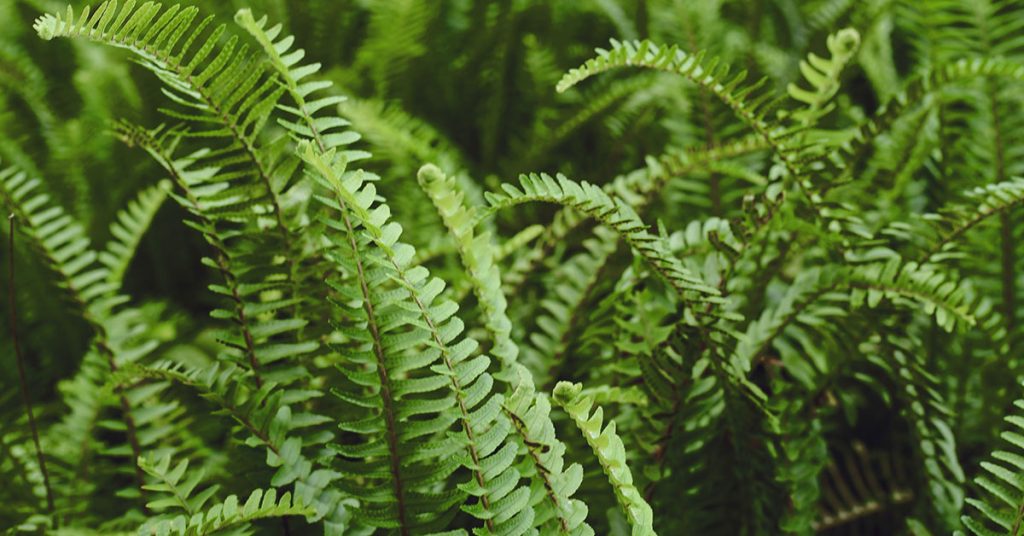
Nephrolepis exaltata, known as the Boston fern, thrives on tropical forest floors in Central and South America. Its arching fronds add lush softness to any room, but recreating its native, humid environment—where rainfall is frequent and air is perpetually moist—can be tricky during winter months. Radiator heat, forced-air systems, and cold drafts from poorly insulated windows spell disaster for these delicate ferns. Brown, crisp frond tips emerge fast when humidity dips below 60%, turning your verdant display into a brittle, brown shadow of itself.
Even worse, the fine root hairs of a Boston fern attract root-eating insects like fungus gnat larvae when the soil remains wet. Those larvae nest in the constantly damp medium, nibbling at delicate roots, which leads to limp fronds and a visibly distressed plant. If you adore that lush, green cascade but don’t have dedicated humidifier space—or the patience to mist nearly daily—Boston ferns will leave you wishing you’d chosen a hardier dracaena or pothos instead.
Aloe Vera
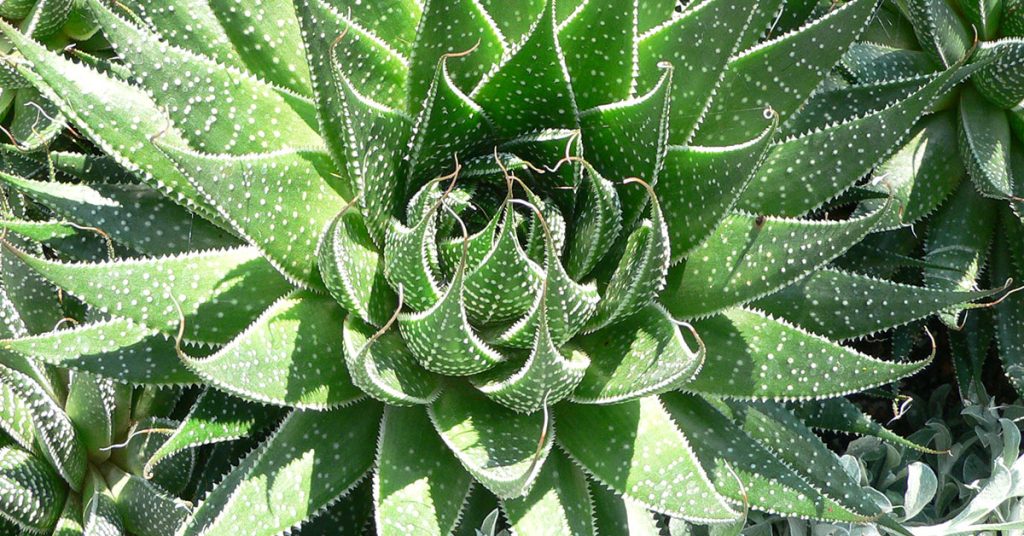
Aloe barbadensis miller, the go-to medicinal succulent, hails from the Arabian Peninsula. Its fleshy leaves store water to survive drought, yet in many homes, they languish due to low light and inconsistent watering. People often place aloe in dim kitchens or bathrooms, thinking “succulents need little light,” only to find the leaves turn pale, stretch out without forming rosettes, or even develop root rot when they’re watered too often. It’s a bummer when that aloe you bought to soothe burns ends up a limp, yellow mess instead of a sturdy, gel-producing specimen.
Moreover, aloe leaves can grow quite large—up to two feet—and become top-heavy, making them prone to tipping or even splitting if potting mix is too loose. If you stake them up in a heavier medium, you risk holding moisture against their roots, inviting pests like mealybugs to nest in the crevices between leaves. Unless you have a very bright south- or west-facing window and can commit to a gritty, super-draining mix, aloe vera might be more headache than healing balm in your home.
Philodendron
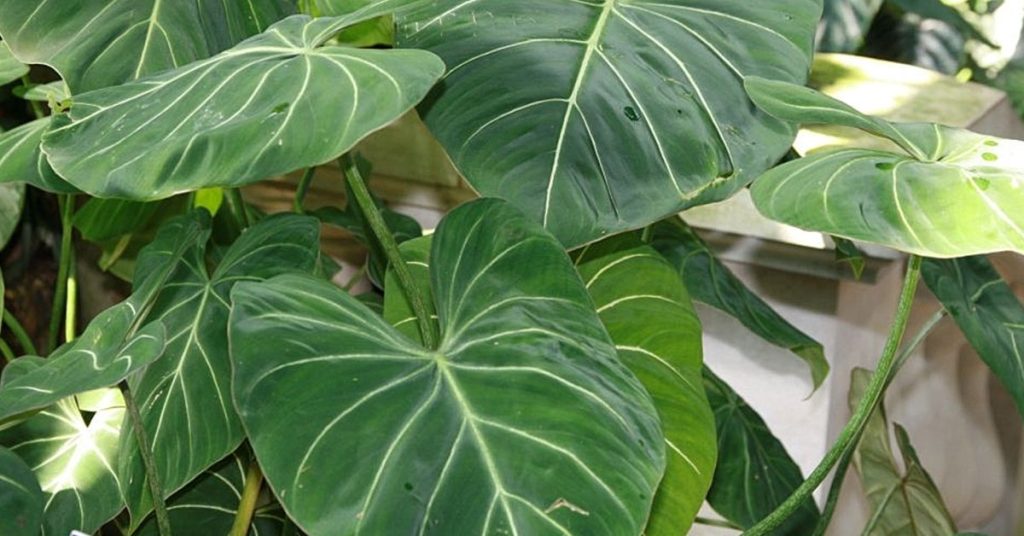
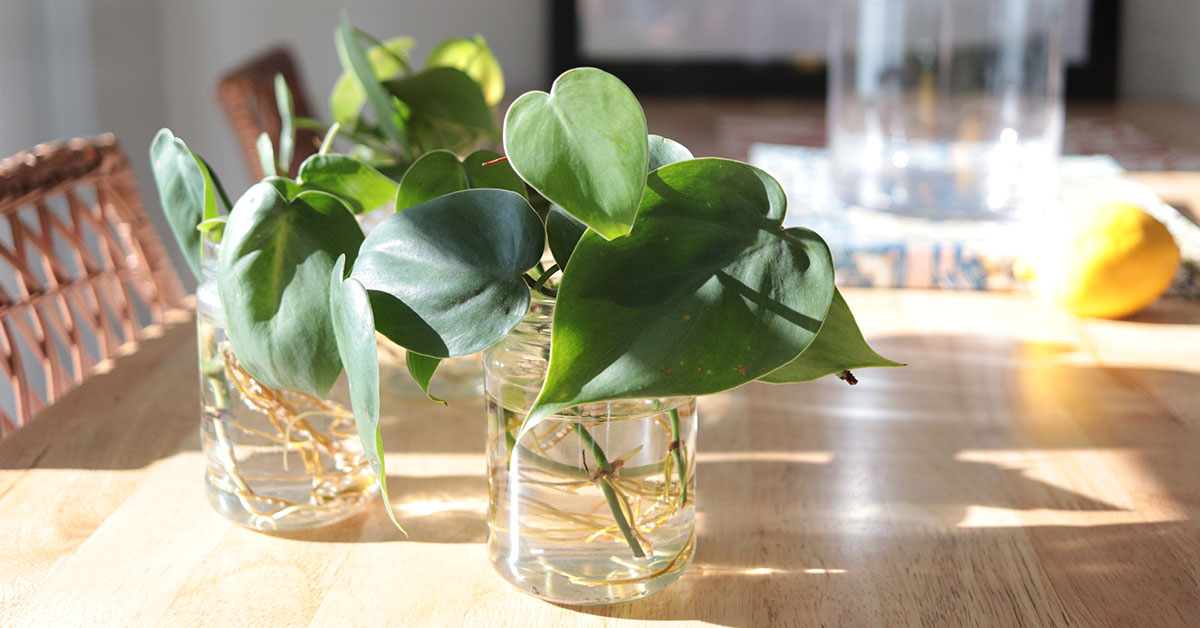
Philodendron hederaceum, the heartleaf philodendron, and its many cultivars are beloved for their trailing vines and forgiving nature. Yet their popularity belies a few hidden challenges. In low-light conditions, philodendrons become leggy, producing long, sparse vines with few leaves. Trying to cultivate those lush, heart-shaped leaves in a dim corner can leave your plant looking more sad than decadent. And because they grow so quickly, you need to prune them regularly to maintain a tidy look—otherwise, they’ll cascade over your shelves like a tangled cascade of spaghetti.
Additionally, philodendron sap contains calcium oxalate crystals, making it toxic if ingested by curious pets or toddlers. That means you have to monitor any playful cat looking to nest in the soil or nibble on those glossy leaves—philosophically, I love the idea of a pet-friendly household, but philodendrons aren’t the best match if you can’t keep them elevated and out of reach. And let’s not forget that their rapidly growing root systems can clog crowded pots, pushing aside neighbors and creating humid microclimates in the soil where gnats happily nest. If you don’t have ample space to prune and pivot them into fresh soil every season, there are likely better vining options for your home.