

Your Brain Is Designed to Ignore the Familiar

Your olfactory system habituates to constant stimuli so it can stay alert to changes. In other words, your brain isn’t interested in confirming what it already knows. It’s scanning for what’s new, unusual, or potentially dangerous. Familiar smells get filed away as background noise.
The distinct scent of your own home, which might be immediately apparent to a visitor, is often imperceptible to you. This natural process allows the brain to filter out constant background odors, ensuring that the olfactory system remains responsive to new or potentially important smells in the environment.
What Scientists Actually Call This Phenomenon

Nose blindness, also known as olfactory adaptation or olfactory fatigue, is a natural process where your brain filters out constant smells in your environment. It has nothing to do with any illness or damage to your nasal passages.
Nose blindness is a temporary, naturally occurring adaptation of your body that leads to an inability to detect or distinguish common scents in your surroundings. It’s sometimes also referred to as olfactory fatigue or olfactory adaptation. The clinical language sounds complex, but the experience is entirely ordinary.
It’s important to note that olfactory fatigue, or nose blindness, is not the same as anosmia, a total or partial loss of smell. Unlike anosmia, which may result from illness, injury, or neurological conditions, olfactory fatigue is entirely temporary and natural.
How Fast Does It Actually Happen?

Olfactory adaptation can occur within just a few minutes of exposure. This speed surprises most people. Most assume it must take hours or days of exposure for the nose to stop registering a smell, but the brain begins adjusting almost immediately.
When you first walk into a new environment, your brain immediately identifies unfamiliar scents. But after a few minutes of exposure, the smell becomes background information. The more often you encounter it, the less noticeable it becomes.
The Neuroscience Behind the Fade
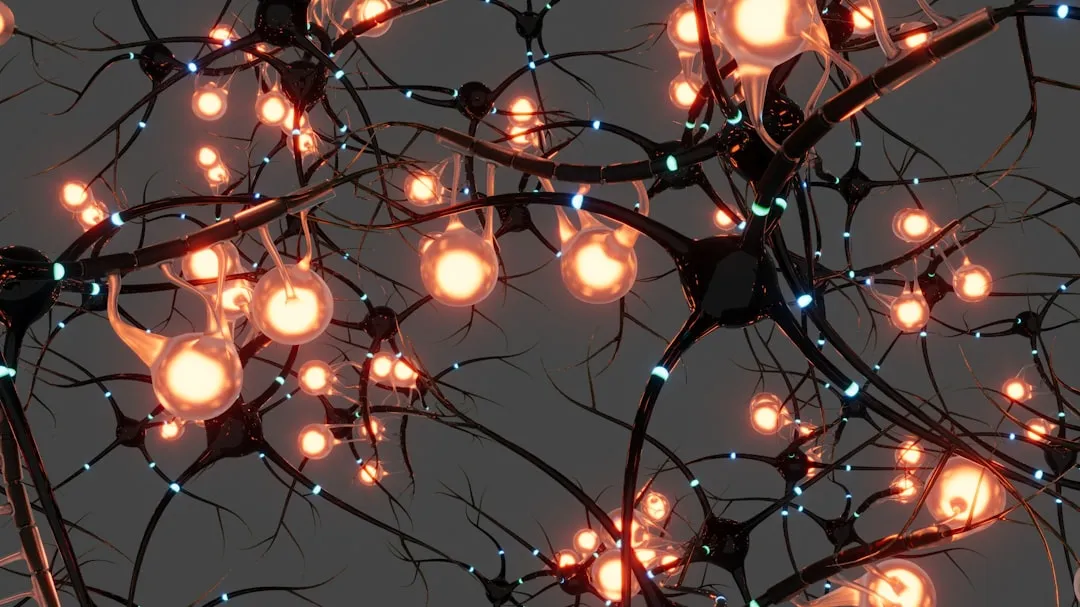
Olfactory adaptation begins inside the cilia of receptor neurons lining the nasal epithelium. When an odorant molecule binds a receptor, it triggers a cascade: adenylyl cyclase produces cyclic AMP (cAMP), which opens ion channels. Calcium floods in. The neuron fires. That’s how you smell something in the first place.
But calcium is also the shutdown switch. It activates CaMK II, which simultaneously represses the ion channels, inactivates adenylyl cyclase, and triggers phosphodiesterase, the enzyme that destroys cAMP. The system that lets you smell a molecule immediately begins silencing your ability to keep smelling it.
Adaptation may also occur in the central nervous system, likely through inhibitory processes. Mechanisms of central adaptation have been shown in rats where single neurons in the anterior piriform cortex selectively adapt despite relatively maintained input from the olfactory bulb. In humans, fMRI data revealed that the orbitofrontal cortex decreased the activity of the piriform cortex, the primary processing area after the olfactory bulb.
Why It Happens More With Bad Smells
A Scientific Reports article suggests some unpleasant smells become less noticeable more quickly than pleasant ones. Your nose gets used to bad odors such as body odor faster, so you stop noticing them sooner than you would with nice smells. This has a real practical implication for how people manage their living spaces.
It is common to experience a rapid fading of the smell of sweat when entering a crowded place. A lack of olfactory habituation may lead to severe and debilitating chemical intolerance, as shown in patients who reported an impossibility to study or work in a room where certain odors are present. So while adaptation is a biological gift for most people, its absence can be genuinely disabling.
The Everyday Sources You Stop Smelling First

Your kitchen, your laundry detergent, your partner’s skin, your own perfume: all suppressed by a system whose evolutionary priority is detecting the new, not confirming the familiar. Every consistent scent in your home is a candidate for disappearing from your awareness.
The most common sources of odor in homes are the trash can, refrigerator and garbage disposal, as well as carpets, upholstered furniture, and pet items. These are precisely the things that, over time, become completely invisible to your nose. From cooking and laundry to pets and heating systems, every space collects scent molecules that linger. Over time, your senses tune them out completely.
Why Visitors Always Notice What You Can’t

Most people don’t realize they’ve developed nose blindness until someone else mentions it. A few reliable indicators: guests comment on a smell you genuinely can’t detect, not a vague “I think I smell something” but a clear, specific reaction you can’t share.
There’s no mystery to why a guest notices the smell of your home within seconds of walking through the door. Their nose is encountering an entirely novel set of odor molecules for the first time. Odors initially perceived as strong eventually fade into the background, becoming less noticeable or even undetectable. The guest’s experience and yours aren’t different opinions. They’re just two different stages of the same biological process.
The Survival Logic That Made This Normal

Far from being a flaw, olfactory fatigue is a sign of how efficiently the body works. Sensory adaptation allows us to prioritize novelty and potential threats over background information. This logic has deep evolutionary roots.
The ability to quickly adapt to background odors is beneficial for survival. If you are in a room with a persistent, harmless smell, your adapted nose can swiftly identify a sudden, potentially hazardous odor like smoke or spoiled food. This mechanism ensures attention is drawn to novel stimuli that might indicate danger or a significant change in the environment, rather than being constantly distracted by unchanging scents.
The Vacation Effect: When Your Nose Resets
Walking back into your home after a vacation often feels like a sensory shock. You suddenly notice what your “normal” smell actually is. It’s one of the clearest demonstrations of how far the adaptation had already progressed without you realizing it.
Repeated or prolonged exposure to an odorant typically leads to stimulus-specific decreases in olfactory sensitivity to that odorant, but sensitivity recovers over time in the absence of further exposure. A few days away is often enough to restore a meaningful degree of perception. Stepping out of a scented environment for even 20 to 30 minutes is one of the most reliable ways to reset your sense of smell at home.
What You Can Actually Do About It
There isn’t any particular way to prevent nose blindness entirely. That’s because nose blindness is a natural adaptation of your body that occurs automatically. Most of the time, you’re not even aware that it’s happening. Still, there are practical steps that genuinely help.
Over time, your nose can also adapt to the same air freshener or candle scent. Switching to a new fragrance can help reset your scent recognition and keep your space smelling noticeably fresh. Rotating scents rather than committing to just one is a simple and effective habit.
Good airflow is essential for keeping odors at bay and preventing nose blindness. Making sure your space is well-ventilated by using fans, opening windows, and investing in a quality air purifier to filter out unwanted smells all contribute to a fresher environment that your nose is less likely to tune out entirely.
The Takeaway

The fading smell of your home isn’t your nose failing you. It’s your brain doing exactly what it was built to do: clear space for what matters, filter out the predictable, and keep your senses tuned to change. Most of us have experienced an odor fading to imperceptibility after prolonged exposure. Habituation is a basic building block of sensory cognition, allowing us to pay attention to weak but important cues relevant for survival.
The next time a guest walks into your home and pauses for a half second, there’s a good chance they’re getting a clearer picture of your space than you’ve had in years. That’s not embarrassing. It’s just biology doing its quiet, relentless work.
AI Disclaimer: This article was created with the assistance of AI tools and reviewed by a human editor.