

Most of us have experienced it at some point. A dish you’ve made a dozen times suddenly tastes completely different when someone else puts it on your plate. Same ingredients, same technique, same kitchen, sometimes. Yet something shifts. The question of why this happens turns out to be far more layered than anyone expects, touching on cognitive science, neuroscience, emotion, and the very social nature of eating itself.
This isn’t just a nice idea people throw around at dinner parties. Researchers have been studying it seriously, and what they’ve found is genuinely surprising.
Your Brain Starts Eating Before You Even Sit Down
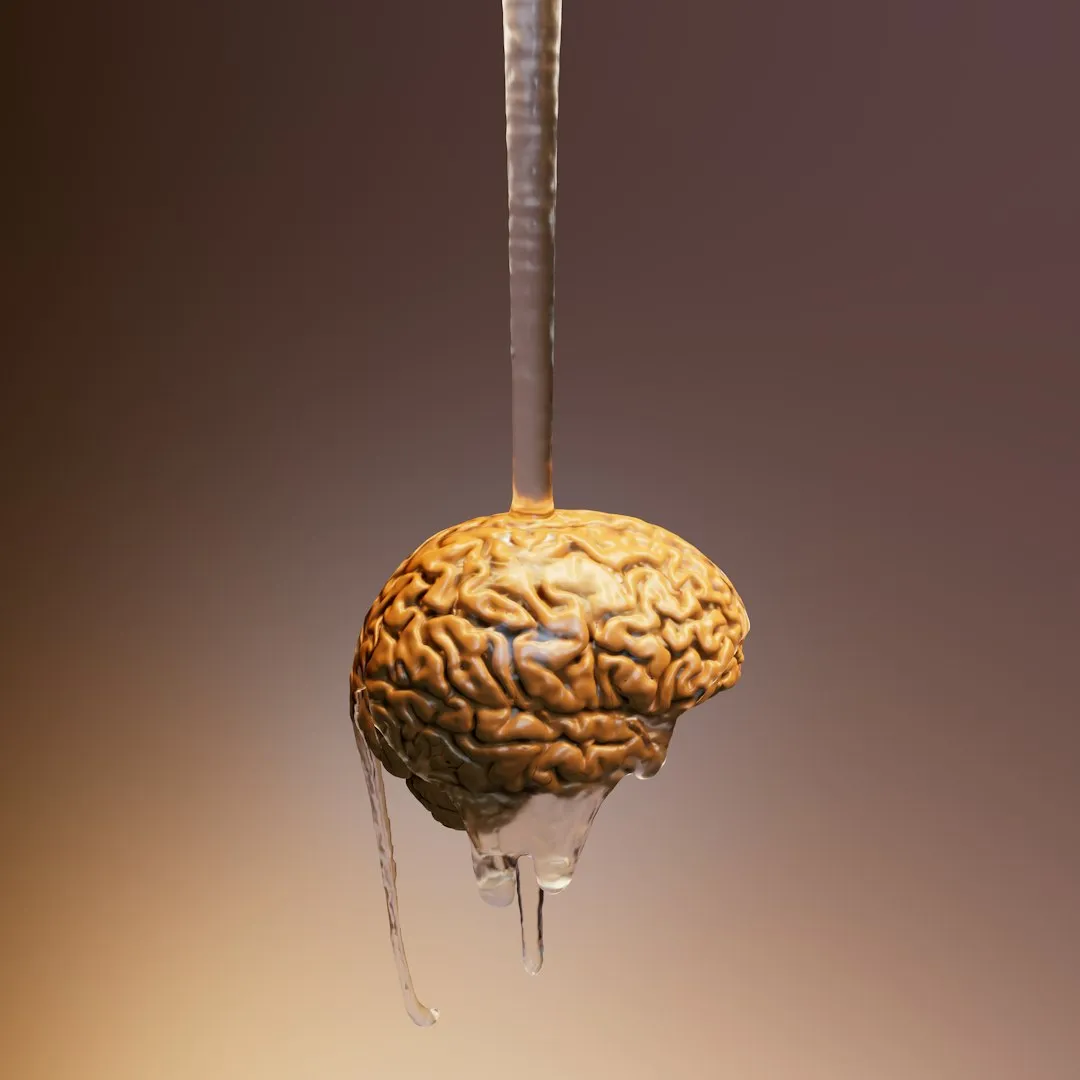
When you cook your own food, your brain is already processing the meal long before it reaches your mouth. Psychologist Daniel Kahneman has explained that when you make your own sandwich, you anticipate its taste as you work on it, and when you think of a particular food for a while, you become less hungry for it later. It’s a kind of specific satiation, just as most people find room for dessert when they couldn’t have another bite of their steak. The sandwich another person prepares is not “preconsumed” in the same way.
That mental pre-eating is subtle but powerful. Your appetite gets quietly spent in the kitchen, so that when the plate finally arrives, a fair portion of the excitement has already been burned through. Someone who simply receives the meal never goes through that invisible process, and arrives at the table with full sensory anticipation intact.
Sensory Fatigue: Your Nose Knows Too Much

According to research from Carnegie Mellon, sandwiches made by someone else can taste better due to sensory-specific satiety, which dulls your appetite for a food while you prepare it yourself. This is not a minor effect. The longer you stand over a pot, the more your olfactory system habituates to those aromas, and by the time you eat, the scent that once seemed enticing has become background noise.
Sensory fatigue occurs because repeated exposure to a food’s aromas during cooking dulls your sensory enjoyment by the time you eat it. The person who walks into a kitchen already filled with the smell of roasting garlic gets a hit of pleasure. The cook who has been breathing that garlic for forty minutes barely registers it anymore. That difference in sensory freshness directly shapes how satisfying the first bite feels.
The Element of Surprise That Cooking Steals From You
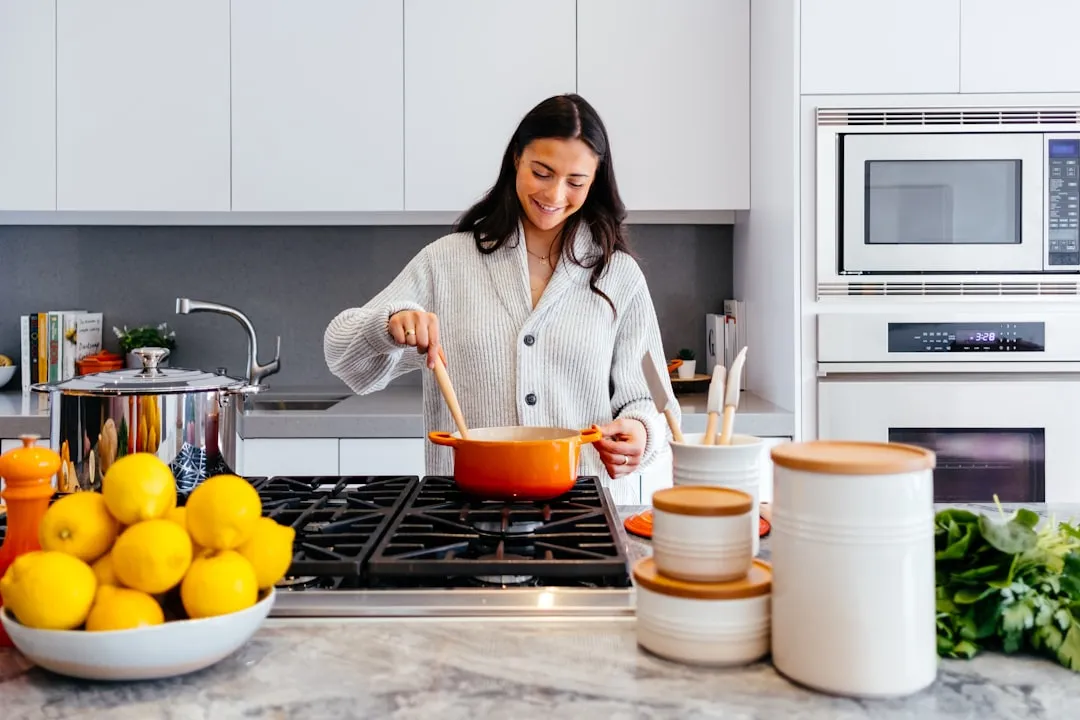
The process of cooking your food spoils the element of surprise. The flavors and taste are no longer new to your taste buds. You had it all while cooking. When your meal is ready, you are done tasting. There’s something quietly ironic about this: the act of creating the dish is part of what diminishes the reward of eating it.
When you take a bite of someone else’s food, it’s often a surprise, a sudden novel burst of flavor. Your brain is not adapted to this specific taste in that moment, so the experience is more rewarding. Novelty, in the context of taste, isn’t just pleasant. It’s neurologically amplified. The brain assigns more attention and more pleasure to experiences it hasn’t already catalogued.
Hedonic Adaptation and Why Familiarity Flattens Flavor

Hedonic adaptation is a psychological concept describing our tendency to return to a stable level of happiness despite major positive or negative life changes. In the context of food, this means the first bite of a delicious dish is more pleasurable than the tenth. We quickly adapt to the pleasure, so the initial thrill fades with each successive bite. Cooking a meal essentially forces you to experience dozens of those early “bites” through smell and taste-testing before you ever sit down.
Someone eating the finished result skips straight to something closer to that first-bite experience. Your pleasure from a specific food diminishes with each successive bite, making a novel bite from someone else’s plate more rewarding. It’s a basic feature of human perception, not a flaw. Our brains are wired to notice change more than continuity.
The Mental Relief of Not Being the Cook
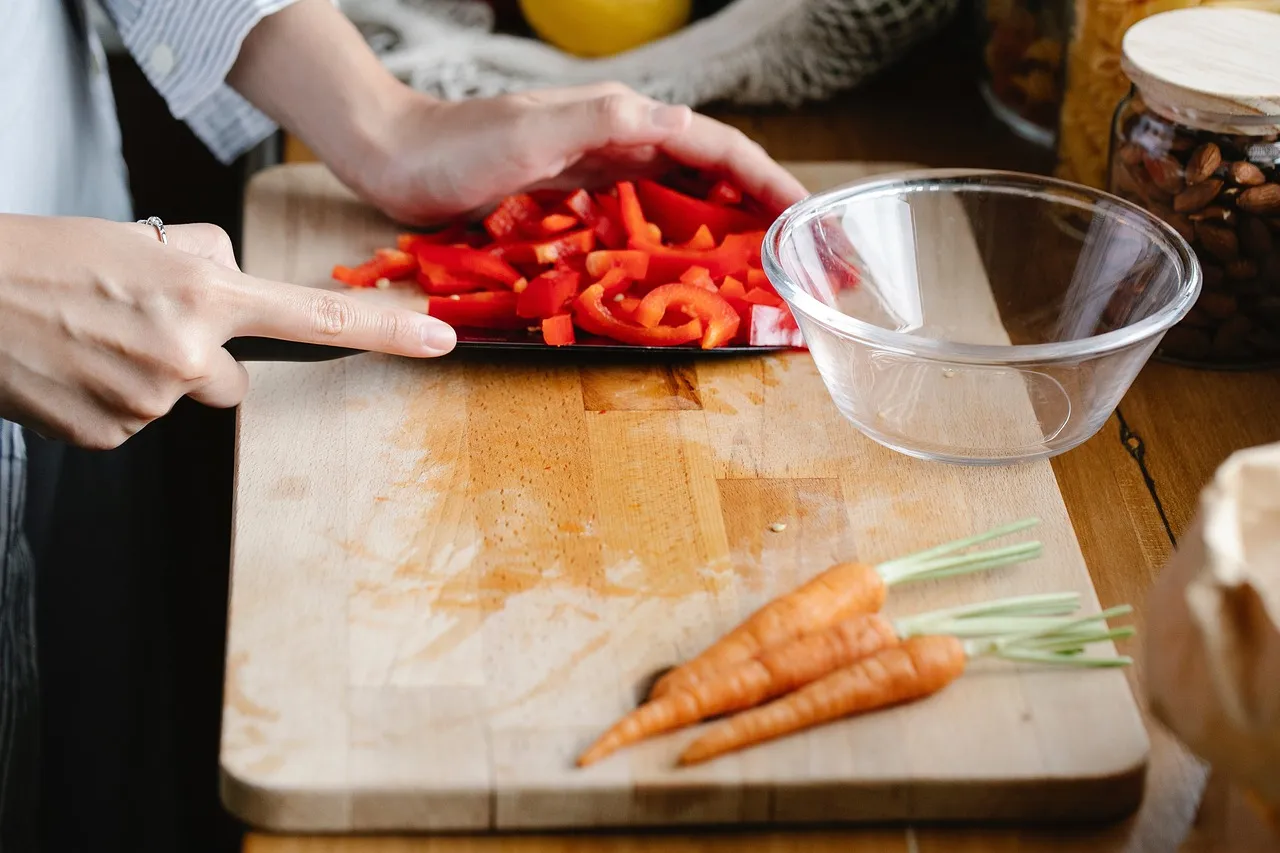
Psychologists say this doesn’t just come down to cooking skill, but it’s tied to how our brains respond to effort, anticipation, and the pleasure of being cared for. When we’re not focused on the work behind the meal, planning, prepping, timing, and cleanup, we’re able to experience the food with fewer distractions and more enjoyment. That mix of emotional comfort and mental relief is often what makes a simple meal feel extraordinary.
Meals prepared by others remove the physical and mental fatigue of cooking, so your senses are sharper, and the food often tastes better simply because you can relax and pay attention to it. When you skip the effort of chopping and cleaning, your focus stays on the meal itself, not the cooking process that comes before it. Attention, it turns out, is one of the most underrated ingredients in any recipe.
Expectations Shape Taste More Than Ingredients Do
One reason why food made by someone else tastes better is because of our perception of the food. When we make a meal for ourselves, we have a certain expectation of what it should taste like. When someone else makes it, we have no preconceived notions about what it should taste like. This lack of expectation can make it taste better because we’re more open to experiencing the flavors and textures of the food.
Other times, someone else’s food tastes better because you expect it to taste better. There may be nothing special or different about their meal. For instance, we normally expect chefs to make food that tastes better than ours. Expectation is a lens that can both magnify and diminish taste. And when someone else takes over the kitchen, your default expectation often tilts positive before a single bite is taken.
Emotional Connection Changes the Chemistry of a Meal

Another reason why food made by someone else tastes better is because of the emotional connection we have with the person who made it. Whether it’s a parent, a partner, or a friend, when someone makes us a meal, it’s a form of love and care. This emotional connection can make the food taste better because we’re experiencing more than just the food itself.
Research conducted by Birds Eye found that roughly three in five people enjoy food more when it is deliberately cooked with love. The positive feeling of being cared for by someone who cooked for you can make their food taste better. That’s not sentiment dressed up as science. It’s a measurable effect on subjective taste perception, one that sits at the intersection of psychology and neurobiology.
Mood, Calm, and the Brain’s Flavor Chemistry

When we feel calm, safe and socially connected, our brain releases feel-good chemicals such as dopamine and serotonin, and food tastes better. Think of how amazing your favourite food tastes when you’re laughing with friends or eating at a festival. The emotional state you bring to the table is, in a very literal sense, an ingredient.
In one experiment, participants who watched a horror movie felt more anxious and rated juice as less sweet than those who watched a comedy or documentary film. The participants who watched the horror movie even drank more juice than the others, possibly trying to “find” the sweetness their brain was suppressing. These effects may be linked to physiological changes, as anxiety can influence autonomic nervous system activity and hormone levels that affect taste perception and consumption. The inverse holds as well: being relaxed and cared for at the table doesn’t just feel good, it literally alters how your tongue and brain interpret flavor.
Shared Meals Make Everything Taste Better, According to Global Data
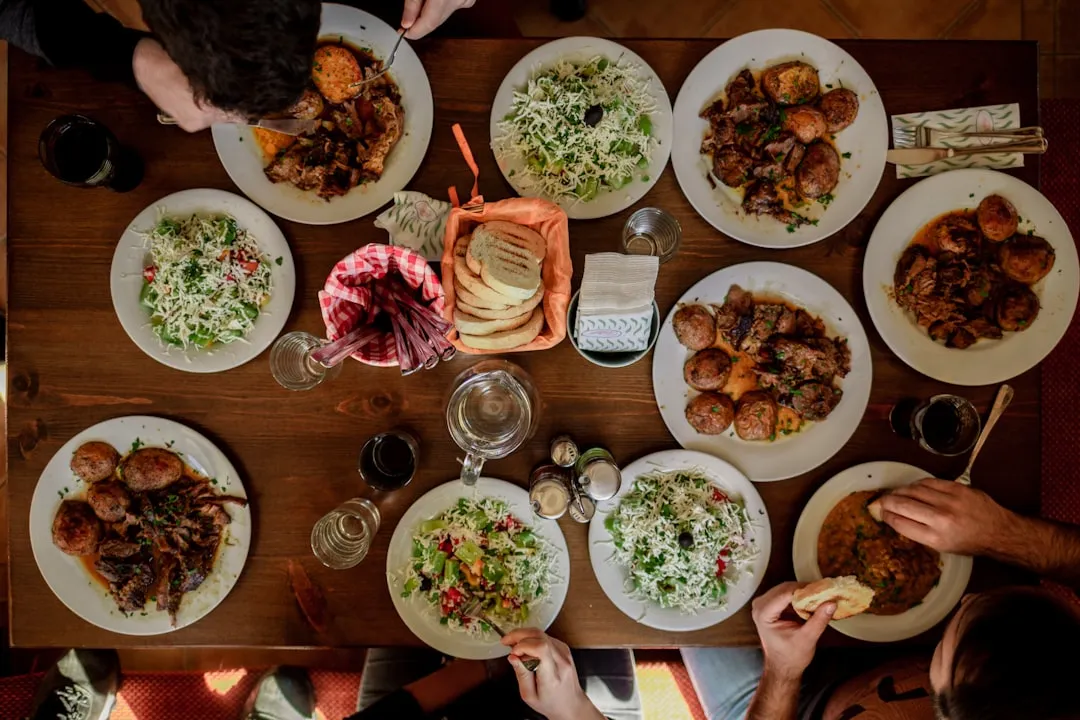
Research using Gallup data from over 140 countries found that people who share more meals report higher life satisfaction and positive emotions, and lower negative emotions. The World Happiness Report 2025 found that the biggest jump in life evaluation is between those who ate all meals alone and those who shared even a single meal in a week. That’s a striking finding: it doesn’t take a weekly dinner party. Even one shared table makes a measurable difference.
In a landmark study conducted by researchers at the University of Minnesota and supported by the Barilla Group, findings shed light on the profound connection between eating meals with others and overall happiness. The study shows a strong positive correlation between how often people gather around the table during mealtime and enhanced connectedness, reduced depressive symptoms and improved mood. In the United States, roughly one in four Americans now eats every meal alone, a 53 per cent increase since 2003. The data is pointing in the same direction across cultures: eating alone isn’t just lonelier, it’s also, quite measurably, less delicious.
Breaking Routine Is Its Own Kind of Seasoning

When we make a meal for ourselves, it’s often just another task on our to-do list. When someone else makes us a meal, it’s a break from our routine. This break from routine can make the meal taste better because we’re more present and engaged with the experience of eating. Mindfulness researchers have said something similar for years, but here the shift in presence isn’t the result of deliberate practice. It happens naturally when someone else handles the labor.
Mealtimes shared with other people define how, what, how much, and with whom we eat. On such occasions, whether in private or public spaces, and as formal or informal events, our eating practices are inseparable from our interactions with other people. That interdependence isn’t a modern development. It’s baked into the human relationship with food across every culture and every era of recorded history.
The Takeaway at the Table

None of this makes you a bad cook. The forces at work here have almost nothing to do with technique and almost everything to do with perception, emotion, attention, and the simple relief of being fed rather than feeding. The science is layered, but the conclusion is surprisingly warm: meals made by someone else taste better largely because of what they represent, care, connection, surprise, and the rare gift of not having to think about dinner.
Perhaps the most honest reading of all this research is that the recipe was never the main ingredient. The hands that made it, and the relationship surrounding it, were doing the real cooking all along.
AI Disclaimer: This article was created with the assistance of AI tools and reviewed by a human editor.