

Every August, something strange happens. The days are still long. The temperature hasn’t dropped. Technically, nothing has changed on the calendar. Yet somehow, that final stretch of summer feels like it’s moving at twice the speed of those slow, luminous weeks in June. It’s not your imagination playing tricks, and you’re far from alone in feeling it.
The reasons are genuinely fascinating, and they sit at the crossroads of neuroscience, psychology, and something deeply human about how we experience time.
Your Brain Isn’t a Clock – It’s a Storyteller
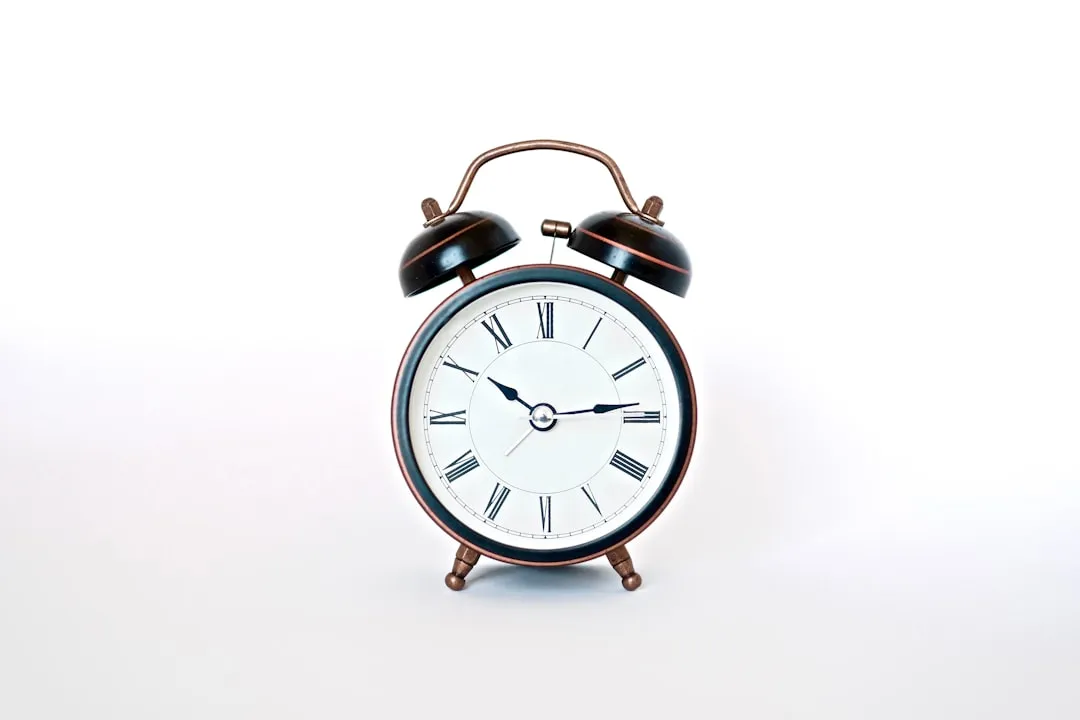
Your brain isn’t a perfect clock. It doesn’t measure time like a stopwatch. Instead, it estimates time using attention, memories, experiences, and expectations. That distinction matters more than it sounds.
Psychological time is influenced by multiple factors such as arousal, emotion, attention, and memory. When these factors shift, so does your perception of how quickly hours pass. The last week of summer is a perfect storm of all of them shifting at once.
The Novelty Effect: Why June Feels Endless and August Does Not

Children cram their days with firsts: a first dive into the pool, a first try at long division, a first sleepover away from home. These fresh experiences swarm the brain with new images to file away, stretching the subjective length of a single afternoon. Adults, by contrast, tend to replay familiar routines. With fewer novel snapshots to store, the days collapse into something closer to a highlight reel than a feature film.
The same logic applies within a single summer. The first week overflows with new sensations: new places, looser schedules, a sudden freedom from routine. By the last week, summer itself has become familiar. This is where time starts to accelerate, or at least where it starts to feel that way in retrospect. With fewer novel experiences being stored, there’s simply less to look back on. The summers don’t disappear, exactly. They just leave fewer new memories behind.
The Holiday Paradox: Fun and Speed Are Linked

Psychology writer Claudia Hammond coined the term the “Holiday Paradox,” also called the Vacation Paradox, which unpacks the subjective experience of how time flies when you’re having an enjoyable, new experience like a vacation, but then later, in retrospection, it feels like it lasted longer than it really did.
This perception of the past is an example of retrospective time: thinking back in your memory to judge how fast time went. It is quite common for there to be a disconnect between prospective and retrospective time perception. Something that is long prospectively can appear short retrospectively, and vice versa. So as you enjoy those final summer days, the very enjoyment accelerates them in real time.
Attention Is the Hidden Throttle
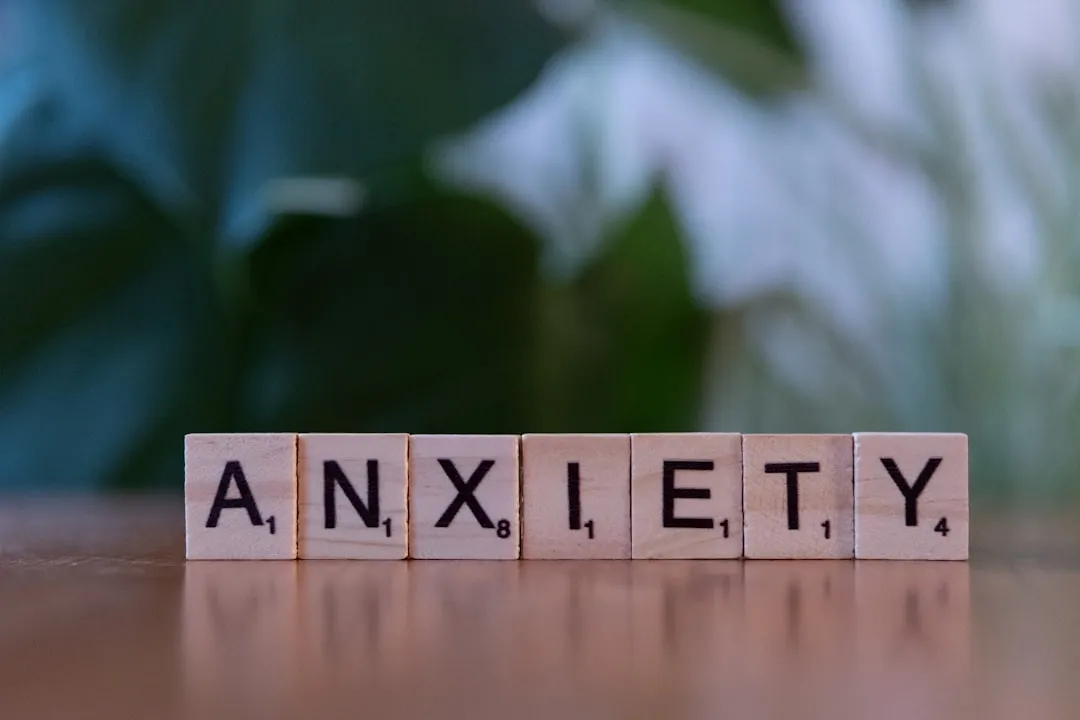
Many of us are very busy during summer months with activities we enjoy, which can leave less time for mindfulness that keeps us grounded in the here and now, making time feel faster. Before you know it, time flies by while we’re all busy trying to be busy.
In the first days of summer, people tend to pay close attention to everything. Schedules are lighter, awareness is sharper. By the final week, the mind has already begun to shift forward. There’s a name for this: anticipatory anxiety. We start thinking about what is coming – earlier mornings, fuller calendars, school, work, activities, social pressures, less downtime – before any of it has actually started. That mental drift steals the present moment clean.
Living in September While Still in August
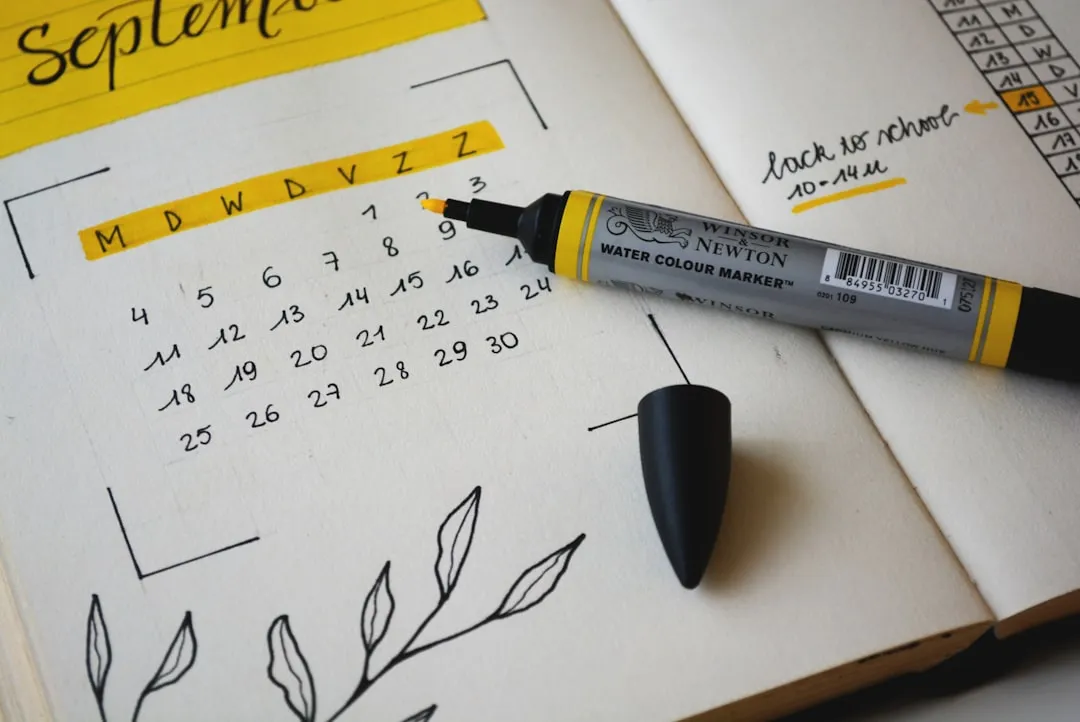
Sometimes we find ourselves spending a lot of August mentally living in September. That’s not a small thing. When attention leaves the present, so does felt time. The week passes, but you were barely there for it.
The end of summer brings a lot of change in a short amount of time. Schedules shift, sleep routines change, responsibilities grow, and social lives become busier again. The brain begins preparing weeks before any of this actually happens, pulling focus away from the remaining summer days and toward an uncertain future. The brain is trying to prepare for a future it can’t predict yet, and that often shows up as anxiety.
How Age Changes the Whole Equation
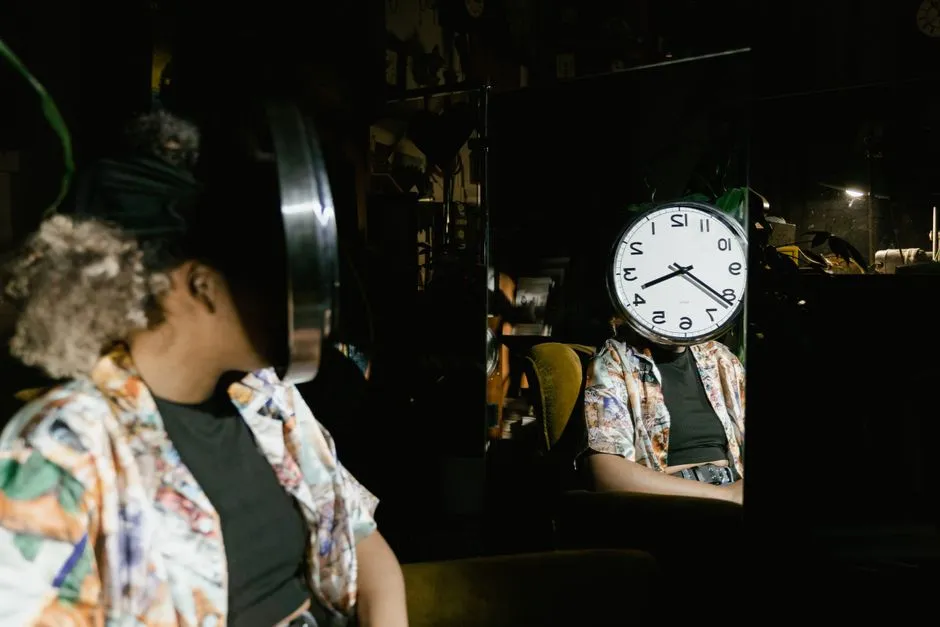
The perception of time moving at a leisurely pace in childhood, and then quickening as we become adults, is a common experience, neuroscientists note. This is one of the most consistently reported phenomena in time perception research.
In a recent study of 918 adults led by psychologist Ruth Ogden, roughly three quarters of respondents agreed that major seasonal events seem to arrive more rapidly each year, while only about one in ten disagreed. The pattern holds across cultures and across different seasonal markers. This apparently accelerated time travel is not a result of filling our adult lives with grown-up responsibilities and worries. Research does in fact seem to show that perceived time moves more quickly for older people, making our lives feel busy and rushed.
The Proportional Theory: Why Each Year Gets a Smaller Slice

Some scientists say it’s related to how long we have lived: a five-year-old feels a year is long because it makes up roughly a fifth of their entire life. As we get older, each year becomes a smaller fraction of total lived experience, and it registers accordingly.
On a logarithmic scale, the following differences in age would be perceived as equal lengths: five to ten years, ten to twenty, twenty to forty, and forty to eighty. The five-year period experienced between ages five and ten could feel just as long as the period between the ages of forty and eighty. That single fact reframes everything about why August feels brief and June felt boundless.
Dopamine, Memory, and the Novelty Trigger
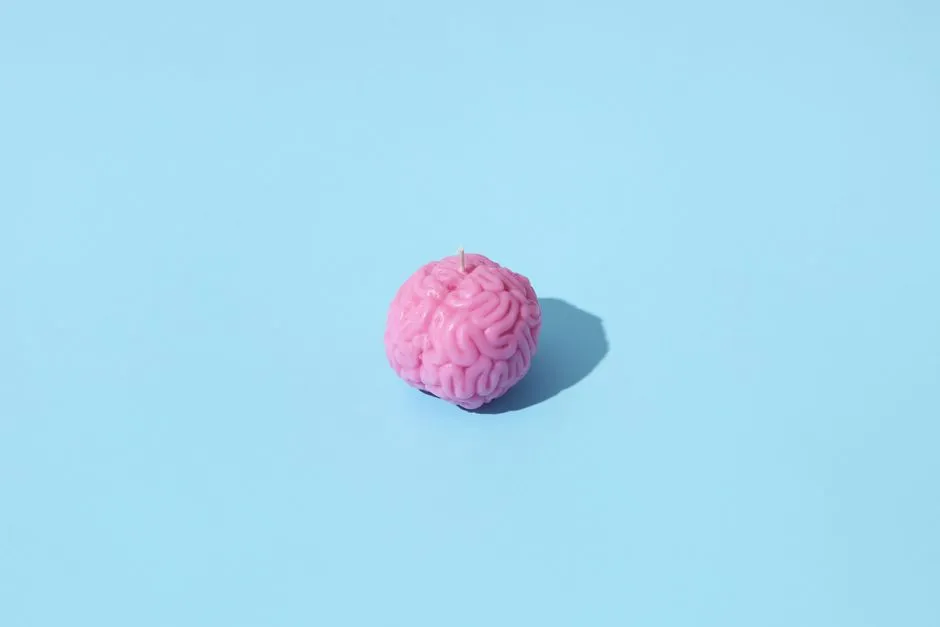
The biochemical mechanism behind time perception is thought to involve the release of the neurotransmitter dopamine upon the perception of novel stimuli, helping us to measure time. When experiences are new, dopamine flows more freely, and the brain encodes more detail. More detail means a richer memory, which in turn means a felt sense of more time having passed.
The brain remembers novel experiences more vividly than repetitive ones. Psychologists studying retrospective time perception have found that our memories influence how long periods of time feel after they’ve passed. By the final week of summer, routines have crept back in. The novelty window has narrowed, and the dopamine hits have become quieter. The last days simply leave shallower imprints.
Back-to-School Pressure Compresses the Remaining Days

End-of-summer anxiety is a common emotional response to seasonal change. It affects children and adults differently, but both groups feel it. As long days fade and school schedules return, it’s common to feel overwhelmed. Children may worry about new teachers, classmates, or academic demands. Teens might feel pressure to perform or navigate social anxiety. At the same time, adults may struggle with increased demands at home and work, or even experience seasonal depression as sunlight decreases.
Late July and early August mark the exact moment when anticipatory anxiety begins to creep in. Stores fill with school supplies, calendars crowd with sport schedules, and both parents and children begin to feel the quiet pressure of the upcoming routine shift. That pressure doesn’t just cause stress. It actually reshapes how we perceive the time still remaining.
The Reminiscence Bump and Unequal Memory Storage

From childhood to early adulthood, we have many fresh experiences and learn countless new skills. As adults, though, our lives become more routine, and we experience fewer unfamiliar moments. As a result, our early years tend to be relatively overrepresented in our autobiographical memory and, on reflection, seem to have lasted longer.
We are most likely to vividly remember experiences we had between the ages of fifteen and twenty-five. This means the summers of youth weren’t just felt as longer in the moment. They were actually stored with more depth, more texture, and more emotional weight than any summer experienced later in life. Time speeds up with increasing age because we have fewer new experiences and our perception is less vivid. We can slow time speeding up by bringing new experiences into our lives and by living mindfully.
The Quiet Takeaway

The last week of summer isn’t actually shorter. Every day still holds twenty-four hours, every afternoon the same slant of light. What changes is the mind’s relationship to those hours: fewer novel moments, more forward-looking anxiety, less present attention, and the slow compression that comes with a brain that has simply seen more summers before.
The good news is that this isn’t entirely fixed. A novel experience may feel like it’s flying by, but you’ll have a deeper impression of that time and likely have a bundle of unique memories tied to it that will also give stretch and substance to that time gone by. Doing something genuinely new in August, even something small, is one of the most honest ways to reclaim a little of that elastic, childhood sense of time.
The calendar will keep moving regardless. The difference lies in how many real memories you give those final days to carry forward.
AI Disclaimer: This article was created with the assistance of AI tools and reviewed by a human editor.