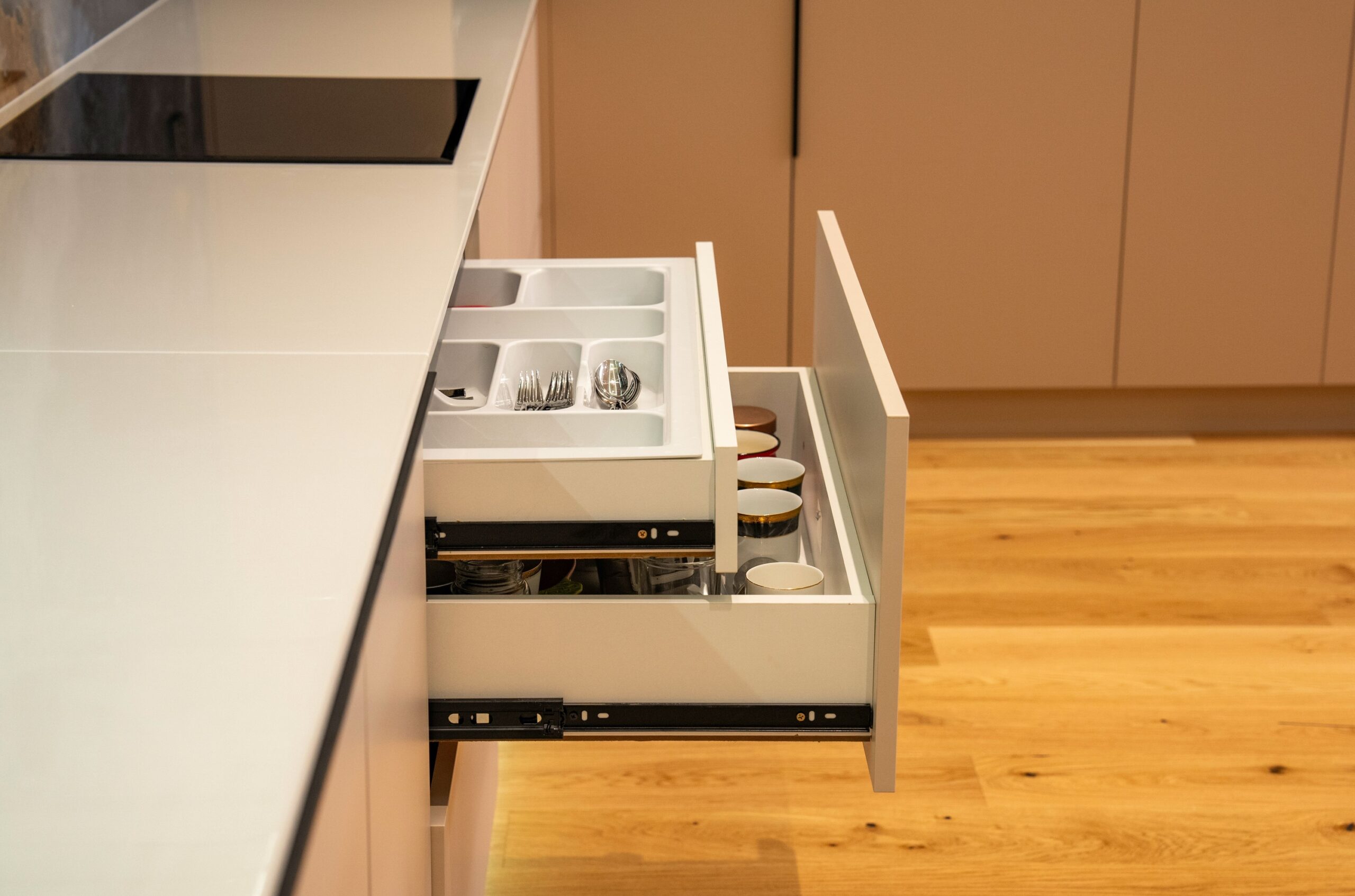

Open a kitchen drawer in Tokyo, Toronto, or Toulouse, and the odds are remarkably good that you’ll find the same tangle of batteries, mystery keys, and orphaned cables. It’s one of the strangest commonalities of modern domestic life – this one small drawer that collects everything and organizes nothing. Nobody plans it. Nobody builds a home and says, “And here’s where I’ll put the chaos.” Yet it appears anyway, as reliably as a morning routine.
The junk drawer is not an accident. It’s a window into how people actually live, rather than how they imagine they do. Its contents tell a quiet, honest story about time pressure, emotional attachment, and the daily compromise between order and convenience. Here’s a closer look at why it exists, and why it almost certainly always will.
It’s More Universal Than You’d Expect
The numbers here are difficult to ignore. An astounding 95% of Americans admit to having at least one junk drawer in their home, with roughly half of the population maintaining just a single repository of randomness. Other surveys have placed the figure slightly lower but in the same territory, suggesting this is a deeply embedded household pattern rather than a fringe habit.
A dedicated portion of households go further – around one in six have more than three junk drawers. Women are slightly more likely to maintain multiple drawers than men. The numbers vary by study, but the direction is consistent: almost everyone has one, and many people have more than they’d care to admit.
The Kitchen is Its Natural Habitat
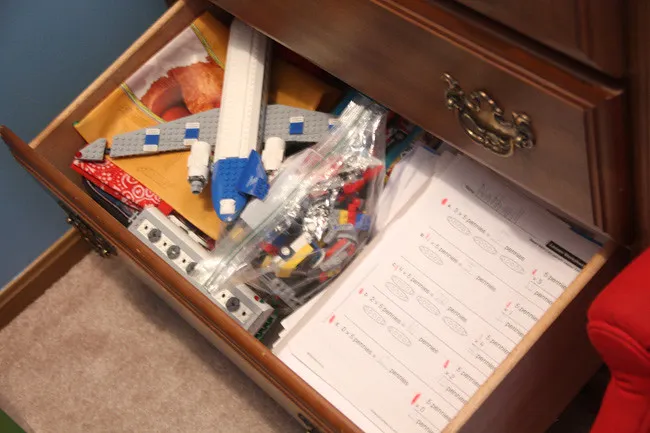
The kitchen reigns supreme as the favored location for a junk drawer, followed closely by bedrooms and home offices. This makes practical sense. The kitchen is where households converge, where mail gets dropped, where pockets get emptied after a long day. Things land there and simply… stay.
More than 80% of people keep their junk drawer in the kitchen, which also probably doesn’t hurt because it’s typically where the most drawers are. It’s the room where convenience matters most, and the junk drawer slots right into that logic – close to where you stand, close to where you need things quickly.
Nobody Chooses It, It Just Appears
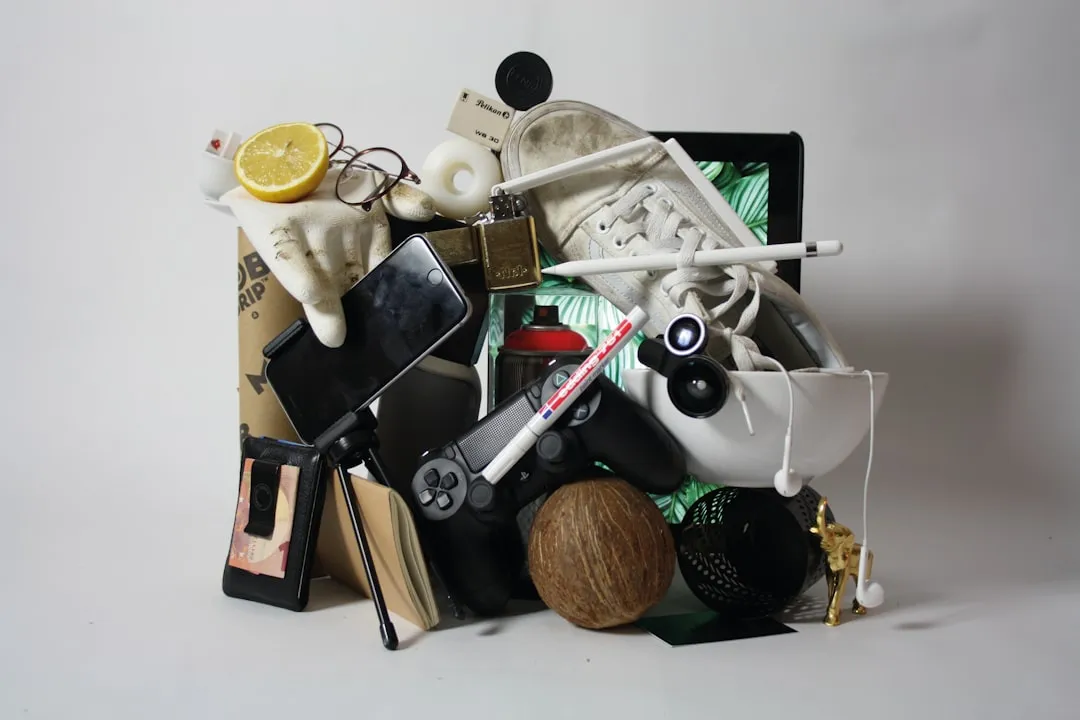
About one third of people don’t actively pick a drawer for junk at all, but find that one “materializes anyway” as they accumulate more clutter in their home. That phrase is worth sitting with. It materializes. People describe the process the same way they’d describe weather – something that arrives on its own terms.
A junk drawer represents a unique organizational phenomenon where miscellaneous items find temporary refuge when they do not have a designated permanent location. Once a drawer earns the informal label of “catch-all,” its role is essentially locked in. Reversing it takes deliberate effort that most households never quite get around to.
Decision Fatigue Feeds It Daily
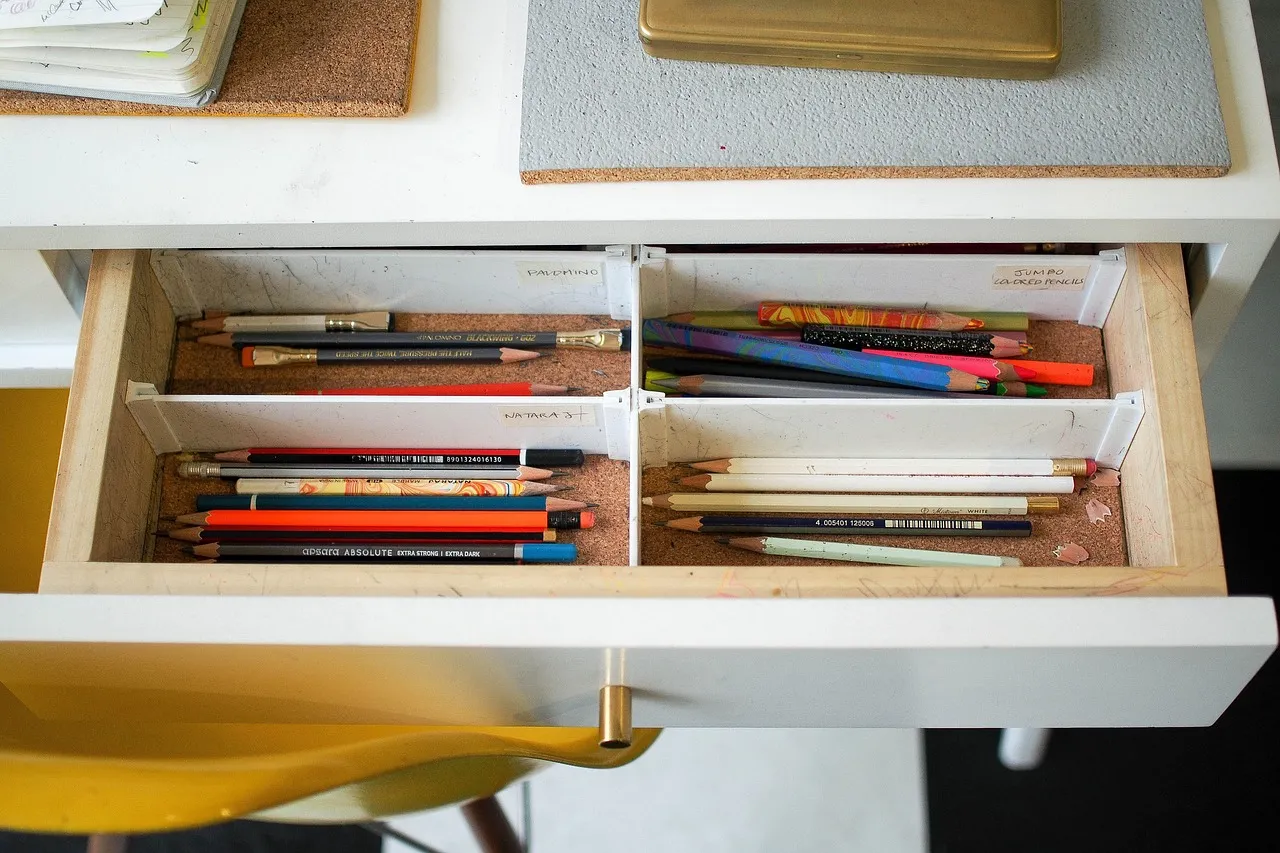
Our tendency to accumulate physical clutter stems from a clear psychological root: decision fatigue makes small choices feel overwhelming, so we delay them. Tossing something into a drawer sidesteps the micro-decision of where it actually belongs. That delay, repeated daily across an entire household, is what fills a junk drawer over months and years.
A few misplaced items left each week add up faster than most people expect. Small habits turn into an invisible backlog. Before long, the home feels harder to use. The junk drawer absorbs most of that backlog quietly, which is precisely why it persists. It’s doing a job, even when it looks like it isn’t.
It’s Used Far More Than People Realize
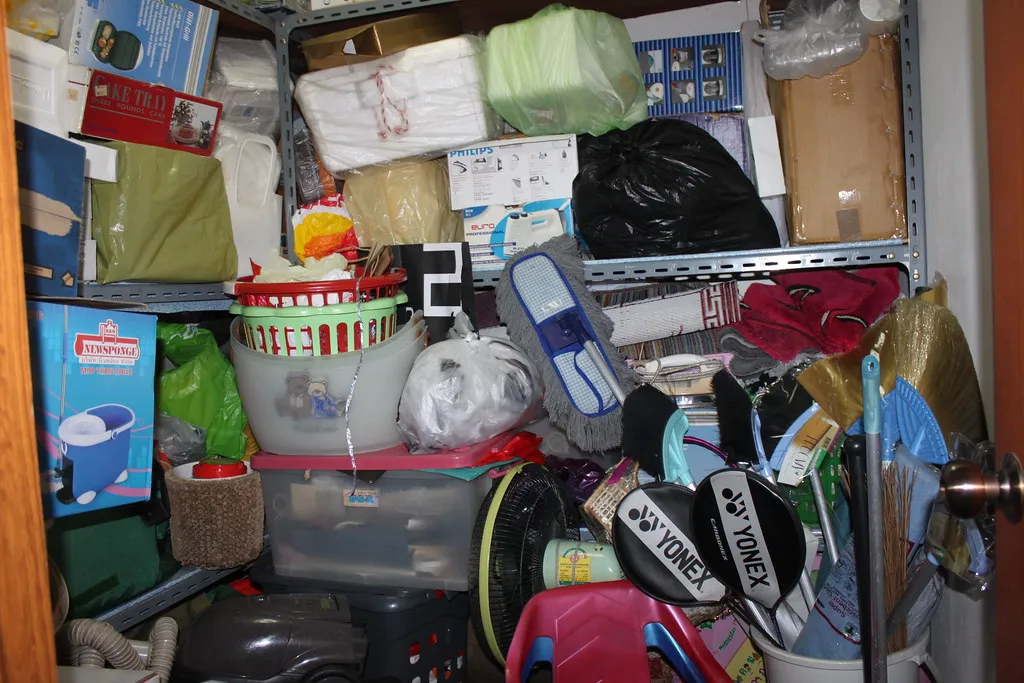
Over 90% of people surveyed said they use their junk drawer at least a few times a week. That’s a surprisingly high frequency for something people often describe with mild embarrassment. The drawer gets opened, rummaged through, and closed again – repeatedly – which tells you it’s genuinely functional rather than just a storage failure.
About three quarters of Americans see the junk drawer as the go-to spot for random storage, while roughly one in five appreciate it specifically for the immediate convenience it provides. That distinction matters. Convenience is a real value. The drawer earns its place by making certain small tasks faster, even if it complicates others.
The Contents Are Eerily Consistent Across Households
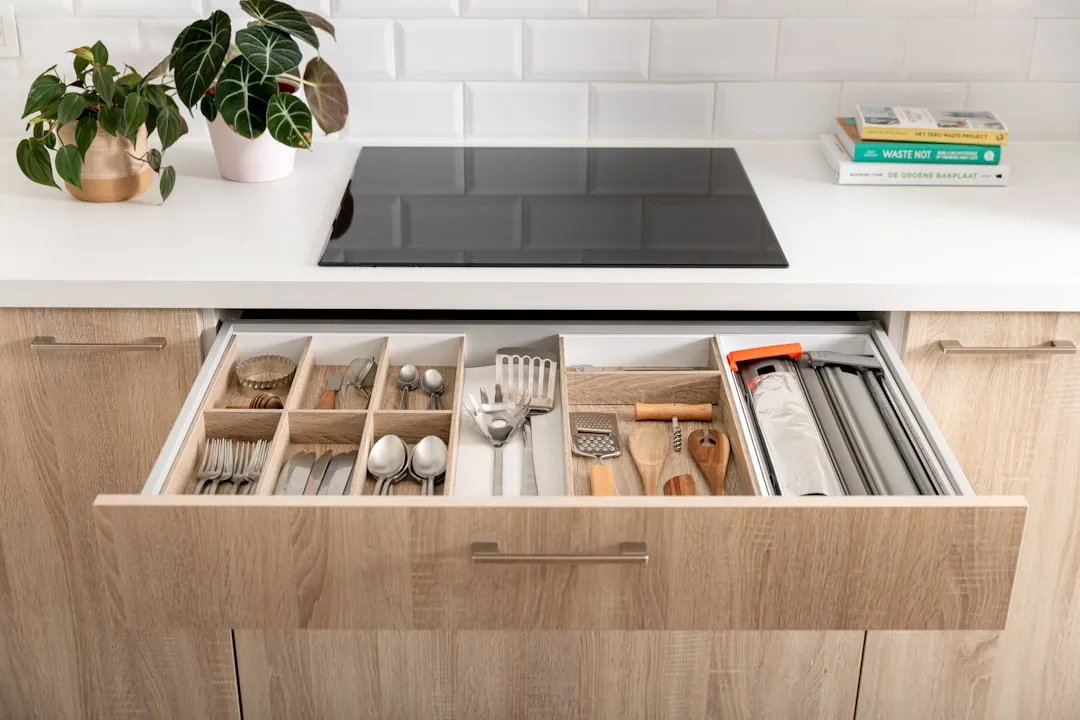
A poll by waste removal company Divert.co.uk asked 1,800 people to check their messy household drawers, and the average item had been sitting there for about four years. Some respondents admitted certain objects had survived inside for decades, turning ordinary kitchen drawers into accidental archives of everyday life.
Mystery keys are a near-universal fixture. Spare house keys, old mailbox keys, and duplicates from locks long gone all end up in the same spot. Cables from old phones, cameras, and forgotten gadgets end up in the drawer and stay there long after the devices are gone. Over time, they turn into a tangled collection that takes up space without serving any real purpose. The list across households is remarkably similar.
Old Electronics Have Made It Even Fuller
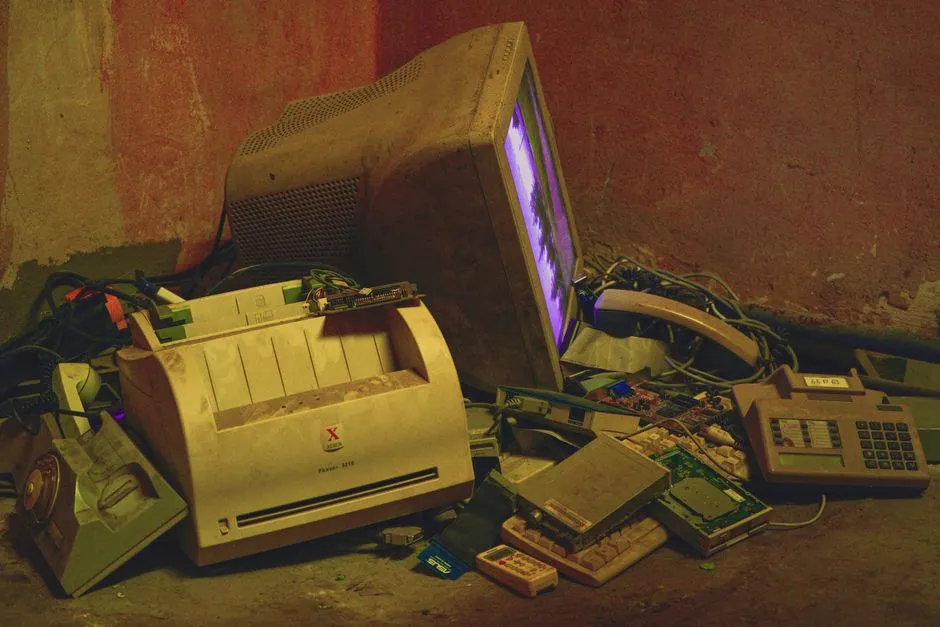
Technology has quietly amplified the junk drawer problem. Think about the last smartphone, tablet, or smartwatch you stopped using. Odds are it’s not in a recycling bin or a new owner’s hands – it’s sitting in a drawer. A 2026 survey of 4,000 American consumers found the single most common thing people did with a device they were finished with was nothing at all: roughly four in ten simply stored it.
Recycling and reselling each accounted for only about one in ten devices, while throwing devices in the trash claimed another nine percent. The result is that junk drawers across the country are holding an increasing volume of outdated, charged-but-unused electronics alongside the pens and rubber bands they’ve always held.
There’s Genuine Psychology Behind Keeping “Useless” Things
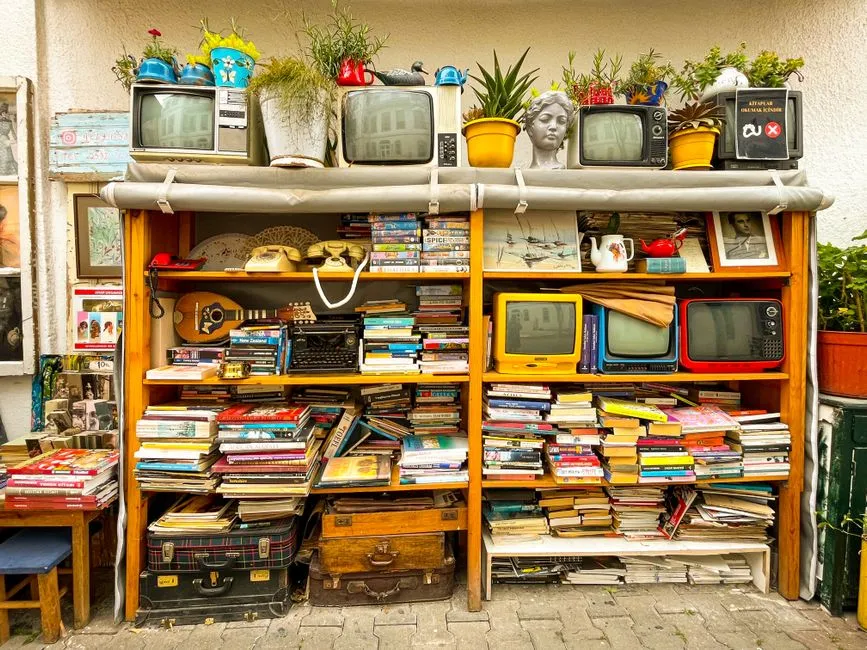
Belongings often carry meanings that reach beyond their use, quietly anchoring people to past roles and plans. Items can stand for “who I am,” “who I was,” or “who I plan to be.” Letting go can feel like losing part of the self. A drawer full of old instruction manuals, dead pens, and orphaned screws is, in this sense, a kind of autobiography.
According to psychology professor Sam Gosling, accumulated items make people feel comfortable and more like themselves. People feel connected and relaxed as old clutter brings a sense of nostalgia, reminding them of happier times. Stuffed drawers are therefore not always seen as clutter, but as an expected outcome of accumulating life experiences.
It Reflects Your Organizational Style – Whether You Like It or Not
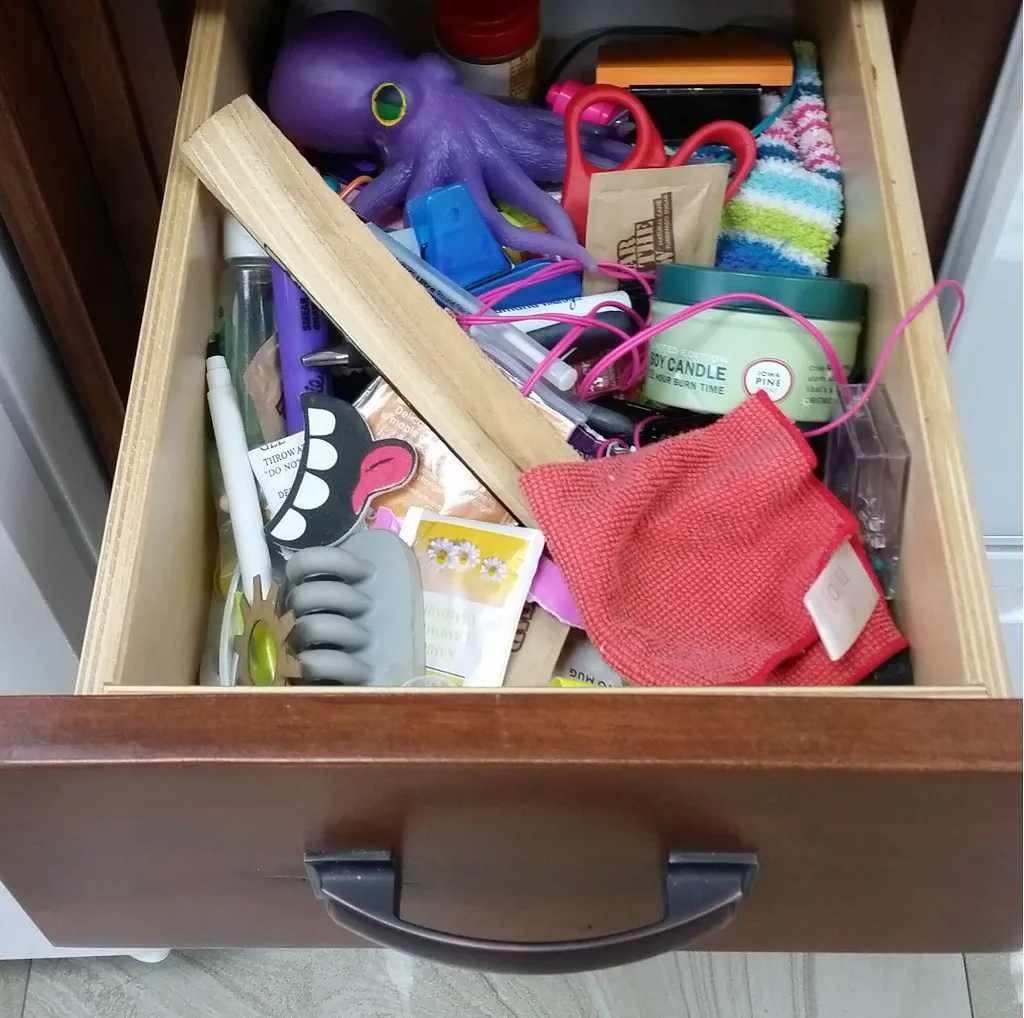
Despite the chaos, about 64% of individuals confidently claim their junk drawer is “a bit messy, but I know where everything is.” Only 11% can boast a neatly organized drawer, while roughly a quarter of Americans are navigating through what they describe as complete chaos. That middle group – the “I know where it is” crowd – is perhaps the most interesting. Their system works, even if nobody else could use it.
Interestingly, about three quarters of Americans admit their junk drawer mirrors their overall organizational style, at least to some extent. The contents of a junk drawer can reveal much about an individual’s lifestyle, priorities, and problem-solving approach. What might appear as clutter to an outsider often represents a personalized system of temporary storage for a household. It’s a small and imperfect system, but it’s theirs.
Clearing It Out Is Harder Than It Looks
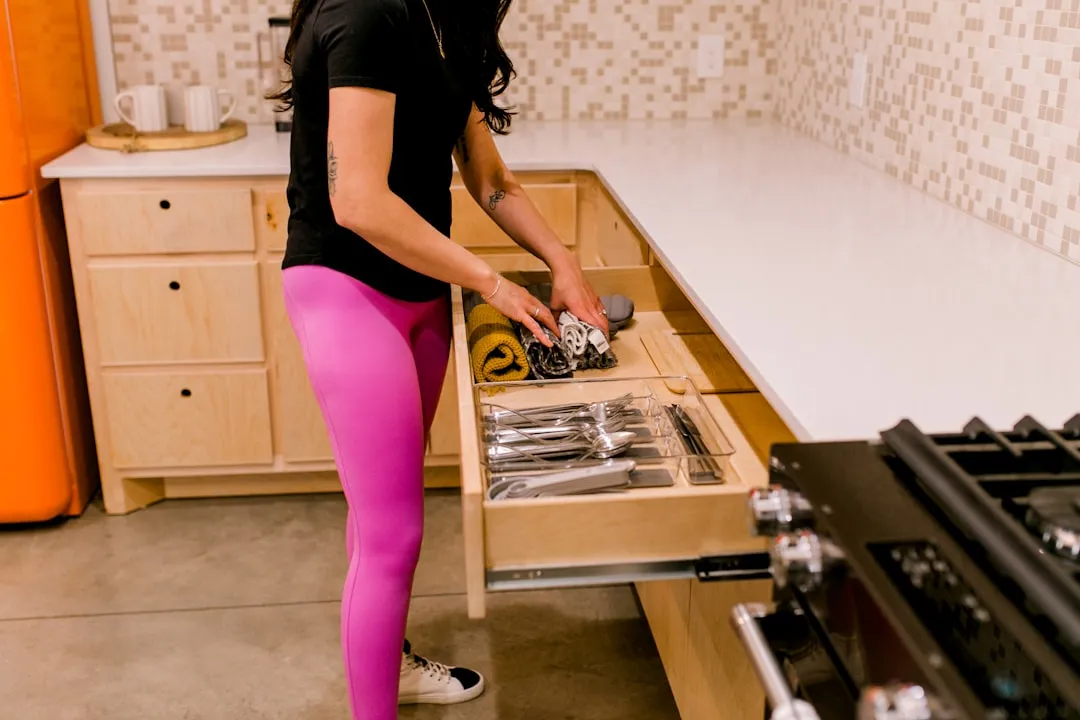
About a third of people cite feeling too overwhelmed or distracted to tackle their junk drawer. In fact, three out of four people who have organized a junk drawer realized afterward that all they’d done was move the mess somewhere else. Organization without a destination for the items doesn’t really solve anything – it just shuffles the problem.
Research shows a clear link between clutter and higher cortisol levels, and being in a constant state of low-grade stress can cause problems like trouble sleeping and weakened immunity. Still, knowing something is stressful and actually doing something about it are two very different things. The junk drawer survives partly because the cost of having it feels lower than the effort of eliminating it.
The Takeaway
The junk drawer endures because it’s solving a real problem, just not elegantly. It absorbs the items that don’t fit anywhere else, handles the decisions we’re too tired to make, and keeps frequently needed small items vaguely within reach. It’s not a failure of organization – it’s a pressure valve for the daily friction of running a household.
The junk drawer represents a compromise between complete organization and functional chaos. Rather than discarding potentially useful items or spending excessive time categorizing every small object, people create these flexible storage zones that balance convenience with minimal effort. That tradeoff, it turns out, is one most households are perfectly comfortable making.
The drawer will probably still be there next year, a little fuller. Somewhere in it will be a key nobody recognizes, a pen that works fine, and a cable for a device long since gone. That’s not failure. That’s just life, compressed into a kitchen drawer.
AI Disclaimer: This article was created with the assistance of AI tools and reviewed by a human editor.