

The P-Trap: Your First Suspect
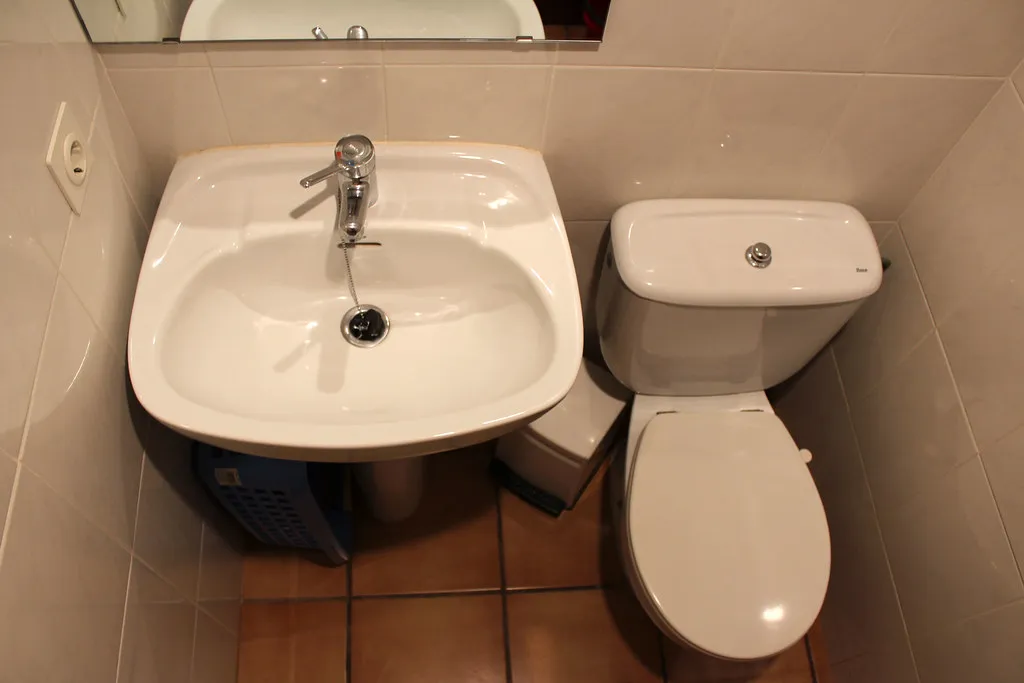
The P-trap is a U-shaped pipe beneath sinks and drains that holds water and prevents sewer gases from entering the bathroom. Think of it like a plug made of water rather than rubber. As long as water sits in that curved section, gases from the sewer system have no route into the room.
The issue in situations like these is that the water in the P-trap has simply evaporated due to lack of use, effectively removing the barrier between your bathroom and the gases in the sewer system. This is why the smell shows up specifically in rooms nobody visits regularly.
Every fixture drain has a P-trap, a U-shaped pipe section that holds 2 to 4 inches of water to create a seal against sewer gas, and a dried-out P-trap is the single most frequent cause of sewage smell in residential homes, accounting for roughly 40% of service calls for sewer odor.
How Fast Does a P-Trap Actually Dry Out?
Typically, a P-trap can take a month or longer to dry out fully, but it can happen more quickly in the winter. Hot, low-humidity climates can speed things up considerably. In drier regions, a shower or sink that hasn’t been used in two or three weeks can already start emitting a faint odor.
Hot, dry air pulls water out of a trap surprisingly fast. The trap seal is only a small pool of water; plumbing code calls for at least 2 inches in the bend, and in a July heat, that isn’t much to lose before sewer gas has a path into the room.
Fixtures you use regularly rarely give trouble, since every run of the tap tops the seal back up, which is why dry-trap smells show up in guest bathrooms and other fixtures that sit untouched for weeks. A faint sewer smell after a week or two unused usually just means the water evaporated.
What Sewer Gas Actually Is

The characteristic rotten egg smell originates from sewer gas, a mixture of hydrogen sulfide, ammonia, and methane produced by the decomposition of waste. Most people recognize it immediately, even if they’ve never been told what it is. It’s distinctive enough to be almost impossible to confuse with anything else.
Sewer gas contains bacteria, methane, ammonia, and hydrogen sulfide. Hydrogen sulfide is so potent that it can be smelled at 0.47 parts per billion by roughly half of all human adults. That helps explain why even a tiny gap in your plumbing’s defenses produces a noticeable result.
Is the Smell Actually Dangerous?

Exposure to hydrogen sulfide in low concentrations can cause a cough, shortness of breath, or irritation of the eyes, nose, and throat. Health risks increase with exposure to moderate concentrations and may result in severe irritation of the respiratory system, difficulty breathing, dizziness, headache, nausea, and vomiting.
High concentrations of hydrogen sulfide above 150 ppm can produce olfactory fatigue, whereby the scent becomes undetectable. At higher concentrations above 300 ppm, hydrogen sulfide can cause loss of consciousness and death. The typical guest bathroom scenario involves far lower levels than that, but the point stands that this isn’t something to simply air out and ignore indefinitely.
Intermittent, low-level sewer gas can still worsen asthma, allergies, sinus issues, and headaches, especially in sensitive individuals. Children and older adults face the greatest risk from prolonged low-level exposure.
The Easiest Fix: Just Run the Water
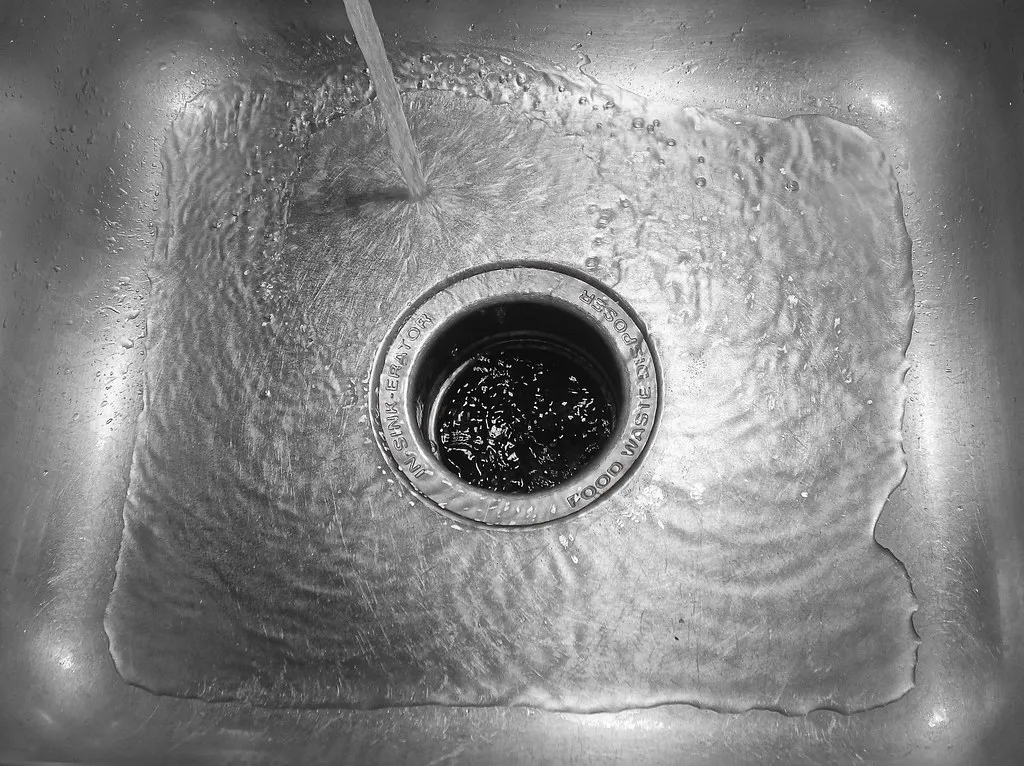
If that’s the case, the solution is as simple as running some water to allow the P-trap to fill up again. Seriously. That’s it. For a dry P-trap, pouring water down the drain is all it takes to restore the barrier and stop the smell.
Refilling a dry trap is easy. Run the fixture for one to two minutes and the seal forms again as soon as water settles into the bend. If the smell disappears within half an hour of running the taps, a dry trap was almost certainly the cause.
The easiest prevention is using the fixtures: run every sink, shower, and tub for about a minute every couple of weeks, and don’t forget floor drains and laundry fixtures too. If leaving for a month or more, float a tablespoon or two of mineral oil on the water in the trap. It evaporates slowly and works like a lid over the seal.
When the Toilet Wax Ring Is the Culprit
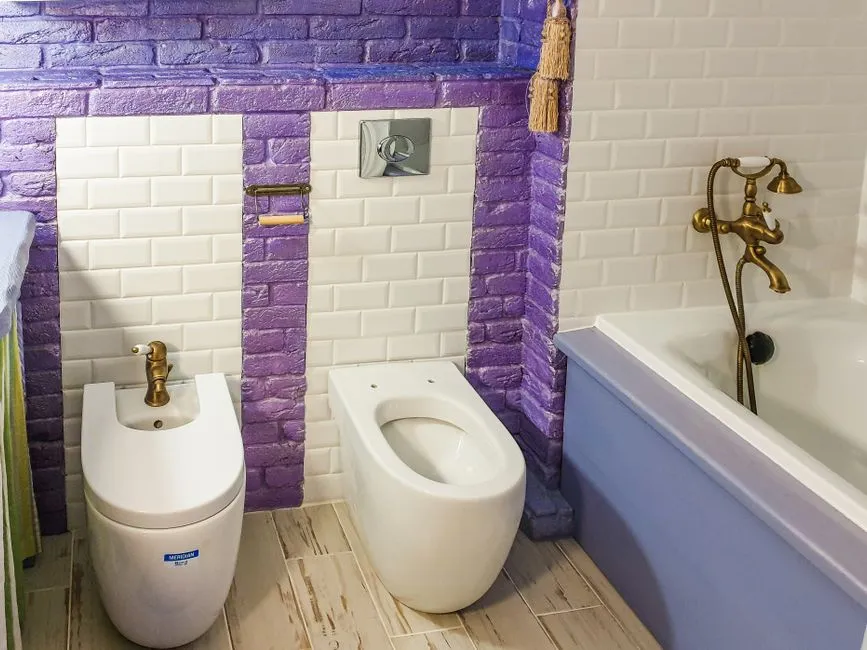
The toilet is sealed to the drain flange with a wax ring. Over time, or if the toilet was ever rocked or shifted, this seal can crack or compress unevenly. A damaged wax ring lets sewer gas escape at the base of the toilet continuously, even when the P-trap water level is fine.
Wax rings are designed to last the lifetime of the toilet when the toilet remains perfectly stationary, but they fail under three conditions: the toilet rocks or wobbles because floor bolts are loose, the original installation was done with an undersized ring, or the wax has dried and shrunk over many years.
A failing wax ring produces a sewer gas smell that is most noticeable directly at the toilet base and may be accompanied by slight water staining or soft flooring around the toilet. To confirm, press down on each side of the toilet while seated and check for movement. Any rocking indicates the bolts are loose and the wax ring may be broken.
Blocked Vent Pipes Send Gas Back Inside
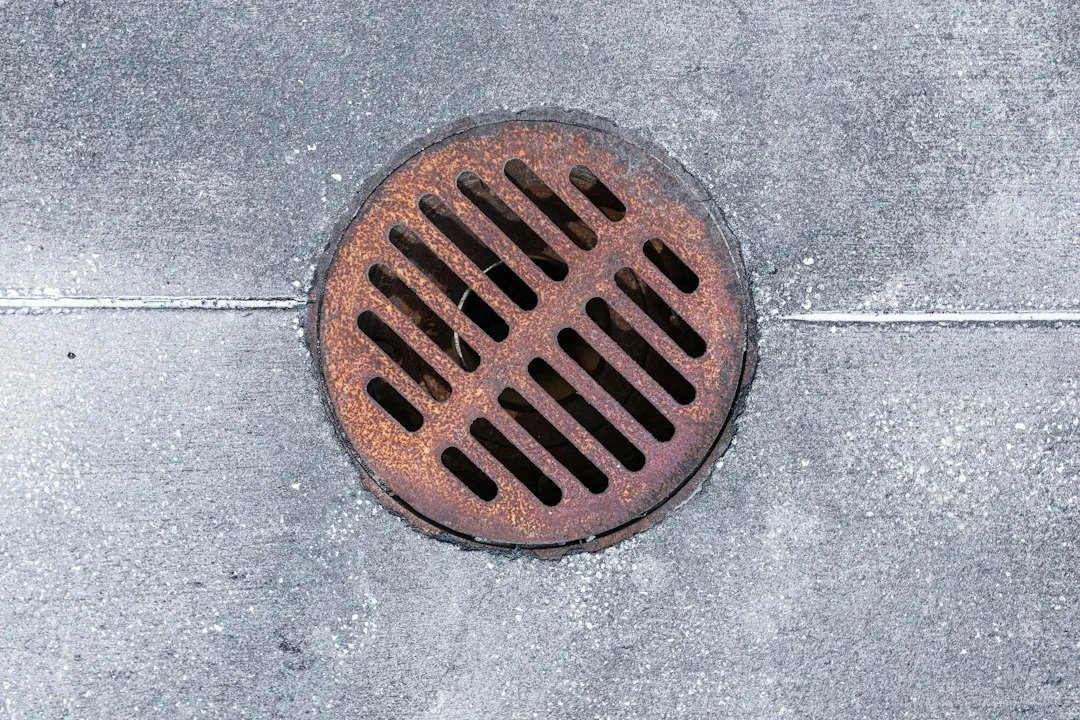
Your plumbing system has vent pipes that extend through the roof. These pipes allow sewer gas to escape outside and let air into the drain system to prevent siphoning of the P-trap water. When a vent pipe becomes blocked by leaves, a bird’s nest, or ice in cold climates, or is cracked, gas gets pushed back down into the house instead of escaping upward.
Along with a regular water supply, P-traps must also have plumbing vent stacks for protection. Without a well-established ventilation system, the drain pipes will need to push and pull air through the P-trap, breaking the preventive water seal and forcing the sewer gas into the bathroom.
Signs of a blocked vent pipe include gurgling sounds from drains or the toilet, slow drainage, and sewer smell that appears or worsens during or after heavy water use. If several drains in the house seem slow at the same time, the vent stack is worth investigating.
Biofilm Buildup in Drains
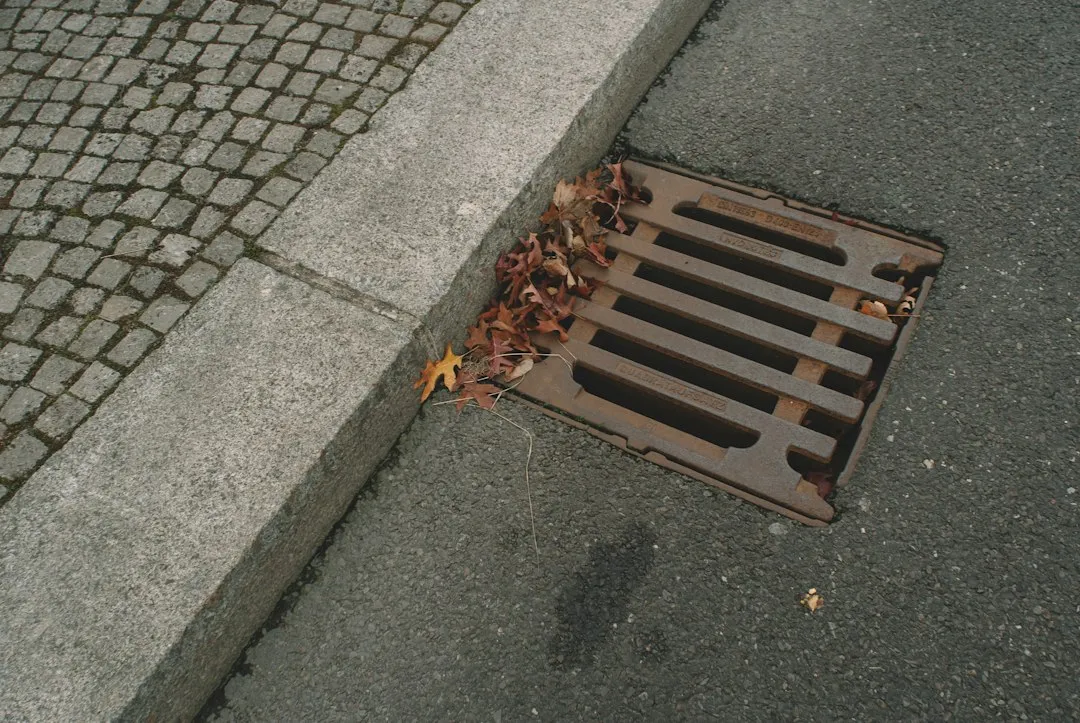
Not every bad drain smell is sewer gas. Hair, soap, grease, and other organic material collect inside the trap and along the pipe walls, developing a thin biofilm that smells musty, sour, or just plain rotten. This type of smell tends to be slightly different from the sharp rotten-egg quality of hydrogen sulfide, but the two can be hard to tell apart.
Biofilm is a slimy layer of bacteria that forms inside drains over time. It smells terrible and releases a sewage-like odor. This is more common in drains that see a lot of soap scum, hair, and organic debris, like shower drains.
Cleaning the drain with a baking soda and vinegar flush, followed by boiling water, is generally enough to handle minor biofilm. Persistent cases may need an enzymatic drain cleaner or a manual clean of the P-trap itself.
Cracked or Damaged Sewer Pipes
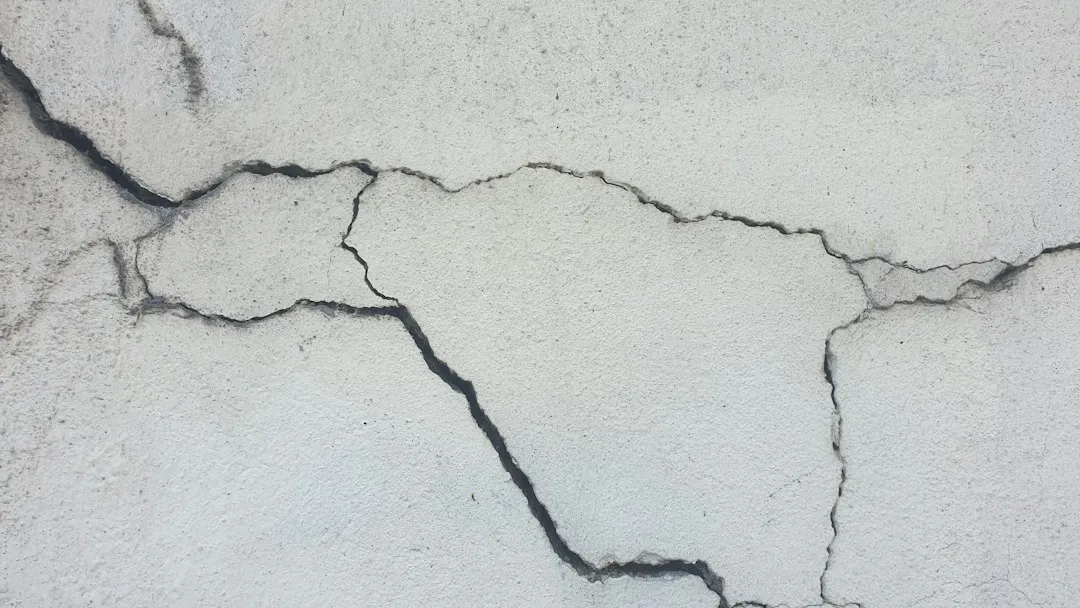
Sewer lines may break or sustain damage because of age, corrosion, or ground movement. The cracks can lead to a sewer gas smell in a bathroom because the openings allow gas to escape the line. Damaged pipes often result in an unrelenting odor.
If sewer gas is escaping because of a cracked pipe, that crack will only get worse. Tree roots will grow deeper into the line, soil will erode around the pipe, and what starts as a small crack can turn into a full collapse. A smell that simply won’t go away regardless of how many drains you run is a warning sign worth taking seriously.
A dry P-trap, failed wax ring, or cracked vent pipe typically causes a smell concentrated at one fixture or one bathroom. If the odor is spreading through multiple rooms or fixtures, the problem likely sits deeper in the main line.
When to Stop DIY-ing and Call a Plumber
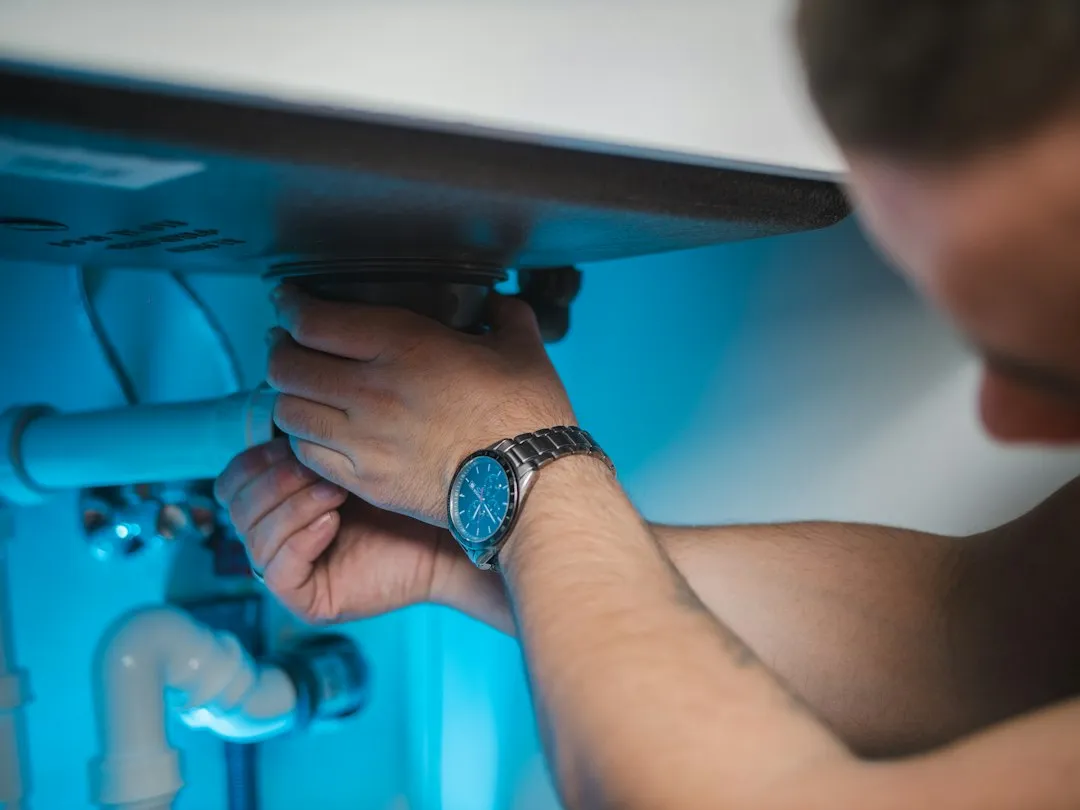
If refilling the P-trap does not solve the problem or if the odor keeps returning despite regular use, it is time to call a professional. An experienced technician can identify whether the issue is related to plumbing seals, ventilation, or mechanical failures.
If several fixtures smell or gurgle at the same time, don’t assume every trap dried out. That pattern points farther into the plumbing, usually toward a venting or main-line problem. That distinction matters because the fixes are completely different in scale and cost.
According to Healthline, exposure to sewer gas can cause symptoms like headaches and nausea. The trap also prevents small pests and insects from crawling up from the sewer system into your house. Both reasons, gas and pests, make it worth resolving a persistent odor rather than simply masking it with air freshener.
The Takeaway
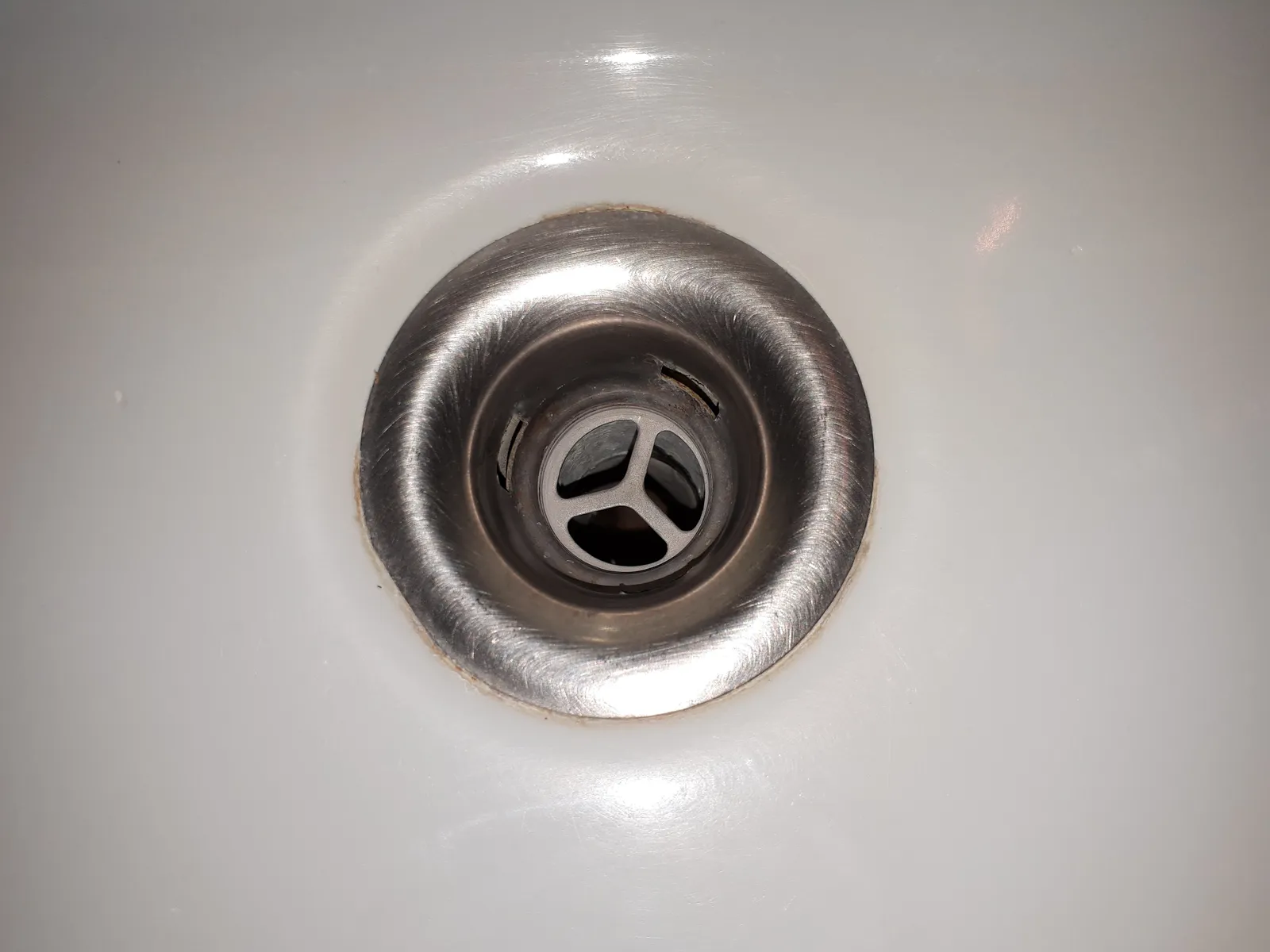
A guest bathroom that smells like sewer when nobody uses it is rarely a sign of catastrophic plumbing failure. More often, it’s a dry P-trap doing exactly what physics would predict: slowly losing its water seal over weeks of inactivity. Running the taps for a minute or two, once every couple of weeks, is genuinely all it takes to prevent the most common cause.
Still, it’s worth knowing the full picture. A wax ring that’s quietly failing, a vent pipe blocked by autumn leaves, or a hairline crack in a pipe behind the wall can all produce the same smell without the same simple fix. The smell itself is the clue. Where it’s strongest, whether it’s constant or intermittent, and whether it responds to water all point toward different culprits.
Treat the guest bathroom less like a forgotten room and more like any other part of the house. A quick monthly flush of every drain takes less than five minutes and keeps the plumbing honest. That small routine eliminates the most likely cause before it has a chance to become a problem at all.
AI Disclaimer: This article was created with the assistance of AI tools and reviewed by a human editor.