
First Impressions Happen in Seconds, Not Minutes
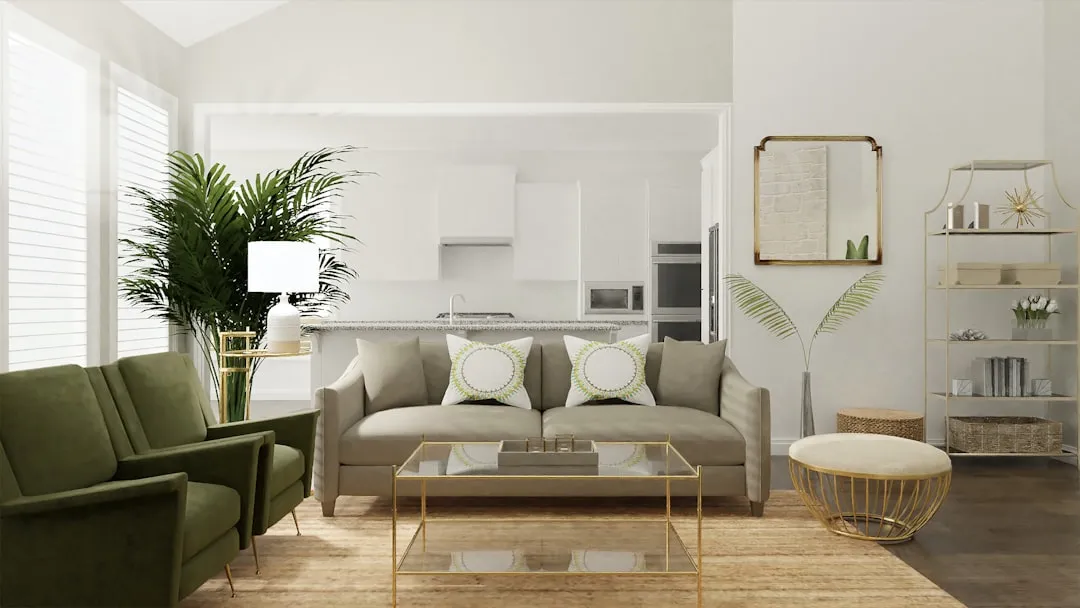
Psychologists have long documented that people form social impressions within the first few seconds of entering a space. A cluttered, chaotic kitchen visible from the entryway or living area can shift a guest’s mood almost immediately, even subconsciously. The brain reads disorder as a signal of stress, and that signal is surprisingly contagious. A composed, clean visible environment tells visitors they can relax, and that’s the entire point of being invited somewhere.
The Kitchen Carries the Host’s Emotional State
Research in environmental psychology consistently shows that the state of our surroundings reflects and reinforces our internal emotional condition. When a host is visibly flustered by a messy kitchen mid-party, that stress transfers to guests through body language, tone, and distraction. The best hosts understand this dynamic intuitively. They do the heavy lifting before anyone arrives, so they can actually be present once guests are through the door.
Guests Feel Guilty When They See the Effort
There’s a genuine social discomfort that comes from witnessing someone else’s labor in real time. Piles of dishes, spattered stovetops, and towers of used pots make guests feel like they’ve imposed, even when they were explicitly invited. That guilt subtly undermines the enjoyment of the meal. Skilled hosts protect their guests from that feeling by clearing the evidence before it becomes part of the experience.
The Psychology of “Backstage” vs “Front Stage” Hosting
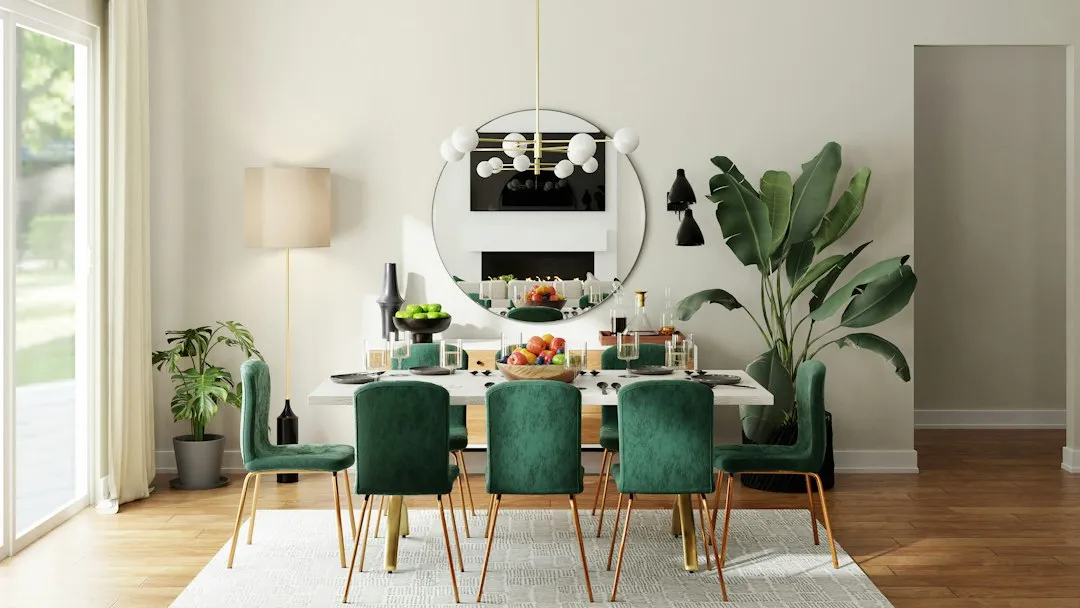
Sociologist Erving Goffman introduced the concept of “front stage” and “backstage” behavior decades ago, and it maps almost perfectly onto how successful hosting works. The dining room, the living room, the beautifully laid table: these are the front stage, curated for the audience. The kitchen, with its chaos, half-finished sauces, and frantic timing, is the backstage. Keeping those two zones emotionally and visually separated is not pretension. It’s a considered act of hospitality.
Mess Signals Loss of Control, Even When It Isn’t True

Clutter and disorder have been studied in the context of perceived competence, and the findings are fairly consistent: people associate tidy spaces with capability and authority. When guests glimpse a overwhelmed kitchen mid-service, they may unconsciously wonder whether the meal itself is going to plan. This perception isn’t fair to the host, but it’s a real human response. Keeping the kitchen tucked away preserves confidence in the evening from the guest’s perspective.
The Best Hosts Prepare Cleanup Into the Timeline
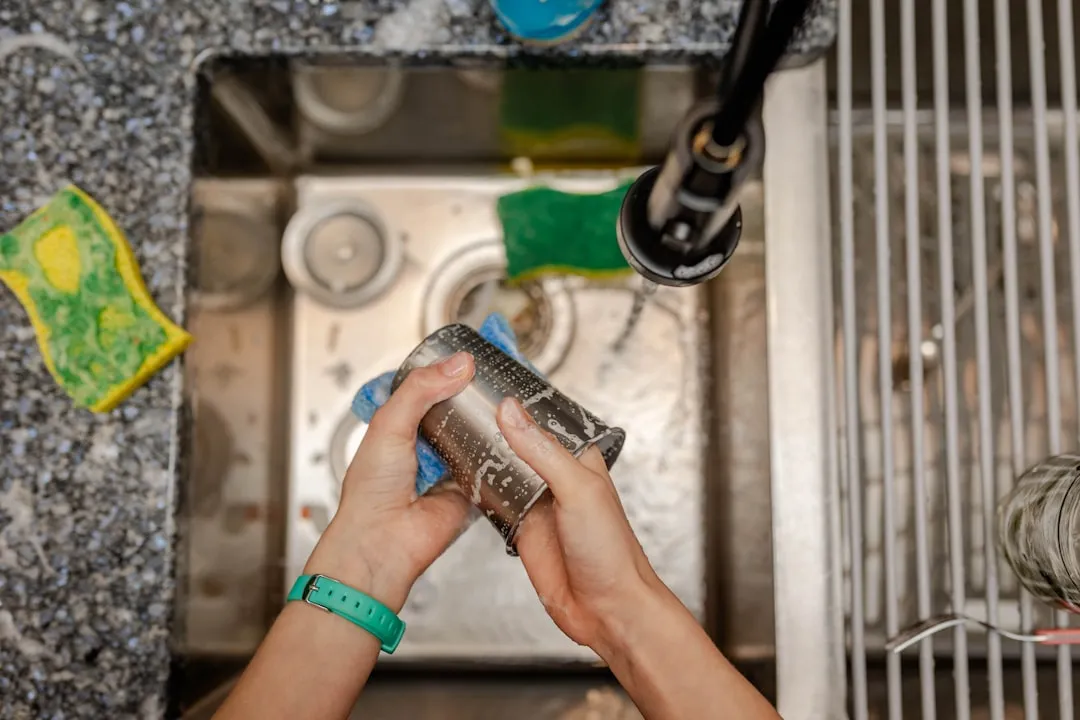
Experienced entertainers don’t just plan what to cook. They plan when to clean. The prep dishes get washed before guests arrive. The counters get wiped between courses. Trash gets hidden before it accumulates. This kind of sequenced approach to kitchen management is what separates someone who entertains regularly from someone who ends up apologizing for the state of the stove. It takes practice, but the payoff is a genuinely relaxed hosting experience.
Open-Plan Homes Raise the Stakes Considerably
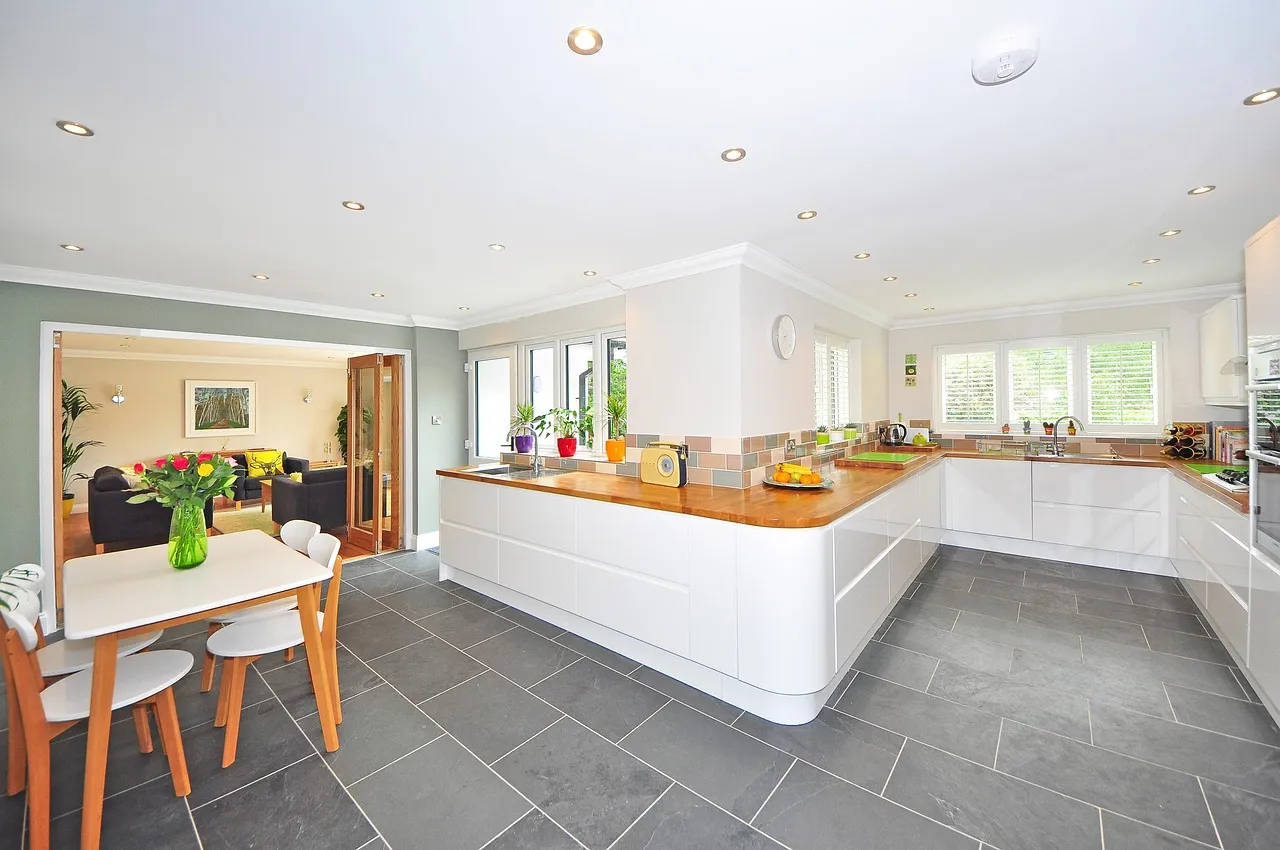
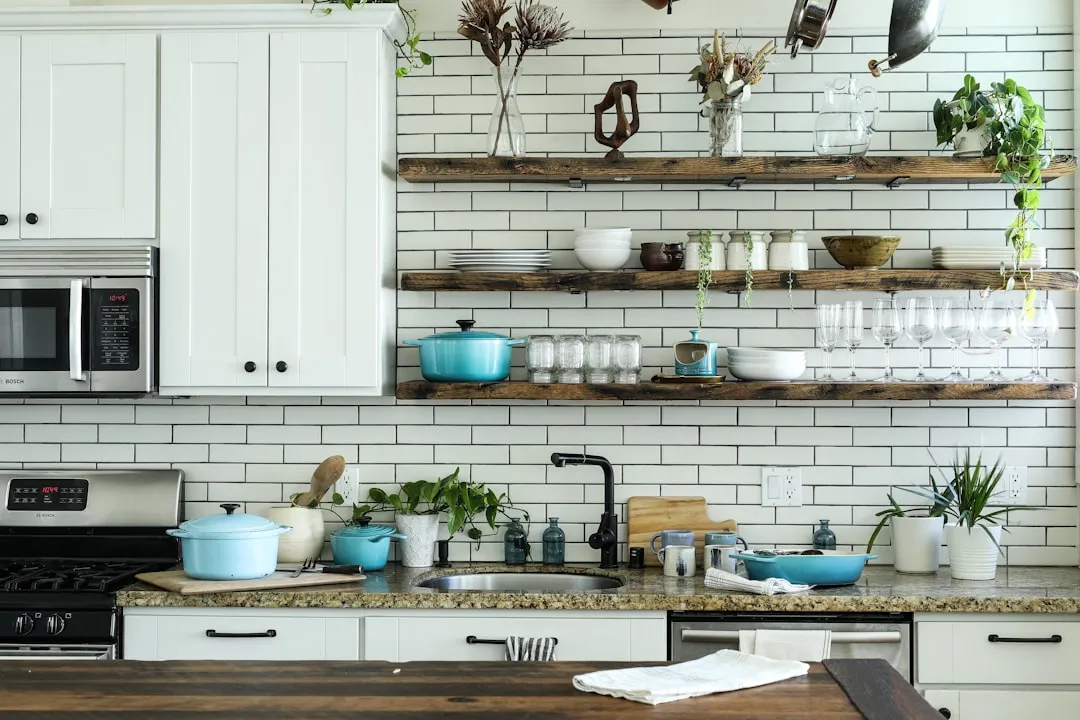
Modern home design has made this challenge considerably harder. Open-plan kitchens that flow directly into dining or living spaces have become increasingly common, which means the traditional backstage no longer exists by default. Hosts in these spaces have to be even more deliberate about managing what’s visible at any given moment. Smart hosts in open layouts invest in good storage, keep worktops clear, and use strategic staging so the kitchen side of the room always looks intentional, even when dinner is in full swing.
Showing the Mess Can Sometimes Undermine the Meal Itself
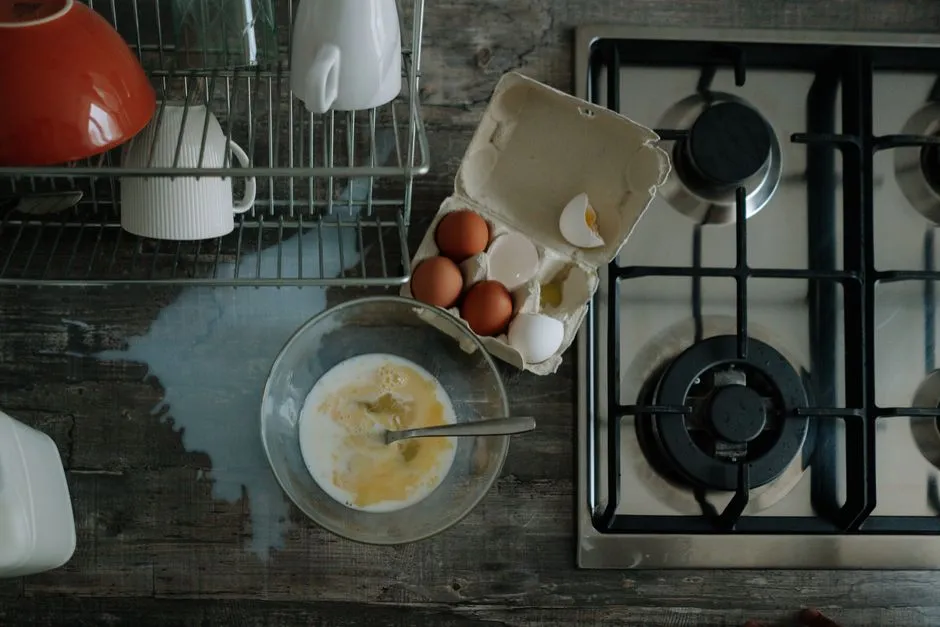
There’s a subtle but real link between what people see and how they taste. Studies in sensory science have explored how visual environment influences food perception, with disordered or unclean surroundings shown to reduce enjoyment of what’s eaten. Guests dining adjacent to a visibly stressed or messy kitchen may rate the same food less favorably than guests in a calm, clean environment. The kitchen mess, in other words, isn’t just an aesthetic issue. It can quietly affect how the whole evening is remembered.
It’s Not About Perfectionism, It’s About Respect
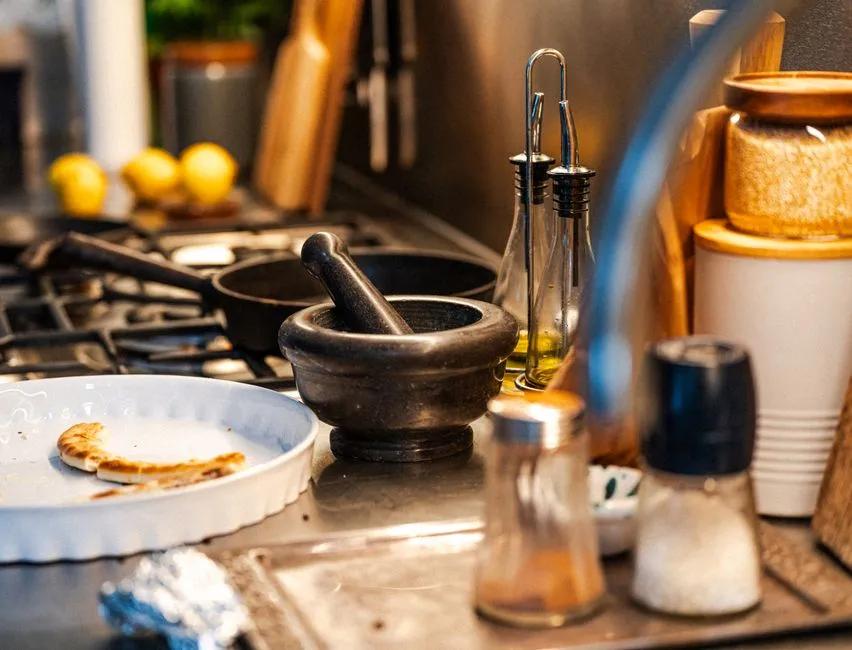
There’s an important distinction worth drawing here. Hiding the kitchen mess isn’t about pretending to be perfect, or performing effortlessness in a way that intimidates guests. It’s a small act of respect, a way of saying “your comfort here matters to me.” The best hosts are often the first to laugh about what happened behind the scenes once dinner is done. The difference is timing. They choose when to share the chaos, rather than letting it bleed into the experience uninvited.
Regulars Know: The Cleanup Starts Before the Guests Leave
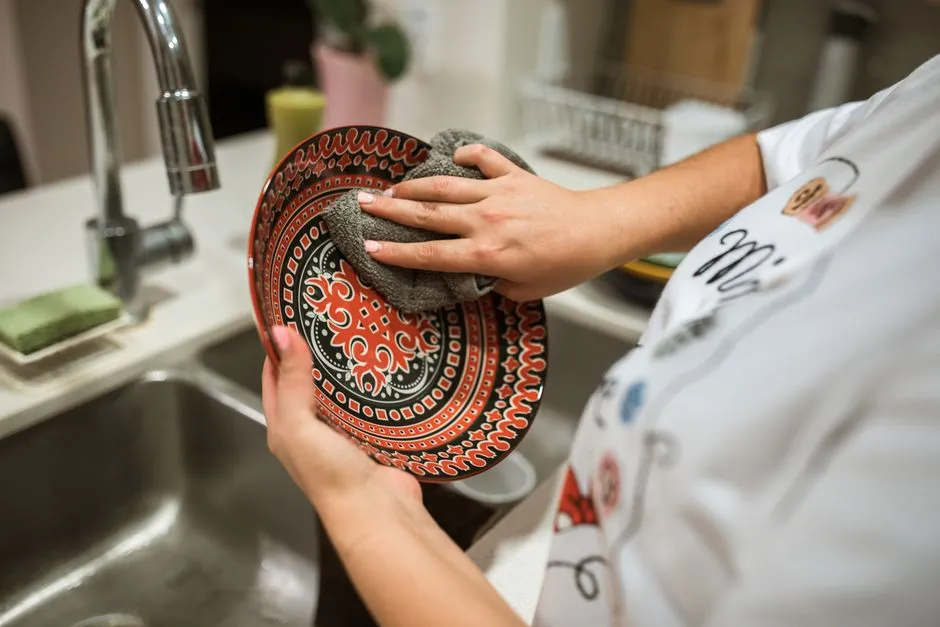
Seasoned hosts share one consistent habit: they never let the full mess pile up until after the last goodbye. Plates get quietly cleared, glasses get consolidated, and the sink situation gets managed in small increments throughout the evening. By the time guests go home, the recovery is manageable rather than overwhelming. This approach also keeps the host’s own energy up, because facing a mountain of mess at midnight after a long evening of hosting is its own kind of punishment that no one needs.
The Takeaway

The best hosts aren’t magicians, and they’re not obsessively tidy people by nature. What they’ve learned is that hospitality is fundamentally about making someone else feel good in your space. Protecting guests from the kitchen chaos is one of the quieter, more underrated ways to do exactly that. The meal gets remembered, the conversation gets remembered, and nobody goes home thinking about the dirty pots. That’s the whole idea.
AI Disclaimer: This article was created with the assistance of AI tools and reviewed by a human editor.