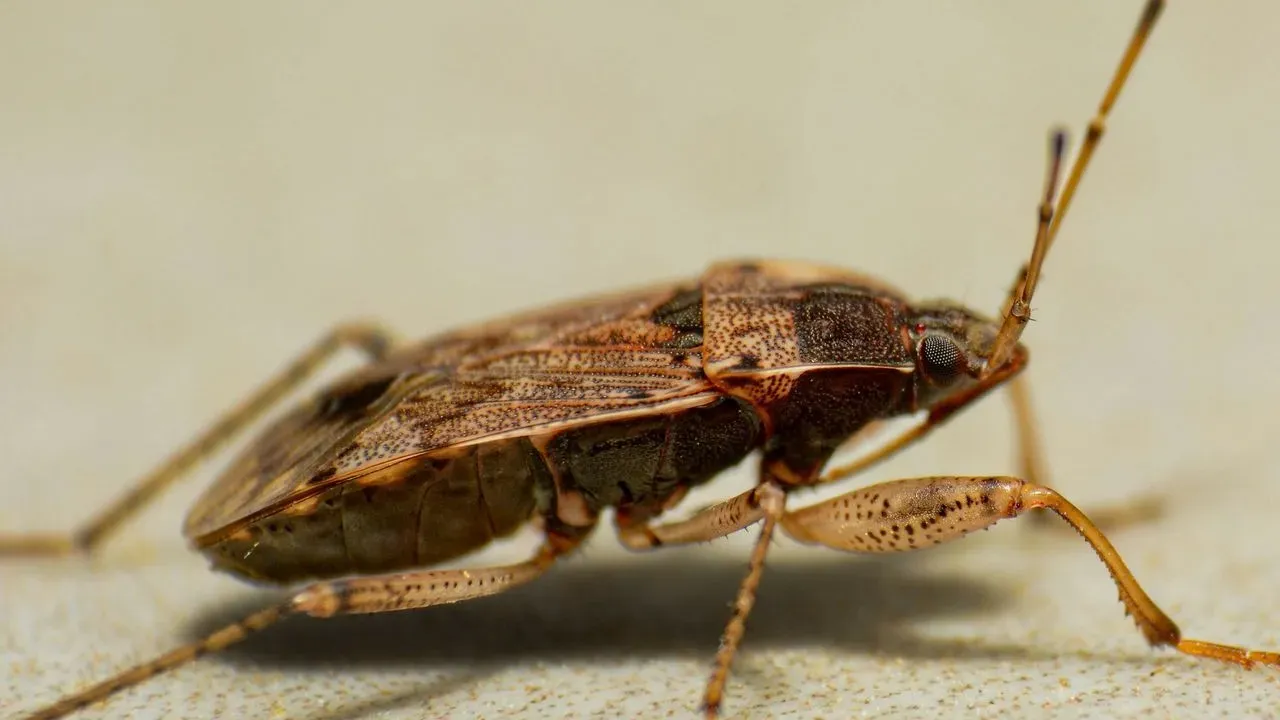

Many gardeners pause when they spot an elongated insect with a curved beak resting on a bloom. The creature looks formidable, yet its presence often signals a balanced ecosystem at work. Assassin bugs earn their name through precise hunting, but they deliver real value by keeping pest populations in check without chemical intervention.
Recognizing Assassin Bugs Across Life Stages
Identification starts with the eggs, which often appear in small clusters of amber-brown capsules topped with white caps. These clusters show up on leaves or stems rather than always on bark, and slight variations exist between species such as the spined assassin bug, whose eggs feature frilled caps. Nymphs emerge looking delicate, with long limbs and a narrow head that creates a visible neck. Adults retain the same head shape and three-segmented, curved rostrum, though body color and size can differ widely. Movement offers another clue: they tend to stalk slowly and deliberately before striking. Distinguishing them from lookalikes like squash bugs or leafhoppers requires noting that distinct neck and the overall posture rather than relying on color alone.
Their Role as Effective Garden Predators
Assassin bugs function as generalist hunters that consume aphids, caterpillars, leafhoppers, flies, beetles, and moths. They pierce prey with the rostrum, inject enzymes that liquefy tissue, and then feed on the result. This approach allows them to tackle a broader range of insects than specialists such as ladybugs. Their patience while waiting motionless on foliage makes them efficient at controlling outbreaks before numbers grow large. Even when they occasionally take a bee or butterfly caterpillar, the overall effect supports ecological balance rather than disruption. Gardens that host these predators experience fewer unchecked pest surges as a result.
Creating Conditions That Draw Assassin Bugs
Diverse plantings with flowers at different heights provide both shelter and prey. Avoiding broad-spectrum chemicals preserves the insects that assassin bugs rely on for food. Leaving some leaf litter, dense patches, or rough edges gives them places to hide and hunt. Predators arrive only where prey exists, so tolerating modest populations of aphids or leafhoppers becomes part of the strategy. No special habitat is required; the same practices that support other beneficial insects work here as well. The result is a garden that manages many pests through natural processes.
Handling Encounters and Addressing Common Concerns
Assassin bugs do not seek out people, yet they can deliver a painful defensive bite if trapped or squeezed. Most gardeners encounter them while inspecting plants, and simple care during handling prevents incidents. Separate from garden species, certain kissing bugs in the same broader family feed on blood and typically remain near pack rat nests in desert regions. Sealing home entry points reduces any chance of indoor encounters with those particular insects. Observation remains the most reliable tool for confirming identity and deciding whether action is needed. Over time, repeated sightings reveal patterns that help gardeners appreciate the full community of insects at work. The more closely one watches these predators in action, the clearer it becomes that a thriving garden depends on such unseen alliances rather than on eliminating every unfamiliar insect.
AI Disclaimer: This article was created with the assistance of AI tools and reviewed by a human editor.