
Most homeowners don’t think much about their furnace until something goes wrong. It quietly does its job in the basement or utility closet, and that’s exactly how we like it. So when an unusual odor starts drifting through the vents, it’s easy to brush it off as nothing. That’s a mistake worth reconsidering.
Some furnace odors are harmless, while others can point to serious safety risks or even the need for a system replacement. Knowing the difference could protect not just your equipment, but your household’s health and safety.
The First-of-Season Dusty Smell: Usually Fine, but Worth Watching
While it’s normal to notice a dusty burning smell the first time a furnace runs in the winter, if the odor continues, it should also be checked out by a professional. This happens because dust settles on heat exchangers and burners during the warmer months, and that layer burns off when the system first fires up.
When your furnace kicks on, you may notice a dusty odor as the air first moves through the ducts and vents. Within a few minutes, the smell should disappear. If it doesn’t clear up within half an hour or so, treat that persistence as a signal to investigate further.
Dust buildup can increase fire risk if dust ignites on hot parts, reduce furnace efficiency by blocking airflow making the system work harder and use more energy, and lower indoor air quality by spreading dust and fine particles throughout your home.
The Rotten Egg Smell: Get Out Now
The most obvious and serious odor you may notice from your furnace is the rotten egg smell that indicates a gas leak. Many natural gas suppliers add sulfur to the gas to make leaks easier for people to detect without equipment. This intentional additive is essentially a lifesaving chemical signal.
Gas leaks are dangerous, posing risks of explosion or carbon monoxide poisoning. If this furnace smell occurs, turn off the furnace immediately, open all windows and doors for ventilation, leave the house, and contact your utility company along with a licensed HVAC professional. Avoid operating electrical devices or light switches to prevent sparks that could ignite the gas.
The smell of sulfur or rotten eggs almost always indicates an issue with gas supply. Natural gas is odorless, but suppliers treat it with a strong rotten egg odorant to make leaks detectable. If you smell gas, even faintly, do not turn on or off any lights or appliances, do not use your phone inside, and leave your home immediately.
The Silent Threat: Carbon Monoxide and What You Can’t Smell

Each year, more than 400 Americans die from unintentional CO poisoning not linked to fires, more than 100,000 visit an emergency department, and more than 14,000 are hospitalized. These are not abstract statistics. They represent real households, many of which had a faulty furnace at the center of the crisis.
A majority of these deaths, roughly 84 percent, happened between September and April, which the CPSC attributes to increased use of furnaces and portable heaters during winter and in transition months. The timing aligns almost perfectly with heating season.
Carbon monoxide is an odorless, colorless gas produced by incomplete combustion of fuels such as natural gas, propane, oil, and wood. CO binds to hemoglobin much more effectively than oxygen, reducing oxygen delivery to tissues. Even low-level chronic exposure can cause headaches, fatigue, and cognitive symptoms, while high levels are life-threatening. Installing and maintaining CO detectors near your furnace and bedrooms is not optional; it’s essential.
The Formaldehyde Smell: A Cracked Heat Exchanger Warning
Unusual or foul odors are the most common symptoms of a cracked heat exchanger, especially if you notice the odors while the unit is running a cycle. The smell of a cracked furnace heat exchanger often has a distinct chemical or formaldehyde-like odor. This is a particularly tricky problem because the damage isn’t always visible to the naked eye.
The heat exchanger in furnace systems plays a big role in keeping your home warm and safe. It separates the hot combustion gases from the air your family breathes. When it’s working properly, you get all the heat without any harmful stuff. Dangerous gases like carbon monoxide can slip into your home when there’s a cracked heat exchanger.
Heat exchangers keep your home warm by transferring heat from burning fuel to circulating air, and they wear out after roughly 10 to 20 years. Watch out for signs such as unusual odors, soot accumulation, rattling sounds, and unexpectedly high gas bills, as these are major warning indicators.
The Burning Electrical Smell: Potential Fire Risk

If you notice a smell like burning wires or an overheated motor, it could be a sign that the blower motor on your furnace is seizing up. This can happen because of worn bearings, and will often cause the motor to overheat, use too much voltage, and even melt the wires attached to it.
Overused components, worn bearings, or problems with the blower motor can cause the smell of hot or burning metal. Faulty electrical wiring or overheating parts may emit an acrid or plastic scent, signaling the potential for system damage or a fire risk.
If an electrical burning smell is detected, turn off the power to your furnace at the breaker box to reduce the risk of fire. Ignoring this warning can lead to a complete system failure or a dangerous blaze. A qualified technician can safely identify the cause, repair or replace any damaged wires or components, and restore the system to proper function.
The Musty or Moldy Smell: What’s Growing in There
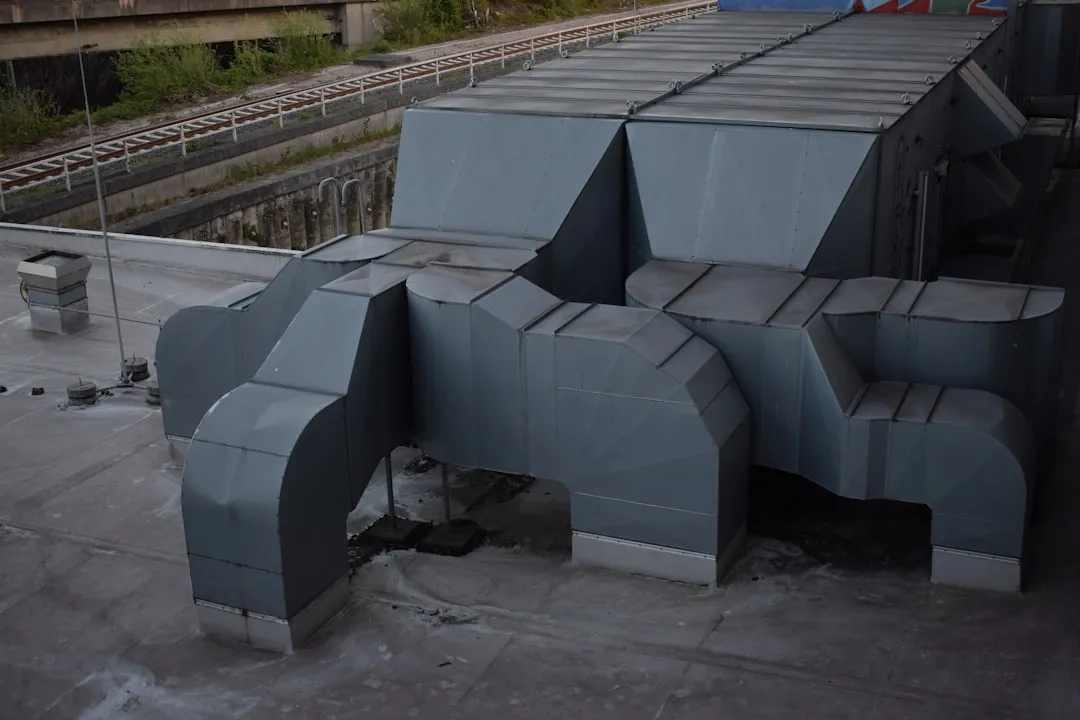
Mold thrives in damp, dark environments and the furnace interior, especially the ducts, provides an ideal breeding ground. A persistent earthy or musty smell when the furnace runs can indicate mold in the evaporator coil or ductwork. The smell worsens when the furnace is on, as mold spores circulate.
The proliferation of mold in HVAC system ducts allows for the spread of spores and mycotoxins throughout your home. Higher levels of particulate matter worsen your home’s air quality, leading to potential respiratory irritation and musty odors. Sensitive individuals may experience throat, sinus, chest, and eye irritation. Headaches and increased susceptibility to respiratory infections are also possible. These symptoms are more likely to affect individuals with mold allergies or preexisting respiratory conditions, such as asthma.
Prevent HVAC mold by keeping your humidity levels below 55 percent, monitoring your home for plumbing or roof leaks, encouraging ventilation throughout your home, and staying on top of HVAC maintenance. These steps aren’t complicated, but they make a real difference.
The Smoky or Burning Smell: Blocked Flues and Vent Issues
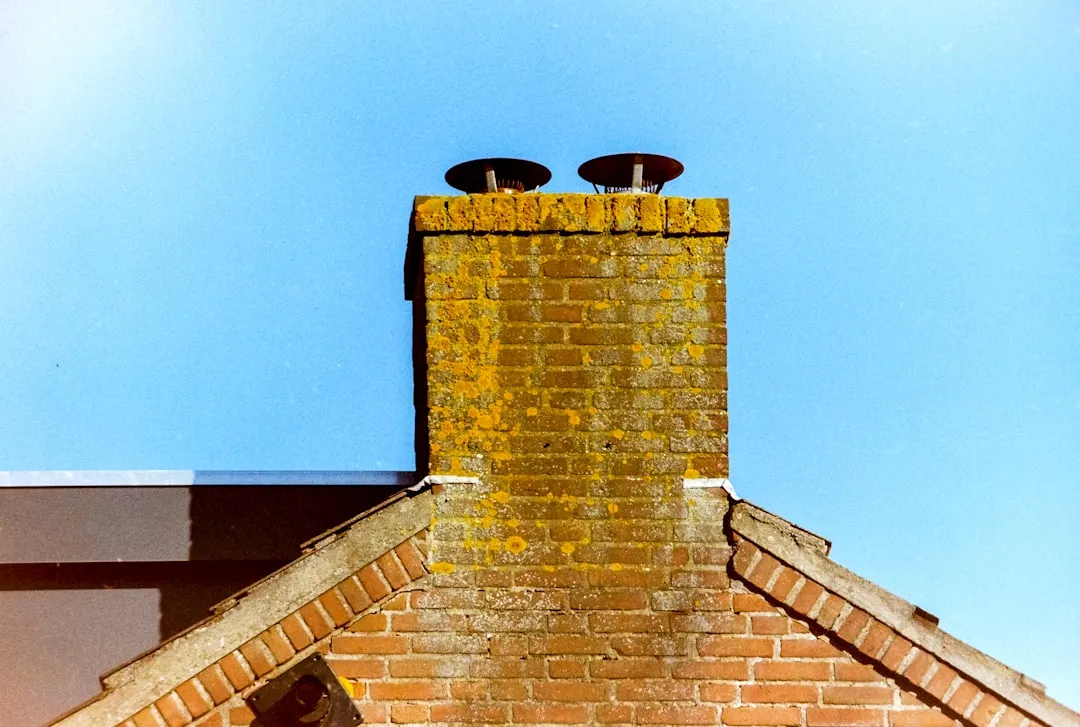
A smoky odor coming from your furnace can indicate multiple serious problems that need prompt attention. This smell may be caused by a blocked flue or chimney, which stops combustion gases from venting properly. A dirty burner or a crack in the heat exchanger can also allow unburned fuel or soot to enter your home.
Blocked or cracked venting systems can cause fumes to re-enter your living space, posing serious health risks, including carbon monoxide poisoning. Even a partial blockage from debris, animal nesting, or corrosion can push toxic gases back into the home rather than expelling them safely outside.
A gas or oil furnace that burns fuel produces combustion byproducts that must be vented safely. If combustion is incomplete or venting is compromised, hazardous gases and particles can enter living spaces. A chimney inspection at the start of every heating season is a reasonable and fairly inexpensive precaution.
The Oil Smell: Leaks, Burners, and VOC Exposure

If you smell oil in your house, it is a clear sign that either oil has spilled somewhere within your home or there is a problem with the burners within the furnace. Fuel odors can indicate serious issues such as oil spills, which often occur in basements where oil furnaces are located, or cracks in the furnace’s oil burner, which can lead to dangerous fumes.
Older oil tanks and furnaces are prone to leaks and spills, posing significant health risks due to cancer-causing volatile organic compounds, known as VOCs. These compounds can accumulate in poorly ventilated areas and contribute to long-term respiratory and systemic health problems with repeated exposure.
If the heat exchanger has cracks, pressurized fumes can leak out. Identifying and addressing cracks early is crucial to prevent further damage. Any persistent oil odor that you can’t attribute to a simple spill warrants a professional inspection without delay.
The Gunpowder or Fireworks Smell: Electrical Component Damage

If your furnace emits a scent like fireworks or gunpowder, it’s usually not an immediate safety emergency, but it is a warning sign. This smell often signals an overheated fan motor or a burned-out circuit board. Left unaddressed, either of those component failures can quickly escalate into something more serious.
Electrical and metallic odors generally stem from excessive heat within your furnace. A smell like singed wires likely indicates an overheating metal component, while a more metallic smell may come from a damaged rubber component.
To prevent an automatic shutoff and reduce the risk of fire, turn off the furnace until a professional can find and replace the overheating components. It’s one of those situations where the repair is almost always far cheaper than the alternative of a damaged or destroyed system.
When to Call a Professional and What to Do in the Meantime
If you notice a weird smell coming from your furnace, it’s important to approach the situation with caution. Although the source of the smell might be harmless, it could also pose health risks or point to a more serious issue. The core rule is simple: when in doubt, don’t wait.
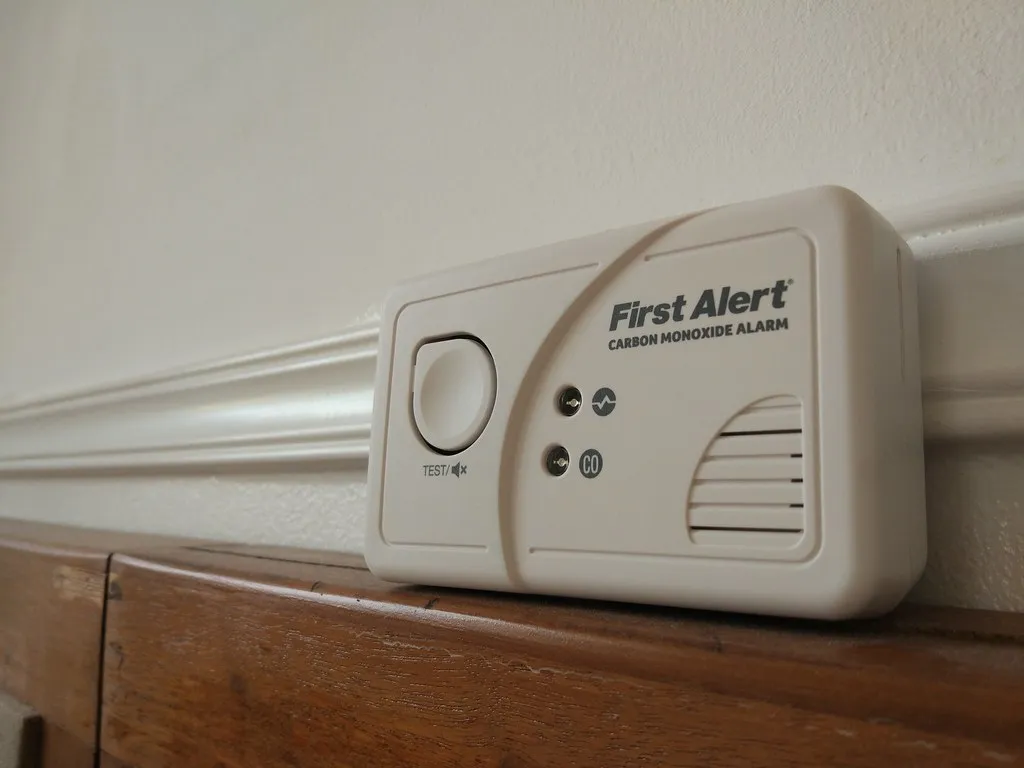
Symptoms of CO poisoning include headache, dizziness, confusion, and nausea. Installing carbon monoxide detectors near furnaces and bedrooms is essential. The most common symptoms of CO poisoning are headache, dizziness, weakness, upset stomach, vomiting, chest pain, and confusion, and they are easily confused with the flu, which is precisely what makes them so dangerous during winter months.
If weird smells keep returning and repairs become frequent, replacing your furnace can be a safer, more cost-effective long-term choice. Signs that replacement is warranted include a furnace age of over 15 to 20 years with rising maintenance costs. A licensed HVAC technician can perform a full inspection and give you a clear picture of where your system stands.
The Bigger Picture: Don’t Normalize Furnace Odors
Odors from a heating system are not a quirk of homeownership to be accepted and ignored. They’re a communication mechanism, one of the few ways a mechanical system has to signal that something is off. Smells like rotten eggs, burning electrical, or chemicals coming from your furnace should never be ignored, because they could be signs of a serious or even dangerous problem.
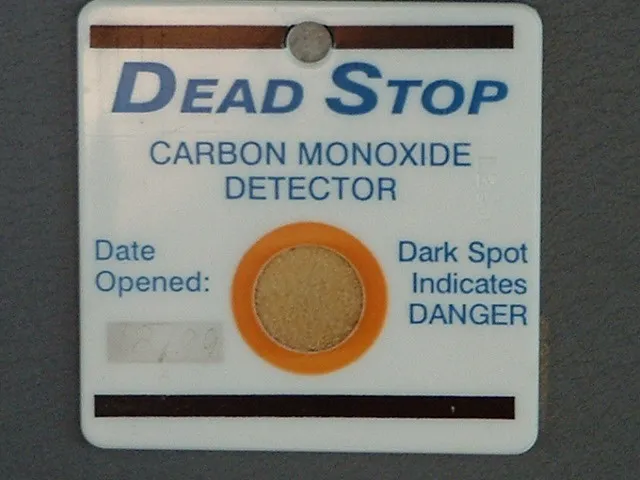
Risk factors for carbon monoxide poisoning include the use of fuel-burning appliances in enclosed or poorly ventilated spaces, occupational exposures, and increased incidence during colder months due to indoor heating. Most of those conditions describe the average American home in January perfectly.
Annual furnace maintenance, proper CO detector installation, and a willingness to act on unusual smells rather than dismiss them are three of the most straightforward things a homeowner can do to stay safe. The odor itself costs you nothing. Ignoring it might cost far more than you’d ever expect.
AI Disclaimer: This article was created with the assistance of AI tools and reviewed by a human editor.