
There’s something almost magnetic about a garden berry. The colors are bold, the clusters are perfectly bite-sized, and to a young child, they look a lot like candy. It’s a completely understandable instinct, and it’s also exactly what makes certain backyard and neighborhood plants quietly dangerous.
The challenge isn’t that these plants are rare or exotic. Many of them grow just a few feet from a backyard swing set, cling to fences on the school walk, or get woven into holiday wreaths hung on front doors. Knowing what to look for, and why it matters, can genuinely make a difference.
Children Are the Most Vulnerable Group

Children younger than six years continue to make up a disproportionately large share of cases managed by poison centers, and peak unintentional poisoning frequency occurs among one- and two-year-olds. That’s not a coincidence. Toddlers explore the world by putting things in their mouths, and a cluster of bright berries is about as tempting as it gets at that age.
In children younger than six, nearly all poison exposures – about ninety-nine percent – are unintentional. There’s no recklessness involved. Kids simply don’t know what they’re picking. Since children weigh far less than adults, it takes a smaller amount of a toxic compound to produce visible symptoms of poisoning. That body-weight gap is why a berry that barely inconveniences an adult can send a toddler to an emergency room.
The Scale of the Problem Is Larger Than Most Parents Realize
From 2020 to 2022, there was an estimated annual average of roughly 64,300 emergency department-treated injuries involving unintentional pediatric poisonings for children younger than age five in the United States. That’s not a fringe issue. It’s a consistent, measurable public health pattern.
The Poison Control Center at the Children’s Hospital of Philadelphia receives numerous calls about children who have eaten wild berries. Plant ingestions are a year-round concern, not just a summer one. If someone eats a poisonous or unknown berry, the guidance from Poison Control is to use the webPOISONCONTROL online tool or call 1-800-222-1222 right away to determine whether treatment is necessary.
Pokeweed: The Grape Impostor in Your Own Backyard
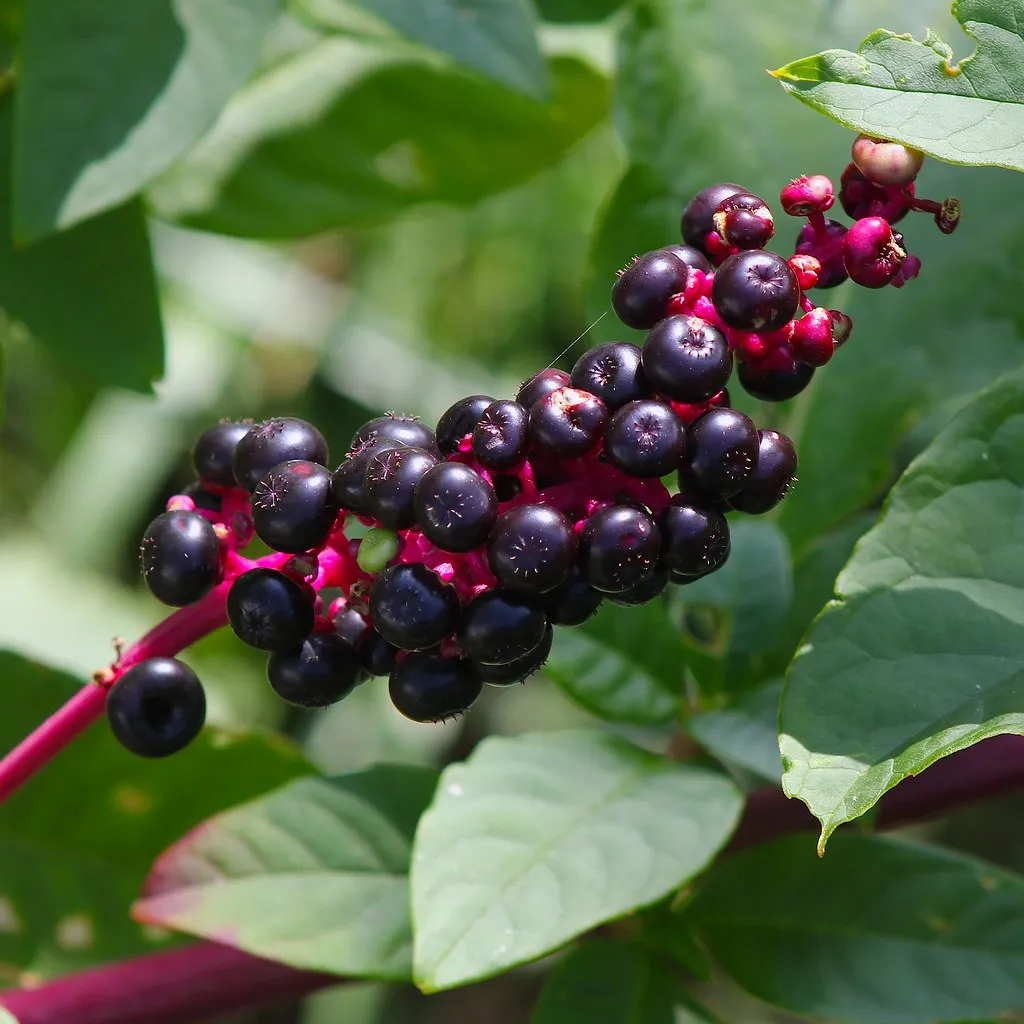
Pokeweed can grow up to five feet tall and has thick green-purple stems similar to rhubarb; its berries grow in clusters like grapes and ripen from white to green to rose and finally purple, staining the hands purple when crushed. That grape-like appearance is the core of the problem. A child who has seen grapes on a vine may not hesitate for a second.
The National Capital Poison Center describes pokeweed berries as a grape look-alike, and they are especially poisonous according to the U.S. Forest Service. The National Library of Medicine’s MedlinePlus has specified that eating ten or more uncooked berries can lead to serious problems in children. Nausea, vomiting, cramping, stomach pain, diarrhea, low blood pressure, and dehydration can all result from pokeweed ingestion. The plant is also native, widespread, and notoriously hard to eradicate once it takes root.
Deadly Nightshade: Sweet, Black, and Seriously Dangerous
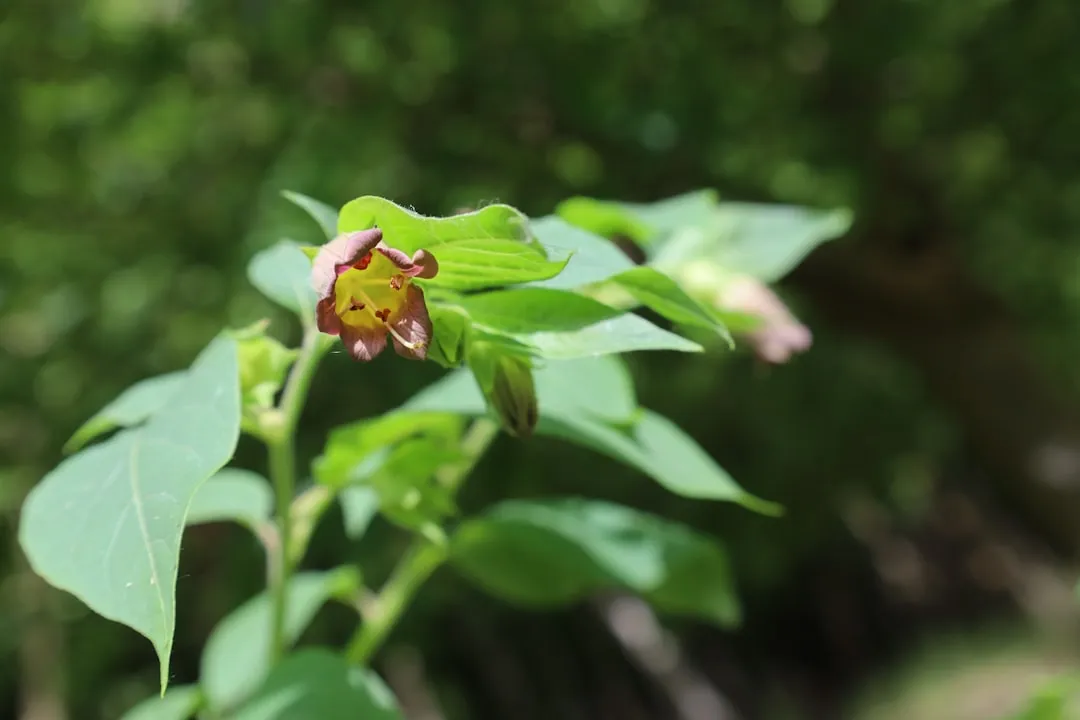
Deadly nightshade’s shiny black, cherry-like berries are sweet but contain tropane alkaloids including atropine and scopolamine; ingestion of even two or three berries can be fatal for a child, causing delirium, hallucinations, and paralysis of the involuntary muscles, including those responsible for breathing.
In a study analyzing 54 children admitted to a pediatric intensive care unit for poisoning, nearly half of the cases were attributed to deadly nightshade, with the most common symptoms being flushing, vomiting, dilated pupils, incoherent speech, dry mouth, and rapid heart rate – and three patients required mechanical ventilation. According to the Missouri Botanical Garden, the leaves, fruits, and roots of deadly nightshade are all highly toxic whether eaten or just touched through an open wound, and the risk to children who do not understand the poisonous characteristics of all parts of the plant is described as huge.
Holly Berries: The Holiday Hazard Nobody Talks About
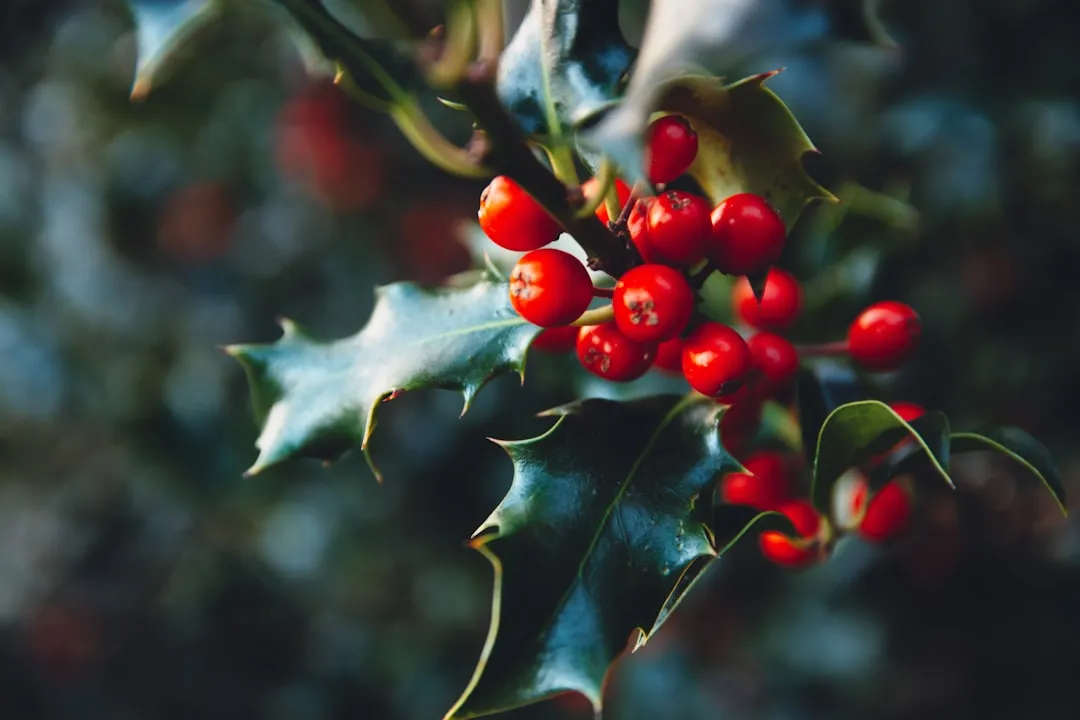
Wreaths and other decorations can include holly berries that are toxic to both humans and pets due to the presence of saponins, chemical compounds that cause gastrointestinal irritation when ingested. The decorative appeal of holly is hard to argue with. The risk, though, is real when small children are nearby.
Children have had symptoms after swallowing as few as two holly berries, with swallowing holly berries causing nausea and vomiting, occasionally accompanied by diarrhea, and these effects can lead to dehydration. For symptoms to develop, children need to have eaten only five berries, while adults reportedly must consume at least twenty to thirty berries. That dosage gap makes holly far more concerning around children than many parents expect.
Yew Berries: The Danger Hidden Inside a Sweet Fruit
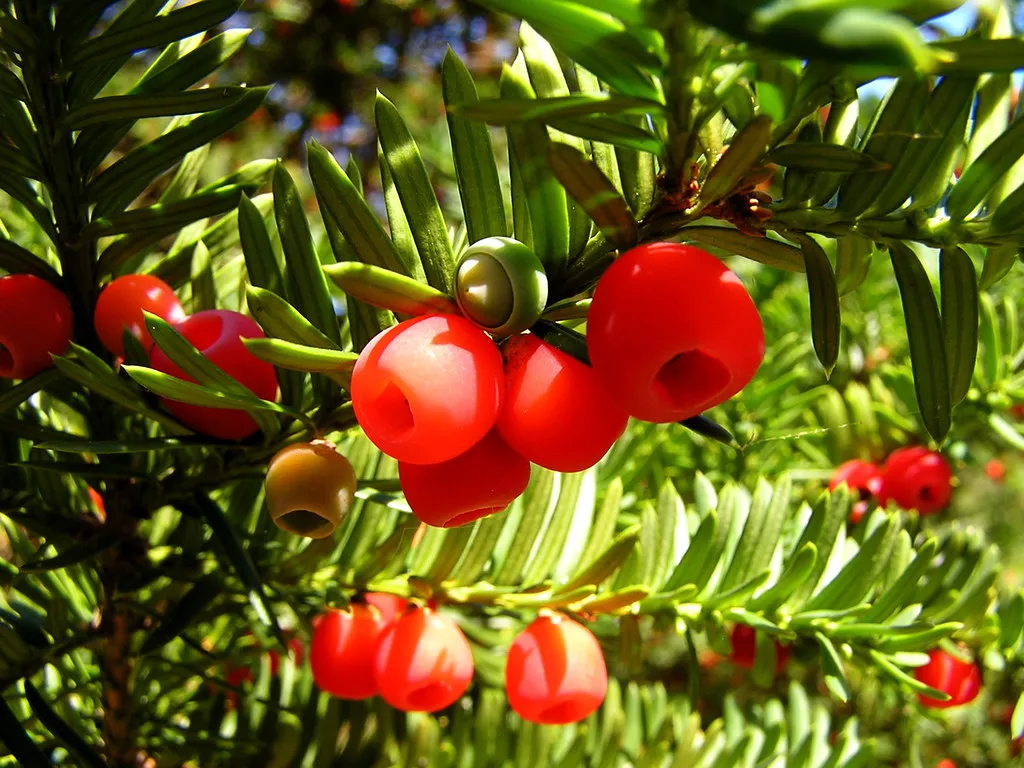
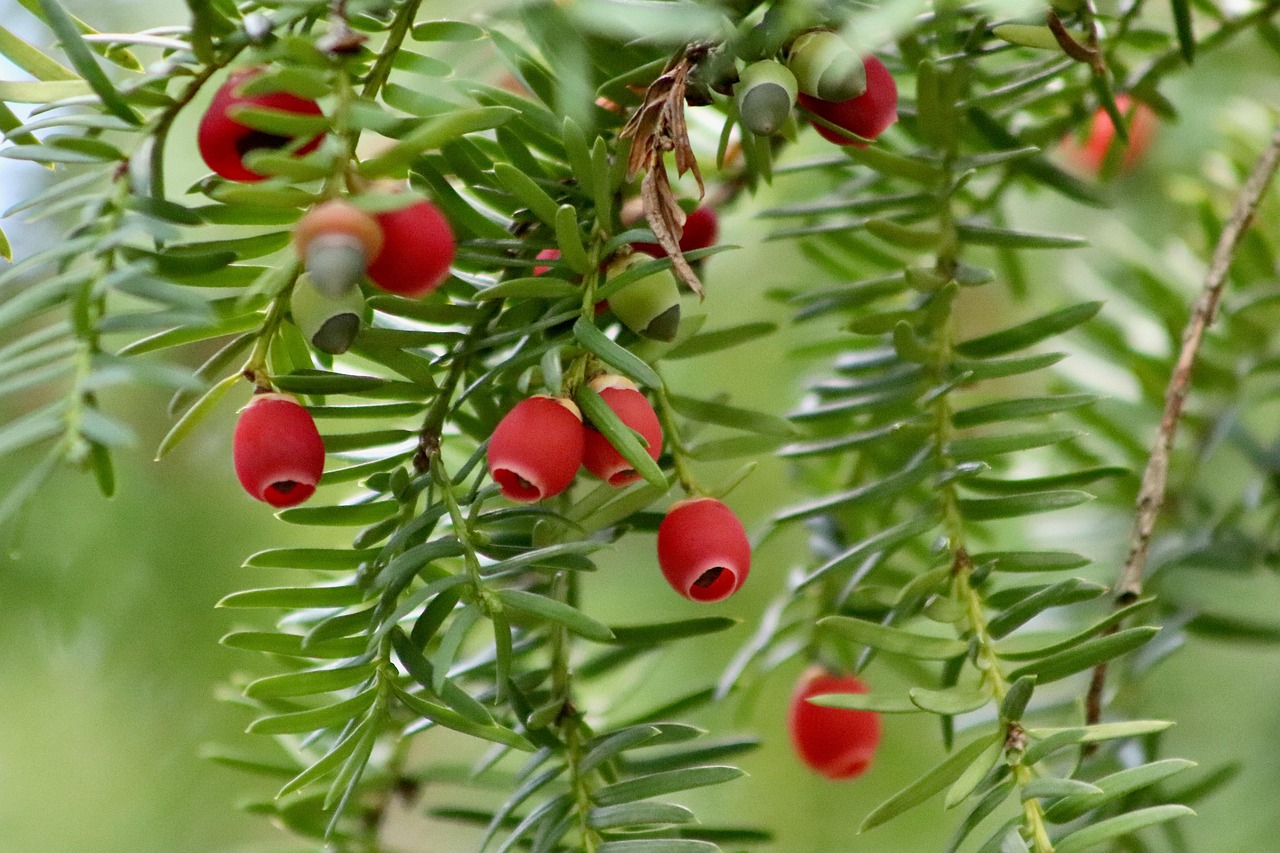
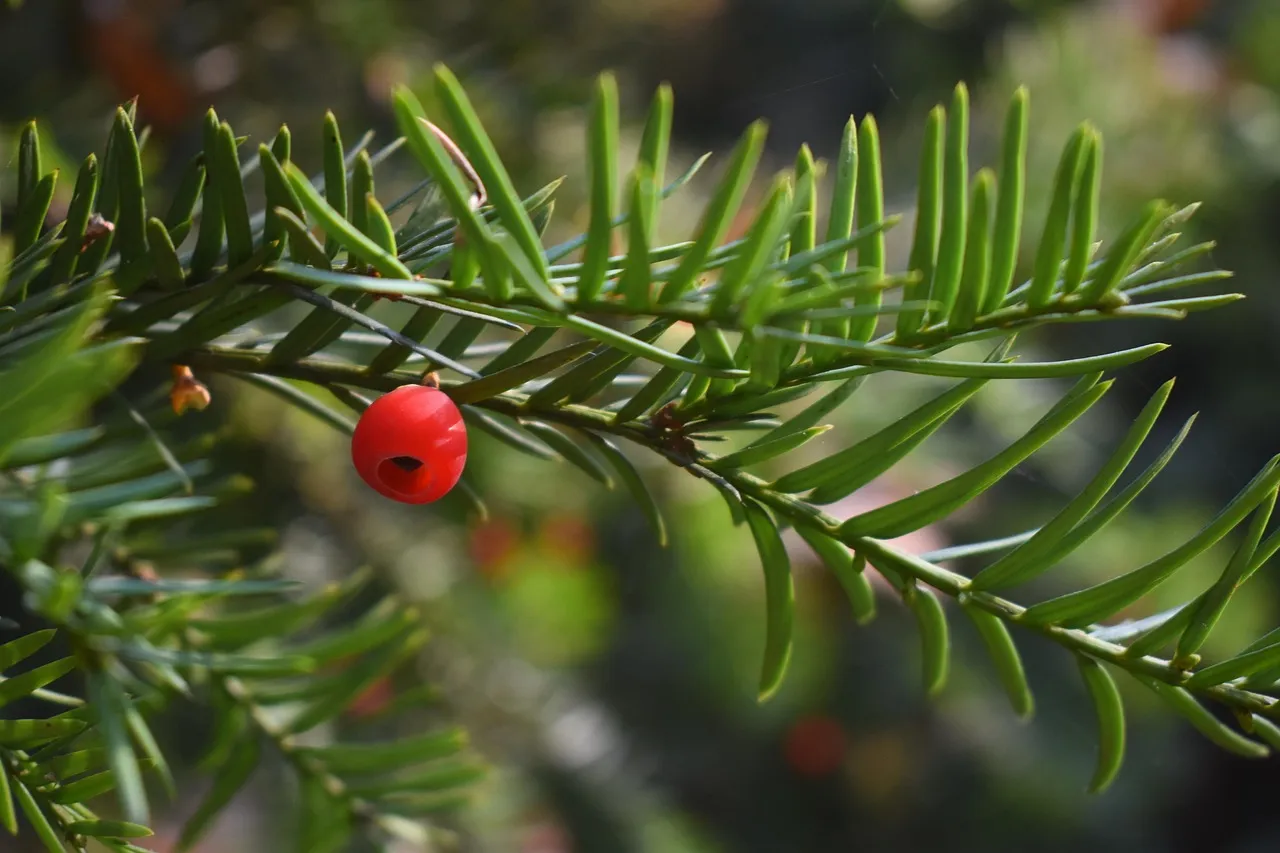
Yew produces fleshy red berries with a mild sweet taste, but the seed inside the berry is poisonous; taxine alkaloids in the seed can cause upset stomach, drowsiness, trembling, rapid heartbeat, and rapid breathing, and if untreated, yew poisoning can lead to low heart rate, abnormal heartbeat, and death from heart failure.
Eating more than three yew berries can cause vomiting, nausea, abdominal pain, dizziness, difficulty breathing, and changes in heart rate. Yew shrubs are extremely common in landscaping across North America and Europe. They often line driveways, border gardens, and frame entranceways – locations where children play regularly. The deceptive part is that the fleshy outer aril tastes sweet, which can encourage a child to eat more.
Bittersweet Nightshade: The Backyard Vine That Creeps Up Unnoticed
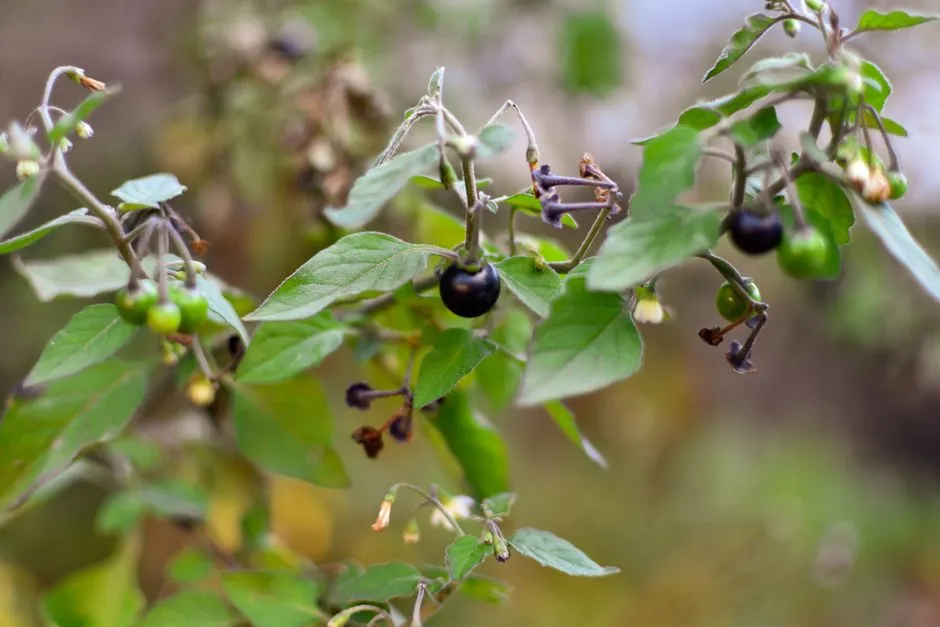
While not as toxic as its cousin deadly nightshade, bittersweet nightshade produces pretty purple flowers and bright red berries; all plant parts are mildly poisonous, and those berries are poisonous to pets and can be deadly to children. The vine spreads easily and blends into garden fencing, hedges, and wooded borders, which makes it easy to overlook during a yard inspection.
Eating American bittersweet berries can cause stomach upset and diarrhea. Symptoms may seem mild at first, but they can escalate depending on how many berries a child has consumed and how quickly help is sought. The plant’s ability to grow unnoticed is part of what makes it a consistent entry on poison center call logs each year.
Cotoneaster and Other Common Ornamentals
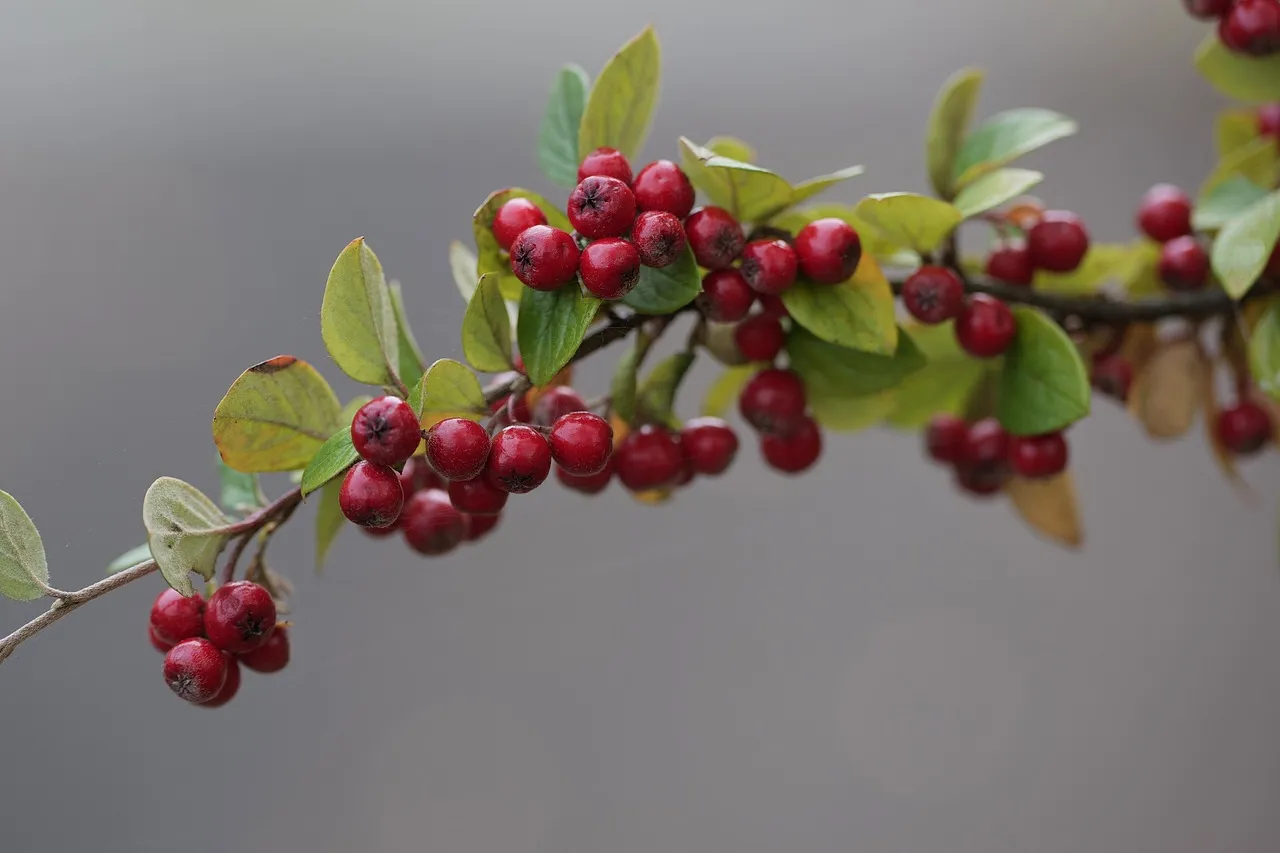
Cotoneaster is an evergreen shrub whose bright orange berries grow in clusters so thick that the branches cannot be seen; cotoneaster is poisonous in large amounts and may cause trouble breathing, weakness, and seizures. It’s a popular landscaping plant, used frequently in parking lots, public gardens, and residential yards. Its appeal to birds is matched, unfortunately, by its appeal to small children drawn to its vivid orange clusters.
Virginia creeper is another fast-growing perennial vine found in many gardens; its small blue berries are highly toxic and can be fatal to humans if eaten, while birds can enjoy them without harm. The bird-safe, child-dangerous contrast is a recurring theme with ornamental plants. What’s harmless to wildlife can be genuinely harmful to a toddler eating from the same bush.
Why Children Are Drawn to These Plants in the First Place
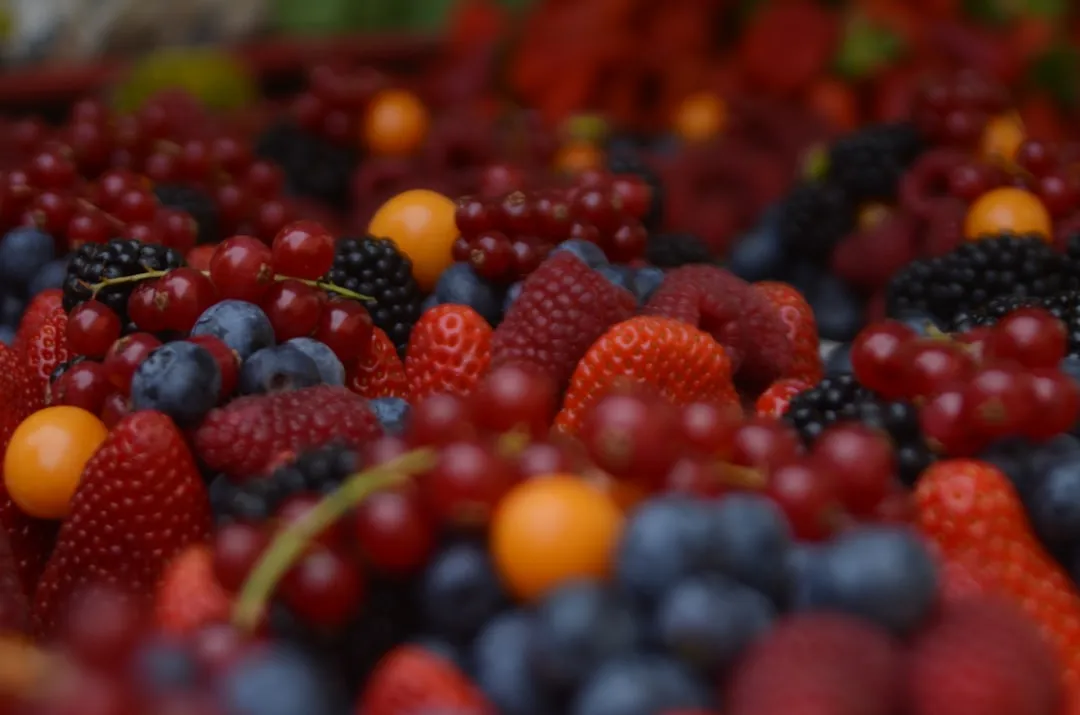
Children are naturally attracted to colorful wild berries. That’s not a flaw in how children think. It’s a completely normal part of curious, sensory-driven exploration. Because children have an attitude to try and seek new things, they are vulnerable to the exposure of poisonous wild fruit ingestion.
Since children weigh less than adults, it takes less of a toxic compound to produce visible symptoms of poisoning in children than in adults. Color is the first cue, and bright red, purple, or orange berries are among the most visually appealing things in a garden to a young child. Supervision outdoors remains one of the most effective tools parents and caregivers have, particularly in late summer and fall when many toxic berry plants are in full fruit.
What to Do If a Child Eats an Unknown Berry
If a child eats pokeberries or any suspicious berry, rinse out the child’s mouth and give some water or milk to drink, then use the webPOISONCONTROL online tool or call the poison center at 1-800-222-1222. Speed matters here. The sooner you call, the more clearly an expert can guide you through the next steps without you needing to guess.
In 2024, roughly two thirds of poison exposures were observed and managed at the place of exposure without medical intervention. That’s reassuring context, but it doesn’t mean waiting to see what happens is the right approach on its own. Awareness and prevention remain the best defenses against the accidental ingestion of poisonous berries and seeds. Identifying every plant in a child’s play area, removing unknown shrubs or vines, and teaching children that wild berries are never food without adult confirmation are the three steps that prevent the call from needing to happen at all.
Final Thoughts
Most toxic berry incidents don’t make the news. They happen quietly, in backyards and along garden paths, and they’re usually resolved with a phone call and a careful night of watching. The real concern is the gap between how harmless these plants look and how quickly they can cause harm to a small child.
The best protection is straightforward knowledge. Learn the names of every plant growing near where children play. If you’re not sure what a plant is, take a six to eight inch cutting that includes leaves, berries, and flowers to a garden center, nursery, or florist for identification. A pretty berry bush is worth ten minutes of identification, every time.
AI Disclaimer: This article was created with the assistance of AI tools and reviewed by a human editor.