
The Numbers Are Bigger Than You’d Think

In the UK alone, roughly 84 million socks go missing every month, which works out to an average of 1.3 socks per person. That is not a rounding error. Assuming an average lifespan of 81 years, a single person will lose around 1,264 socks over their lifetime, adding up to an estimated cost of £2,528, or roughly $3,500.
A study commissioned by Samsung, designed to launch its AddWash washing machine, found that the average British household loses more than 15 socks per year, leaving drawers full of mismatches. These figures come from a survey of 2,000 people, so they reflect real-world experience rather than lab conditions.
The Machine Itself Is Often the Culprit

Socks are primarily lost because they become mechanically trapped inside the washing machine’s internal plumbing, rubber door gasket, pump filter, or drum baffles, all due to fiber geometry, hydrodynamic drag, and the tolerances built into the machine’s construction. This is not random bad luck. It’s a repeatable mechanical outcome.
Door seals in front-loading machines are particularly well-known sock collectors. The rubber gasket forms a fold where small items naturally settle during washing, and water movement pushes socks into this crevice, where they remain hidden until someone specifically checks for them.
Socks can also slip underneath and behind the washing machine drum through small gaps in the machine’s housing, and once in these spaces, they are completely out of sight and require partial disassembly to retrieve.
The Physics of the Spin Cycle

The spin cycle uses rotational force to push water out of tangled fabric fibers, and the same physics that expels water can also carry lightweight items toward the drum’s perforations and drainage areas. Socks, being small and light, are especially vulnerable to these forces.
During spin extraction at speeds of 800 rpm or more, water flow through drum perforations creates localized low-pressure zones at the drum’s rear wall. Loose socks, especially those with high loop density or worn cuffs, get drawn toward these vents and jammed against the steel perforation rim.
The centrifugal effect causes water particles to move outward through the holes in the drum, and lightweight items caught in the wrong position during that process can be carried toward those same exit points. A sock is just small enough to get caught in that flow.
Why Socks and Not Other Clothes
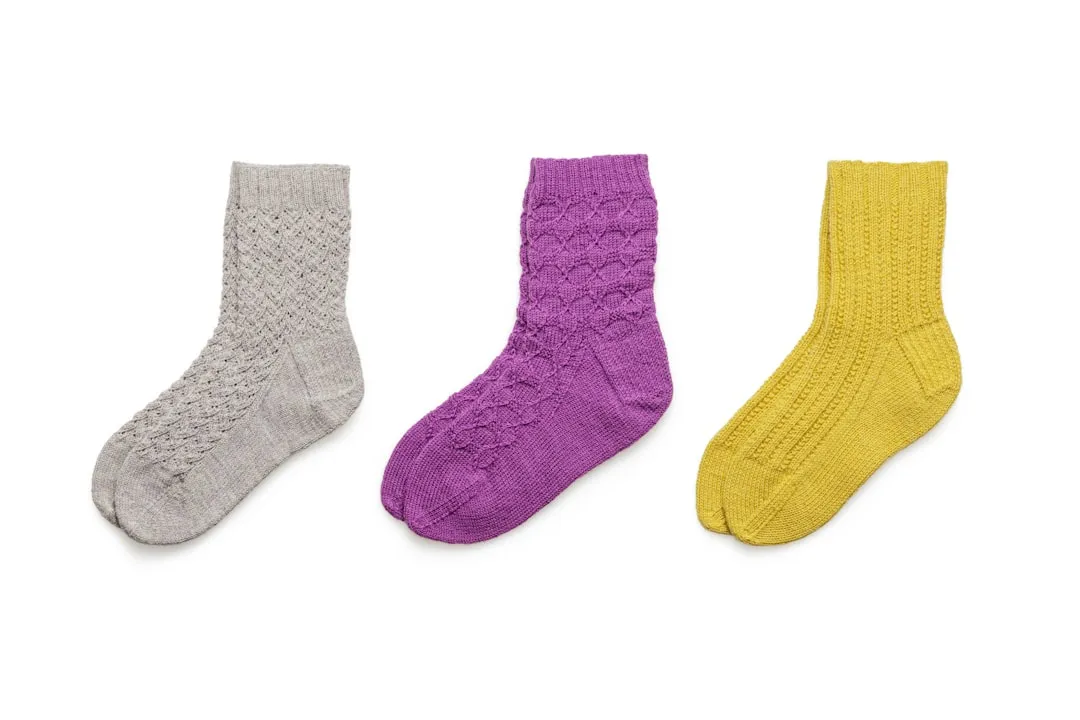
Socks go missing more frequently than other garments because of their unique combination of small size, lightweight construction, and tendency to separate from their pairs during washing. Unlike larger clothing items that stay together as cohesive units, individual socks move independently through the wash water.
During the agitation and spin cycles, water currents easily carry lightweight socks toward drainage holes, machine gaps, and seal areas. Heavier items like jeans and towels don’t get pulled into these spaces as readily. It’s really just a question of mass and surface area.
The stretchy material of many socks also plays a role. Elastic fibers can compress enough to fit through surprisingly small openings, allowing socks to squeeze into gaps that would stop other clothing items.
The Role of Sock Material

Synthetic socks made from polyester or nylon tend to generate more static electricity, causing them to cling to other garments or stick to drum walls. Cotton socks, while heavier than synthetics, can still slip into gaps when wet and compressed. So neither material is really safe.
The weave and cuff design matter too. Repeated flexing during tumbling pulls a rib-knit cuff deeper into a gap, especially when the sock is damp but not fully saturated. Testing across 35 machines found a very high entrapment rate for rib-knit cuffs under these specific conditions.
Color Makes a Difference

According to Samsung’s research, colored socks make up the majority of missing socks, accounting for 55% of all losses compared to white and patterned types combined. This is a finding that surprises most people.
One likely reason is sorting behavior. Socks are often added to the wrong color batch wash and then become separated from their matching sock in the process. A dark sock accidentally dropped into a whites wash may end up folded with entirely different laundry, making it practically invisible at sorting time.
A Mathematical Formula for Sock Loss

Psychologist Dr. Simon Moore and statistician Geoff Ellis collaborated to analyze thousands of cases of lost socks and developed a formula called the Sock Loss Index: L(p × f) + C(t × s) − (P × A). The variables account for factors like the complexity of your washing load and how much attention you pay to the task.
Personal attitude toward washing plays a role in the formula, as does the total volume of textiles washed in a given cycle. In short, the more distracted and disengaged you are, the more socks you’ll lose over time. The math actually bears that out.
The Psychology Behind the Problem

Researchers found that when a task like doing laundry is shared among multiple people in a household, the tendency is for individuals to assume someone else will take responsibility, so no one does, and socks end up getting lost. This “diffusion of responsibility” is a well-documented psychological pattern that shows up across many household tasks.
It’s also common for socks to be misplaced simply due to absent-mindedness or poor organizational habits. Distractions while folding laundry or briefly overlooking a sock on a surface can all contribute to the disappearance. The sock didn’t go anywhere unusual. Nobody was paying attention.
The Complexity of the Wash Load
The main factors causing missing socks were identified as the complexity of the washing load, meaning how batches are divided up based on colors, whites, and different temperature settings, as well as the total number of socks included in each wash cycle. More variables in a single load generally means a higher risk of loss.
The average household runs roughly 2.45 washes per week, which adds up to more than 127 wash cycles per year. At that frequency, even a small probability of losing one sock per cycle compounds into a surprisingly large annual loss. The statistics start to make a lot more sense when you frame it that way.
The Statistical Certainty of Odd Socks

It turns out that statistically, even if you start with socks in perfect pairs, you will inevitably lose some, and you’ll be left with numerous odd socks over time. The math makes this almost unavoidable.
After two consecutive wash losses, there is roughly an 85% chance that the second lost sock also belongs to a pair, leaving you with another odd one. After three washes, there is a better than even chance that you now have three unmatched socks. The more diverse your sock collection, the worse this problem gets.
The more different pairs of socks you start with, the higher the odds of producing odd socks becomes. It’s not bad luck. It’s probability working exactly as it should.
Practical Places Your Socks Actually End Up
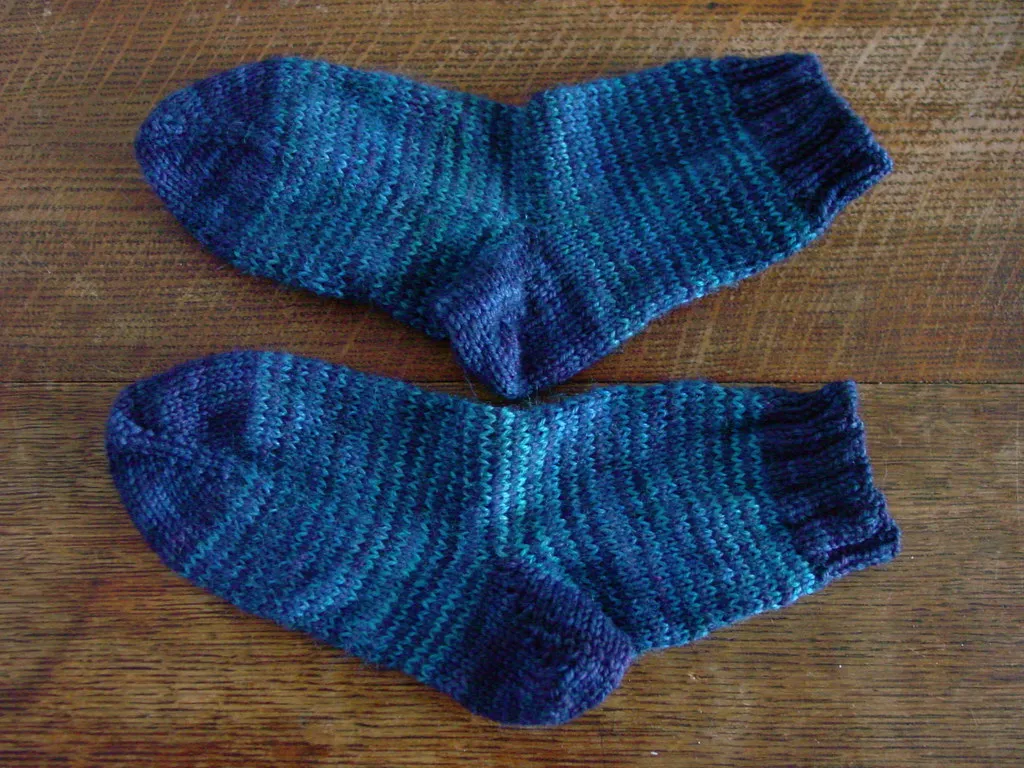
Beyond the machine itself, socks surface in some predictable places that people routinely overlook. Socks frequently fall behind radiators and under furniture without anyone noticing. Because they’re small and light, they can migrate surprisingly far from where they were last seen.
Small gaps between appliances and the floor or surrounding walls are a consistent source of clothing loss. Despite careful laundry habits, articles of clothing end up under or behind machines and are only recovered when the appliance is actually moved. Most households never move their washing machine.
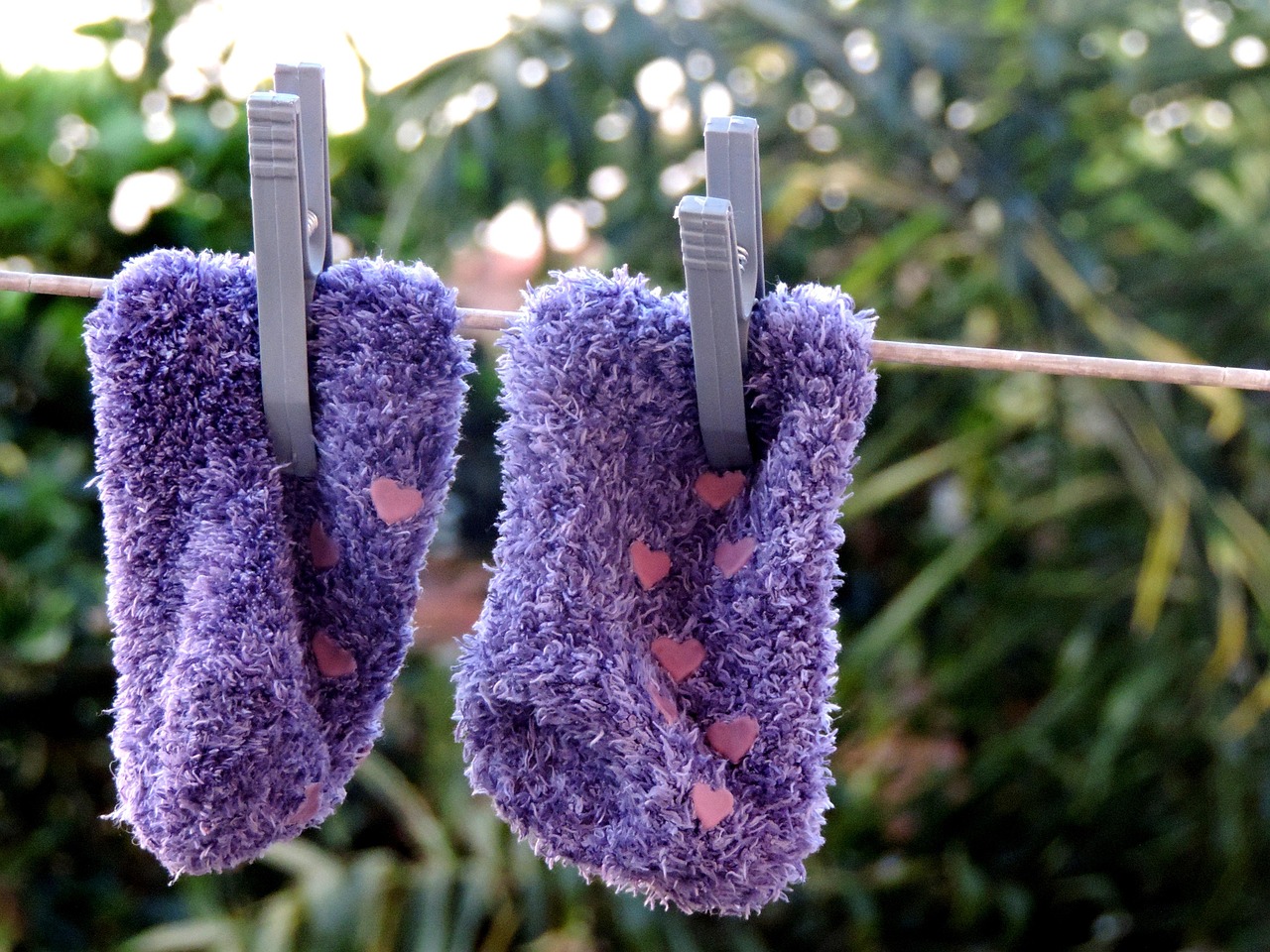
Socks also get lost when they’re not properly secured to a washing line and blow away, or when they’re carelessly paired up by distracted people before or after the wash. Not every missing sock disappears inside the machine. Some just end up in the wrong pile, on the wrong shelf, or in the wrong room entirely.
Final Thoughts
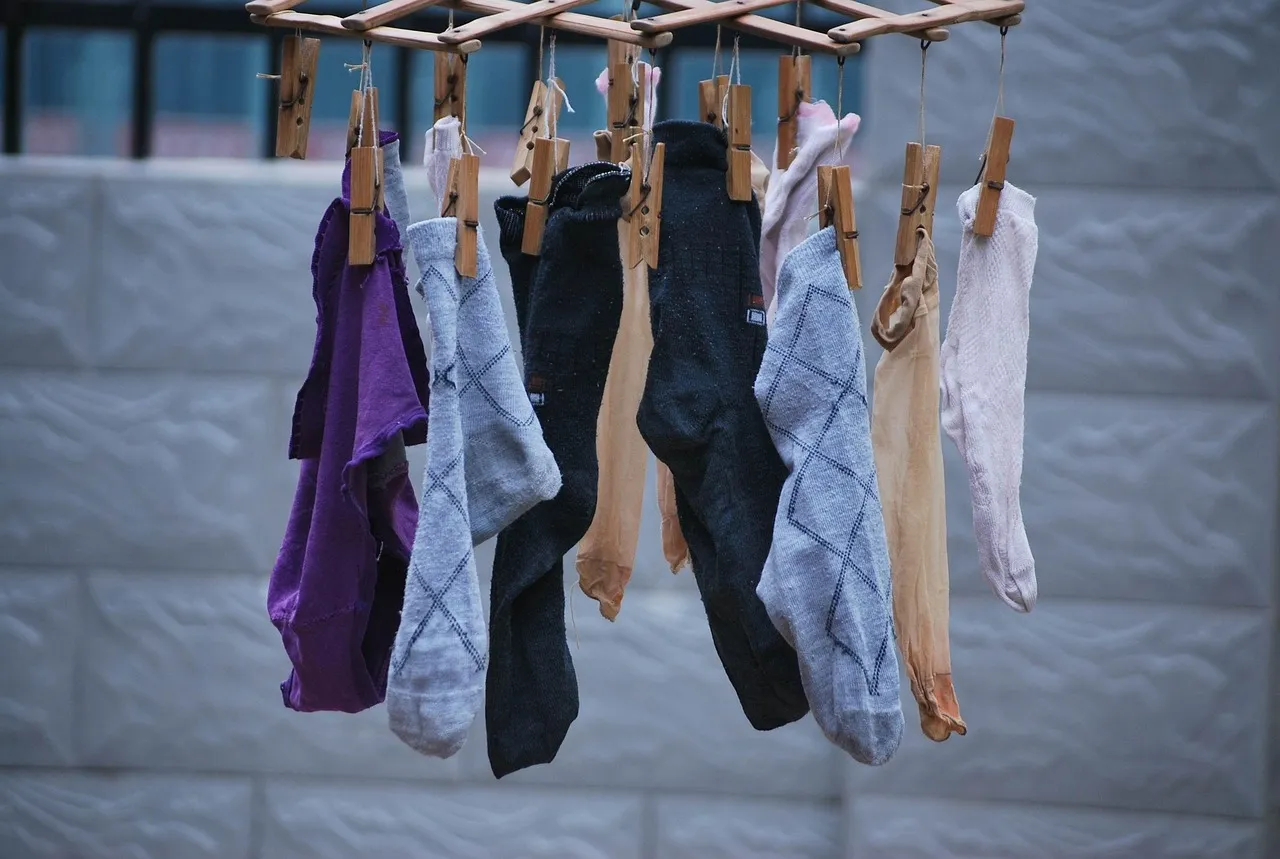
The disappearing sock is a genuinely interesting intersection of physics, psychology, and simple probability. The machine’s mechanics create real physical traps. Human habits and shared responsibility create the conditions for things to fall through the cracks. Lost socks don’t vanish into parallel dimensions or get eaten by dryers. They get caught, overlooked, or sorted into the wrong pile.
The most honest takeaway is that no single culprit is responsible. It’s a system failure involving machine design, laundry complexity, inattention, and the basic statistical odds working against anyone who owns more than one type of sock. Once you understand the mechanics, the mystery feels a lot less mysterious, and the solution, paying closer attention and checking the gasket occasionally, is refreshingly ordinary.
AI Disclaimer: This article was created with the assistance of AI tools and reviewed by a human editor.