
There’s something quietly troubling about a garden in full bloom. The colors are vivid, the pollinators seem busy, and everything looks exactly as it should. But beneath the surface of those cheerful petals, a slow and often invisible problem may be unfolding for the very bees that come to visit.
The concern isn’t about your intentions as a gardener. Most people who plant flower beds want to support wildlife, not harm it. The problem runs deeper than that, and it starts long before the plant ever reaches your yard. Understanding what’s actually happening in your garden soil, in your nursery pots, and in the pollen your bees are collecting is one of the more important things any gardener can do right now.
Bees Are in a Genuine Crisis
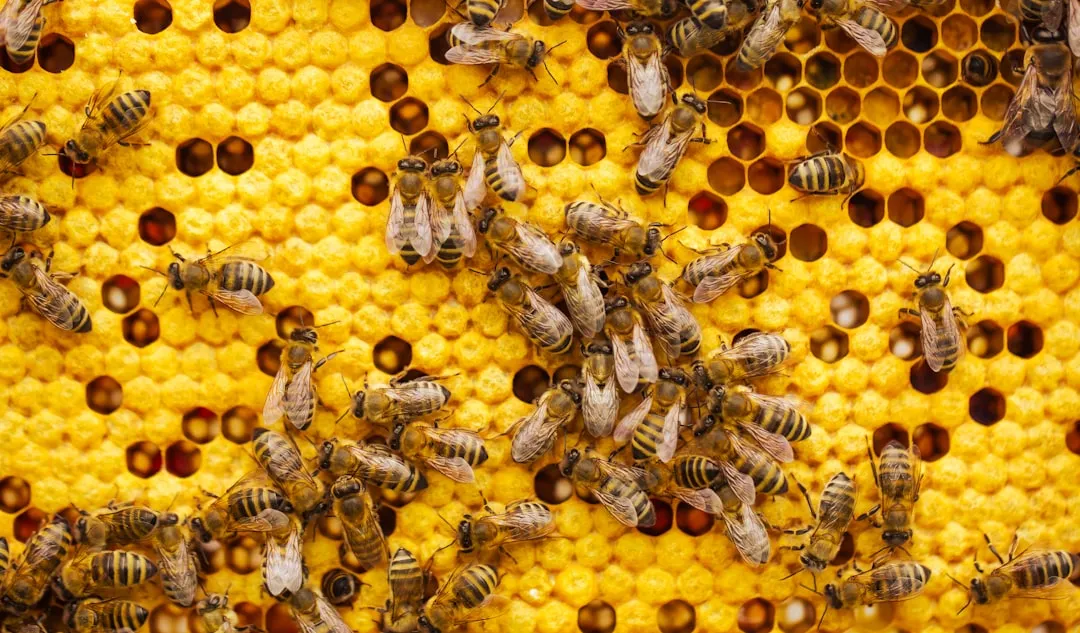
A national survey estimated that more than half of all managed honey bee colonies in the United States were lost between April 2024 and April 2025. U.S. beekeepers experienced record-high losses for the 2024-2025 season for the second year in a row. These aren’t distant agricultural statistics. They represent a collapse that touches every garden, every orchard, and ultimately every food supply chain.
The USDA estimates that this decline represents roughly 600 million dollars in lost revenue, including lost pollination income, reduced honey production, and the cost of replacing dead colonies. The scale of what’s happening is staggering, and it’s unfolding right now.
The Plants You Buy May Already Be Contaminated
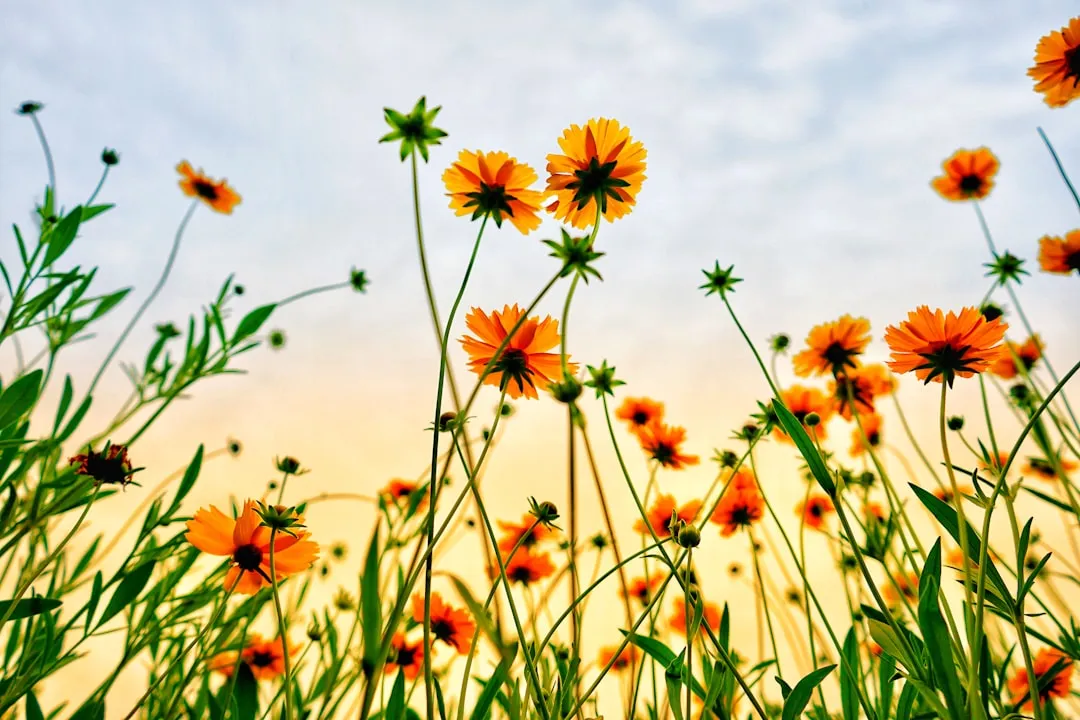
Many flowering plants at nurseries, including plants in full bloom, have been pre-treated with systemic neonicotinoids by the grower, meaning the pesticide is already in the pollen and nectar when the plant hits the shelf. This is one of the most counterintuitive realities in modern gardening. You’re trying to do something good, but the plant itself has been turned into a chemical delivery system.
A study titled “Gardeners Beware” found that roughly half of garden plant samples purchased at major garden retailers across the United States and Canada contained neonicotinoid pesticides, with some of the flowers containing levels high enough to kill bees outright. That report focused on plants specifically marketed as bee-friendly.
What Neonicotinoids Actually Do to a Bee
Neonicotinoids are a class of synthetic neuroactive insecticides that permanently bind to the nerve cells of insects, with exposed insects often exhibiting uncontrollable shaking, followed by paralysis before ultimately dying. The effect is not subtle. These chemicals were designed to destroy insect nervous systems, and they do exactly that.
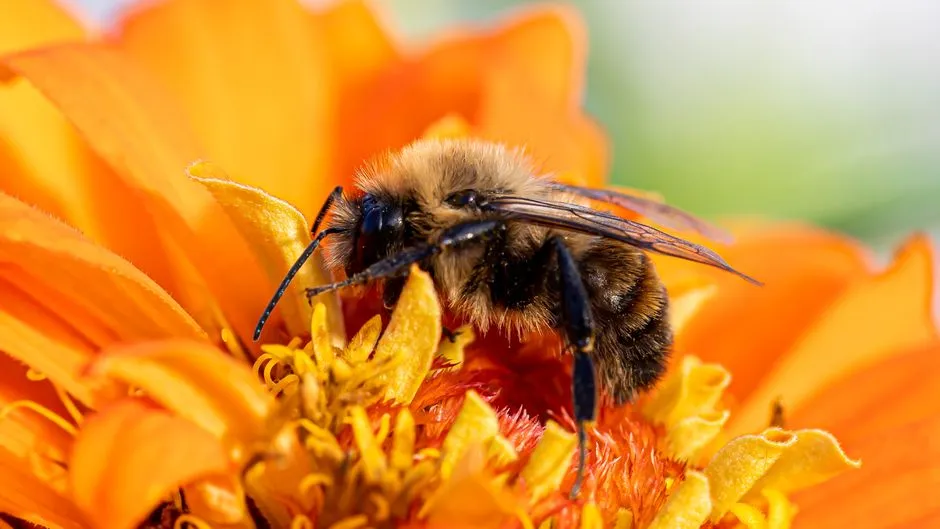
The reason neonics are so damaging is the same reason they’re used in the first place: to insects, they are among the deadliest pesticides ever created, and they kill indiscriminately, including countless butterflies, bees, and earthworms. A bee visiting a treated flower has no way to detect the threat or avoid it. Bees simply can’t detect neonicotinoids and can’t avoid them.
Systemic Pesticides Travel Through the Entire Plant
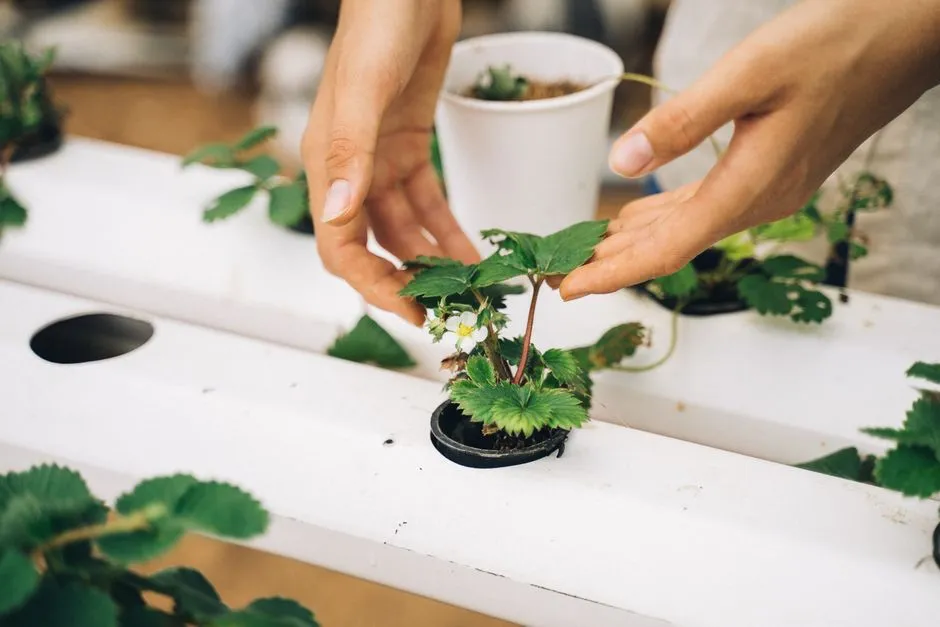
Neonicotinoids are considered systemic pesticides, meaning they can be applied directly to the soil around a plant’s roots or as a coating on a seed, which the plant then soaks up as it grows, making the plant itself, including its nectar, pollen, leaves, stems, and fruit, toxic. This is a fundamentally different kind of contamination than surface spraying.
The proportion of the pesticide actually absorbed by the target plant is small, ranging from less than one percent to about twenty percent in several crop species, with the remainder usually ending up in the soil, where it can persist for long periods of time. What doesn’t go into the plant doesn’t simply disappear.
The Soil Stays Toxic for Years
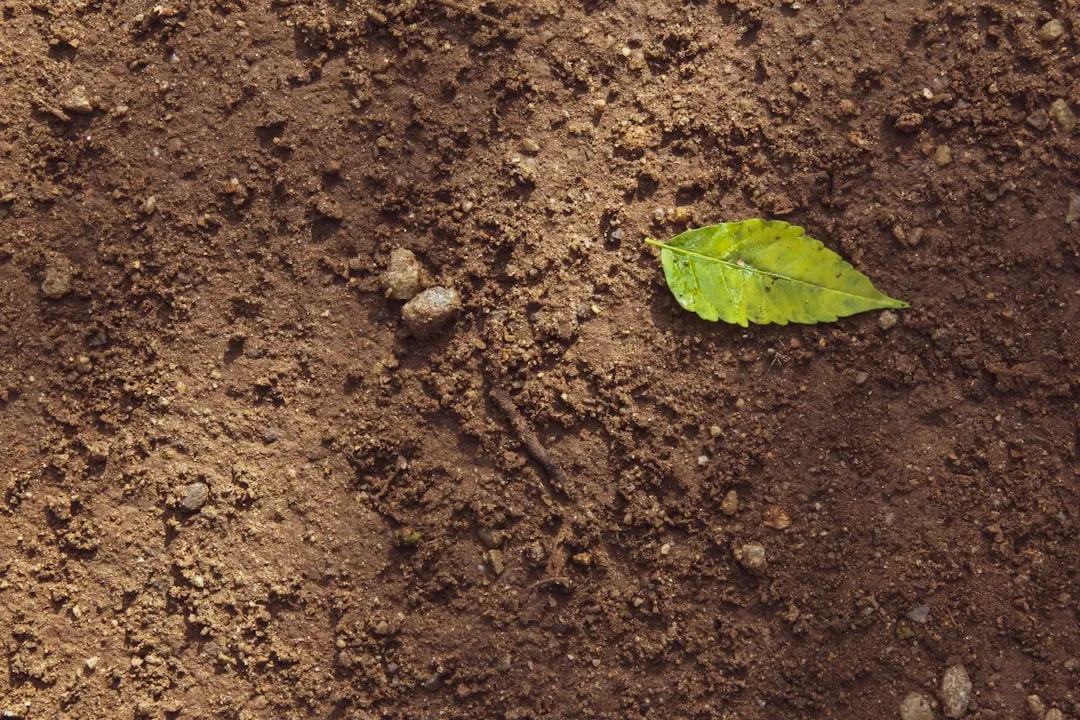
Clothianidin, the neonicotinoid with the longest environmental persistence, exhibits a half-life that can stretch to nearly 7,000 days under certain soil conditions. To put that in plain terms: a single application in your garden bed could still be present in the soil years, even decades, later. Neonicotinoids can persist in plants and soil for months after application, and have been found in woody plants up to six years after application, with even untreated plants posing a risk to pollinators when they absorb neonics left over in the soil from the previous year.
This creates a situation where well-meaning gardeners who stopped using pesticides years ago may still be growing flowers that carry residues. The soil itself becomes the source of the problem, silently feeding chemicals upward into pollen and nectar season after season.
Sublethal Effects Are Just as Serious as Lethal Ones
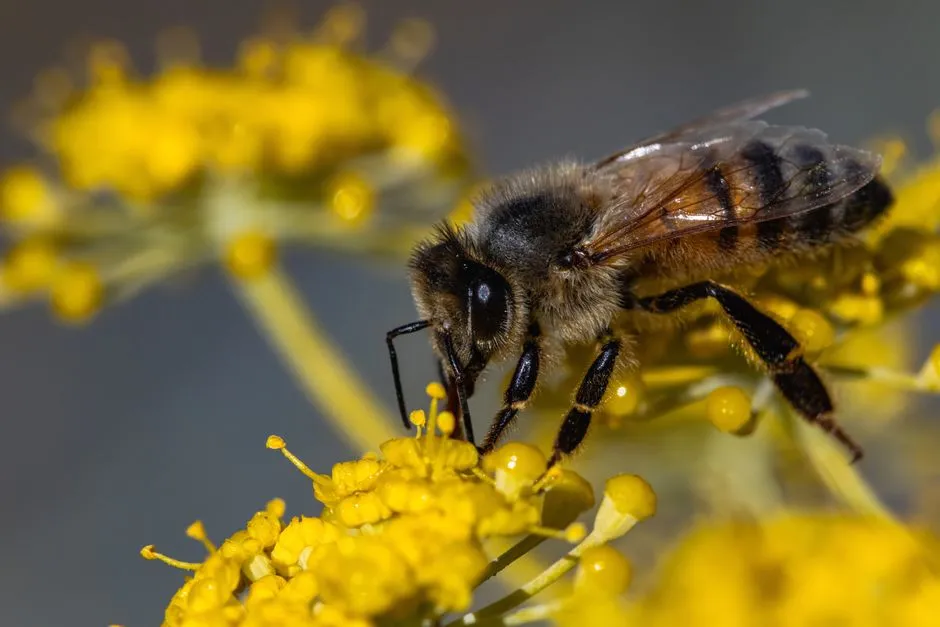
At concentrations found in treated flowers, concentrations too low to kill a bee outright but not too low to matter, researchers now know that neonicotinoids block the retrieval of navigation memory. A bee that can’t navigate can’t return to the hive. It forages and simply never comes back.
Research published in Nature Communications found that bee species foraging on treated crops were on average three times more negatively affected by neonicotinoid exposure than non-crop foragers, with results suggesting that sublethal effects of neonicotinoids could scale up to cause losses of bee biodiversity. The invisible damage accumulates quietly, hive by hive, season by season.
Pesticides and Mites Together Make Things Much Worse
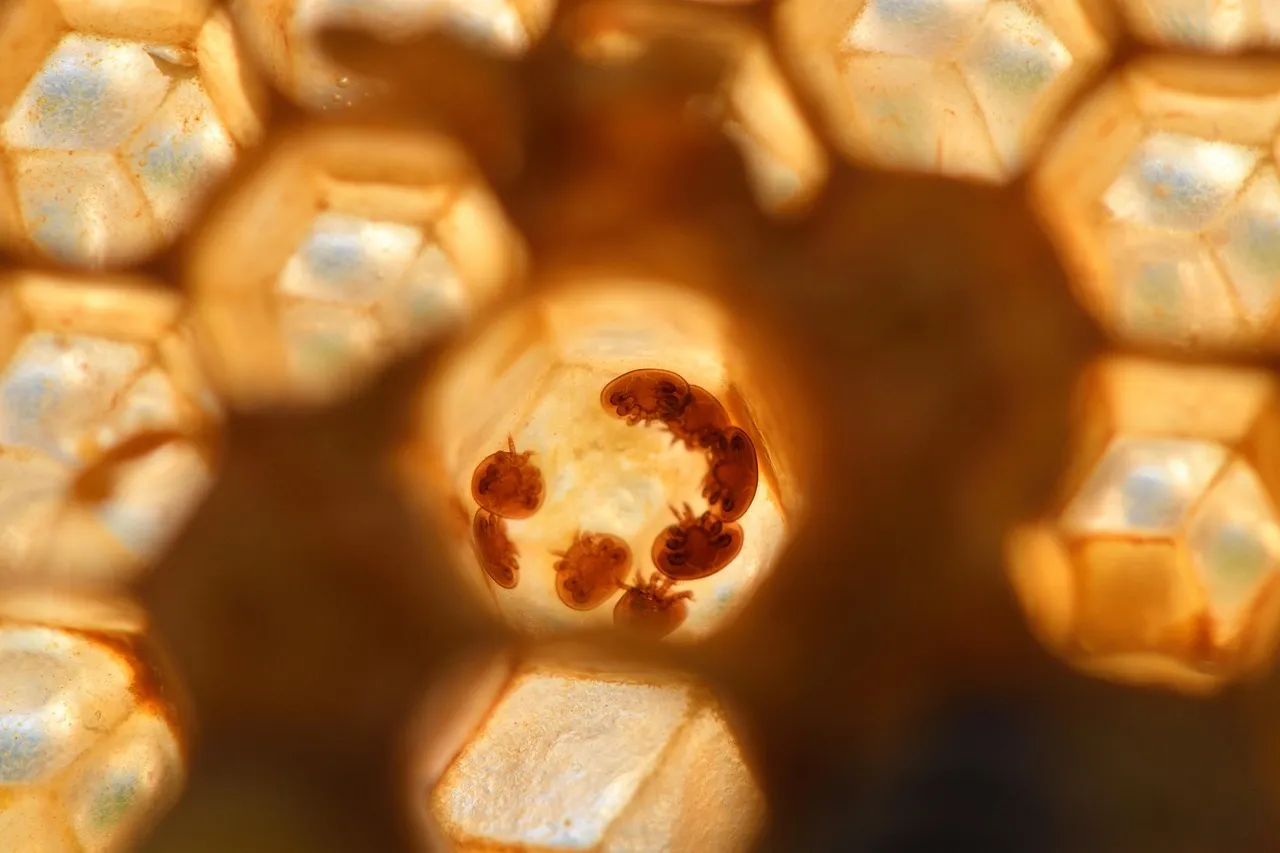
Evidence suggests that neonicotinoids are not only harmful individually but can increase vulnerability to parasitism from mites in western honey bees, showing heightened risks with combined exposure. The 2024 to 2025 bee collapse that alarmed researchers involved both of these stressors intersecting at once.
USDA researchers identified high levels of viral disease in recently sampled bees from collapsed colonies, with Varroa mites acting as the vector, while peer-reviewed survey data also noted that nutritional stress and agrochemicals may have played significant roles. Pesticide-weakened bees are simply less able to fight off everything else that threatens them.
Wildflowers Near Treated Gardens Are Not Safe Either
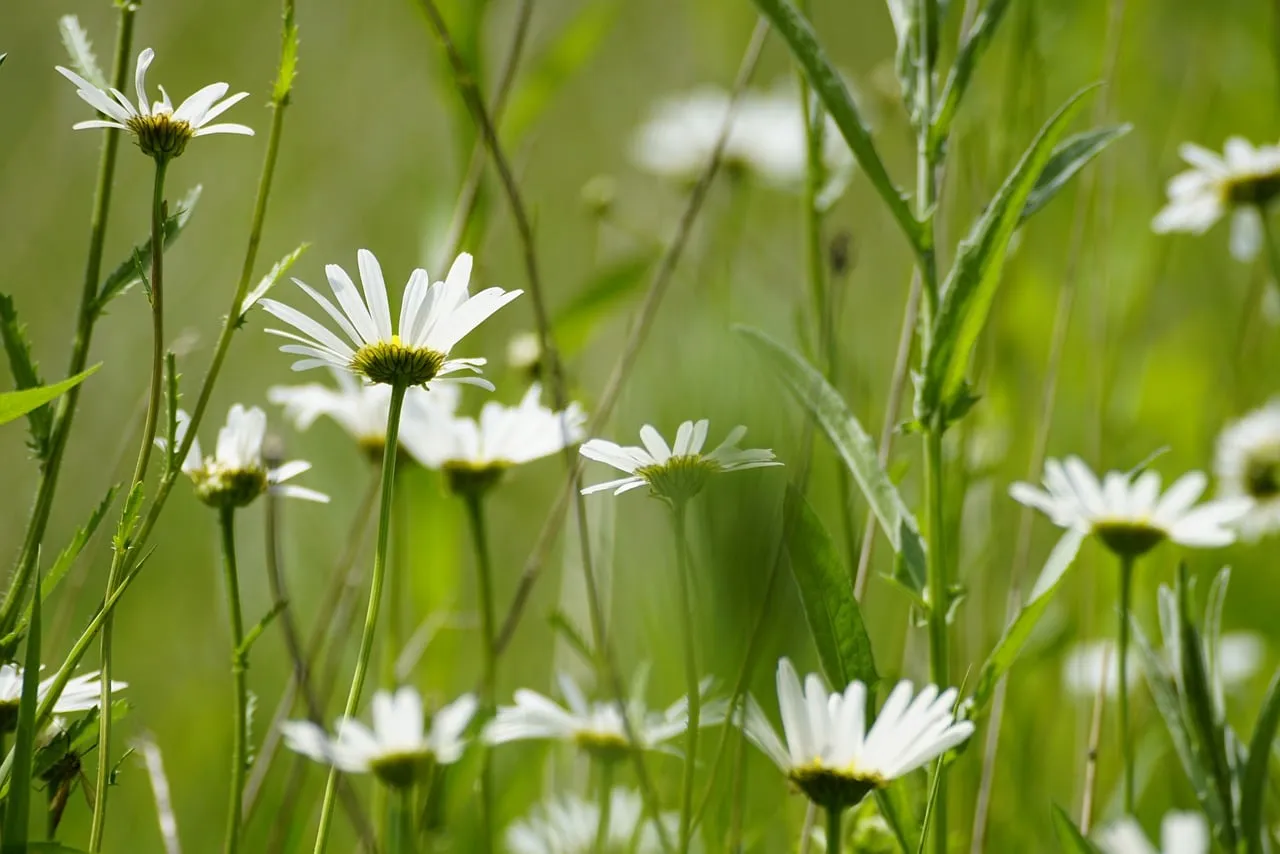
A study published in Environmental Entomology detected 42 pesticides, including several neonicotinoids, and revealed the inadequacy of current methods of protecting non-target organisms, including honey bees, bumblebees, and hundreds of other species of native bees worldwide. The contamination doesn’t respect garden boundaries.
Research has specifically documented neonicotinoid residues in wildflowers, representing a potential route of chronic exposure for bees. A bee that avoids your flower bed and heads to the patch of clover next door may be picking up residues that drifted there through soil water movement or pesticide drift from a treated garden nearby.
Wild Bees Are Even More Vulnerable Than Honey Bees
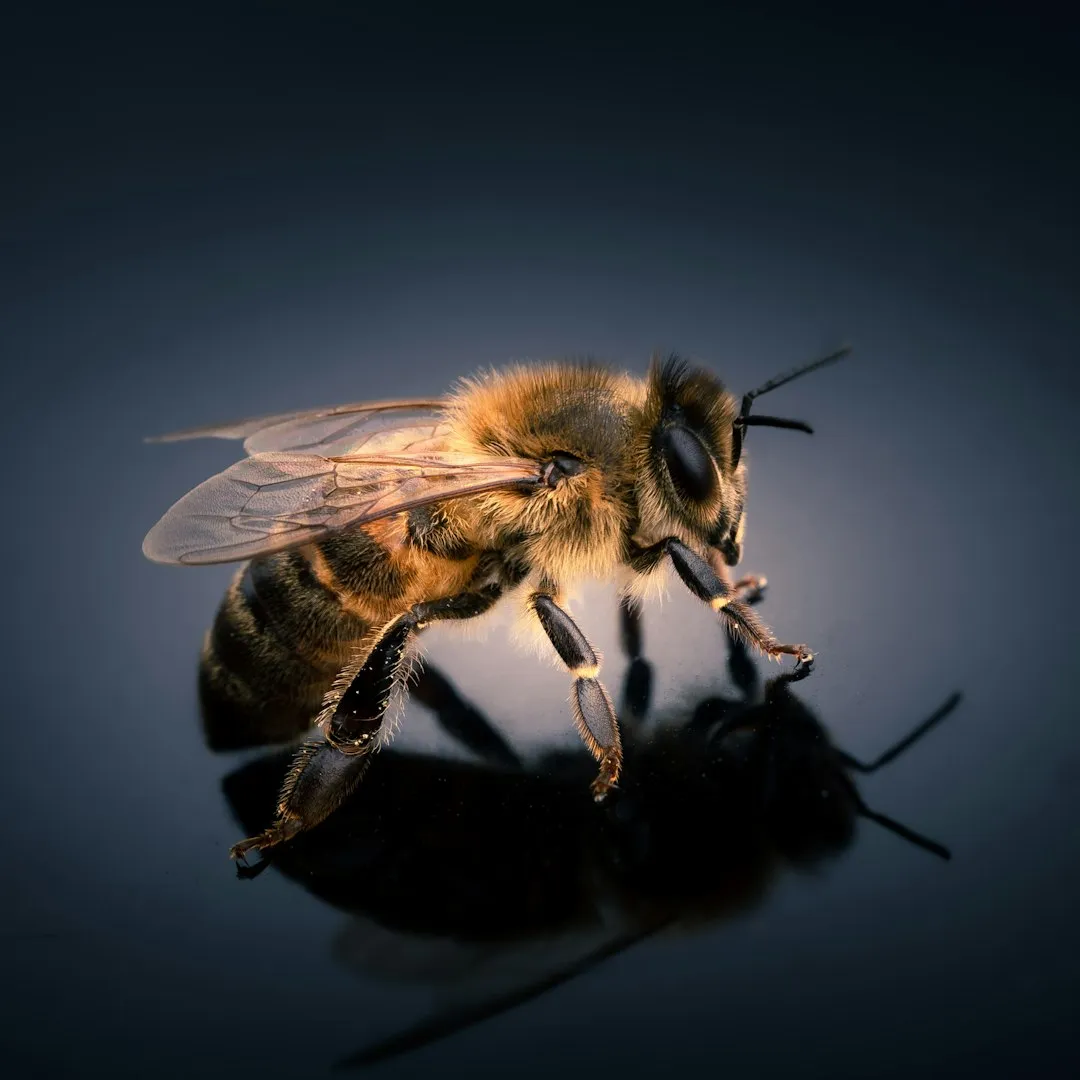
Common fungicides applied alongside neonicotinoids multiply their toxicity, an interaction that standard regulatory risk assessments have historically failed to account for, and a 2023 analysis found that regulatory safety thresholds are calibrated almost entirely on honey bees, which are not representative of the hundreds of wild bee species actually at risk. The testing frameworks simply weren’t built around the most sensitive species.
Native solitary bees and bumblebees are, in many cases, substantially more sensitive to neonicotinoid exposure than honey bees. These are the species that pollinate your garden without anyone managing them. When they decline, there are no replacement colonies waiting in reserve.
Regulation Is Patchy, and the Industry Resists Change
As of January 1, 2025, pesticides containing neonicotinoids became unavailable for sale in retail nurseries and garden centers in the state of California, and this group of pesticides can no longer be possessed or used by unlicensed applicators. California’s move was significant, but it remains an exception rather than the norm across the United States.
Despite the growing body of research connecting neonicotinoid exposure to detrimental environmental and health effects, regulations have spread unevenly from the EU to Canadian provinces and specific U.S. states, becoming increasingly voluntary and less restrictive over time, with industry pressure from agrichemical companies reducing the effectiveness of regulatory action. In most states, the products that can harm your bees are still sitting openly on garden center shelves.
What You Can Actually Do in Your Garden
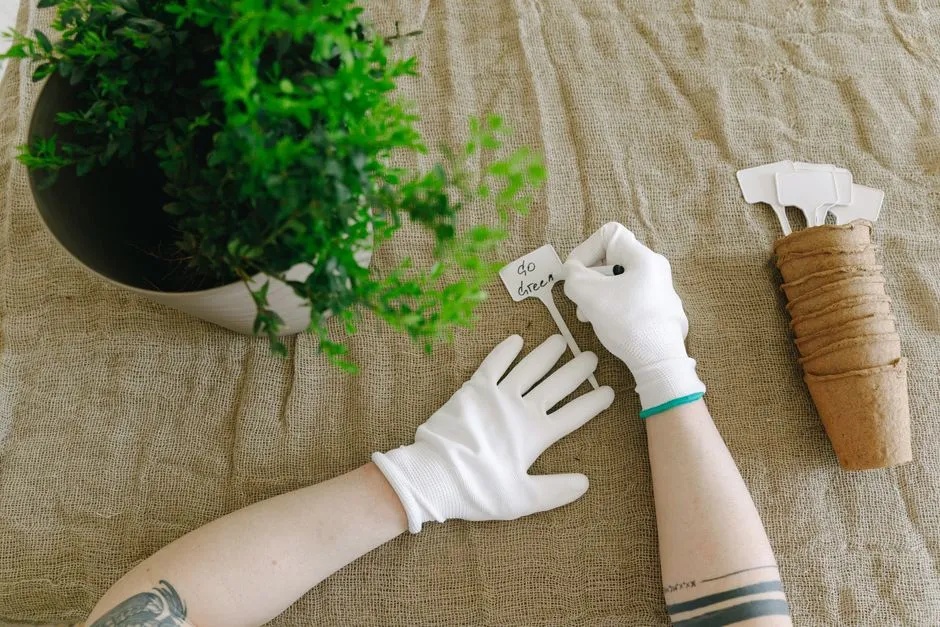
Neonicotinoids hide under many trade names, including imidacloprid, clothianidin, thiamethoxam, acetamiprid, dinotefuran, flupyradifurone, and sulfoxaflor, and they appear in grub killers, soil drenches, systemic rose sprays, and tree and shrub treatments sold at hardware stores and garden centers. Reading labels carefully before purchase is one of the most practical steps any gardener can take.
Neonicotinoids are toxic to bees, but many retailers and wholesalers now recognize the risk and have eliminated their use, so checking the website of your local nursery before you shop can help you find neonic-free plants. Asking your nursery directly whether plants have been pre-treated is a simple but powerful question that more gardeners should be asking every spring.
A Garden Can Be Part of the Solution
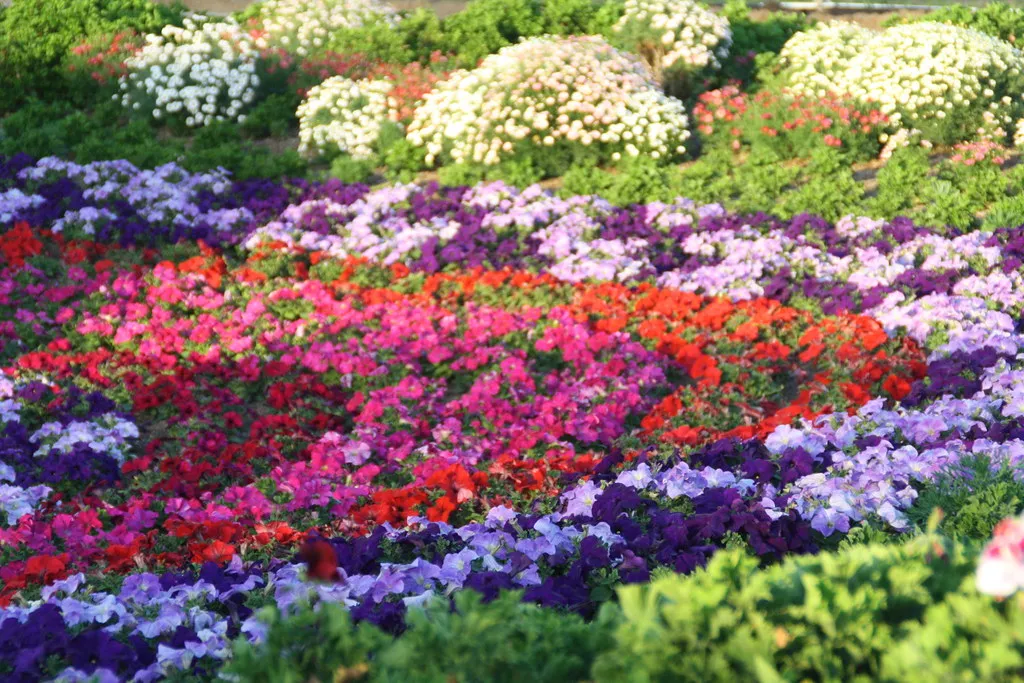
None of this means you should stop planting flower beds. Quite the opposite, actually. Bees desperately need forage habitat, and private gardens collectively represent a significant part of the landscape available to pollinators. The goal is to make sure what you’re planting is genuinely safe and not just labeled that way.
Choosing certified organic plants, avoiding any product with the active ingredients listed above, and letting your nursery know why you’re asking are small actions that, taken at scale, shift market demand. The increased reports of wild bee declines and annual losses of managed bees pose a significant threat to biodiversity and agricultural productivity, and while these losses are likely driven by various factors, the exposure of bees to agrochemicals has raised significant concern due to their ubiquitous use and potential adverse effects. The flower bed you tend this season can either add to that problem or quietly push back against it.
The Takeaway
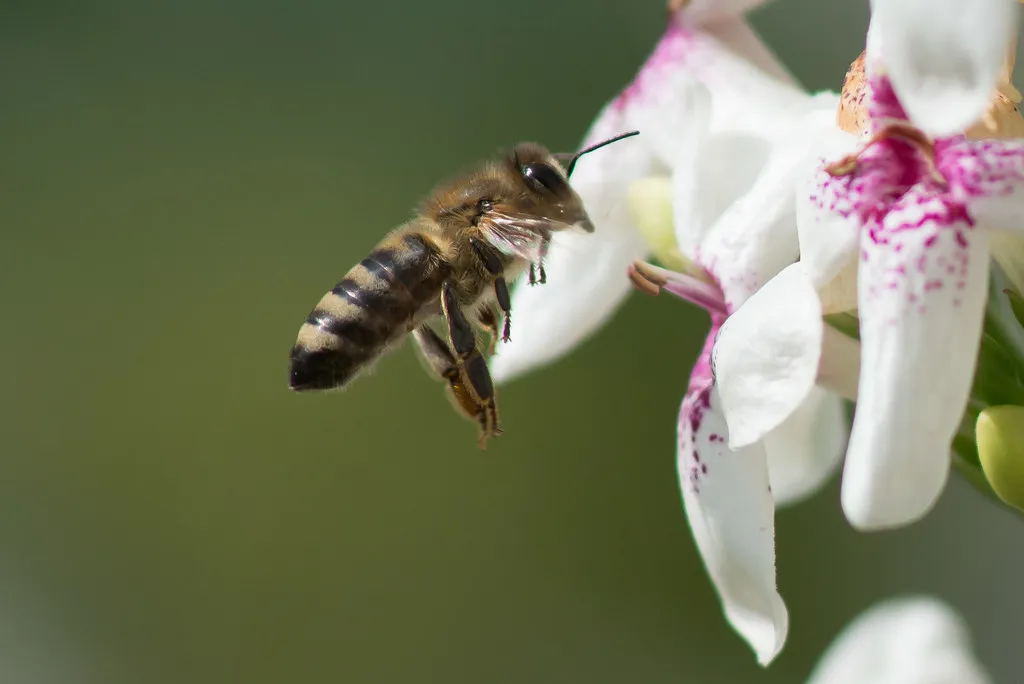
The most striking part of this story is how invisible the harm is. The garden looks gorgeous. The bees appear to be foraging. Nothing signals danger. Yet the science now clearly shows that the gap between a welcoming garden and a harmful one often comes down to what a plant was treated with months before it arrived at the nursery.
Awareness is genuinely the first step here. Once you know that roughly half of all commercial honey bee colonies in the U.S. were lost in just one year, and that garden center plants have been documented carrying pesticide levels lethal to bees, the choices you make at the nursery start to feel less like personal preference and more like a small but real act of ecological responsibility. The bees don’t know the difference between a poisoned flower and a safe one. We do.
AI Disclaimer: This article was created with the assistance of AI tools and reviewed by a human editor.