
It’s Almost Always Just Trapped Air
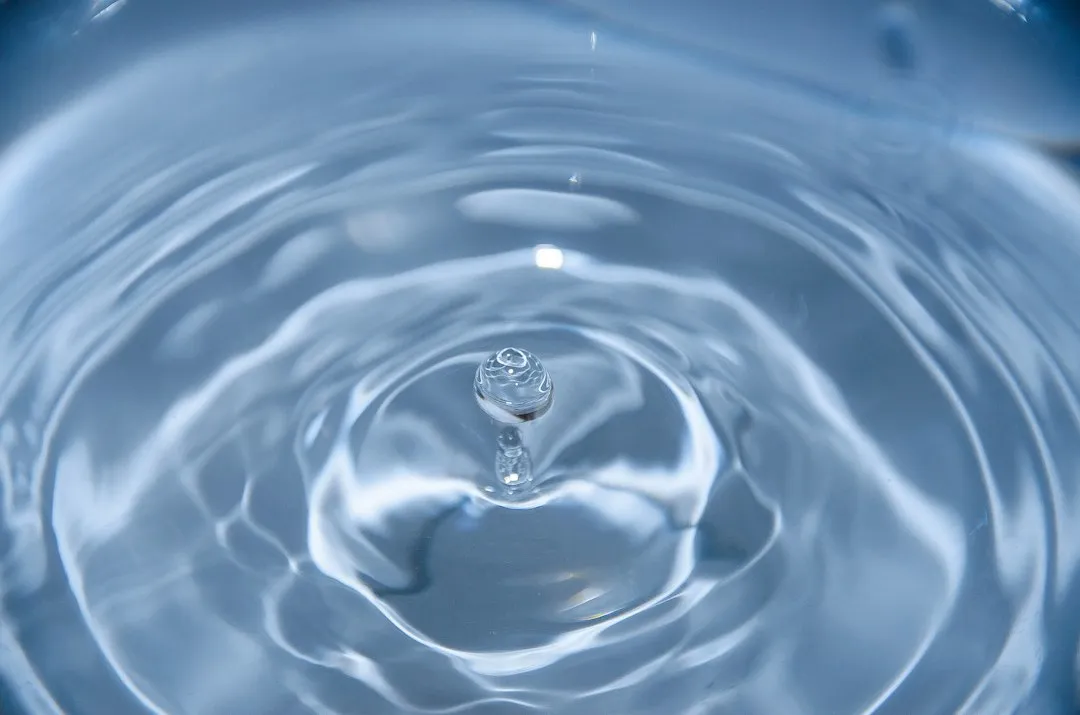
Cloudy water, also known as white water, is caused by air bubbles in the water. This is the starting point for understanding the phenomenon, and it’s the conclusion reached by water authorities, plumbing professionals, and the U.S. Geological Survey alike.
The sudden release of pressure causes dissolved gases to rapidly come out of solution, forming countless microscopic air bubbles. These tiny bubbles are suspended throughout the water, and their collective presence scatters light, which makes the water appear white or opaque.
Statistically, nearly all incidents of cloudy or foamy water reported to water authorities are confirmed to be caused by dissolved air. That’s a reassuring fact worth holding onto the next time the glass looks strange.
The Physics: How Pressure and Solubility Work Together
Water holds more dissolved air the higher its pressure and the colder it is, so the moment it leaves a pressurized pipe and starts warming in a glass, some of that air has to come out.
Water under pressure holds more air than water that is not pressurized. Once the water comes out of your tap, the water is no longer under pressure and the air comes out of solution as bubbles, similar to a carbonated soft drink.
High water pressure in the municipal distribution system is a major factor, as increased pressure forces more air into the water’s solution. When this highly pressurized water reaches the low-pressure environment of your home’s faucet, the air is released. It’s a straightforward cause-and-effect chain that happens invisibly inside your pipes every single day.
Why Cold Weather Makes It Worse
It usually happens when it is very cold outside because the solubility of air in water increases as water pressure increases or water temperature decreases. Cold water holds more air than warm water. In the winter, water travels from the reservoir, which is very cold, and warms up during its travel to your tap. Some of the air that is present is no longer soluble and comes out of solution.
Temperature also plays a significant role because cold water has a greater capacity to hold dissolved gas than warm water. If the source water is very cold, it may contain a higher concentration of dissolved air, and as this water begins to warm slightly in the pipes or in your glass, the air’s tendency to escape increases.
This is why the effect is especially noticeable on winter mornings when cold mains water first hits room-temperature pipes inside the house. The timing isn’t a coincidence.
The Bottom-Up Clearing Pattern and What It Tells You
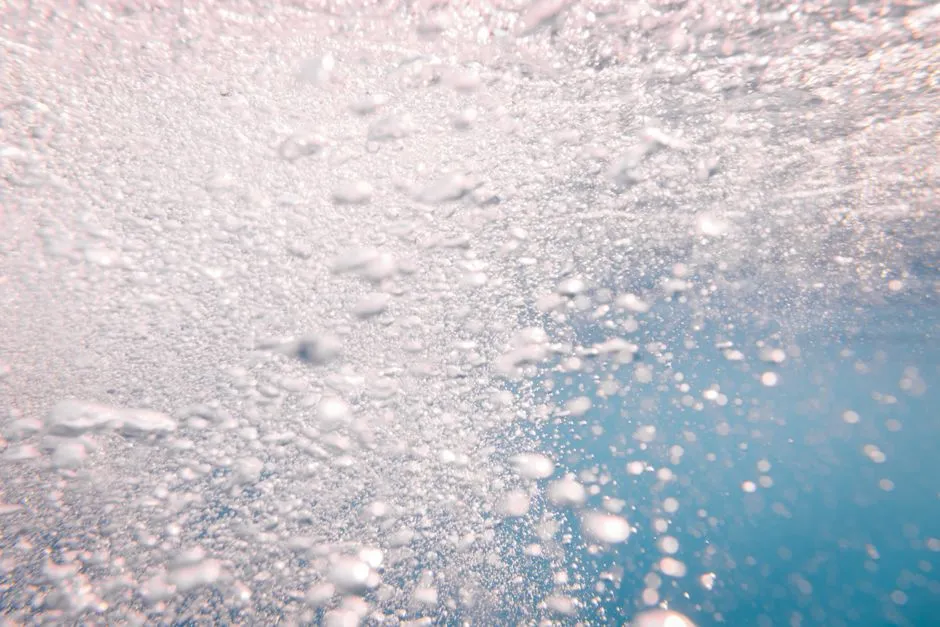
When cloudy water clears from the bottom of a glass upward, that’s a reliable sign the cloudiness is caused by dissolved air, specifically tiny air bubbles suspended throughout the water. As the bubbles rise and escape, the water clears in a visible wave from bottom to top.
If your tap water looks white, milky, almost like watered-down skim milk, and then clears within tens of seconds to a few minutes, that quick-clearing pattern is usually caused by tiny air bubbles coming out of the water at the tap. Often the glass clears from the bottom up, the lower part going clear first while a band of haze lifts toward the surface.
You can confirm that the cloudiness of your water is caused by air in the water line by performing a simple experiment. Fill a clean glass with cold tap water and let it sit on the counter. Watch the cloudiness clear as the bubbles dissipate. If it starts to clear from the bottom of the glass first, this confirms that the cloudiness was nothing but air. California Water, a major public utility, recommends exactly this test to its customers.
What Happens with Hot Water Specifically
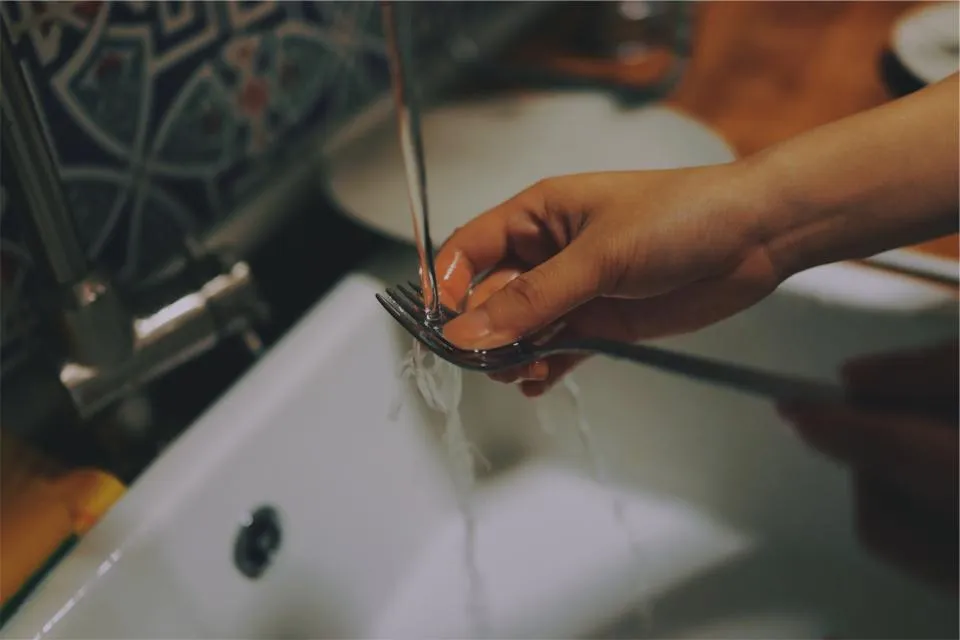
It’s normal for water from the hot tap to appear cloudy. This happens because water expands when heated, trapping dissolved gases and forming tiny air bubbles that give the water a cloudy look. Once the water is out of the tap and pressure drops, these bubbles quickly rise and disappear, making the water clear again.
A lot of people notice cloudiness only when running hot water. Murky hot water or hot water coming out cloudy is usually related to temperature. Warm water holds less dissolved air than cold water, which can cause bubbles to form more quickly. In most cases, cloudy hot water from the tap clears as it cools.
So whether you’re drawing cold or hot water, the underlying mechanism is similar. It’s just the trigger that changes: cold water is loaded with dissolved gas from the reservoir, while hot water releases gas through the heating process itself.
When Plumbing Work or Pipe Disturbances Are to Blame
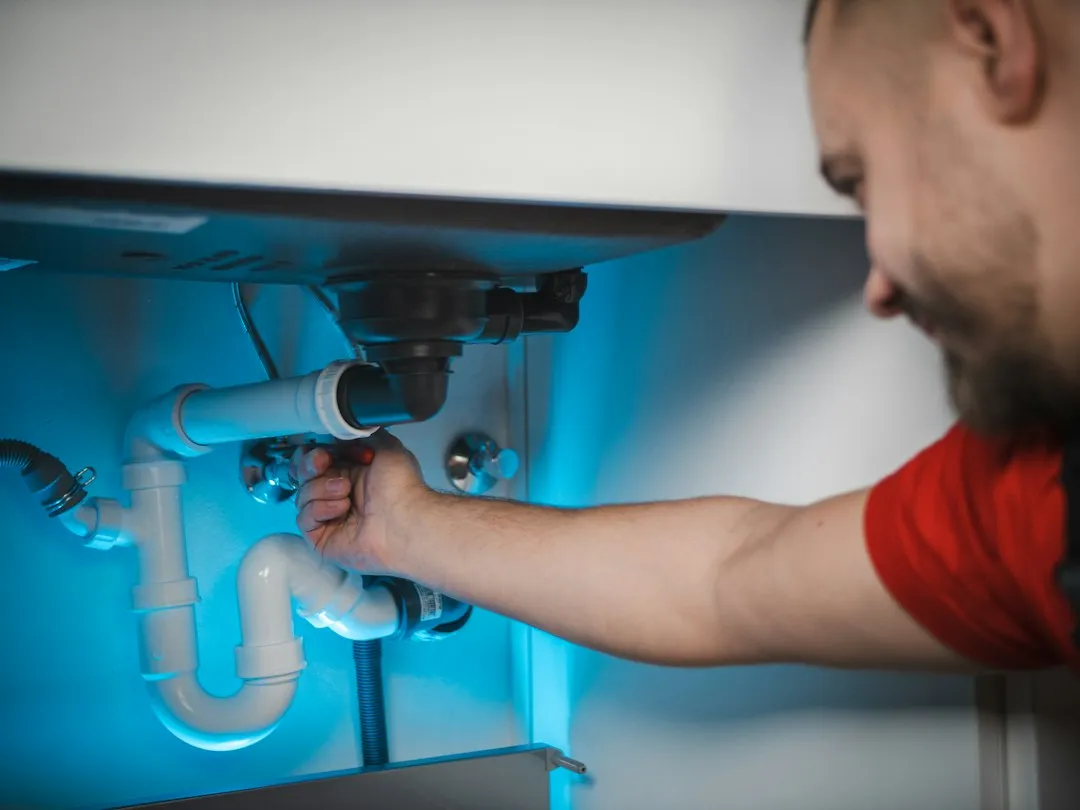
When water is pressurised through pipes, especially after maintenance or heavy rain, air can become dissolved. This is why cloudiness often appears suddenly after a period of normal clarity, particularly in the days following local roadwork or utility maintenance nearby.
If cloudiness appears across all faucets simultaneously after an interruption in water service, pressure-related disturbance is the likely explanation.
Similarly, recent work on the main water supply can introduce air into the pipes, which can also cause the water to look cloudy. The good news is that this type of cloudiness is self-correcting. It tends to resolve within a day or two as the pressure stabilizes and the trapped air works its way out through normal use.
Hard Water Minerals: A Different Kind of Cloudy
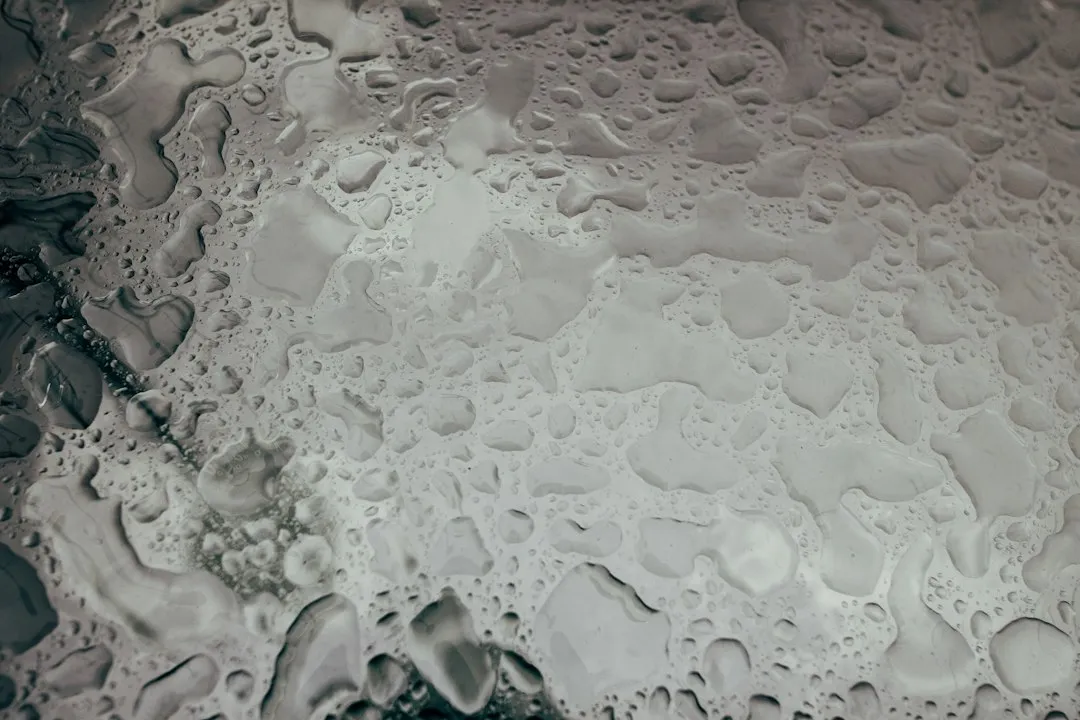
Hard water contains elevated levels of naturally occurring minerals, primarily calcium and magnesium. One of the visible signs homeowners may notice is cloudy tap water, particularly when mineral levels are high or when water temperature changes.
Minerals suspended in water can affect the way light passes through it, creating a cloudy or hazy appearance. Cloudy tap water caused by hard water often appears whitish or milky rather than dirty or brown.
If water remains cloudy after several minutes, you may have hard water, sediment, or another issue. Water that’s still cloudy after 24 hours warrants a call to your water utility or a professional water test. That time threshold, roughly one minute versus persistent all-day cloudiness, is the simplest practical guide for distinguishing harmless air from something worth investigating.
Sediment, Rust, and Pipe Corrosion
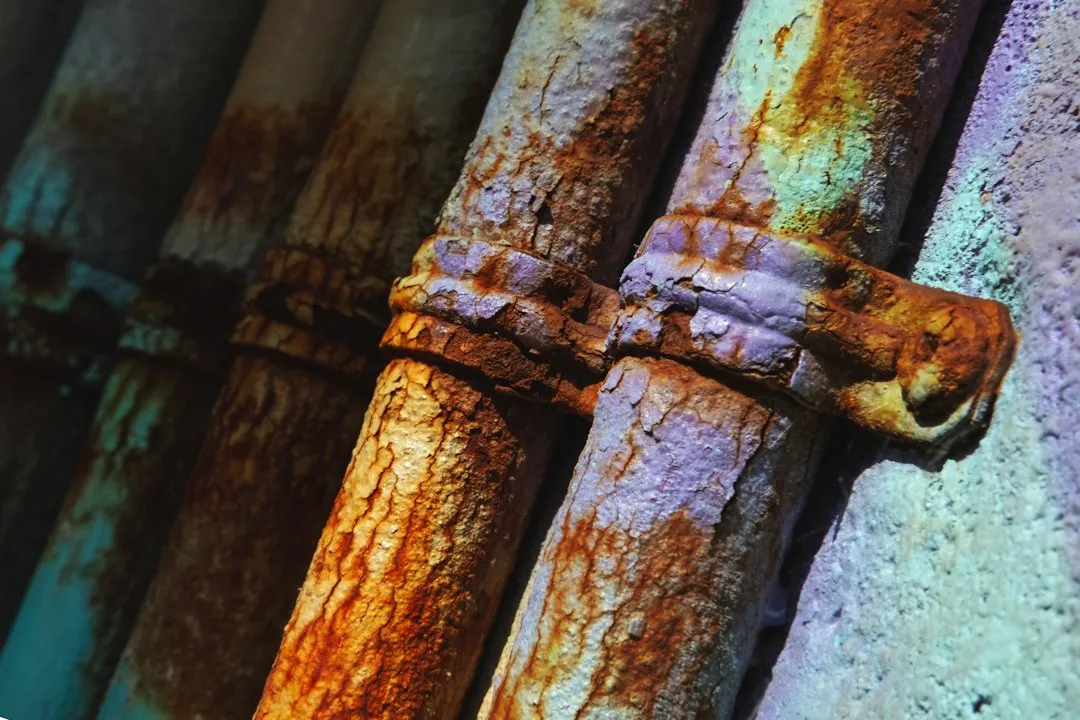
Sediment is notorious for causing cloudiness. Unlike hard water, which carries dissolved minerals, water with sediment in it means that physical particles, usually dirt, sand, or metals, flow along with the water rather than dissolve into it. Your water can pick up sediment from corroded pipes, old water heaters, or debris that makes its way into the plumbing that brings you your water.
Cloudy water can occur when sediment inside municipal water mains becomes disturbed and moves through the distribution system. Over time, fine particles such as sand, silt, minerals, iron deposits, and pipe scale can settle inside underground water mains.
Older homes with galvanized steel pipes or deteriorating plumbing may experience cloudiness due to pipe corrosion. A cloudy, often slightly tinted brown, gray, or reddish appearance in the tap water can result. This kind of cloudiness behaves differently. It doesn’t clear from the bottom up. Instead, particles settle downward, and the color usually doesn’t disappear completely.
Is Cloudy Tap Water Safe to Drink?
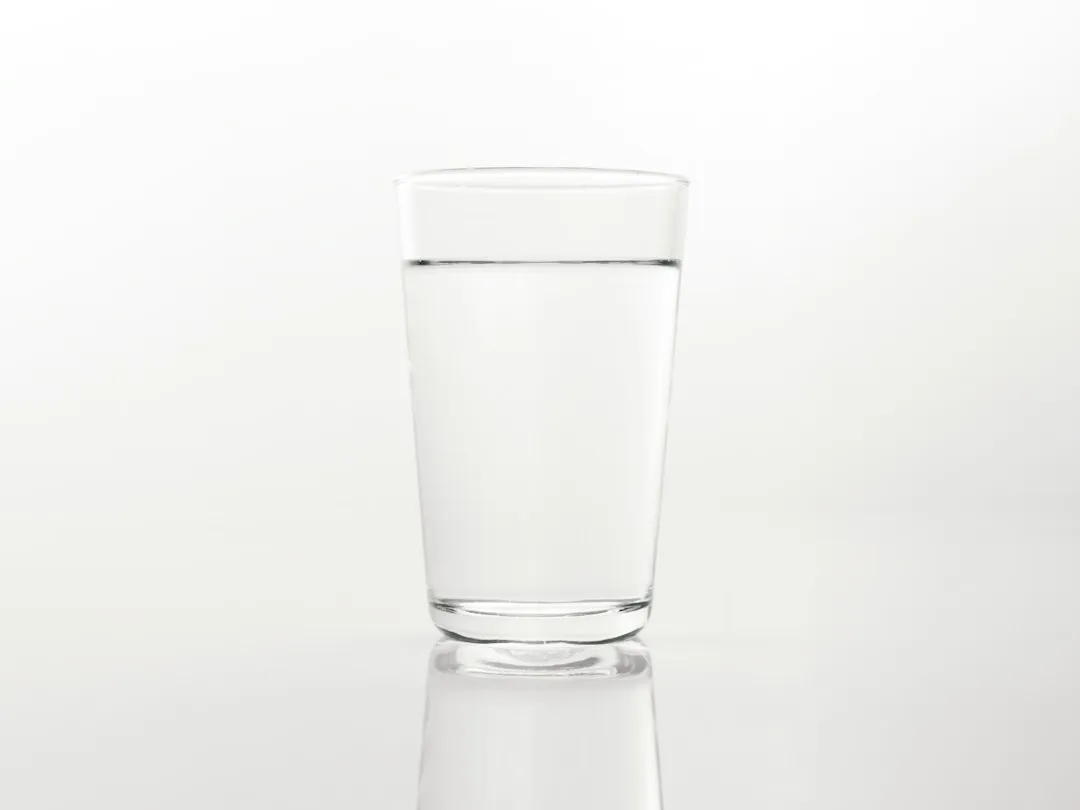
The good news is that water that clears quickly is almost always harmless, and it remains safe to drink. The presence of these small air bubbles does not indicate contamination, minerals, or any other water quality issue that would pose a health concern.
Cloudy water that clears from the bottom of a glass upward within 60 seconds is caused by dissolved air, which is harmless. That’s the clearest single-sentence test available, and it comes from consistent guidance across multiple water quality sources.
If the water stays cloudy or settles into grit at the bottom, it may be sediment or minerals worth investigating. During a turbidity-related boil-water advisory, do not drink it unboiled. When in doubt about persistent cloudiness, contacting your local water utility is always the right call.
What You Can Actually Do About It
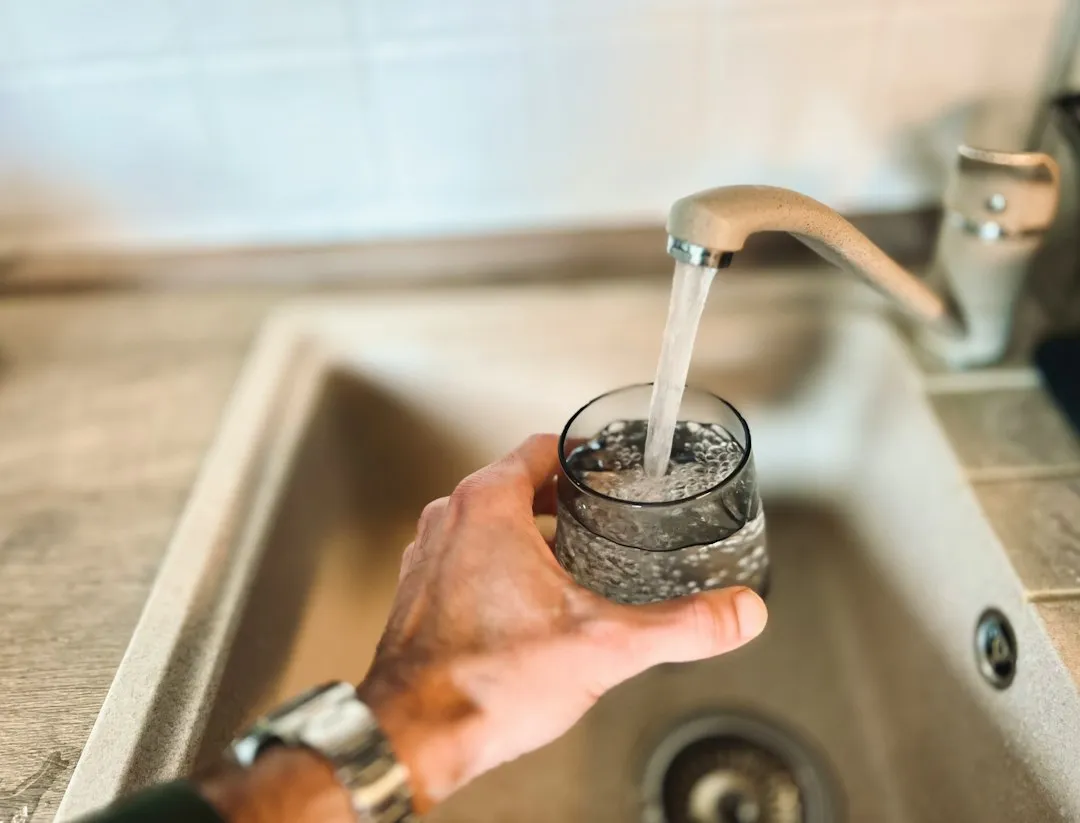
If your tap water is cloudy or milky because of tiny bubbles, there’s generally nothing to worry about or do. Letting the glass sit for a minute before drinking is the simplest solution, and it costs nothing.
A sediment or particulate filter rated for 1 to 5 microns physically strains out the silt and grit that cause turbidity, and reverse osmosis or ultrafiltration removes even finer particles. But if your cloudiness is caused by air, no filter is needed as the bubbles clear by themselves.
If it’s caused by hard water or sediment, a filter or water softener can help. Hard water leaves mineral stains on dishes, stiffens laundry, and forces appliances like water heaters to work harder, driving up energy costs. Sediment can clog showerheads and faucets, creating ongoing maintenance headaches. So while air-related cloudiness needs no fix, the mineral and sediment varieties are worth addressing over time for practical reasons beyond just appearance.
Reading the Glass: A Simple Final Check
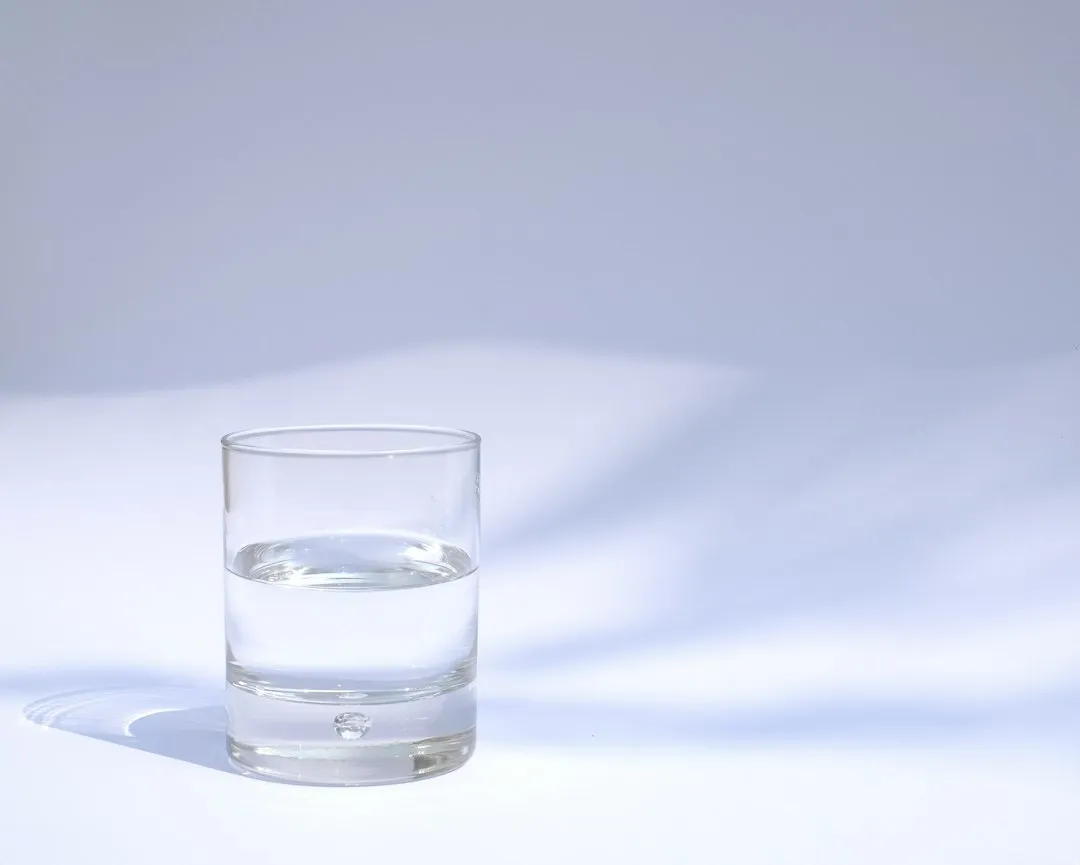
The bottom-up clearing test is genuinely useful. Fill a glass, set it on a flat surface, and watch. The most common cause of cloudy or milky tap water is dissolved air, which is completely harmless and clears on its own. Fill a glass and let it sit: if it clears from the bottom up within about 30 seconds, it is air. If it stays cloudy or settles into grit at the bottom, it may be sediment or minerals worth investigating.
In water science, this kind of cloudiness is called turbidity, and it is a recognized water quality indicator. The term sounds official, but the home test is about as low-tech as it gets. A glass and thirty seconds is all it takes.
What the whole picture adds up to is fairly reassuring. Most cloudy tap water is a physics event, not a contamination event. The water has been pressurized, chilled, and transported through miles of infrastructure before reaching your glass. A little temporary cloudiness is simply what happens when it finally exhales.
AI Disclaimer: This article was created with the assistance of AI tools and reviewed by a human editor.