
Most of us reach for a plastic bottle of body wash or liquid hand soap without giving it a second thought. It’s just routine. Yet that one small habit, repeated daily across billions of households, is quietly adding up to one of the most avoidable sources of plastic waste in the modern home.
The good news is that the alternative is already on store shelves everywhere, costs less in the long run, and works just as well. Soap bars have been around for centuries, and in 2026 they’re not a sacrifice. They’re an upgrade.
The Plastic Bottle Problem Is Bigger Than You Think
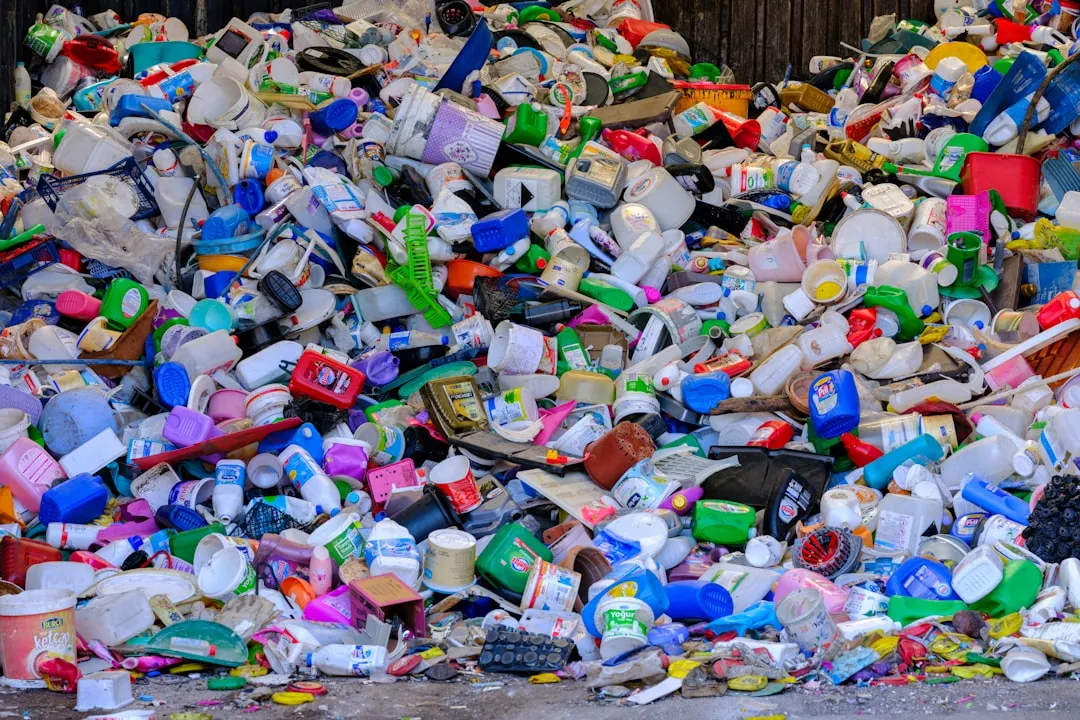
It is estimated that roughly 250 million plastic bottles of body wash are disposed of every year in the United States alone. That figure doesn’t even count hand soap dispensers or shampoo bottles.
In 2024, only about nine percent of plastic waste was recycled globally, while twenty-two percent was improperly disposed of. That means the vast majority of those liquid soap bottles end up in landfills or worse.
Approximately 11 million tonnes of plastic enter the ocean annually. According to the UN Environment Programme, that’s the equivalent of dumping 2,000 garbage trucks full of plastic into the world’s oceans, rivers, and lakes every single day. Your bathroom shelf is part of that story, even if it doesn’t feel like it.
Soap Bars Dramatically Cut Your Packaging Footprint
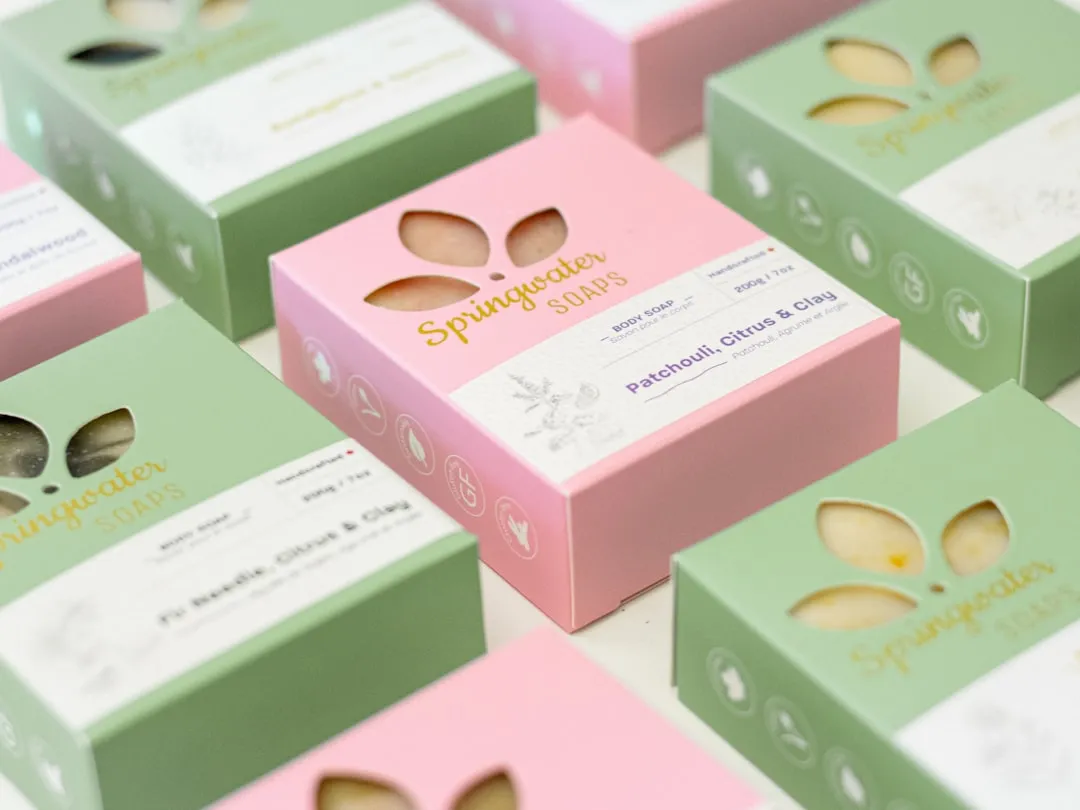
One of the most apparent distinctions between soap bars and liquid soap is their packaging. Soap bars typically come in minimal, often recyclable or biodegradable paper packaging. In contrast, liquid soap is usually housed in plastic bottles, with pumps adding further complexity to recycling efforts.
Liquid soap requires five times more energy to produce than bar soap, and it also requires twenty times more packaging material. That’s not a minor difference. It’s a structural one that runs through the entire production chain.
Eco-friendly soap bars are often packaged using sustainable materials, such as cardboard, paper, or compostable wraps, which can easily be recycled or decomposed. Once the bar is used up, there’s often nothing left to throw away at all.
The Carbon Footprint Comparison Is Striking
Simple bar soap cuts greenhouse emissions by about a third compared with liquid soap, according to a study from the Institute of Environmental Engineering at the Swiss university ETH Zurich. That’s a meaningful reduction from one of the most mundane items in your home.
According to the same Swiss study, packaging liquid soap is nineteen times as energy-intensive as packaging bar soap. Much of the extra carbon comes not from making the soap itself, but from the container it sits in.
Shipping liquid soap means transporting mostly water. Most liquid soap comes in plastic bottles. Even “recyclable” bottles often end up in landfills. The environmental cost of a bottle of body wash starts at the factory and doesn’t end when you toss it in the bin.
You’re Paying for Water Every Time You Buy Liquid Soap
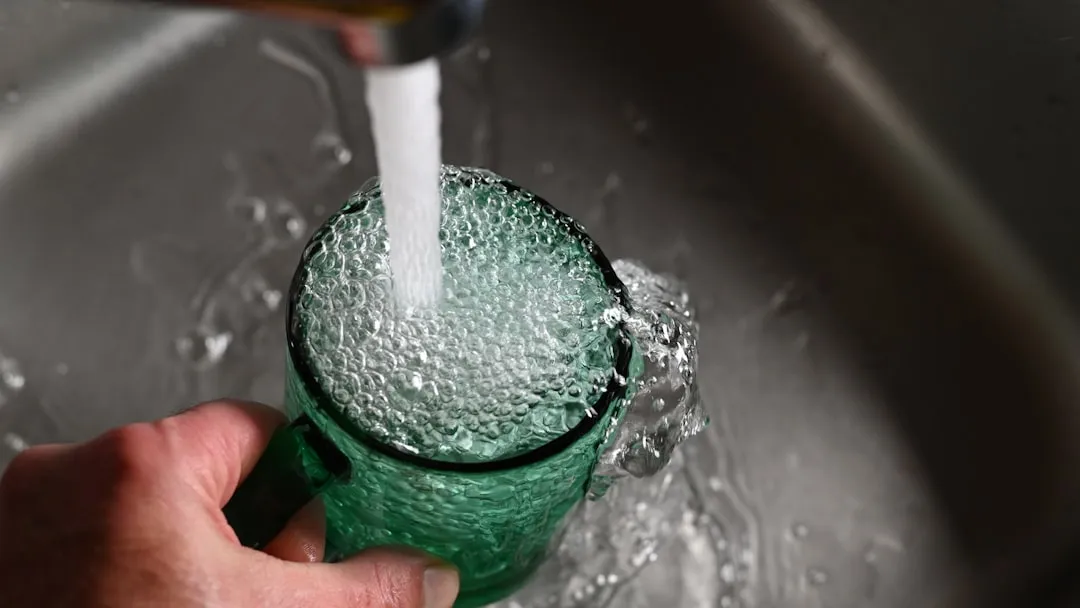
Liquid soap is eighty to ninety percent water. Bar soap contains minimal water. This means bar soap production uses significantly less of this resource. When you buy a bottle of liquid hand wash, a large share of what you’re paying for is something that comes out of your tap for free.
Liquid dish soaps are often ninety percent water. You are paying for the plastic bottle and the water, with only a small fraction of active cleaning ingredients. It’s essentially concentrated advertising packaged in plastic.
Bar soap is considered the most sustainable option because it uses thirty percent less water than liquid soap. That efficiency carries through to cost savings you can actually notice over time.
Bar Soap Lasts Longer Than Most People Expect
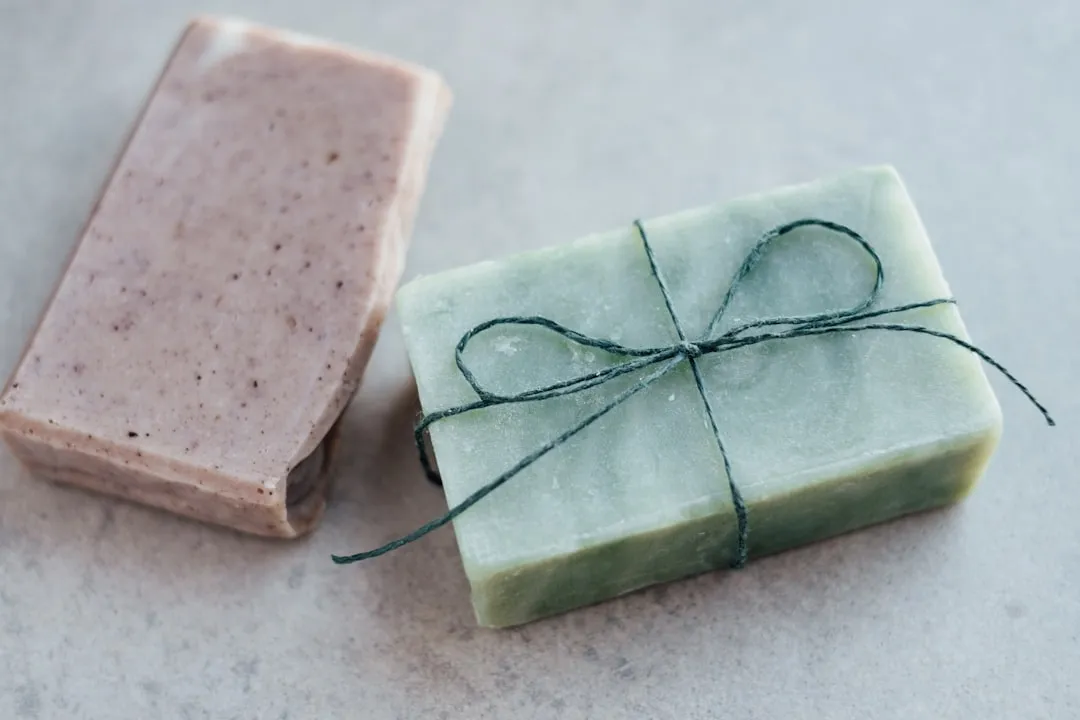
One of the most significant advantages of eco-friendly soap bars is their longevity. A high-quality bar of soap can last up to four weeks, depending on usage. Unlike liquid soaps, which often contain added water and require more frequent purchases, a soap bar is a concentrated formula that offers more value and reduces the need for constant repurchasing.
One bar can outlast up to three bottles of liquid soap because you don’t accidentally squirt out too much. That accidental over-dispensing is a real cost driver with liquid soap that most people never consciously account for.
One bar typically equals two to three bottles of liquid soap in total washes. Over the course of a year, that ratio translates into a noticeably lower household spend on soap.
The Cost Savings Are Real and Measurable
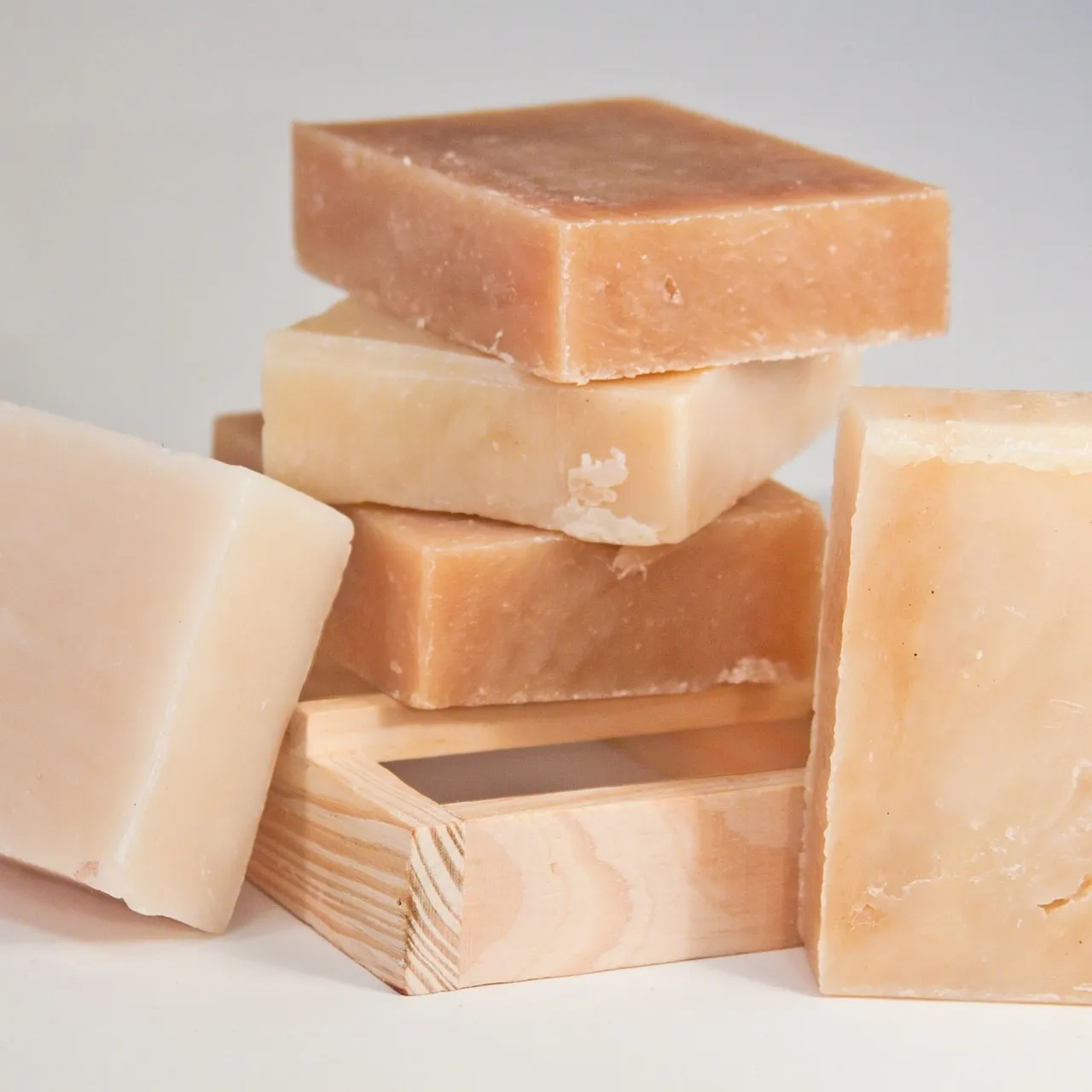
Bar soap wins in most categories when compared to liquid: cost is roughly three to six times cheaper annually, environmental impact produces about ten times less waste, and the ingredient quality is higher with no water filler.
The environmental benefits of eco-friendly soap bars extend beyond just their ingredients. Because these bars are handmade in small batches, they require less energy and resources than mass-produced liquid soaps; additionally, their longer shelf life means fewer repurchases and less packaging waste.
Choosing bar soap is a smart financial decision that also happens to be good for the planet. You get a high-quality product that lasts, and you avoid the ongoing expense and waste associated with plastic bottles. The math genuinely works in your favor.
They’re Just as Clean and Effective
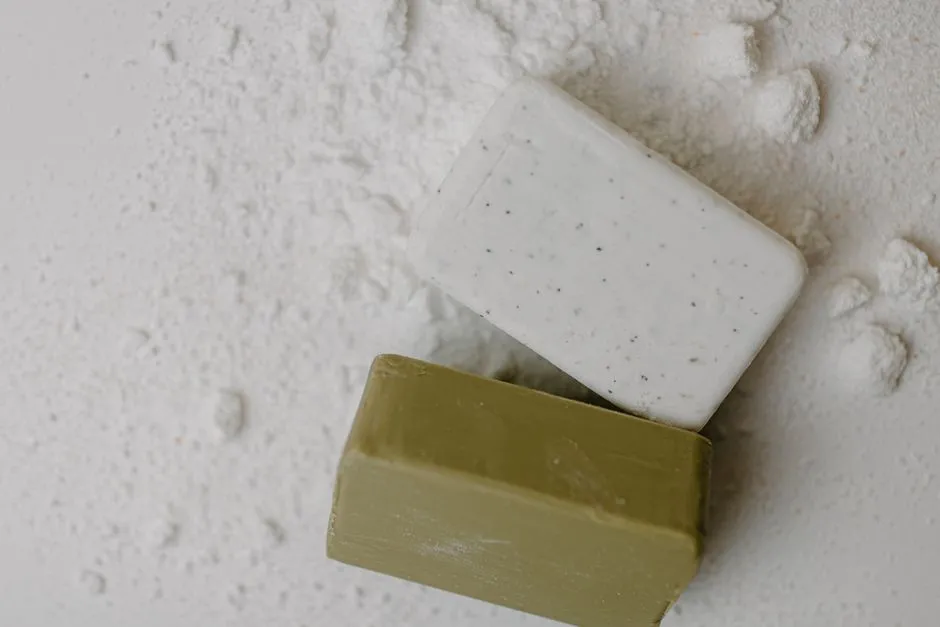
A common hesitation is the idea that bar soap is somehow less hygienic. The evidence doesn’t support that concern. Both liquid and bar soap are equally effective at washing hands. Although germs may stay on a bar of soap between washing, studies have consistently shown that this does not impact the efficiency of the soap. There is no evidence to suggest that “antibacterial” ingredients in soap improve their cleaning power either.
From cradle to gate, liquid soaps require five times more energy for raw material production and nearly twenty times more energy for packaging production than bar soaps do. On a per-wash basis, consumers use more than six times the amount of liquid soap by weight than bar soap.
In other words, you’re not just using more plastic with liquid soap. You’re using more of the actual product per wash, which adds up quietly over months of daily use.
They Can Actually Be Better for Your Skin
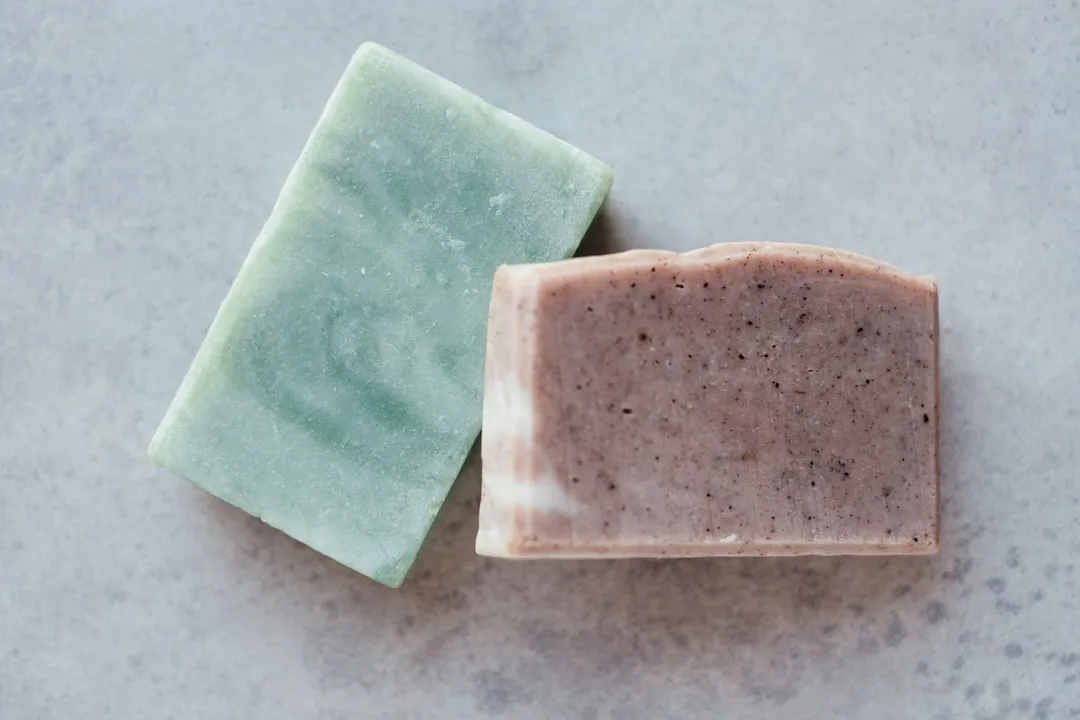
When examining the ingredients of soap bars and liquid soap, soap bars often boast a simpler, more natural composition. Liquid soaps require additional chemicals and preservatives to maintain their form, texture, and shelf life. These additives can have adverse environmental effects when they enter waterways, affecting aquatic ecosystems.
For individuals with sensitive skin or dermatological conditions like eczema, glycerin-rich bar soaps offer soothing benefits, helping to retain the skin’s natural moisture. That glycerin is a natural byproduct of the soap-making process and is often removed from commercial liquid soaps to be sold separately.
Dermatologists recommend looking for bar soaps with hydrating ingredients like shea butter, avocado oil, glycerin, and ceramides. Those with sensitive skin should avoid soaps with fragrances and dyes, and some recommend seeking out a bar soap with colloidal oats to nourish the skin. The options are genuinely plentiful.
The Market Is Growing Fast
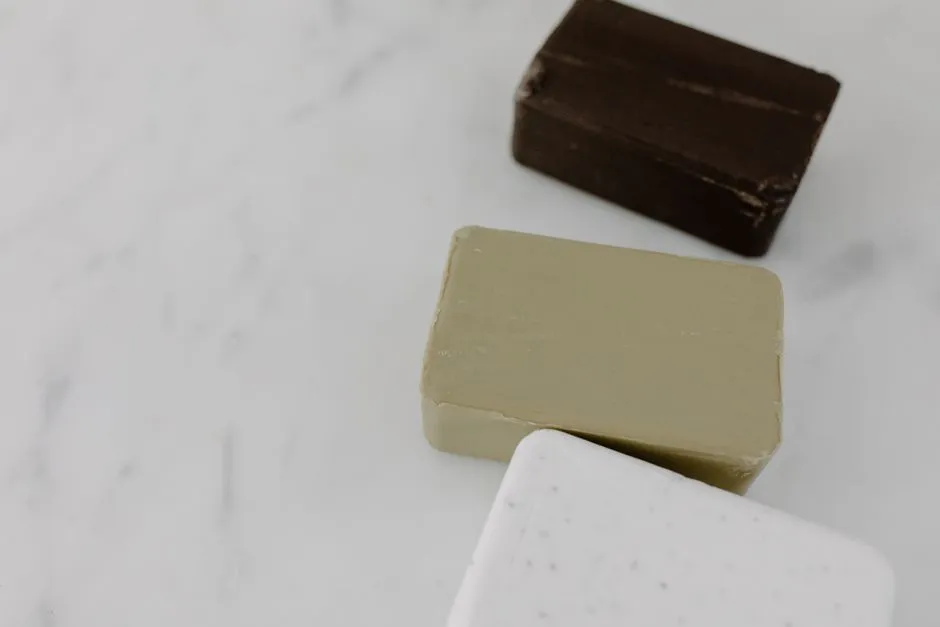
The global bar soap market is estimated to grow by $8.76 billion from 2024 to 2028 at a compound annual growth rate of 4.36 percent, according to research from Technavio. Growing hygiene awareness is driving market growth, with a trend toward growing use of sustainable materials in soap bar packaging.
From 2020 to 2024, there was rising hygiene awareness, sustainability concerns, and demand for natural products. Consumers started preferring organic, sulfate-free soap as an alternative to liquid soap and body wash. Major brands like Dr. Bronner’s, Dove, and Lush launched eco-friendly packaging, plant-based ingredients, and antibacterial variants to attract health-minded consumers.
Customers are increasingly seeking plastic-free and eco-friendly packaging, prompting manufacturers to employ biodegradable packaging materials. The industry is also supported by a strong tradition of local soap-making, with numerous small-scale manufacturers making handcrafted products that appeal to niche markets. More choice means easier switching for more people.
Making the Transition Is Simpler Than Expected
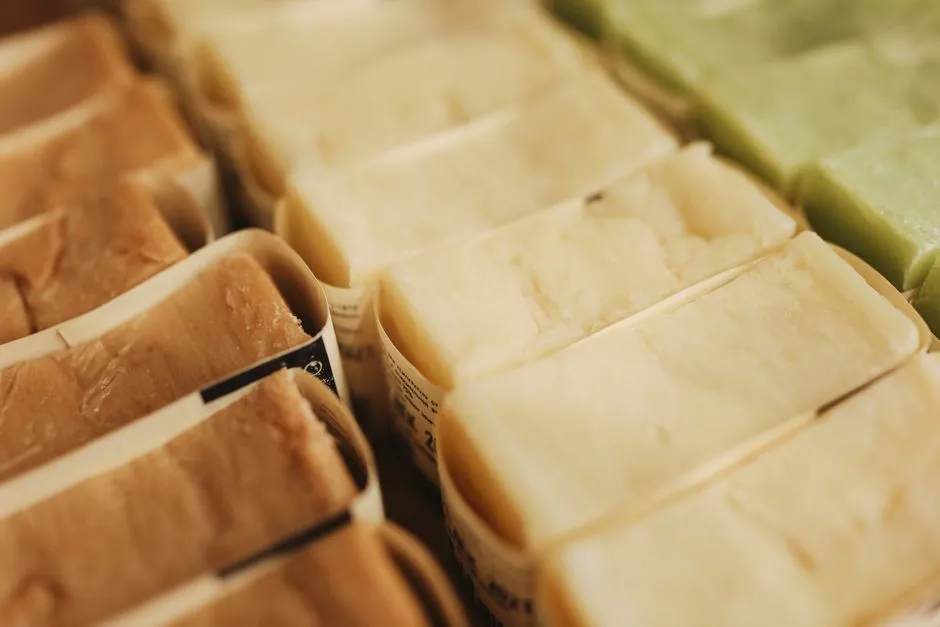
Start by switching to bar soap instead of liquid soap, which typically comes in plastic bottles. Bar shampoos and conditioners that last longer and come with much less packaging are also available. One category at a time is a perfectly sensible approach.
Eco-friendly soap bars offer a natural, sustainable, and skin-safe alternative to conventional liquid soaps. Made with biodegradable ingredients like coconut oil and essential oils, these bars are gentle on sensitive skin and better for the environment. They reduce plastic waste through compostable packaging, support ethical sourcing, and often come cruelty-free and vegan.
Transitioning from liquid to solid is simple, but it requires a slight shift in habit. Making the switch to a solid soap bar is one of the easiest, most impactful changes you can make for a zero-waste home. You save money, save space, and stop contributing to the millions of plastic soap bottles thrown away every year.
Conclusion: A Small Change with a Real Ripple Effect
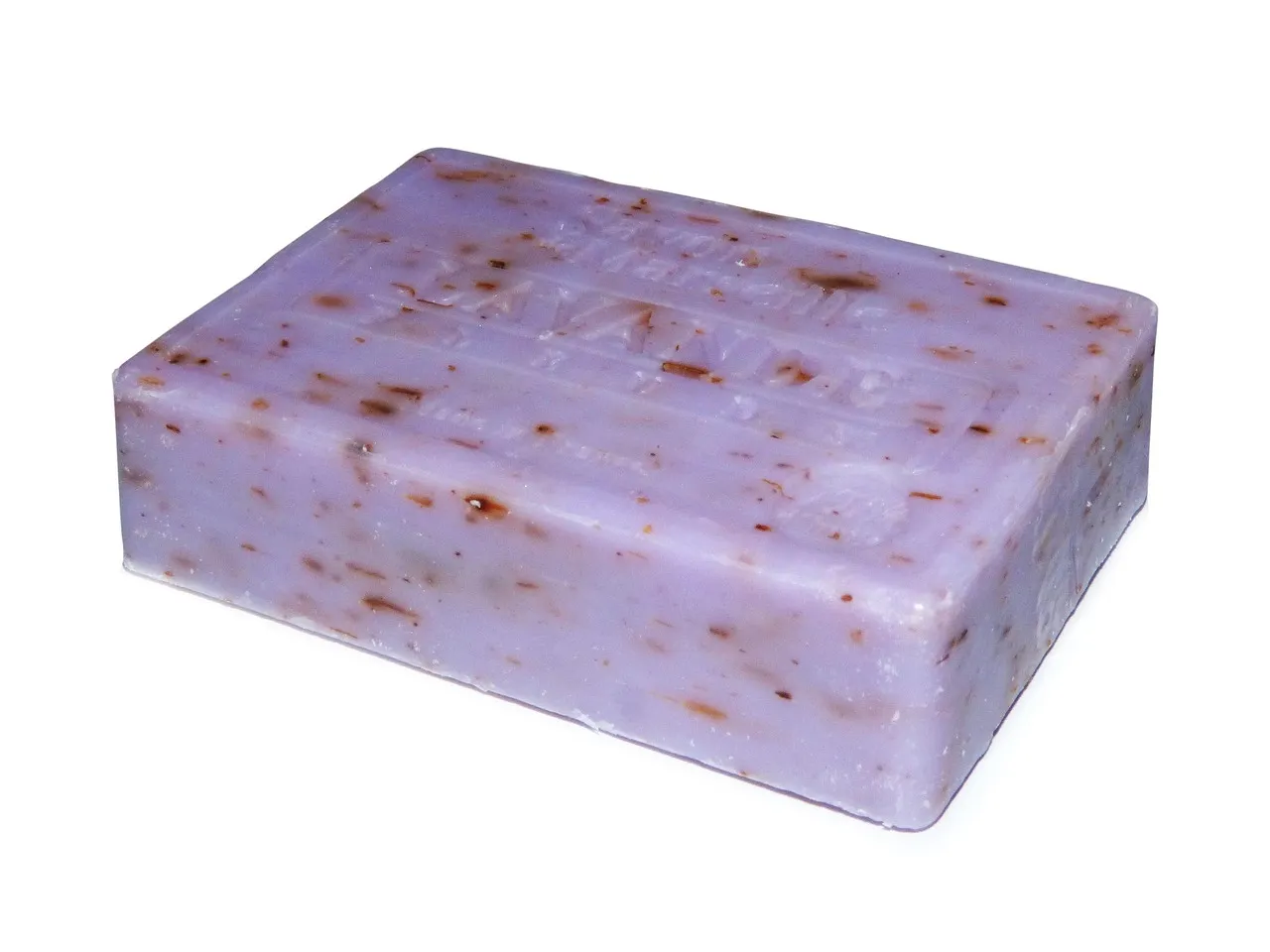
Switching to plastic-free soap bars isn’t a grand sacrifice or a complicated lifestyle overhaul. It’s a quiet, practical choice that costs you less, lasts longer, and removes one of the most pointless single-use plastics from your daily life.
Evaluating the environmental impact across packaging, ingredients, carbon footprint, and water usage, soap bars emerge as the greener, more sustainable option. By opting for soap bars, consumers can reduce plastic waste, minimize exposure to synthetic chemicals, lower carbon emissions, and potentially conserve water.
The plastic pollution problem can feel overwhelming at a global scale, but the bathroom shelf is one of the few places where the solution is genuinely within arm’s reach, costs less than the problem, and is available today. Sometimes the oldest option really is the smartest one.
AI Disclaimer: This article was created with the assistance of AI tools and reviewed by a human editor.