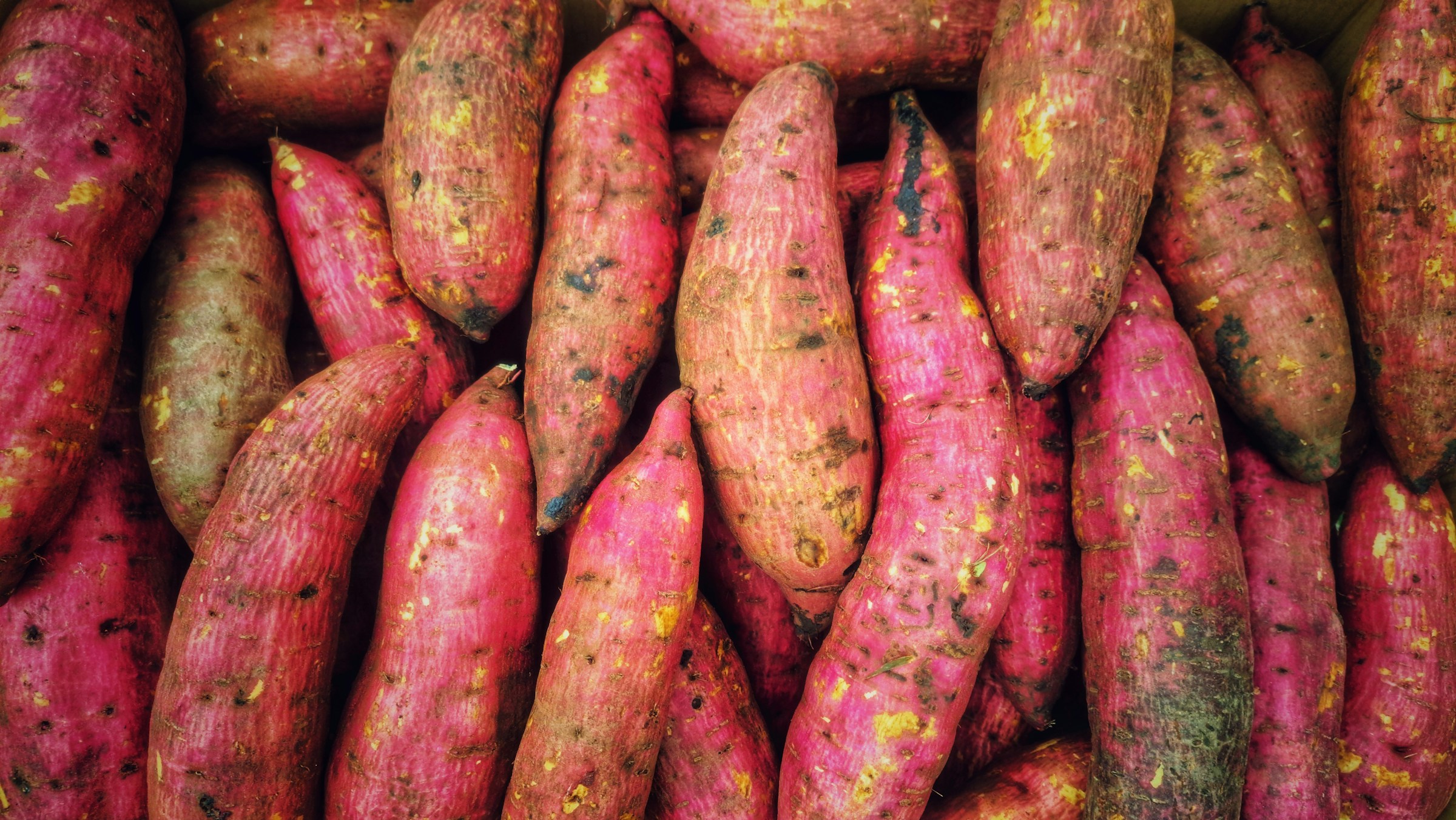

They Come Out of the Ground Starchy, Not Sweet
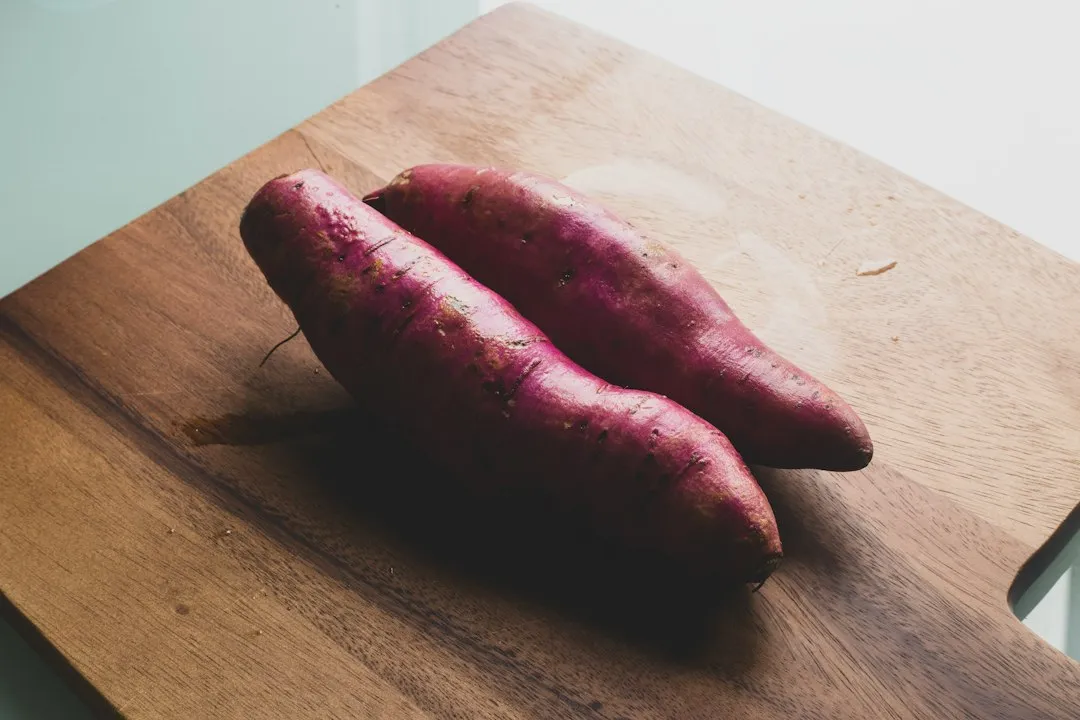
Sweet potatoes must be cured after they’re harvested to live up to their name. They come out of the ground starchy and bland, and curing is what turns their starches into sugar. This surprises most first-time growers, who assume the sweetness is already locked in at harvest time.
Many first-time growers are disappointed to find that a freshly harvested sweet potato tastes starchy and bland, much like a standard white potato. This is what researchers call the starch-to-sugar paradox: the tuber is physiologically mature at harvest, but its culinary “ripeness” is only unlocked through a post-harvest chemical transition.
The Enzyme Behind the Sweetness: Amylase
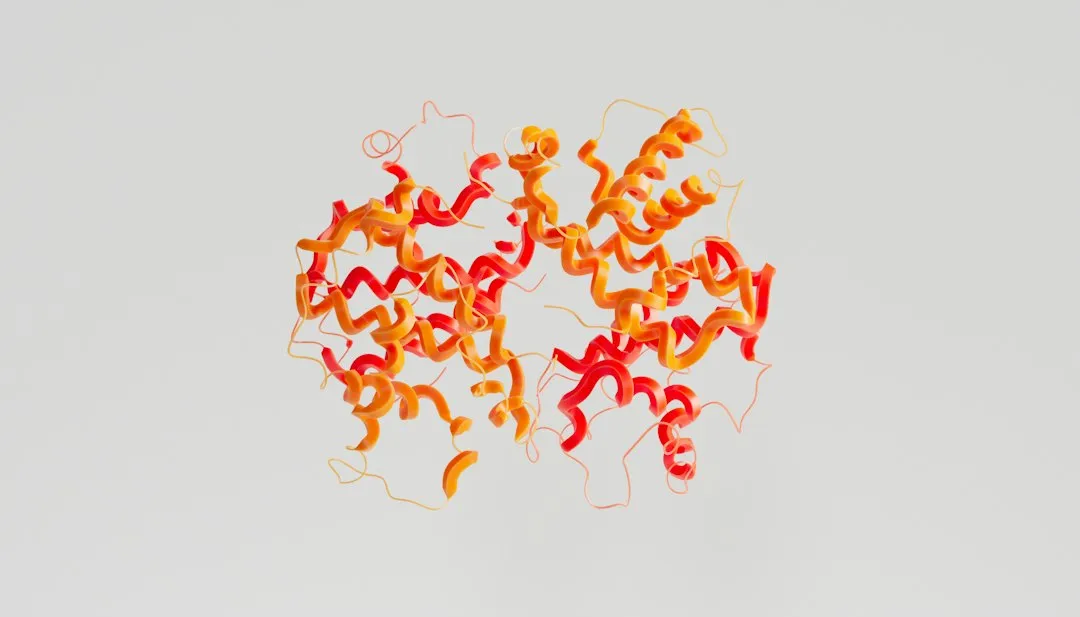
During the curing phase, an enzyme called amylase begins breaking down the complex starches within the flesh, transforming them into maltose and other simple sugars. This is why a “ripe” sweet potato becomes soft and syrupy when baked. Without a period of heat and humidity post-harvest, the sweet potato remains culinarily “unripe,” regardless of how big it grew in the field.
Sweetness in sweet potato is due to the presence of endogenous sugars – sucrose, glucose, and fructose – present at harvest, and additional sugar (maltose) formed through starch hydrolysis by amylase enzymes during cooking. The key word there is “additional.” Without triggering that enzyme activity, much of the flavor potential simply sits locked inside the starch.
What Curing Actually Does to the Tuber
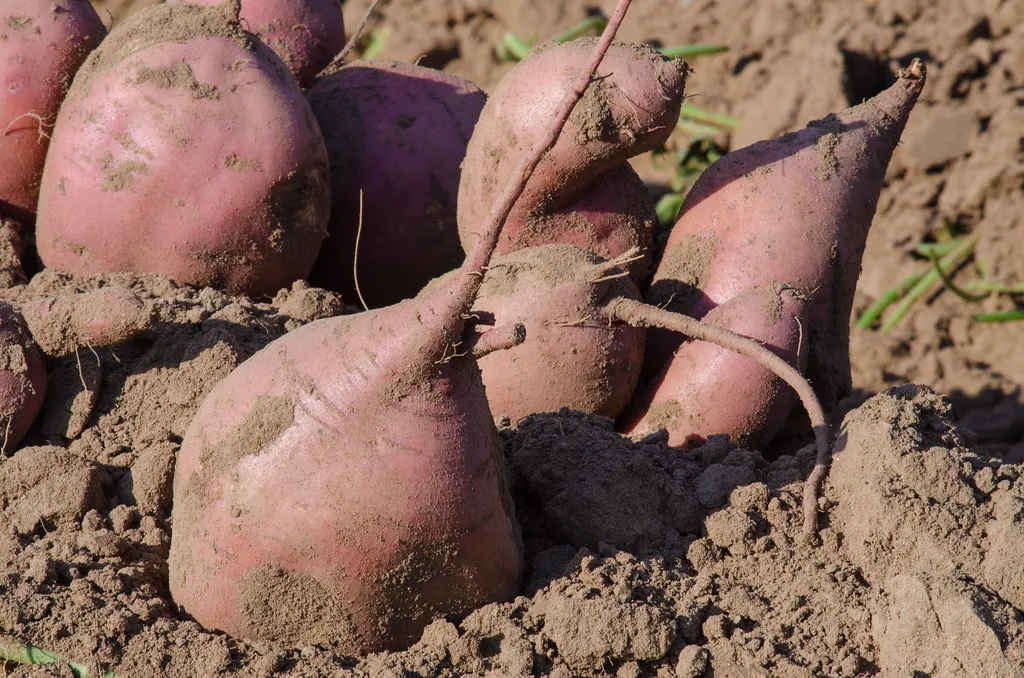
Curing or drying sweet potatoes for a few days after harvesting makes tubers last longer and prompts plant starches to convert into sugar, which gives sweet potatoes their characteristically sweet taste. The process also changes the texture significantly, producing that familiar creamy softness people expect from a well-prepared sweet potato.
Sweet potatoes remain metabolically active after they are harvested. As the tubers continue the respiration process, their starches are converted to sugars, hence the sweet taste. Curing actively improves this conversion process. In other words, the potato is still “alive” and working after you dig it up – and it needs the right conditions to do that work properly.
The Temperature and Humidity Window That Makes It Work
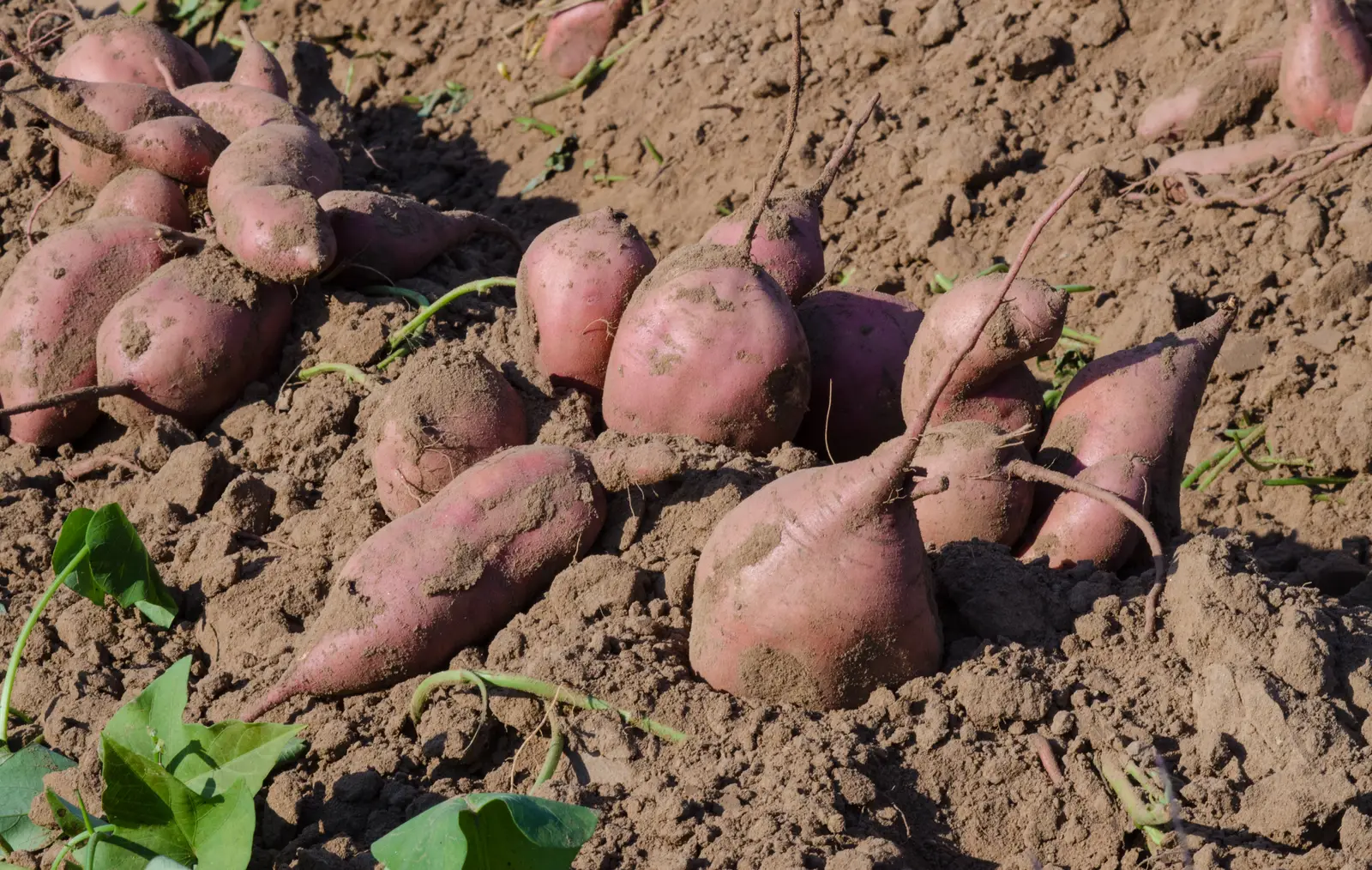
The goal for proper curing is 80 to 85 degrees Fahrenheit with 80 to 90 percent humidity for anywhere from four days to two weeks. Get closer to those ideal numbers and the transformation happens faster. Stray too far from them and the whole process stalls.
Sweet potatoes must be warm and humid, ideally 80 to 85 degrees Fahrenheit, for 7 to 14 days after harvest in order to “cure” properly. Ideal conditions for this step are 85 to 90 degrees Fahrenheit and 85 percent humidity. A hoop house usually provides optimal conditions, but a pantry with a small bucket of water and a space heater can also achieve this.
Harvest Timing Matters More Than Most Gardeners Realize
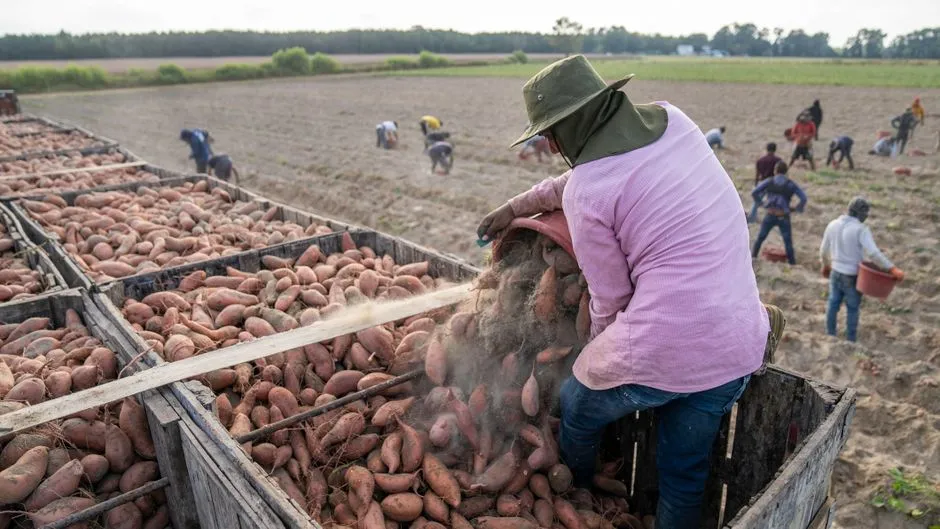
Sweet potatoes harvested too early are small, starchy, and less sweet than their mature counterparts. Late-harvested sweet potatoes, on the other hand, become woody, have a shorter storage life, and may sustain frost damage. There’s a relatively narrow window of opportunity, and missing it in either direction costs you flavor.
Harvest sweet potatoes when vine leaves yellow and die back, typically 90 to 120 days after planting. Always dig before the first frost, as cold soil below 50 degrees Fahrenheit damages tubers. Watching the vines rather than the calendar gives you a much more reliable signal that the time is right.
Cold Soil Is a Silent Flavor Killer
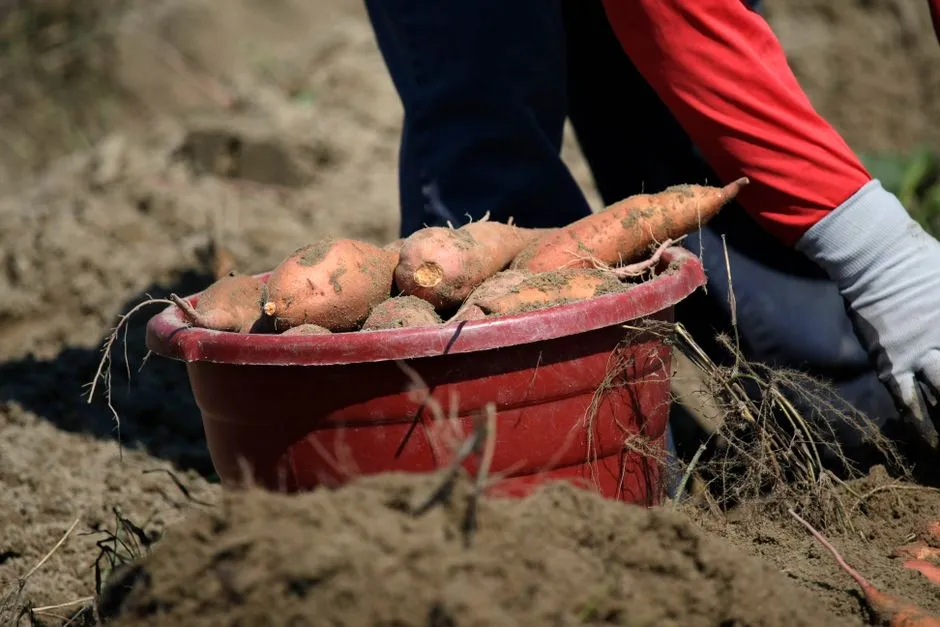
The health of the tuber is tied directly to soil temperature. Once the ground temperature dips below 50 degrees Fahrenheit, the metabolic processes within the sweet potato begin to fail. This cold shock can lead to internal breakdown, making the potatoes taste “off” and significantly shortening their shelf life.
Sweet potatoes are sensitive to the cold and can become bitter and mushy if exposed to hard frost or chilly soil temperatures. For best results, harvest the tubers when the vines begin to die and before soil temperatures fall below 55 degrees Fahrenheit. Even a few nights of unexpected cold before harvest can compromise months of careful growing.
Skipping the Cure Has Real Consequences
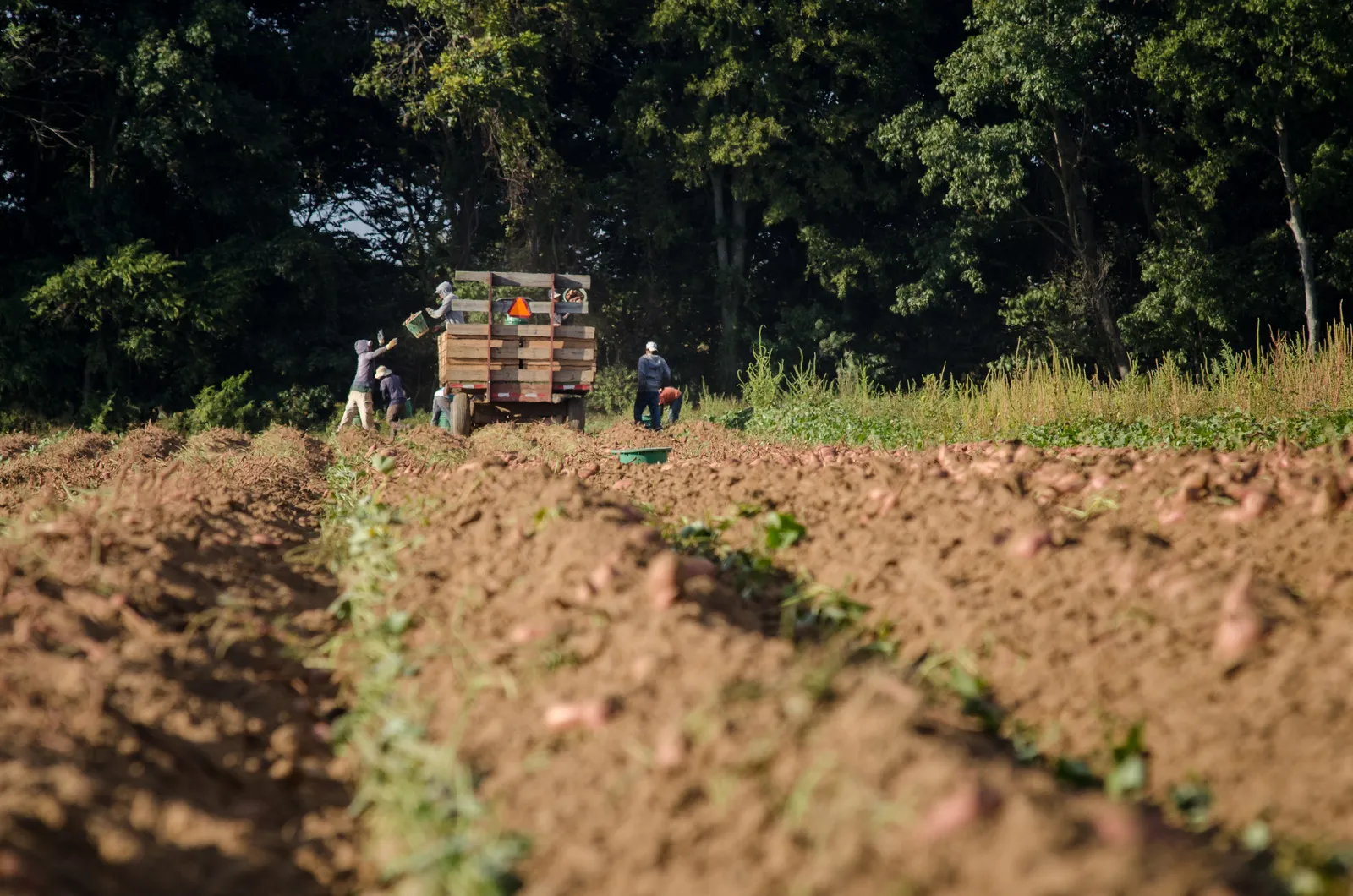
While sweet potatoes can be eaten straight from the ground, you are likely to be disappointed in the flavor. Curing triggers the sugar-producing enzymes and heals nicks, so skipping this step results in starchy, tasteless sweet potatoes with limited shelf life. The difference between a cured and an uncured potato isn’t subtle.
Compared to a properly cured one, an uncured sweet potato may taste like cardboard – slightly dry and mealy with a cold, bland flavor. Skipping the curing step can also slash storage life by half. That’s a significant cost for something that requires nothing more than warmth, moisture, and a little patience.
Curing Also Repairs the Skin
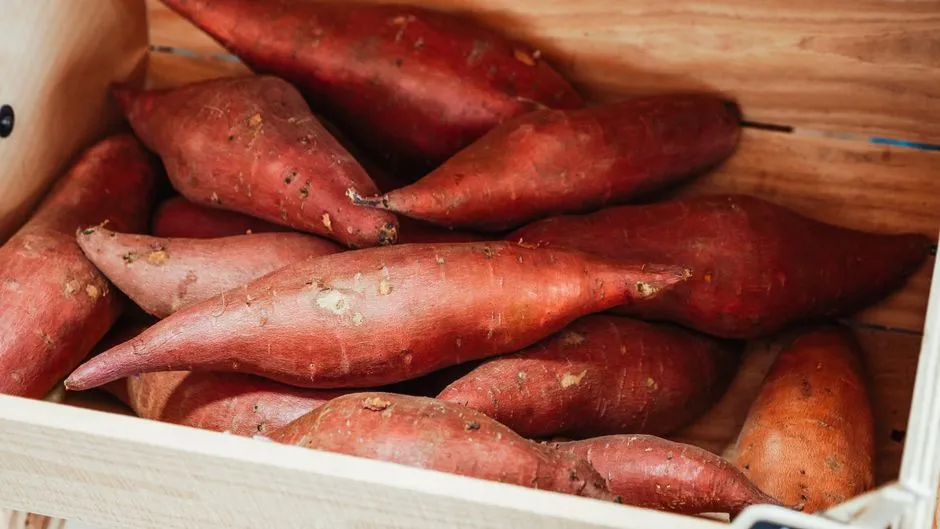
Another purpose of the curing process is to heal any abrasions or bruises the sweet potatoes sustain during harvesting. As the potatoes cure, a corky layer of cells develops just below the surface of the abrasions, which serves as a barrier against disease-carrying organisms and protects against storage diseases.
The curing process heals where the potato snapped from the root, as well as any cuts or dings. If you dig up a group of sweet potatoes still attached by roots, snap them apart before curing so the snapped ends will heal. Even the large ones that snapped in half during harvest are worth keeping – the exposed ends will heal during the cure.
What Happens During Cooking if the Potato Was Never Cured
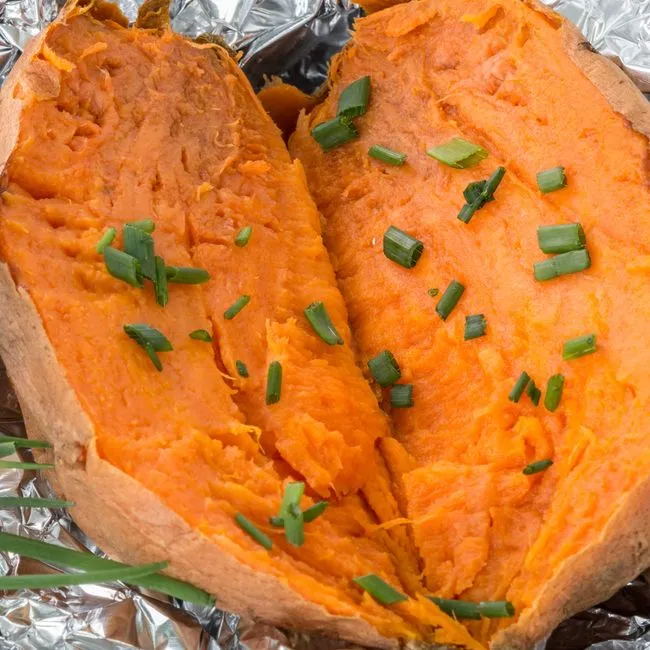
During the home baking of sweet potatoes, the gradual rise in internal temperature acts first to activate amylolytic enzymes naturally present in the sweet potato, and later to inactivate these enzymes as the tuber becomes fully cooked. This means cooking itself provides a second window for starch conversion – but only if those enzymes are present and active in meaningful amounts.
The endogenous amylases explain much of this. Baking provides the prolonged moderate heat that lets those enzymes convert starch to sugar before you even take a bite. Boiling shuts the enzymes down faster, leaving more intact starch that your body digests more gradually. So even the cooking method can determine how sweet the final dish actually tastes.
The Role of Variety and Growing Conditions on Base Flavor
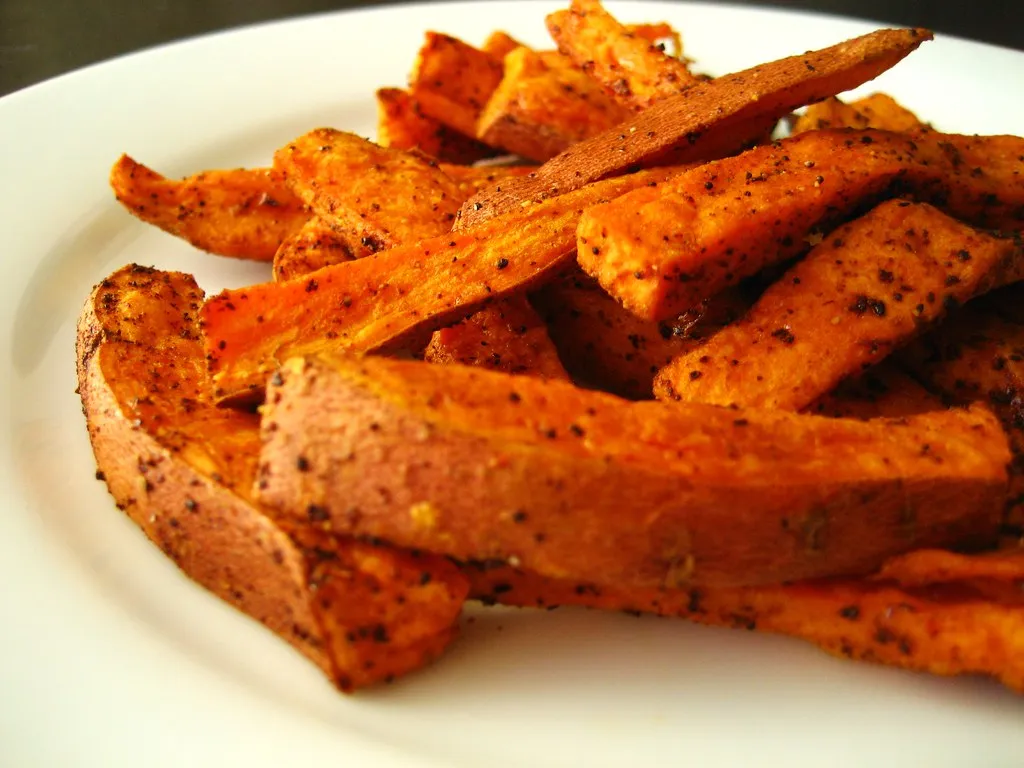
Research has shown that 80 to 125 days after transplanting are key periods for starch accumulation and degradation in sweet potatoes. Soluble sugar is a main indicator of quality, because the type of sugar and its content largely determine the flavor and quality of the tuber. Some varieties simply start with a higher baseline of natural sugars than others.
Research published in 2024 confirmed that the interaction between harvesting time and variety had a significant effect on yield and physicochemical components. The Alamura variety, for example, produced the highest marketable root yield at 150 days after planting, with notable differences in dry matter content across different harvest stages. Choosing the right variety for your climate and harvesting it at the right moment are both variables that shape flavor before curing even begins.
The Takeaway
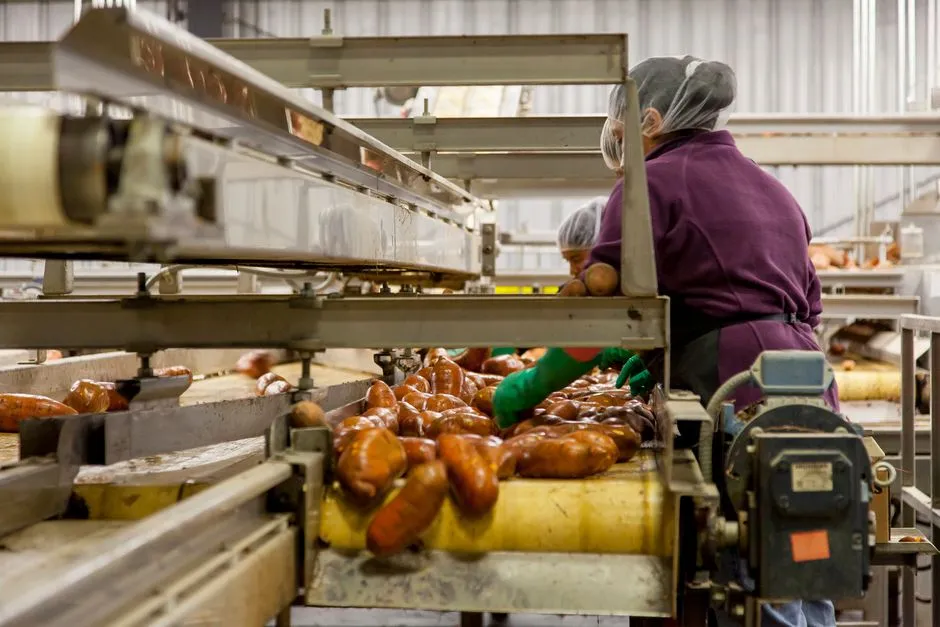
A bland freshly dug sweet potato isn’t a broken one. It’s an unfinished one. The chemistry that creates sweetness doesn’t complete itself in the soil – it needs warmth, humidity, and time after harvest to do its job. That’s a surprisingly simple fix for what feels like a puzzling disappointment.
The whole process asks very little of a gardener: a warm corner, some humidity, and about ten days of patience. What it gives back is a vegetable that finally lives up to its name. Sometimes the most important part of growing something isn’t the growing at all – it’s knowing when to stop and let the biology finish the work.
AI Disclaimer: This article was created with the assistance of AI tools and reviewed by a human editor.