

There’s a particular quality to Sunday at around four in the afternoon. The light changes. The pace slows. Something subtle but unmistakable shifts in the chest. It doesn’t announce itself loudly, but most people recognize it instantly, that creeping sense that the weekend is slipping away and something heavier is moving in to take its place.
This feeling has been studied, named, surveyed, and psychologically dissected. What researchers keep finding is that Sunday evenings occupy a uniquely loaded space in the human week, one shaped by biology, memory, workplace culture, and the way modern life structures our time.
It Has a Name, and Millions Know It
The phenomenon is formally known as the “Sunday scaries,” referring to anticipatory anxiety and dread that occurs on Sundays for students and employees as the weekend ends and the workweek resumes. The name may sound casual, but the data behind it is anything but. According to a survey completed by Solitaired, roughly seven in ten U.S. workers regularly experience the Sunday scaries, defined as a sense of dread or anxiety in anticipation of the coming workweek. That’s not a fringe experience. That’s most working adults, most weeks.
The average American experiences the Sunday scaries about 36 times a year, according to research involving a survey of 2,000 adults. Also known as “Sunday blues,” “Sunday syndrome,” and “Sunday evening feeling,” the term “Sunday scaries” itself first appeared on Urban Dictionary in 2009. The label caught on quickly because so many people needed a word for something they’d felt for years.
The Clock Starts Earlier Than You Think

Mental health experts describe the Sunday scaries as anxiety caused by negative anticipation of the week ahead, which puts people into a fight-or-flight state that prevents them from enjoying the last few hours of the weekend. Research based on a survey of 2,000 people pinpointed the actual time when these feelings kick in: 3:58 p.m. Most people assume the dread arrives at night. It doesn’t wait that long.
According to a survey conducted by Talker Research in partnership with Pacific Foods, the Sunday scaries typically set in around 3:54 p.m., but for Gen Z, the feelings can begin even earlier, with roughly one in ten reporting anxiety starting as early as 6 a.m. on Sundays. For some people, the entire day is already shadowed before it has really begun.
Your Brain Is Reacting to Something That Hasn’t Happened Yet

At the core of the Sunday scaries is anticipatory anxiety, your brain’s habit of mentally rehearsing stressful situations before they arrive. Research published in Psychoneuroendocrinology found that simply anticipating a stressful event can trigger a significant cortisol response, even before anything stressful actually occurs. The body, in other words, doesn’t wait for Monday to begin reacting to it.
A daily-diary study of 112 employees found that work-related worry during the evening predicted exhaustion the next morning, meaning the worry itself was draining, even before the workday started. What people feel on Sunday night is not weakness or overthinking. Monday morning anxiety is a measurable biological cascade, the HPA axis activating, cortisol rising, and the nervous system bracing for a week that hasn’t started yet.
Gen Z Feels It Most Acutely

Research found that roughly three quarters of Gen Z respondents experience Sunday scaries at least once a month, a higher rate than any other age group. This marks a stark difference from baby boomers, about three quarters of whom said they rarely, if ever, experienced these end-of-weekend worries. The generational gap here is striking.
According to the survey, about a third of Gen Z respondents feel stressed about the tasks they need to complete during the week, while more than two in five cited the stress of completing tasks before the week even starts as a key cause of anxiety. Uncertainty and fear around world events, plus the internal stress of trying to do their best at college or in the workplace, takes a toll on young people. The Sunday weight lands differently when your footing in the world still feels uncertain.
It Doesn’t Spare the Happy Workers Either

Even though roughly two thirds of surveyed respondents reported being at least somewhat happy with their job, about seven in ten still admitted to having experienced Sunday scaries. This suggests that the phenomenon is often less about job dissatisfaction and more about the mental load of transitioning from rest to work, combined with uncertainty, workplace dynamics, and the pressures of modern work culture.
According to the Solitaired survey, the Sunday scaries are worse in high-pay, high-stress industries where professionalism is crucial and the contrast between weekend leisure and workaday productivity is stark. The more you’ve switched off over the weekend, the further you are from the pace the week demands. That gap has a cost.
The Body Registers It Too

Roughly half of Americans typically feel anxious as the weekend ends, while about one in four report feeling depressed on Sundays specifically. These aren’t just mood fluctuations. For roughly one in ten survey respondents, Sunday anxiety manifests as full panic attacks, and close to four in ten participants reported having to take sick days due to the severity of their symptoms.
Higher daily stress is linked with higher evening or bedtime cortisol levels, which are associated with shorter and poorer quality sleep. Sleep disrupted by Sunday anxiety means Monday begins already depleted. The cycle becomes self-reinforcing in a way that’s genuinely hard to break.
Sunday Has Long Been the Unhappiest Day

Research shows Sunday is our unhappiest day of the week, which helps explain why so many people feel anxious on a Sunday evening. Mood follows what researchers call a circaseptan rhythm, a seven-day cycle, with systematically varying patterns across the days of a week. Mood is generally at its peak on Saturday and then drops sharply on Sunday, a pattern sometimes referred to as “Sunday neurosis.”
Using data from the German Socio-Economic Panel, researchers documented that respondents who were interviewed on a Sunday reported lower life satisfaction than those interviewed during the week. The effect appears across cultures and data sets, which suggests this isn’t purely a product of any one country’s work culture. Something about the structure of the week itself creates this dip.
Unmet Weekend Expectations Make It Worse

Research shows the Sunday blues are complex and multifaceted in nature. Rather than a simple reaction to the end of the weekend, the experience emerges as a constellation of mood states. The Sunday blues can be triggered by factors such as unmet weekend expectations, intensified by issues like work-life imbalance, while eased by factors like supportive relations at work.
There’s a particular trap in expecting the weekend to fully restore you. When Saturday and Sunday carry the pressure of compensating for everything the week took from you, Sunday evening becomes an accounting moment. What did you actually accomplish? Did you rest enough? See enough people? Do enough? The questions pile up quietly.
Staying Up Later Is a Symptom, Not a Solution

Roughly half of those who experience Sunday scaries have actively stayed up later as a result. The logic feels intuitive: delay the night, delay Monday. In practice, the strategy backfires. Staying up late disrupts the sleep cycle, which means Monday starts with less resilience, not more.
The shift from weekend freedom to weekday structure is one of the biggest psychological transitions we make each week. Staying up is one way people unconsciously resist that transition. It’s a small act of psychological resistance that ends up extracting a real biological cost. Disrupted sleep combined with chronic stress can flatten or invert the normal cortisol pattern, leading to evening cortisol elevation that interferes with sleep onset.
The Workplace Is Starting to Respond

Roughly half of full-time workers say a shorter workweek would help reduce Sunday stress. With record numbers reporting anxiety, depression, and strained relationships on Sundays, the Sunday scaries have become a clarion call for both cultural and workplace reform. Whether companies are actually listening is a different question.
Real change requires systemic shifts in workplace culture, including promoting better work-life balance, clearer communication, and flexible policies like remote work. Individual coping strategies help at the margins, but they don’t address the structural mismatch between how work is designed and what human psychology actually needs. As organizations increasingly trial alternative working patterns such as four-day working weeks, it will be interesting to see how day-of-week mood patterns change and evolve.
The Quiet Weight Is Real, Not Imagined
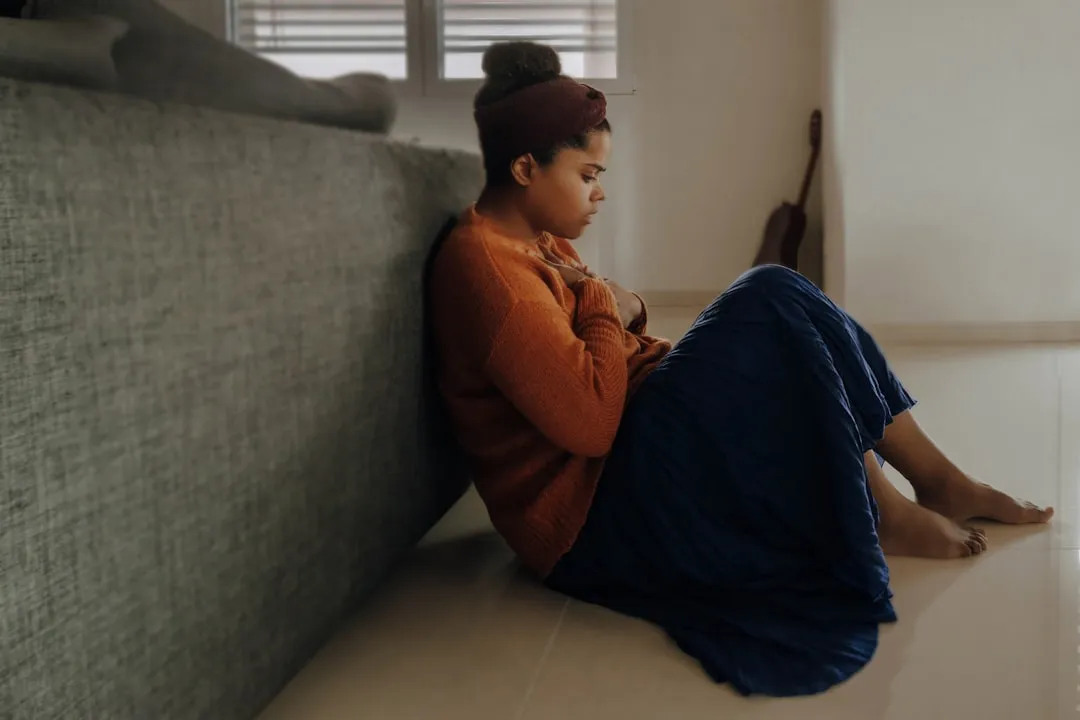
Sunday evening heaviness isn’t a personal weakness or a failure to relax properly. The research is consistent and spans multiple countries, methodologies, and populations. This is a shared human experience embedded in how we’ve structured modern working life, reinforced by biology, sharpened by anticipation, and felt most acutely by those whose weeks carry the most pressure.
Knowing what it is doesn’t make it disappear. It does, however, make it less mysterious. This peak anxiety window is real, it is measurable, and it is the product of biology, not character. That distinction matters more than it might seem. When you understand what Sunday evening is actually doing to your nervous system, you stop treating the feeling as a problem with you, and start treating it as information about the week ahead.
AI Disclaimer: This article was created with the assistance of AI tools and reviewed by a human editor.