

Most people worry about frost killing their trees in January. Far fewer think about what a relentless July sun can do to bark. Summer sunscald is quieter than a storm, less dramatic than a pest infestation, but it can silently kill the living tissue inside a trunk before you even notice a problem on the surface.
Understanding why this happens, and what a coat of white paint actually does about it, is more practical and more interesting than it first sounds.
What Summer Sunscald Actually Is
Sunscald is a fairly common physiological problem found most commonly on young, thin-barked ornamental and fruit trees. Both summer and winter forms share the same underlying cause: the death of bark tissues caused by high temperatures.
In trees, sunscald is fundamentally the death of cambium bark tissue due to extreme temperatures. The cambium is the thin, living layer just beneath the outer bark that drives all new growth. When it dies, the tree loses its ability to transport nutrients and water through that section of trunk.
Summer sunscald, which is sometimes called sunburn, is caused by extreme heat on the thin bark of young trees that don’t yet have a fully developed canopy. It can also be triggered by over-pruning, when too much foliage is removed.
The Extreme Temperatures Involved
Sunscald is not just a winter problem. In summer, intense reflected heat combined with direct southwestern sun can raise bark temperature to above 130°F, literally cooking the living cambium layer.
Sunburn occurs in the heat of summer. It is due to extreme heating by a combination of ambient temperature and solar radiation, and is more likely under moisture stress or high temperatures. It is quite common on planted landscape trees, but much less common in natural forests.
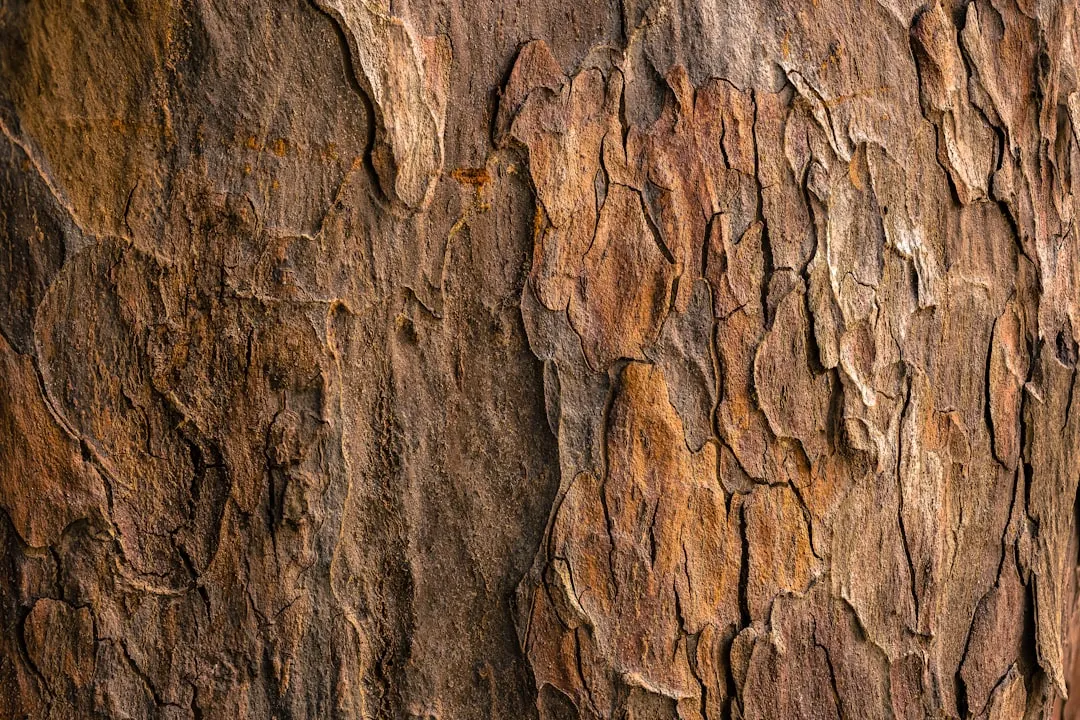
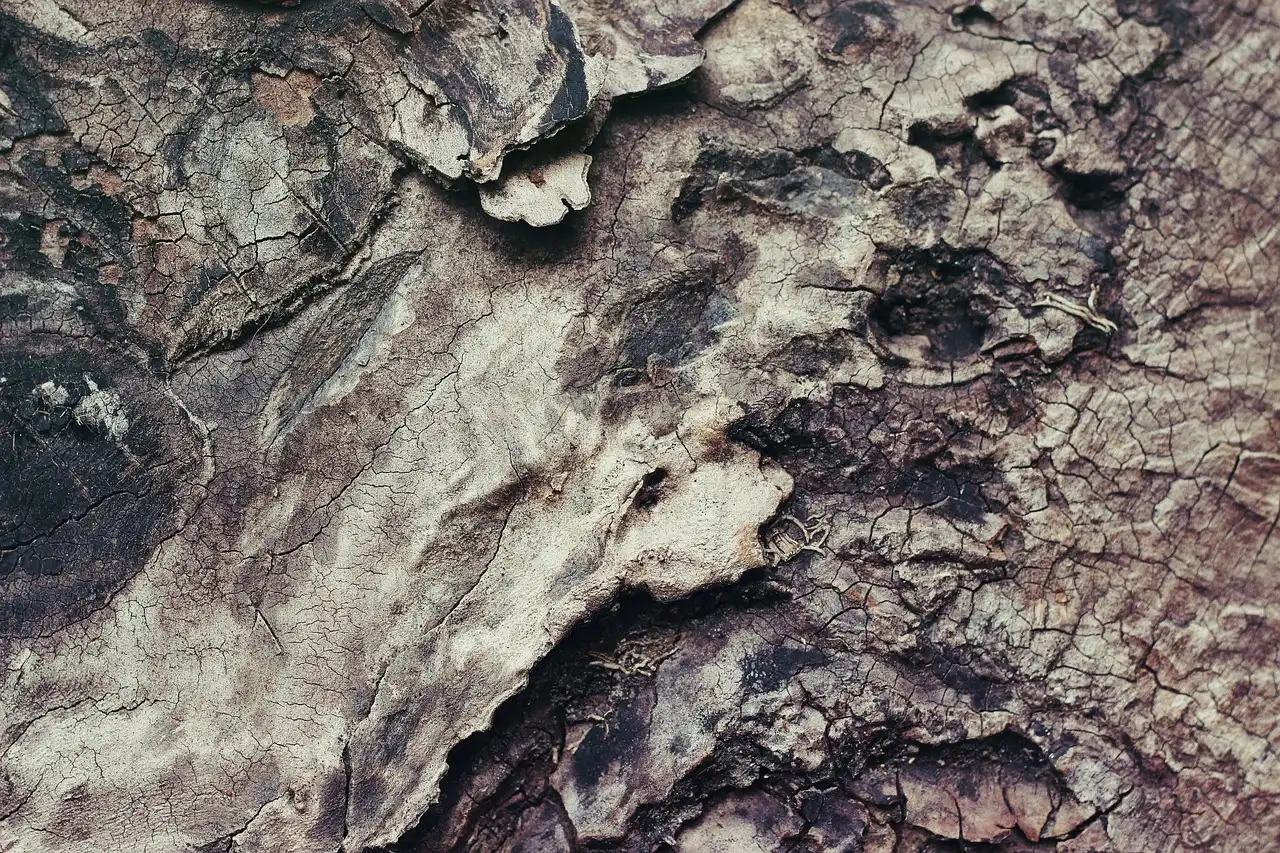
The damage can affect any aerial plant part, but the most long-lasting harm is done to bark. It may take several months after the initial bark injury before damage becomes fully apparent. The bark becomes discolored, then dries and begins to crack, then peels, and eventually leaves a strip of bare, dead wood.
Which Trees Are Most Vulnerable
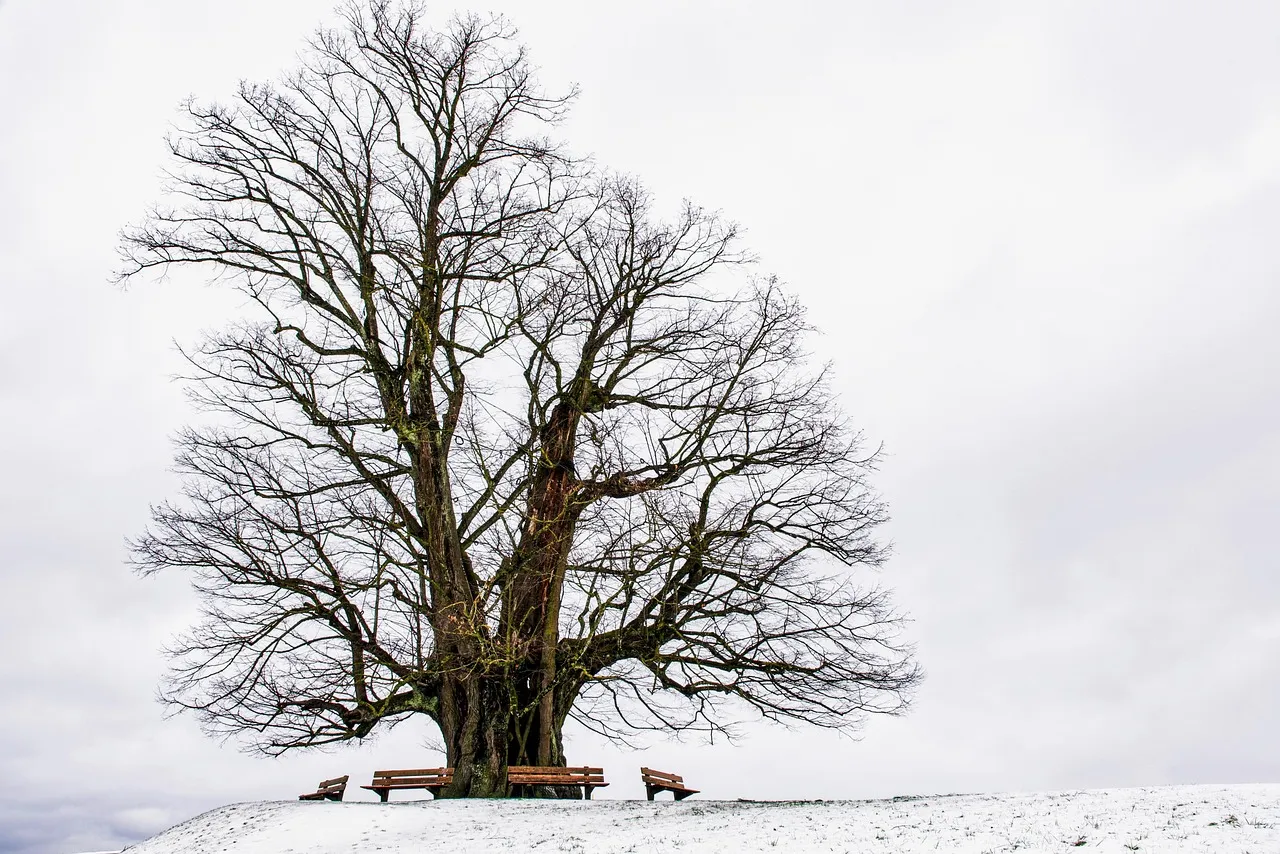
Certain tree species are particularly susceptible, including birch, maple, linden, boxelder, ash, balsam fir, Douglas fir, spruce, and eastern white pine. Young bark is more vulnerable than older bark, which is thicker and provides better insulation for the living inner cells.
Summer sunscald is most commonly observed in fruit and ornamental trees such as maples, sweetgum, linden, ash, honeylocust, Eastern white pine, and apple trees. These are the trees worth watching most closely during hot, dry stretches.
Bark splitting and sunscald become notably common on thin-barked species including maple, cherry, linden, and fruit trees during peak summer heat. Newly transplanted trees of any species are also at elevated risk, since their root systems are still establishing and cannot efficiently move water to the bark.
Why Transplanted Trees Suffer More
If a sapling is grown in shady nursery conditions and then transplanted to a full-sun environment, sunscald may result from sudden extreme heat and solar radiation. Another contributing factor is that the roots of recently transplanted trees don’t have time to establish, which reduces the amount of moisture the tree can absorb and transport through its trunk and leaves.
The south side of trees has bark that is conditioned to strong sun while growing in the nursery. If these trees are moved to the landscape and turned 180 degrees, they now have their sensitive north side facing south, making them newly susceptible to sunscald.
This is an easy mistake to overlook at planting time. Marking the original sun-facing side of a sapling before moving it takes seconds and may spare the tree years of stress.
How the Damage Progresses Over Time
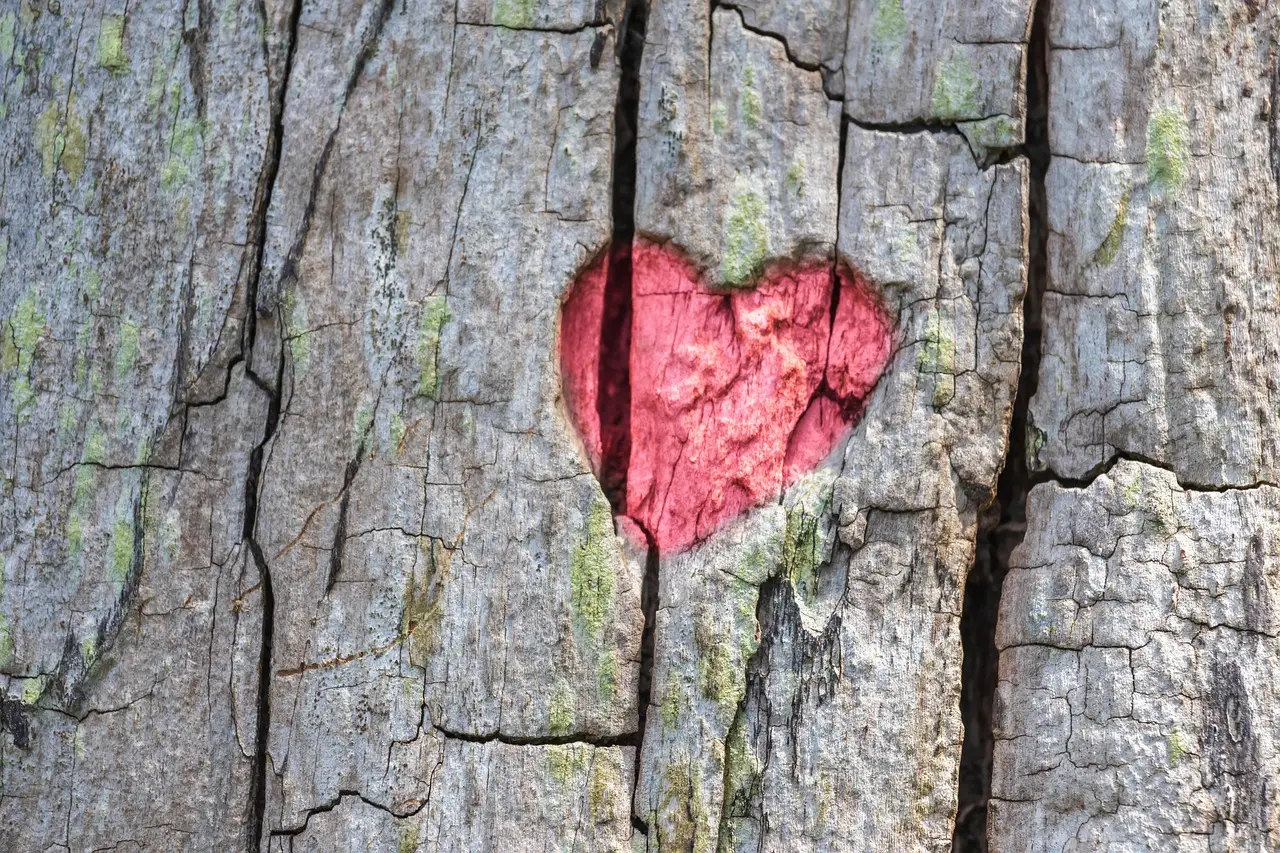
Signs to watch for include thin, flat areas of bark that are discolored, often pale, brown, or blackened; sunken or soft patches where the cambium is dead; and vertical cracks or splits. Damage typically faces south or southwest in the northern hemisphere, the side that receives the strongest sun.
Bacterial and fungal diseases are often associated with sunscald as secondary organisms. Invasion by these organisms will eventually weaken and kill the tree.
Very large sunscald wounds can contribute to tree death and create a likely area for future trunk failure. What starts as a surface blemish can, over multiple seasons, become a structural problem.
The Case for White Paint
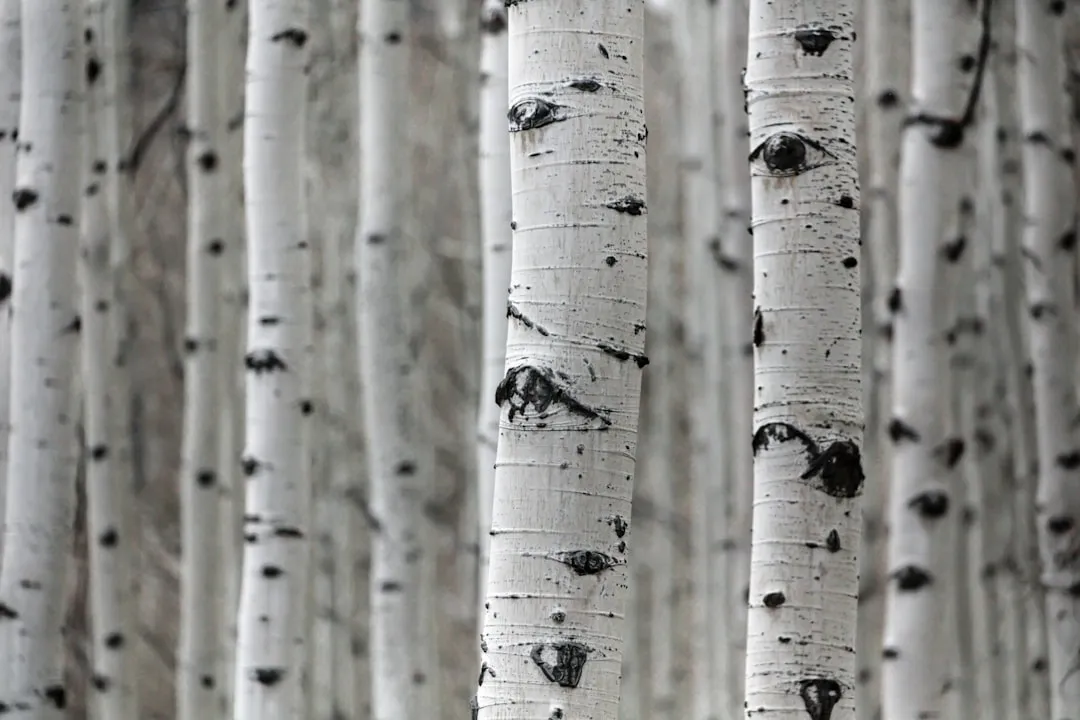
For larger trees where wrapping is not possible, painting the lower trunks and lower limbs, especially on deciduous trees, with white latex paint suffices. The paint acts as a wrap of sorts and reflects sunlight away from the trunk.
Research comparing various protective materials concluded that a good quality outdoor white latex paint applied to the south and southwest sides of tree trunks was the most practical option. Painted trunks maintained a measurably cooler temperature on the south side during peak afternoon hours compared to unpainted trees.
White paint and whitewash have been shown to prevent bark temperature rises of more than 5.6°C compared to untreated trunks – a modest but meaningful difference when you’re dealing with tissues that can be destroyed by just a few degrees of excess heat.
How to Apply White Paint Correctly
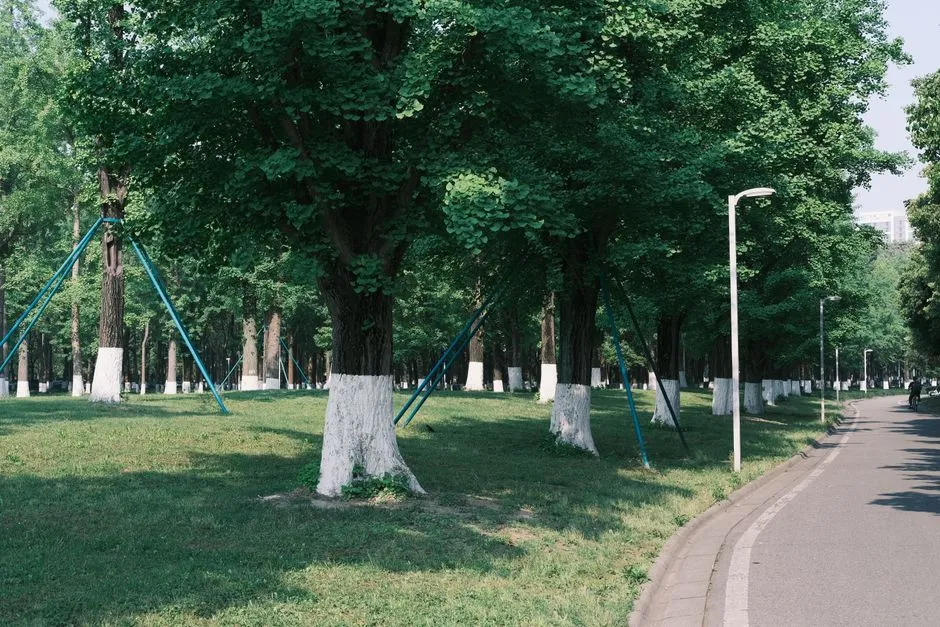
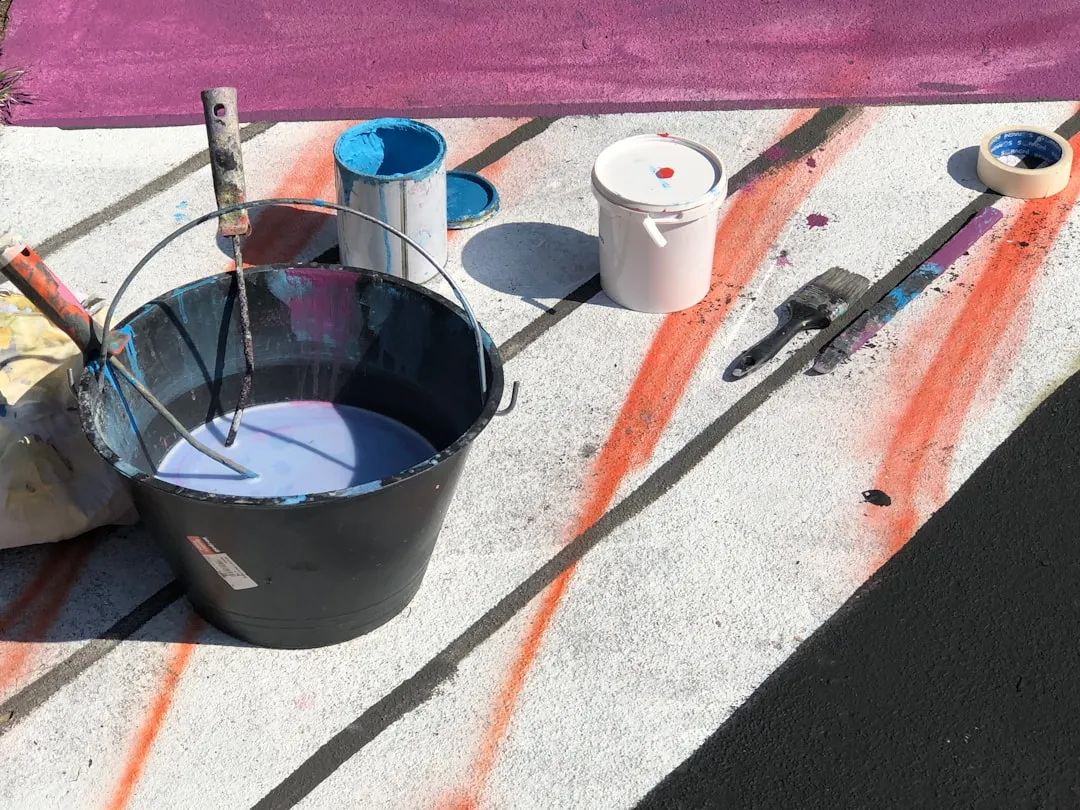
For fruit trees or newly planted ornamentals, a 50/50 mixture of white latex paint and water applied to the trunk can reflect sunlight and reduce heating. This diluted solution is gentler on the tree than full-strength paint.
If using a whitewash solution for an orchard, dilute white interior latex paint, not acrylic, with an equal amount of water and apply it to the south and southwest sides of the tree trunks. Acrylic formulas may contain additives that can harm plant tissue.
When painting the lower trunk with white latex paint to reflect sunlight, make sure the paint is not toxic to plant tissue. Always check the label and avoid exterior paints containing preservatives, algaecides, or fungicides.
Limitations and Legitimate Cautions
Some latex paints have caused injury on Norway, silver, and sugar maples, in some cases leading to Cytospora canker infections. In addition, paint mixtures can be visually unappealing and tend to remain on trees for several years.
As trees keep growing, chemicals in the paint, especially in exterior formulas, can shed into the soil and contaminate the area. Interior paint avoids that issue but is not organic. Latex paint can also trap moisture in some cases, potentially encouraging fungal growth.
Not all universities agree on the best way to avoid sunscald, but K-State’s horticulture department still recommends taking action to prevent sunscald on young, thin-barked trees. The debate is not whether to protect vulnerable trees, but which method carries the fewest side effects for a given species and climate.
Other Prevention Methods Worth Knowing
A number of commercial options are available, including rigid corrugated plastic tree guards, kraft paper tree wrap, and breathable white fabric tree wrap. Dark-colored tree wraps should not be used, since they intensify the temperature problem rather than reducing it.
When it comes to hot weather, one of the most effective ways to prevent sunscald is to conserve soil moisture. Adding sufficient mulch at the base of the tree helps keep soil temperature stable and reduces injury risk.
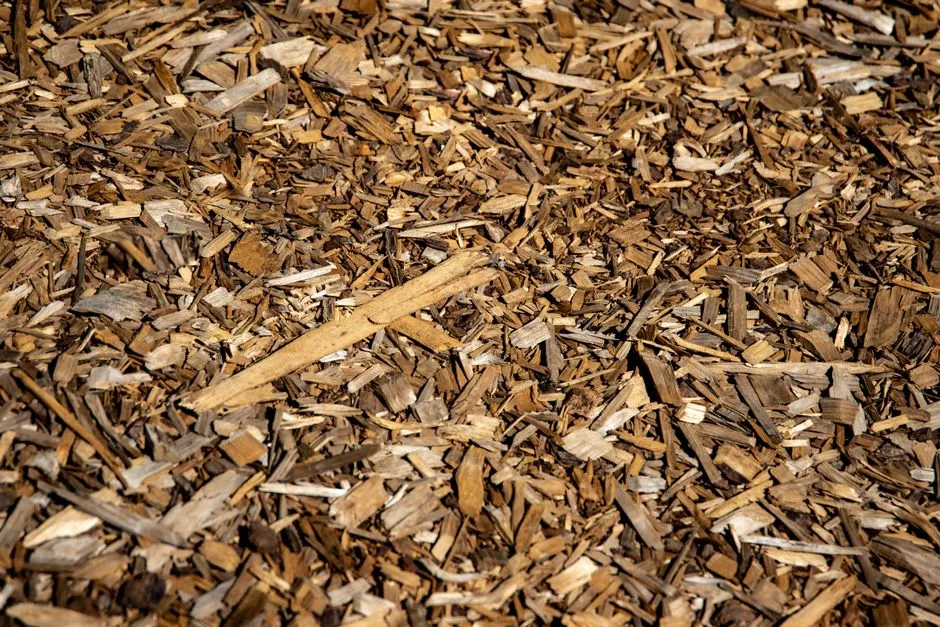
Wood chips and other organic mulches can reduce reflected heat and light from the ground surface, further lowering the danger of sunscald or sunburn on the lower trunk. A simple ring of mulch, kept clear of the trunk itself, is among the lowest-effort protections available.
What to Do If Your Tree Is Already Damaged
Sunscald on trees is not always fatal. Very young trees that don’t have fully developed bark could be damaged to the point where removal becomes necessary, but for mature trees it is much less likely to be life-threatening.
Sunscald can cause reduced growth and slow tree establishment, but trees may be able to recover by forming callus tissue, which slowly grows over the affected area. However, this healing process is not always successful and may lead to the gradual decline of the tree.
You should not try to help remove the affected bark yourself, as inadvertently removing healthy bark may open a pathway for disease to enter the tree. The best course of action once damage is visible is to reduce further stress through watering, mulching, and protecting the area from additional sun exposure while the tree attempts to compartmentalize the wound.
Conclusion: A Small Intervention with Real Impact
Summer sunscald sits in an awkward middle ground. It’s common enough to affect backyard orchards, street trees, and newly planted saplings across much of the country, yet subtle enough that many gardeners miss it entirely until the damage is well advanced.
White paint is not a miracle cure, and it is not right for every tree or every situation. Chosen carefully and applied correctly, though, it is a cheap and reasonably well-supported way to reduce bark temperatures on the trees most at risk. Paired with good watering habits and a layer of mulch, it covers most of the bases.
The broader point is worth sitting with: the threats that move quietly, without drama, tend to be the ones that cause the most lasting harm. Checking trunks for discoloration in late summer costs nothing and could save a tree you’ve spent years growing.
AI Disclaimer: This article was created with the assistance of AI tools and reviewed by a human editor.