
The USDA’s Official Position Is Clear
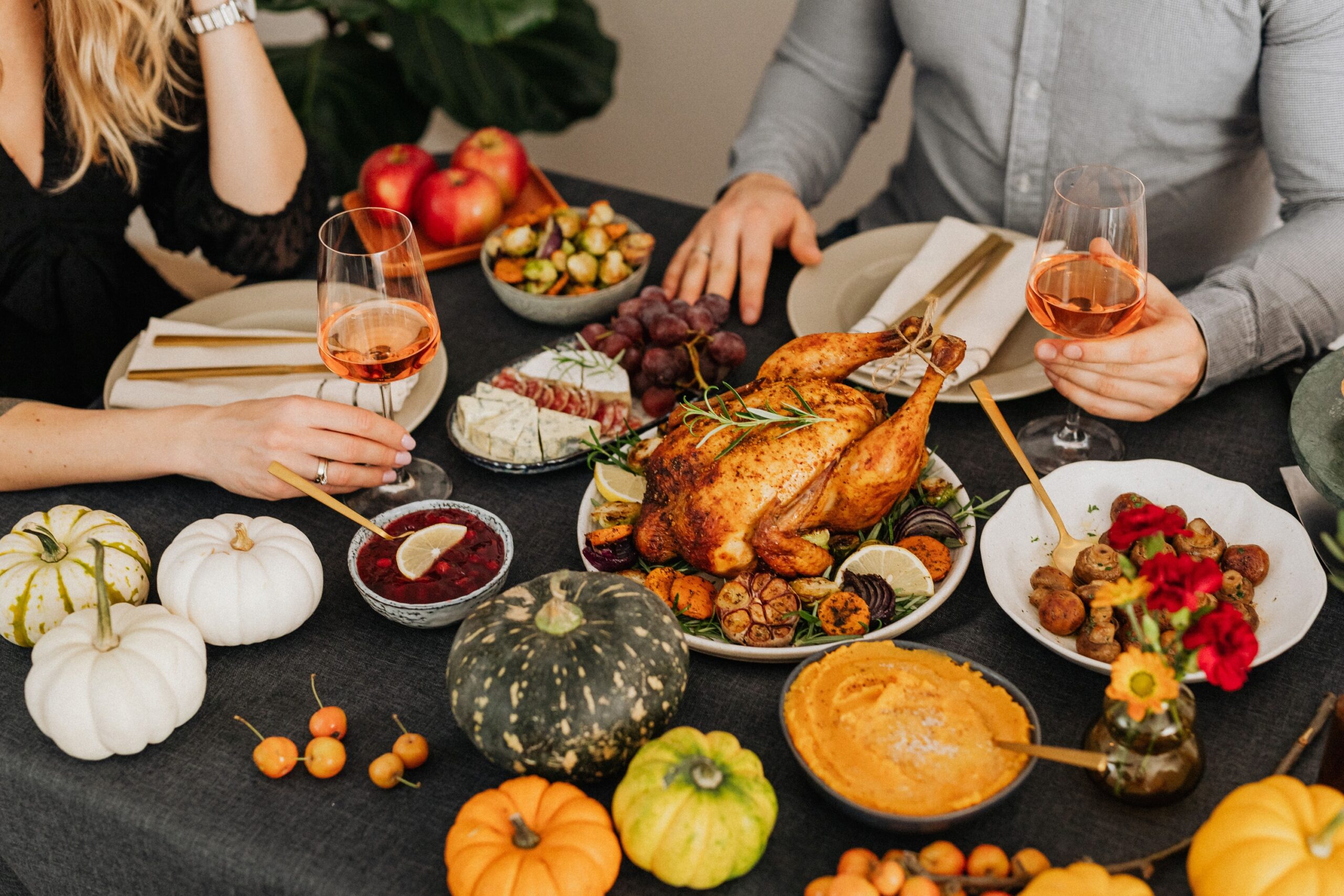
The USDA recommends against cooking stuffing inside the cavity of whole turkeys, with bacteria being the primary reason for that warning. According to the USDA’s own roasting guidelines, stuffing a turkey is not recommended for optimum safety. Cooking a home-stuffed turkey is considered riskier than cooking one that is left unstuffed.
For optimal safety and uniform doneness, the USDA’s Food Safety and Inspection Service explicitly recommends cooking stuffing separately. That recommendation doesn’t come from an overabundance of caution. It comes from a practical understanding of how heat moves through dense food packed inside a large bird.
Bacteria Travel From the Bird Into the Stuffing
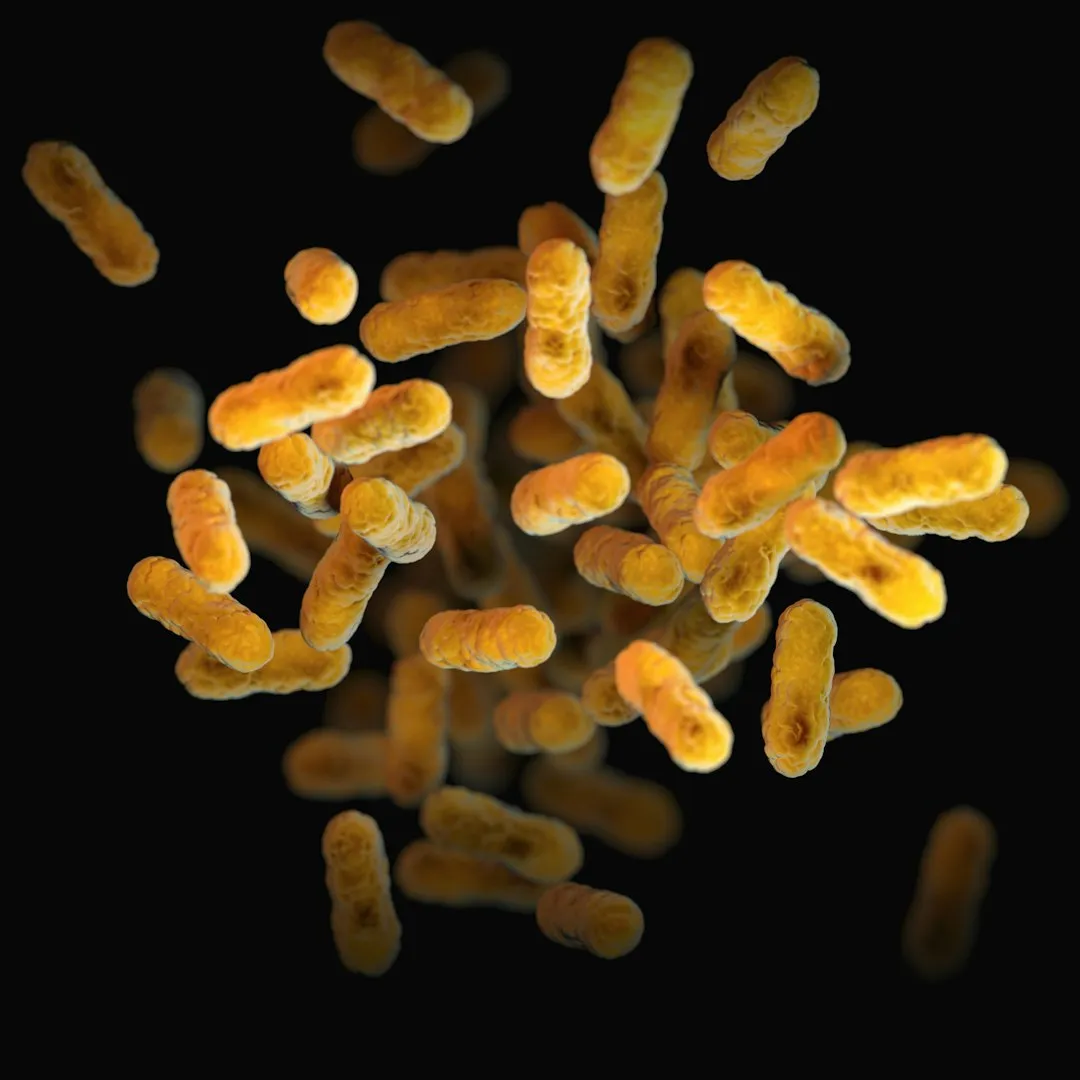
When stuffing is placed inside a turkey, it comes into direct contact with raw meat and juices that may contain harmful bacteria such as Salmonella. Anything inside the bird, including harmful bacteria like Salmonella and Campylobacter, can potentially get into the stuffing.
Warm, moist stuffing is an ideal environment in which bacteria can proliferate, potentially causing foodborne illness. Think of it this way: stuffing is essentially a sponge. It absorbs everything around it, including any pathogens living in the cavity walls and juices of a raw bird.
The Temperature Problem Is More Complicated Than It Seems
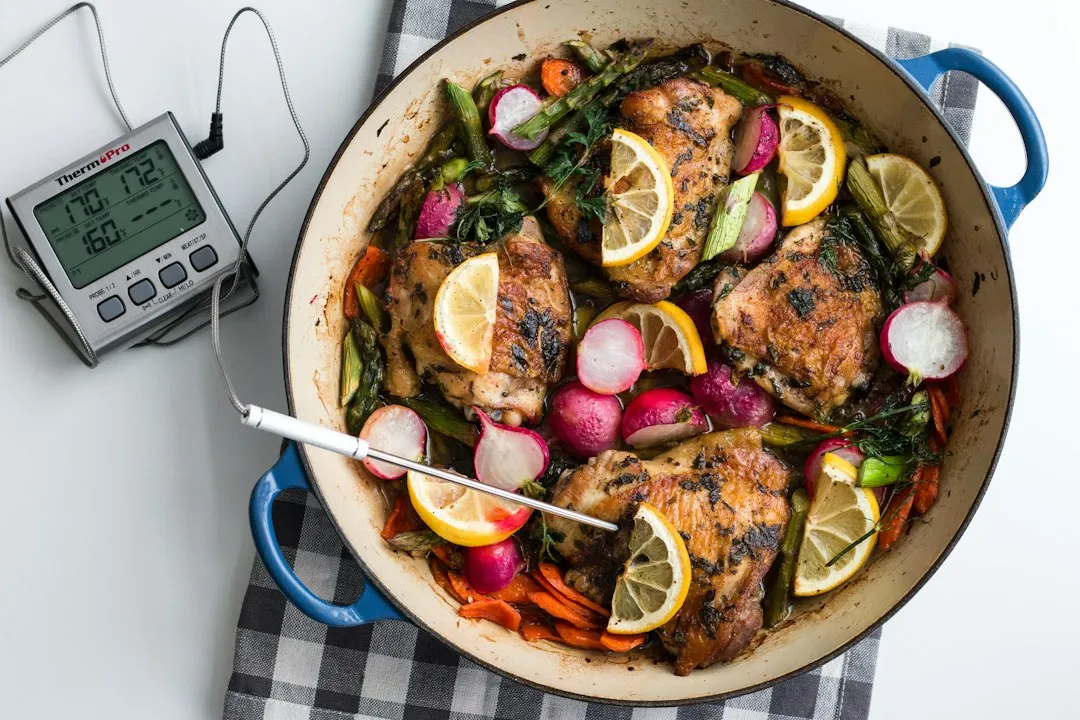
Stuffing cooked inside the bird may not reach the correct temperature for killing off bacteria, even if the turkey itself reaches the correct temperature. The turkey and stuffing may cook at different rates, and both must each reach an internal temperature of 165°F as determined with a food thermometer in order for illness-causing pathogens to be killed.
Even if the turkey itself has reached a safe minimum internal temperature of 165°F, as measured in the innermost part of the thigh, the wing, and the thickest part of the breast, the stuffing may not have reached a temperature high enough to destroy bacteria that may be present. That disconnect is exactly what worries food safety professionals most.
Overstuffing Makes Things Worse
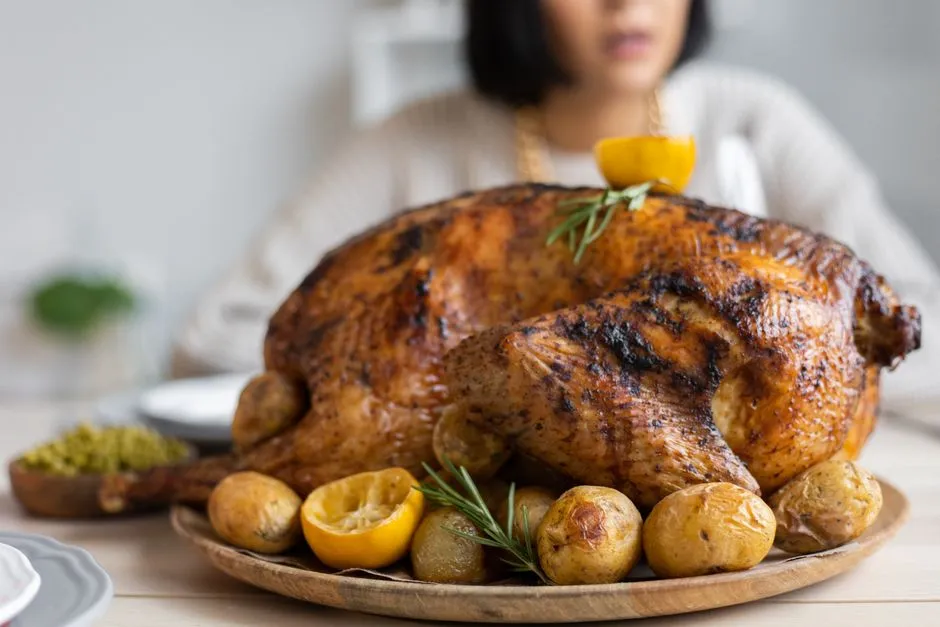
Jam-packing the turkey’s cavity with stuffing affects the cooking process and makes it tougher to kill bacteria when a bird is overstuffed. Overly dense or dry stuffing may not heat thoroughly and can increase food safety risks.
The USDA recommends stuffing the turkey loosely, at about three-quarters of a cup of stuffing per pound of turkey. Most home cooks far exceed that ratio, believing that more stuffing means more flavor. In practice, it mainly means more risk.
Cooking the Turkey Longer Creates Its Own Problem
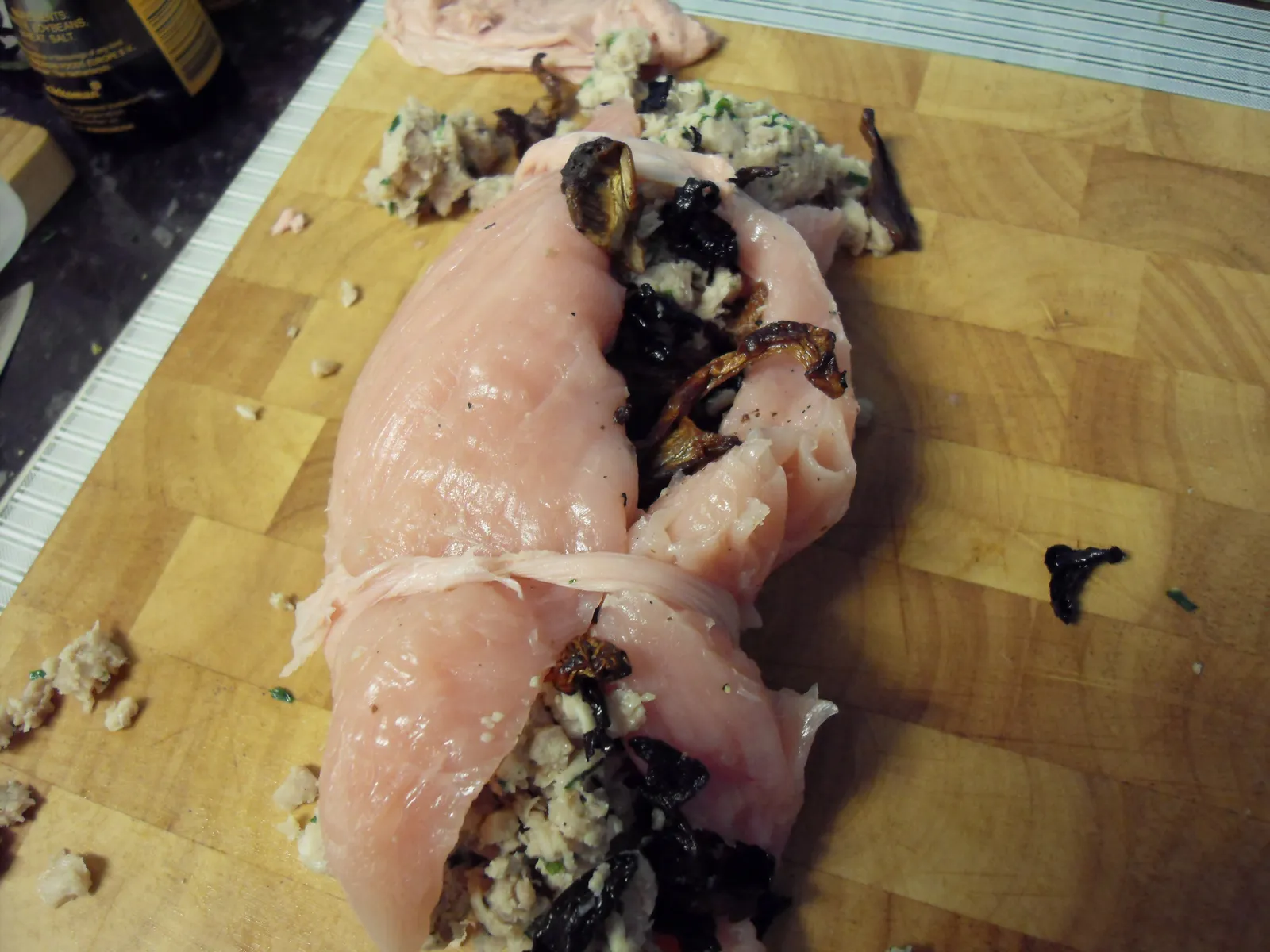
For the turkey to be juicy and perfectly cooked, it should come out of the oven when the breast hits about 165°F. For stuffing packed inside that turkey to be safe, its center must also reach 165°F to kill any harmful bacteria. Those two goals frequently clash.
If the stuffing doesn’t get hot enough, it could leave guests susceptible to food poisoning, but cooking the bird until the stuffing is safe will likely lead to overcooked meat. A stuffed turkey will generally need to be cooked for approximately an hour longer than the time listed for an unstuffed turkey. That’s an hour of extra oven time that dries out the breast meat considerably.
Salmonella in Turkey Is a Documented, Recurring Issue
In the past, stuffing a large turkey has been linked to Salmonella outbreaks. About 26,000 people are hospitalized and 400 people die from foodborne Salmonella illness annually, according to the CDC. Poultry, including turkey, is one of the most common vehicles for that bacterium.
A CDC study found that certain strains of Salmonella were more common than others among Thanksgiving turkeys, and researchers analyzing data from hundreds of thousands of Salmonella cases found that the Reading strain was most commonly associated with turkey. The stuffing-inside-the-bird method gives that bacterium a warm, moist, food-filled place to survive if temperatures aren’t managed carefully.
Stuffing the Turkey the Night Before Is Especially Dangerous
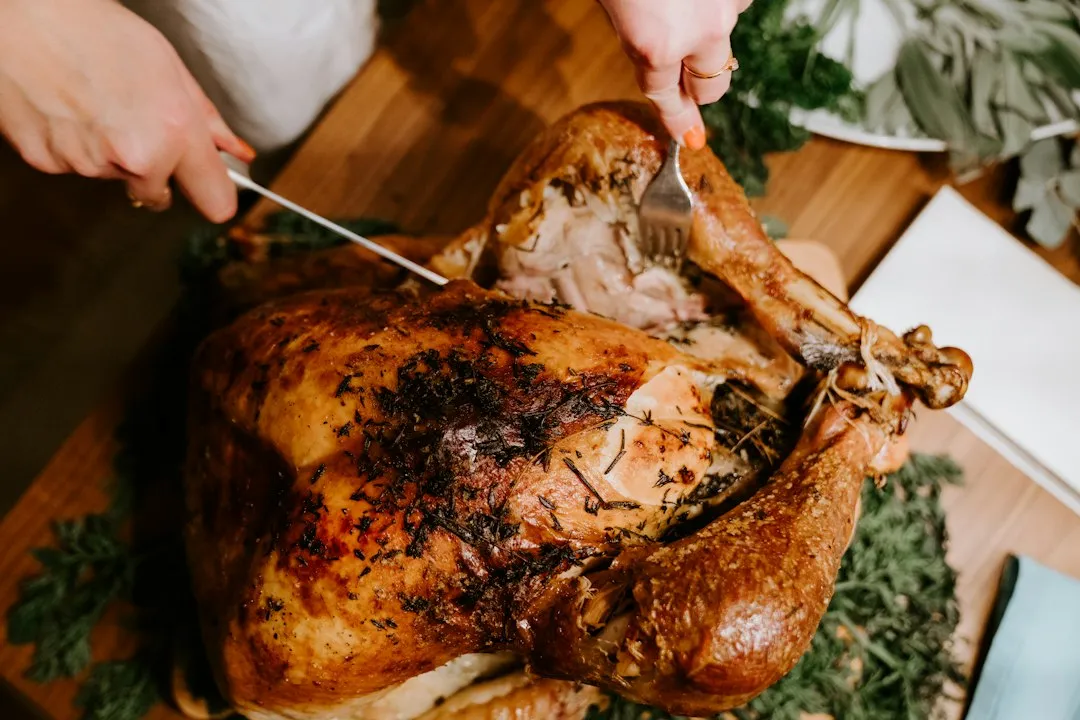
If you do choose to stuff the bird, you should never stuff a turkey the night before cooking it. Harmful bacteria can multiply in the stuffing and cause foodborne illness when a stuffed bird is refrigerated.
Placing warm stuffing inside a refrigerated bird allows the stuffing to stay in what food safety professionals call “danger zone” temperatures for too long, causing bacteria growth. Food safety guidelines specify that uncooked stuffing should not be prepared ahead of time, and that dry and wet ingredients should be prepared separately and refrigerated until needed.
Leftovers Stored Incorrectly Add Another Layer of Risk
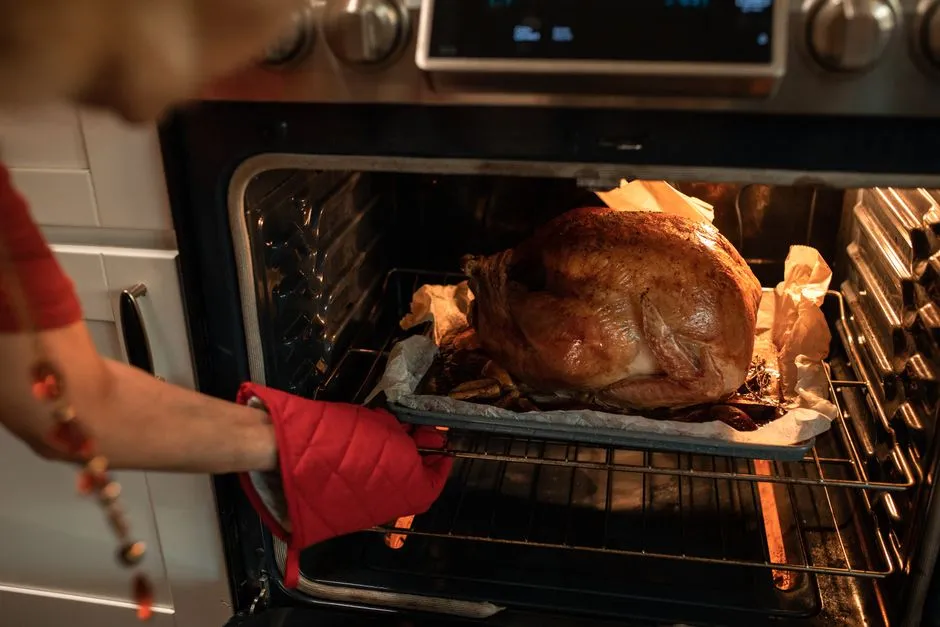
The USDA does not recommend refrigerating a whole, cooked turkey with stuffing still inside. The cooked turkey and stuffing should be refrigerated within two hours after cooking. Those two guidelines together mean the stuffing needs to come out of the bird promptly after the meal, not hours later during the cleanup.
In general, cooked stuffing should be safe to eat for three to four days after it has been cooked, provided it was properly stored. Leaving it inside the carcass while the turkey cools on the counter for three hours significantly shortens that window and raises the risk of illness the following day.
The Fix Is Simple: Cook the Stuffing Separately
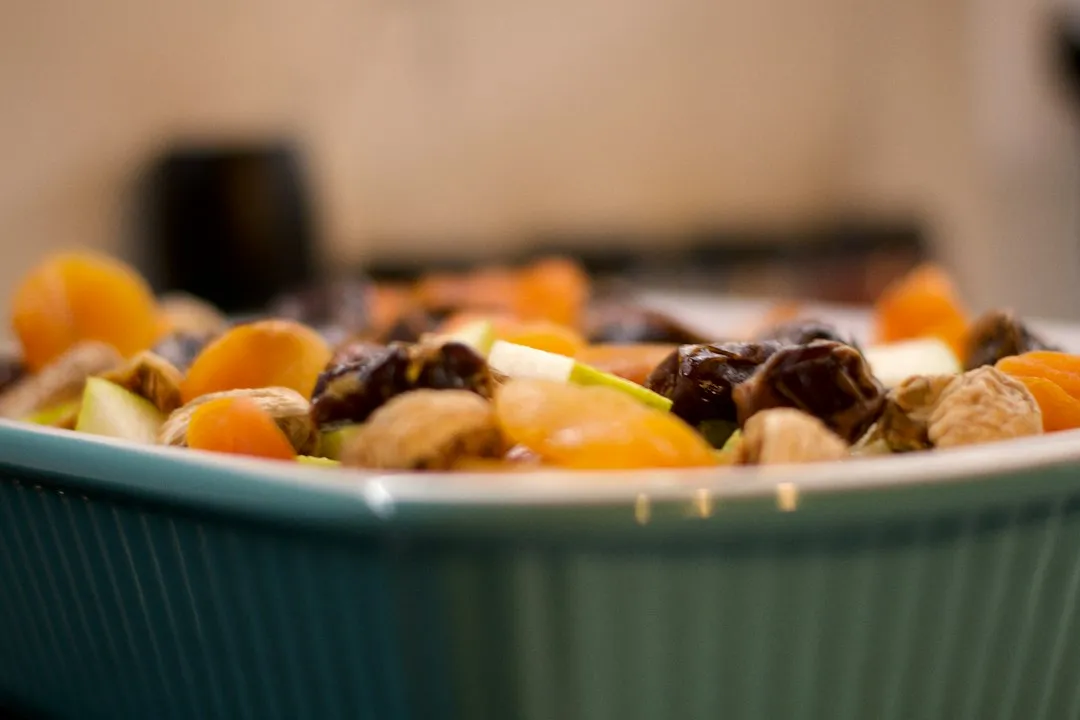
For no-worry results, opting for “dressing” instead, meaning stuffing cooked alongside the bird rather than inside it, is widely recommended. Cooking the stuffing in a separate baking dish gives you full control over its temperature, its moisture level, and its timing. Nothing about it is tethered to the schedule of a 15-pound bird.
When cooking stuffing separately, the oven temperature should be set no lower than 325°F, and a food thermometer should be used to confirm the stuffing reaches at least 165°F internally. Cooking stuffing separately also reduces the risk of overcooking the turkey itself. Both outcomes improve when you stop trying to solve them inside the same cavity at the same time.
If You Still Want to Stuff the Bird, Here’s What Experts Say to Do
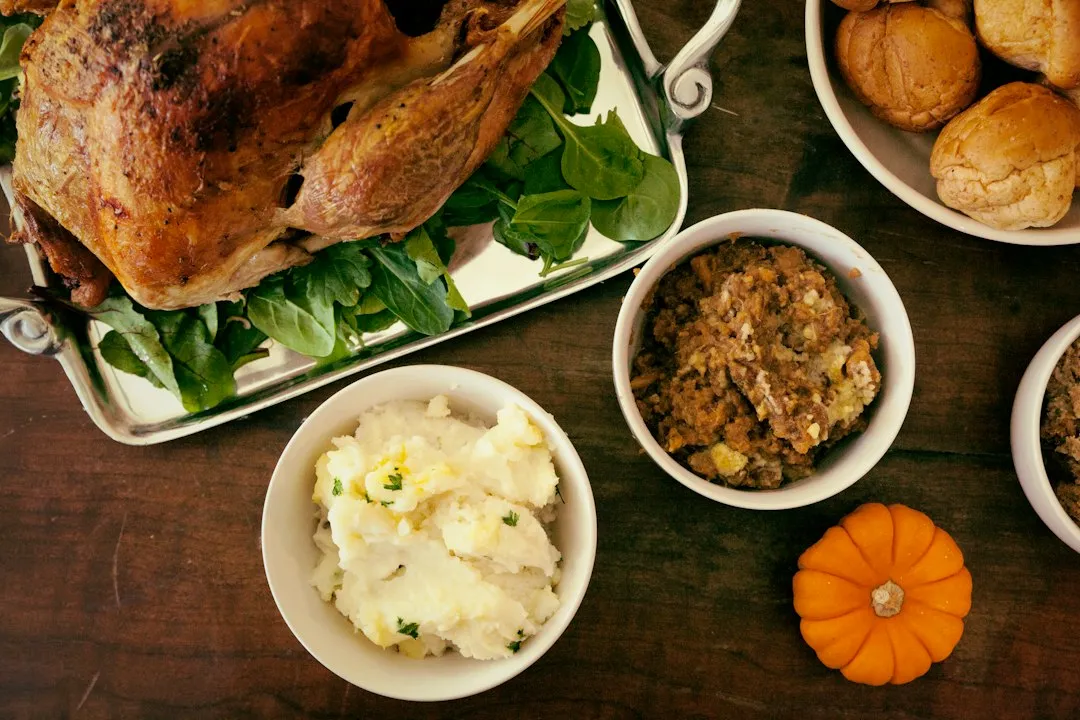
The USDA is clear that if you choose to stuff the turkey, you should cook it immediately after stuffing and use a food thermometer to make sure the center of the stuffing and the turkey reach a safe minimum internal temperature of 165°F. Giving the stuffing a head start by heating it up before placing it inside the turkey is also advisable.
You should not remove the stuffing from the turkey before it reaches 165°F, because undercooked stuffing could contaminate the cooked meat. After cooking, let the turkey stand 20 minutes before removing the stuffing and carving. Following these steps doesn’t eliminate every risk, but it significantly reduces it for those unwilling to break with tradition.
Final Thoughts
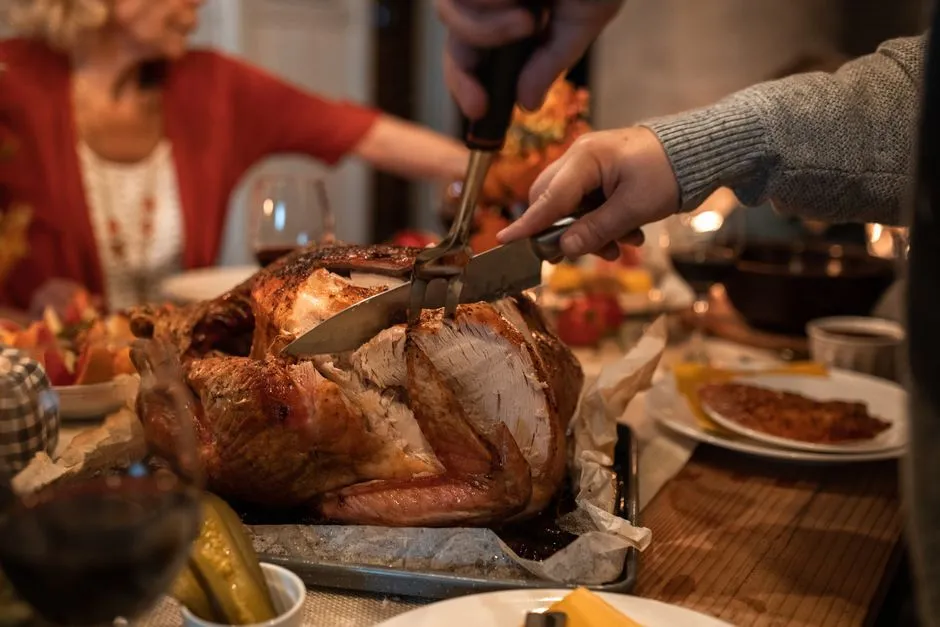
The debate over in-bird stuffing isn’t really about taste preferences. It’s about a specific, well-documented gap between what home cooks assume is happening inside their oven and what food science actually shows. The turkey can look done, feel done, and even read a safe temperature at the breast, while the center of the stuffing is still sitting below the threshold where pathogens die.
Food safety experts aren’t trying to dismantle a beloved tradition. They’re pointing out a real and solvable problem. Cooking stuffing in a separate dish solves it completely, keeps the turkey moist, and lets you control both elements without compromise. That’s not a lesser version of Thanksgiving. It’s a smarter one.
AI Disclaimer: This article was created with the assistance of AI tools and reviewed by a human editor.