

Most people tuck leftover paint cans onto a garage shelf without a second thought. It feels like the sensible thing to do: the cans are messy, they take up indoor space, and the garage is right there. The problem is that this habit, repeated in millions of homes, quietly creates a set of risks that are easy to overlook until something goes wrong.
Oil-Based Paints Are Genuinely Flammable

Many paints, especially oil-based ones, contain flammable solvents. When exposed to ignition sources such as sparks or open flames, these paints can easily catch fire. That’s not a theoretical concern. Oil-based paints contain a significant amount of hydrocarbons, which are extremely flammable.
Because they contain a high level of solvents, oil-based paints are considered flammable per OSHA. It’s important to point out that some water-based paints may also be dangerous. The distinction between “oil” and “latex” doesn’t automatically make a can safe to leave in a warm, enclosed space.
Garage Temperatures Create a Real Problem

Fluctuating temperatures in spaces like garages can cause condensation, leading to rust on paint cans and potential fire hazards from flammable fumes. During summer months, an uninsulated garage can climb well above comfortable room temperature. The ideal temperature for storing spray paint is between 60°F and 80°F to prevent issues like clogs, uneven spraying, and rusting in high humidity environments.
Paints should be stored in a climate-controlled environment to mitigate potential fire hazards and to protect the chemical consistency of each product. A garage that bakes in summer and freezes in winter is essentially the opposite of what safe paint storage requires.
Fumes Build Up Faster Than You’d Expect

Spray paint is flammable. In closed spaces with poor ventilation, fumes can build up and become a fire risk if the area gets too hot or is near heat sources like furnaces or water heaters. Most residential garages don’t have the kind of active ventilation that would keep those fumes from concentrating.
Cans that aren’t sealed tight leak fumes. Containers sitting in direct sunlight or near a water heater get warm, which accelerates vapor release. Even a can that looks perfectly intact may be slowly off-gassing if its lid isn’t fully secure.
Garage Fires Spread Faster and Cause More Damage

Garage fires tend to spread farther and cause more injuries and dollar loss than other home fires. One reason for this is the density of flammable material in a typical garage. The volatile combination of stored materials, including gasoline, propane, paints, and solvents, transforms ordinary garages into potential powder kegs where flames can intensify and spread with devastating speed.
Most garage fires burn undetected far longer than those in living spaces, silently gathering strength before discovery. This delayed detection proves especially treacherous in homes with attached garages, where flames can breach living areas through doors, ceilings, or shared walls. The presence of paint cans doesn’t start most fires, but they can dramatically worsen the outcome once a fire begins.
FEMA and Fire Safety Experts Have a Clear Position

FEMA’s U.S. Fire Administration is very specific about this: gasoline, oil, paints, and varnishes should be stored in a shed away from the home, not in an attached garage. That’s a federal safety agency issuing direct guidance, not just a general suggestion.
The recommendation is to store oil, gasoline, paints, propane, and varnishes in a shed away from your home, and to keep items that can burn on shelves away from appliances. Keeping anything you do need to store at least three feet from the water heater, furnace, or any heat-producing appliance is considered a minimum baseline.
VOC Exposure Harms More Than Just Your Lungs

Many standard professional-grade spray paints contain Volatile Organic Compounds (VOCs). VOCs are emitted as gases from certain solids or liquids and include a variety of chemicals, some of which may have short- and long-term adverse health effects. Storing multiple cans in a sealed garage concentrates those emissions.
Short-term side effects may include eye, nose, and throat irritation, headaches, loss of coordination, and nausea. Long-term side effects may be as hazardous as damage to the liver, kidneys, and central nervous system. Some organics are even suspected or known to cause cancer in humans. These are risks that compound silently over time, especially for anyone who spends regular time working in their garage.
Even when the smell fades, it does not always mean the fumes are completely gone. Low levels of VOCs may still be present, which means exposure can continue subtly beyond the initial painting period.
Children and Pets Are Especially Vulnerable

The effect that paint fumes cause can vary based on factors such as the amount of chemical in the indoor air, the length of time a person is exposed, and a person’s age, pre-existing medical conditions, and individual susceptibility. Children who play near or in the garage, and pets who rest there, face a disproportionate risk.
Maternal exposure to some VOCs found in paint may raise the risk for low birth weight, which in turn is associated with an increased risk for delayed development or learning disabilities. The research broadly suggests that paint is potentially toxic, especially for vulnerable groups such as pregnant women, young children, and the elderly.
Improper Containers Make Everything Worse

The original packaging often provides the best defense, but homeowners sometimes transfer liquids into reused containers that fail under pressure or heat. Plastic milk jugs and soft soda bottles break down quickly when exposed to solvents or acids. This is a surprisingly common habit that significantly raises the danger level.
Rigid, chemical-rated containers made from HDPE or lined metal hold up longer and reduce vapor leaks significantly. If you’ve transferred leftover paint into any random container, the risks in your garage are already higher than you realize. Combustible liquids need to be in dedicated, properly sealed containers.
Concrete Floors and Open Shelves Add Hidden Risk
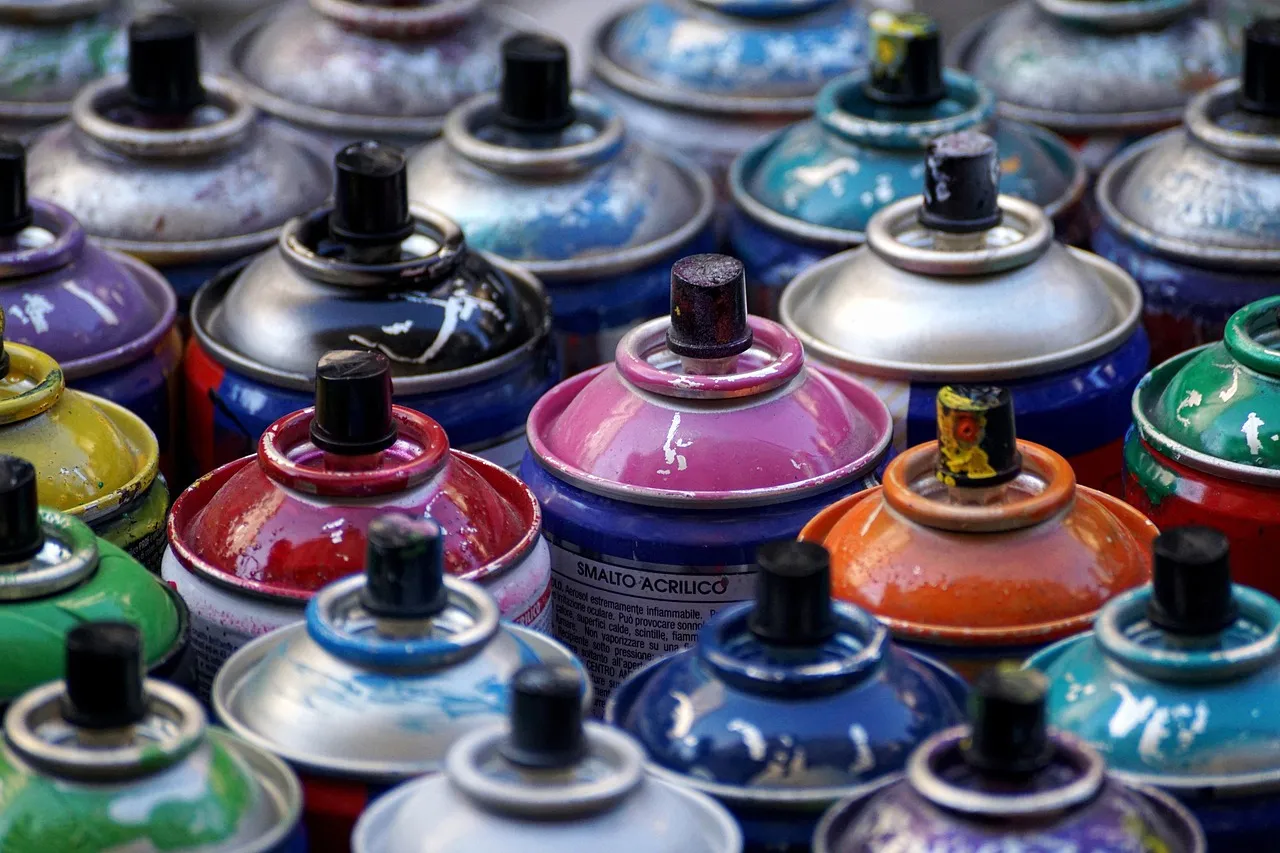
Store metal paint cans on wood or plastic shelving, not concrete. This matters because concrete can draw moisture into the base of a metal can, accelerating rust and eventual seal failure. Most homeowners place cans directly on the garage floor without knowing this.
Paint cans are often lined up on open shelves for easy access. Paint is flammable, and fumes can build up in a closed garage. If a can leaks or tips over, it can create a fire risk. Liquids degrade, release harmful fumes, and can potentially react with the environment when left in random corners or mixed among tools. Cluttered setups create blind spots that make leaks and chemical exposures more likely.
Home Insurance May Be Affected

Storing paint in your garage could potentially increase your home insurance premiums. Due to the fire risk associated with storing paint, some insurance companies may increase your premiums if they discover you’re storing large quantities of paint in your garage. It’s worth a conversation with your insurer before assuming your current coverage is unaffected.
It’s a good idea to check with your insurance company about their policies regarding paint storage in the garage. It might be more cost-effective in the long run to dispose of old paint or store it professionally. Most counties run free hazardous waste collection events where old paint can be dropped off safely.
The Safer Path Forward
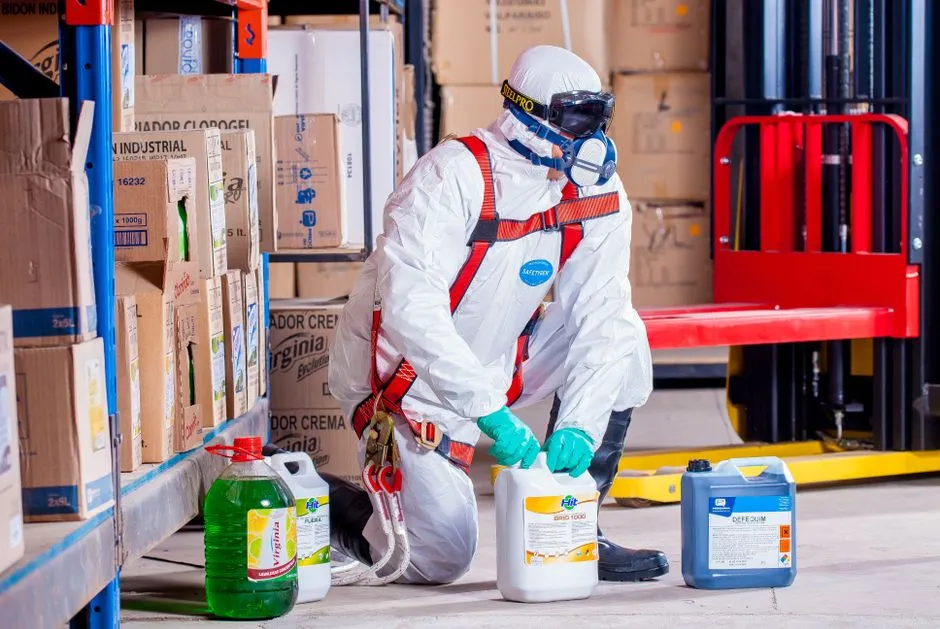
The core takeaway here isn’t to panic over a few leftover cans from your last interior project. It’s to stop treating the garage shelf as a neutral dumping ground for flammable materials. A basement or utility room with stable temperatures is a much better choice for paint storage. Just make sure it’s dry, out of direct sunlight, and away from extreme heat sources.
If you’re not going to use something again, take it to your local hazardous waste collection day. Most counties run them a few times a year, and they’re free. A little mindfulness about where paint lives in your home goes a longer way than most people expect.
AI Disclaimer: This article was created with the assistance of AI tools and reviewed by a human editor.