

Cold Air Simply Cannot Hold Much Moisture

The root of the whole problem starts outside, before any of it touches your home. In winter, temperatures are colder, and cold air holds less moisture than warm air, which produces a lower humidity level and less water vapor in the air overall. That’s not a minor difference – it’s a fundamental change in the character of the air around you.
Water vapor works to conduct electrical charge away from you. Less water vapor means your body can hold on to a higher charge, and a higher charge means a greater discharge. So every step you take across the carpet, every time you pull on a sweater, the charge that builds up has nowhere to go.
Water Vapor Is a Natural Charge Conductor
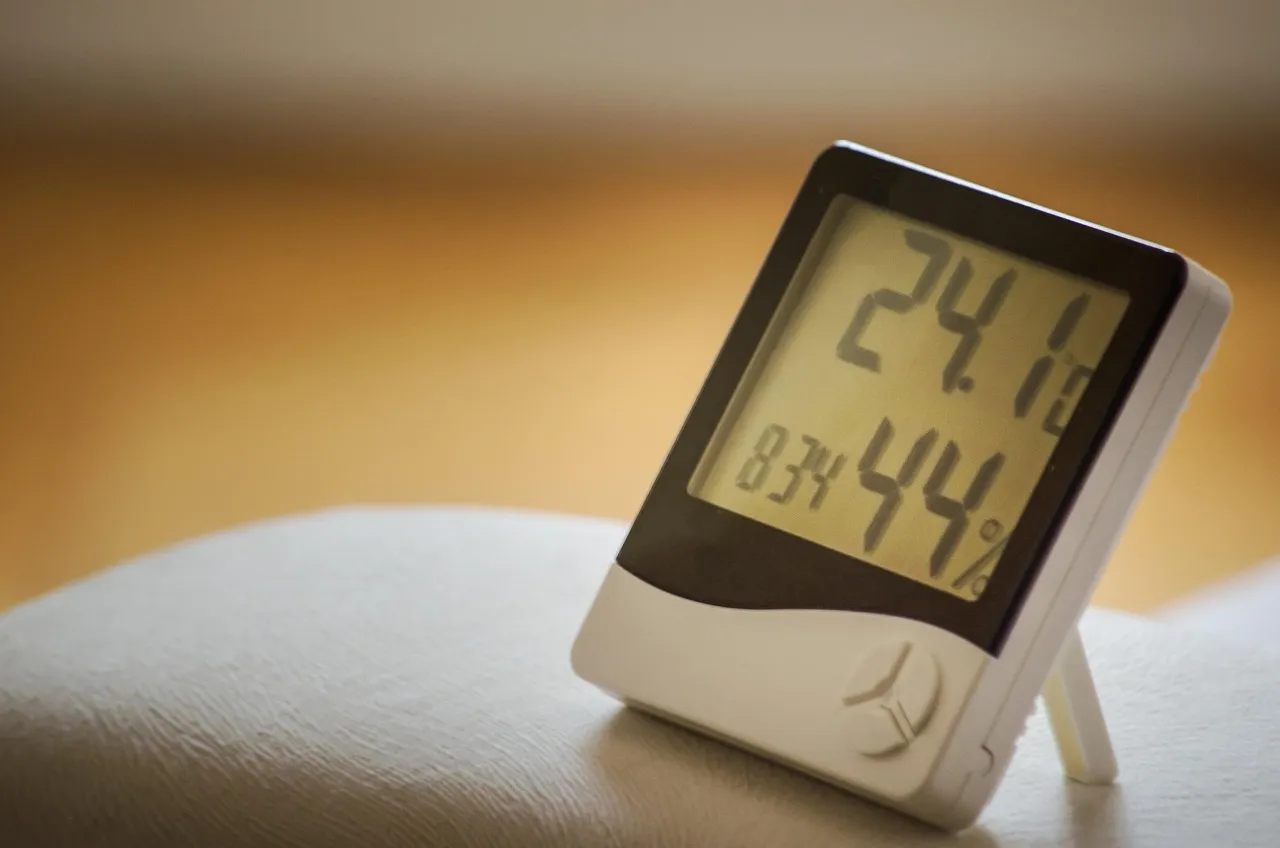
In the warmer months, the air holds much more water, and water is an excellent conductor. If any static charge builds up on objects in our homes, the water in the air allows a path for electrons to flow and restore neutral charge to those objects. It’s a passive, invisible process that we never notice precisely because it works so quietly.
When the relative humidity is high, there’s a higher concentration of water molecules present in the air. These water molecules coat the surface of materials, allowing electrons to move more freely and form a layer over the material. This layer of water molecules acts like a lubricant, reducing the forces that cause static to generate. Winter strips that lubricant away entirely.
Indoor Heating Makes Things Even Drier
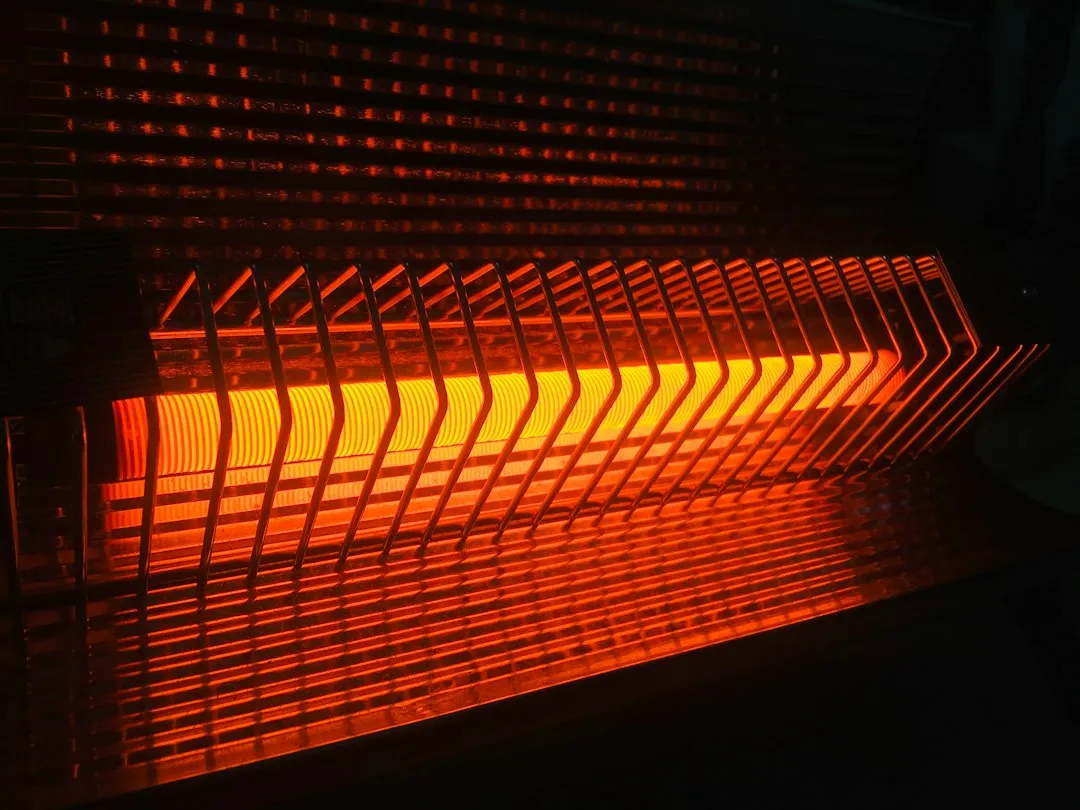
Central heating systems enhance the issue. When we use central heating to warm a space in winter, the process heats and dries the air, reducing humidity even further and promoting static electricity buildup. The very thing keeping you comfortable is quietly making the static problem worse.
The furnace in your house pulls in dry air from outside and heats it up. If the temperature outside is 35 degrees with a dew point of 10 degrees, the relative humidity outside is 35%. If your furnace pulled that dry air into your house and heated it from 35 degrees to 70 degrees, the relative humidity of that air would drop to just 9.6%. That’s a dramatic plunge – and it happens every day during heating season.
Indoor Humidity Levels Fall Far Below Safe Thresholds
In winter, sometimes humidity levels inside homes can drop to as low as 15 or even 10 percent. This is far below the optimal U.S. Department of Energy-recommended indoor humidity range of 30 to 50 percent. At those extremes, static isn’t just annoying – it’s a sign that the indoor air quality has drifted well out of a healthy range.
An indoor humidity of less than 40% relative humidity is quite typical in an unhumidified commercial building in winter, when the outside temperature falls below 10°C. Heating that cold air up to around 21°C, without adding any additional moisture, would easily take the air below the static threshold. Offices and schools face this challenge just as much as private homes do.
The Role of the Triboelectric Effect

When materials rub against another object, such as your skin or another piece of clothing, electrons are transferred. This process, known as triboelectric charging, results in one object gaining electrons and becoming negatively charged, while the other loses electrons and becomes positively charged. The name sounds technical, but the experience is familiar to everyone.
It is well known from common experience, especially in cold climates with low ambient humidity, that when two dissimilar fabrics rub against each other they gain static electricity, a phenomenon known as triboelectric charging. The combination of cold, dry conditions and constant fabric-on-skin friction is essentially a perfect static-generating engine.
Synthetic Winter Clothing Is a Major Culprit
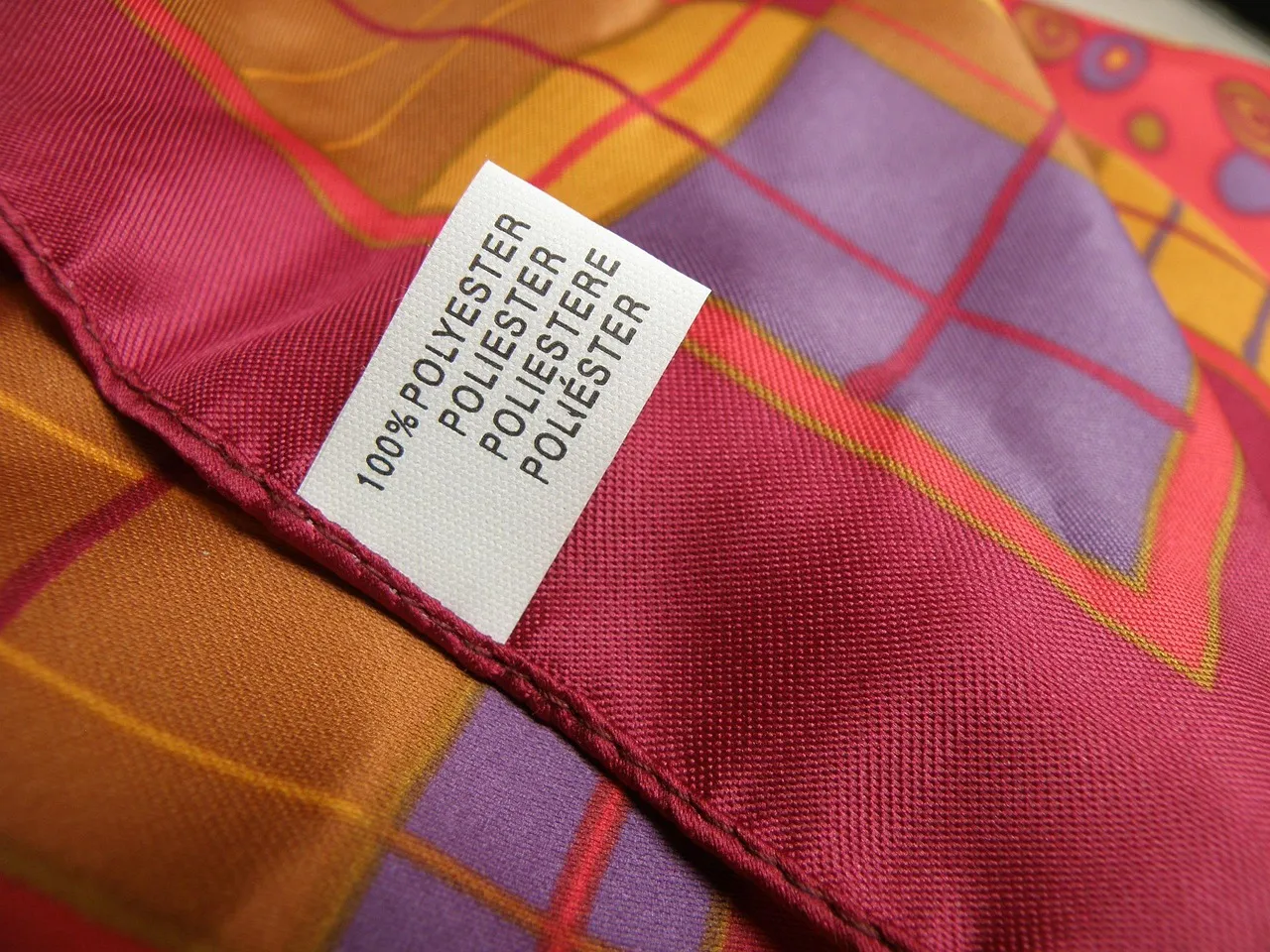
Synthetic fibers like polyester, nylon, and acrylic are particularly prone to static electricity because these materials are made from petroleum products. What this really means is that they are essentially plastic, which is a poor conductor of electricity. Charge builds up on these fabrics and simply stays there, waiting for a chance to discharge.
Synthetics like nylon and polyester are more prone to static because they don’t conduct moisture as well as natural fibers, making them more likely to hold a charge. Wool fibers, commonly used in autumn-winter clothing, are also prone to generating static electricity, leading to discomfort and safety concerns for wearers, posing a long-standing challenge for the textile industry. The fabrics we reach for most in cold weather are, unfortunately, the ones that make everything worse.
Rubber-Soled Winter Shoes Prevent Natural Grounding

Many winter shoes have thicker rubber soles. That’s effective for insulation and comfort, but it also reduces your ability to naturally dissipate static electricity charge into the ground. So your body stays charged longer – until you touch something metal. It’s a small detail that most people never consider.
The ground, when you can reach it through a conductive material, acts as a massive reservoir that absorbs excess charge harmlessly. Thick-soled boots cut that connection entirely, so the charge accumulates across your whole body until the next time you reach for a door handle or shake someone’s hand.
Carpet and Indoor Surfaces Amplify the Problem
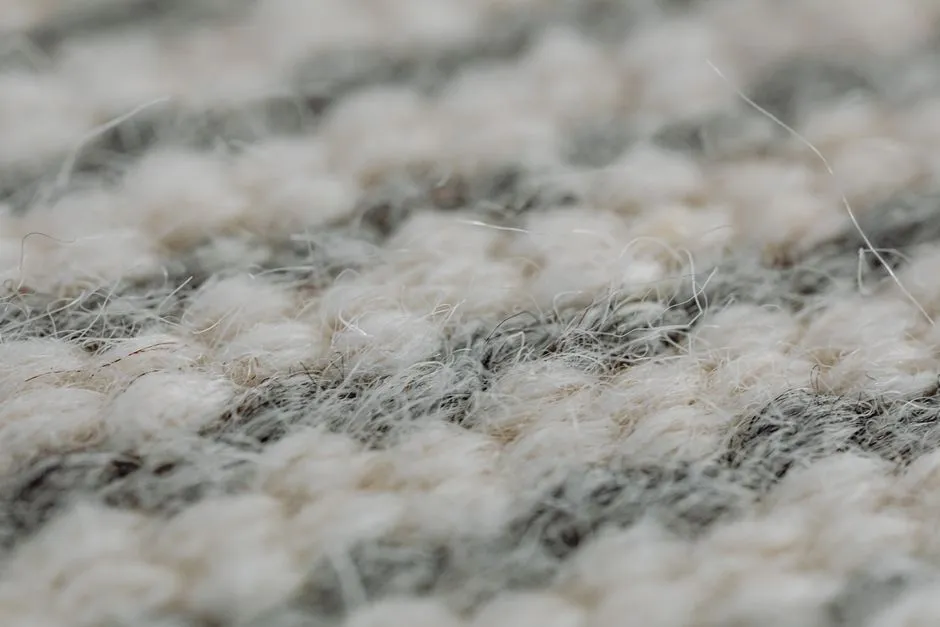
When you walk across a wool carpet in rubber-soled shoes, your shoes pick up electrons and become negatively charged. Your body, being over 60% water, is a good conductor and the charge quickly spreads through your body. Without water in the air, the excess electrons can’t flow away from your body to restore neutrality. You reach for a doorknob made of metal and electrons jump from your hand to the doorknob, resulting in a shock.
These charges get built up through friction, like when you’re walking across carpet in thick wool socks or putting warm flannel sheets on the bed for the winter. The ordinary routines of winter living – getting dressed, walking through a warm house, pulling back the covers – all generate charge steadily throughout the day.
Static Electricity Has Real Consequences Beyond a Shock

There are many applications where static only appears when the seasonal climate changes. Issues can manifest in the form of nuisance shocks to operators, materials jamming, tearing or curling, product sticking to itself and to rollers, dust clinging to product, and many more. In industrial and manufacturing settings, this is a serious operational concern, not just a minor irritation.
Static electricity has a more important message to deliver than just wardrobe malfunctions or tactile discomfort. When static electricity is on the rise inside your space, it also means humidity is on the decline. Along with drier indoor air comes a whole host of indoor air quality issues that can affect your health and home safety. The shock is the signal; the dry air is the deeper problem.
Practical Ways to Reduce Static in Winter

By adding a humidifier or bowls of water to your home, you increase the water vapor present and increase the relative humidity. Most guidance targets 40 to 60% relative humidity for static suppression, with 45 to 55% as the commonly cited optimal range. Maintaining relative humidity within that range continuously, rather than averaging toward it with large fluctuations, is what actually keeps charge accumulation below damaging thresholds.
To reduce static electricity in your home during winter, consider using a humidifier to increase moisture levels in the air. Wearing clothes made from natural materials like cotton, wool, or cashmere can also help, as these fabrics don’t hold static charges as easily as synthetic ones. There are other benefits to maintaining indoor humidity above 40% relative humidity beside reducing static. A level of 40 to 60% is recommended by CIBSE in its Health and Wellbeing in Building Services guidance. At this humidity, our respiratory immune system functions optimally, and the quantity and infectious nature of many airborne viruses is significantly reduced.
The Bigger Picture: It’s All Connected
AI Disclaimer: This article was created with the assistance of AI tools and reviewed by a human editor.