
It’s Not a Glitch. It’s the Third Response
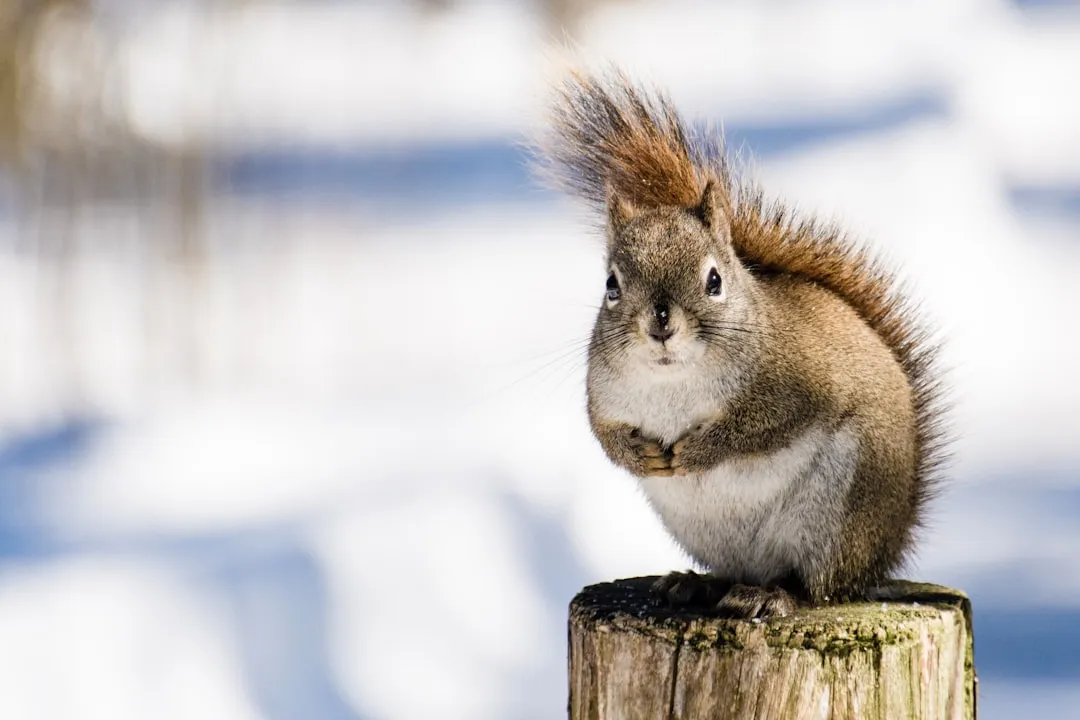
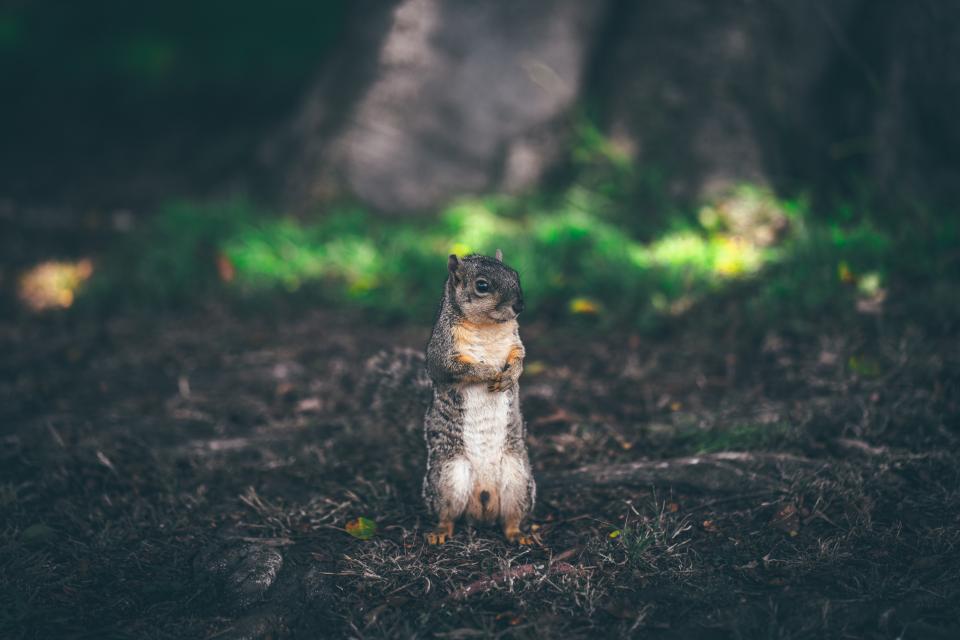
Most people know the phrase “fight or flight,” but there’s a third option that tends to get overlooked. “Freeze” is very much another viable option in the animal kingdom, and the freeze state is not helplessness. It is a calculated pause in which the animal gathers maximum information before committing to action. For squirrels, that window of stillness can be the difference between a clean escape and becoming someone else’s meal.
Squirrels freeze quite often, and the causes of freezing can be avoiding an attack, observing the surroundings, or an alternative to “fight or flight.” What feels sudden and inexplicable to a human observer is, for the squirrel, a structured decision. The pause has a job.
The Amygdala Is Doing the Heavy Lifting
The sudden appearance of large, fast-moving objects activates the amygdala, the brain region responsible for fear processing. In squirrels, this system is extraordinarily sensitive. It doesn’t wait for confirmation before firing off an alarm signal. Speed matters more than accuracy when your life is on the line.
The amygdala circuits are thought to be critical for expressing both innate and learned fears. Researchers have identified a population of neurons in the basolateral complex of the amygdala that fire persistently during innate fear-evoked immobility. This isn’t a learned trick, it’s hardwired from birth. A young squirrel that has never seen a hawk will still freeze at the shadow of one passing overhead.
The Eyes Have a Head Start on the Brain
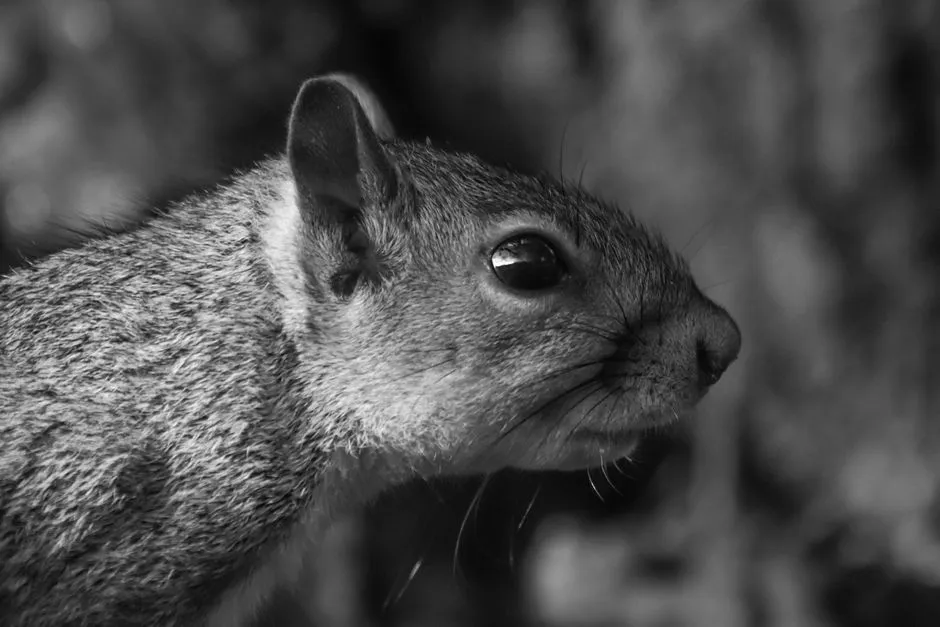
Squirrel vision is specifically adapted for spotting danger. Ground squirrels often stand bolt upright to scan their surroundings, a behavior that extends their line of sight across open terrain. Their retinas contain a specialized pathway for fast visual signal transmission, essentially a high-speed connection between the light-detecting cells in the eye and the brain. This system is tuned for their daytime, predator-aware lifestyle and helps explain why squirrels react to movement so quickly.
A shadow passing overhead or a slight motion in the periphery triggers an immediate response, often before the squirrel has even identified what moved. The freeze comes first, identification comes second. It’s a safety-first architecture with no room for slow deliberation.
Stillness as Camouflage
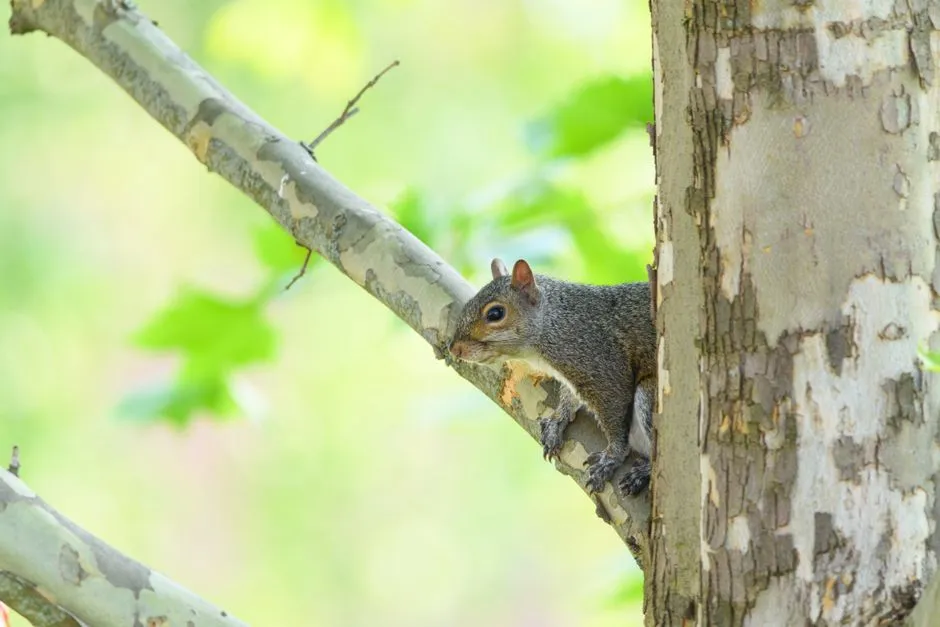
Squirrels freeze as a defensive mechanism to avoid detection by predators. By remaining motionless, they blend in with their surroundings and become less visible. Many predators, particularly birds of prey and cats, rely heavily on detecting movement. A squirrel that stops moving in the right spot becomes part of the background.
Keeping super still is a defense in itself, since many predators’ eyes are based on detecting movement. Meanwhile, the squirrel is tensed up like a spring and can bolt very quickly. This is the key part of the illusion. They look frozen, but they’re coiled. The stillness is always temporary and always purposeful.
The Stop-Dodge-Dart Technique
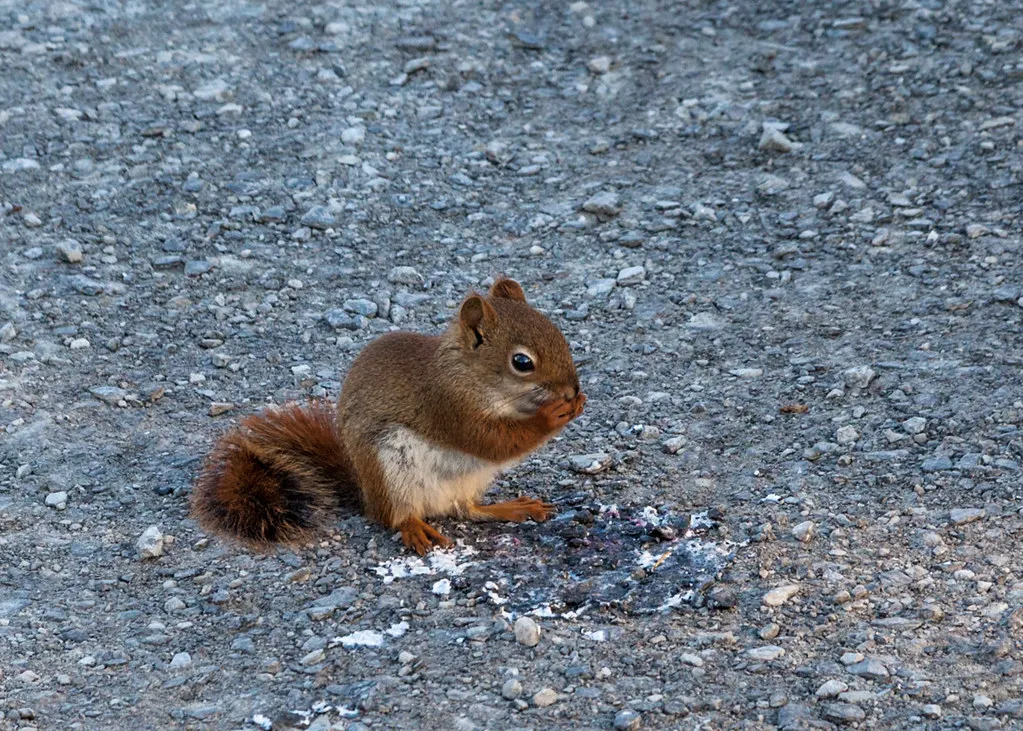
Squirrels often stop mid-run as part of their predator evasion strategy, utilizing the “stop, dodge, and dart” technique. This sudden pause can confuse predators, giving the squirrel an advantage in escaping. The freeze is not the end of the sequence, it’s the hinge point. What follows can be a sharp turn, a sprint back in the original direction, or a climb that changes the entire geometry of the chase.
Their erratic, unpredictable movement patterns serve a specific defensive purpose. When a squirrel zigzags across a lawn or freezes mid-step before darting in an unexpected direction, it’s making itself harder to catch. Research published in Nature Communications confirms that unpredictability of escape trajectory is one of the strongest predictors of successful predator evasion in small rodents, with less predictable movement trajectories associated with significantly better escape outcomes.
What Happens Inside the Body During a Freeze
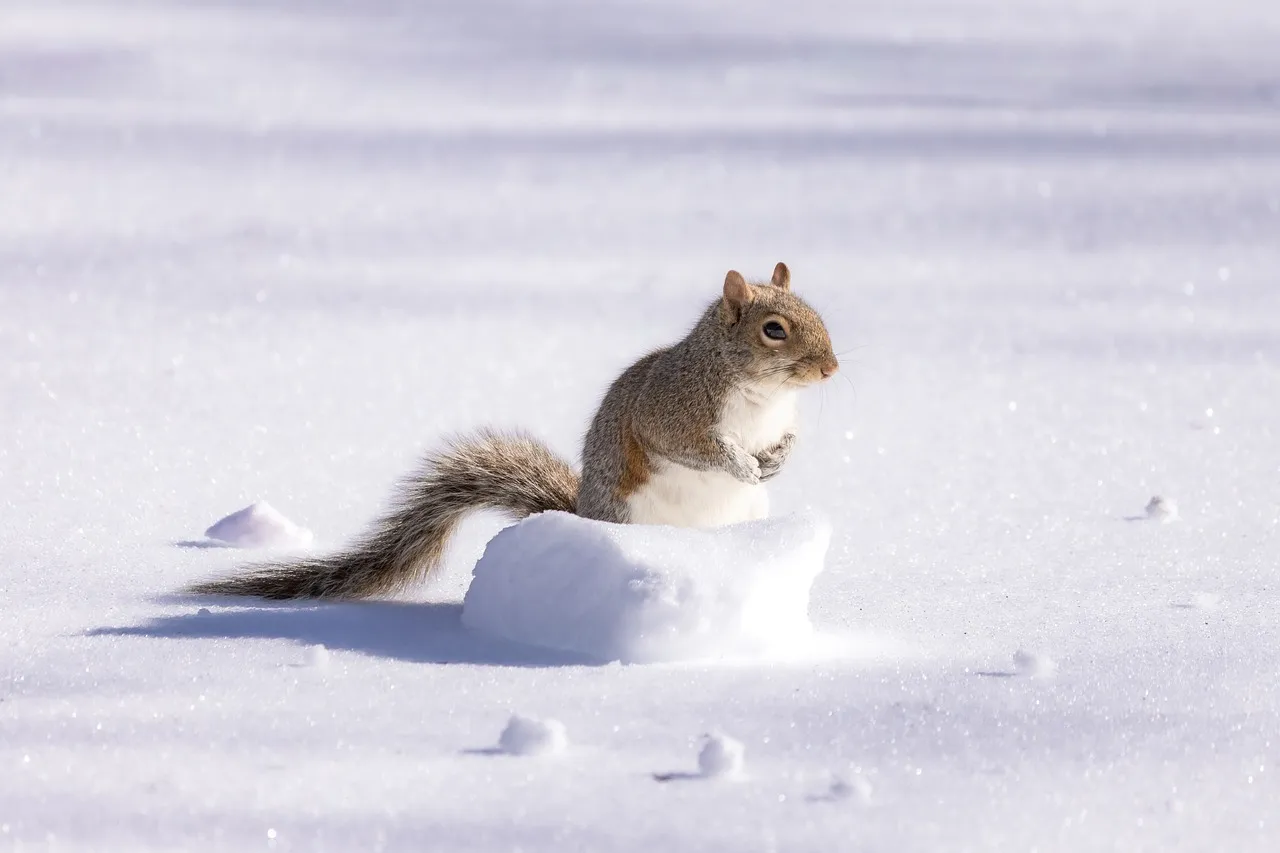
When an animal freezes, their body functions change as well. Blood pressure and heart rate rise, and the animal starts breathing faster. From the outside the squirrel looks calm, maybe even bored. On the inside, it’s running a full physiological emergency protocol. Every muscle group is primed for instant release.
This internal state sits right at the edge between two opposing demands: absolute stillness and explosive readiness. The stare also allows the squirrel to monitor proximity and trajectory, helping it decide whether to retreat to a safe location or to remain in its current position. This behavior is not just defensive but also energy-efficient, as squirrels avoid unnecessary escapes that could waste valuable calories.
Freezing vs. Tonic Immobility: They’re Not the Same Thing
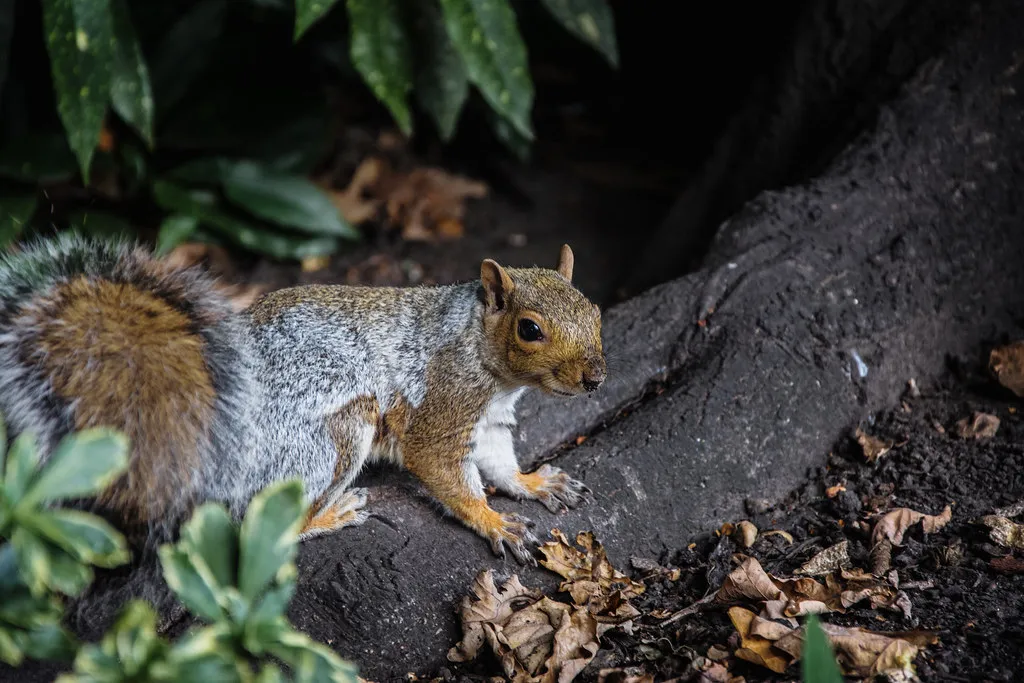
There’s a meaningful distinction in animal behavior research between a standard freeze and something called tonic immobility. Both freezing and tonic immobility involve an animal stopping its movement when facing a predator, but the two behaviors serve different purposes and occur at different points in the predator-encounter sequence. A freezing response is triggered almost as soon as an animal spots a predator, and suspending all movement at this stage helps it avoid detection. Tonic immobility, however, is in most cases initiated when a predator actually catches a prey. The animal’s sudden motionlessness either distracts the predator or makes it lose interest in its prey, offering the prey animal a chance to escape.
Tonic immobility, which can appear as “playing dead,” is considered evolutionarily advantageous for survival during attack, as predators are less likely to attack prey that is already perceived to be dead. The mid-run freeze you observe in a park is most likely the first type, a proactive scan and assess, not the last-resort shutdown of tonic immobility.
Urban Squirrels Have Recalibrated Their Threat Thresholds
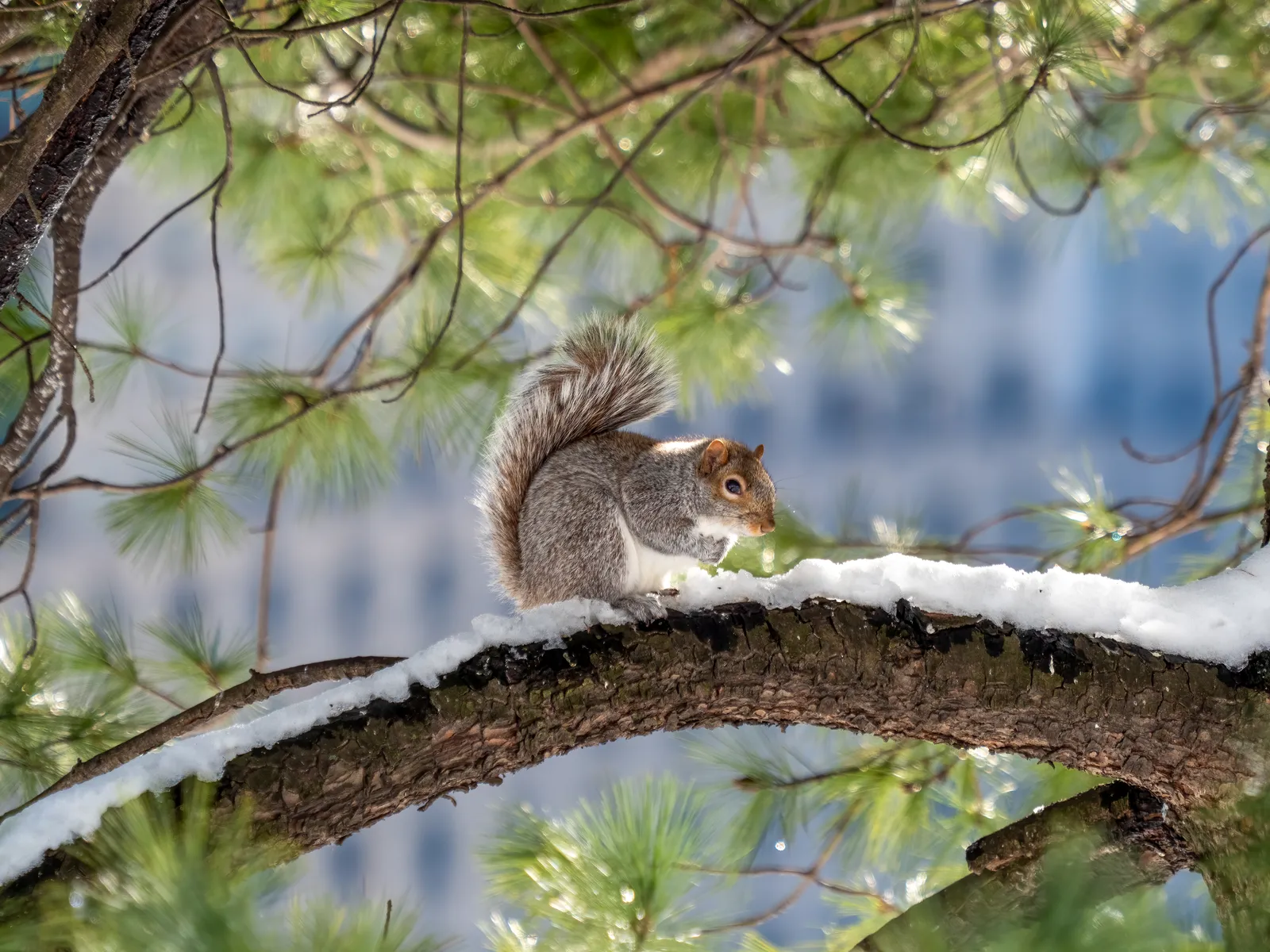
Research has found that rural squirrels possess flight initiation distances two to three times longer than those of urban squirrels. Squirrels in rural areas also lower their flight initiation distance in autumn, but no seasonal difference is observed in urban squirrels. City squirrels have essentially recalibrated their danger threshold through constant exposure to people, which is a quiet form of real-time adaptation happening right in front of us on park benches and footpaths.
Their response is highly sensitive to the human’s behavior. They are significantly more likely to flee if the human moves off a predictable path and looks directly at them. A 2024 study published in Frontiers in Ecology and Evolution confirmed that wildlife species must adapt to both direct and indirect human disturbances to survive, and squirrels avoided predators by reducing their activity during times when threats were present, a behavior amplified in spring.
Young Squirrels Freeze More, and for Good Reason
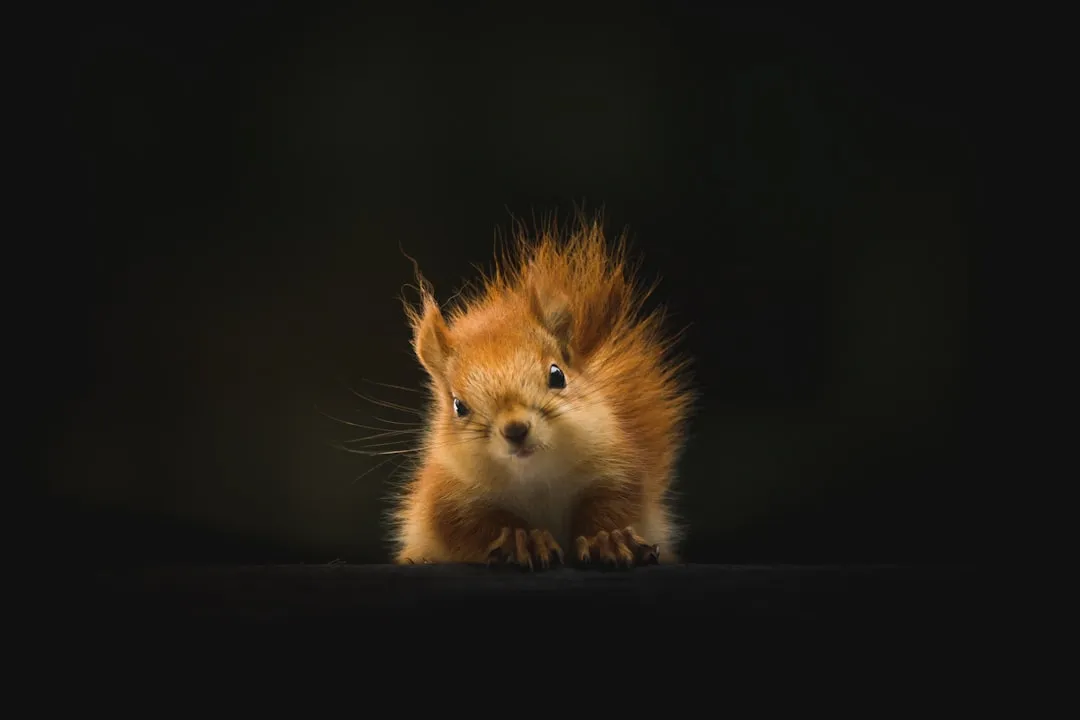
Young squirrels may freeze more frequently because they are still learning about the world and haven’t yet developed the same level of awareness and agility as adults. It makes sense. Until a squirrel has catalogued what is dangerous and what isn’t, defaulting to stillness is the safest bet. Freezing costs energy but not nearly as much as a failed escape attempt.
If another animal of the same species is invading their space, squirrels can freeze and attack after a few seconds. Another possibility is that after they freeze, they realize that the situation is too dangerous and then decide to run away. These reactions are often connected, and often there is more than one reason that triggers freezing behavior. Experience gradually narrows down which response to lean on, but the freeze remains available throughout a squirrel’s life as a foundational option.
When the Same Instinct Becomes a Liability
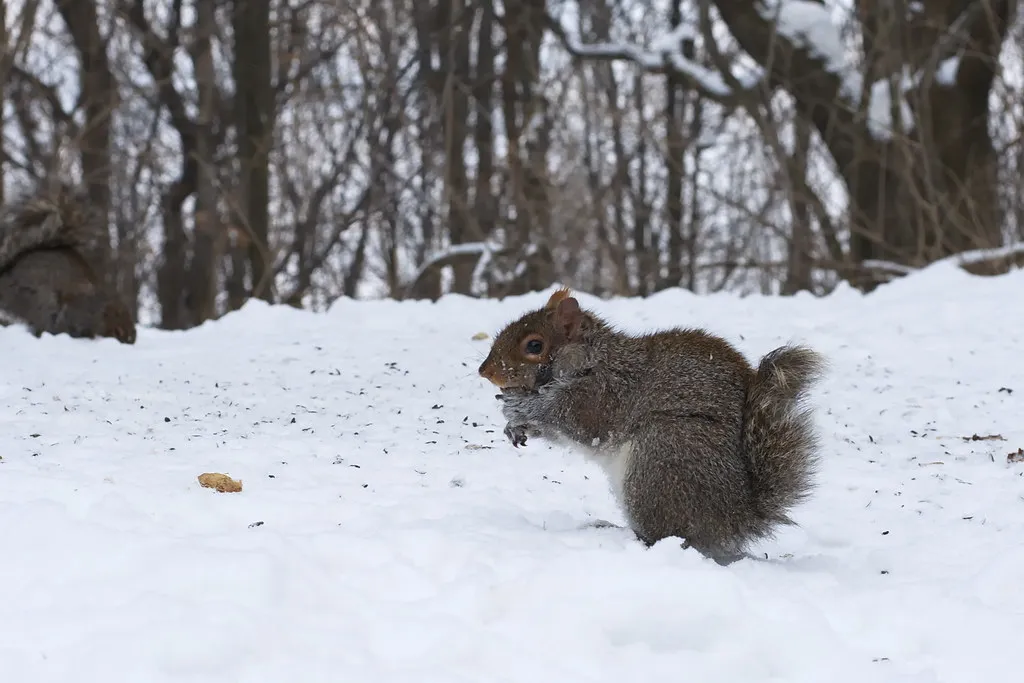
This behavior isn’t random or foolish; it’s rooted deeply in evolutionary biology. The freezing response is a survival mechanism shaped over millions of years, designed to outwit predators, but one that doesn’t always translate well in the age of high-speed automobiles. A squirrel that freezes in front of a hawk gains precious seconds. A squirrel that freezes in front of a car does not.
Their brains are wired for rapid threat assessment based on cues from the natural world, not traffic lanes and engine noise. This mismatch between ancient instincts and modern environments creates what scientists call an “evolutionary trap.” A 2025 study in Royal Society Open Science further confirmed that prey that coevolve alongside their predators develop specific antipredator responses to reduce their predation risk, and red squirrels are one such prey species who share an evolutionary history with predators like the pine marten. Evolution moves slowly. Cities did not give squirrels enough time to catch up.
The Bigger Picture of a Small Pause
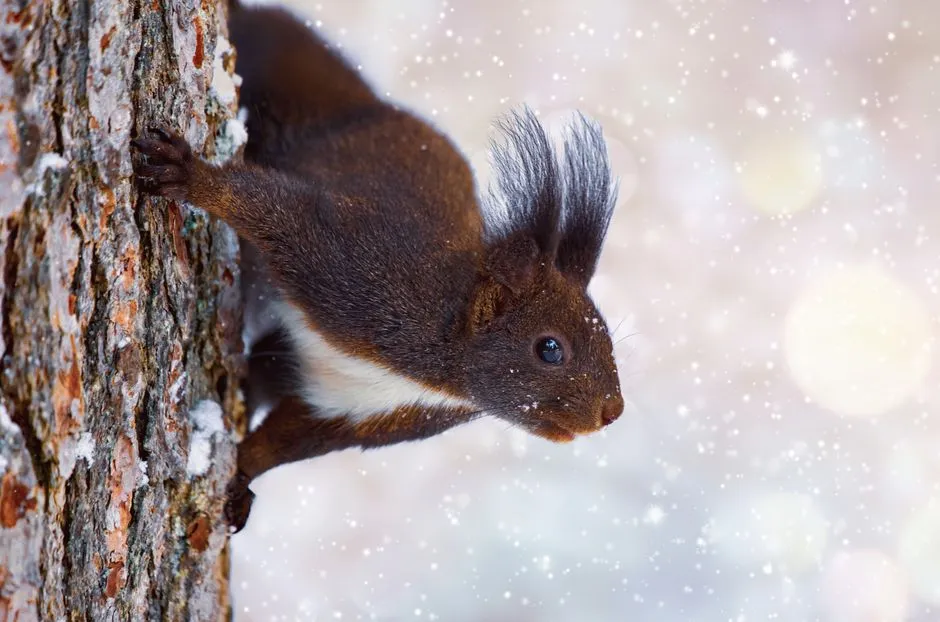
That fraction-of-a-second freeze in your yard or on the sidewalk is actually a window into one of the oldest survival systems in nature. What looks like a momentary glitch is, in reality, a compressed sequence of threat detection, neural signaling, physiological readiness, and strategic decision-making. It happens faster than you can consciously process it.
Squirrels have been refining this behavior for millions of years, and it genuinely works against the predators they evolved alongside. The fact that it sometimes fails against cars or lawnmowers isn’t evidence of a flawed system. It’s evidence that some environments are simply too new. The freeze is still doing exactly what it was designed to do. The world just changed faster than the wiring could follow.
AI Disclaimer: This article was created with the assistance of AI tools and reviewed by a human editor.