
The Basic Mechanics: Why Bark Has to Go
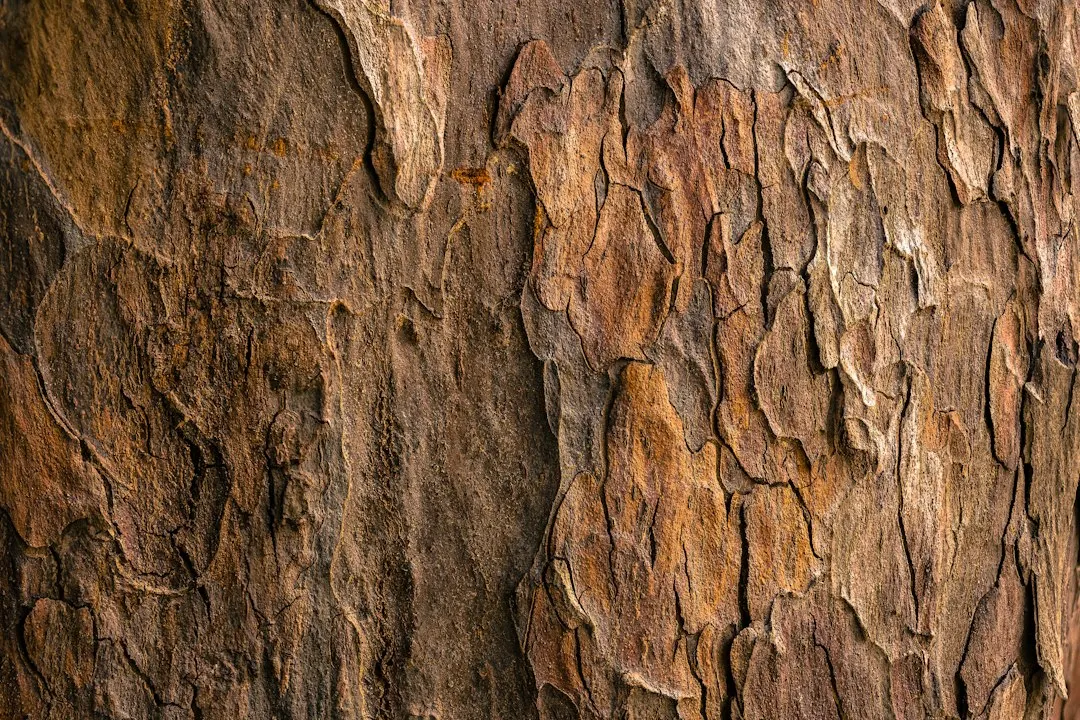
At the most fundamental level, bark peels because trees keep growing but their outer layer cannot keep up. Trees grow radially from the inside out, meaning the trunk’s diameter continuously increases throughout its life, and because the outer bark is composed of rigid, dead cork cells, it cannot stretch to accommodate this outward pressure. Something has to give.
This pressure causes the inelastic outer layer to crack and split, leading to its eventual detachment, allowing the new, larger layer of bark underneath to form a fresh protective covering. Think of it less like damage and more like a tree outgrowing its own skin.
The Layered Architecture of Tree Bark
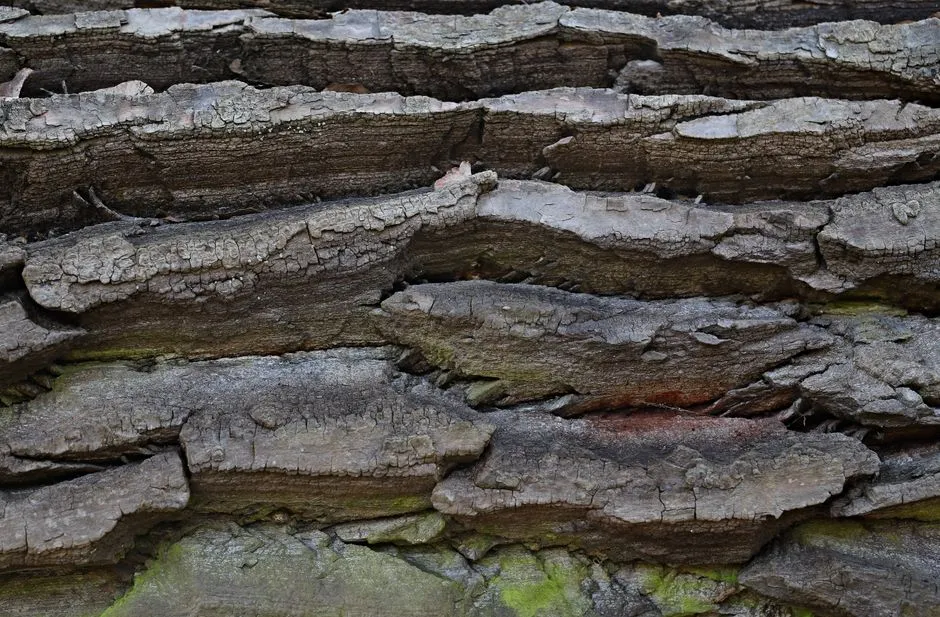
The inner layers of bark are living tissue, while the outer bark – the part we see – is essentially dead cork tissue produced by a layer called the phellogen, or cork cambium. This distinction matters enormously for understanding why peeling happens.
The outer layers of bark are dead tissue and cannot grow, so the outer bark must split in order for the tree to grow in diameter. The inner bark is living and forms a new protective coat as the outer bark pulls apart. It’s a continuous relay between the dead and the living.
Not All Trees Peel the Same Way
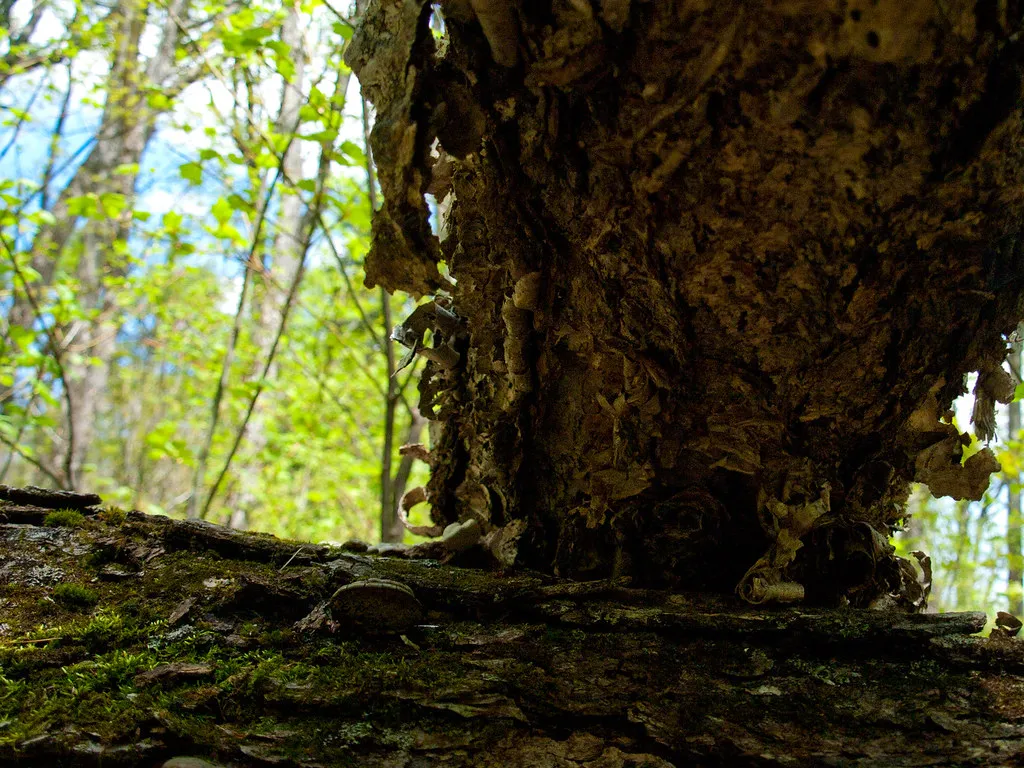
Bark may peel or fall off a tree in sheets (river birch), plates (white oak, sycamore, pine), strips (shagbark hickory, cedar), or blocks (dogwood). The pattern depends on the structure and thickness of the outer layers, not on any single shared cause.
Trees with thin, papery outer bark tend to peel in sheets, while trees with thick, corky bark tend to crack into furrows and shed in chunks or strips. Species-specific bark chemistry also plays a role. The presence and composition of compounds like lignin, cellulose, and suberin affect the brittleness and overall peeling behavior of the bark.
The Birch Tree: A Master of the Paper Sheet
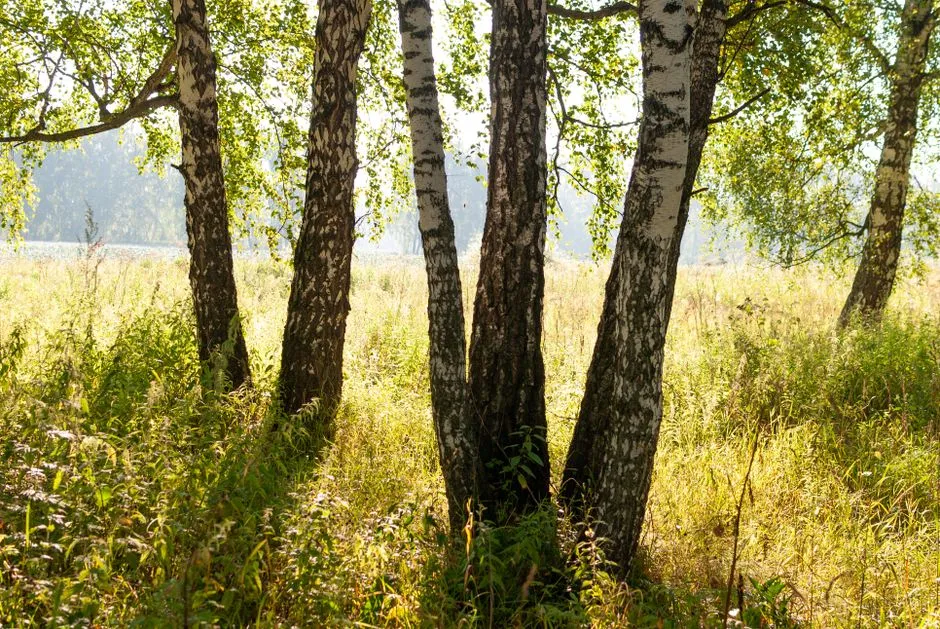
The papery bark of a birch tree is called the phellem, consisting of multiple layers of dead, thin-walled cells, and the white color comes from betulin, a triterpenoid compound found abundantly in those outer bark cells.
In most trees, the cork cambium forms a continuous layer that produces new bark cells, resulting in bark that stretches and remains firmly attached. In birch trees, however, the cork cambium does not form a single continuous cylinder. As the inner wood expands radially, the old, non-stretching outer phellem layer is forced outward and detaches in thin sheets because it is not tightly bonded to the new layer underneath.
Pest and Parasite Defense: Shedding Unwanted Guests
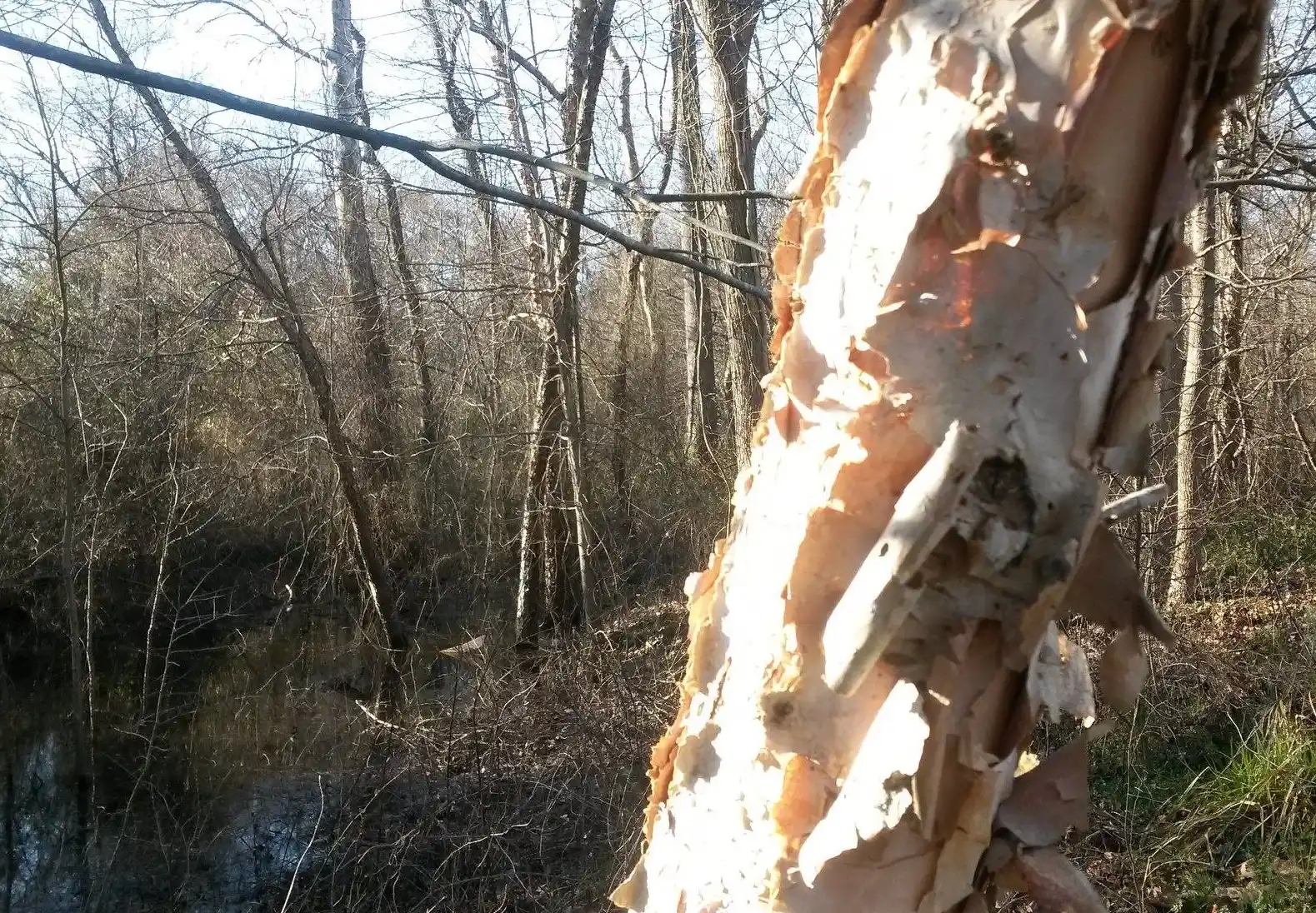
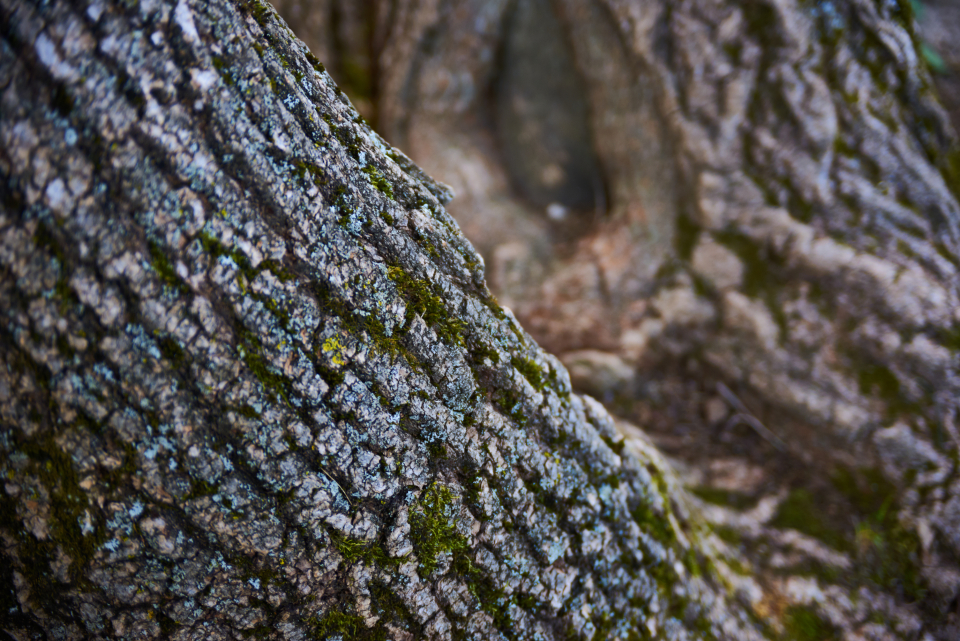
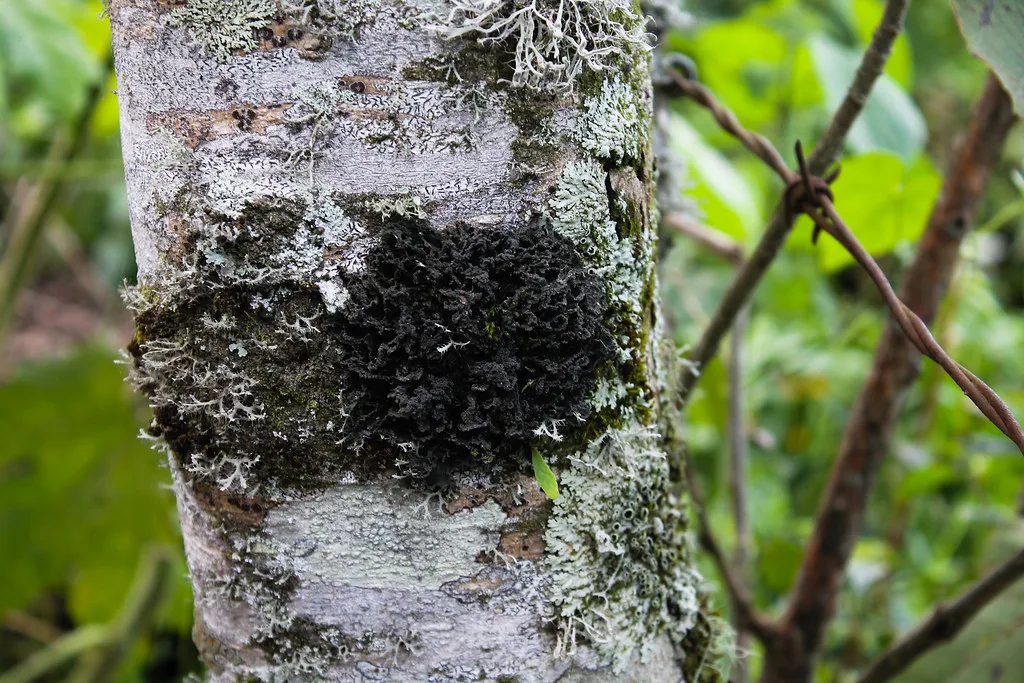
One of the more compelling advantages of exfoliation is biological housekeeping. By continually sloughing off the oldest outer layers, the tree effectively removes biological “hitchhikers” that may have established a hold on the trunk, helping prevent the buildup of mosses, lichens, fungi, and insect pests.
Exfoliating may have a protective function preventing a build-up of parasites, fungi, lichens, and epiphytes. This is not a minor benefit. Persistent fungi and bark-boring insects can compromise the vascular system of a tree over time, so shedding the surface they colonize is a meaningful defense. Exfoliation also helps trees rid themselves of hitchhikers such as bacteria, fungi, lichens, and mosses.
Bark Photosynthesis: A Hidden Bonus
One of the more surprising findings linked to bark shedding involves photosynthesis. It is not widely known that in addition to leaf photosynthesis, the bark of certain smooth-barked trees can also photosynthesize. When old, opaque outer layers are shed, light can reach the green tissue beneath.
Peeling of bark may allow the removal of a lichen light-blocking layer to expose the live inner bark to photosynthesis in certain species such as Betula. Similarly, tree biologist research has noted that the sycamore has a unique cortex, so that as the outer bark is shed, the tree can photosynthesize even with no leaves. Perhaps shedding bark is not just coincidental but necessary for increased photosynthesis along the trunk and branches, generating an increased growing season that contributes to rapid growth and survival.
Eucalyptus and Fire: When Peeling Becomes a Strategy
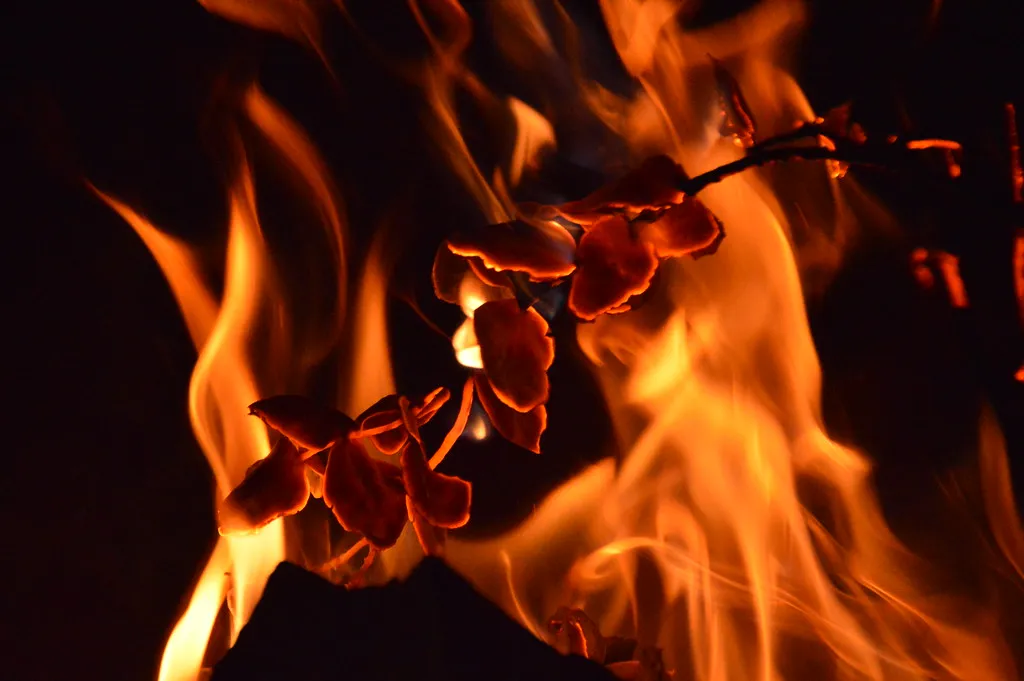
Although the reasons for the bark-shedding ritual of eucalyptus trees are not known for certain, research has provided a few ideas as to why. Eucalyptus trees may shed their bark as a natural part of their growth and survival strategy. Fire adaptation is one of the most discussed.
Eucalyptus species have adapted to survive and even benefit from wildfires. As fire feeds on the flammable bark that is shed at the foot of the trees, eucalyptus trees disperse large clusters of seeds that rely on fire for growth. The hanging bark strands, sometimes two metres or more long, conduct flames up the trunk from where wind can carry glowing embers considerable distances, spreading fire. It’s a genuinely unusual ecological role for peeling bark.
Climate and Moisture: Exfoliation in Wet and Dry Environments
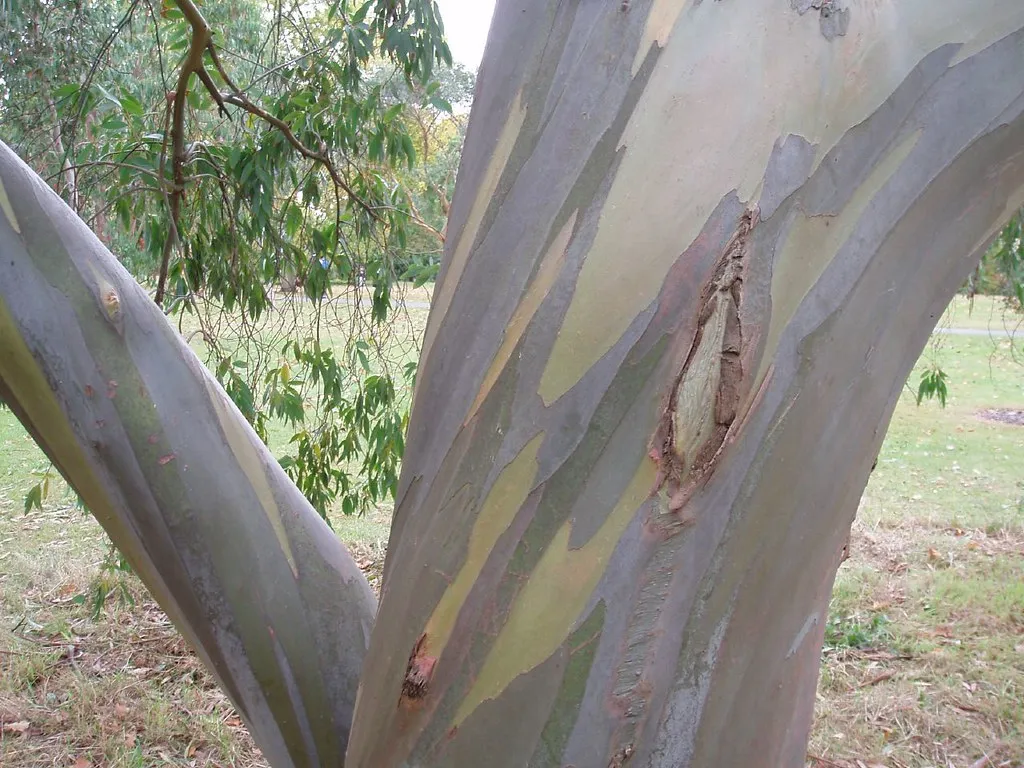
The exfoliation process is related to temperature and climatic response of trees to adjust to temporary change. Both wet and dry environments seem to drive bark shedding through different pathways.
One hypothesis is that thin bark is an adaptation to the floodplain environment. Water conservation, an advantage that thick bark offers, is not necessary with the continual availability of moisture. Thin bark may conversely allow for increased transpiration of water through and out of the tree’s system, speeding growth and ultimately leading to exfoliation. On the arid side, eucalyptus trees are well adapted to thrive in arid and semi-arid environments, and the exfoliating bark helps reduce water loss through transpiration, with the outer layers of dead bark acting as an insulating and protective layer against evaporation.
When Peeling Is Not Normal: Pests and Disease
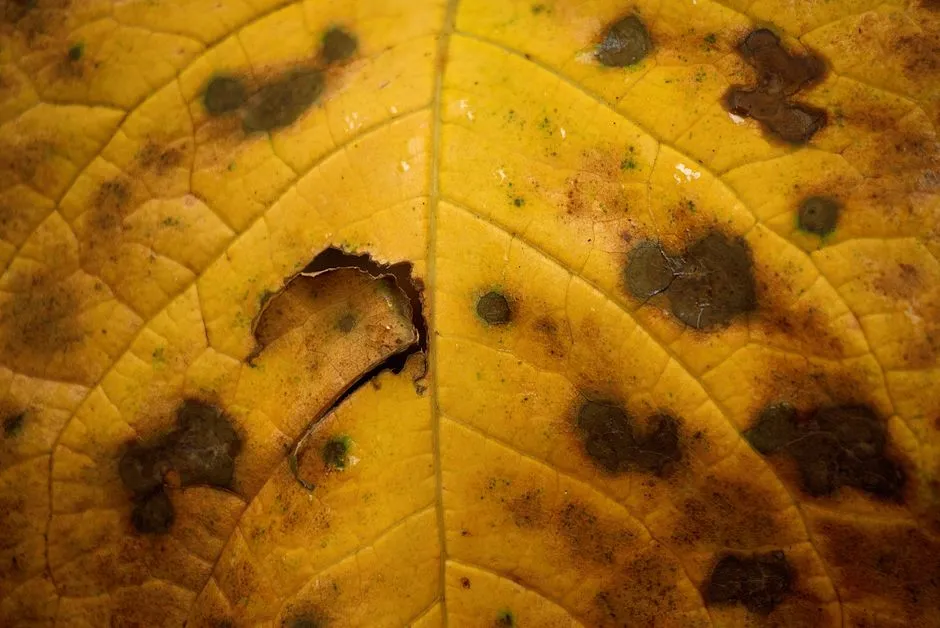
Not every piece of fallen bark signals healthy growth. Bark peels off a tree for four broad reasons: natural growth, environmental stress, disease and insects, and mechanical injury. Knowing which is which matters for tree health.
Fungal and bacterial infections often manifest as cankers, which are localized, sunken, or discolored lesions on the bark. These infections kill the tissue between the bark and the wood, causing the dead bark to crack and peel away, often revealing dark tissue beneath. Bark beetles and the emerald ash borer tunnel beneath the bark and disrupt the vascular system, which loosens bark around their entry holes. The key difference between disease and healthy exfoliation is usually the texture and color of what’s exposed underneath.
Seasonal Timing and the Cycle of Renewal
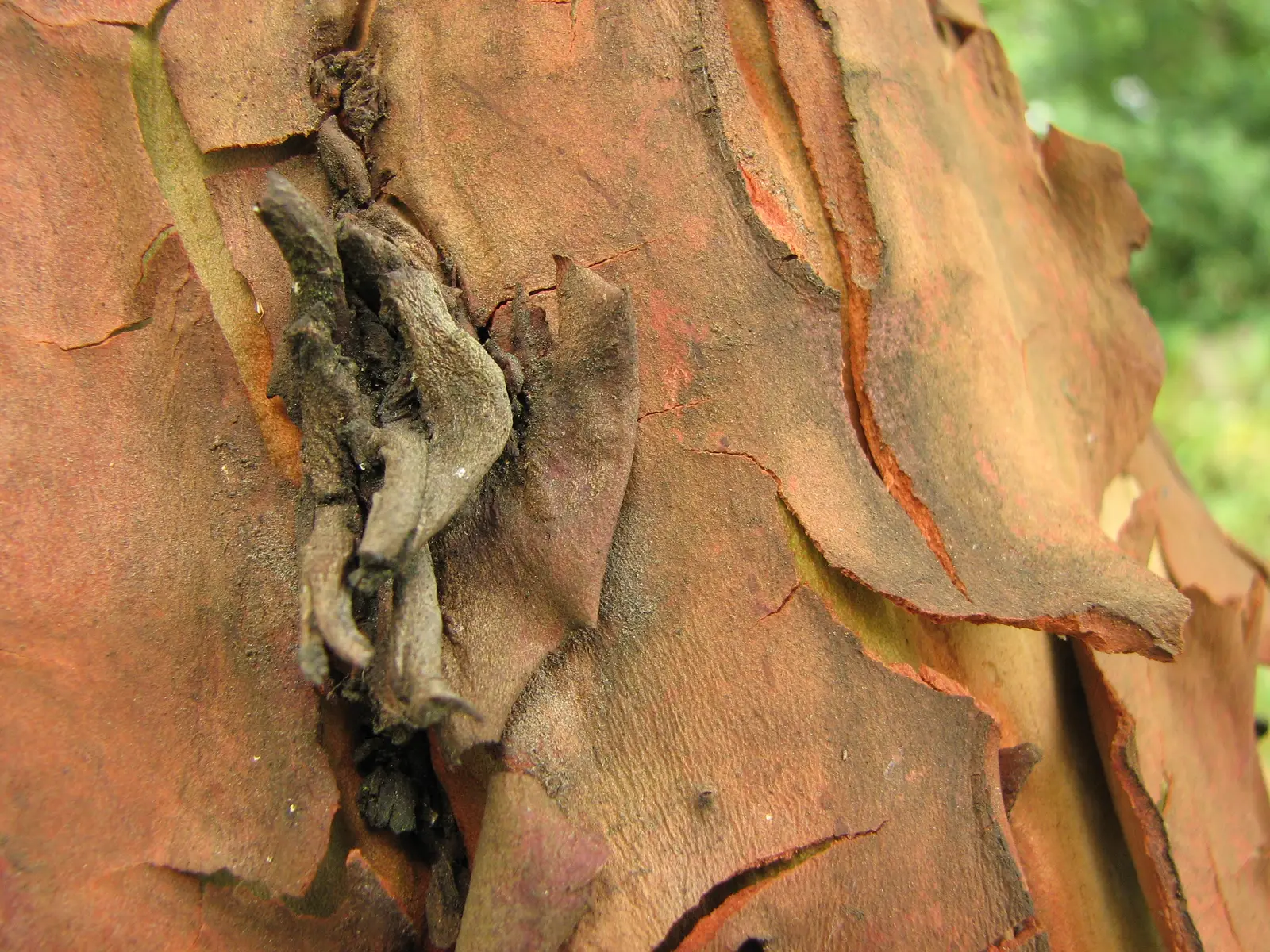
Bark splitting and sloughing results from a number of environmental factors. Sloughing or peeling of the bark is a normal process, especially in spring when the tree begins to grow, and is more noticeable in some species than in others.
The process starts sometime after trees begin to grow in spring and is then prominent through winter, giving eye-catching detail to the trees. For many species, bark shedding tends to be more predominant every other year. Physiologically, it can improve the regeneration of new bark cells as part of the process of secondary growth in trees. The whole cycle, year after year, keeps the outer surface of the trunk renewed, clean, and structurally sound.
The Takeaway
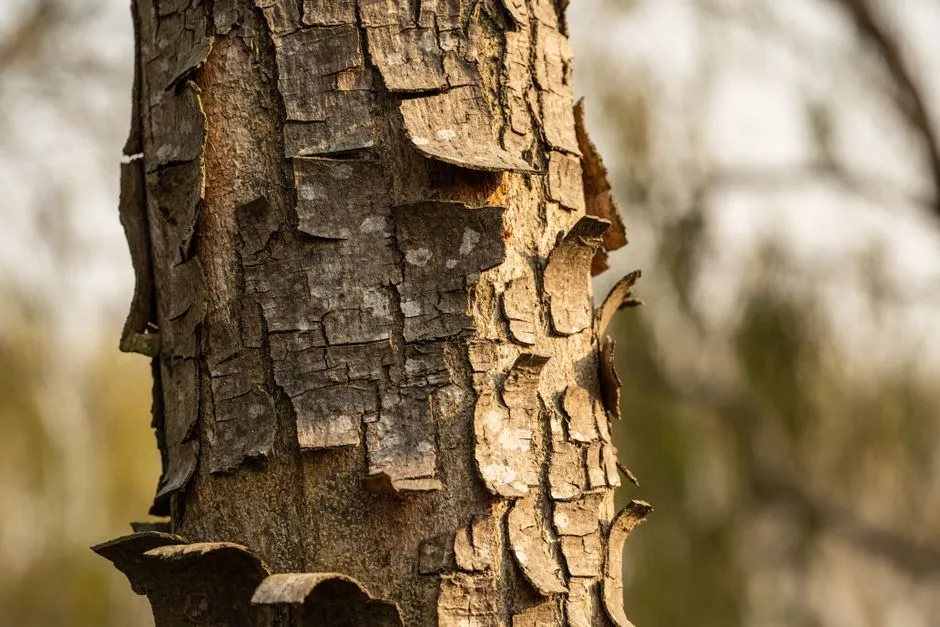
Peeling bark is one of those phenomena that looks like a problem until you understand the biology behind it. It’s a growth mechanism, a defense system, and in some species, a photosynthetic tool, all rolled into one shedding layer. The tree isn’t suffering. It’s updating.
What’s striking is how many different pressures, rapid growth, parasite load, climate, fire regimes, seem to have pushed different tree lineages toward the same solution. That kind of convergence is usually a sign that something works. The sheets of bark curling off a river birch or a sycamore aren’t a wound. They’re evidence of a system running exactly as it should.
AI Disclaimer: This article was created with the assistance of AI tools and reviewed by a human editor.