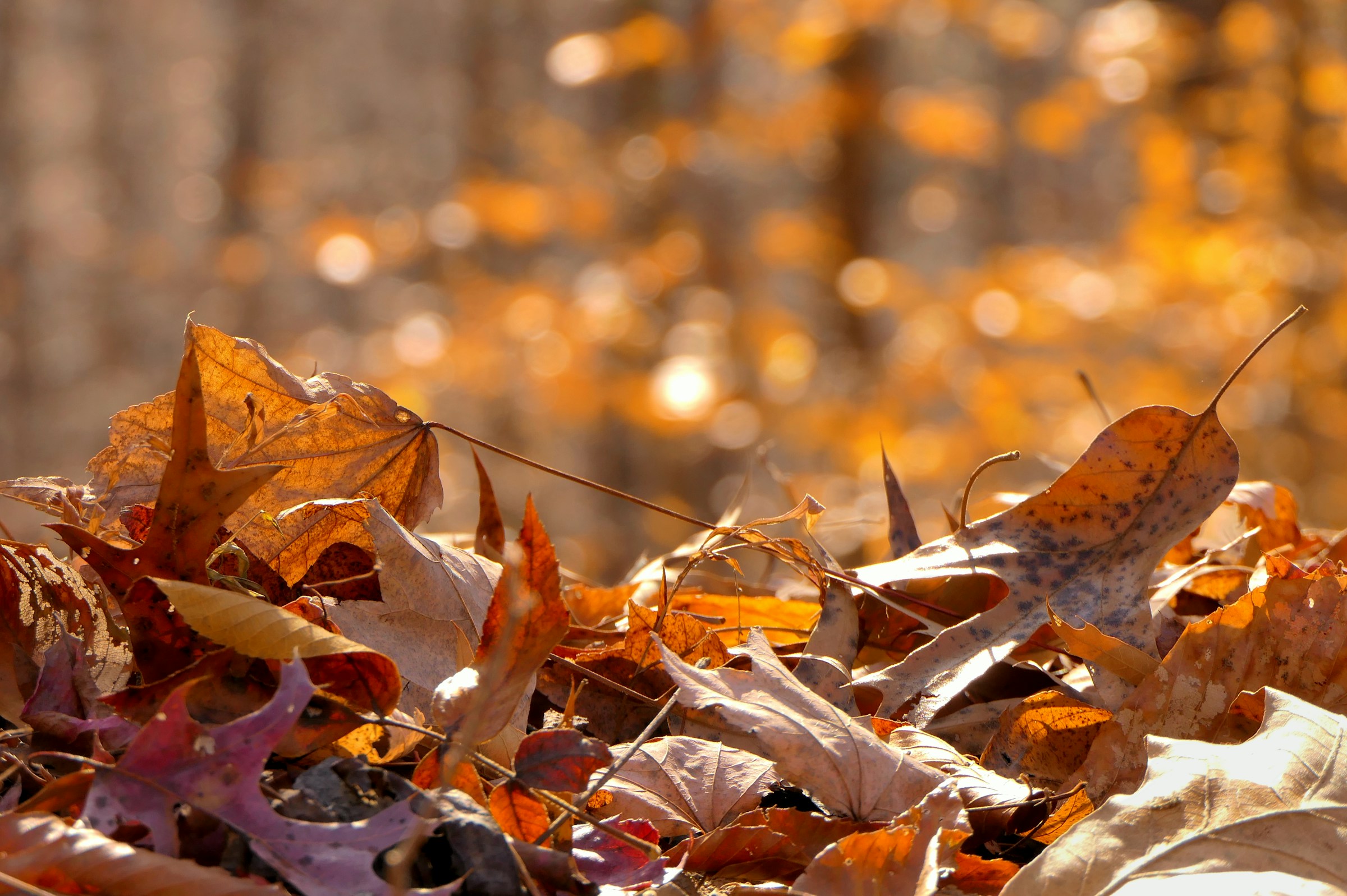

The Biology of Leaf Drop: How Trees Decide to Let Go
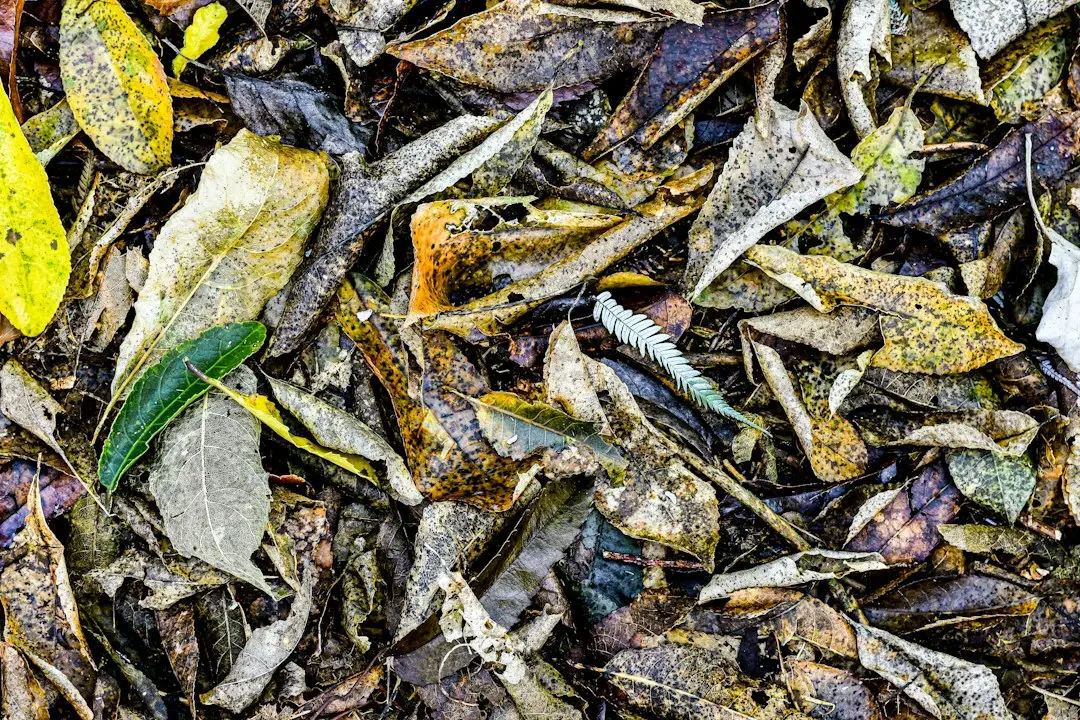
Trees rely on a delicate balance of water and nutrients to maintain their health, and leaves play a crucial role in photosynthesis, the process by which trees convert sunlight into energy. When that balance tips, the tree doesn’t simply wait things out. To survive, trees enter a kind of survival mode, prioritizing their core functions over the maintenance of leaves, which is why some trees begin to shed their leaves early during periods of extreme heat and drought. By dropping leaves, the tree reduces its surface area, thereby minimizing water loss and conserving whatever moisture it can.
When a tree cannot supply enough water or nutrients to its full canopy, it sheds leaves to reduce demand – a survival mechanism where the tree is essentially sacrificing leaves to protect its core structure. Think of it as triage. The tree is not dying; it is making a calculated trade.
Drought: The Most Common Trigger
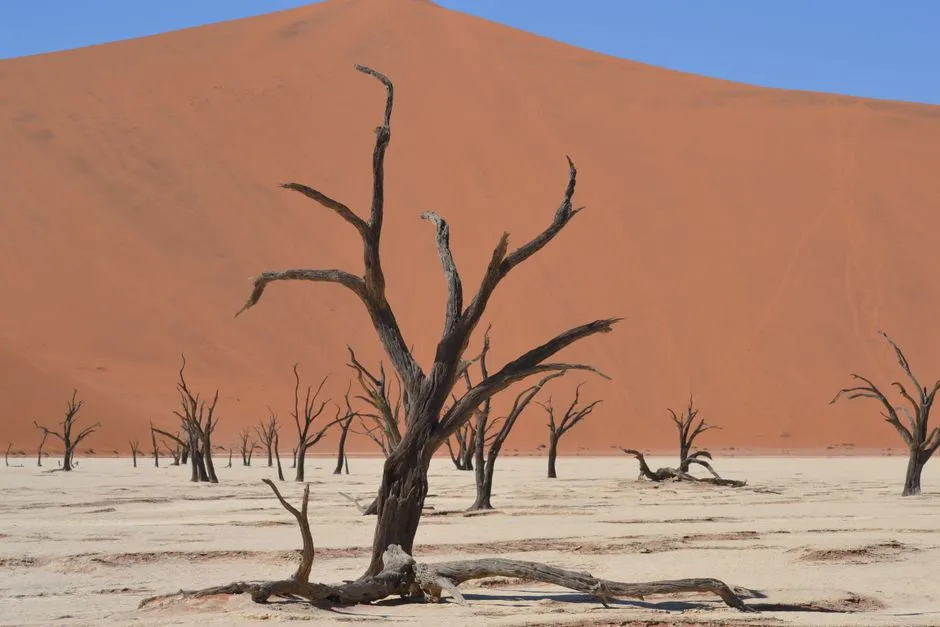
If a tree starts shedding green leaves in the middle of summer, well before fall arrives, it could be a sign of drought stress. When water is scarce, a tree may start dropping its leaves to reduce the amount of foliage it has to support, and you will spot green or yellowing leaves scattered on the ground in midsummer as if it were autumn.
Leaves turning yellow or brown in late summer are part of the tree’s survival strategy: by reducing leaf area, the tree lowers the amount of water it loses through transpiration. In essence, the tree is regulating its own water use in response to drought. It’s an elegant system, though not a comfortable one to observe.
Research from the University of Minnesota reports that drought-stressed trees may lose up to roughly thirty percent of their canopy during hot months, even when soil appears adequately watered. That last part matters. Surface-level soil can feel damp while deeper root zones stay bone dry.
Heat Stress: When Temperature Alone Does the Damage
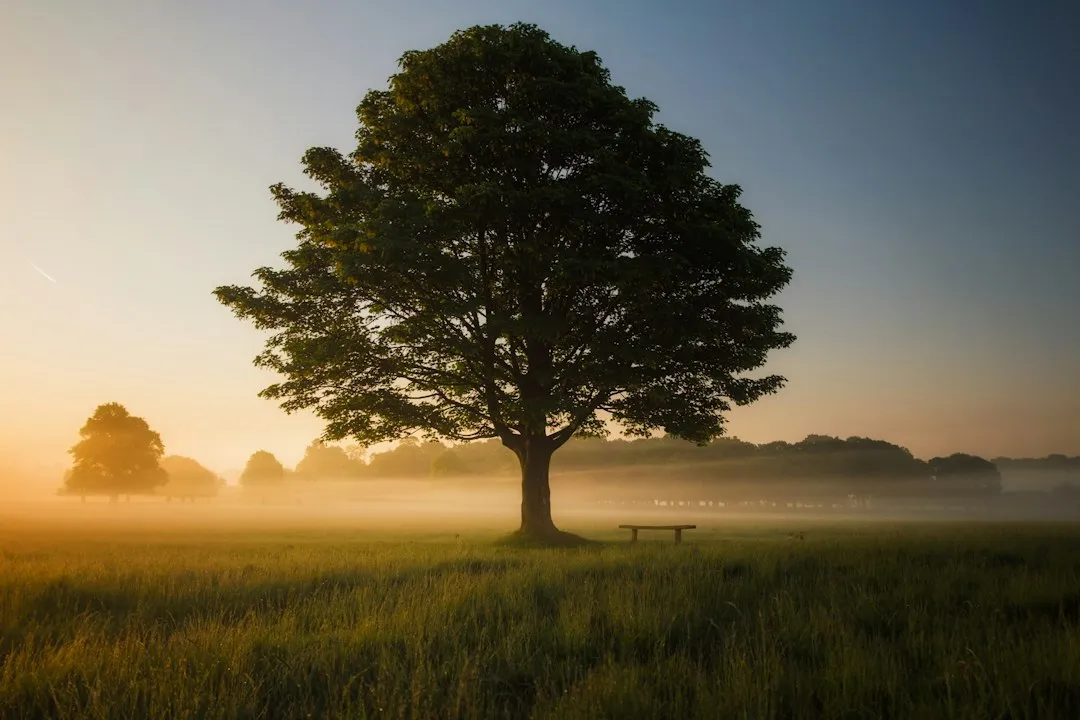
When temperatures soar and rainfall is scarce, trees experience heat stress. The intense heat increases the rate of water loss through transpiration, where water evaporates from the leaves. If the tree is unable to replenish this lost moisture due to a lack of water in the soil, it begins to experience drought stress as well.
Most well-watered plants avoid lethal overheating, but drought exacerbates thermal damage during heatwaves. Thermal safety margins quantifying the difference between leaf surface temperature and the critical temperature where photosynthesis is disrupted help identify species most vulnerable to heatwaves. Species with thinner, broader leaves tend to be more exposed to this kind of damage.
Which Tree Species Are Most Vulnerable
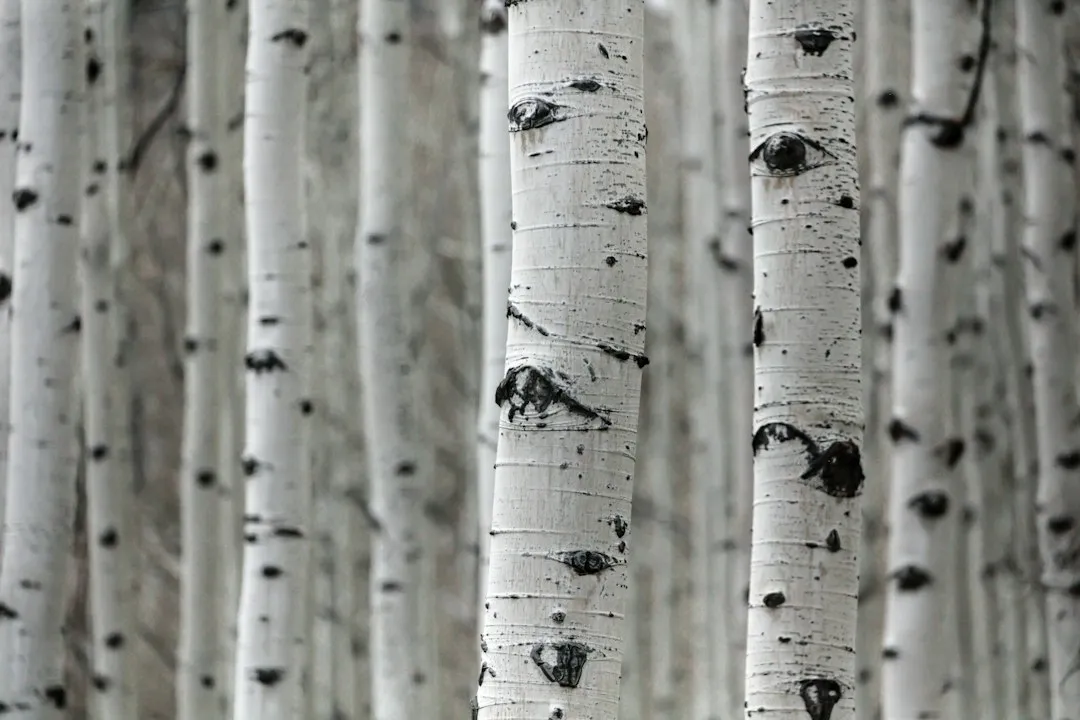
Silver birch is among the species showing the most visible signs of stress during dry periods. With shallow root systems and a preference for light, free-draining soils, birches are poorly equipped to withstand prolonged dry spells. Many are displaying smaller leaves that have already turned yellow and dropped, reflecting the dryness of the top fifty centimeters of soil where their roots feed.
For the beech, the defining tree species of central Europe, the picture is particularly clear: the shedding of its leaves at the height of summer is not a defence mechanism but a symptom of stress. Other tree species, such as lime or oak, are better able to protect themselves. Young trees are especially susceptible to drought stress, as their roots are not yet strong enough to penetrate the deeper soil layers to draw water.
Reading the Warning Signs in the Canopy
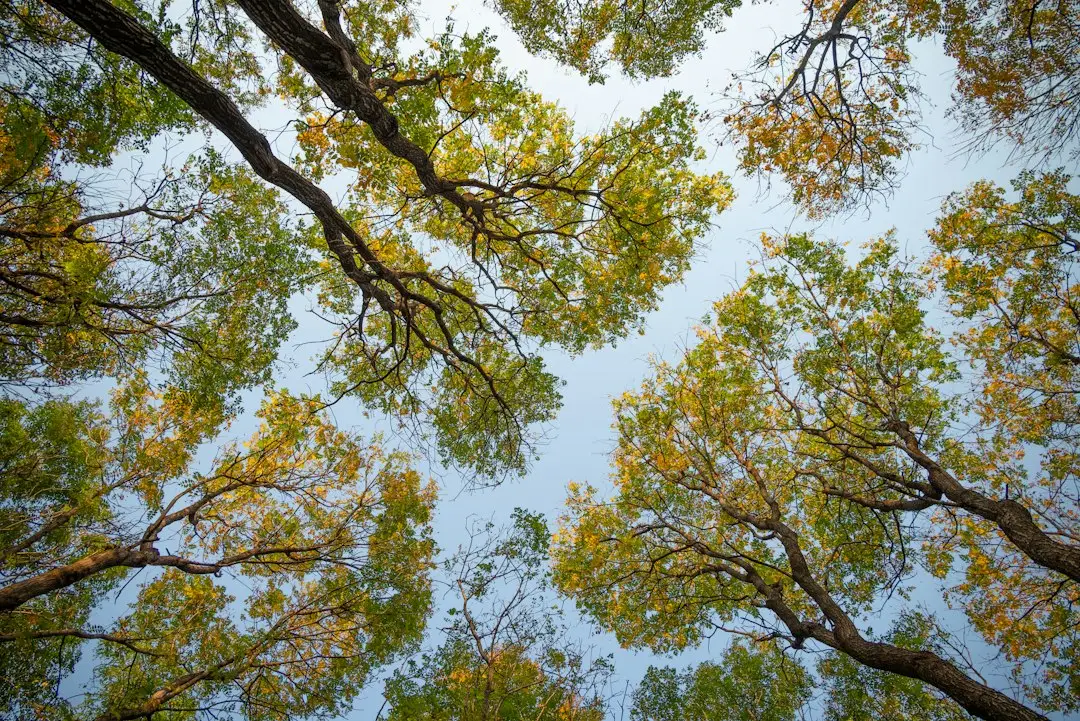
Some of the earliest signs observed in canopies include premature leaf or needle discolouration, premature leaf abscission, leaves significantly smaller than usual, and defoliation, which is widely recognised as an indicator of a tree’s physiological condition. These signals don’t appear at random. They follow a pattern, and learning that pattern is how you catch problems early.
The most common changes in appearance are lighter green to yellow-green foliage, leaf scorch around the margins, wilting leaves, and dropping them prematurely. These stressed trees will also often have stunted shoots and may produce more seeds than typically seen. Excessive seed production is itself a stress signal – the tree is trying to reproduce before conditions worsen.
When Fungal Disease Is Behind Early Leaf Drop
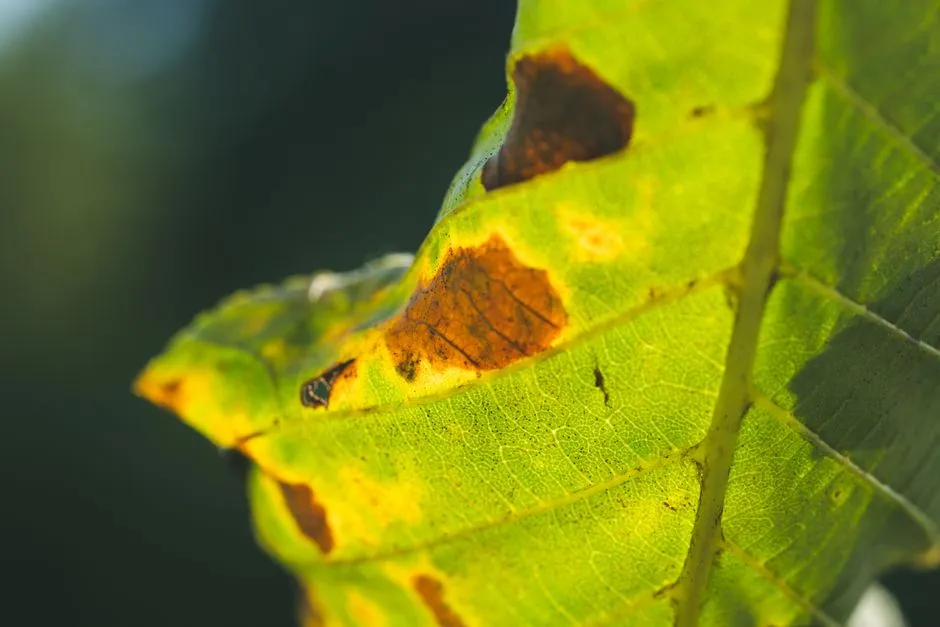
Oak anthracnose is a fungal disease of leaves and twigs of many species of oak, with typical symptoms including the presence of small to large brown lesions on the leaves, usually along the midrib or main veins. It can look deceptively similar to drought damage at first glance, which is why a closer inspection of the leaf surface matters.
Anthracnose is a common spring fungal disease causing dark blotches and leaf distortion. Leaves drop from the tree during severe infections, though the disease is generally not fatal and puts stress rather than a death sentence on the tree. Anthracnose-affected trees will typically re-foliate in a few weeks and are generally not harmed long-term, whereas trees affected by oak wilt will not re-foliate. That distinction is critical.
Root and Trunk Damage: The Hidden Cause
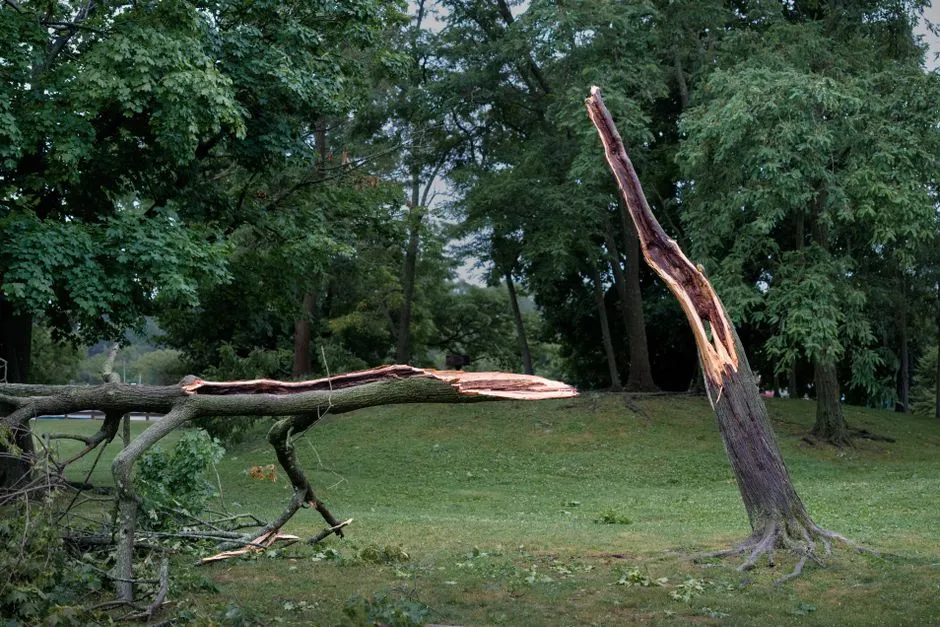
Trunk or root injury represents one of the most serious problems causing leaf drop, usually starting near the top of trees. Wilt diseases are one example visible during summer months. Leaves will drop, but usually entire leaves turn yellow, bronze, or brown first without spots or lesions on them.
Root and trunk injury can show remarkably similar symptoms, making diagnosis of wilt diseases difficult to confirm. Examining the trunks of larger trees with wilting and dropping leaves for signs of injury, wounds, and hollow areas is important, and any digging, soil compaction, or construction activity in the past few years – not just recent weeks – should be considered. Construction damage to root systems can show up years after the fact.
The Climate Change Factor
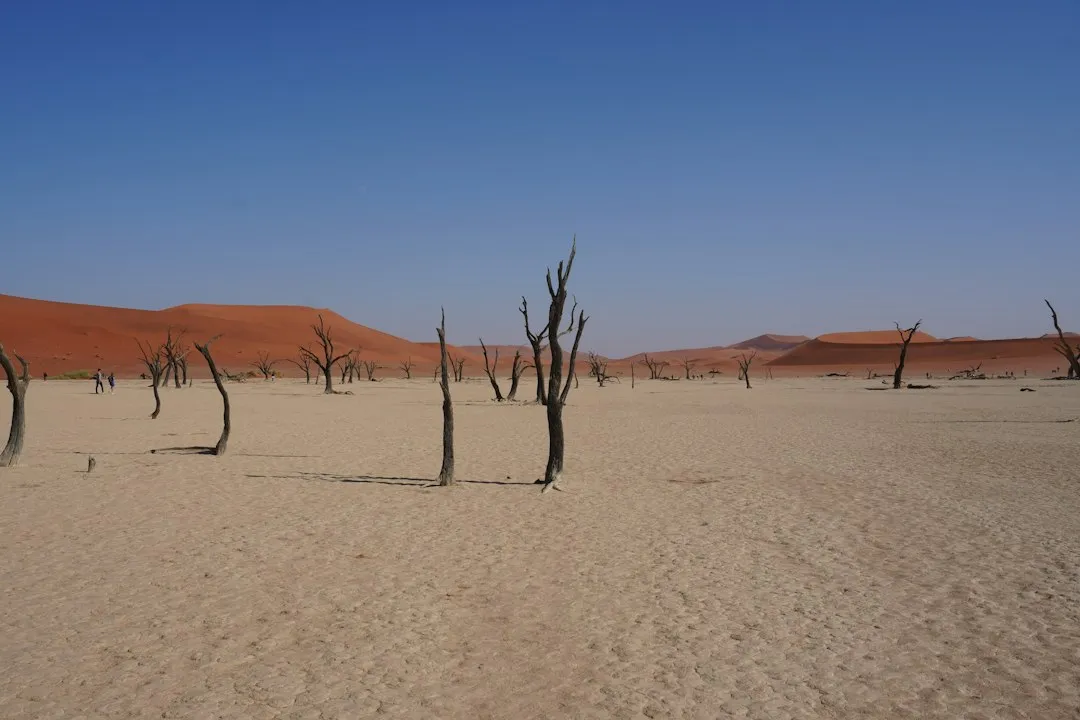
While leaf discolouration of many temperate and boreal tree species has been delayed in response to global warming, climatic stress such as severe drought can cause premature leaf discolouration. For most species, premature leaf discolouration occurred in years with very warm and dry spring-summer conditions or with very cool fall temperatures.
Premature leaf discolouration was observed in ten to forty percent of all monitoring stations during stress years, whereas the long-term mean was only four to six percent. Researchers expect that the future increase in the frequency and severity of droughts in Europe will likely increase the risk of premature leaf discolouration. Similar patterns are being documented across North America and other temperate regions.
Findings from twenty years of continuous fieldwork and data collection from permanent sample plots, conducted as part of the International Co-operative Programme on Assessment and Monitoring of Air Pollution Effects on Forests, confirm that early crown warning signs are becoming more prevalent under intensifying climate pressure.
When Early Leaf Drop Becomes a Genuine Crisis
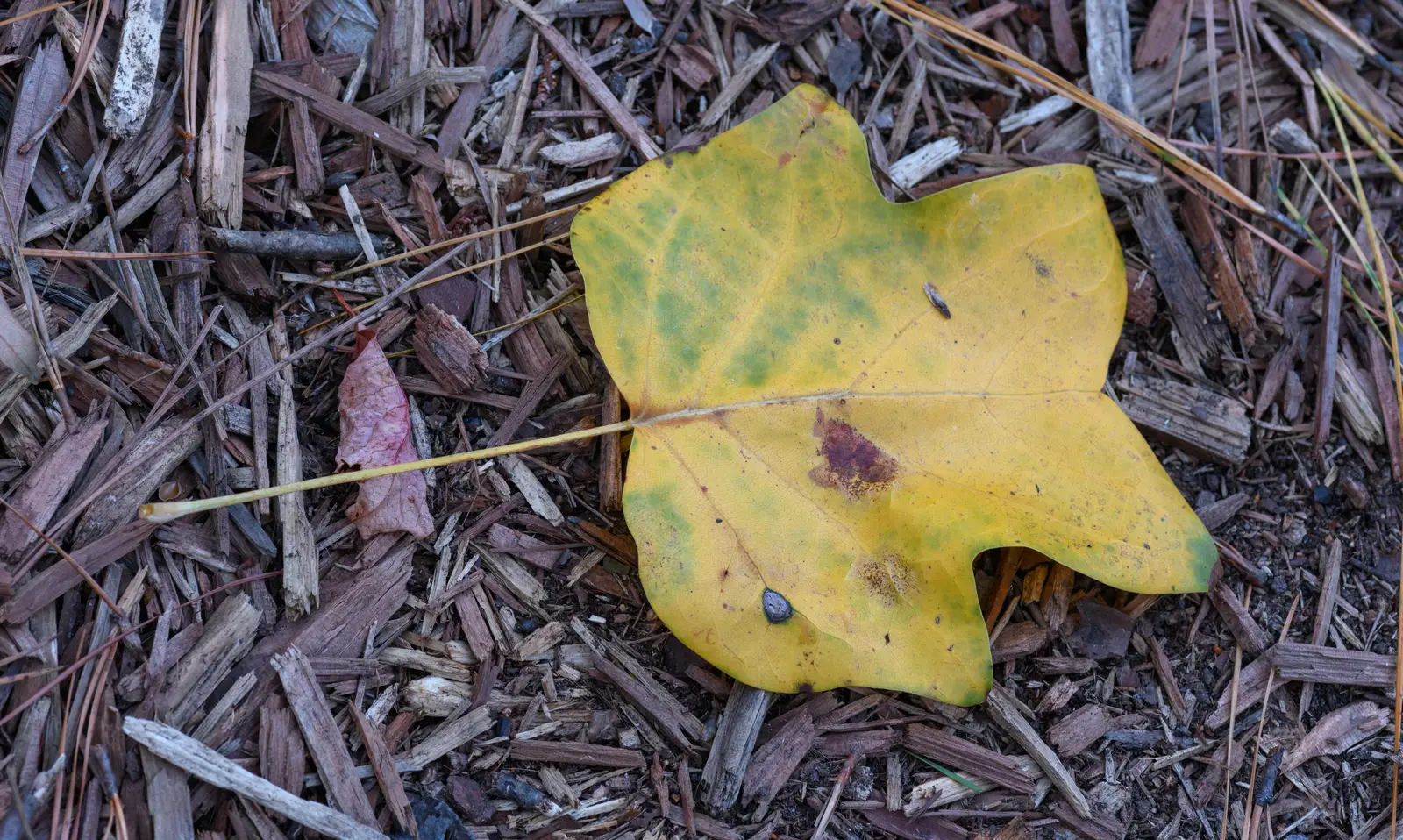
While deciduous trees can usually recover from one season of early leaf drop, repeated defoliation weakens the tree significantly. A single bad summer, handled well, rarely kills a mature tree. Several bad summers in a row is another story entirely.
We still cannot conclusively determine which specific trees will die back based solely on early warning signals, as some trees manage to withstand severe drought conditions. Nonetheless, the widespread appearance of these indicators is a clear warning of significant ecosystem instability, potentially leading to the decline of individual trees or larger groups. Scale matters here. One tree shedding early is a concern; a whole street of trees doing it is a red flag for the broader ecosystem.
What You Can Actually Do About It
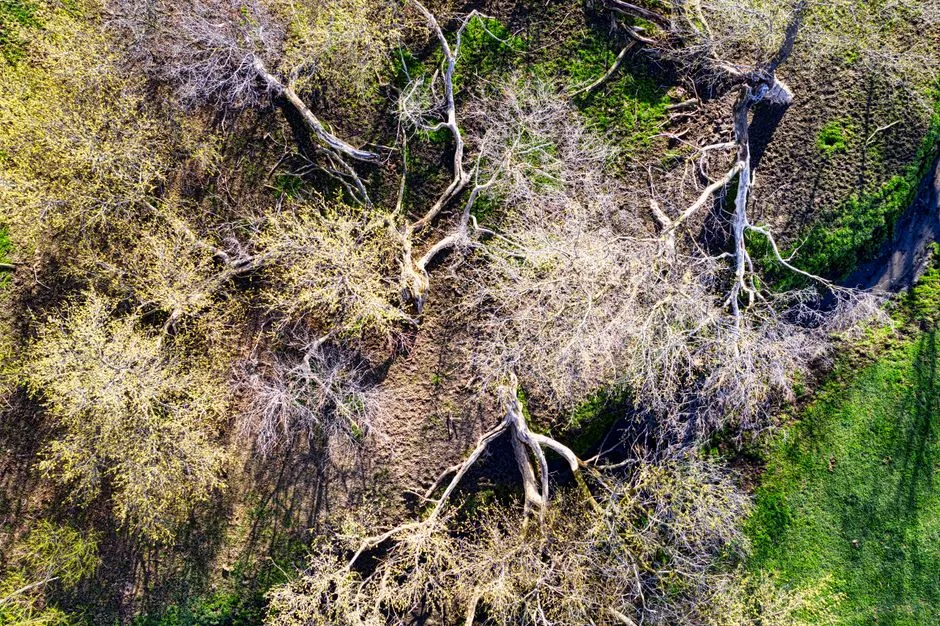
During severe drought, some deciduous trees may shed leaves early to protect themselves by reducing the amount of water lost through evapotranspiration. While this can look alarming, it’s often a survival strategy, and if conditions improve, some species may even produce a second flush of leaves later in the season.
Watering heat- or drought-stressed trees once a week until autumn helps them bounce back and recover from stress. Saturating the soil under the drip line is effective, and maintaining a consistent watering strategy all year – increasing frequency during dry stretches – helps keep trees more resilient overall.
Trees are tough and can handle moderate drought as long as they are well established and healthy, but younger or recently planted trees are more at risk because of shallow root systems and transplant stress. For fungal issues like anthracnose, raking and destroying fallen leaves during summer and fall, pruning and destroying diseased branches when practical, and avoiding composting diseased material are the foundational steps in managing the spread.
The Takeaway
A tree dropping its leaves weeks ahead of schedule is sending a message. Sometimes it’s a straightforward conservation strategy that ends with a second flush of growth once the pressure eases. Other times, especially when it recurs year after year or when whole sections of the canopy go bare from the top down, it points to something deeper.
The clues are usually there if you look closely enough: where the drop starts, what the leaves look like before they fall, and whether the tree recovers. Trees have been navigating tough conditions for millions of years. In most cases, a well-timed intervention – some water, some space, a check for disease – is enough to tip the balance back in their favor. The hard part is noticing early enough to act.
AI Disclaimer: This article was created with the assistance of AI tools and reviewed by a human editor.